Bacteria, fungi, and archaea — their metal dependencies, virulence enzymes, and ecological roles in the human microbiome. 233 articles in this category.
Acidaminococcus A Gram negative, obligate anaerobic genus within the family veillonellaceae (class Negativicutes, phylum Firmicutes) defined by its specialized amino acid fe...
Acinetobacter A Gram negative, aerobic, non fermenting coccobacillus and a member of the ESKAPE group of priority pathogens (Enterococcus, Staphylococcus, Klebsiella, Acin...
Acinetobacter Baumannii WHO Priority 1: Critical. A Gram negative, strictly aerobic coccobacillus and one of the most dangerous nosocomial pathogens on the planet. A. baumannii belo...
Actinobacteria (Actinomycetota) Actinobacteria (reclassified as Actinomycetota in 2021) is a major Gram positive, high GC content bacterial phylum with remarkable ecological breadth. In the...
Actinomyces A genus of Gram positive, facultatively anaerobic, filamentous bacteria that are among the most abundant colonizers of the human oral cavity. Actinomyces spe...
Adherent Invasive Escherichia Coli (AIEC) A pathotype of escherichia coli that adheres to and invades intestinal epithelial cells, survives and replicates within macrophages, and is strongly associat...
Adlercreutzia Adlercreutzia is a genus of Gram positive, strictly anaerobic gut bacteria within the phylum Actinobacteria, named after Finnish researcher Herman Adlercreut...
Aerococcus Aerococcus is a genus of Gram positive, alpha hemolytic, catalase negative cocci. The primary species of clinical relevance are A. urinae (a cause of urinary...
Aeromonas Aeromonas is a genus of Gram negative, facultatively anaerobic bacteria found in aquatic environments and, increasingly recognized as an opportunistic gut pa...
Akkermansia Mucinicola A Gram negative, obligate anaerobic, mucin degrading bacterium first isolated from human feces and formally described as a second species within the genus Ak...
Akkermansia Muciniphila A Gram negative, obligate anaerobic, mucin degrading bacterium that colonizes the intestinal mucus layer and has emerged as one of the most important next ge...
Alishewanella Alishewanella is a genus of Gram negative, facultative anaerobic bacteria within the class Gammaproteobacteria. Primarily known as environmental organisms, A...
Alistipes A Gram negative, obligate anaerobic genus within the Bacteroidetes phylum (family Rikenellaceae). Alistipes occupies a complex and context dependent role in ...
Allisonella A Gram negative obligate anaerobe identified as a histamine producing bacterium enriched in dysbiotic microbiota associated with obesity, metabolic syndrome,...
Alloprevotella Alloprevotella is a genus of Gram negative, obligate anaerobic bacteria within the family Prevotellaceae that represents a distinct clade from prevotella wit...
Alloscardovia Alloscardovia is a genus of anaerobic, Gram positive bacteria in the family Bifidobacteriaceae (phylum Actinobacteria). The primary species is A. omnicolens,...
Alternaria Alternaria is a ubiquitous environmental mold genus comprising over 300 species, with A. alternata as the most common human associated species. Primarily rec...
Anaerococcus Anaerococcus is a genus of Gram positive, obligate anaerobic cocci within the phylum Firmicutes. It is a normal inhabitant of the human vaginal, skin, and ga...
Anaerostipes A genus of Gram positive obligate anaerobes in the family Lachnospiraceae (Clostridium cluster XIVa) that occupy a critical metabolic relay position in gut e...
Anaerotruncus Anaerotruncus is a Gram positive obligate anaerobic genus within the Ruminococcaceae (Firmicutes). First isolated from human feces, it is a minor member of t...
Aspergillus A ubiquitous filamentous fungal genus that is both an environmental saprophyte and an opportunistic human pathogen. A. fumigatus is the primary cause of inva...
Atopobium Atopobium is a genus of obligate anaerobic, Gram positive bacteria in the phylum Actinobacteria. The primary species of clinical relevance is A. vaginae (rec...
Atopobium Parvulum Atopobium parvulum is a Gram positive obligate anaerobe found primarily in the oral cavity but increasingly detected in gut microbiome studies. It produces h...
Atopobium Vaginae Atopobium vaginae (reclassified as Fannyhessea vaginae) is a Gram positive obligate anaerobe and one of the most reliable biomarkers of bacterial vaginosis (...
Bacillus A Gram positive, aerobic to facultatively anaerobic, spore forming genus that bridges environmental and human microbiology. The genus encompasses both benefi...
Bacteroidaceae Bacteroidaceae is a family of obligate anaerobic, Gram negative bacteria in the order bacteroidales. The dominant genus is bacteroides, which includes B. fra...
Bacteroidales Bacteroidales is an order of obligate anaerobic, Gram negative bacteria within the phylum Bacteroidetes. It includes the families Bacteroidaceae (bacteroides...
Bacteroides Bacteroides is the most abundant genus in the Western adult gut and a cornerstone of intestinal polysaccharide metabolism. As members of the bacteroidetes ph...
Bacteroides Caccae Bacteroides caccae is a Gram negative, obligate anaerobic member of the bacteroidetes phylum and a common fiber degrading commensal in the human colon. While...
Bacteroides Fragilis A Gram negative obligate anaerobe and the most clinically significant member of the Bacteroides genus. B. fragilis occupies a unique dual position in gut mic...
Bacteroides Thetaiotaomicron Bacteroides thetaiotaomicron is one of the most abundant and metabolically versatile commensals of the human gut, routinely cited as a model organism for stu...
Bacteroides Uniformis A Gram negative, obligate anaerobic bacterium within the phylum Bacteroidetes and a common member of the healthy human gut microbiota. B. uniformis is a vers...
Bacteroides Vulgatus A Gram negative obligate anaerobe that exemplifies the commensal pathobiont spectrum. B. vulgatus is a common component of the healthy gut microbiota, yet is...
Bacteroidetes (Bacteroidota) Bacteroidetes (recently reclassified as Bacteroidota) is one of the two dominant bacterial phyla in the human gut, together with firmicutes typically compris...
Barnesella Barnesella is a genus of obligate anaerobic, Gram negative bacteria in the phylum Bacteroidetes. It is a relatively understudied gut commensal that appears i...
Barnesiella Barnesiella is a genus of Gram negative, obligate anaerobic bacteria within the phylum Bacteroidetes. It is a commensal member of the healthy human gut micro...
Betaproteobacteria A class of Gram negative bacteria within the phylum Proteobacteria that has emerged as a causal risk factor for schizophrenia and bipolar disorder through Me...
Bifidobacteriaceae Bifidobacteriaceae is the family containing bifidobacterium and related genera (alloscardovia). It is the dominant family in the healthy infant gut and a sig...
Bifidobacteriales Bifidobacteriales is an order of Gram positive, strictly anaerobic bacteria within the phylum Actinobacteria. The order contains the family Bifidobacteriacea...
Bifidobacterium A genus of Gram positive, obligate anaerobic bacteria that dominate the infant gut microbiome and remain important commensals throughout life. Bifidobacteriu...
Bifidobacterium Adolescentis Bifidobacterium adolescentis is a Gram positive, obligate anaerobic species within the phylum Actinobacteria and the dominant Bifidobacterium species in the ...
Bifidobacterium Bifidum Bifidobacterium bifidum is an obligate anaerobic, Gram positive species that specializes in human milk oligosaccharide (HMO) and mucin glycan degradation. It...
Bifidobacterium Breve Bifidobacterium breve is a Gram positive, obligate anaerobic species within the phylum Actinobacteria, predominantly found in the infant gut and breast milk....
Bifidobacterium Infantis Bifidobacterium longum subsp. infantis (commonly called B. infantis) is the premier human milk oligosaccharide (HMO) utilizing bacterium and the dominant spe...
Bifidobacterium Longum Bifidobacterium longum is a Gram positive, obligate anaerobic bacterium and one of the most important commensal species in human health from infancy through ...
Bilophila Bilophila wadsworthia is a Gram negative, obligate anaerobic, sulfite reducing bacterium that has emerged as a key pathobiont linking high fat diets, taurine...
Blautia A genus of Gram positive, obligate anaerobic bacteria within the lachnospiraceae family that produces short chain fatty acids and plays a significant role in...
Borrelia A genus of spirochete bacteria transmitted by Ixodes ticks, best known as the causative agent of Lyme disease the most common tick borne illness in the North...
Brucella A genus of Gram negative intracellular pathogens causing brucellosis, the most common bacterial zoonosis worldwide. Brucella species depend on nickel activat...
Burkholderiales Burkholderiales is an order of Gram negative Betaproteobacteria that includes environmentally versatile genera such as Ralstonia, Burkholderia, and Sutterell...
Butyricicoccus A genus of Gram positive, strictly anaerobic, butyrate producing bacteria in the order Clostridiales (phylum Firmicutes). The type species, Butyricicoccus pu...
Butyricimonas A Gram negative, obligate anaerobic genus within the Bacteroidetes phylum (family Odoribacteraceae). Despite its relatively recent characterization, Butyrici...
Butyrivibrio Butyrivibrio is a genus of Gram positive, obligate anaerobic bacteria within the family Lachnospiraceae (phylum Firmicutes). Originally characterized as a do...
Campylobacter Campylobacter is a genus of Gram negative, microaerophilic, spiral shaped bacteria. C. jejuni is the most common bacterial cause of foodborne gastroenteritis...
Campylobacter Jejuni The leading bacterial cause of diarrheal disease worldwide, with an estimated 400 500 million cases annually. C. jejuni is notable in the metallomics context...
Candida Albicans An opportunistic fungal pathogen whose relationship with metals is multifaceted: C. albicans can biosorb heavy metals from its environment, heavy metal expos...
Candida Auris Candida auris is an emerging multidrug resistant fungal pathogen first identified in 2009 (Satoh et al. 2009, from a Japanese patient's ear canal) and now cl...
Candida Glabrata A haploid, asexual yeast and the second most common cause of invasive candidiasis after Candida albicans. Recently reclassified into the genus Nakaseomyces (...
Candida Tropicalis Candida tropicalis is an opportunistic fungal pathogen and occasional gut commensal, increasingly recognized as one of the most clinically significant non al...
Caulobacter Caulobacter is a genus of Gram negative obligate aerobic Alphaproteobacteria, with C. crescentus serving as one of the premier model organisms for studying b...
Chlamydia Chlamydia is a genus of obligate intracellular, Gram negative bacteria with a unique biphasic developmental cycle. The genus includes three species pathogeni...
Chlamydia Trachomatis Chlamydia trachomatis is a Gram negative, obligate intracellular bacterium and the most common bacterial sexually transmitted infection worldwide. Its biphas...
Christensenellaceae Christensenellaceae is a family of Gram negative, strictly anaerobic bacteria within the order Clostridiales (phylum Firmicutes) that has emerged as one of t...
Citrobacter Citrobacter is a genus of Gram negative, facultatively anaerobic bacteria in the Enterobacteriaceae family, named for its ability to utilize citrate as a sol...
Cladosporium <! Auto created stub from Rule 13 scope discovery. 8 source pages mention this taxon. Awaiting content expansion. >
Clostridia A class of Gram positive, obligate anaerobic bacteria within the phylum Firmicutes that represents the most functionally diverse and clinically significant t...
Clostridiales An order of Gram positive, obligate anaerobic bacteria within the class clostridia (phylum Firmicutes) that represents the single most functionally important...
Clostridioides Difficile A Gram positive, spore forming, obligate anaerobic bacterium that is the leading cause of antibiotic associated diarrhea and pseudomembranous colitis in heal...
Clostridium A large, polyphyletic genus of Gram positive, obligate anaerobic, spore forming bacteria encompassing both critical beneficial commensals and dangerous patho...
Clostridium Butyricum Clostridium butyricum is a spore forming, obligate anaerobic, Gram positive bacterium and one of the leading next generation probiotic candidates. The MIYAIR...
Clostridium Difficile This page redirects to clostridioides difficile. Clostridium difficile was reclassified as Clostridioides difficile in 2016 based on phenotypic and phylogeno...
Clostridium Perfringens Clostridium perfringens is a Gram positive, strictly anaerobic, spore forming bacterium infamous for causing gas gangrene, food poisoning, and necrotizing en...
Clostridium Symbiosum Clostridium symbiosum is a Gram positive, obligately anaerobic bacterium within the Clostridium cluster XIVa — a taxonomic group enriched for short chain fat...
Collinsella A genus of Gram positive, obligate anaerobic bacteria within the Actinobacteria phylum (family Coriobacteriaceae) that has emerged as a consistent pathobiont...
Coprococcus A Gram positive, obligate anaerobic genus within the lachnospiraceae family (Firmicutes phylum). Coprococcus is one of the most important butyrate producing ...
Corynebacterium Corynebacterium is a large genus of Gram positive, club shaped bacteria with over 130 species spanning commensals, opportunistic pathogens, and the classic p...
Cryptococcus Neoformans An encapsulated basidiomycete yeast that causes cryptococcal meningitis the leading cause of meningitis in HIV/AIDS patients and responsible for an estimated...
Davidiella Davidiella is the teleomorphic (sexual) state of Cladosporium, one of the most abundant environmental fungi worldwide. While primarily a saprophyte on plant ...
Debaryomyces Debaryomyces is a genus of ascomycetous fungi, with D. hansenii being the most clinically relevant species, that represents a prominent opportunistic pathobi...
Deinococcus Deinococcus is a genus of extremophilic bacteria famous for extraordinary resistance to ionizing radiation, desiccation, and oxidative stress. D. radiodurans...
Desulfovibrio A genus of Gram negative, obligate anaerobic, sulfate reducing bacteria (SRB) that produces hydrogen sulfide (H2S) as its primary metabolic end product. H2S ...
Desulfovibrionales An order of Gram negative, strictly anaerobic sulfate reducing bacteria (SRB) within the class Deltaproteobacteria. The defining metabolic feature of Desulfo...
Dialister Dialister is a genus of Gram negative, obligate anaerobic bacteria within the family Veillonellaceae that represents one of the strongest protective associat...
Dorea A Gram positive, obligate anaerobic genus within the lachnospiraceae family (Firmicutes phylum). Dorea occupies a mixed role in the gut ecosystem while it is...
Eggerthella Eggerthella is a genus of Gram positive, strictly anaerobic, non spore forming bacteria in the family Eggerthellaceae (phylum Actinobacteria). The most studi...
Eggerthella Lenta A Gram positive obligate anaerobe and key estrobolome member that links metabolic dysbiosis to hormone driven diseases, particularly endometriosis. E. lenta ...
Enterobacter Enterobacter is a genus of Gram negative, facultatively anaerobic bacteria in the enterobacteriaceae family. Key species include enterobacter cloacae (the mo...
Enterobacter Cloacae Enterobacter cloacae is a Gram negative, facultatively anaerobic member of the Enterobacteriaceae. Ubiquitous in soil, water, and the mammalian gut, it is a ...
Enterobacteriaceae A family of Gram negative, facultative anaerobic Gammaproteobacteria that includes many of the most important human pathogens: escherichia coli, klebsiella p...
Enterococcus A genus of Gram positive bacteria (primarily E. faecalis and E. faecium) that exemplifies the metal antibiotic resistance co selection crisis. Enterococci ca...
Enterococcus Faecalis Enterococcus faecalis is a Gram positive, facultatively anaerobic coccus that inhabits the gastrointestinal tract, oral cavity, and genitourinary tract of hu...
Enterococcus Faecium Enterococcus faecium is a Gram positive, facultatively anaerobic bacterium that epitomizes the metal antibiotic co selection problem in modern medicine. As o...
Erysipelotrichaceae Erysipelotrichaceae is a family within the phylum Firmicutes that has drawn increasing attention for its consistent enrichment in metabolic disorders. Member...
Escherichia Escherichia is a genus of Gram negative, facultatively anaerobic bacteria in the Enterobacteriaceae family. The primary species E. coli is simultaneously the...
Escherichia Coli A Gram negative bacterium that spans the commensal pathogen spectrum, with pathogenic variants (UPEC, STEC, EHEC) deploying nickel dependent enzymes as virul...
Eubacterium A genus of Gram positive, obligate anaerobic bacteria within the Firmicutes phylum that includes several of the most important butyrate producers in the huma...
Eubacterium Eligens Eubacterium eligens is a Gram positive, obligate anaerobic bacterium within the lachnospiraceae family and a significant butyrate producer in the human colon...
Eubacterium Rectale Eubacterium rectale (recently reclassified as Agathobacter rectalis) is a Gram positive, strictly anaerobic, non spore forming bacterium that belongs to Clos...
Faecalibacterium Faecalibacterium is a genus of obligate anaerobic, Gram positive bacteria in the family Ruminococcaceae (phylum Firmicutes). It is the most abundant genus in...
Faecalibacterium Prausnitzii The most abundant bacterium in the healthy human colon (5 15% of total fecal microbiota), F. prausnitzii is the premier butyrate producer in the gut and a co...
Finegoldia Finegoldia is a genus of Gram positive, strictly anaerobic cocci, with Finegoldia magna as the primary species of clinical relevance. Formerly classified wit...
Firmicutes (Bacillota) Firmicutes (recently reclassified as Bacillota) is the dominant bacterial phylum in the Western adult gut, comprising the core community of short chain fatty...
Flavobacterium Flavobacterium is a genus of Gram negative, aerobic bacteria within the phylum Bacteroidetes. Primarily environmental organisms found in soil and freshwater,...
Flavonifractor A Gram positive obligate anaerobe in the family Ruminococcaceae (Clostridium cluster IV) whose defining metabolic activity is the degradation of dietary flav...
Fusarium <! Auto created stub from Rule 13 scope discovery. 6 source pages mention this taxon. Awaiting content expansion. >
Fusicatenibacter Fusicatenibacter is a Gram positive obligate anaerobic genus within the Lachnospiraceae (Firmicutes). The primary species, F. saccharivorans, was isolated fr...
Fusobacteriales An order of Gram negative, obligate anaerobic bacteria within the phylum Fusobacteriota (formerly Fusobacteria). This order level page covers the broader tax...
Fusobacterium A Gram negative, obligate anaerobic bacterium that has emerged as the most consistently CRC associated microorganism in human gut microbiome studies. F. nucl...
Fusobacterium Nucleatum A Gram negative obligate anaerobe that has emerged as a major pathogen in colorectal cancer (CRC) and inflammatory bowel disease. F. nucleatum is significant...
Fusobacterium Varium A Gram negative obligate anaerobe that occupies a paradoxical niche in the gut microbiota: as a weak butyrate producer (short chain fatty acid), it has anti ...
Gardnerella Gardnerella vaginalis is a Gram variable, facultatively anaerobic bacterium that is the key organism in bacterial vaginosis (BV), the most common vaginal inf...
Gardnerella Vaginalis See also the genus page: gardnerella Gardnerella vaginalis is the primary causative agent of bacterial vaginosis (BV), the most common vaginal infection worl...
Gemella Gemella is a genus of Gram positive, facultatively anaerobic cocci that are normal commensals of the oral cavity. Species include G. morbillorum, G. haemolys...
Gordonibacter Gordonibacter is a genus of Gram positive, strictly anaerobic gut bacteria within the phylum Actinobacteria. It is recognized as a key participant in polyphe...
Gordonibacter Urolithinfaciens Gordonibacter urolithinfaciens is a Gram positive, obligate anaerobic bacterium belonging to the family Eggerthellaceae that plays a specialized and critical...
Haemophilus Haemophilus is a genus of small, Gram negative, facultatively anaerobic coccobacilli that inhabit the upper respiratory tract, oral cavity, and gastrointesti...
Helicobacter Hepaticus A Gram negative, microaerophilic bacterium within the Epsilonproteobacteria (family Helicobacteraceae) that is the primary murine model of hepatobiliary and ...
Helicobacter Pylori A gastric pathogen that is arguably the most nickel dependent human pathogen known. Two of its key virulence factors — urease and [NiFe] hydrogenase — requir...
Holdemanella A genus of Gram positive, strictly anaerobic bacteria in the family Erysipelotrichaceae (phylum Firmicutes) that is emerging as one of the most consistently ...
Intestinimonas A Gram positive, obligate anaerobic genus within the Firmicutes phylum (family Oscillospiraceae or Ruminococcaceae depending on classification) that possesse...
Klebsiella Klebsiella is a genus of Gram negative, encapsulated, facultatively anaerobic bacteria in the Enterobacteriaceae family. With 141 file mentions across the va...
Klebsiella Pneumoniae A Gram negative opportunistic pathogen and member of the ESKAPE group of antibiotic resistant priority pathogens. K. pneumoniae deploys multiple nickel depen...
Lachnobacterium Lachnobacterium is a genus of Gram positive, obligate anaerobic bacteria within the family Lachnospiraceae (phylum Firmicutes). It is a commensal member of t...
Lachnoclostridium Lachnoclostridium is a genus of obligate anaerobic, Gram positive bacteria in the lachnospiraceae family. It is a butyrate producing commensal with emerging ...
Lachnospira Lachnospira is a genus of Gram positive, obligate anaerobic bacteria within the lachnospiraceae family (Firmicutes phylum). L. pectinoschiza, the type specie...
Lachnospiraceae A family within the Firmicutes phylum (order Clostridiales, formerly Clostridium cluster XIVa) that serves as a sentinel indicator of gut health its depletio...
Lachnospiraceae (Family) This page serves as the family level hub for Lachnospiraceae, connecting the individual genus and species pages (roseburia, blautia, anaerostipes, eubacteriu...
Lactobacillaceae Lactobacillaceae is the family containing the genus lactobacillus and related genera. It is the dominant family in the healthy vaginal microbiome and a signi...
Lactobacillus A genus of Gram positive, facultatively anaerobic lactic acid bacteria (LAB) that are among the most extensively studied probiotics. In the metallomics conte...
Lactobacillus Acidophilus Lactobacillus acidophilus is one of the most widely used probiotic species, with clinical trial evidence spanning multiple conditions. It is a component of m...
Lactobacillus Crispatus A Gram positive, facultatively anaerobic bacterium that is the dominant species in the healthy human vaginal microbiome and a defining member of Community St...
Lactobacillus Gasseri Lactobacillus gasseri is a vaginal and gut commensal that defines Community State Type II (CST II) in the vaginal microbiome. It is a common probiotic specie...
Lactobacillus Iners Lactobacillus iners is a Gram positive, facultatively anaerobic bacterium that dominates the vaginal microbiome of many women worldwide, defining Community S...
Lactobacillus Jensenii Lactobacillus jensenii defines Community State Type V (CST V) in the vaginal microbiome. It produces hydrogen peroxide and lactic acid, contributing to vagin...
Lactobacillus Plantarum Lactobacillus plantarum is one of the most versatile probiotic species — found in fermented foods (kimchi, sauerkraut, sourdough), the human gut, and the vag...
Lactobacillus Reuteri Lactobacillus reuteri is one of the most extensively studied probiotic species, notable for its production of neuroactive metabolites (GABA, histamine) and i...
Lactobacillus Rhamnosus Lactobacillus rhamnosus is a Gram positive, facultatively anaerobic lactic acid bacterium and one of the most extensively studied probiotic species. The GG s...
Lactococcus Lactococcus lactis is a Gram positive, facultatively anaerobic, lactic acid bacterium best known as the workhorse of the dairy fermentation industry. It hold...
Leptotrichia A Gram negative obligate anaerobe traditionally considered an oral commensal, but increasingly recognized as an opportunistic pathobiont with the ability to ...
Listeria <! Auto created stub from Rule 13 scope discovery. 6 source pages mention this taxon. Awaiting content expansion. >
Lodderomyces Elongisporus Lodderomyces elongisporus is an ascomycetous yeast and the closest known phylogenetic relative of Candida parapsilosis. Originally considered non pathogenic,...
Malassezia A genus of lipophilic basidiomycete yeasts that is the dominant fungus on human skin and has recently been recognized as a significant component of the gut m...
Mediterraneibacter A Gram positive, obligate anaerobic genus within the family lachnospiraceae (phylum Firmicutes) that was recently reclassified from Ruminococcus based on phy...
Megamonas Megamonas is a genus of obligate anaerobic, Gram negative bacteria in the family Veillonellaceae (class Negativicutes, phylum Firmicutes). The type species i...
Megasphaera Megasphaera is a genus of obligate anaerobic, Gram negative bacteria in the family Veillonellaceae (class Negativicutes, phylum Firmicutes). The genus occupi...
Methanobrevibacter The only archaeon represented in this wiki Methanobrevibacter smithii is the dominant methane producing microorganism in the human gut, belonging to the doma...
Methylobacterium Methylobacterium is a genus of methylotrophic alpha Proteobacteria (phylum Pseudomonadota) predominantly found in soil, water, plant surfaces, and air enviro...
Mollicutes A class of bacteria within the phylum Tenericutes defined by the complete absence of a cell wall the smallest self replicating organisms known, with minimal ...
Morganella Morganii Morganella morganii is a Gram negative, facultatively anaerobic rod belonging to the family Morganellaceae (formerly classified within Enterobacteriaceae). I...
Mortierella Mortierella is a genus of soil dwelling fungi in the phylum Mortierellomycota (formerly placed in Zygomycota). While primarily known as environmental saprotr...
Mycobacterium Tuberculosis The causative agent of tuberculosis (TB), the leading infectious disease killer worldwide (~1.3 million deaths annually). M. tuberculosis has an exceptionall...
Mycoplasma Mycoplasma is a genus of wall less bacteria in the class Mollicutes, characterized by the smallest genomes of any self replicating organisms (~580–1,350 kb)....
Mycoplasma Hominis See also: mycoplasma (genus page) Mycoplasma hominis is a wall less bacterium in the class Mollicutes that colonizes the urogenital tract. It is associated w...
Odoribacter Odoribacter splanchnicus is a Gram negative, obligate anaerobic bacterium belonging to the family Odoribacteraceae within the phylum Bacteroidota (formerly B...
Olsenella Olsenella is a Gram positive obligate anaerobic genus within the Coriobacteriaceae (Actinobacteria). Species such as O. uli and O. profusa were originally is...
Oscillibacter Oscillibacter is a genus of Gram negative, strictly anaerobic, motile bacteria within the family Oscillospiraceae (phylum Firmicutes). The type species, Osci...
Oscillospiraceae A family of Gram positive obligate anaerobes (formerly classified as the genus Oscillospira, now reclassified into Oscillibacter and related genera within Os...
Oscillospirales An order of Gram positive, obligate anaerobic bacteria within the class Clostridia (phylum Firmicutes) that has emerged as one of the most consistent markers...
Parabacteroides A Gram negative, obligate anaerobic genus within the Bacteroidetes phylum, closely related to bacteroides fragilis. The best characterized species, P. distas...
Parabacteroides Distasonis Parabacteroides distasonis is a Gram negative obligate anaerobe formerly classified within Bacteroides. It is a core member of the healthy human gut microbio...
Paraprevotella Paraprevotella is a genus of obligate anaerobic, Gram negative bacteria in the family Prevotellaceae, related to prevotella. It is a gut commensal with emerg...
Parasutterella Parasutterella excrementihominis is a Gram negative, obligate anaerobic bacterium within the Betaproteobacteria class that has gained attention as an emergin...
Parvimonas Micra Parvimonas micra is a small (0.5–1.0 µm), Gram positive, obligately anaerobic coccus originally isolated from the human oral cavity that has emerged as one o...
Penicillium Penicillium is a genus of filamentous fungi best known as the source of penicillin. In the WikiBiome context, Penicillium appears in the gut mycobiome — the ...
Peptostreptococcus A Gram positive, obligate anaerobic genus that has emerged as one of the most consistently enriched taxa in colorectal cancer. The key pathogenic species P. ...
Peptostreptococcus Anaerobius A Gram positive, obligate anaerobic bacterium within the Firmicutes phylum (family Peptostreptococcaceae) that has emerged as a consistently enriched organis...
Peptostreptococcus Stomatis Peptostreptococcus stomatis is a Gram positive, obligately anaerobic coccus originally isolated from the human oral cavity (oral streptococcal species) that ...
Phascolarctobacterium A Gram negative, obligate anaerobic genus within the Firmicutes phylum (family Acidaminococcaceae, class Negativicutes). The primary species P. faecium and t...
Phocaeicola A Gram negative, obligate anaerobic genus within the phylum Bacteroidota (formerly Bacteroidetes) that was recently reclassified from Bacteroides based on ph...
Porphyromonas A Gram negative, obligate anaerobic genus with the keystone pathogen P. gingivalis at its center. Named for its porphyrin (heme) requirement, Porphyromonas i...
Porphyromonas Bennonis See also: porphyromonas (genus page), porphyromonas gingivalis (species page) Porphyromonas bennonis is an obligate anaerobic, Gram negative bacterium relate...
Porphyromonas Gingivalis A Gram negative obligate anaerobe and keystone pathogen of the oral microbiome that causes chronic periodontitis and is increasingly implicated in systemic d...
Prevotella A Gram negative, obligate anaerobic genus within the Bacteroidetes phylum that exemplifies context dependent microbiome effects beneficial in some settings, ...
Prevotella Copri A Gram negative obligate anaerobe that occupies a unique context dependent niche in the human gut microbiome. P. copri is significantly enriched in rheumatoi...
Prevotella Intermedia A Gram negative, obligately anaerobic, black pigmented bacterium and one of the classical periodontopathogens. P. intermedia belongs to the "orange complex" ...
Prevotellaceae A family of Gram negative, obligate anaerobic bacteria within the phylum Bacteroidota (formerly Bacteroidetes) that includes the genus prevotella and the rec...
Propionibacterium Propionibacterium (largely reclassified as Cutibacterium for skin species) is a genus of Gram positive, anaerobic to aerotolerant bacteria that produce propi...
Proteobacteria (Pseudomonadota) Proteobacteria (recently reclassified as Pseudomonadota) is the phylum that signals trouble. In a healthy adult gut, Proteobacteria comprise less than 1% of ...
Proteus <! Auto created stub from Rule 13 scope discovery. 5 source pages mention this taxon. Awaiting content expansion. >
Proteus Mirabilis A Gram negative uropathogen whose Ni dependent urease is the central driver of catheter associated urinary tract infection (CAUTI) pathogenesis. Urease media...
Pseudomonas <! Auto created stub from Rule 13 scope discovery. 6 source pages mention this taxon. Awaiting content expansion. >
Pseudomonas Aeruginosa An opportunistic Gram negative pathogen with a unique dual use siderophore system: its pyoverdine and pyochelin serve not only as iron scavengers but as extr...
Purpureocillium A filamentous fungus in the order Hypocreales (family Ophiocordycipitaceae), historically studied as an insect and nematode pathogen (P. lilacinum, formerly ...
Ralstonia Ralstonia is a genus of Gram negative, aerobic bacteria in the class Betaproteobacteria. While Wikipedia focuses on R. solanacearum (a plant pathogen), the W...
Rikenella Rikenella is a genus of obligate anaerobic, Gram negative bacteria in the family Rikenellaceae (phylum Bacteroidetes). The primary species is R. microfusus. ...
Roseburia A genus of Gram positive, obligate anaerobic, flagellated bacteria within the lachnospiraceae family that ranks among the most important butyrate producers i...
Roseburia Intestinalis Roseburia intestinalis is a Gram positive, obligate anaerobic member of the Lachnospiraceae family (Firmicutes). It is one of the most important butyrate pro...
Rothia Rothia is a genus of Gram positive, facultatively anaerobic bacteria in the family Micrococcaceae (phylum Actinobacteria). The most commonly identified speci...
Ruminococcaceae Ruminococcaceae is a family of obligate anaerobic, Gram positive bacteria in the order Clostridiales (phylum Firmicutes) that represents one of the most impo...
Ruminococcus A genus of Gram positive, obligate anaerobic cocci within the Firmicutes phylum that exemplifies dual nature microbiology — containing both keystone benefici...
Ruminococcus Albus Ruminococcus albus is a Gram positive, obligate anaerobic bacterium that represents one of the primary cellulolytic (fiber degrading) specialists in the huma...
Ruminococcus Bromii Ruminococcus bromii is a Gram positive, obligate anaerobic bacterium within the ruminococcaceae family and the primary keystone degrader of resistant starch ...
Ruminococcus Gnavus A Gram positive obligate anaerobe that has emerged as a pro inflammatory pathobiont enriched across multiple disease states including crohns disease, depress...
Saccharomyces A genus of ascomycete yeasts that includes both a proven therapeutic probiotic (S. boulardii) and species associated with disease states (S. cerevisiae enric...
Saccharomyces Boulardii See also: saccharomyces (genus page) Saccharomyces boulardii is a non pathogenic yeast strain used as a probiotic across a wide range of gastrointestinal and...
Saccharomyces Cerevisiae Saccharomyces cerevisiae is a unicellular budding fungus (ascomycete) ubiquitous in fermentation, brewing, bread making, and increasingly used as a pharmaceu...
Salmonella Salmonella is a genus of Gram negative, facultatively anaerobic bacteria in the family Enterobacteriaceae. The two species — S. enterica (with >2,500 serovar...
Salmonella Enterica Serovar Typhimurium A Gram negative enteric pathogen that possesses four distinct [NiFe] hydrogenases the most of any well characterized human pathogen. These hydrogenases are c...
Selenomonas A genus of Gram negative, crescent shaped, strictly anaerobic bacteria found in both the oral cavity and the gastrointestinal tract. Selenomonas species are ...
Senegalimassilia A Gram positive, obligate anaerobic genus within the phylum Actinobacteria (family Coriobacteriaceae) that has emerged as one of the most frequently identifi...
Serratia Serratia is a genus of Gram negative, facultatively anaerobic bacteria in the Enterobacteriaceae family. The primary species is S. marcescens, famous for its...
Serratia Marcescens Serratia marcescens is a Gram negative, facultatively anaerobic member of the Enterobacteriaceae, historically recognized by its distinctive red pigment prod...
Shigella Shigella is a genus of Gram negative, facultatively anaerobic bacteria in the family Enterobacteriaceae, closely related to Escherichia coli — so closely tha...
Shigella Flexneri A Gram negative intracellular pathogen causing bacillary dysentery (shigellosis), responsible for approximately 165 million illness episodes and over 1 milli...
Sneathia Sneathia is a genus of obligate anaerobic, Gram negative bacteria in the phylum Fusobacteriota (formerly Fusobacteria). The primary species is S. sanguinegen...
Sphingobium Sphingobium is a genus of Gram negative, aerobic bacteria within the family Sphingomonadaceae. Primarily known as environmental organisms capable of degradin...
Sphingomonas Sphingomonas is a genus of Gram negative, aerobic, rod shaped bacteria in the class Alphaproteobacteria, distinguished by the presence of sphingolipids in th...
Staphylococcus A genus of Gram positive, facultative anaerobic cocci that includes some of the most clinically significant human pathogens. Staphylococci are defined by the...
Staphylococcus Aureus A versatile Gram positive pathogen with one of the best characterized nutritional immunity evasion systems known. S. aureus requires nickel, iron, zinc, and ...
Staphylococcus Epidermidis Staphylococcus epidermidis is a Gram positive, facultative anaerobic coagulase negative staphylococcus and one of the most abundant commensals of human skin ...
Streptococcus A genus of Gram positive facultative anaerobes that occupy niches ranging from benign commensals (dental plaque, skin) to acute pathogens (pharyngitis, impet...
Streptococcus Agalactiae Streptococcus agalactiae, also known as Group B Streptococcus (GBS), is a Gram positive, facultatively anaerobic coccus that exists in two clinical contexts:...
Streptococcus Gallolyticus A Gram positive, facultatively anaerobic bacterium formerly classified as Streptococcus bovis biotype I that holds a unique position in clinical medicine as ...
Streptococcus Mutans The primary architect of dental caries the most prevalent chronic infectious disease worldwide. S. mutans is a Gram positive, facultative anaerobe that colon...
Streptococcus Pneumoniae A Gram positive pathogen (the "pneumococcus") that depends on iron, manganese, and zinc for virulence and has evolved dedicated transport systems for each. I...
Streptococcus Salivarius Streptococcus salivarius is a Gram positive, facultatively anaerobic bacterium and one of the earliest colonizers of the human oral cavity. It dominates the ...
Streptococcus Thermophilus Streptococcus thermophilus is a Gram positive, facultative anaerobic coccus that is the primary probiotic species used in commercial yogurt fermentation and ...
Subdoligranulum <! Auto created stub from Rule 13 scope discovery. 12 source pages mention this taxon. Awaiting content expansion. >
Sutterella A Gram negative, microaerophilic genus within the Proteobacteria phylum (family Sutterellaceae). The primary species S. wadsworthensis is classified as a pat...
Torulaspora A genus of ascomycete yeasts (formerly classified as Zygosaccharomyces) found in fermentation environments (bread, wine, kombucha) and increasingly detected ...
Treponema <! Auto created stub from Rule 13 scope discovery. 9 source pages mention this taxon. Awaiting content expansion. >
Trichoderma Trichoderma is a genus of filamentous ascomycete fungi ubiquitous in soil and plant root ecosystems. Best known as a biological control agent against plant p...
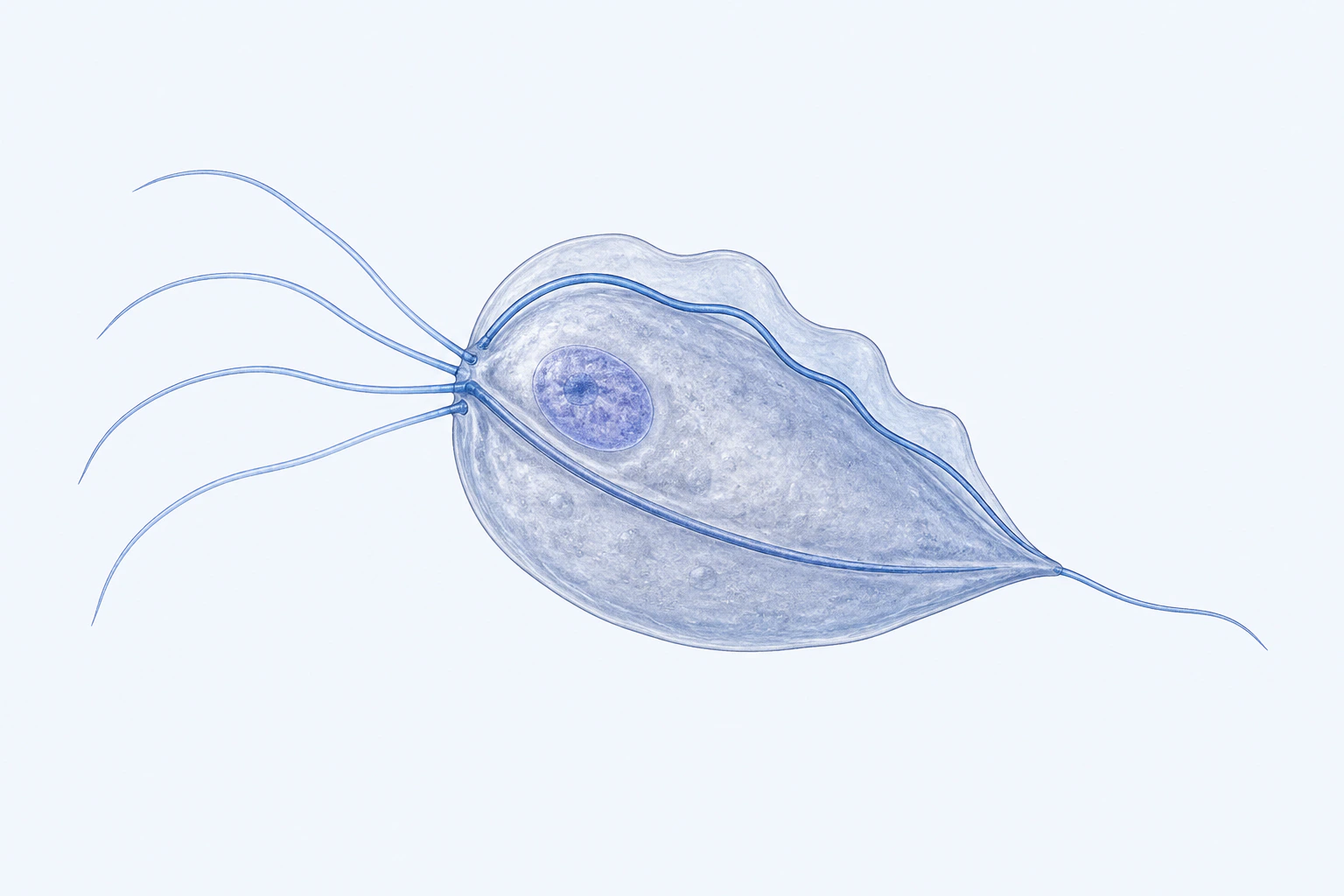
Trichomonas Vaginalis Trichomonas vaginalis is a flagellated protozoan parasite and the causative agent of trichomoniasis, the most common non viral sexually transmitted infection...
Trichosporon Asahii Trichosporon asahii is a basidiomycetous yeast found in soil, water, and on human skin. It is the primary cause of invasive trichosporonosis in immunocomprom...
Turicibacter A Gram positive, facultatively anaerobic genus within the class Erysipelotrichia (phylum Firmicutes) that has become one of the most frequently identified ta...
Tyzzerella Tyzzerella is a genus of Gram positive, strictly anaerobic bacteria within the family Lachnospiraceae (order Clostridiales, phylum Firmicutes). It was recent...
Ureaplasma Ureaplasma is a genus of wall less bacteria in the class Mollicutes, comprising two species pathogenic to humans: U. urealyticum and U. parvum. The genus is ...
Ureaplasma Urealyticum See also: ureaplasma (genus page with full biology and metal dependency profile) Ureaplasma urealyticum is one of two human pathogenic Ureaplasma species (al...
Veillonella A Gram negative, obligate anaerobic genus within the Firmicutes phylum (class Negativicutes, family Veillonellaceae). The primary species V. parvula is a spe...
Veillonellaceae A family of Gram negative, obligate anaerobic bacteria within the Firmicutes phylum (class Negativicutes) that occupies a unique metabolic niche as specializ...
Verrucomicrobia Verrucomicrobia is a bacterial phylum represented in the human gut almost exclusively by a single genus — Akkermansia — which comprises 1–5% of the healthy g...
Vibrio <! Auto created stub from Rule 13 scope discovery. 5 source pages mention this taxon. Awaiting content expansion. >
Yersinia Pestis The causative agent of plague one of the most devastating infectious diseases in human history and a modern bioterrorism concern (Tier 1 Select Agent). Y. pe...