
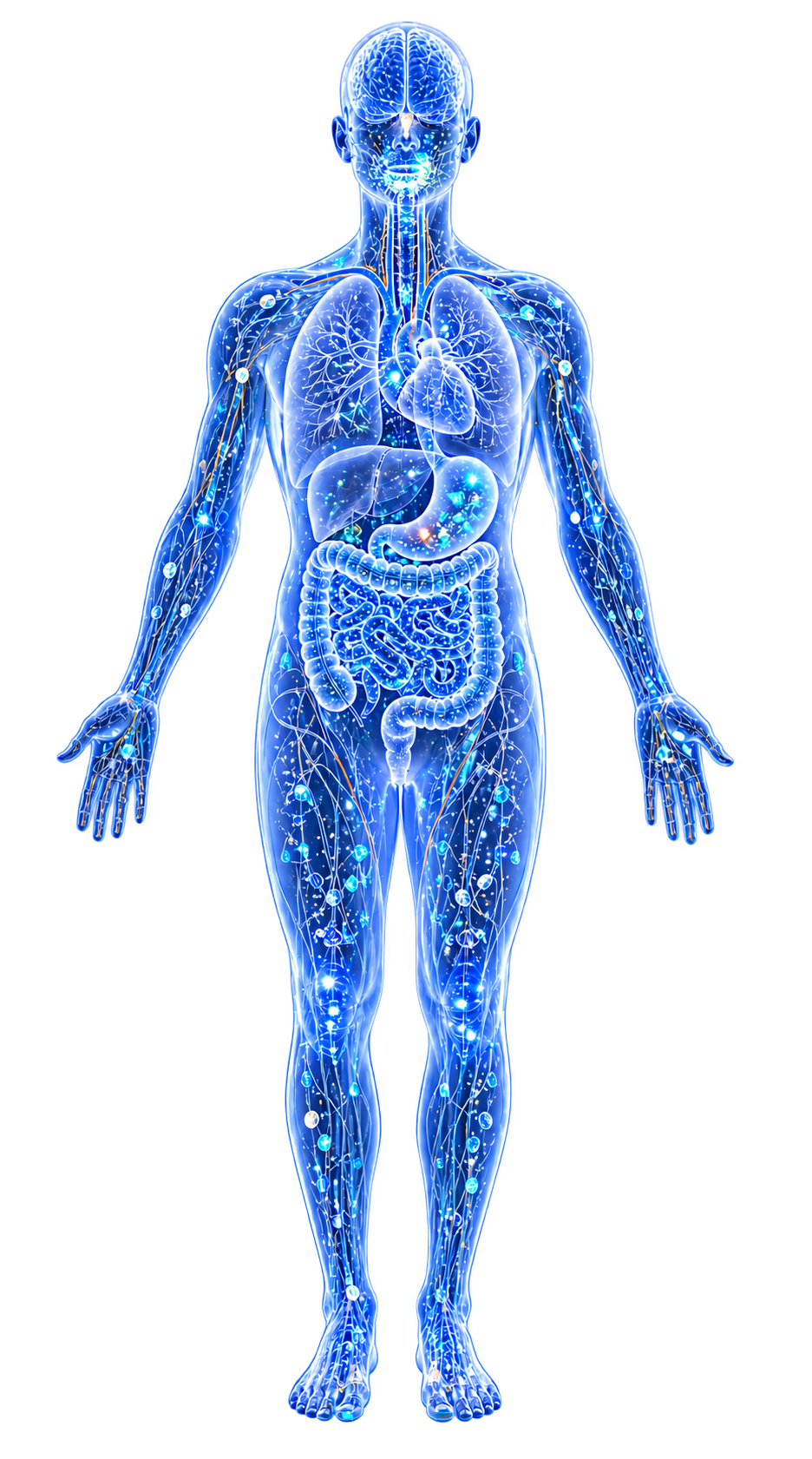
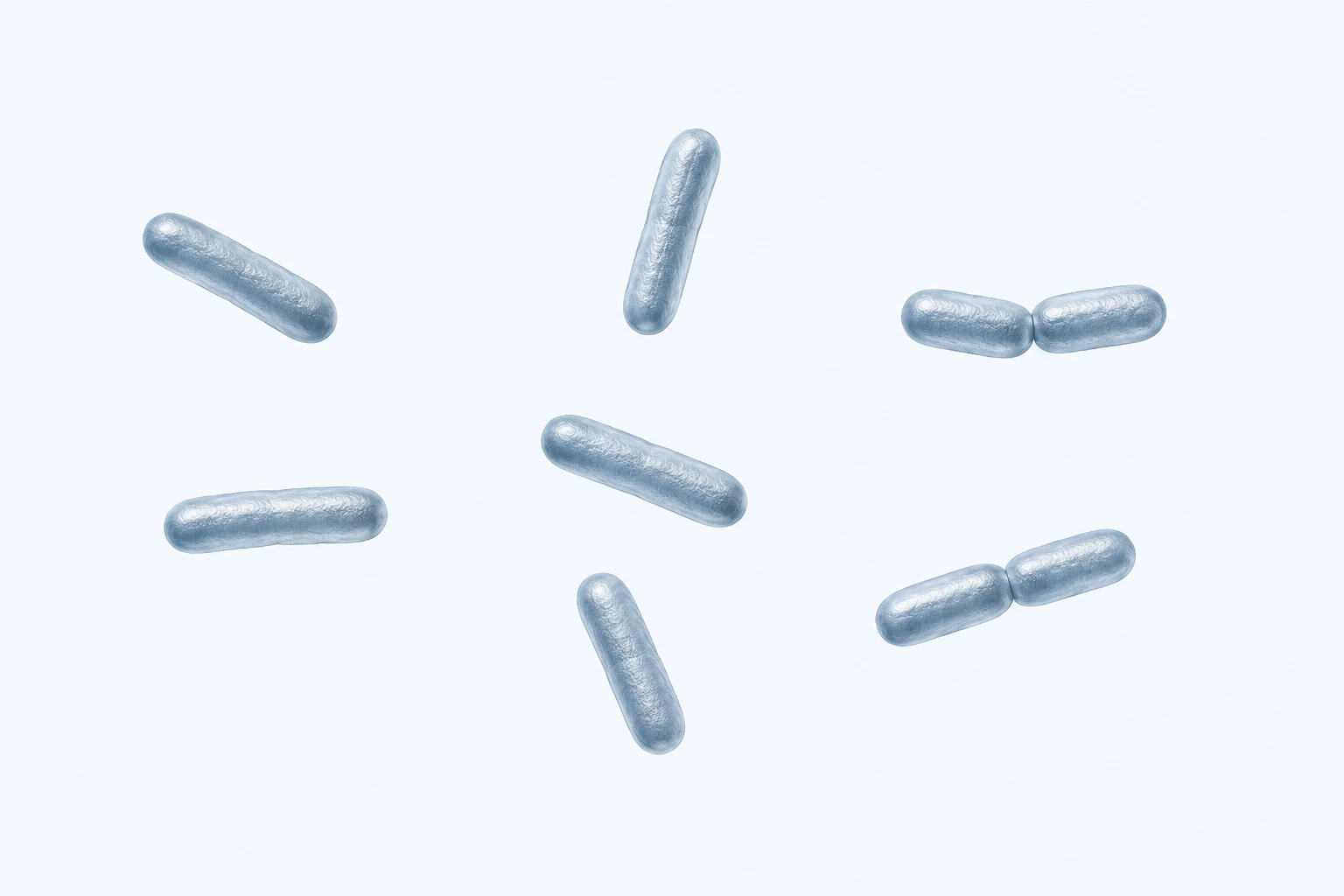
Type-species-anchored Sphingomonas reconstruction with nine short rods. Representative, non-universal, non-diagnostic, and not a micrograph; omitted appendages and pigment make no phenotype claim.
Scientific media record1 verified identifier
- Subject
- Sphingomonastaxon · genus
- Identifiers
- NCBITaxon:13687
- Review
- Editorial review completeIdentifiers authority-verified · Accessibility validated · · sphingomonas|sphingomonas-morphology-v1.webp
- Digital source
- Trained-algorithmic mediaCreated with a trained generative algorithm and reviewed by WikiBiome for subject identity, scientific framing, identifiers, provenance, and accessibility.
- Scientific basis
- Sphingomonas — NCBI TaxonomySphingomonas — LPSNSphingomonas paucimobilis type strain — BacDive
- License
- CC BY-SA 4.0Created
Sphingomonas is a genus of Gram-negative, aerobic, rod-shaped bacteria in the class Alphaproteobacteria, distinguished by the presence of sphingolipids in their outer membrane rather than the lipopolysaccharide (LPS) typical of most Gram-negative bacteria.
Originally isolated from soil and water environments, Sphingomonas species are now recognized as NICU environmental colonizers and have been identified as a statistically significant NEC-associated organism in preterm infant microbiome studies.
Evidence map2 cited passagesInspect provenance +
In a prospective longitudinal cohort of 32 preterm infants (<32 weeks) with 136 serial stool samples, Sphingomonas spp. were significantly associated with NEC development (p=0.0001)—one of the strongest statistical associations reported for any single taxon in a NEC microbiome study. This finding positions Sphingomonas as a potentially important NEC-associ
Stewart 2013 (prospective-cohort, n=32, p=0.0001): Sphingomonas significantly associated with NEC in preterm infants—first systematic evidence of this association
Contents
1. Overview2. NEC Association3. NICU Environmental Origin4. Metal Tolerance5. Key Studies6. Open Questions7. Cross-ReferencesOverview#
Sphingomonas species are ubiquitous in natural environments (soil, water, plant surfaces) and clinical environments (hospital water systems, surfaces, equipment).
Their unusual sphingolipid-containing membrane distinguishes them immunologically from LPS-bearing Gram-negatives: they activate NKT cells via CD1d presentation rather than TLR4/LPS signaling, though the clinical significance of this distinction in neonatal NEC pathogenesis is not yet established.
NEC Association#
In a prospective longitudinal cohort of 32 preterm infants (<32 weeks) with 136 serial stool samples, Sphingomonas spp. were significantly associated with NEC development (p=0.0001)—one of the strongest statistical associations reported for any single taxon in a NEC microbiome study.[1]Stewart 2013 — Bacterial and Fungal Viability in the Preterm GutStewart CJ, Marrs ECL, Nelson A et al. · 2013Open reference 1 ↓
This finding positions Sphingomonas as a potentially important NEC-associated pathobiont whose environmental origin (NICU water systems, surfaces, hands) suggests infection control routes for prevention not typically addressed in NEC prevention strategies.
NICU Environmental Origin#
Unlike the classical NEC-associated Enterobacteriaceae (Klebsiella, E. coli) which derive from the infant's endogenous flora or mother's microbiome, Sphingomonas is primarily an environmental organism. Its presence in neonatal stool more likely reflects.
NICU water system colonization (hospital water biofilms are a known Sphingomonas reservoir). Surface contamination from equipment or hands. Potential colonization via oral care water or parenteral nutrition lines.
This environmental hypothesis has implications for NEC prevention: targeted NICU water system decontamination and surface monitoring for Sphingomonas could reduce NEC-associated colonization—a different intervention target than formula choice or probiotic administration.
Metal Tolerance#
Sphingomonas species have been identified in metal-contaminated environments and are known to tolerate elevated concentrations of heavy metals including copper, zinc, and cadmium—likely via metal efflux pumps and sequestration mechanisms.
Whether NICU environments with metal contamination (copper pipes, zinc in parenteral nutrition) selectively favor Sphingomonas colonization is an open question with implications for the metallomic ecology of NEC.
Key Studies#
- Stewart 2013[1]Stewart 2013 — Bacterial and Fungal Viability in the Preterm GutStewart CJ, Marrs ECL, Nelson A et al. · 2013Open reference 1 ↓ (prospective-cohort, n=32, p=0.0001): Sphingomonas significantly associated with NEC in preterm infants—first systematic evidence of this association
Open Questions#
Unresolved questions identified by the current evidence record.
01Does NICU water system decontamination targeting Sphingomonas reduce NEC colonization and incidence?+
The current WikiBiome record identifies this as an unresolved evidence gap.
02Are Sphingomonas metal-tolerance genes upregulated in NICU isolates compared to environmental strains?+
The current WikiBiome record identifies this as an unresolved evidence gap.
03Is Sphingomonas's sphingolipid membrane immunologically relevant to neonatal gut—does it evade TLR4 surveillance while still causing mucosal damage?+
The current WikiBiome record identifies this as an unresolved evidence gap.
04Has the Stewart 2013 Sphingomonas-NEC association been replicated in larger cohorts?+
The current WikiBiome record identifies this as an unresolved evidence gap.
Cross-References#
- Necrotizing Enterocolitis—condition with significant Sphingomonas association
- Klebsiella pneumoniae—primary NEC pathobiont; Sphingomonas is an environmental complement
References 1
Numbered by first appearance in the article, then reconciled with its declared source list.
- 1
Stewart CJ, Marrs ECL, Nelson A et al. (2013). Stewart 2013 — Bacterial and Fungal Viability in the Preterm Gut. Archives of Disease in Childhood: Fetal and Neonatal Edition.
Article network
Mentioned here 2
Pages linking here 1
Connect the evidence
Publicly readable discussion by ORCID-authenticated researchers. Questions, interpretation, methods, corrections, and new evidence stay attached to this record.
No discussion yet. Start with a precise question or a source-backed observation.
Activity and accepted changes
Accepted researcher context, editorial status, public discussion, and upstream Git revisions are shown together. Pending, declined, and withdrawn proposals remain private.
- published revision
update: sphingomonas entity (stub) + clostridium-perfringens source update
Karen Pendergrass · +65 −0
Inspect exact Git diff ↗