
 metals · microbes · host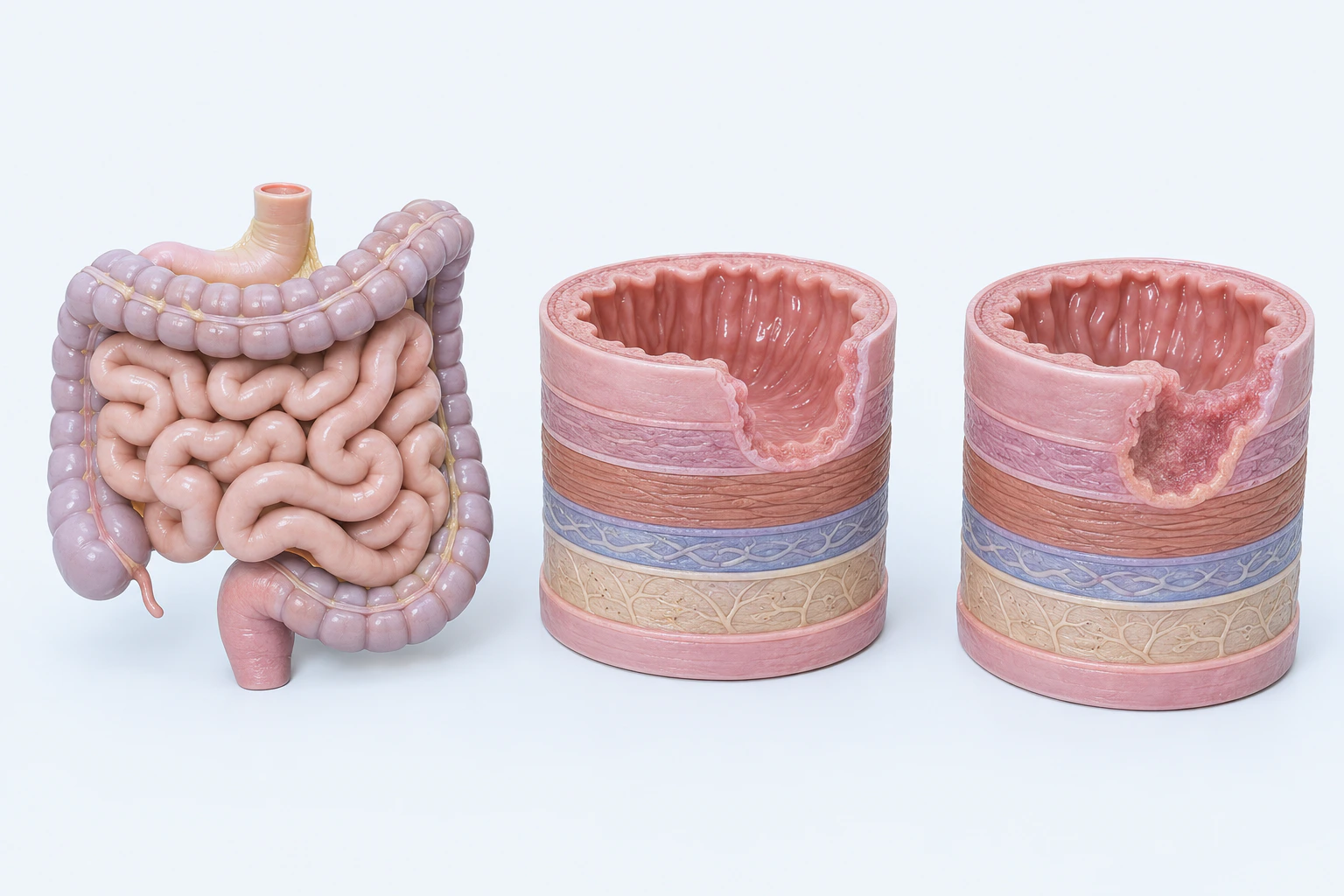
Representative intestinal and bounded wall-injury orientation for necrotizing enterocolitis. Scale does not establish neonatal age, and the models do not show perforation, diagnostic imaging, universal appearance, or disease stage.
Scientific media record1 verified identifier
- Subject
- Enterocolitis, Necrotizingcondition
- Identifiers
- MeSH:D020345
- Review
- Editorial review completeIdentifiers authority-verified · Accessibility validated · · necrotizing-enterocolitis|necrotizing-enterocolitis-pathology-v1.webp
- Digital source
- Trained-algorithmic mediaCreated with a trained generative algorithm and reviewed by WikiBiome for subject identity, scientific framing, identifiers, provenance, and accessibility.
- Scientific basis
- Enterocolitis, Necrotizing — MeSHNecrotizing Enterocolitis
- License
- CC BY-SA 4.0Created
Necrotizing enterocolitis (NEC) is the most common and lethal gastrointestinal emergency in premature infants, affecting 5-12% of very low birth weight neonates (<1500 g) with mortality rates of 20-30%. Characterized by intestinal Metal-Driven Inflammation, necrosis, and perforation, NEC has resisted simple causal explanations for decades.
The microbiome perspective reveals NEC as an ecological catastrophe—a Proteobacteria bloom in an immature intestine that lacks the regulatory capacity to contain it.
Evidence map26 cited passagesInspect provenance +
Sphingomonas spp.—significantly associated with NEC development (p=0.0001) in a prospective cohort of 32 preterm infants (<32 weeks). An environmental, Gram-negative alpha-Proteobacterium (normally soil/water/hospital surfaces) rarely considered in NEC pathogenesis. Its strong statistical association suggests NICU environmental contamination routes as an u
Methylobacterium—an environmental alpha-Proteobacterium (normally soil/water-associated) enriched at NEC onset; positively correlated with CRP and negatively with platelet count. Its presence likely reflects NICU environmental colonization. A novel NEC-associated taxon worthy of surveillance attention
Clostridium butyricum—enriched at NEC onset in surgical cases; strain identity critical—probiotic and pathogenic strains exist within this species
Acidobacteria—soil-associated phylum enriched in NEC recovery (full enteral nutrition stage), suggesting environmental NICU colonization persists even after clinical recovery
The first study of mucosa-associated (tissue-embedded) bacteria in NEC revealed that the organisms invading the intestinal wall differ substantially from those detected in fecal samples. NEC tissue shows two distinct microbial phenotypes:
Obligate anaerobe cluster: Clostridium, Bacteroides, Prevotella—found almost exclusively in NEC tissue, not controls. Indicates advanced mucosal hypoxia—the intestinal wall has become sufficiently anoxic to support obligate anaerobe invasion. Clostridium perfringens detected across multiple NEC samples (2 distinct OTUs), consistent with its gas-producing
Microbiome studies reveal two ecologically distinct pre-NEC patterns with different clinical timing:
Notably, Clostridia abundance decreases with increasing NEC severity—non-toxigenic Clostridia may have a protective function whose loss marks a pathogenic tipping point.
Within-twin comparison: Escherichia sp. dominance began increasing ≥5 days before NEC in the affected twin but not in the healthy co-twin receiving identical NICU care—demonstrating that the bloom is intrinsic to the susceptible host, not merely an environmental exposure
Alpha diversity decreases ≥5 days before NEC diagnosis
Post-antibiotic Klebsiella succession: treating NEC with antibiotics that target Escherichia drives a Klebsiella bloom—a more resistant and potentially more dangerous replacement pathobiont
Persistent diversity deficit: alpha diversity remains significantly lower in NEC infants even at full enteral nutrition recovery, suggesting microbiome rehabilitation does not track clinical recovery milestones
A developmentally specific pathway drives mucosal vulnerability in the neonatal ileum. ASBT (apical sodium-dependent bile acid transporter) is dramatically upregulated in neonatal ileum compared to mature ileum, causing excessive bile acid reabsorption. The resulting bile acid accumulation depletes Muc2—the primary mucin protecting the ileal mucosa—expos
Clinical evidence confirms this model: in a nested case-control (n=10 NEC, n=20 controls), total unconjugated fecal bile salts are 3-fold elevated in NEC infants (0.41 vs. 0.14 μmol/g, p<0.05), rising to 4-fold elevation 5–6 days before NEC diagnosis (0.65 vs. 0.16 μmol/g, p=0.02). The signal is specific to unconjugated species, implicating microbial bile sa
NEC is not solely a gastrointestinal disease. 20–50% of NEC survivors develop neurodevelopmental impairment (NDI), including cerebral palsy, white matter injury, cognitive deficits, and behavioral abnormalities at rates exceeding gestational-age-matched controls without NEC.
The mechanism proceeds via the gut-brain axis: LPS → TLR4 → NF-κB → systemic pro-inflammatory cytokines (TNF-α, IL-1β, IL-6) → BBB disruption → microglial activation → white matter injury and impaired myelination. HMGB1 (high-mobility group box 1 protein), released by necrotic enterocytes, can cross the BBB and directly trigger neuroinflammation. SCFAs (buty
Surgical NEC (requiring bowel resection) produces significantly worse NDI outcomes than medical NEC, likely due to greater systemic inflammatory burden, loss of intestinal surface area reducing SCFA production, and disruption of vagal anti-inflammatory signaling. This links NEC to the CP literature: see cerebral palsy.
| Metal | Direction | Relevance | |-------|-----------|-----------| | Iron (Fe) | Elevated (parenteral nutrition) | Parenteral iron bypasses lactoferrin-mediated sequestration, providing free iron to siderophore-producing Enterobacteriaceae. Iron overload promotes Klebsiella and E. coli growth | | Zinc (Zn) | Depleted (preterm) | Impairs Paneth cell defensin
I-FABP (fecal calprotectin) and TFF3—most promising protein biomarkers for early mucosal injury detection before systemic signs
7-protein urine panel (Sylvester et al. 2014): AUC 98% for discriminating NEC from late-onset sepsis; AUC 98.4% for medical vs surgical NEC stratification
Ceramides + sphingomyelins elevated in Bell's stage II–III NEC (Rusconi 2018); sphingolipid pathway disruption is a hallmark of established NEC
Acylcarnitine + amino acid deviations increase progressively as NEC approaches (Sinclair 2020)—mitochondrial energy metabolism impairment in the pre-NEC window
Ketone body pathway upregulated at NEC onset and during recovery—consistent with fat malabsorption and altered intestinal energy substrate use
Urinary gluconic acid elevated in NEC—pentose phosphate pathway activation reflecting oxidative stress
Showing 24 of 26 evidence-bearing passages. Every remaining citation is still indexed in the reference record below.
One disease. Five evidence layers.
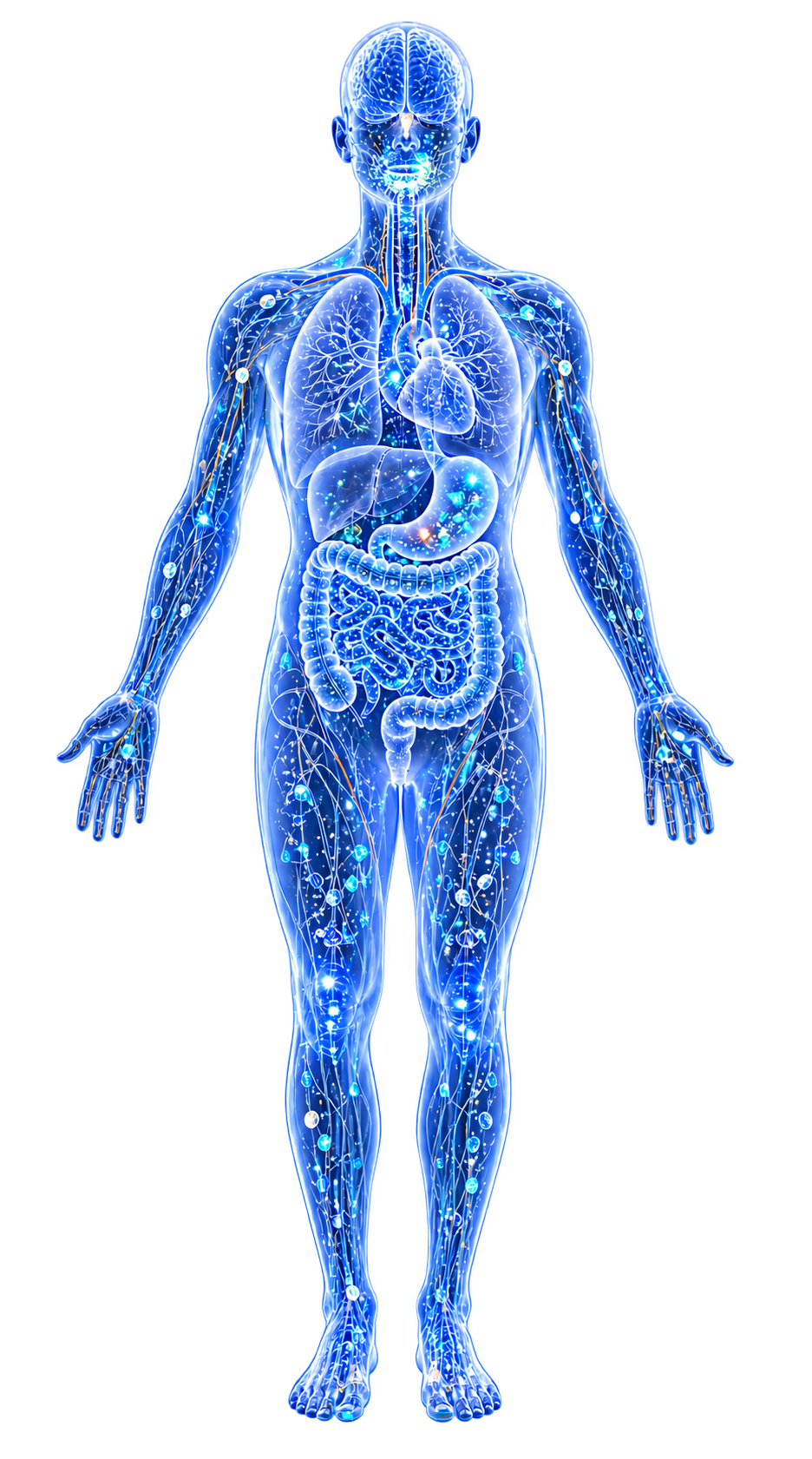
A generated systems view of the metals, organisms, host sequestration signals, ecological conditions, and microbial functions indexed for Necrotizing Enterocolitis.
Evidence layer
Taxonomic signature
Organisms reported as enriched or depleted, with their indexed functional context kept beside the name.Present in 11/12 NEC cases — primary pathobiont; iron-dependent siderophores, LPS production drives TLR4-mediated intestinal destruction
Enriched — LPS producer; synergizes with Klebsiella in Proteobacteria bloom; siderophore competition
Toxigenic strains — alpha-toxin and perfringolysin O cause gas gangrene pattern in intestinal wall
S. epidermidis — biofilm formation on indwelling catheters serves as reservoir; contributes to nosocomial colonization
Primary NEC pathobiont; present in 11/12 cases in prospective cohort; siderophore-dependent iron piracy; LPS drives TLR4 cascade
Alpha-toxin and perfringolysin O produce gas gangrene pattern; detected in NEC tissue across 2 distinct OTUs (tissue-level evidence) [[brower-sinning-2014-mucosa-bacterial-diversity-nec]]
Environmental alpha-Proteobacterium significantly associated with NEC (p=0.0001, prospective cohort) [[stewart-2013-bacterial-fungal-viability-preterm-nec]]; likely NICU environmental source
Obligate anaerobes found almost exclusively in NEC tissue (not controls) — indicate advanced mucosal hypoxia and wall necrosis [[brower-sinning-2014-mucosa-bacterial-diversity-nec]]
cobalt (Co)-enriched with Clostridium in NEC tissue anaerobe cluster; absent from non-NEC controls [[brower-sinning-2014-mucosa-bacterial-diversity-nec]]
Biofilm former on indwelling catheters; reservoir for continued colonization
Opportunistic; thrives in antibiotic-exposed neonatal gut
Most critically depleted taxon — metabolizes HMOs to acetate/lactate, lowers intestinal pH, suppresses Proteobacteria; its absence is a necessary precondition for the bloom
Depleted — loss removes lactic acid production and bacteriocin-mediated pathogen exclusion
Bacteroidetes phylum depleted — loss reduces polysaccharide fermentation and immune education
Loss reduces polysaccharide fermentation and immune education
Evidence layer
Nutritional immunity
Host metal-withholding, inflammatory, antioxidant, and microbial-metabolite signals indexed in the signature.Elevated host signals
8Depleted protective signals
5Evidence layer
Ecological state
The environmental conditions that connect the organism-level observations into a system.Evidence layer
Virulence functions
Microbial structures, enzymes, and acquisition systems implicated by the linked evidence.The disease record, in full.
The original WikiBiome disease narrative remains intact beneath the generated signature atlas.
TLR4: Master Regulator of NEC#
Toll-like receptor 4 (TLR4) is a prominent molecular switch in current models of NEC pathogenesis. TLR4 is physiologically upregulated in premature intestinal epithelium Sampah & Hackam 2020—it serves a developmental role in gut maturation, but this makes the preterm intestine hypersensitive to bacterial LPS.
In the mature gut, TLR4 signaling is dampened by commensal bacteria; in the preterm gut, the absence of commensals leaves TLR4 constitutively active. LPS from Proteobacteria activates TLR4, triggering epithelial apoptosis, mucosal barrier breakdown, and bacterial translocation. TLR4 activation simultaneously inhibits enterocyte proliferation and migration, preventing mucosal repair.
The result is a feed-forward loop: barrier breakdown permits more LPS translocation, which activates more TLR4, causing more damage.
Microbiome Associations#
The Proteobacteria Bloom#
The signature microbial event in NEC is a Proteobacteria bloom detectable 2 weeks before clinical diagnosis Torrazza et al. 2013. This predictive window is one of the most promising opportunities for microbiome-based prevention in any disease.
Klebsiella—present in 11 of 12 NEC cases in one prospective cohort Zhou et al. 2015; the most consistent NEC-associated pathobiont. Iron-dependent virulence factors and LPS production drive intestinal damage.
Escherichia coli—enriched; LPS producer; synergizes with Klebsiella in the Proteobacteria bloom. Clostridium perfringens (toxigenic strains)—produces alpha-toxin and perfringolysin O; causes gas gangrene pattern in intestinal wall. Staphylococcus epidermidis—enriched in NEC; forms biofilms on indwelling catheters, serving as a reservoir.
Additional NEC-Enriched Taxa#
Sphingomonas spp.—significantly associated with NEC development (p=0.0001) in a prospective cohort of 32 preterm infants (<32 weeks).[1]Stewart 2013 — Bacterial and Fungal Viability in the Preterm GutStewart CJ, Marrs ECL, Nelson A et al. · 2013Open reference 1 ↓ An environmental, Gram-negative alpha-Proteobacterium (normally soil/water/hospital surfaces) rarely considered in NEC pathogenesis.
Its strong statistical association suggests NICU environmental contamination routes as an underappreciated NEC risk factor.
Methylobacterium—an environmental alpha-Proteobacterium (normally soil/water-associated) enriched at NEC onset; positively correlated with CRP and negatively with platelet count.[2]Lin 2023 — Gut microbiota alteration after surgery in preterm NEC infantsHuijia Lin, Cuifang Xu, Junjin Chen et al. · 2023Open reference 2 ↓ Its presence likely reflects NICU environmental colonization. A novel NEC-associated taxon worthy of surveillance attention.
Clostridium butyricum—enriched at NEC onset in surgical cases;[2]Lin 2023 — Gut microbiota alteration after surgery in preterm NEC infantsHuijia Lin, Cuifang Xu, Junjin Chen et al. · 2023Open reference 2 ↓ strain identity critical—probiotic and pathogenic strains exist within this species.
Acidobacteria—soil-associated phylum enriched in NEC recovery (full enteral nutrition stage), suggesting environmental NICU colonization persists even after clinical recovery.[2]Lin 2023 — Gut microbiota alteration after surgery in preterm NEC infantsHuijia Lin, Cuifang Xu, Junjin Chen et al. · 2023Open reference 2 ↓
Mucosa-Associated vs. Fecal Microbiome#
The first study of mucosa-associated (tissue-embedded) bacteria in NEC revealed that the organisms invading the intestinal wall differ substantially from those detected in fecal samples.[3]Brower-Sinning 2014 — Mucosa-Associated Bacterial Diversity in Necrotizing EnterocolitisBrower-Sinning R, Zhong D, Good M et al. · 2014Open reference 3 ↓ NEC tissue shows two distinct microbial phenotypes:
- Enterobacteriaceae cluster: Near-monoculture of Klebsiella and Escherichia/Shigella—consistent with the Proteobacteria bloom model. Reduced diversity. Higher total bacterial load (p=0.01 vs. non-NEC controls).
- Obligate anaerobe cluster: Clostridium, Bacteroides, Prevotella—found almost exclusively in NEC tissue, not controls. Indicates advanced mucosal hypoxia—the intestinal wall has become sufficiently anoxic to support obligate anaerobe invasion. Clostridium perfringens detected across multiple NEC samples (2 distinct OTUs), consistent with its gas-producing alpha-toxin mechanism and the pneumatosis intestinalis hallmark of NEC.[3]Brower-Sinning 2014 — Mucosa-Associated Bacterial Diversity in Necrotizing EnterocolitisBrower-Sinning R, Zhong D, Good M et al. · 2014Open reference 3 ↓
This tissue-level evidence establishes that prior fecal microbiome studies of NEC captured an incomplete picture of which organisms are actually driving mucosal invasion.
Two-Pattern NEC Dysbiosis#
Microbiome studies reveal two ecologically distinct pre-NEC patterns with different clinical timing.[4]Till 2015 — Intestinal microbiome disruptions in NEC, SBS, and Hirschsprung's-associated enterocolitisHolger Till, Christoph Castellani, Christine Moissl-Eichinger et al. · 2015Open reference 4 ↓ Firmicutes-type Dysbiosis (Clostridia overabundance) → earlier NEC onset (days 7–21 of life). Proteobacteria-type dysbiosis (Enterobacteriaceae bloom) → later onset (days 19–39 of life).
Notably, Clostridia abundance decreases with increasing NEC severity—non-toxigenic Clostridia may have a protective function whose loss marks a pathogenic tipping point.[4]Till 2015 — Intestinal microbiome disruptions in NEC, SBS, and Hirschsprung's-associated enterocolitisHolger Till, Christoph Castellani, Christine Moissl-Eichinger et al. · 2015Open reference 4 ↓
Depleted Protective Taxa#
Bifidobacterium—the most important depleted taxon. Bifidobacterium metabolizes human milk oligosaccharides (HMOs), producing acetate and lactate that lower intestinal pH, suppress Proteobacteria, and nourish colonocytes. Its absence is a necessary precondition for the Proteobacteria bloom.
Lactobacillus—produces lactic acid and bacteriocins; loss removes competitive exclusion of pathogens. Bacteroidetes (phylum)—depleted; loss reduces polysaccharide fermentation and immune education.
Virome Convergence#
The gut virome shows a convergence event 10 days before NEC onset Kaelin et al. 2022—viral community diversity collapses and specific bacteriophages targeting commensal bacteria expand. This phage-mediated killing of protective bacteria may precipitate the Proteobacteria bloom, suggesting the virome as an upstream trigger.
Breast Milk and Human Milk Oligosaccharides#
Breast milk is the single most protective factor against NEC, reducing risk by 6-10 fold compared to formula feeding. The mechanism is multifactorial:
- HMOs (200+ distinct structures) selectively feed Bifidobacterium, promoting colonization resistance against Proteobacteria
- Secretory IgA neutralizes pathogenic bacteria and prevents epithelial adhesion
- Lactoferrin chelates iron, starving siderophore-dependent pathogens (Klebsiella, E. coli)
- Growth factors (EGF, TGF-beta) promote epithelial maturation and barrier integrity
- Anti-inflammatory cytokines (IL-10) dampen TLR4 signaling
Pre-NEC Prediction Window#
Serial microbiome monitoring can detect the NEC-preceding dysbiosis before clinical signs. Key evidence. Proteobacteria bloom detectable 2 weeks before diagnosis in population studies Torrazza et al.
2013.
Within-twin comparison: Escherichia sp. dominance began increasing ≥5 days before NEC in the affected twin but not in the healthy co-twin receiving identical NICU care—demonstrating that the bloom is intrinsic to the susceptible host, not merely an environmental exposure.[5]Stewart 2013 — Development of preterm gut microbiome in twins at risk of NEC and sepsisChristopher J. Stewart, Emma C. L. Marrs, Andrew Nelson et al. · 2013Open reference 5 ↓
Alpha diversity decreases ≥5 days before NEC diagnosis.[5]Stewart 2013 — Development of preterm gut microbiome in twins at risk of NEC and sepsisChristopher J. Stewart, Emma C. L. Marrs, Andrew Nelson et al. · 2013Open reference 5 ↓
Post-antibiotic Klebsiella succession: treating NEC with antibiotics that target Escherichia drives a Klebsiella bloom—a more resistant and potentially more dangerous replacement pathobiont.[5]Stewart 2013 — Development of preterm gut microbiome in twins at risk of NEC and sepsisChristopher J. Stewart, Emma C. L. Marrs, Andrew Nelson et al. · 2013Open reference 5 ↓
Persistent diversity deficit: alpha diversity remains significantly lower in NEC infants even at full enteral nutrition recovery, suggesting microbiome rehabilitation does not track clinical recovery milestones.[2]Lin 2023 — Gut microbiota alteration after surgery in preterm NEC infantsHuijia Lin, Cuifang Xu, Junjin Chen et al. · 2023Open reference 2 ↓
Prevention: Network Meta-Analysis#
A network meta-analysis of 27 RCTs (n = 9,501 preterm infants) ranked NEC prevention strategies by SUCRA score Zhou et al. 2023:
| Intervention | SUCRA | Evidence |
|---|---|---|
| Bovine lactoferrin + L. rhamnosus GG | 95.7% | Top-ranked combination; lactoferrin chelates iron + probiotic restores colonization resistance |
| Multi-strain probiotics | High | Multiple species more effective than single-strain |
| Breast milk (exclusive) | High | Most protective feeding strategy |
| Bovine lactoferrin alone | Moderate-high | Iron chelation reduces Enterobacteriaceae |
Zinc and Paneth Cells#
Zinc is critical for NEC prevention through its role in Paneth cell function Sami et al. 2020.
Paneth cells produce antimicrobial peptides (defensins, lysozyme) that shape the intestinal microbiome. Zinc is an essential cofactor for defensin structure (zinc-finger domains). Zinc deficiency—common in preterm infants—impairs Paneth cell antimicrobial capacity.
Zinc supplementation may restore defensin production and enhance colonization resistance.
Maternal AHR Activation#
Maternal dietary intake of indole-3-carbinol (I3C)—found in cruciferous vegetables—activates the aryl hydrocarbon receptor (AHR) in neonatal intestinal epithelium via breast milk Lu et al. 2021. AHR activation promotes:
- Intestinal epithelial barrier maturation
- IL-22 production (strengthens tight junctions)
- Regulatory T-cell development
- Reduced TLR4 expression
This represents a maternal dietary intervention that protects the infant through breast milk signaling.
Non-Toxigenic Clostridia as Novel Probiotics#
A paradigm-shifting finding: non-toxigenic Clostridium perfringens strains metabolize HMOs and suppress pathogenic E. coli and Klebsiella by 40-90% in vitro Chapman et al. 2023. These strains lack the toxin genes that make C. perfringens pathogenic but retain the metabolic machinery to compete with Enterobacteriaceae.
This opens a novel probiotic strategy based on competitive exclusion by a traditionally "pathogenic" genus.
Bile Acid Ecology#
A developmentally specific pathway drives mucosal vulnerability in the neonatal ileum. ASBT (apical sodium-dependent bile acid transporter) is dramatically upregulated in neonatal ileum compared to mature ileum, causing excessive bile acid reabsorption.[6]Martin 2011 — Active Transport of Bile Acids Decreases Mucin 2 in Neonatal Ileum: Implications for NECMartin NA, Mount Patrick SK, Heikens GT et al. · 2011Open reference 6 ↓
The resulting bile acid accumulation depletes Muc2—the primary mucin protecting the ileal mucosa—exposing the epithelium to luminal bacteria. ASBT knockout mice are protected from Muc2 depletion; cholestyramine (bile acid sequestrant) normalizes Muc2 expression (animal model evidence).[6]Martin 2011 — Active Transport of Bile Acids Decreases Mucin 2 in Neonatal Ileum: Implications for NECMartin NA, Mount Patrick SK, Heikens GT et al. · 2011Open reference 6 ↓
Clinical evidence confirms this model: in a nested case-control (n=10 NEC, n=20 controls), total unconjugated fecal bile salts are 3-fold elevated in NEC infants (0.41 vs. 0.14 μmol/g, p<0.05), rising to 4-fold elevation 5–6 days before NEC diagnosis (0.65 vs. 0.16 μmol/g, p=0.02).[7]Hulzebos 2017 — Fecal Bile Salts and the Development of Necrotizing Enterocolitis in Preterm InfantsHulzebos CV, van Zoonen AGJF, Schat TE et al. · 2017Open reference 7 ↓
The signal is specific to unconjugated species, implicating microbial bile salt hydrolase (BSH) activity—BSH-producing bacteria deconjugate bile acids to their more cytotoxic forms. ROC analysis: bile salts >13 μmol/g yields 93% sensitivity, 47% specificity (AUC 0.74) for NEC.[7]Hulzebos 2017 — Fecal Bile Salts and the Development of Necrotizing Enterocolitis in Preterm InfantsHulzebos CV, van Zoonen AGJF, Schat TE et al. · 2017Open reference 7 ↓
Gut-Brain Axis and Neurodevelopmental Impairment#
NEC is not solely a gastrointestinal disease. 20–50% of NEC survivors develop neurodevelopmental impairment (NDI), including cerebral palsy, white matter injury, cognitive deficits, and behavioral abnormalities at rates exceeding gestational-age-matched controls without NEC.[8]Manohar 2023 — Gut-Brain Cross Talk: The Pathogenesis of Neurodevelopmental Impairment in Necrotizing EnterocolitisManohar K, Mesfin FM, Liu J et al. · 2023Open reference 8 ↓
The mechanism proceeds via the gut-brain axis: LPS → TLR4 → NF-κB → systemic pro-inflammatory cytokines (TNF-α, IL-1β, IL-6) → BBB disruption → microglial activation → white matter injury and impaired myelination.[8]Manohar 2023 — Gut-Brain Cross Talk: The Pathogenesis of Neurodevelopmental Impairment in Necrotizing EnterocolitisManohar K, Mesfin FM, Liu J et al. · 2023Open reference 8 ↓
HMGB1 (high-mobility group box 1 protein), released by necrotic enterocytes, can cross the BBB and directly trigger neuroinflammation. SCFAs (Butyrate, propionate) normally maintain BBB integrity; their depletion in NEC-associated dysbiosis removes a key neuroprotective mechanism.
Surgical NEC (requiring bowel resection) produces significantly worse NDI outcomes than medical NEC, likely due to greater systemic inflammatory burden, loss of intestinal surface area reducing SCFA production, and disruption of vagal anti-inflammatory signaling.[8]Manohar 2023 — Gut-Brain Cross Talk: The Pathogenesis of Neurodevelopmental Impairment in Necrotizing EnterocolitisManohar K, Mesfin FM, Liu J et al. · 2023Open reference 8 ↓ This links NEC to the CP literature: see Cerebral Palsy.
Metal Associations#
| Metal | Direction | Relevance |
|---|---|---|
| Iron (iron (Fe)) | Elevated (parenteral nutrition) | Parenteral iron bypasses lactoferrin-mediated sequestration, providing free iron to siderophore-producing Enterobacteriaceae. Iron overload promotes Klebsiella and E. coli growth[9]Nickel as a Catalytic Driver of Necrotizing Enterocolitis: Dietary Nickel, Microbial Metallomics, and the Activation of Nickel-Dependent Virulence Pathways in the Preterm GutKaren Pendergrass · 2026Open reference 9 ↓ |
| Zinc (zinc (Zn)) | Depleted (preterm) | Impairs Paneth cell defensin production and intestinal barrier integrity |
Biomarkers and Metabolomics#
Early diagnosis is a critical unmet need in NEC. Emerging biomarker evidence from metabolomics and proteomics. I-FABP (fecal calprotectin) and TFF3—most promising protein biomarkers for early mucosal injury detection before systemic signs.[10]Agakidou 2020 — Emerging biomarkers for NEC prediction and early diagnosis in the era of metabolomics and proteomicsEleni Agakidou, Charalampos Agakidis, Helen Gika et al. · 2020Open reference 10 ↓
7-protein urine panel (Sylvester et al. 2014): AUC 98% for discriminating NEC from late-onset sepsis; AUC 98.4% for medical vs surgical NEC stratification.[10]Agakidou 2020 — Emerging biomarkers for NEC prediction and early diagnosis in the era of metabolomics and proteomicsEleni Agakidou, Charalampos Agakidis, Helen Gika et al. · 2020Open reference 10 ↓
Ceramides + sphingomyelins elevated in Bell's stage II–III NEC (Rusconi 2018); sphingolipid pathway disruption is a hallmark of established NEC.[10]Agakidou 2020 — Emerging biomarkers for NEC prediction and early diagnosis in the era of metabolomics and proteomicsEleni Agakidou, Charalampos Agakidis, Helen Gika et al. · 2020Open reference 10 ↓
Acylcarnitine + amino acid deviations increase progressively as NEC approaches (Sinclair 2020)—mitochondrial energy metabolism impairment in the pre-NEC window.[10]Agakidou 2020 — Emerging biomarkers for NEC prediction and early diagnosis in the era of metabolomics and proteomicsEleni Agakidou, Charalampos Agakidis, Helen Gika et al. · 2020Open reference 10 ↓
Ketone body pathway upregulated at NEC onset and during recovery—consistent with fat malabsorption and altered intestinal energy substrate use.[2]Lin 2023 — Gut microbiota alteration after surgery in preterm NEC infantsHuijia Lin, Cuifang Xu, Junjin Chen et al. · 2023Open reference 2 ↓
Urinary gluconic acid elevated in NEC—pentose phosphate pathway activation reflecting Oxidative Stress.[10]Agakidou 2020 — Emerging biomarkers for NEC prediction and early diagnosis in the era of metabolomics and proteomicsEleni Agakidou, Charalampos Agakidis, Helen Gika et al. · 2020Open reference 10 ↓
Branched Chain Fatty Acids and Vernix Caseosa#
A potentially overlooked NEC risk factor is loss of vernix caseosa exposure in preterm and caesarian-born infants. Term infants acquire branched chain fatty acids (BCFAs)—comprising 25–30% of vernix by weight—via amniotic fluid swallowing and skin contact.
Preterm infants delivered before vernix forms, or by caesarian section, lack this exposure.
In a neonatal rat model, BCFA supplementation reduced NEC incidence by 56% (55% → 24%, p=0.044).[11]Ran-Ressler 2011 — Branched chain fatty acids reduce NEC incidence and alter gut microbiota in neonatal ratRinat R. Ran-Ressler, Ludmila Khailova, Kelly M. Arganbright et al. · 2011Open reference 11 ↓ Proposed mechanisms. Elevation of IL-10 (3–4x higher in BCFA-supplemented animals) dampening TLR4-mediated intestinal inflammation.
Selective enrichment of Bacillaceae (including Bacillus subtilis)—independently 5-fold higher in healthy vs NEC animals regardless of diet.[11]Ran-Ressler 2011 — Branched chain fatty acids reduce NEC incidence and alter gut microbiota in neonatal ratRinat R. Ran-Ressler, Ludmila Khailova, Kelly M. Arganbright et al. · 2011Open reference 11 ↓
Direct incorporation into ileal phospholipids, potentially altering membrane TLR4 clustering.
Human RCT evidence for BCFA supplementation in preterm formula is not yet available as of 2020.
Open Questions#
Unresolved questions identified by the current evidence record.
01Can the Proteobacteria bloom be detected by bedside microbiome monitoring in NICUs?+
The current WikiBiome record identifies this as an unresolved evidence gap.
02Does virome surveillance add predictive value beyond bacterial profiling?+
The current WikiBiome record identifies this as an unresolved evidence gap.
03Are non-toxigenic Clostridia safe and effective as probiotics in the most vulnerable preterm infants?+
The current WikiBiome record identifies this as an unresolved evidence gap.
04Can maternal I3C supplementation during lactation reduce NEC incidence in a randomized trial?+
The current WikiBiome record identifies this as an unresolved evidence gap.
05What is the optimal timing and dose of lactoferrin + LGG for NEC prevention?+
The current WikiBiome record identifies this as an unresolved evidence gap.
06Does BCFA supplementation in preterm formula reduce NEC incidence in human RCTs?+
The current WikiBiome record identifies this as an unresolved evidence gap.
07Can the persistent post-surgical diversity deficit be resolved with microbiome-targeted rehabilitation (probiotics, HMO supplementation)?+
The current WikiBiome record identifies this as an unresolved evidence gap.
08What host-genetic differences explain why some twins develop NEC while co-twins under identical care do not?+
The current WikiBiome record identifies this as an unresolved evidence gap.
09Has the 7-protein urine panel been validated in an independent multi-center cohort?+
The current WikiBiome record identifies this as an unresolved evidence gap.
Cross-References#
- Cerebral Palsy—20% of NEC survivors develop CP via the NEC-to-CP pathway
- Klebsiella pneumoniae—primary NEC pathobiont, predictive biomarker
- Bifidobacterium—key protective taxon, HMO metabolism
- Lactoferrin—iron chelation as NEC prevention
- Zinc—Paneth cell function and defensin production
- AhR (Aryl Hydrocarbon Receptor)—maternal AHR activation protects neonatal gut
- Iron—parenteral iron feeds siderophore-producing Enterobacteriaceae; lactoferrin chelation is protective
- Enterobacteriaceae—Proteobacteria bloom family driving NEC pathogenesis
- Klebsiella pneumoniae—primary NEC pathobiont species within Klebsiella
- Methylobacterium—environmental alpha-Proteobacterium enriched at NEC onset; NICU colonization signal
- Clostridium butyricum—enriched at NEC onset; strain-level distinction critical
- Bacillus subtilis—5-fold elevated in healthy vs NEC rats; probiotic candidate
- Sphingomonas—significantly associated with NEC (p=0.0001); NICU environmental source
- Clostridium perfringens—detected in NEC tissue across 2 distinct OTUs; gas-producing alpha-toxin
- Bile acids—unconjugated fecal bile salts 3-4x elevated in NEC; 5-6 day pre-diagnostic window
- MUC2—mucin-2 depletion via ASBT-mediated bile acid accumulation; mucosal barrier loss
References 19
Numbered by first appearance in the article, then reconciled with its declared source list.
- 1
Stewart CJ, Marrs ECL, Nelson A et al. (2013). Stewart 2013 — Bacterial and Fungal Viability in the Preterm Gut. Archives of Disease in Childhood: Fetal and Neonatal Edition.
- 2
Huijia Lin, Cuifang Xu, Junjin Chen et al. (2023). Lin 2023 — Gut microbiota alteration after surgery in preterm NEC infants. Frontiers in Pediatrics.
- 3
★Brower-Sinning R, Zhong D, Good M et al. (2014). Brower-Sinning 2014 — Mucosa-Associated Bacterial Diversity in Necrotizing Enterocolitis. PLoS ONE.
- 4
Holger Till, Christoph Castellani, Christine Moissl-Eichinger et al. (2015). Till 2015 — Intestinal microbiome disruptions in NEC, SBS, and Hirschsprung's-associated enterocolitis. Frontiers in Microbiology.
- 5
Christopher J. Stewart, Emma C. L. Marrs, Andrew Nelson et al. (2013). Stewart 2013 — Development of preterm gut microbiome in twins at risk of NEC and sepsis. PLoS ONE.
- 6
Martin NA, Mount Patrick SK, Heikens GT et al. (2011). Martin 2011 — Active Transport of Bile Acids Decreases Mucin 2 in Neonatal Ileum: Implications for NEC. PLoS ONE.
- 7
Hulzebos CV, van Zoonen AGJF, Schat TE et al. (2017). Hulzebos 2017 — Fecal Bile Salts and the Development of Necrotizing Enterocolitis in Preterm Infants. PLoS ONE.
- 8
Manohar K, Mesfin FM, Liu J et al. (2023). Manohar 2023 — Gut-Brain Cross Talk: The Pathogenesis of Neurodevelopmental Impairment in Necrotizing Enterocolitis. Frontiers in Pediatrics.
- 9
Karen Pendergrass (2026). Nickel as a Catalytic Driver of Necrotizing Enterocolitis: Dietary Nickel, Microbial Metallomics, and the Activation of Nickel-Dependent Virulence Pathways in the Preterm Gut. Zenodo Preprint.
- 10
Eleni Agakidou, Charalampos Agakidis, Helen Gika et al. (2020). Agakidou 2020 — Emerging biomarkers for NEC prediction and early diagnosis in the era of metabolomics and proteomics. Frontiers in Pediatrics.
- 11
Rinat R. Ran-Ressler, Ludmila Khailova, Kelly M. Arganbright et al. (2011). Ran-Ressler 2011 — Branched chain fatty acids reduce NEC incidence and alter gut microbiota in neonatal rat. PLoS ONE.
- 12
Ghorbani M, Joseph GBS, Tew MM et al. (2024). Functional Associations of the Gut Microbiome with Dopamine, Serotonin, and BDNF in Schizophrenia: A Pilot Study. Egyptian Journal of Neurology, Psychiatry and Neurosurgery.
- 13
Neil Daniel, Riccardo Farinella, Anastasia Chrysovalantou Chatziioannou et al. (2024). Genetically predicted gut bacteria, circulating bacteria-associated metabolites and pancreatic ductal adenocarcinoma: a Mendelian randomisation study. Scientific Reports.
- 14
Saha S, Chant D, Welham J et al. (2005). A Systematic Review of the Prevalence of Schizophrenia. PLoS Medicine.
- 15
Atabilen B, Akdevelioglu Y (2022). Effects of Different Dietary Interventions in Multiple Sclerosis: A Systematic Review of Evidence from 2018 to 2022. Nutritional Neuroscience.
- 16
Denise Mafra, Natalia A. Borges, Livia Alvarenga et al. (2022). Fermented Food: Should Patients with Cardiometabolic Diseases Go Back to an Early Neolithic Diet?. Critical Reviews in Food Science and Nutrition.
- 17
Yuanzhao Xu, Lingyue An, Jiling Xie et al. (2026). Xu 2026 — The Gut-Prostate Axis in Benign Prostatic Hyperplasia: Systematic Review of Microbial Dysbiosis and Pathogenic Mechanisms. BMC Urology.
- 18
Qiang Luo, Yilan Hu, Xin Chen et al. (2022). Effects of Gut Microbiota and Metabolites on Heart Failure and Its Risk Factors: A Two-Sample Mendelian Randomization Study. Frontiers in Nutrition.
- 19
Zhuye Jie, Huihua Xia, Shi-Long Zhong et al. (2017). The gut microbiome in atherosclerotic cardiovascular disease. Nature Communications.
Article network
Mentioned here 18
Pages linking here 28
Connect the evidence
Publicly readable discussion by ORCID-authenticated researchers. Questions, interpretation, methods, corrections, and new evidence stay attached to this record.
No discussion yet. Start with a precise question or a source-backed observation.
Activity and accepted changes
Accepted researcher context, editorial status, public discussion, and upstream Git revisions are shown together. Pending, declined, and withdrawn proposals remain private.
- published revision
Strengthen TLR4 and link high-leverage contexts
Karen Pendergrass · +4 −4
Inspect exact Git diff ↗ - published revision
Backfill oxidative stress concept links
Karen Pendergrass · +1 −1
Inspect exact Git diff ↗ - published revision
Backfill inflammation concept links
Karen Pendergrass · +1 −1
Inspect exact Git diff ↗ - published revision
Complete corpus-wide Dysbiosis linking
Karen Pendergrass · +1 −1
Inspect exact Git diff ↗ - published revision
Complete Tight junctions contextual coverage
Karen Pendergrass · +1 −1
Inspect exact Git diff ↗ - published revision
Add Interleukin-22 concept and contextual links
Karen Pendergrass · +1 −1
Inspect exact Git diff ↗ - published revision
update: nec entity + signature — bile acid ecology, gut-brain axis, mucosa-associated dysbiosis
Karen Pendergrass · +36 −3
Inspect exact Git diff ↗ - published revision
update entities: NEC + new methylobacterium stub
WikiBiome Deploy Bot · +59 −1
Inspect exact Git diff ↗ - published revision
massive wiki expansion: 149 stubs fixed, 100+ new pages, Rule 15 scan, keystone papers
WikiBiome Deploy Bot · +39 −33
Inspect exact Git diff ↗ - published revision
ingest: 87 papers (17 endometriosis, 67 erectile dysfunction, 3 cross-condition)
WikiBiome Deploy Bot · +85 −49
Inspect exact Git diff ↗ - published revision
nightly maintenance: 94 stub demotions, 181 source_count fixes, 22 auto-discovered stubs, 5 adversarial audits, 3 boundary fixes, 3 evidence-level corrections
WikiBiome Deploy Bot · +2 −0
Inspect exact Git diff ↗ - published revision
cycle 1: health check + lint fixes + 8 ingests + 2 stubs + gestational-diabetes signature
WikiBiome Deploy Bot · +1 −0
Inspect exact Git diff ↗ - published revision
pre-overnight checkpoint 2026-04-18
WikiBiome Deploy Bot · +1 −1
Inspect exact Git diff ↗ - published revision
Batch: fix 1025 broken wikilinks, wire 13 STOP pages, deepen PPD/GERD/T1D/8 microbes
WikiBiome Deploy Bot · +3 −0
Inspect exact Git diff ↗ - published revision
Deepen metal/concept entities + 8 new sources for T1D/schizophrenia
WikiBiome Deploy Bot · +194 −0
Inspect exact Git diff ↗