Multi-layer disease signatures mapping metallomic, taxonomic, ecological, and virulence features. 70 articles in this category.
Alzheimer'S Disease Microbiome Signature Alzheimer's disease (AD) is the most common form of dementia, affecting approximately 55 million people worldwide and projected to triple by 2050 zhang 2024 ...
Alzheimer'S Disease — Microbiome Signature Alzheimer's Disease is a progressive neurodegenerative disorder affecting >50 million people worldwide. Clinically, it presents as cognitive decline, memory ...
Anxiety Disorders — Microbiome Signature Anxiety disorders are the most prevalent mental health conditions globally (~280 million affected, ~4.8% of world population), encompassing generalized anxie...
Atherosclerosis — Microbiome Signature Atherosclerosis is a chronic inflammatory disease of arterial walls characterized by lipid laden plaque formation, endothelial dysfunction, and progressive v...
Autism Spectrum Disorder Microbiome Signature Autism spectrum disorder (ASD) is a neurodevelopmental condition affecting approximately 1 in 36 children (US CDC 2023 estimate), characterized by difference...
Autism Spectrum Disorder — Microbiome Signature A neurodevelopmental condition affecting ~1 in 36 children, characterized by differences in social communication and repetitive behaviors. ASD presents the m...
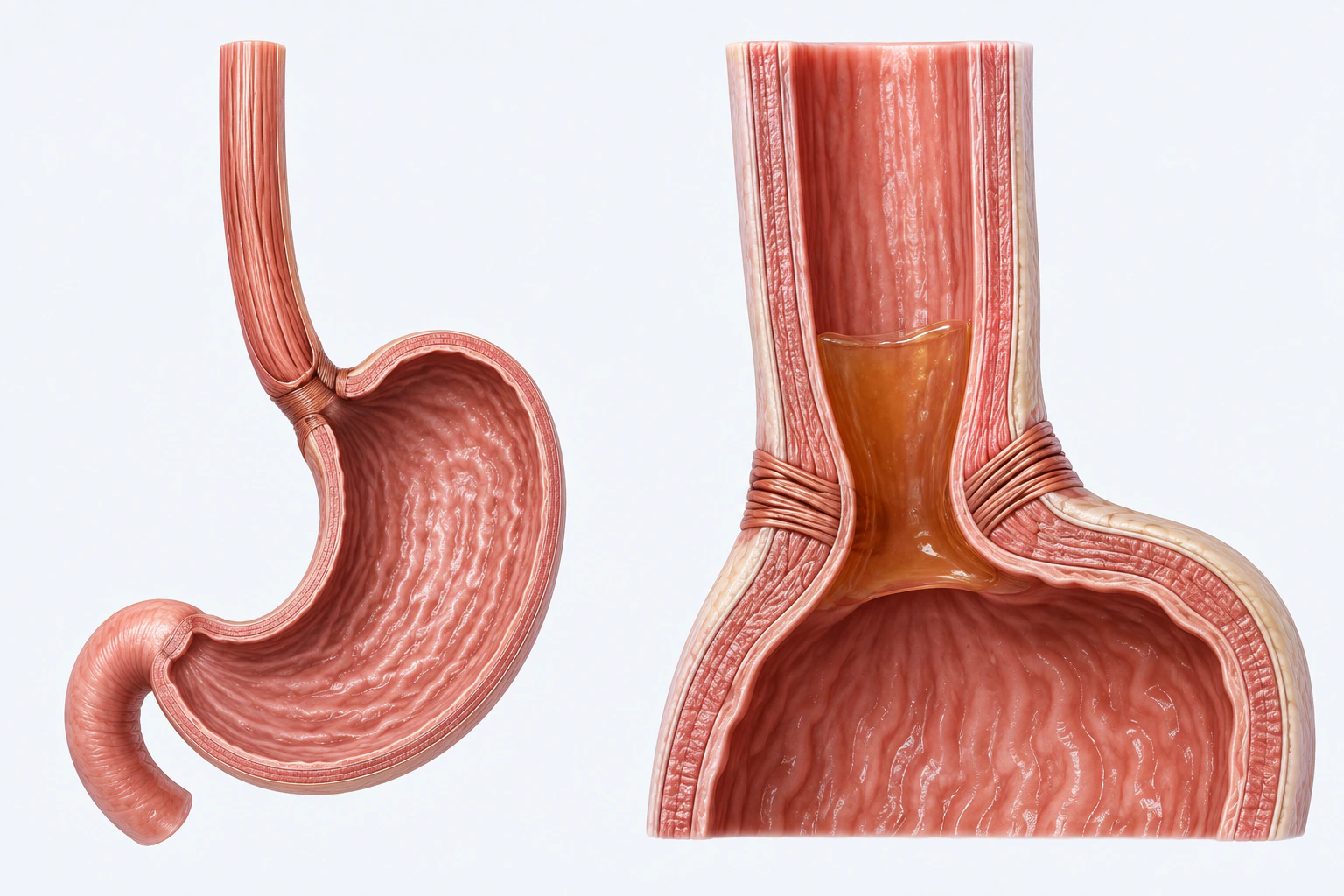
Barrett'S Esophagus — Microbiome Signature Barrett's esophagus (BE) is a premalignant condition in which the normal squamous epithelium of the distal esophagus is replaced by intestinal type columnar ...
Breast Cancer — Microbiome Signature Breast cancer is the most common cancer in women worldwide (~2.3 million new cases annually). The signature reveals a distinctive convergence of metalloestro...
Cardiovascular Disease — Microbiome Signature Cardiovascular disease (CVD) encompassing atherosclerosis, coronary artery disease, hypertension, myocardial infarction, heart failure, and stroke is the lea...
Celiac Disease — Microbiome Signature Celiac disease is a chronic autoimmune condition triggered by dietary gluten in genetically susceptible individuals (HLA DQ2/DQ8). Gluten exposure causes imm...
Cerebral Palsy — Microbiome Signature Cerebral palsy (CP) is the most common motor disability in childhood (2 3 per 1,000 live births), arising from non progressive injury to the developing brain...
Cerebral Palsy — Microbiome Signature Cerebral palsy (CP) is the most common motor disability in childhood (2 3 per 1,000 live births), traditionally attributed to perinatal asphyxia but increasi...
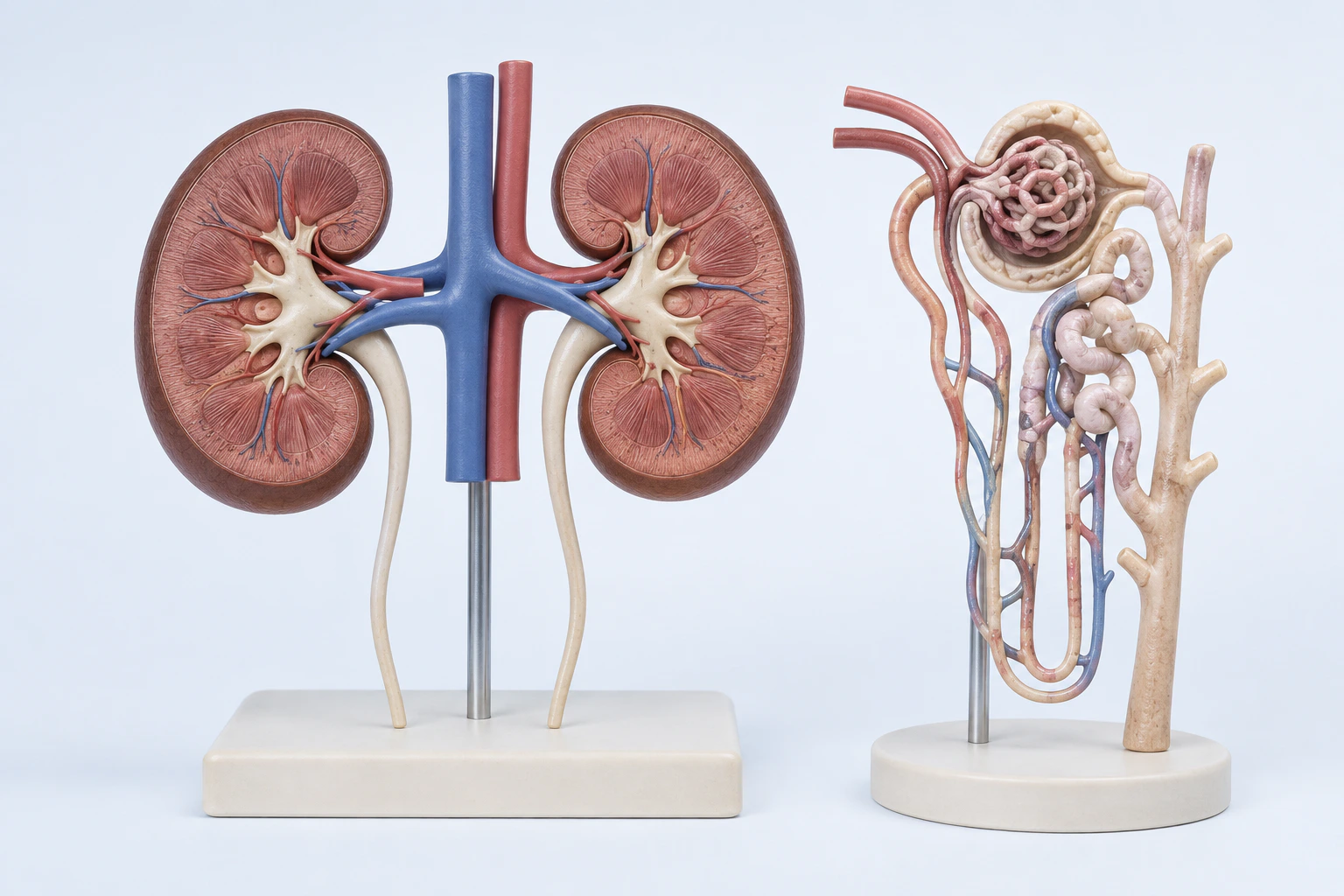
Chronic Kidney Disease — Microbiome Signature CKD affects ~850 million people worldwide and is unique among diseases in this knowledge base because it occupies both sides of the metal disease equation: h...
Chronic Kidney Disease — Microbiome Signature Chronic kidney disease affects approximately 850 million people worldwide (10 14% of adults), causing 1.2 million deaths annually. CKD is unique among diseas...
Colorectal Cancer — Microbiome Signature Colorectal cancer (CRC) is the third most common cancer worldwide, affecting ~1.9 million people annually. The conventional view treats CRC as an age related...
Colorectal Cancer — Microbiome Signature Colorectal cancer (CRC) is the third most common cancer worldwide and the second leading cause of cancer death. Over 90% of cases are sporadic, shaped by the...
Crohn'S Disease Microbiome Signature Crohn's disease (CD) is a chronic, relapsing remitting inflammatory bowel disease characterized by transmural inflammation of the gastrointestinal tract, mos...
Crohn'S Disease — Microbiome Signature Crohn's disease (CD) is a chronic inflammatory bowel disease characterized by transmural inflammation of the gastrointestinal tract, with periods of exacerba...
Depression — Microbiome Signature Major depressive disorder (MDD) affects over 280 million people globally and sits at the convergence of nearly every pathway catalogued in this knowledge bas...
Endometriosis Microbiome Signature Endometriosis is a chronic estrogen dependent inflammatory condition affecting approximately 10% of reproductive age women, characterized by growth of endome...
Endometriosis — Microbiome Signature Endometriosis is a chronic estrogen dependent inflammatory condition affecting approximately 10% of reproductive age women worldwide. The conventional view t...
Epilepsy — Microbiome Signature Epilepsy affects ~50 million people worldwide, with ~30% experiencing drug resistant seizures. The gut brain axis provides a mechanistic framework for unders...
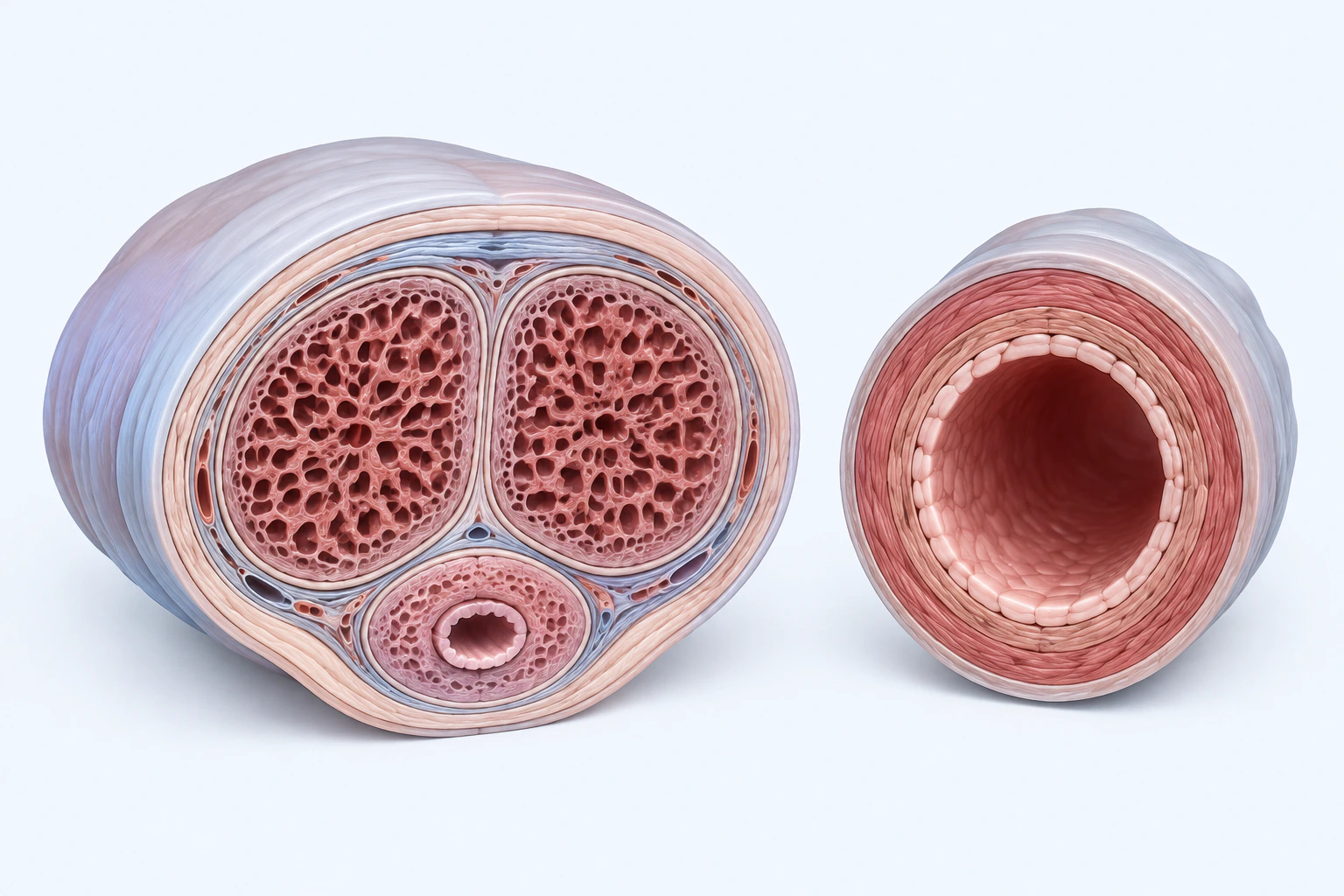
Erectile Dysfunction — Microbiome Signature Erectile Dysfunction (ED) affects 30 50% of men aged 40 70 and serves as a 3 5 year sentinel for cardiovascular disease. The microbiome signature reveals the...
Erectile Dysfunction — Microbiome Signature Erectile dysfunction (ED) affects 30 50% of men aged 40 70 (Feldman et al. 1994). Conventionally understood as a vascular and/or neurogenic disorder, ED is n...
Female Infertility — Microbiome Signature An umbrella signature covering microbiome driven mechanisms across infertility subtypes: premature ovarian insufficiency (POI), PCOS related infertility, dim...
Female Infertility — Microbiome Signature Female infertility affects approximately 48 million women worldwide (WHO). This signature reveals three converging pathways: (1) the estrobolome — microbial ...
Fibromyalgia — Microbiome Signature Fibromyalgia (FM) presents as widespread chronic pain with fatigue, cognitive dysfunction, and sleep disturbance. The microbiome signature reveals FM as an e...
Fibromyalgia — Microbiome Signature Fibromyalgia (FM) affects 2 4% of the global population (Heidari et al. 2017), characterized by widespread musculoskeletal pain, fatigue, cognitive dysfuncti...
Gastric Cancer — Microbiome Signature Gastric cancer is the fifth most common cancer worldwide and the third leading cause of cancer death, with over 1 million new cases annually. It stands uniqu...
Graves' Disease — Microbiome Signature Graves' disease is the most common cause of hyperthyroidism, characterized by autoantibodies against the TSH receptor that drive diffuse thyroid enlargement ...
Graves' Disease — Microbiome Signature Graves' disease (GD) is the most common cause of hyperthyroidism, characterized by TSH receptor antibodies (TRAb) that stimulate the thyroid gland. It affect...
Hashimoto'S Thyroiditis — Microbiome Signature > Clinical disclaimer: This signature page synthesizes peer reviewed evidence for practitioner education. It does not constitute medical advice. All interven...
Hashimoto'S Thyroiditis — Microbiome Signature Hashimoto's thyroiditis (HT) is the most common autoimmune disease globally and the leading cause of hypothyroidism, with prevalence of 5 10% and a striking ...
Hypertension — Microbiome Signature Hypertension affects an estimated 1.3 billion adults worldwide and is the leading modifiable risk factor for cardiovascular disease, stroke, and chronic kidn...
Inflammatory Bowel Disease Microbiome Signature Inflammatory bowel disease (IBD) is an umbrella term for chronic relapsing remitting inflammatory conditions of the gastrointestinal tract, principally crohn...
Irritable Bowel Syndrome — Microbiome Signature Irritable bowel syndrome (IBS) is a functional gastrointestinal disorder affecting 10 15% of the global population, characterized by chronic abdominal pain, ...
Long COVID — Microbiome Signature Post acute sequelae of SARS CoV 2 (PASC) affects 10 30% of COVID survivors with symptoms persisting >12 weeks. The signature is distinctive for its self perp...
Long COVID — Microbiome Signature Long COVID (post acute sequelae of SARS CoV 2 infection, PASC) affects an estimated 10 30% of COVID 19 survivors with symptoms persisting beyond 12 weeks. Th...
Major Depressive Disorder — Microbiome Signature Major Depressive Disorder (MDD) is a mental health condition characterized by persistent low mood, anhedonia, cognitive disruption, and neurovegetative chang...
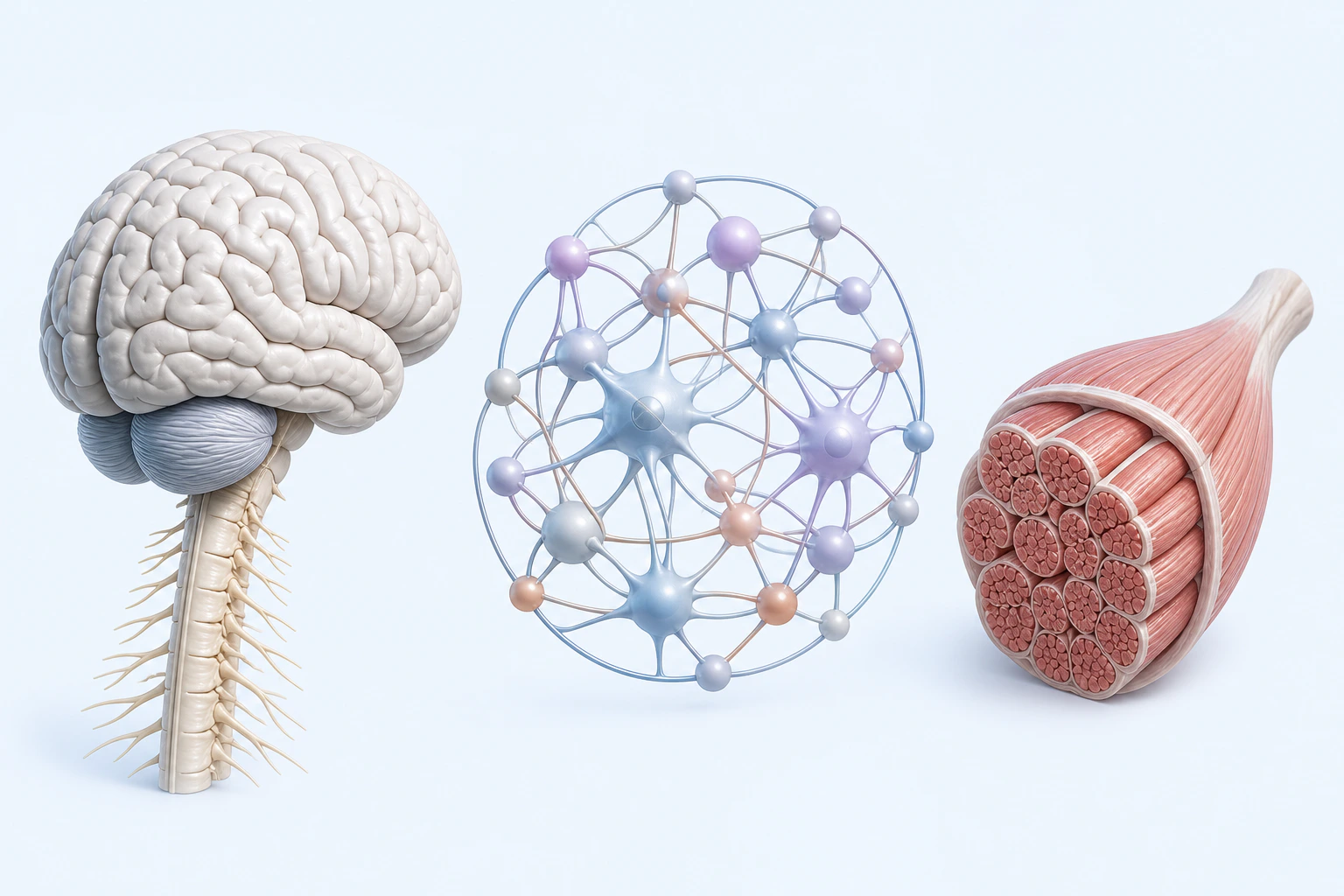
Multiple Sclerosis — Microbiome Signature Multiple Sclerosis (MS) is a chronic autoimmune demyelinating disease affecting approximately 2.8 million people worldwide, with a 3:1 female predominance. T...
Multiple Sclerosis — Microbiome Signature Multiple sclerosis (MS) is a chronic autoimmune demyelinating disease of the central nervous system affecting approximately 2.8 million people globally. The ...
Necrotizing Enterocolitis — Microbiome Signature Necrotizing enterocolitis (NEC) is the most lethal GI emergency in premature infants, affecting 5 12% of VLBW neonates with 20 30% mortality. The microbiome ...
Necrotizing Enterocolitis — Microbiome Signature Necrotizing enterocolitis (NEC) is the most common and lethal gastrointestinal emergency in premature infants, affecting 5 12% of very low birth weight neona...
Obesity — Microbiome Signature Obesity is a chronic metabolic disorder characterized by excessive adipose tissue accumulation and whole body metabolic dysfunction. The conventional view tr...
Obesity — Microbiome Signature Obesity affects over 1 billion people globally and is characterized by excess adipose tissue accumulation, systemic low grade inflammation, and gut microbiom...
Ovarian Cancer — Microbiome Signature The most lethal gynecological malignancy (~314,000 new cases, ~207,000 deaths annually), with >70% diagnosed at stage III/IV. The microbiome signature of ova...
Ovarian Cancer — Microbiome Signature Ovarian cancer is the most lethal gynecological malignancy, with approximately 314,000 new cases and 207,000 deaths annually worldwide. Its poor prognosis st...
Pancreatic Cancer — Microbiome Signature > Clinical disclaimer: This signature page synthesizes peer reviewed evidence for practitioner education. It does not constitute medical advice. All interven...
Pancreatic Cancer — Microbiome Signature Pancreatic cancer is the fifth leading cause of cancer death in Western nations. Pancreatic ductal adenocarcinoma (PDAC) accounts for >90% of cases, with fiv...
Pancreatitis — Microbiome Signature Pancreatitis is inflammation of the pancreas, occurring as acute pancreatitis (AP, 34 per 100,000/year) and chronic pancreatitis (CP, 10 per 100,000). Severe...
Parkinson'S Disease Microbiome Signature Parkinson's disease (PD) is the second most common neurodegenerative disease, affecting over 10 million people worldwide. Characterized by progressive loss o...
Parkinson'S Disease — Microbiome Signature Parkinson's Disease (PD) is the second most common neurodegenerative disorder, characterized by progressive loss of dopaminergic neurons in the substantia ni...
Polycystic Ovary Syndrome — Microbiome Signature Polycystic Ovary Syndrome (PCOS) is the most common endocrine disorder in reproductive age women, affecting approximately 6 20% depending on diagnostic crite...
Polycystic Ovary Syndrome — Microbiome Signature Polycystic ovary syndrome (PCOS) affects 6 20% of reproductive age women and is the leading cause of anovulatory infertility. From a metallomics perspective,...
Postpartum Depression — Microbiome Signature Postpartum depression (PPD) affects 10–20% of new mothers worldwide, making it the most common serious complication of childbirth. The conventional framing e...
Postpartum Depression — Microbiome Signature Postpartum depression (PPD) affects 10 20% of women after delivery, with profound consequences for maternal health, infant bonding, and child neurodevelopmen...
Rheumatoid Arthritis — Microbiome Signature Rheumatoid arthritis (RA) is a chronic systemic autoimmune disease characterized by symmetric polyarthritis with progressive joint destruction, affecting app...
Schizophrenia — Microbiome Signature A severe neuropsychiatric disorder affecting ~1% of the global population, with 15 20 years of reduced life expectancy driven largely by metabolic comorbidit...
Schizophrenia — Microbiome Signature Schizophrenia is a severe neuropsychiatric disorder affecting approximately 1% of the global population, characterized by positive symptoms (hallucinations, ...
Type 1 Diabetes — Microbiome Signature Type 1 Diabetes (T1D) is an autoimmune disease in which CD4+ and CD8+ T cells destroy pancreatic beta cells, eliminating insulin production. It affects appro...
Type 1 Diabetes — Microbiome Signature Type 1 diabetes is an autoimmune disease in which immune mediated destruction of insulin producing beta cells leads to lifelong insulin dependence. T1D accou...
Type 2 Diabetes — Microbiome Signature Type 2 Diabetes (T2D) is a metabolic disorder characterized by insulin resistance and hyperglycemia. The microbiome signature framework reveals T2D as an eco...
Type 2 Diabetes — Microbiome Signature Type 2 diabetes (T2D) affects over 500 million people worldwide and is conventionally framed around caloric excess and sedentary behavior. The metallomic per...
Ulcerative Colitis — Microbiome Signature Ulcerative colitis (UC) is a chronic inflammatory bowel disease characterized by continuous mucosal inflammation of the colon, extending proximally from the ...