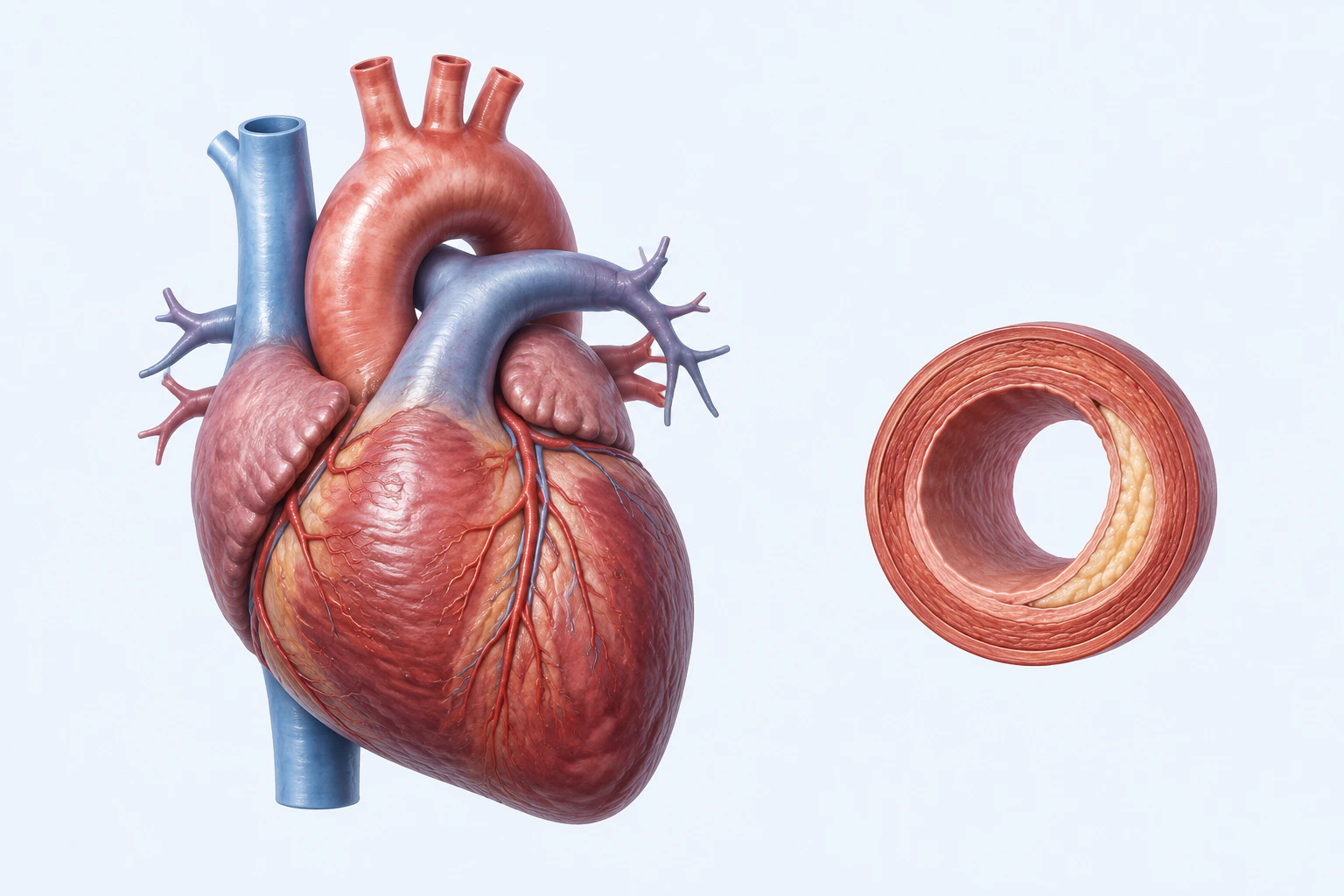
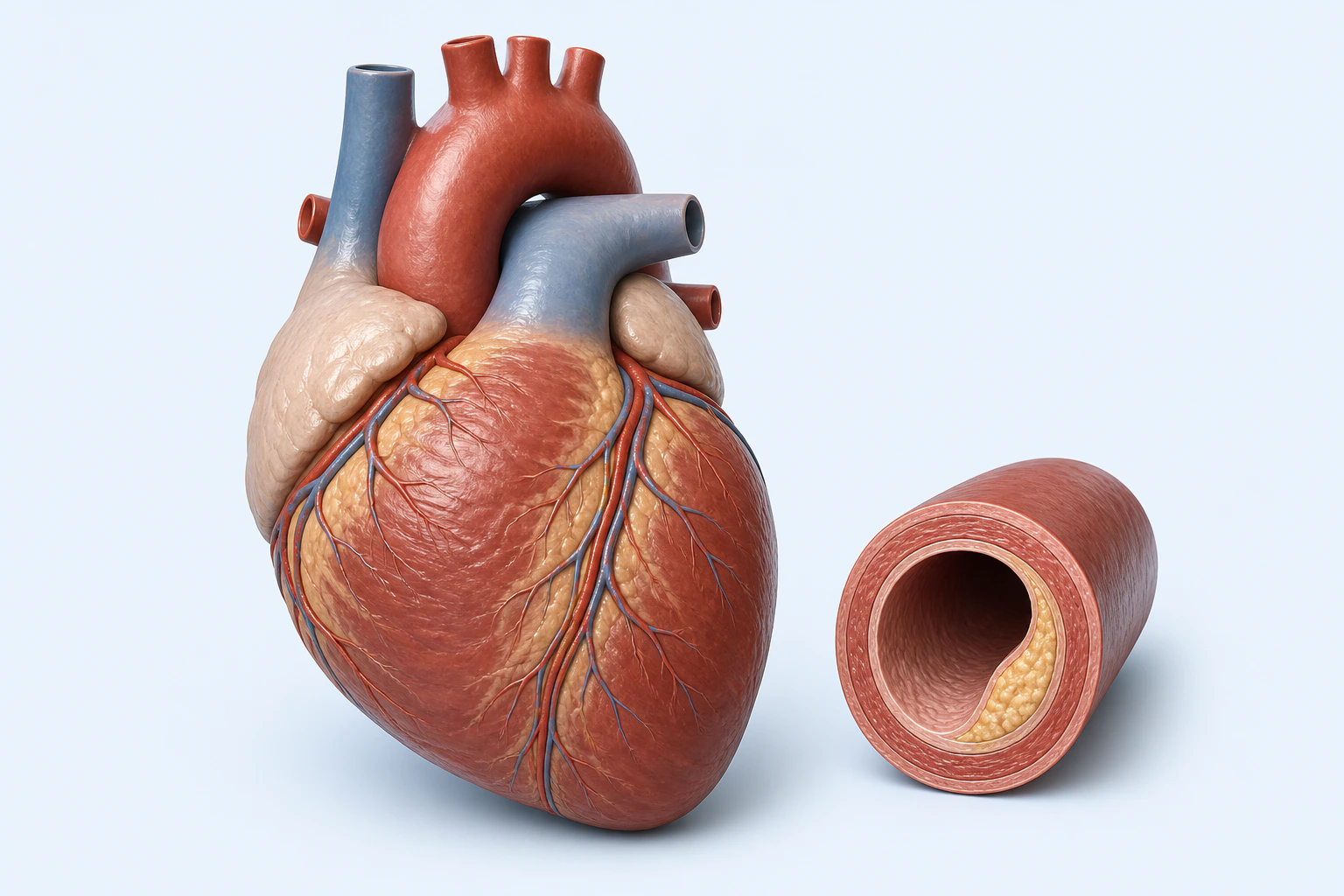
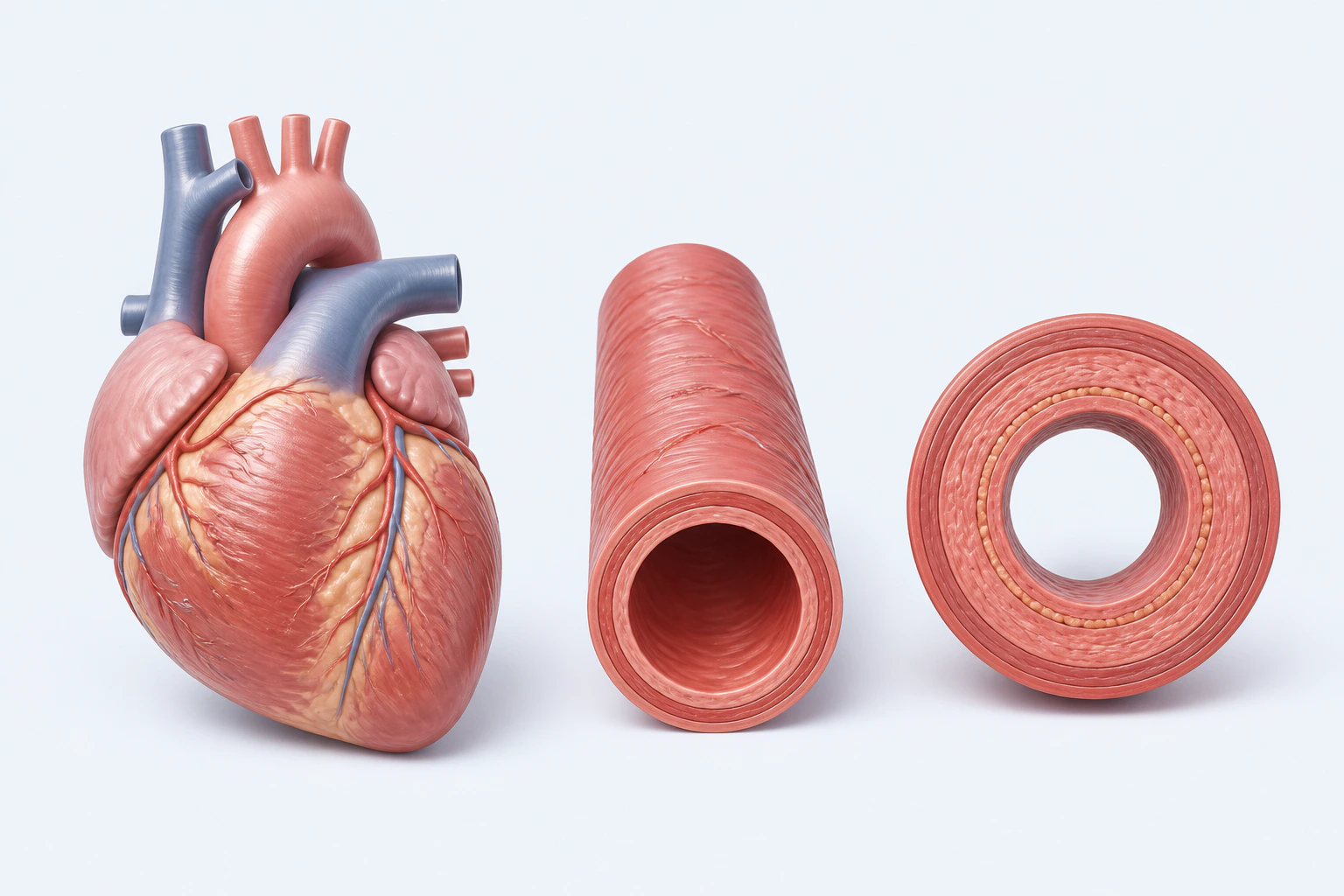
Atherosclerosis is a chronic inflammatory disease of arterial walls characterized by lipid-laden plaque formation, endothelial dysfunction, and progressive vascular occlusion. It is the pathological substrate underlying coronary artery disease, stroke, and peripheral ar…
An analysis of which microbial taxa appear across multiple disease signatures in this knowledge base, what metal dependencies they share, and what the taxonomic overlap reveals about shared pathogenic mechanisms. This analysis covers the 13 disease signatures currently …
Aeromonas is a genus of Gram-negative, facultatively anaerobic bacteria found in aquatic environments and, increasingly recognized as an opportunistic gut pathogen. Several species — particularly Aeromonas hydrophila, A. veronii, and A. caviae — are associated with gast…
The most common form of dementia, affecting an estimated 55 million people worldwide and projected to triple by 2050 zhang 2024 recent advances alzheimers mechanisms trials. Characterized by progressive memory loss, cognitive decline, amyloid-beta plaques, and neurofibr…
Anxiety disorders are the most prevalent mental health conditions globally, affecting ~280 million people (~4.8% of the world population). They encompass generalized anxiety disorder (GAD), social anxiety, panic disorder, and phobias. In the WikiBiome context, anxiety f…
Arachidonic acid (AA) is a 20-carbon omega-6 polyunsaturated fatty acid (20:4n-6) that serves as the primary substrate for prostaglandin and leukotriene synthesis via COX-2 and 5-LOX pathways. It is the dominant pro-inflammatory lipid mediator — and its balance with ant…
A neurodevelopmental condition affecting approximately 1 in 36 children (US CDC 2023 estimate), characterized by differences in social communication, restricted interests, and repetitive behaviors. From a metallomics perspective, ASD presents a compelling convergence of…
Bacteroidales is an order of obligate anaerobic, Gram-negative bacteria within the phylum Bacteroidetes. It includes the families Bacteroidaceae (bacteroides), Prevotellaceae (prevotella), Rikenellaceae, and Porphyromonadaceae (porphyromonas). Bacteroidales are among th…
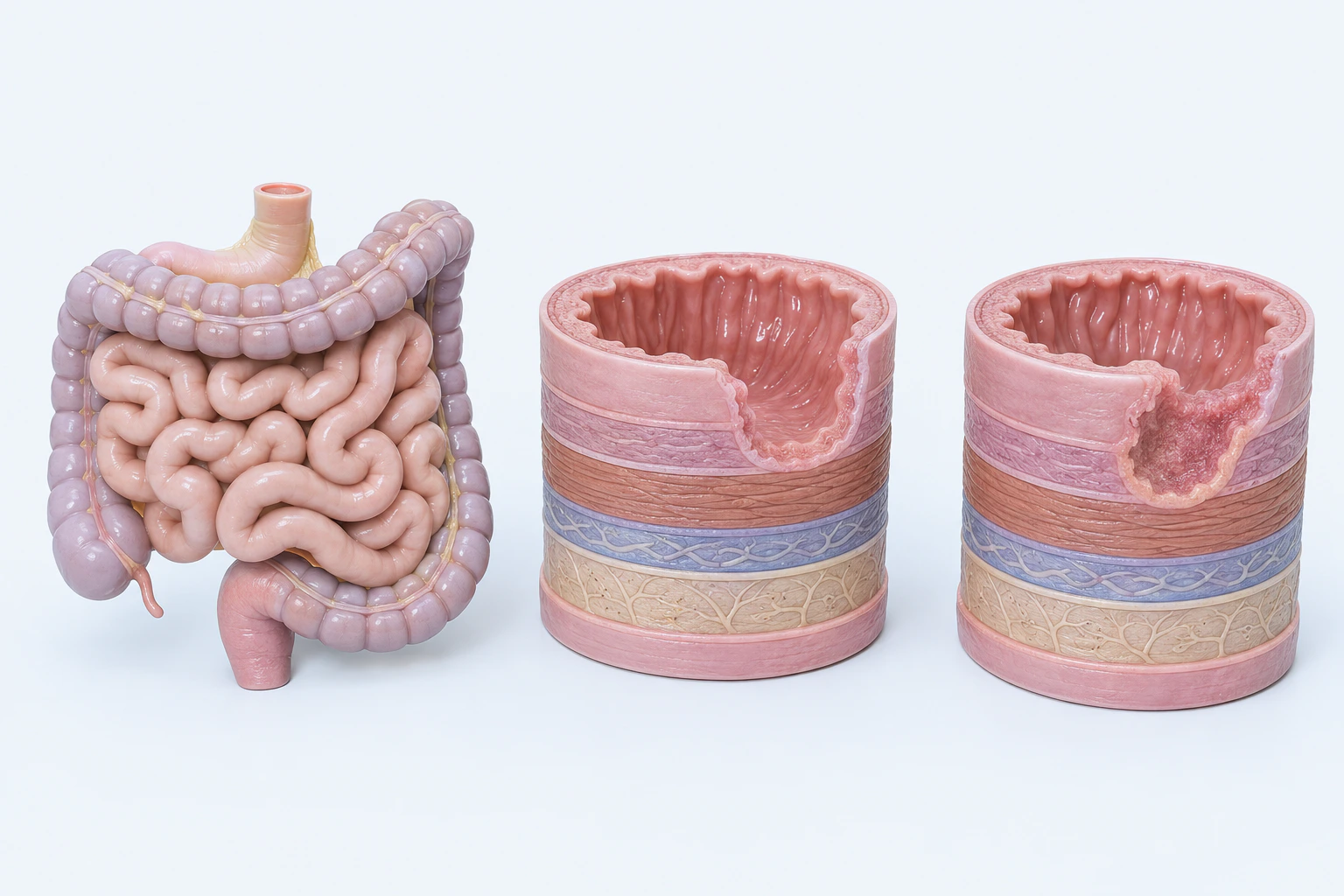
Barrett's esophagus (BE) is a premalignant condition in which the normal squamous epithelium of the distal esophagus is replaced by intestinal-type columnar epithelium (intestinal metaplasia). It is the primary risk factor for esophageal adenocarcinoma (EAC), a cancer w…
Measurable indicators of biological state, exposure, or disease. In the metallomics context, biomarkers span three interconnected domains: metal biomarkers (quantifying exposure and body burden), microbiome biomarkers (reflecting microbial community disruption), and met…
Bipolar disorder is a chronic neuropsychiatric condition characterized by recurrent episodes of mania (or hypomania) and depression, affecting approximately 1-2.4% of the global population. It carries significant morbidity -- reduced life expectancy by 10-15 years, high…
Breast cancer is the most common cancer in women worldwide, with approximately 2.3 million new cases annually. While genetic, hormonal, and lifestyle factors are well-established risk determinants, the metallomic dimension reveals a consistent pattern of trace element d…
Butyrivibrio is a genus of Gram-positive, obligate anaerobic bacteria within the family Lachnospiraceae (phylum Firmicutes). Originally characterized as a dominant fiber-fermenting genus in the rumen, Butyrivibrio species are also found in the human colon where they con…
Cardiovascular disease (CVD) -- encompassing atherosclerosis, coronary artery disease, hypertension, myocardial infarction, heart failure, and stroke -- is the leading cause of death globally. The gut-heart axis has emerged as a central paradigm linking microbial metabo…
Celiac disease is a chronic autoimmune condition triggered by dietary gluten (gliadin proteins from wheat, barley, and rye) in genetically susceptible individuals (HLA-DQ2/DQ8, carried by ~30-40% of Europeans but penetrant in only ~1% of carriers). Gluten exposure cause…
Cerebral palsy (CP) is the most common motor disability in childhood, affecting 2-3 per 1,000 live births allen 2021 multi organ dysfunction cerebral palsy. Characterized by non-progressive disturbances in movement and posture arising from injury to the developing brain…
Chromium is a transition metal (atomic number 24) whose toxicology is defined by a stark oxidation-state divide. Hexavalent chromium, Cr(VI), is an IARC Group 1 human carcinogen that causes DNA damage through a unique mechanism of intracellular reduction and ternary add…
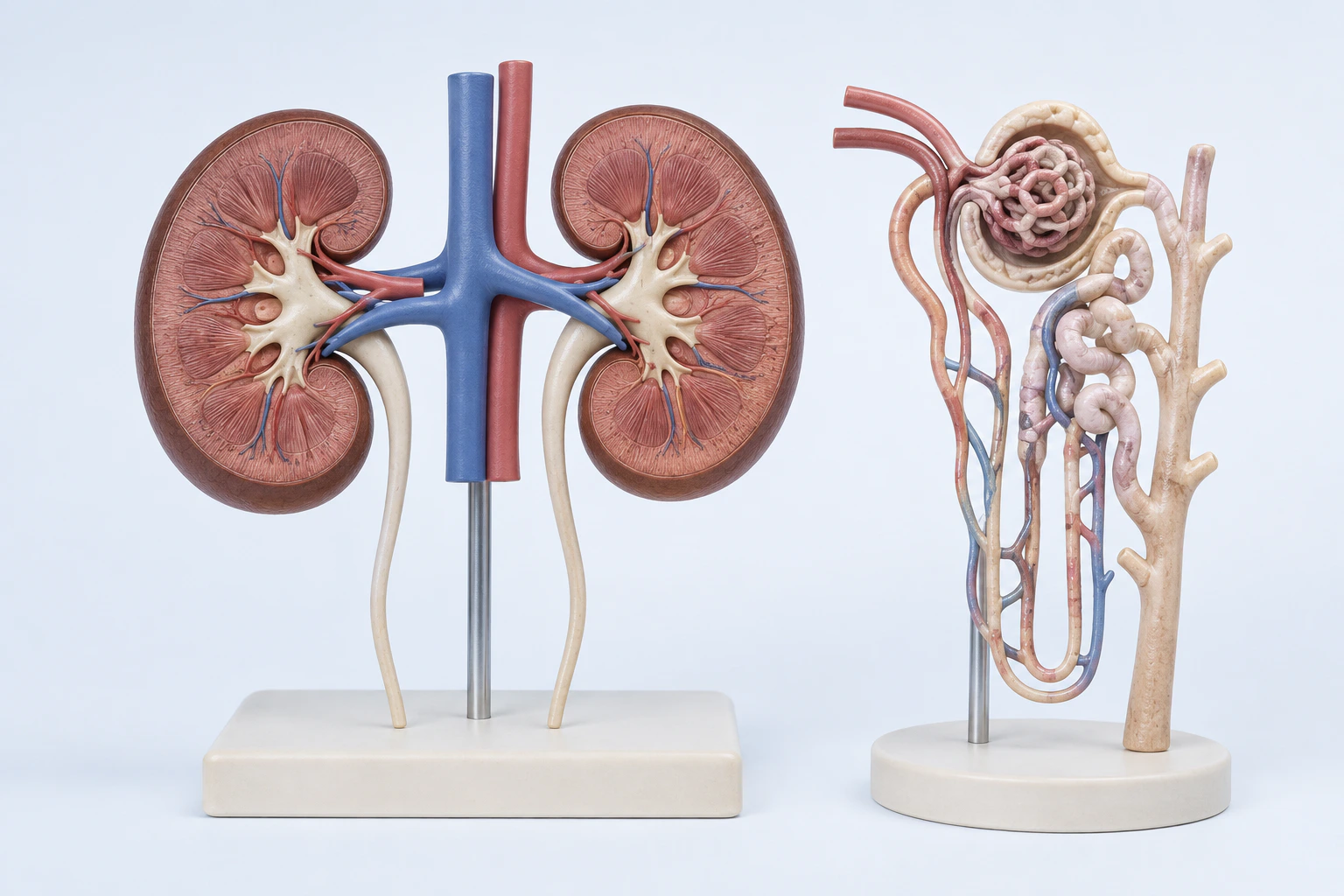
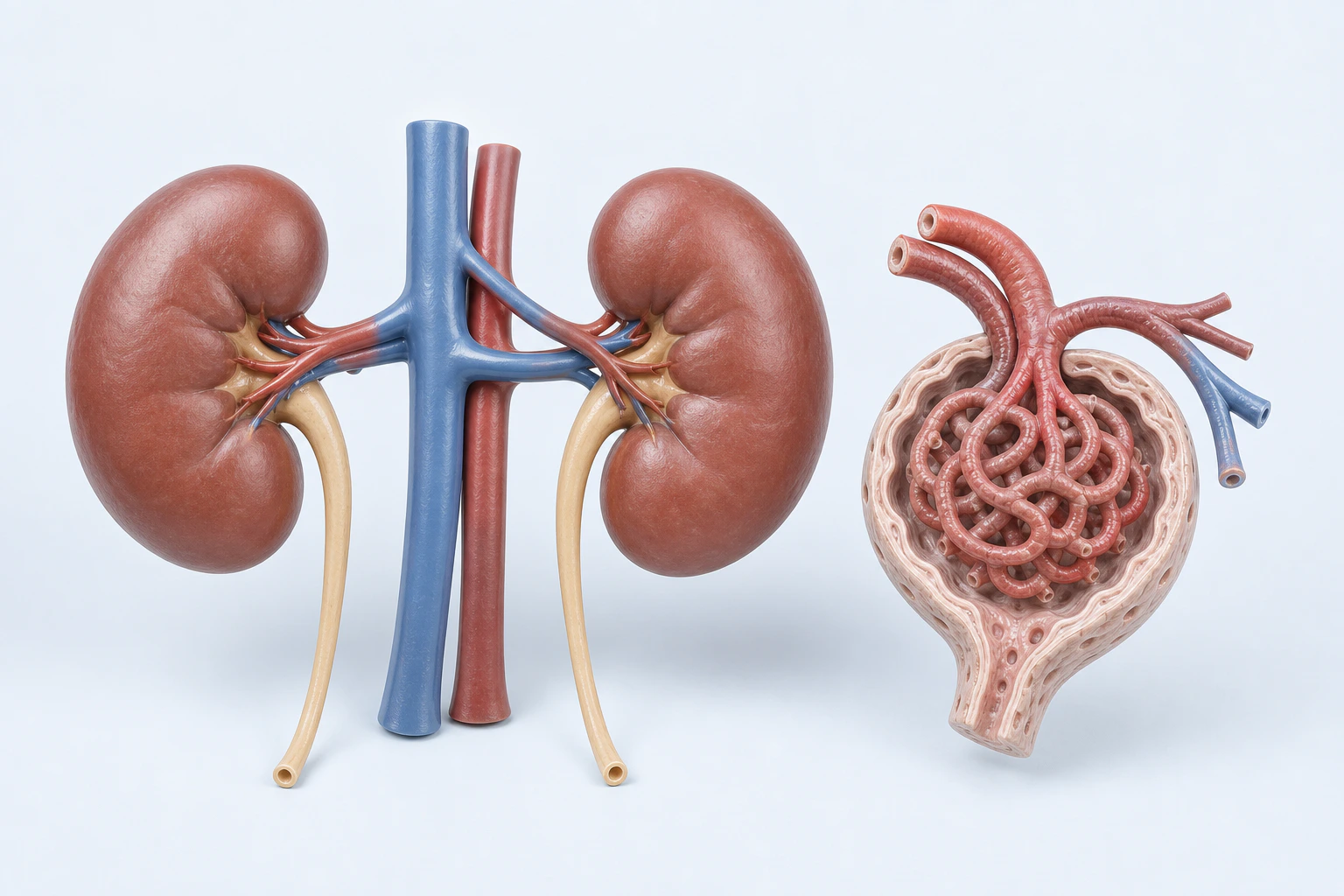
A progressive loss of kidney function affecting approximately 850 million people worldwide (10–14% of adults), causing 1.2 million deaths annually. CKD is unique among diseases in this wiki because it occupies both sides of the metal-disease equation: heavy metals (Cd, …
Citrobacter is a genus of Gram-negative, facultatively anaerobic bacteria in the Enterobacteriaceae family, named for its ability to utilize citrate as a sole carbon source. Species include C. freundii, C. koseri, and C. rodentium (a mouse model for EHEC infection). In …
Clostridium symbiosum is a Gram-positive, obligately anaerobic bacterium within the Clostridium cluster XIVa — a taxonomic group enriched for short-chain fatty acid (SCFA) producers and specialized bile acid metabolizers. Despite its ambiguous name (suggesting symbiotic…
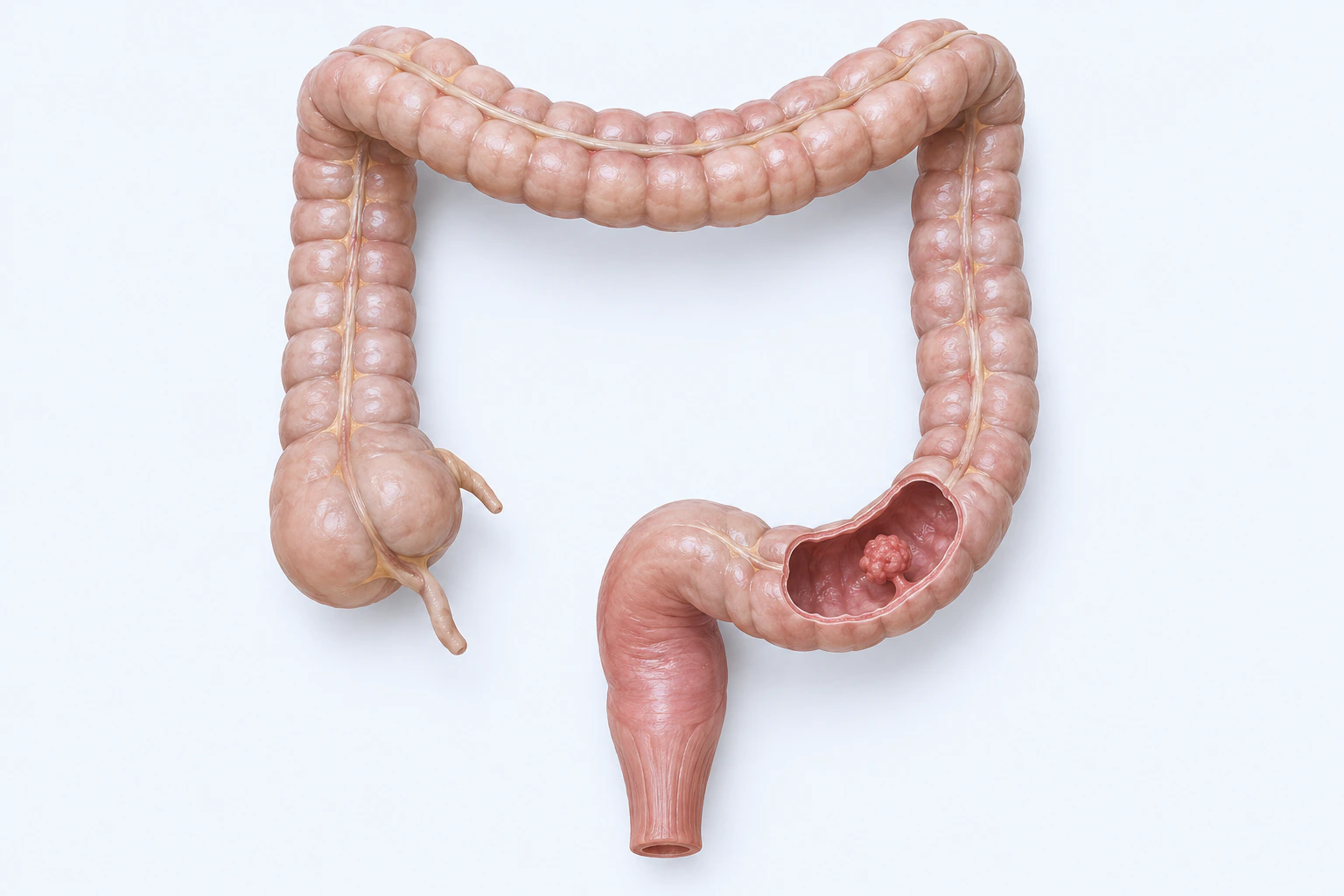
Colorectal cancer (CRC) is the third most common cancer worldwide and the second leading cause of cancer death. Over 90% of cases are sporadic, driven by a complex interplay between genetic predisposition, dietary habits, gut microbiome composition, and environmental ex…
An essential trace element with a striking dual nature: required for survival as a cofactor for critical enzymes (SOD1, cytochrome c oxidase, ceruloplasmin), yet toxic in excess through Fenton-like redox cycling and mis metallation of iron-sulfur clusters. Copper is ele…
Coronary artery disease (CAD) -- the progressive narrowing of coronary arteries by atherosclerotic plaque -- is the single leading cause of death globally, responsible for approximately 9 million deaths annually. CAD encompasses stable angina, unstable angina, and myoca…
A chronic, relapsing-remitting inflammatory bowel disease (IBD) characterized by transmural inflammation of the gastrointestinal tract, most commonly affecting the terminal ileum and colon but capable of involving any segment from mouth to anus zhang 2017 intestinal mic…
Depression is the most prevalent mental health disorder globally, affecting over 280 million people zhu 2025 microbiota gut brain axis depression review, and one of the most metal-sensitive conditions in this wiki. It sits at the convergence of nearly every pathway cata…
Diabetic kidney disease (DKD), also known as diabetic nephropathy, is the leading cause of end-stage renal disease (ESRD) worldwide, affecting 30-40% of patients with type 2 diabetes and type 1 diabetes. DKD is defined by progressive albuminuria, declining glomerular fi…
Drug repurposing (also called drug repositioning) is the strategy of identifying new therapeutic uses for existing approved drugs. It dramatically accelerates the path from bench to bedside because safety, pharmacokinetics, and manufacturing are already established. In …
A Gram-positive obligate anaerobe and key estrobolome member that links metabolic dysbiosis to hormone-driven diseases, particularly endometriosis. E. lenta is remarkable for its ability to inactivate cardiac glycosides (like digoxin) and to produce beta-glucuronidase, …
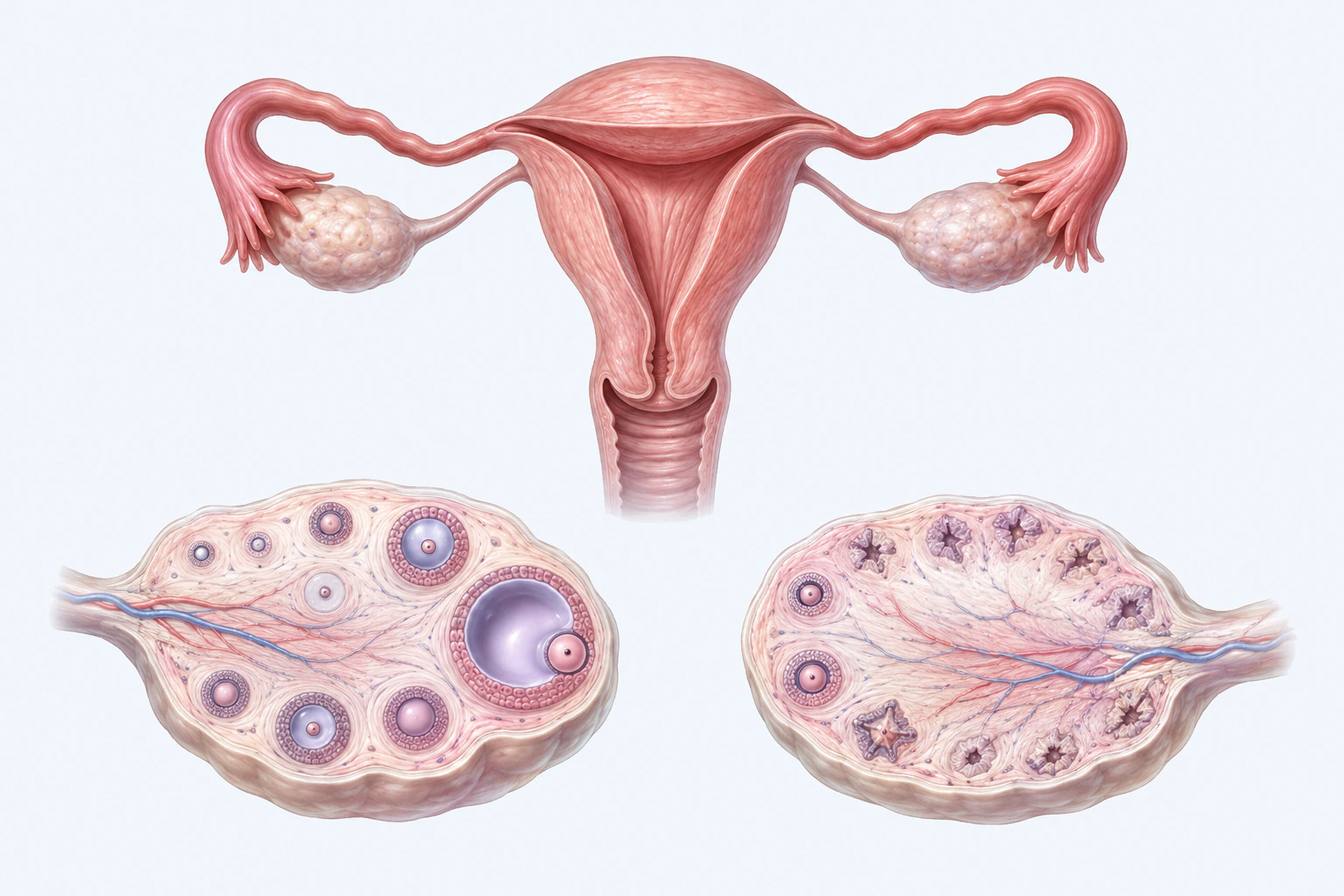
Endometriosis is a chronic estrogen-dependent inflammatory condition affecting approximately 10% of reproductive-age women, characterized by the growth of endometrial-like tissue outside the uterus colonetti 2023 gut vaginal microbiota endometriosis meta analysis. The c…
A family of Gram-negative, facultative anaerobic Gammaproteobacteria that includes many of the most important human pathogens: escherichia coli, klebsiella pneumoniae, salmonella typhimurium, shigella flexneri, yersinia pestis, proteus mirabilis, Morganella, and Serrati…
Epilepsy is a chronic neurological disorder characterized by recurrent unprovoked seizures, affecting ~50 million people worldwide. Approximately 30% of patients have drug-resistant epilepsy -- a population where microbiome-targeted interventions (particularly the ketog…
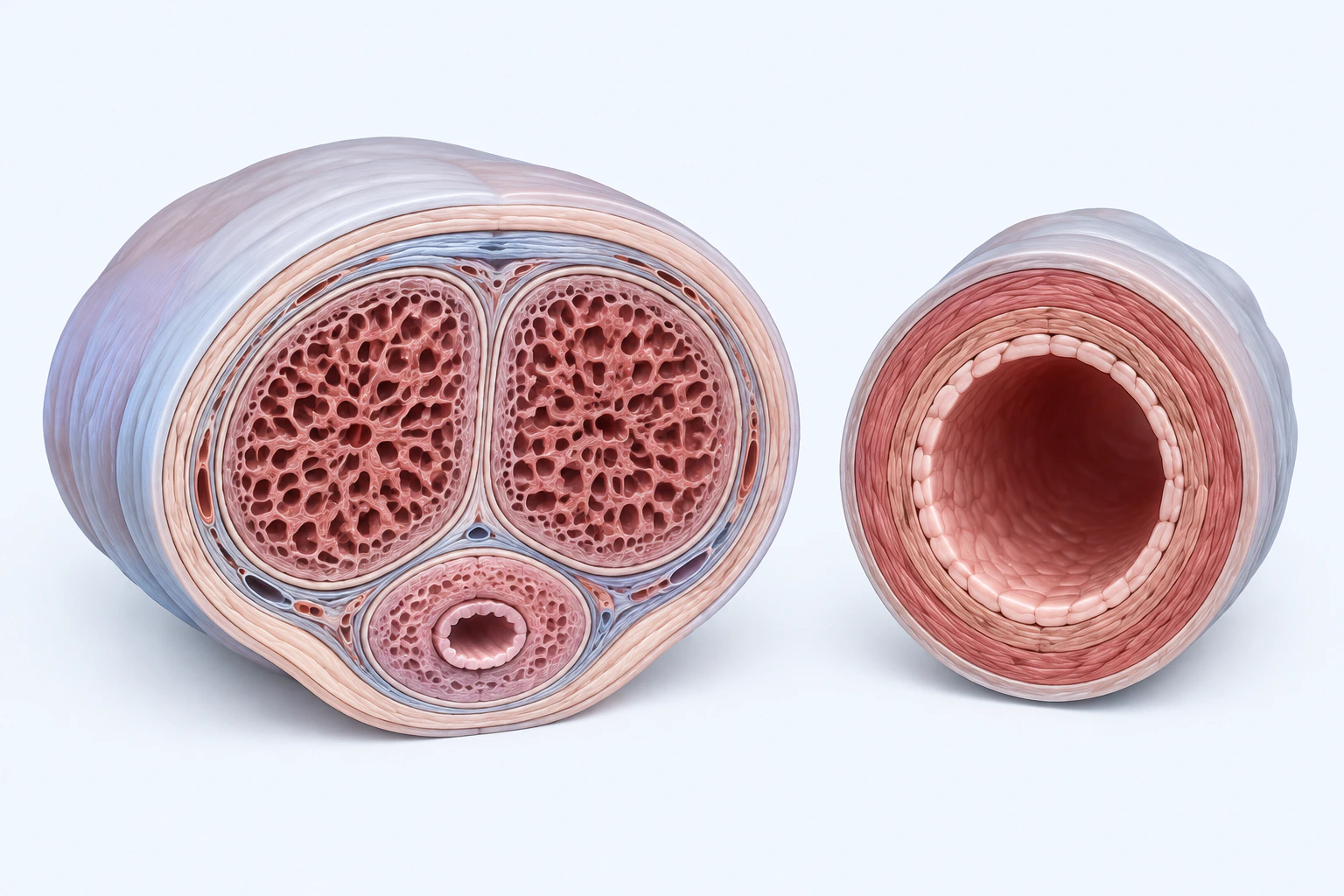
Erectile dysfunction (ED) affects 30-50% of men aged 40-70 Feldman et al. 1994, with prevalence increasing with age. Conventionally understood as a vascular and/or neurogenic disorder, ED is now recognized as a condition with a significant gut microbiome component -- th…
The most abundant bacterium in the healthy human colon (5-15% of total fecal microbiota), F. prausnitzii is the premier butyrate producer in the gut and a cornerstone of anti-inflammatory intestinal homeostasis. Its depletion is one of the most consistent microbiome sig…
Affects approximately 48 million women worldwide (WHO global infertility prevalence estimates). From a microbiome-metallomics perspective, female infertility sits at the intersection of the estrobolome (microbial estrogen metabolism), heavy metal reproductive toxicity (…
Ferroptosis is a form of iron-dependent regulated cell death driven by the accumulation of lipid peroxides on cellular membranes pendergrass 2026 microbial metallomics parkinsons ferroptosis, riederer 2021 iron concert master parkinsons. Unlike apoptosis or necrosis, fe…
Fibromyalgia (FM) is a chronic pain syndrome affecting 2-4% of the global population Heidari et al. 2017, characterized by widespread musculoskeletal pain, fatigue, cognitive dysfunction ("fibro fog"), and sleep disturbances. Conventionally attributed to central sensiti…
A Gram-negative, obligate anaerobic bacterium that has emerged as the most consistently CRC-associated microorganism in human gut microbiome studies. F. nucleatum is the primary species of concern, originally a commensal of the oral cavity that translocates to colorecta…
The fifth most common cancer worldwide and third leading cause of cancer death, with over 1 million new cases annually. Gastric cancer stands unique in this wiki as the disease where a single microorganism -- helicobacter pylori -- provides the dominant causal pathway, …
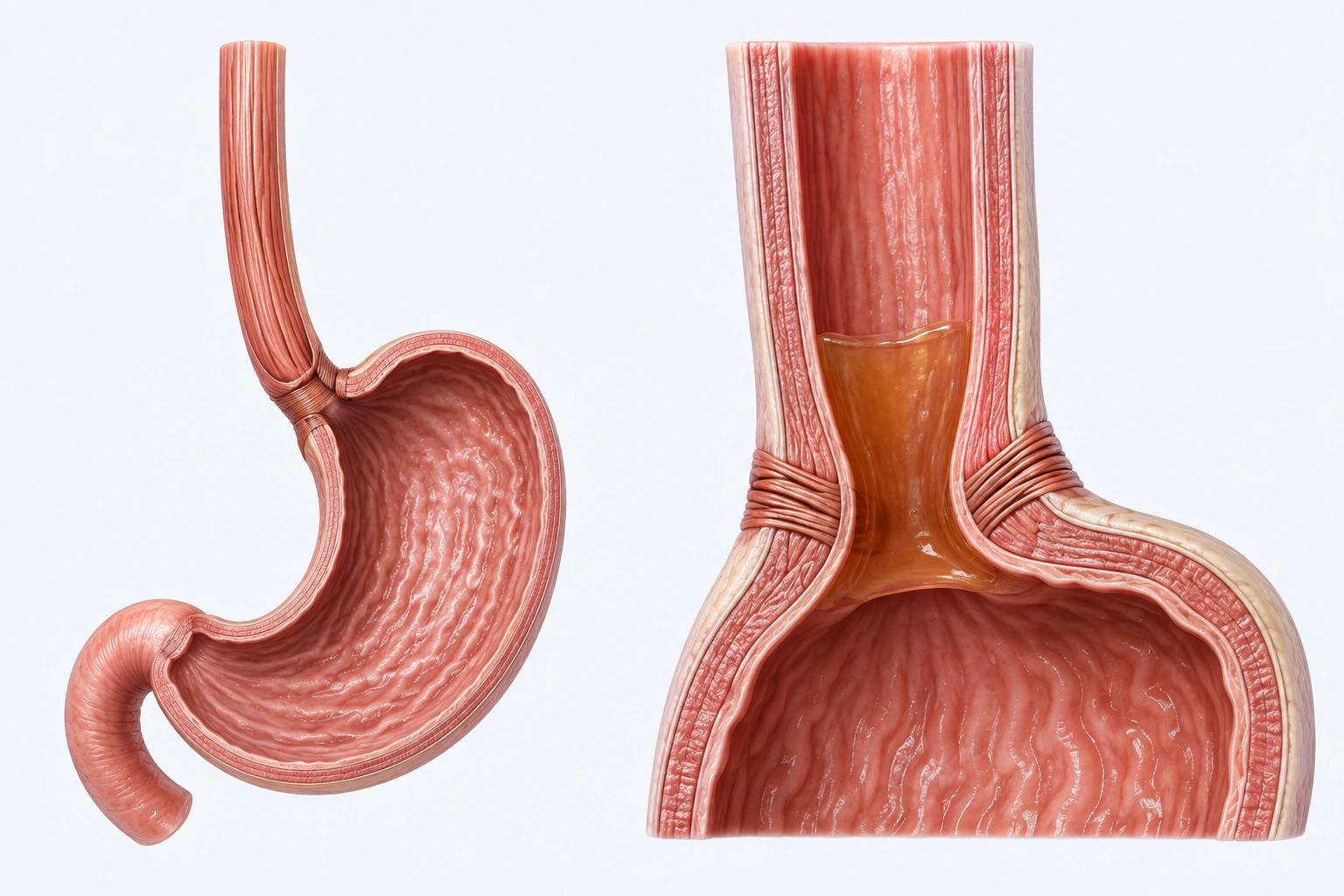
Gastroesophageal reflux disease (GERD) is a chronic condition in which stomach acid or bile flows back into the esophagus, causing mucosal damage and symptoms such as heartburn and regurgitation. Affecting approximately 20% of Western populations, GERD is conventionally…
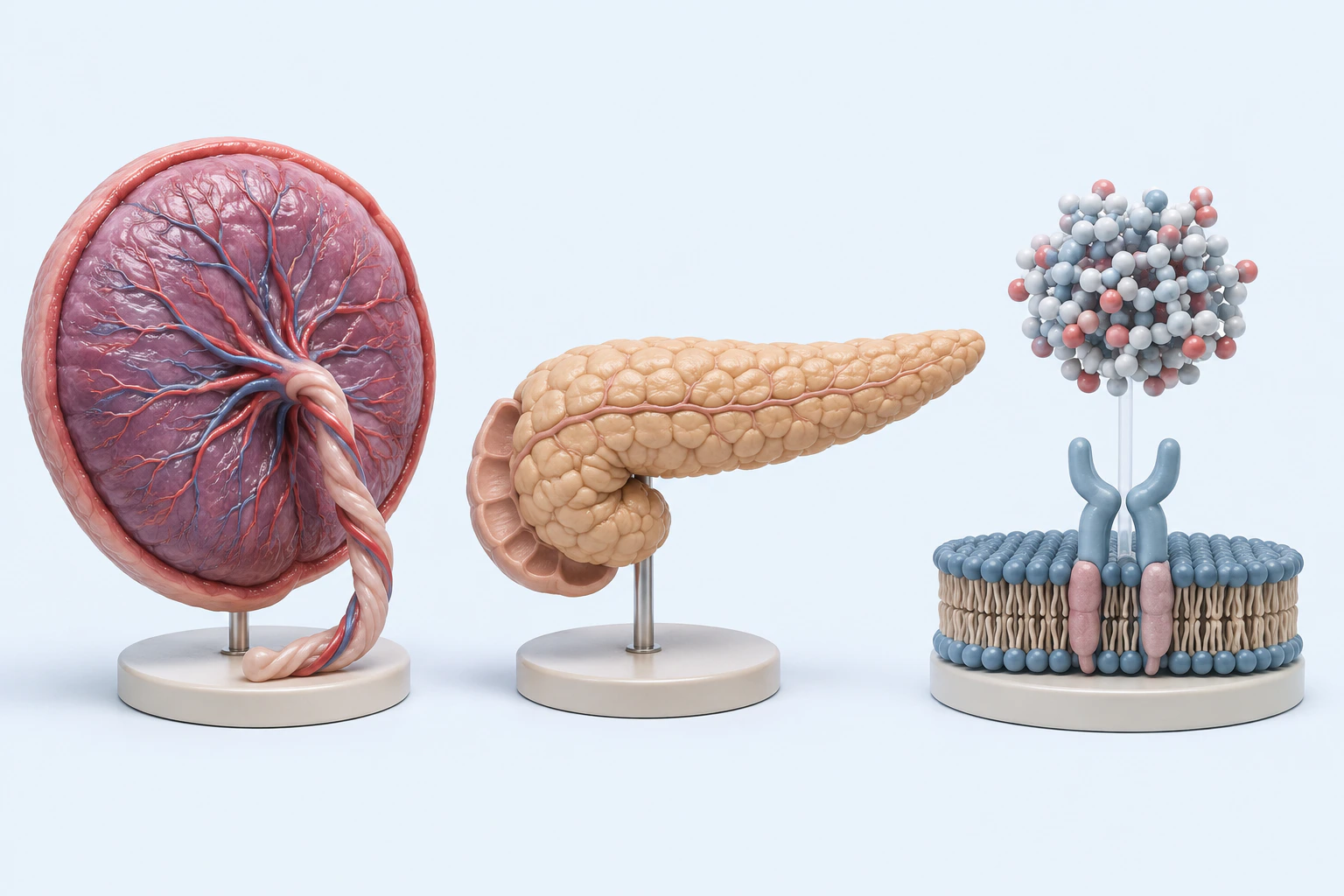
Gestational diabetes mellitus (GDM) is a condition of glucose intolerance first recognized during pregnancy, affecting approximately 14% of pregnancies worldwide. It carries risks for both mother and offspring, including increased likelihood of developing type 2 diabete…
Alphabetical definitions of specialist terms used throughout this wiki. Where a full concept page exists, the term links to it. --- AhR (aryl hydrocarbon receptor) -- A ligand-activated transcription factor that senses microbial metabolites (especially indoles from tryp…
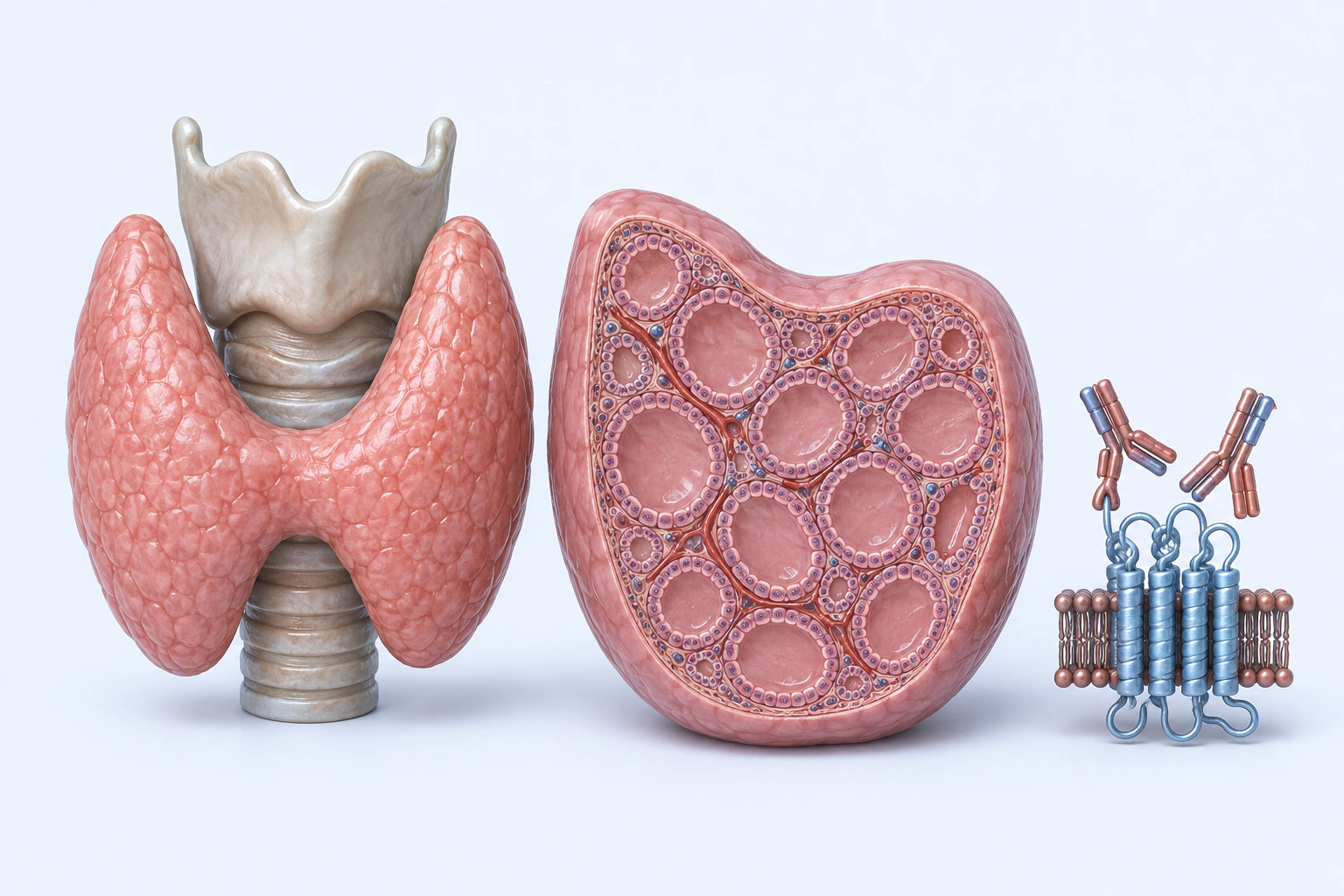
Graves' disease (GD) is an autoimmune thyroid disorder characterized by TSH receptor antibodies (TRAb) that stimulate the thyroid gland, causing hyperthyroidism kahaly 2022 graves disease targeted therapy review. It is the most common cause of hyperthyroidism, with conc…
The gut-thyroid axis describes the bidirectional communication between the gut microbiome and the thyroid gland. The thyroid regulates metabolism, energy homeostasis, and immune function -- and the microbiome influences thyroid physiology at every level: mineral absorpt…
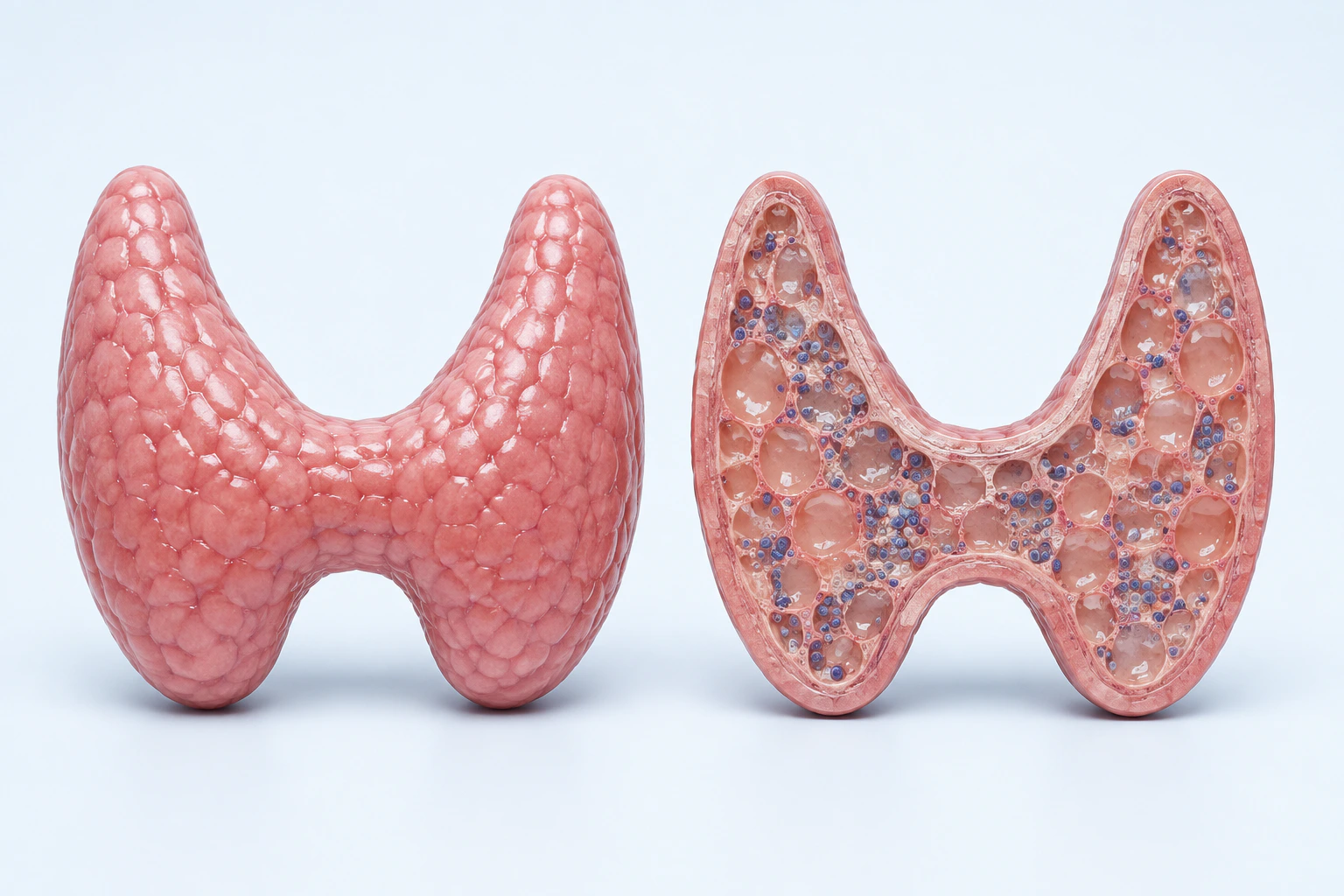
Hashimoto's thyroiditis (HT) is the most common autoimmune disease globally and the leading cause of hypothyroidism. Chronic lymphocytic infiltration of the thyroid gland progressively destroys follicular architecture, reducing thyroid hormone output. Prevalence is 5-10…
Hyperandrogenism -- the clinical or biochemical excess of androgens (testosterone, androstenedione, DHEA-S) -- is a defining feature of polycystic ovary syndrome (PCOS), affecting 60-80% of women with the condition. It manifests as hirsutism, acne, androgenic alopecia, …
Sustained elevation of systemic blood pressure, affecting an estimated 1.3 billion adults worldwide and the leading modifiable risk factor for cardiovascular disease, stroke, and chronic kidney disease. The gut microbiome-blood pressure axis has emerged as a major resea…
Interferon gamma (IFN-γ) is the signature Th1 cytokine and the primary activator of macrophage antimicrobial functions. In the WikiBiome framework, IFN-γ is critical for two reasons: it drives nutritional immunity (iron restriction against intracellular pathogens) and i…
Interleukin-17 (primarily IL-17A and IL-17F) is the signature cytokine of Th17 cells. At physiological levels, IL-17 maintains mucosal barrier defense by recruiting neutrophils and inducing antimicrobial peptide production. At pathological levels (Th17/Treg imbalance), …
An umbrella term for chronic relapsing-remitting inflammatory conditions of the gastrointestinal tract, principally crohns disease (CD; transmural, any GI segment) and ulcerative colitis (UC; mucosal, colon only). Approximately 6 million patients worldwide. IBD represen…
Interleukin-6 is a pleiotropic cytokine that sits at the crossroads of innate immunity, adaptive immunity, and metabolism. It is one of the most frequently elevated inflammatory mediators across conditions in this wiki — appearing in disease signatures spanning IBD, aut…
A functional gastrointestinal disorder affecting 10-15% of the global population, characterized by chronic abdominal pain, bloating, and altered bowel habits (diarrhea-predominant, constipation-predominant, or mixed) without identifiable structural pathology. From a met…
A family within the Firmicutes phylum (order Clostridiales, formerly Clostridium cluster XIVa) that serves as a sentinel indicator of gut health -- its depletion is the single most consistent microbiome signature across nearly every disease represented in this wiki. The…
Major depressive disorder (MDD) is a psychiatric condition characterized by persistent depressed mood, anhedonia, and cognitive/somatic symptoms. In the WikiBiome framework, MDD is a paradigm case for the gut brain axis: gut dysbiosis drives systemic inflammation and ne…
This page synthesizes findings across 1,426 source pages to map the relationships between metals and disease. Where individual source pages document a single study's findings, this page identifies the patterns that emerge when those findings are laid side by side. ADVER…
A metal ion that activates estrogen receptors and mimics the biological effects of estradiol. Metalloestrogens represent a distinct class of endocrine-disrupting compounds where the active agent is an inorganic metal rather than an organic xenoestrogen like BPA or phtha…
Metallomics is the systematic study of metals and metalloids in a biological system. The metallome is the set of metal and metalloid species present in a defined organism, tissue, cell, fluid, or microbial community; metallomics is the measurement and interpretation of …
Methanobrevibacter smithii is the dominant methanogenic archaeon in the human gut, responsible for consuming hydrogen gas produced by fermentative bacteria and converting it to methane. Despite being an archaeon rather than a bacterium, it represents 0–15% of gut microb…
Microbial metallomics is the study of how metals and microorganisms interact at the systems level — how metal availability shapes microbial communities, how microbes acquire and weaponize metals for virulence, and how this bidirectional metal-microbe interface drives di…
Multiple sclerosis (MS) is a chronic autoimmune demyelinating disease of the central nervous system, with a global prevalence of approximately 2.8 million attfield 2022 immunology ms nature review. The conventional framing centers on genetic susceptibility (HLA-DRB115:0…
Necrotizing enterocolitis (NEC) is the most common and lethal gastrointestinal emergency in premature infants, affecting 5-12% of very low birth weight neonates (<1500 g) with mortality rates of 20-30%. Characterized by intestinal inflammation, necrosis, and perforation…
A transition metal occupying a central position in this wiki's evidence base. Nickel is toxic and carcinogenic to humans, yet an essential cofactor for pathogen virulence enzymes. It is the most frequent contact allergen worldwide and drives a wide spectrum of systemic …
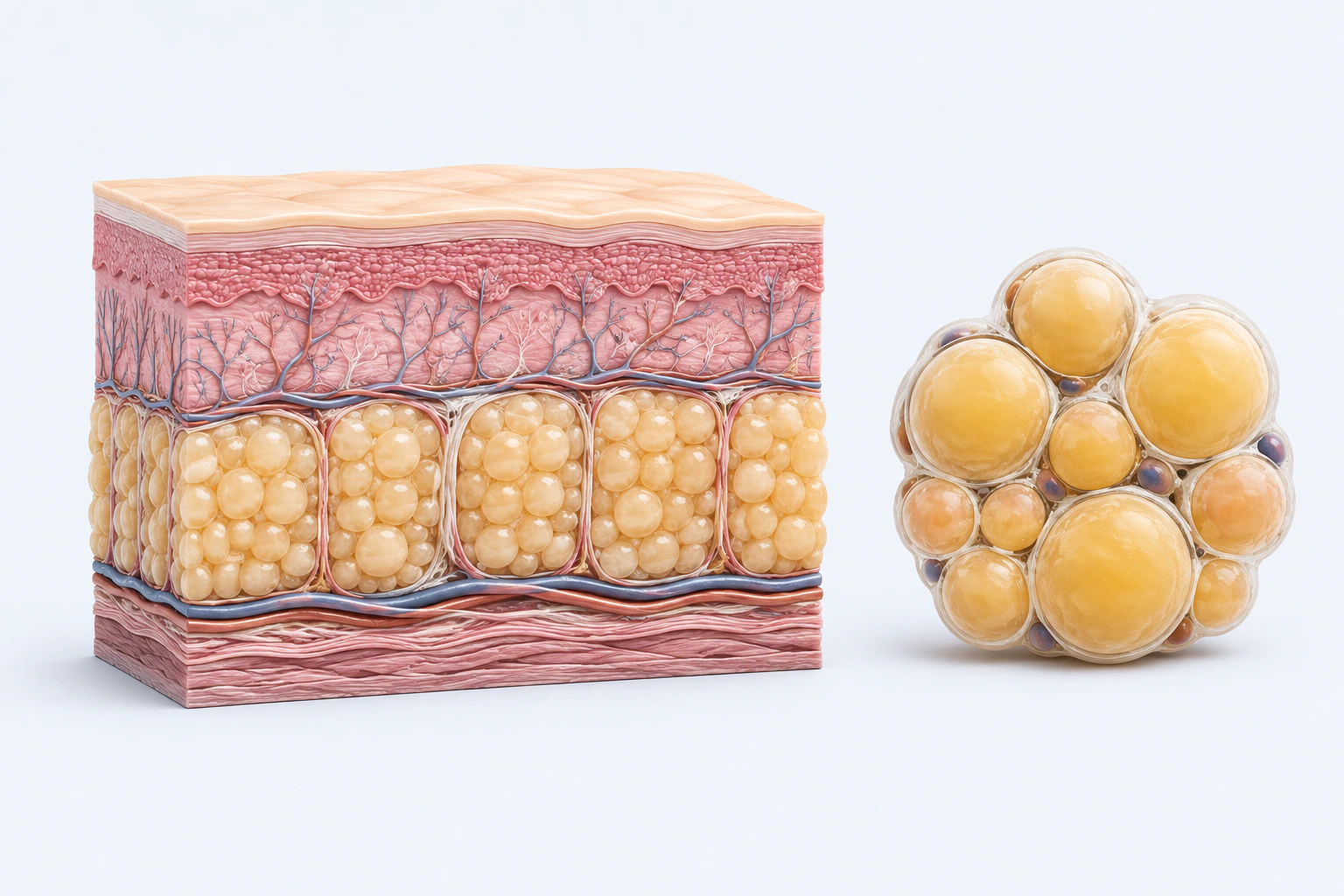
A chronic metabolic condition affecting over 1 billion people globally, characterized by excess adipose tissue accumulation, systemic low-grade inflammation, and gut microbiome disruption pendergrass 2026 heavy metals obesity epidemic. From a metallomics perspective, ob…
Odoribacter splanchnicus is a Gram-negative, obligate anaerobic bacterium belonging to the family Odoribacteraceae within the phylum Bacteroidota (formerly Bacteroidetes). It is a commensal resident of the human colon recognized primarily as a producer of short chain fa…
The oral microbiome is the second most complex microbial community in the human body after the gut, harboring ~700 species across distinct niches (tongue, buccal mucosa, gingival crevice, saliva, dental plaque). While traditionally studied in the context of dental disea…
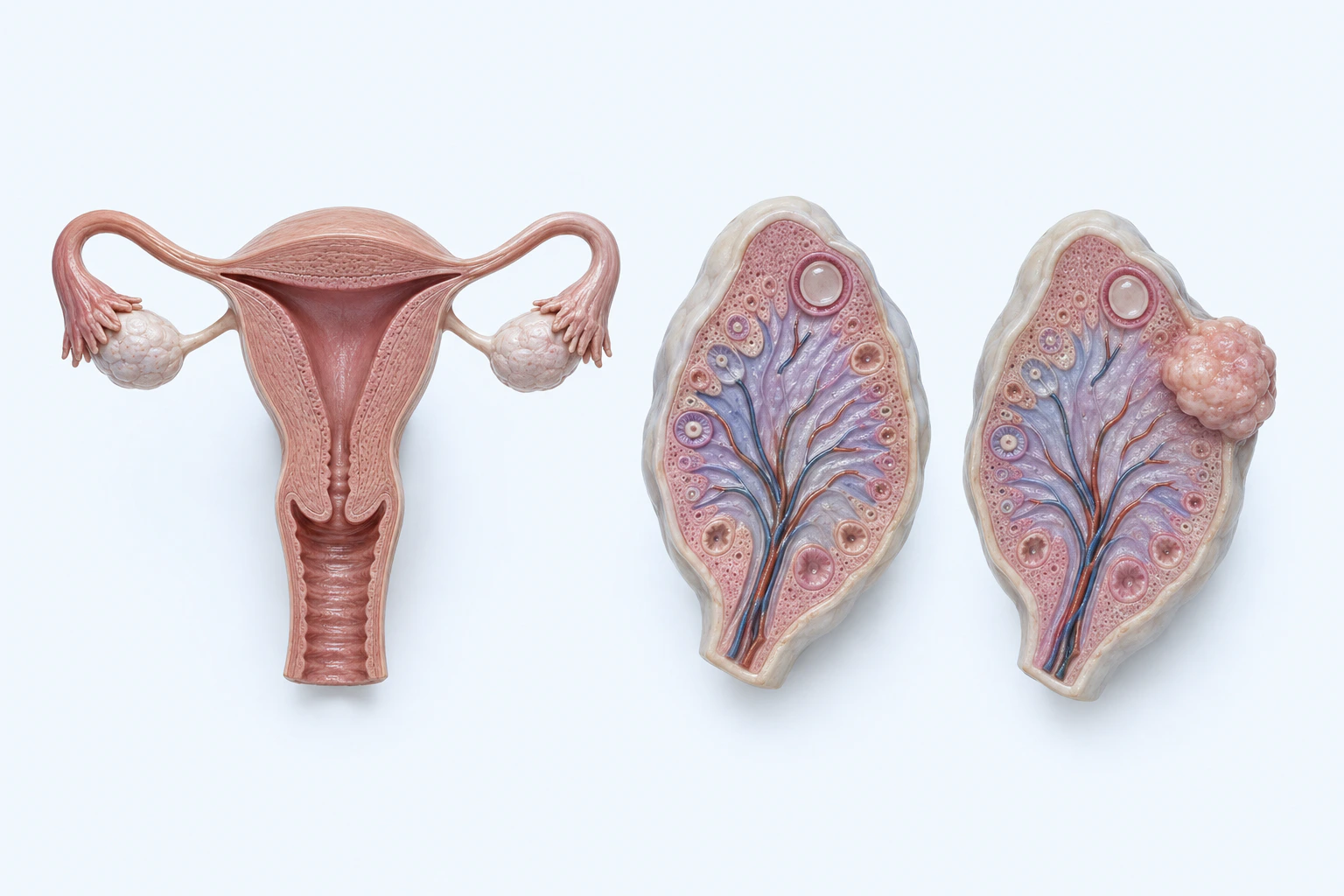
Ovarian cancer is the most lethal gynecological malignancy, with approximately 314,000 new cases and 207,000 deaths annually worldwide. Its poor prognosis stems largely from late-stage diagnosis (70% at stage III/IV) and the development of chemoresistance. From a metall…
Oxygen state is a master ecological variable in the gut that determines which microorganisms thrive and which are excluded. The healthy colon maintains a steep oxygen gradient — oxygenated tissue at the epithelial surface drops to near-anaerobic conditions in the lumen,…
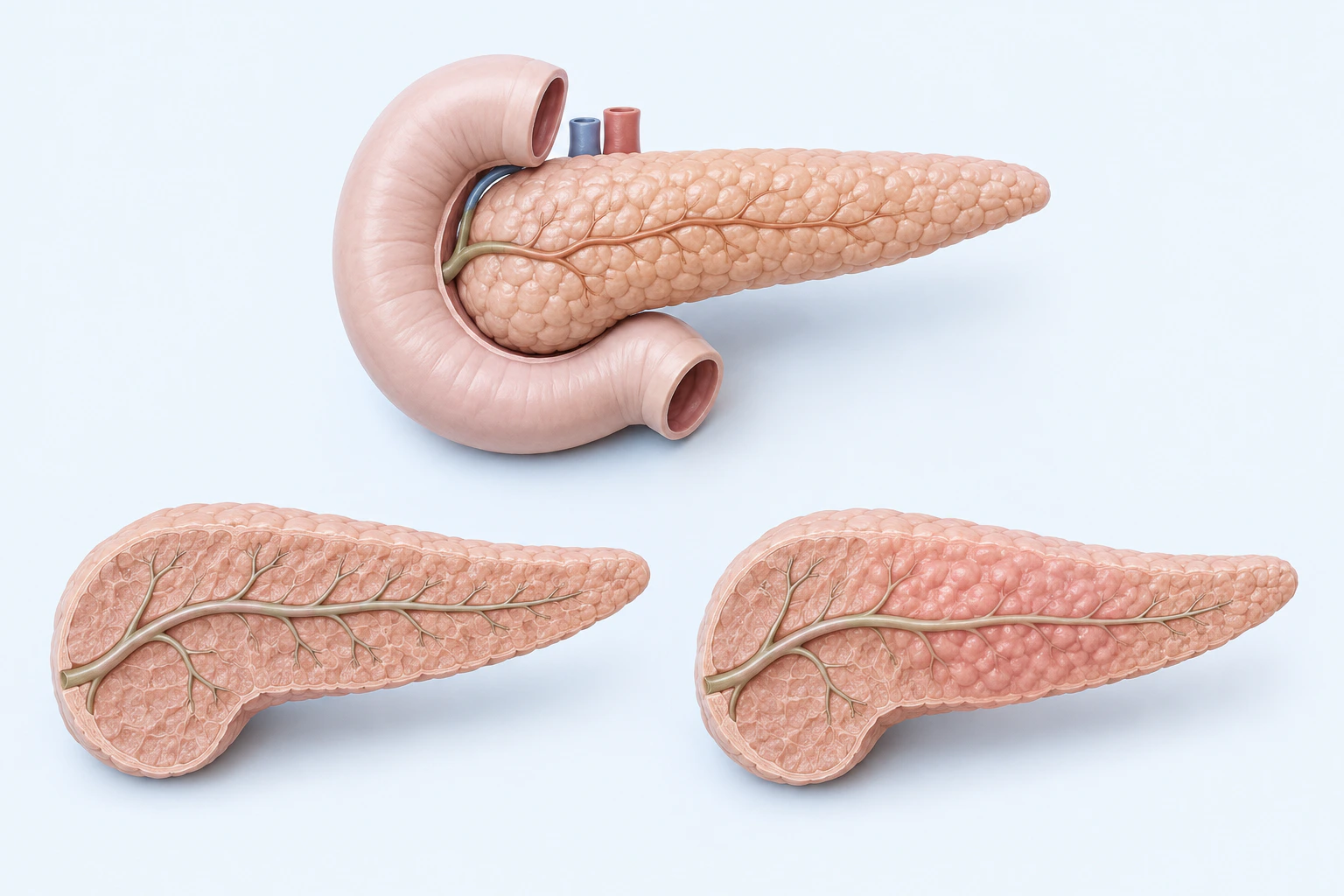
Pancreatic cancer is the fifth leading cause of cancer death in Western nations, with rising incidence globally. Pancreatic ductal adenocarcinoma (PDAC) accounts for over 90% of cases. Five-year survival remains approximately 12%, owing to late-stage diagnosis, aggressi…
Pancreatitis is inflammation of the pancreas, occurring in acute (AP) and chronic (CP) forms. Acute pancreatitis ranges from mild self-limiting disease to severe necrotizing pancreatitis with 20-30% mortality. Chronic pancreatitis is a risk factor for pancreatic cancer …
A Gram-negative, obligate anaerobic genus within the Bacteroidetes phylum, closely related to bacteroides fragilis. The best-characterized species, P. distasonis, has emerged as a key anti-inflammatory commensal with significant roles in bile acid metabolism and metabol…
Paraprevotella is a genus of obligate anaerobic, Gram-negative bacteria in the family Prevotellaceae, related to prevotella. It is a gut commensal with emerging associations across neuropsychiatric and reproductive conditions. - Schizophrenia: Altered in gut-brain axis …
The second most common neurodegenerative disease, affecting over 10 million people worldwide dorsey 2018 parkinsons incidence meta analysis. Characterized by progressive loss of dopaminergic neurons in the substantia nigra, alpha-synuclein aggregation (Lewy bodies), and…
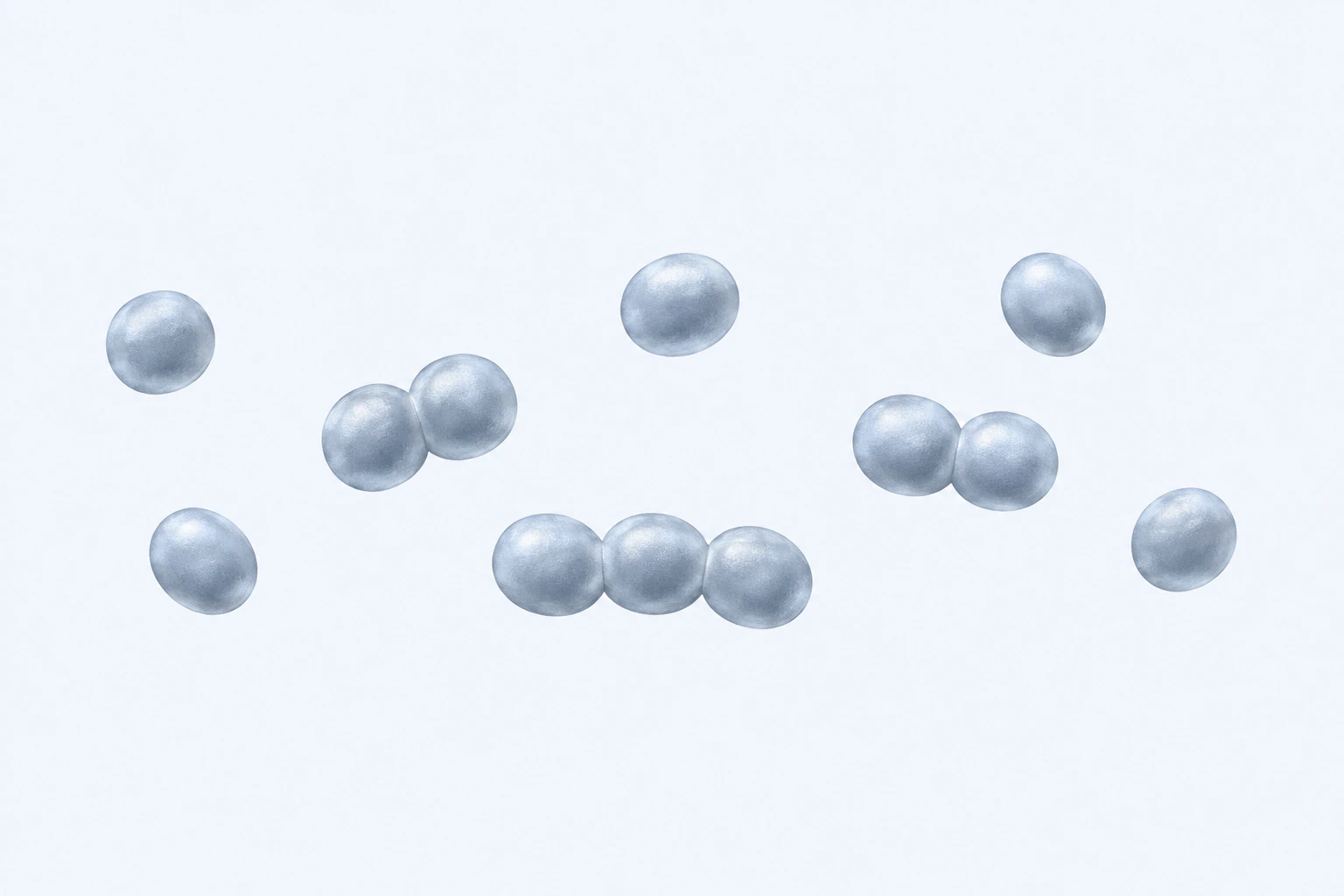
Parvimonas micra is a Gram-positive, obligate anaerobic coccus of oral origin that has emerged as one of the most consistently enriched microbial biomarkers in colorectal cancer. Its translocation from the oral cavity to the gut tumor microenvironment positions it along…
Parvimonas micra is a small (0.5–1.0 µm), Gram-positive, obligately anaerobic coccus originally isolated from the human oral cavity that has emerged as one of the most consistent and universally enriched pathobionts in colorectal cancer across all geographic regions, ag…
Peptostreptococcus stomatis is a Gram-positive, obligately anaerobic coccus originally isolated from the human oral cavity (oral streptococcal species) that has emerged as a carcinogenic oral pathobiont enriched in colorectal cancer, particularly in advanced stages. Unl…
A metabolic-endocrine disorder affecting 6-20% of reproductive-age women worldwide, characterized by hyperandrogenism, oligo/anovulation, and polycystic ovary morphology (Rotterdam criteria) barrea 2019 mediterranean diet pcos. PCOS is the leading cause of anovulatory i…
A Gram-negative obligate anaerobe and keystone pathogen of the oral microbiome that causes chronic periodontitis and is increasingly implicated in systemic diseases including alzheimers disease and cardiovascular disease. P. gingivalis virulence is fundamentally depende…
Postpartum depression (PPD) affects 10-20% of women after delivery, with profound consequences for maternal health, infant bonding, and child neurodevelopment chao 2025 microbiota gut brain perinatal depression. The standard framing centers on hormonal withdrawal (estro…
Premenstrual Dysphoric Disorder (PMDD) affects 3-8% of menstruating individuals Epperson et al. 2012, causing severe mood disturbances, irritability, anxiety, and physical symptoms during the luteal phase of the menstrual cycle. Distinguished from premenstrual syndrome …
A Gram-negative obligate anaerobe that occupies a unique context-dependent niche in the human gut microbiome. P. copri is significantly enriched in rheumatoid arthritis patients and is associated with metabolic syndrome and obesity, yet in other contexts it can function…