
 metals · microbes · host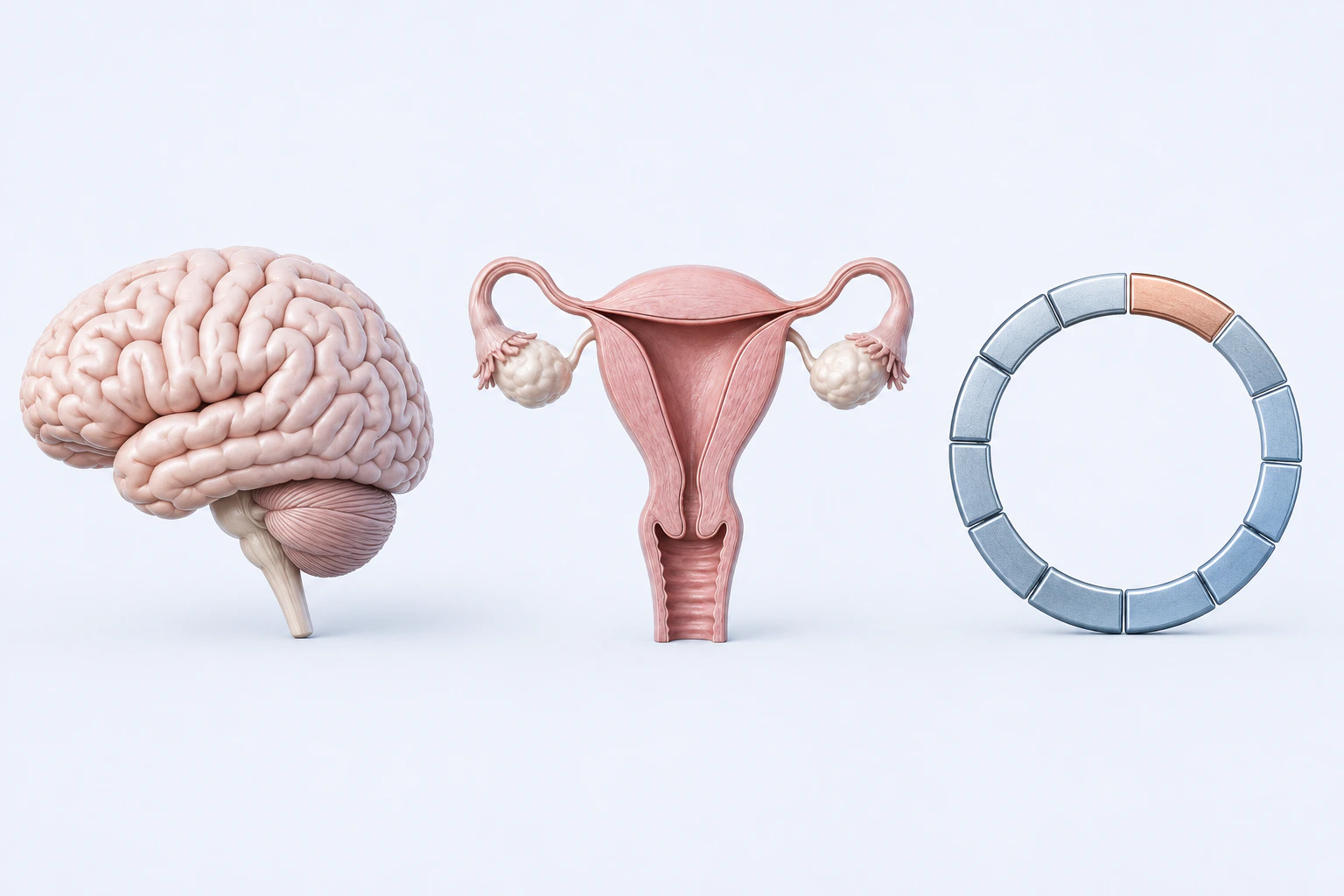
Non-stigmatizing postpartum-depression orientation without symptom, mechanism, onset-window, severity, prognosis, or diagnostic claims.
Scientific media record1 verified identifier
- Subject
- Depression, Postpartumcondition
- Identifiers
- MeSH:D019052
- Review
- Editorial review completeIdentifiers authority-verified · Accessibility validated · · postpartum-depression|postpartum-depression-pathology-v1.webp
- Digital source
- Trained-algorithmic mediaCreated with a trained generative algorithm and reviewed by WikiBiome for subject identity, scientific framing, identifiers, provenance, and accessibility.
- Scientific basis
- Depression, Postpartum — MeSHPerinatal Depression
- License
- CC BY-SA 4.0Created
Postpartum depression (PPD) affects 10-20% of women after delivery, with profound consequences for maternal health, infant bonding, and child neurodevelopment.[1]Chao 2025 — The Role of the Microbiota-Gut-Brain Axis in Perinatal Depression: Novel Insights for TreatmentJiajing Chao, Zhangmin Tan, Zhe Li et al. · 2025Open reference 1 ↓ The standard framing centers on hormonal withdrawal (estrogen, progesterone), HPA axis dysregulation, and psychosocial stressors.[2]Dye 2022 — Immune System Alterations and Postpartum Mental Illness: Evidence From Basic and Clinical ResearchCourtney Dye, Kathryn M. Lenz, Benedetta Leuner · 2022Open reference 2 ↓
The metallomic perspective reveals that trace element depletion during pregnancy and delivery—particularly zinc and iron—is a significant and potentially modifiable risk factor.
The most striking intervention finding is that postpartum zinc supplementation (100 mg/day) reduced PPD risk by 75% (OR 0.249) in the[3]The Possible Effects of Zinc Supplementation on Postpartum Depression and AnemiaAoki C, Imai K, Owaki T et al. · 2022Open reference 3 ↓ study.
Evidence map42 cited passagesInspect provenance +
Postpartum depression (PPD) affects 10-20% of women after delivery, with profound consequences for maternal health, infant bonding, and child neurodevelopment. The standard framing centers on hormonal withdrawal (estrogen, progesterone), HPA axis dysregulation, and psychosocial stressors. The metallomic perspective reveals that trace element depletion during
Observational: found serum zinc approximately 2.5-fold lower in PPD cases (21.03 vs. 54.16 ug/dL, p<0.01) with a significant negative correlation between zinc levels and EPDS depression severity scores.
Interventional: demonstrated that postpartum zinc supplementation (100 mg/day zinc acetate hydrate for 4 days post-cesarean) reduced PPD prevalence from 16.1% to 4.9% (adjusted OR 0.249, 95% CI 0.062-0.988). Critically, a prior trial using only 27 mg/day found no benefit—suggesting a dose-response threshold.
Mechanistic: Zinc adjusts excitatory (glutamate/NMDA) and inhibitory (GABA) neurotransmission pathways, modulates the CD4+/CD8+ T cell ratio, and has demonstrated antidepressant-like effects in animal forced swim tests with increases in brain synaptic hippocampal zinc.
The meta-analysis of 10 studies found that postpartum anemia increases PPD risk with RR = 1.887 (95% CI 1.255-2.838). Anemia during pregnancy also increases risk (RR 1.240). The mechanism involves iron's essential role in dopamine synthesis: iron is a cofactor for tyrosine hydroxylase, the rate-limiting enzyme in catecholamine production. Iron deficiency als
documented elevated serum copper in women with PPD history. Copper is required for catecholamine and monoamine neurotransmitter synthesis (via dopamine beta-hydroxylase), so some elevation may represent a compensatory response to increased neurotransmitter demand. However, excess free copper generates reactive oxygen species through Fenton-like chemistry. Th
Despite mechanistic plausibility (Mg is required for 300 enzymes and has shown mood-stabilizing properties in animal models), found no significant association between maternal serum Mg and PPD risk (OR 0.29, 95% CI 0.04-1.77) in 224 mother-infant pairs. Mean Mg was similar between depressed (1.91 mg/dL) and non-depressed (1.97 mg/dL) mothers. The null findin
Observational evidence (case-control, n=39 PPD, 18 HC):
Causal evidence by Mendelian randomization (n=4,834 PPD cases, 33,173 controls; MiBioGen GWAS n=18,473):
PPD transmits microbiome disruption to infants (prospective cohort, n=101 dyads):
SCFA depletion pathway: Zinc depletion compromises intestinal barrier integrity and promotes gut permeability, allowing LPS translocation from depleted Firmicutes/enriched Enterobacteriaceae → systemic neuroinflammation → PPD
Perinatal microbiome shifts: Pre-pregnancy reductions in Lactobacillus and increased Prevotella during early pregnancy, with third-trimester diversity reduction setting the stage for postpartum dysbiosis
Low total tryptophan on postpartum days 1-5 was significantly associated with PPD (SMD: -5.39, 95% CI -7.72 to -3.05) in a meta-analysis of 13 studies.
The kynurenine pathway accounts for ~95% of dietary tryptophan metabolism; IDO and TDO are key enzymes and are upregulated during pregnancy to establish fetal immune tolerance.
Postpartum depletion of SCFA-producing commensals reduces anti-inflammatory signaling that normally restrains IDO-mediated tryptophan shunting away from serotonin synthesis.
Low total tryptophan on postpartum days 1-5 was significantly associated with PPD (SMD: -5.39, 95% CI -7.72 to -3.05) in a meta-analysis of 13 studies.
The kynurenine pathway accounts for ~95% of dietary tryptophan metabolism; IDO and TDO are key enzymes and are upregulated during pregnancy to establish fetal immune tolerance.
Postpartum depletion of SCFA-producing commensals reduces anti-inflammatory signaling that normally restrains IDO-mediated tryptophan shunting away from serotonin synthesis.
provided the most comprehensive review of environmental chemical exposures and perinatal depression:
Traffic-related air pollution: found that prenatal NO2 from major roads was associated with 3.06% higher postpartum distress scores. Major road PM carries trace metals from brake/tire wear.
tested 11 metals in first-trimester erythrocytes in Project Viva (1,226 women) and found the overall metal mixture was not associated with depression outcomes. Lead was the most consistently associated individual metal (OR 1.19 per doubling). The null mixture result suggests that low-level exposures in well-nourished populations may not substantially affect
Fe-Zn competition: found that oral iron + zinc combination resulted in slightly lower hemoglobin on postoperative day 6 compared to iron alone, though this was transient. IV iron + zinc did not show this interaction.
The sex hormone-microbiome correlations documented by suggest that gut bacteria may serve as accessible biomarkers for PPD risk:
Actinobacteria abundance (including Bifidobacterium) shows causal protective association
Showing 24 of 42 evidence-bearing passages. Every remaining citation is still indexed in the reference record below.
One disease. Five evidence layers.
A generated systems view of the metals, organisms, host sequestration signals, ecological conditions, and microbial functions indexed for Postpartum Depression.
Evidence layer
Taxonomic signature
Organisms reported as enriched or depleted, with their indexed functional context kept beside the name.LPS production → IL-6 → hepcidin → functional iron sequestration; IDO upregulation diverting tryptophan from serotonin to kynurenine
Risk-increasing class — strongest causal signal across 4+ Mendelian randomization studies; mechanistic role includes zinc (Zn)/iron (Fe)-dependent virulence expression
Bile acid metabolism disruption; sulfite reductase activity (iron-sulfur enzyme); causal PPD risk increase confirmed by MR (Jin 2024)
Enriched in dysbiotic PPD state (Tian 2021 mouse model); hydrogen sulfide production; taurine-linked sulfate reduction
Positively correlated with depression severity (17-HAMD); siderophore-mediated iron acquisition
Positively correlated with EPDS depression scores
Positively correlated with EPDS scores; facultative aerobe thriving in dysbiotic niche
Strongest causal protective finding across all PPD MR studies (Bonferroni-corrected in Gao 2024); produces GABA, tryptophan metabolites, and short-chain fatty acids; depleted in postpartum dysbiosis
Depleted in PPD patients vs controls (Zhou 2020); primary butyrate producer; anti-inflammatory; correlates inversely with EPDS severity
Depleted in PPD (Zhou 2020); SCFA producer; severity-correlated depletion
Depleted in PPD (Zhou 2020); SCFA-producing family; severity-correlated; shared depletion with depression, ASD, MS, and Crohn's signatures
Protective family Veillonellaceae causally associated with lower PPD risk in MR (Jin 2024, lithium (Li) 2025)
Coprococcus catus depleted — SCFA producer; causal protective role confirmed by MR (Jin 2024)
Eubacterium siraeum depleted — butyrate producer; causal protective effect (Jin 2024)
Clostridium leptum depleted — protective role in PPD (Jin 2024); butyrate-producing clade
Butyrate producer depleted in PPD (P=0.024); negatively correlated with EPDS scores
Causally protective by MR (OR=0.979); linked to omega-3 fatty acid consumption; depleted in post-stroke depression
Evidence layer
Nutritional immunity
Host metal-withholding, inflammatory, antioxidant, and microbial-metabolite signals indexed in the signature.Elevated host signals
7Depleted protective signals
6Evidence layer
Ecological state
The environmental conditions that connect the organism-level observations into a system.Evidence layer
Virulence functions
Microbial structures, enzymes, and acquisition systems implicated by the linked evidence.The disease record, in full.
The original WikiBiome disease narrative remains intact beneath the generated signature atlas.
Metallomic Signature#
| Metal | Direction | Key Evidence | |
|---|---|---|---|
| [[zinc | zinc (Zn)]] | Depleted | Serum zinc in PPD: 21.03 ug/dL vs. 54.16 ug/dL in controls; negative correlation with EPDS severity; 100 mg/day supplementation OR 0.249 for PPD |
| [[iron | iron (Fe)]] | Depleted (ferritin) | Postpartum anemia RR 1.887 for PPD; serum ferritin <1 ug increases PPD risk by 3.98x; essential for dopamine synthesis |
| [[copper | copper (Cu)]] | Elevated | Elevated serum copper in women with PPD history; copper needed for catecholamine synthesis but excess may be pro-oxidant |
| [[magnesium | magnesium (Mg)]] | Debated | magnesium deficiency hypothesized to contribute; however, clinical study found no significant association (OR 0.29, 95% CI 0.04-1.77) |
| [[lead | lead (Pb)]] | Weakly associated | Most consistently associated toxic metal across timepoints in Project Viva (OR 1.19 per doubling); but overall null in mixture analysis |
Zinc: The Strongest Metallomic Finding#
Three lines of evidence converge on zinc depletion as the strongest metal-PPD association. Observational:[4]Correlation of Serum Zinc Levels with Postpartum Depression - A Case-control Study in North KarnatakaHiremath KM, Dharambhat S, Mutalik N et al. · 2021Open reference 4 ↓ found serum zinc approximately 2.5-fold lower in PPD cases (21.03 vs. 54.16 ug/dL, p<0.01) with a significant negative correlation between zinc levels and EPDS depression severity scores.
Interventional:[3]The Possible Effects of Zinc Supplementation on Postpartum Depression and AnemiaAoki C, Imai K, Owaki T et al. · 2022Open reference 3 ↓ demonstrated that postpartum zinc supplementation (100 mg/day zinc acetate hydrate for 4 days post-cesarean) reduced PPD prevalence from 16.1% to 4.9% (adjusted OR 0.249, 95% CI 0.062-0.988). Critically, a prior trial using only 27 mg/day found no benefit—suggesting a dose-response threshold.
Mechanistic: Zinc adjusts excitatory (glutamate/NMDA) and inhibitory (GABA) neurotransmission pathways, modulates the CD4+/CD8+ T cell ratio, and has demonstrated antidepressant-like effects in animal forced swim tests with increases in brain synaptic hippocampal zinc.[4]Correlation of Serum Zinc Levels with Postpartum Depression - A Case-control Study in North KarnatakaHiremath KM, Dharambhat S, Mutalik N et al. · 2021Open reference 4 ↓[5]Postpartum Depression and Role of Serum Trace ElementsEtebary S, Nikseresht S, Sadeghipour HR et al. · 2010Open reference 5 ↓
Iron: Anemia as PPD Risk Factor#
The[6]The association between anemia and postpartum depression: A systematic review and meta-analysisAzami M, Badfar G, Khalighi Z et al. · 2019Open reference 6 ↓ meta-analysis of 10 studies found that postpartum anemia increases PPD risk with RR = 1.887 (95% CI 1.255-2.838). Anemia during pregnancy also increases risk (RR 1.240).
The mechanism involves iron's essential role in dopamine synthesis: iron is a cofactor for tyrosine hydroxylase, the rate-limiting enzyme in catecholamine production. Iron deficiency also affects cytochrome C, serotonin, and GABA metabolism.
The ferritin threshold matters enormously: serum ferritin below 1 ug was associated with a 3.98-fold increased PPD risk in one study—a dramatic effect size.
Copper Elevation: Pro-oxidant or Compensatory?#
[5]Postpartum Depression and Role of Serum Trace ElementsEtebary S, Nikseresht S, Sadeghipour HR et al. · 2010Open reference 5 ↓ documented elevated serum copper in women with PPD history. Copper is required for catecholamine and monoamine neurotransmitter synthesis (via dopamine beta-hydroxylase), so some elevation may represent a compensatory response to increased neurotransmitter demand. However, excess free copper generates reactive oxygen species through Fenton-like chemistry.
The copper (Cu)/zinc (Zn) ratio may again be the relevant metric: elevated copper combined with depleted zinc simultaneously increases Oxidative Stress and impairs antioxidant defense.
Magnesium: The Null Finding#
Despite mechanistic plausibility (magnesium (Mg) is required for >300 enzymes and has shown mood-stabilizing properties in animal models),[7]Association of Postpartum Depression with Maternal Serum Magnesium Levels, Infant Growth, and Neurodevelopmental IndicesPourmirzaiee MA, Daniali S, Riahi R et al. · 2024Open reference 7 ↓ found no significant association between maternal serum magnesium and PPD risk (OR 0.29, 95% CI 0.04-1.77) in 224 mother-infant pairs.
Mean magnesium was similar between depressed (1.91 mg/dL) and non-depressed (1.97 mg/dL) mothers. The null finding may indicate that magnesium within the normal range is not a risk factor—only frank deficiency matters, and it was uncommon in this population.
Gut Microbiome Connection#
The Gut Microbiome is both a contributor to and a target of PPD pathophysiology. Observational and causal evidence now converge on a consistent Dysbiosis signature.
The PPD Microbiome Signature#
Observational evidence[8]Zhou 2020 — Fecal Microbiota Changes in Patients With Postpartum Depressive DisorderYumei Zhou, Chen Chen, Haibo Yu et al. · 2020Open reference 8 ↓ (case-control, n=39 PPD, 18 HC). Firmicutes significantly depleted in PPD: 74.57% vs. 88.91% in healthy controls (P significant).
Depleted SCFA-producing taxa: Faecalibacterium (19.79% HC vs. 9.22% PPD, P=0.003), Phascolarctobacterium (P=0.022), Butyricicoccus (P=0.024), Megasphaera (P=0.047), Lachnospiraceae family. Enriched in PPD: Enterobacteriaceae family; Escherichia/Shigella.
EPDS depression severity scores negatively correlated with Butyricicoccus, Lachnospiraceae UCG001, Faecalibacterium, and Tyzzerella.3 (all P<0.05).
Sex hormone correlations: Multiple genera significantly correlated with serum E2, PRL, LH, PROG, and TESTO, linking gut ecology to the hormonal disruption central to postpartum mood disorders.
Causal evidence by Mendelian randomization[9]Zhang 2024 — Gut Microbiota and Postpartum Depression: A Mendelian Randomization StudyJianjun Zhang, Lechuan Wei, Hongfei Tan et al. · 2024Open reference 9 ↓ (n=4,834 PPD cases, 33,173 controls; MiBioGen GWAS n=18,473). Phylum Actinobacteria causally protective: OR=0.971 (95% CI 0.948–0.994, P=0.014)—includes Bifidobacterium and Corynebacterium.
Genus Holdemanella causally protective: OR=0.979 (95% CI 0.961–0.997, P=0.023)—associated with omega-3 fatty acid consumption; depleted in post-stroke depression with negative correlation to HAMD scores.
Both findings validated across multiple MR methods with no heterogeneity or horizontal pleiotropy; Steiger test confirmed causal direction (microbiome → PPD, not reverse). Actinobacteria depletion in PPD parallels its protective role against major depressive disorder (OR 0.88 in prior MDD MR study).
Intergenerational Microbiome Effects#
PPD transmits microbiome disruption to infants[10]Zhou 2024 — Association of Maternal Postpartum Depression Symptoms with Infant Neurodevelopment and Gut MicrobiotaLepeng Zhou, Linghong Tang, Chuhui Zhou et al. · 2024Open reference 10 ↓ (prospective cohort, n=101 dyads). Infants born to mothers with PPD symptoms showed higher Shannon diversity at 42 days (P=0.013)—paradoxically, higher diversity in early infancy reflects disrupted Bifidobacterium dominance.
Enriched in PPD-exposed infants: Veillonella and Finegoldia (both gram-negative anaerobes). Depleted in PPD-exposed infants: Bifidobacterium (P=0.048), Dialister (P=0.047), Blautia (P=0.038). Alanine, aspartate, and glutamate metabolic pathway downregulated in PPD-exposed infant stool.
N-Acetyl-L-aspartic acid (NAA) and L-Aspartic acid mediated the PPD → infant problem-solving deficit (ACME=-0.58, P<0.05)—NAA is the second most abundant brain metabolite, supporting neuronal energy production and metabotropic glutamate receptor signaling.
These infants had significantly lower ASQ-3 neurodevelopmental scores at 6 months: total score MD=-21.2 (P=0.007), fine motor MD=-4.2 (P=0.012), problem-solving MD=-7.5 (P<0.001).
Mechanistic Connections: Metals → Microbiome → Mood#
SCFA depletion pathway: Zinc depletion compromises intestinal barrier integrity and promotes gut permeability, allowing LPS translocation from depleted Firmicutes/enriched Enterobacteriaceae → systemic neuroinflammation → PPD.[11]Silva-Fernandes 2024 — Inflammatory Biomarkers and Perinatal Depression: A Systematic ReviewAnabela Silva-Fernandes, Ana Conde, Margarida Marques et al. · 2024Open reference 11 ↓
Iron and gut ecology: Iron supplementation for postpartum anemia may feed siderophore-producing pathogens, exacerbating the Enterobacteriaceae bloom seen in PPD.
Zinc and Actinobacteria: Whether zinc depletion specifically reduces Actinobacteria (including Bifidobacterium) abundance—creating the MR-identified causal pathway—is an open question with mechanistic plausibility.
Perinatal microbiome shifts: Pre-pregnancy reductions in Lactobacillus and increased Prevotella during early pregnancy, with third-trimester diversity reduction setting the stage for postpartum dysbiosis.[1]Chao 2025 — The Role of the Microbiota-Gut-Brain Axis in Perinatal Depression: Novel Insights for TreatmentJiajing Chao, Zhangmin Tan, Zhe Li et al. · 2025Open reference 1 ↓
Tryptophan-Kynurenine Shunting in the Peripartum#
Tryptophan metabolism is disrupted during the peripartum period in PPD patients. Low total tryptophan on postpartum days 1-5 was significantly associated with PPD (SMD: -5.39, 95% CI -7.72 to -3.05) in a meta-analysis of 13 studies.[12]Liu 2022 — The Association Between Tryptophan Levels and Postpartum Mood Disorders: A Systematic Review and Meta-AnalysisZhao Feng Liu, Amy Sylivris, Michael Gordon et al. · 2022Open reference 12 ↓
The kynurenine pathway accounts for ~95% of dietary tryptophan metabolism; IDO and TDO are key enzymes and are upregulated during pregnancy to establish fetal immune tolerance.[12]Liu 2022 — The Association Between Tryptophan Levels and Postpartum Mood Disorders: A Systematic Review and Meta-AnalysisZhao Feng Liu, Amy Sylivris, Michael Gordon et al. · 2022Open reference 12 ↓
Postpartum depletion of SCFA-producing commensals[8]Zhou 2020 — Fecal Microbiota Changes in Patients With Postpartum Depressive DisorderYumei Zhou, Chen Chen, Haibo Yu et al. · 2020Open reference 8 ↓ reduces anti-inflammatory signaling that normally restrains IDO-mediated tryptophan shunting away from serotonin synthesis.
Tryptophan-Kynurenine Shunting in the Peripartum#
Tryptophan metabolism is disrupted during the peripartum period in PPD patients. Low total tryptophan on postpartum days 1-5 was significantly associated with PPD (SMD: -5.39, 95% CI -7.72 to -3.05) in a meta-analysis of 13 studies.[12]Liu 2022 — The Association Between Tryptophan Levels and Postpartum Mood Disorders: A Systematic Review and Meta-AnalysisZhao Feng Liu, Amy Sylivris, Michael Gordon et al. · 2022Open reference 12 ↓
The kynurenine pathway accounts for ~95% of dietary tryptophan metabolism; IDO and TDO are key enzymes and are upregulated during pregnancy to establish fetal immune tolerance.[12]Liu 2022 — The Association Between Tryptophan Levels and Postpartum Mood Disorders: A Systematic Review and Meta-AnalysisZhao Feng Liu, Amy Sylivris, Michael Gordon et al. · 2022Open reference 12 ↓
Postpartum depletion of SCFA-producing commensals[13]Zhou 2020 — Fecal Microbiota Changes in Postpartum Depressive DisorderYumei Zhou, Chen Chen, Haibo Yu et al. · 2020Open reference 13 ↓ reduces anti-inflammatory signaling that normally restrains IDO-mediated tryptophan shunting away from serotonin synthesis.
Environmental Metal Exposure Links#
[14]Exposure to environmental chemicals and perinatal psychopathologyJacobson MH, Ghassabian A, Gore AC et al. · 2022Open reference 14 ↓ provided the most comprehensive review of environmental chemical exposures and perinatal depression.
Heavy Metals: Evidence is sparse with mixed results. Only one longitudinal study on prenatal manganese reported a positive association with PPD (beta=0.13, 95% CI 0.04-0.21 for 3rd trimester blood manganese (Mn)). Lead and cadmium studies were limited.
Environmental tobacco smoke: The most consistent environmental exposure, with OR=1.49 (95% CI 1.23-1.80) for PPD. ETS carries cadmium (Cd), lead (Pb), and nickel (Ni) alongside organic toxicants.
Traffic-related air pollution:[15]Joint effects of traffic-related air pollution and hypertensive disorders of pregnancy on maternal postpartum depressive and anxiety symptomsHu Y, Chavez T, Eckel SP et al. · 2025Open reference 15 ↓ found that prenatal NO2 from major roads was associated with 3.06% higher postpartum distress scores. Major road PM carries trace metals from brake/tire wear.
PBDEs: Consistently associated with increased antenatal depression; BDE-47 drove mixture effects (OR=2.93).
[16]Early pregnancy essential and non-essential metal mixtures and maternal antepartum and postpartum depressive symptomsRokoff LB, Cardenas A, Lin PI et al. · 2023Open reference 16 ↓ tested 11 metals in first-trimester erythrocytes in Project Viva (1,226 women) and found the overall metal mixture was not associated with depression outcomes. Lead was the most consistently associated individual metal (OR 1.19 per doubling).
The null mixture result suggests that low-level exposures in well-nourished populations may not substantially affect depression risk.
Developmental Vulnerability#
Pregnancy represents a unique developmental vulnerability for metal-related disease. Physiological zinc depletion: Fetal zinc demand draws from maternal stores, with further loss during delivery (especially cesarean section with greater blood loss). Iron redistribution: Pregnancy requires approximately 1,000 mg additional iron; postpartum hemorrhage further depletes stores.
Heightened sensitivity to toxicants: Dramatic hormonal and physiologic changes during pregnancy increase sensitivity to environmental exposures through altered metabolism, increased blood volume, and changes in renal clearance.
Intergenerational effects: PPD is associated with poorer communication skills in offspring at 12 months. Metal-driven PPD could therefore have developmental consequences for the next generation.
See Developmental Metal Vulnerability: Critical Windows of Susceptibility.
The Iron Supplementation Paradox#
Iron supplementation for postpartum anemia is standard care, and the evidence for anemia as a PPD risk factor (RR 1.887) supports this. However, several complications arise:
- iron (Fe)-zinc (Zn) competition:[3]The Possible Effects of Zinc Supplementation on Postpartum Depression and AnemiaAoki C, Imai K, Owaki T et al. · 2022Open reference 3 ↓ found that oral iron + zinc combination resulted in slightly lower hemoglobin on postoperative day 6 compared to iron alone, though this was transient. IV iron + zinc did not show this interaction.
- Pathogen feeding: Iron supplementation may feed siderophore-producing gut pathogens, potentially worsening postpartum dysbiosis. This concern parallels the endometriosis STOP on iron supplementation.
- Functional vs. true anemia: In some cases (as in endometriosis), low serum iron may represent hepcidin-mediated host defense rather than true deficiency. Whether this applies to postpartum anemia is unknown but worth investigating.
How the iron-zinc interaction, ferritin thresholds, and hepcidin-mediated functional anemia should shape management is an active research question rather than a settled recommendation.
Microbiome as PPD Biomarker#
The sex hormone-microbiome correlations documented by[8]Zhou 2020 — Fecal Microbiota Changes in Patients With Postpartum Depressive DisorderYumei Zhou, Chen Chen, Haibo Yu et al. · 2020Open reference 8 ↓ suggest that gut bacteria may serve as accessible biomarkers for PPD risk.
Faecalibacterium and Lachnospiraceae are negatively correlated with PPD severity (EPDS scores). Multiple genera correlate with serum E2, PROG, PRL, and TESTO. Actinobacteria abundance (including Bifidobacterium) shows causal protective association.[9]Zhang 2024 — Gut Microbiota and Postpartum Depression: A Mendelian Randomization StudyJianjun Zhang, Lechuan Wei, Hongfei Tan et al. · 2024Open reference 9 ↓
Holdemanella depletion may be detectable before PPD onset, offering a preventive screening window.
Whether fecal microbiome profiling could complement or replace serum trace element panels as PPD risk assessment tools is an open research frontier.
The advantage of a combined metal+microbiome biomarker panel is that it captures both the ecological (who is thriving in the gut) and the nutritional (what metals are available) dimensions of the PPD risk state.
Open Research Questions#
- zinc (Zn) dose-response: The 100 mg/day dose was effective while 27 mg/day was not—what is the minimum effective dose, and does pre-delivery timing matter?
- iron (Fe)-zinc co-administration: What combination (oral vs. IV iron, timing relative to zinc) minimizes gut-level competition?
- Copper as risk marker: Does elevated copper (Cu) or copper/zinc ratio have screening utility as a PPD risk indicator?
- Microbiome mediation: Does postpartum dysbiosis (driven by antibiotic prophylaxis during cesarean + metal changes) mediate the metal-PPD relationship?
- Environmental exposure windows: Is first trimester exposure (when Rokoff found weak effects) less relevant than third trimester or peripartum exposure?
- Functional vs. true iron deficiency: Can hepcidin levels distinguish PPD patients who need iron supplementation from those who do not?
- Actinobacteria-zinc connection: Does peripartum zinc depletion reduce Actinobacteria/Bifidobacterium abundance, creating the causal pathway identified in the MR study?[9]Zhang 2024 — Gut Microbiota and Postpartum Depression: A Mendelian Randomization StudyJianjun Zhang, Lechuan Wei, Hongfei Tan et al. · 2024Open reference 9 ↓
- Infant long-term outcomes: Do the neurodevelopmental deficits at 6 months in PPD-exposed infants[10]Zhou 2024 — Association of Maternal Postpartum Depression Symptoms with Infant Neurodevelopment and Gut MicrobiotaLepeng Zhou, Linghong Tang, Chuhui Zhou et al. · 2024Open reference 10 ↓ persist at 12 and 24 months?
- Combined metal+microbiome biomarker panel: Can a combined panel outperform either alone for PPD risk stratification?
Connections#
- Metal-Disease Matrix: A Cross-Source Synthesis—Cross-disease metallomic comparison; PPD zinc (Zn) depletion and copper (Cu) elevation mapped
- Zinc—Strongest metal-PPD association; zinc depletion is the most replicated biochemical finding in PPD
- Iron—Anemia-PPD link (RR 1.887); ferritin <1 ug = 3.98x risk; dopamine synthesis
- Copper—Elevated in PPD; copper/zinc ratio as risk marker
- Developmental Metal Vulnerability: Critical Windows of Susceptibility—Pregnancy as a critical window for metal-driven disease
- Gut-Metal-Microbiome Interactions—Iron supplementation paradox; zinc and barrier integrity
- Polycystic Ovary Syndrome—Shares metabolic and hormonal features; PCOS patients at higher PPD risk
- Metabolic Syndrome and Metal Exposure—Insulin resistance common in PPD; overlapping metal signatures with T2D
- Actinobacteria (Actinomycetota)—Causally protective against PPD by MR (OR=0.971); also protective against MDD; includes Bifidobacterium
- Holdemanella—Causally protective by MR (OR=0.979); linked to omega-3 consumption; depleted in stroke-related depression
- faecalibacterium—Depleted in PPD (9.22% vs. 19.79% in HC); correlates with EPDS severity; master SCFA producer
- Lachnospiraceae—Depleted in PPD; correlated with sex hormone levels; connected to hormonal regulation
- Bifidobacterium—Depleted in infants born to PPD mothers; correlates with NAA and L-Asparagine metabolites
- Gut-Brain Axis—Multiple causal and observational pathways linking PPD gut dysbiosis to neurochemical outcomes
- Depression—Shared microbiome signature (Firmicutes depletion, Enterobacteriaceae enrichment); shared metallomic features
References 56
Numbered by first appearance in the article, then reconciled with its declared source list.
- 1
Jiajing Chao, Zhangmin Tan, Zhe Li et al. (2025). Chao 2025 — The Role of the Microbiota-Gut-Brain Axis in Perinatal Depression: Novel Insights for Treatment. Current Neuropharmacology.
- 2
Courtney Dye, Kathryn M. Lenz, Benedetta Leuner (2022). Dye 2022 — Immune System Alterations and Postpartum Mental Illness: Evidence From Basic and Clinical Research. Frontiers in Global Women's Health.
- 3
Aoki C, Imai K, Owaki T et al. (2022). The Possible Effects of Zinc Supplementation on Postpartum Depression and Anemia. Medicina.
- 4
Hiremath KM, Dharambhat S, Mutalik N et al. (2021). Correlation of Serum Zinc Levels with Postpartum Depression - A Case-control Study in North Karnataka. Journal of Clinical and Diagnostic Research.
- 5
Etebary S, Nikseresht S, Sadeghipour HR et al. (2010). Postpartum Depression and Role of Serum Trace Elements. Iranian Journal of Psychiatry.
- 6
Azami M, Badfar G, Khalighi Z et al. (2019). The association between anemia and postpartum depression: A systematic review and meta-analysis. Caspian Journal of Internal Medicine.
- 7
Pourmirzaiee MA, Daniali S, Riahi R et al. (2024). Association of Postpartum Depression with Maternal Serum Magnesium Levels, Infant Growth, and Neurodevelopmental Indices. International Journal of Preventive Medicine.
- 8
Yumei Zhou, Chen Chen, Haibo Yu et al. (2020). Zhou 2020 — Fecal Microbiota Changes in Patients With Postpartum Depressive Disorder. Frontiers in Cellular and Infection Microbiology.
- 9
Jianjun Zhang, Lechuan Wei, Hongfei Tan et al. (2024). Zhang 2024 — Gut Microbiota and Postpartum Depression: A Mendelian Randomization Study. Frontiers in Psychiatry.
- 10
Lepeng Zhou, Linghong Tang, Chuhui Zhou et al. (2024). Zhou 2024 — Association of Maternal Postpartum Depression Symptoms with Infant Neurodevelopment and Gut Microbiota. Frontiers in Psychiatry.
- 11
Anabela Silva-Fernandes, Ana Conde, Margarida Marques et al. (2024). Silva-Fernandes 2024 — Inflammatory Biomarkers and Perinatal Depression: A Systematic Review. PLOS ONE.
- 12
Zhao Feng Liu, Amy Sylivris, Michael Gordon et al. (2022). Liu 2022 — The Association Between Tryptophan Levels and Postpartum Mood Disorders: A Systematic Review and Meta-Analysis. BMC Psychiatry.
- 13
Yumei Zhou, Chen Chen, Haibo Yu et al. (2020). Zhou 2020 — Fecal Microbiota Changes in Postpartum Depressive Disorder. Frontiers in Cellular and Infection Microbiology.
- 14
Jacobson MH, Ghassabian A, Gore AC et al. (2022). Exposure to environmental chemicals and perinatal psychopathology. Biochemical Pharmacology.
- 15
Hu Y, Chavez T, Eckel SP et al. (2025). Joint effects of traffic-related air pollution and hypertensive disorders of pregnancy on maternal postpartum depressive and anxiety symptoms. Journal of Exposure Science and Environmental Epidemiology.
- 16
Rokoff LB, Cardenas A, Lin PI et al. (2023). Early pregnancy essential and non-essential metal mixtures and maternal antepartum and postpartum depressive symptoms. Neurotoxicology.
- 17
Tian Y, Zheng Z, Ma C (2020). The effectiveness of iron supplementation for postpartum depression: A protocol for systematic review and meta-analysis. Medicine.
- 18
Olamide Ogundare, Emmanuel Obeng-Gyasi (2024). Association of Combined Effect of Metals Exposure and Behavioral Factors on Depressive Symptoms in Women. Toxics.
- 19
Wenjun Jin, Bo Li, Lijun Wang et al. (2024). Jin 2024 — The Causal Association Between Gut Microbiota and Postpartum Depression: A Two-Sample Mendelian Randomization Study. Frontiers in Microbiology.
- 20
Ji Cui, Qilong Zhai, Zhu Yang et al. (2024). Cui 2024 — The Role of Gut Microbiota and Blood Metabolites in Postpartum Depression: A Mendelian Randomization Analysis. Frontiers in Cellular and Infection Microbiology.
- 21
Zhan Gao, Runze Zhou, ZhiQiang Chen et al. (2024). Gao 2024 — Dissecting Causal Relationships Between Gut Microbiota, Blood Metabolites, and Postpartum Depression: A Mendelian Randomization Study. Research Square (preprint).
- 22
Hui Li, Hongyan Meng, Chunxiao Dang et al. (2025). Li 2025 — Exploring Potential Causal Relationships Between Gut Microbiota, Inflammatory Factors, and Postpartum Depression: A Mendelian Randomization Analysis. BMC Pregnancy and Childbirth.
- 23
Xiaoyan Zhang, Qiangsheng Gan, Hongling Yang et al. (2020). Zhang 2020 — Effect of Gut Microbiota Diversity During 32-39 Weeks of Gestation on Postpartum Depression. Research Square (preprint).
- 24
Irmina Czerepak, Marcin Kapij, Hubert Bochenek et al. (2025). Czerepak 2025 — Gut Microbiota in Postpartum Depression: Pathogenesis and Treatment Perspectives. Journal of Education, Health and Sport.
- 25
Sheng Zhang, Baili Lu, Gang Wang (2023). Zhang 2023 — The Role of Gut Microbiota in the Pathogenesis and Treatment of Postpartum Depression. Annals of General Psychiatry.
- 26
Srinidhi Rai, Priya Alva, Sriram Naresh (2024). Rai 2024 — Nurturing the Mind from Within: Exploring the Role of Gut-Microbiota-Brain Axis in Postpartum Depression. Journal of South Asian Federation of Obstetrics and Gynaecology.
- 27
Ju Hee Kim, Nalae Moon, Eunsun Ji et al. (2023). Kim 2023 — Effects of Postnatal Exposure to Phthalate, Bisphenol A, Triclosan, Parabens, and PFAS on Maternal PPD and Infant Neurodevelopment. Environmental Science and Pollution Research.
- 28
Marcela Konjevod, Martin Gredicak, Barbara Vuic et al. (2023). Konjevod 2023 — Overview of Metabolomic Aspects in Postpartum Depression. manuscript (Rudjer Boskovic Institute, Zagreb, Croatia).
- 29
Xin-Yun Tian, Jing-Wei Xing, Qiao-Qi Zheng et al. (2021). Tian 2021 — 919 Syrup Alleviates Postpartum Depression by Modulating Gut Microbes and Affecting Hippocampal GABA/Glutamate System. Frontiers in Cellular and Infection Microbiology.
- 30
Qiaoqi Zheng, Shusheng Wang, Xinyun Tian et al. (2023). Zheng 2023 — Fecal Microbiota Transplantation Confirmed That 919 Syrup Reduced the Ratio of Erucamide to 5-AVAB in Hippocampus to Alleviate PPD by Regulating Gut Microbes. Frontiers in Immunology.
- 31
Joseph S. Lonstein, Taryn A. Meinhardt, Pavlina Pavlidi et al. (2024). Lonstein 2024 — Maternal Probiotic Lactocaseibacillus rhamnosus HN001 Treatment Alters Postpartum Anxiety, Cortical Monoamines and Gut Microbiome. Psychoneuroendocrinology.
- 32
Derakhshan Abdollahpour, Aziz Homayouni-Rad, Roghaiyeh Nourizadeh et al. (2026). Abdollahpour 2026 — The Effect of Lactobacillus casei on Postpartum Depression: A Randomized Controlled Trial. BMC Psychiatry.
- 33
Emma Brann, Christina Malavaki, Emma Fransson et al. (2021). Brann 2021 — Metabolic Profiling Indicates Diversity in the Metabolic Physiologies Associated With Maternal Postpartum Depressive Symptoms. Frontiers in Psychiatry.
- 34
Zoe Papadopoulou, Angeliki-Maria Vlaikou, Daniela Theodoridou et al. (2019). Papadopoulou 2019 — Unraveling the Serum Metabolomic Profile of Post-Partum Depression. Frontiers in Neuroscience.
- 35
E. R. Ellsworth-Bowers, E. J. Corwin (2012). Ellsworth-Bowers 2012 — Nutrition and the Psychoneuroimmunology of Postpartum Depression. Nutrition Research Reviews.
- 36
Keng Ling, Minping Hong, Liqin Jin et al. (2024). Ling 2024 — Blood Metabolomic and Postpartum Depression: A Mendelian Randomization Study. BMC Pregnancy and Childbirth.
- 37
Om Suryawanshi, Sandhya Pajai (2022). Suryawanshi 2022 — A Comprehensive Review on Postpartum Depression. Cureus.
- 38
Yi Yu, Hong-Feng Liang, Jing Chen et al. (2021). Yu et al. 2021 — PPD Current Status and Biomarker Identification. Frontiers in Psychiatry.
- 39
Yi Yu, Hong-Feng Liang, Jing Chen et al. (2021). Yu 2021 — Postpartum Depression: Current Status and Possible Identification Using Biomarkers. Frontiers in Psychiatry.
- 40
Andrey Shternshis, Bangzhuo Tong, Alkistis Skalkidou et al. (2025). Shternshis 2025 — Predicting Allergy and Postpartum Depression from an Incomplete Compositional Microbiome. BMC Genomics.
- 41
Yu-Mei Zhou, Jin-Jun Yuan, Yu-Qin Xu et al. (2023). Zhou 2023 — Fecal Microbiota as a Predictor of Acupuncture Responses in Patients with Postpartum Depressive Disorder. Frontiers in Cellular and Infection Microbiology.
- 42
Ruirui Shang, Yitong Lu, Haonan Gao et al. (2025). Shang 2025 — The Role of Natural Products and Traditional Chinese Medicine Formulas in Postpartum Depression: Mechanism and Prospects. Frontiers in Pharmacology.
- 43
Quancheng Yang, Yi Lv, Shenrong Gao et al. (2025). Yang 2025 — Supplementary Approaches to Perinatal Depression: A Review of Pathogenesis, Herbal Interventions, and Dietary Supplements. Frontiers in Psychology.
- 44
Dafini D., Hemavathi Shivapura Krishnarajabhatt, Parvathy Unnikrishnan (2025). Dafini 2025 — Phytochemical Insights and Neuro-Gut Axis Modulation of Asparagus racemosus (Shatavari) in Postpartum Depression: A Mini Review. Frontiers in Nutrition.
- 45
Li-Na Guan, Li Li, Hui-Hua Li et al. (2025). Guan 2025 — Research Progress in the Treatment of Postpartum Depression. Cellular and Molecular Neurobiology.
- 46
MaryAnn Udechukwu (2024). Udechukwu 2024 — Behavioural and Biological Effects of a Mediterranean-Based Diet in Postpartum Mice and Prenatally Stressed Mice Offspring. University of Ottawa (PhD thesis).
- 47
Mitra Javdan, Amir Bagheri, Jalal Moludi et al. (2025). Javdan 2025 — Investigating the Relationship Between MIND Diet and Postpartum Depressive Symptoms. BMC Women's Health.
- 48
Rebecca Colombage (2025). Colombage 2025 — Investigating the Effects of Dietary Flavonoid Supplementation on Mood and Cognition in the Postpartum. University of Reading (PhD thesis).
- 49
Adi Fish-Williamson, Jennifer Hahn-Holbrook (2023). Fish-Williamson 2023 — Nutritional Factors and Cross-National Postpartum Depression Prevalence: An Updated Meta-Analysis and Meta-Regression of 412 Studies from 46 Countries. Frontiers in Psychiatry.
- 50
Destiny Lee (2023). Lee 2023 — How Are Micronutrient Deficiencies Associated with Outcomes of Postpartum Anxiety and Depression in Women?. Tennessee Tech University (poster/review).
- 51
Aurelie Nakamura, Judith van der Waerden, Maria Melchior et al. (2019). Nakamura 2019 — Physical Activity During Pregnancy and Postpartum Depression: Systematic Review and Meta-Analysis. Journal of Affective Disorders.
- 52
Qianying Hu, Enzhao Cong, Jianhua Chen et al. (2024). Hu 2024 — Genetical Effects of Sleep Traits on Postpartum Depression: A Bidirectional Two-Sample Mendelian Randomization Study. BMC Pregnancy and Childbirth.
- 53
Marie-Louise H. Rasmussen, Gry J. Poulsen, Poul Videbech et al. (2023). Rasmussen 2023 — Endocrine Disease History and the Risk of Postpartum Depression. The British Journal of Psychiatry.
- 54
Jennifer Hahn-Holbrook, Taylor Cornwell-Hinrichs, Itzel Anaya (2018). Hahn-Holbrook 2018 — Economic and Health Predictors of National Postpartum Depression Prevalence: A Systematic Review, Meta-Analysis, and Meta-Regression of 291 Studies from 56 Countries. Frontiers in Psychiatry.
- 55
Iris Agrawal, Ashok M. Mehendale, Ritika Malhotra (2022). Agrawal 2022 — Risk Factors of Postpartum Depression. Cureus.
- 56
Ayse Meltem Ergen, Siddika Songul Yalcin (2019). Ergen 2019 — Unexpected Drug Residuals in Human Milk in Ankara, Capital of Turkey. BMC Pregnancy and Childbirth.
Article network
Mentioned here 18
Pages linking here 15
Connect the evidence
Publicly readable discussion by ORCID-authenticated researchers. Questions, interpretation, methods, corrections, and new evidence stay attached to this record.
No discussion yet. Start with a precise question or a source-backed observation.
Activity and accepted changes
Accepted researcher context, editorial status, public discussion, and upstream Git revisions are shown together. Pending, declined, and withdrawn proposals remain private.
- published revision
Backfill heavy metals concept links
Karen Pendergrass · +1 −1
Inspect exact Git diff ↗ - published revision
Backfill oxidative stress concept links
Karen Pendergrass · +1 −1
Inspect exact Git diff ↗ - published revision
Backfill gut microbiome concept links
Karen Pendergrass · +1 −1
Inspect exact Git diff ↗ - published revision
Complete corpus-wide Dysbiosis linking
Karen Pendergrass · +1 −1
Inspect exact Git diff ↗ - published revision
massive wiki expansion: 149 stubs fixed, 100+ new pages, Rule 15 scan, keystone papers
WikiBiome Deploy Bot · +48 −48
Inspect exact Git diff ↗ - published revision
cycle 1: health check + lint fixes + 8 ingests + 2 stubs + gestational-diabetes signature
WikiBiome Deploy Bot · +1 −0
Inspect exact Git diff ↗ - published revision
pre-overnight checkpoint 2026-04-18
WikiBiome Deploy Bot · +1 −1
Inspect exact Git diff ↗ - published revision
Batch: fix 1025 broken wikilinks, wire 13 STOP pages, deepen PPD/GERD/T1D/8 microbes
WikiBiome Deploy Bot · +67 −8
Inspect exact Git diff ↗ - published revision
Priority 5 batch migration: 100 source pages + source_count fixes + broken-links + orphans + index recount
WikiBiome Deploy Bot · +1 −1
Inspect exact Git diff ↗ - published revision
Deep citation pass on 10 disease entities + expand 3 thin entities
WikiBiome Deploy Bot · +14 −4
Inspect exact Git diff ↗ - published revision
Deepen metal/concept entities + 8 new sources for T1D/schizophrenia
WikiBiome Deploy Bot · +295 −0
Inspect exact Git diff ↗ - published revision
Citation integrity pass: 38 citations added, 24 parenthesized citations fixed
WikiBiome Deploy Bot · +7 −15
Inspect exact Git diff ↗ - published revision
WikiBiome update — 2026-04-15 17:23
WikiBiome Deploy Bot · +10 −10
Inspect exact Git diff ↗ - published revision
v2 migration Priority 2: All 29 disease entity pages upgraded with associated_conditions, seo_target, wikipedia_differentiation
WikiBiome Deploy Bot · +6 −0
Inspect exact Git diff ↗ - published revision
WikiBiome update — integrity fixes, metallomic diet pages, cross-condition analyses
WikiBiome Deploy Bot · +7 −5
Inspect exact Git diff ↗ - published revision
WikiBiome v7 — interactive microbiome metallomics encyclopedia
Karen Pendergrass · +129 −0
Inspect exact Git diff ↗