
 metals · microbes · host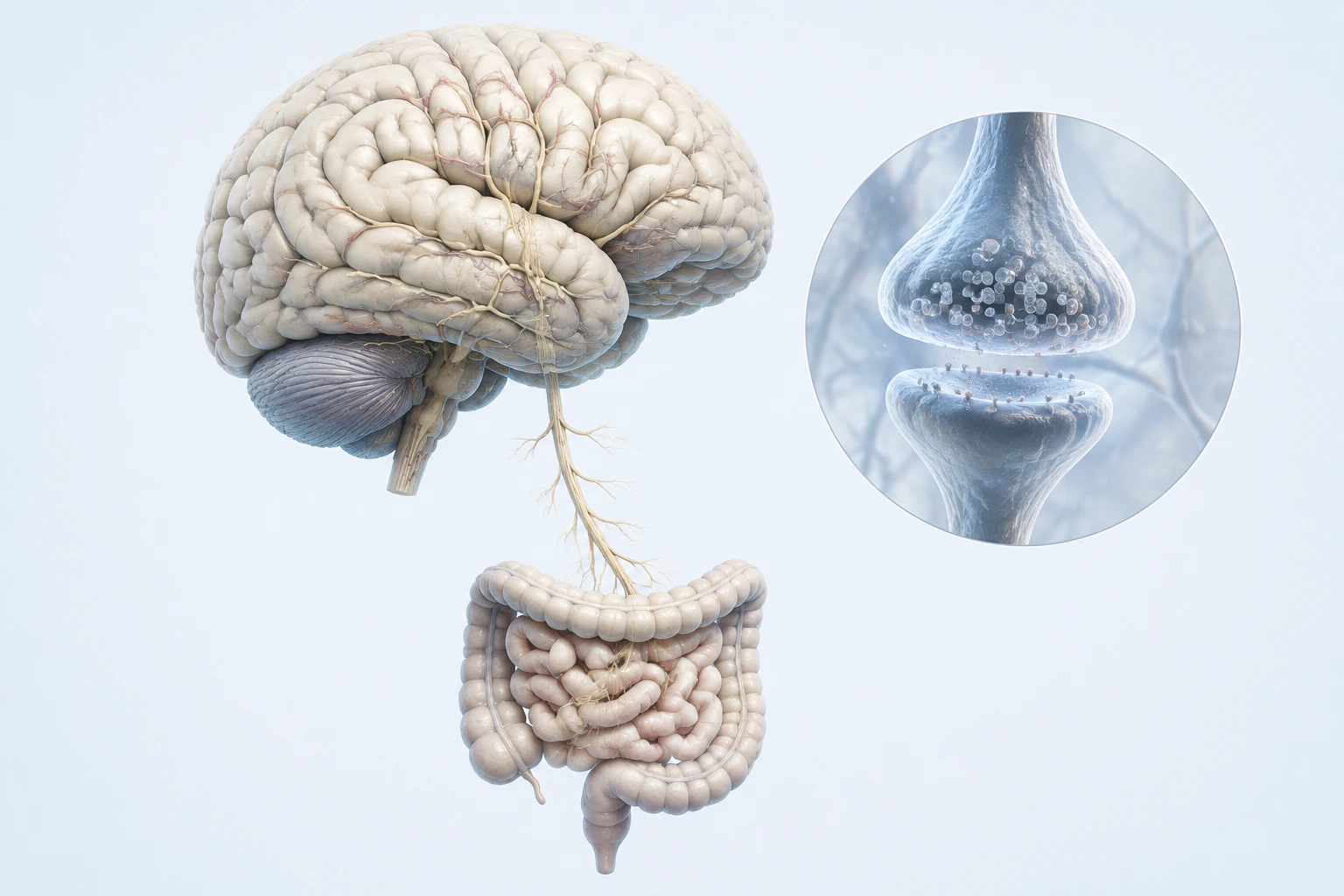
Neutral orientation to brain, synaptic, and gut–brain structures discussed in autism-spectrum research. Autism does not have one universal visible anatomy; this reconstruction depicts no autistic person and is not a deficit metaphor, scan, biomarker, or diagnostic image.
Scientific media record1 verified identifier
- Subject
- Autism Spectrum Disordercondition
- Identifiers
- MeSH:D000067877
- Review
- Editorial review completeIdentifiers authority-verified · Accessibility validated · · autism-spectrum-disorder|autism-spectrum-disorder-pathology-v1.webp
- Digital source
- Trained-algorithmic mediaCreated with a trained generative algorithm and reviewed by WikiBiome for subject identity, scientific framing, identifiers, provenance, and accessibility.
- Scientific basis
- Autism Spectrum Disorder — MeSHFirst Do No Harm: Suggestions Regarding Respectful Autism Language
- License
- CC BY-SA 4.0Created
A neurodevelopmental condition affecting approximately 1 in 36 children (US CDC 2023 estimate), characterized by differences in social communication, restricted interests, and repetitive behaviors.
From a Metallomics perspective, ASD presents a compelling convergence of essential metal depletion (iron (Fe), zinc (Zn)), toxic metal elevation (lead (Pb), mercury (Hg), cadmium (Cd)), and gut Dysbiosis as potentially interconnected pathways. The concept of mis-metallation—toxic metals displacing essential metals from protein binding sites—offers a unifying mechanism.
Approximately 14 source pages address ASD's metallomic dimensions, including 11 newly ingested sources.
Evidence map87 cited passagesInspect provenance +
Changes in one metal trigger parallel changes in others—the metals are interconnected through shared binding sites, transport systems, and competitive interactions.
Toxic metals and essential metal deficiency may be two sides of the same coin: toxic metals compete with zinc for protein binding sites, effectively creating functional zinc deficiency,.
The exposome concept (totality of environmental exposures from conception) provides the appropriate framework.
Decreased hair Zn is the most replicated finding in ASD metallomics.
~10% of the human genome encodes zinc-binding proteins; Zn regulates key synaptic ASD-associated pathways.
SHANK3/Zn synaptogenesis: The NLGN-NRXN-SHANK pathway (a major ASD-associated synaptic pathway) is zinc-dependent. SHANK3 mutations are among the most common single-gene causes of ASD; zinc modulates SHANK3 protein function at the postsynaptic density.
Zinc deficiency during pregnancy causes ASD-like behavior in mice; prenatal zinc therapy prevents VPA-induced ASD-like behaviors.
Zinc supplementation enhances intestinal barrier function, reduces permeability, exerts anti-inflammatory effects, and promotes beneficial gut bacteria growth.
Lead: Elevated in ASD across hair, blood, teeth, and nail samples. Even low blood Pb at ages 7-8 associated with more autistic behaviors at ages 11-12. Pb disrupts calcium-dependent neurotransmitter systems (GABA, glutamate) by competing with Ca for binding sites.
Mercury: Elevated in blood, urine, hair, and teeth in ASD. Hg inhibits GSH, increases ROS; both inorganic and methylmercury are neurotoxic.
Cadmium: Elevated in hair and urine in ASD. Cd disrupts thiol groups, damages oligodendrocyte progenitors (demyelination).
Nickel: Elevated in some ASD hair studies, though not discussed in depth in the primary reviews.
Cu findings in ASD are inconsistent—elevated in some studies, decreased in others.
The higher-evidence synthesis resolves this inconsistency toward null: a 2024 meta-analysis (, systematic-review-meta-analysis, 4 studies, N=577) found NO significant difference in copper between ASD children and controls (MD = 0.293, 95% CI: -1.349, 1.935, p = 0.726), despite high heterogeneity (I²=84.6%).
A 2025 Chinese cross-sectional hair study (, n=181) found hair Cu significantly elevated in ASD, correlating with severity. This contradicts the meta-analytic null, but reflects a different biomarker matrix (hair vs blood/serum) and a single-region cohort with no population controls for dietary Cu exposure. The meta-analysis takes primary interpretive weight
Multiple ASD candidate genes encode copper transport proteins (e.g., COMMD1).
Mis-metallation—the substitution of a wrong metal ion into a protein's active site—is proposed as the central mechanism linking toxic metal exposure to ASD pathology,:
All four factors (Hg, Cd, Pb, Zn deficiency) converge on gut inflammation and intestinal barrier dysfunction as shared pathologies:
Mercury: Intestinal barrier dysfunction, structural damage, gut inflammation, microbiota dysbiosis (7 rodent studies).
Cadmium: Structural intestinal damage, increased permeability, gut inflammation, microbiota dysbiosis, reduced butyrate production (16 rodent studies).
Lead: Structural intestinal damage, gut inflammation, microbiota dysbiosis, increased permeability (9 rodent studies).
Zinc deficiency: Intestinal barrier dysfunction, gut inflammation, structural damage, increased permeability (5 rodent studies).
Pb exposure causes time-dependent dysbiosis: increased Firmicutes and Bacteroidetes (inflammatory), decreased Proteobacteria and Fusobacteria (anti-inflammatory).
Prenatal Pb exposure alters offspring gut microbiota and impairs neurological function.
Showing 24 of 87 evidence-bearing passages. Every remaining citation is still indexed in the reference record below.
One disease. Five evidence layers.
A generated systems view of the metals, organisms, host sequestration signals, ecological conditions, and microbial functions indexed for Autism Spectrum Disorder.
Evidence layer
Taxonomic signature
Organisms reported as enriched or depleted, with their indexed functional context kept beside the name.Inflammatory Gram-negative genus enriched in ASD children; associated with propionic acid production
Enriched in ASD gut; contributes to altered SCFA profile
Consistently enriched in ASD; some species produce neurotoxic metabolites including propionic acid
Correlated with high GI symptom scores; decreased by FMT
Sulfate-reducing bacteria enriched in ASD; produces hydrogen sulfide which damages gut epithelium
SCFA producer depleted in ASD; loss contributes to reduced butyrate availability
Key commensal depleted in ASD; loss impairs gut barrier function and immune regulation
Immune regulator; depleted by high-salt diet which induces ASD-like behavior in male mice
Anti-inflammatory butyrate producer; depletion contributes to gut inflammation
SCFA-producing family; depletion reduces butyrate availability for gut barrier maintenance
Evidence layer
Nutritional immunity
Host metal-withholding, inflammatory, antioxidant, and microbial-metabolite signals indexed in the signature.Elevated host signals
17Depleted protective signals
12Evidence layer
Ecological state
The environmental conditions that connect the organism-level observations into a system.Evidence layer
Virulence functions
Microbial structures, enzymes, and acquisition systems implicated by the linked evidence.The disease record, in full.
The original WikiBiome disease narrative remains intact beneath the generated signature atlas.
Metallomic Signature#
The Metal-Disease Matrix: A Cross-Source Synthesis identifies ASD's profile as: copper (Cu) ↑↓, zinc (Zn) ↓ (hair, consistent), lead (Pb) ↑ (hair, blood), cadmium (Cd) ↑ (hair, urine), mercury (Hg) ↑ (blood, hair).
The Metal Profile Concept#
A key insight from the ASD metallomics literature is that a unique metal profile (metallome), not individual metals, is linked to ASD. Changes in one metal trigger parallel changes in others—the metals are interconnected through shared binding sites, transport systems, and competitive interactions.[1]Metal Profiles in Autism Spectrum Disorders: A Crosstalk between Toxic and Essential MetalsBlazewicz A, Grabrucker AM · 2023Open reference 1 ↓
Toxic metals and essential metal deficiency may be two sides of the same coin: toxic metals compete with zinc for protein binding sites, effectively creating functional zinc deficiency.[1]Metal Profiles in Autism Spectrum Disorders: A Crosstalk between Toxic and Essential MetalsBlazewicz A, Grabrucker AM · 2023Open reference 1 ↓[2]Metal Dyshomeostasis as a Driver of Gut Pathology in Autism Spectrum DisordersO'Grady K, Grabrucker AM · 2025Open reference 2 ↓
The The Exposome concept (totality of environmental exposures from conception) provides the appropriate framework.[1]Metal Profiles in Autism Spectrum Disorders: A Crosstalk between Toxic and Essential MetalsBlazewicz A, Grabrucker AM · 2023Open reference 1 ↓
Zinc: The Central Essential Metal Deficiency#
Zinc depletion is the most consistent finding across ASD metal studies. Decreased hair zinc (Zn) is the most replicated finding in ASD metallomics.[1]Metal Profiles in Autism Spectrum Disorders: A Crosstalk between Toxic and Essential MetalsBlazewicz A, Grabrucker AM · 2023Open reference 1 ↓ ~10% of the human genome encodes zinc-binding proteins; zinc regulates key synaptic ASD-associated pathways.[1]Metal Profiles in Autism Spectrum Disorders: A Crosstalk between Toxic and Essential MetalsBlazewicz A, Grabrucker AM · 2023Open reference 1 ↓
SHANK3/zinc synaptogenesis: The NLGN-NRXN-SHANK pathway (a major ASD-associated synaptic pathway) is zinc-dependent. SHANK3 mutations are among the most common single-gene causes of ASD; zinc modulates SHANK3 protein function at the postsynaptic density.[1]Metal Profiles in Autism Spectrum Disorders: A Crosstalk between Toxic and Essential MetalsBlazewicz A, Grabrucker AM · 2023Open reference 1 ↓
Zinc deficiency during pregnancy causes ASD-like behavior in mice; prenatal zinc therapy prevents VPA-induced ASD-like behaviors.[1]Metal Profiles in Autism Spectrum Disorders: A Crosstalk between Toxic and Essential MetalsBlazewicz A, Grabrucker AM · 2023Open reference 1 ↓ Zinc supplementation enhances intestinal barrier function, reduces permeability, exerts anti-inflammatory effects, and promotes beneficial gut bacteria growth.[2]Metal Dyshomeostasis as a Driver of Gut Pathology in Autism Spectrum DisordersO'Grady K, Grabrucker AM · 2025Open reference 2 ↓
Microbial zinc competition: Approximately 20% of dietary zinc may be absorbed by gut bacteria rather than the host, creating a competitive landscape where dysbiotic microbiota could worsen host zinc deficiency.
Iron Depletion#
Iron is significantly depleted in ASD (meta-analysis evidence). iron (Fe) deficiency during brain development impairs myelination, neurotransmitter synthesis, and synaptic plasticity. Iron deficiency and zinc deficiency co-occur frequently, compounding neurodevelopmental vulnerability.
Toxic Metals: Severity-Dependent Elevation#
Lead: Elevated in ASD across hair, blood, teeth, and nail samples.[1]Metal Profiles in Autism Spectrum Disorders: A Crosstalk between Toxic and Essential MetalsBlazewicz A, Grabrucker AM · 2023Open reference 1 ↓ Even low blood lead (Pb) at ages 7-8 associated with more autistic behaviors at ages 11-12.[3]Interaction of Heavy Metal Lead with Gut Microbiota: Implications for Autism Spectrum DisorderTizabi Y, Bennani S, El Kouhen N et al. · 2023Open reference 3 ↓
lead disrupts calcium-dependent neurotransmitter systems (GABA, glutamate) by competing with calcium (Ca) for binding sites.[3]Interaction of Heavy Metal Lead with Gut Microbiota: Implications for Autism Spectrum DisorderTizabi Y, Bennani S, El Kouhen N et al. · 2023Open reference 3 ↓
Mercury: Elevated in blood, urine, hair, and teeth in ASD.[1]Metal Profiles in Autism Spectrum Disorders: A Crosstalk between Toxic and Essential MetalsBlazewicz A, Grabrucker AM · 2023Open reference 1 ↓ mercury (Hg) inhibits GSH, increases ROS; both inorganic and methylmercury are neurotoxic.[1]Metal Profiles in Autism Spectrum Disorders: A Crosstalk between Toxic and Essential MetalsBlazewicz A, Grabrucker AM · 2023Open reference 1 ↓
Cadmium: Elevated in hair and urine in ASD.[1]Metal Profiles in Autism Spectrum Disorders: A Crosstalk between Toxic and Essential MetalsBlazewicz A, Grabrucker AM · 2023Open reference 1 ↓ cadmium (Cd) disrupts thiol groups, damages oligodendrocyte progenitors (demyelination).[1]Metal Profiles in Autism Spectrum Disorders: A Crosstalk between Toxic and Essential MetalsBlazewicz A, Grabrucker AM · 2023Open reference 1 ↓
Nickel: Elevated in some ASD hair studies, though not discussed in depth in the primary reviews.[1]Metal Profiles in Autism Spectrum Disorders: A Crosstalk between Toxic and Essential MetalsBlazewicz A, Grabrucker AM · 2023Open reference 1 ↓ Arsenic: Elevated in some studies; disrupts mitochondrial function. Toxic metal levels may correlate with ASD severity, with more severe behavioral symptoms associated with higher metal burden.
Copper: Variable (No Significant Difference at Meta-Analytic Level)#
copper (Cu) findings in ASD are inconsistent—elevated in some studies, decreased in others.[1]Metal Profiles in Autism Spectrum Disorders: A Crosstalk between Toxic and Essential MetalsBlazewicz A, Grabrucker AM · 2023Open reference 1 ↓
The higher-evidence synthesis resolves this inconsistency toward null: a 2024 meta-analysis (,[4]A comparison between children and adolescents with autism spectrum disorders and healthy controls in biomedical factors, trace elements, and microbiota biomarkers: a meta-analysisPing Lin, Qianwen Zhang, Junyu Sun et al. · 2024Open reference 4 ↓ systematic-review-meta-analysis, 4 studies, N=577) found NO significant difference in copper between ASD children and controls (MD = 0.293, 95% CI: -1.349, 1.935, p = 0.726), despite high heterogeneity (I²=84.6%).
A 2025 Chinese cross-sectional hair study (,[5]Evaluation of Heavy Metals and Essential Minerals in the Hair of Children with Autism Spectrum Disorder and Their Association with Symptom SeverityXulan Zhou, Xiaochun Xia, Liming Li et al. · 2025Open reference 5 ↓ n=181) found hair copper significantly elevated in ASD, correlating with severity. This contradicts the meta-analytic null, but reflects a different biomarker matrix (hair vs blood/serum) and a single-region cohort with no population controls for dietary copper exposure.
The meta-analysis takes primary interpretive weight per §2b (systematic-review-meta-analysis > cross-sectional).
The residual inconsistency likely reflects: copper as an acute-phase reactant (ceruloplasmin rises with Metal-Driven Inflammation, which may be elevated in more severely affected ASD subgroups); biomarker matrix effects; and geographic/dietary variation in copper exposure.
Multiple ASD candidate genes encode copper transport proteins (e.g., COMMD1).[1]Metal Profiles in Autism Spectrum Disorders: A Crosstalk between Toxic and Essential MetalsBlazewicz A, Grabrucker AM · 2023Open reference 1 ↓
Mis-Metallation: The Unifying Mechanism#
Mis-metallation—the substitution of a wrong metal ion into a protein's active site—is proposed as the central mechanism linking toxic metal exposure to ASD pathology.[2]Metal Dyshomeostasis as a Driver of Gut Pathology in Autism Spectrum DisordersO'Grady K, Grabrucker AM · 2025Open reference 2 ↓[1]Metal Profiles in Autism Spectrum Disorders: A Crosstalk between Toxic and Essential MetalsBlazewicz A, Grabrucker AM · 2023Open reference 1 ↓
Toxic metals (lead (Pb), mercury (Hg), cadmium (Cd)) compete with zinc (Zn) for protein binding sites in metalloenzymes, transcription factors, and synaptic proteins. This creates functional zinc deficiency even when total body zinc may be marginally adequate—the zinc is displaced, not necessarily absent.
The ~300+ zinc metalloenzymes become partially or fully inactive when zinc is displaced by lead, cadmium, or mercury. Lead mimics calcium in signaling pathways, disrupting neurotransmitter release and cell signaling. Cadmium replaces zinc in DNA-binding motifs and metallothionein.
This mechanism explains why the ASD metal signature is a pattern (simultaneously elevated toxics + depleted essentials) rather than a single-metal effect.
Gut Microbiome Connection#
The gut-brain axis is a major pathway in ASD metallomic research, with 30-70% of ASD children suffering GI disturbances:
Overlapping Gut Pathologies from Metals and Zinc Deficiency#
All four factors (mercury (Hg), cadmium (Cd), lead (Pb), zinc (Zn) deficiency) converge on gut inflammation and intestinal barrier dysfunction as shared pathologies.[2]Metal Dyshomeostasis as a Driver of Gut Pathology in Autism Spectrum DisordersO'Grady K, Grabrucker AM · 2025Open reference 2 ↓
Mercury: Intestinal barrier dysfunction, structural damage, gut inflammation, microbiota dysbiosis (7 rodent studies).[2]Metal Dyshomeostasis as a Driver of Gut Pathology in Autism Spectrum DisordersO'Grady K, Grabrucker AM · 2025Open reference 2 ↓ Cadmium: Structural intestinal damage, increased permeability, gut inflammation, microbiota dysbiosis, reduced Butyrate production (16 rodent studies).[2]Metal Dyshomeostasis as a Driver of Gut Pathology in Autism Spectrum DisordersO'Grady K, Grabrucker AM · 2025Open reference 2 ↓
Lead: Structural intestinal damage, gut inflammation, microbiota dysbiosis, increased permeability (9 rodent studies).[2]Metal Dyshomeostasis as a Driver of Gut Pathology in Autism Spectrum DisordersO'Grady K, Grabrucker AM · 2025Open reference 2 ↓ Zinc deficiency: Intestinal barrier dysfunction, gut inflammation, structural damage, increased permeability (5 rodent studies).[2]Metal Dyshomeostasis as a Driver of Gut Pathology in Autism Spectrum DisordersO'Grady K, Grabrucker AM · 2025Open reference 2 ↓
Pb-Induced Dysbiosis Pattern#
lead (Pb) exposure causes time-dependent dysbiosis: increased Firmicutes and Bacteroidetes (inflammatory), decreased Proteobacteria and Fusobacteria (anti-inflammatory).[3]Interaction of Heavy Metal Lead with Gut Microbiota: Implications for Autism Spectrum DisorderTizabi Y, Bennani S, El Kouhen N et al. · 2023Open reference 3 ↓ Prenatal lead exposure alters offspring gut microbiota and impairs neurological function.[3]Interaction of Heavy Metal Lead with Gut Microbiota: Implications for Autism Spectrum DisorderTizabi Y, Bennani S, El Kouhen N et al. · 2023Open reference 3 ↓
Propionic acid (PPA), a neurotoxic SCFA produced by Bacteroidetes, is elevated in ASD children and can cause brain morphological changes in rodent models.[3]Interaction of Heavy Metal Lead with Gut Microbiota: Implications for Autism Spectrum DisorderTizabi Y, Bennani S, El Kouhen N et al. · 2023Open reference 3 ↓
ASD-Specific Gut Microbiota Differences#
Increased Bacteroides, Parabacteroides, Faecalibacterium, Clostridium; decreased Coprococcus and Bifidobacterium in ASD children.[3]Interaction of Heavy Metal Lead with Gut Microbiota: Implications for Autism Spectrum DisorderTizabi Y, Bennani S, El Kouhen N et al. · 2023Open reference 3 ↓ GI symptoms correlate with ASD severity.[2]Metal Dyshomeostasis as a Driver of Gut Pathology in Autism Spectrum DisordersO'Grady K, Grabrucker AM · 2025Open reference 2 ↓
Microbial Zinc Competition#
Gut bacteria absorb approximately 20% of dietary zinc, creating direct competition with the host for this essential metal. Dysbiotic microbiota may absorb proportionally more zinc, worsening host zinc (Zn) deficiency. This microbial-host metal competition represents a novel pathway through which gut dysbiosis directly contributes to the ASD metallomic signature.
Environmental Metal Exposure Links#
Prenatal exposure: The developing fetus is most vulnerable; BBB is immature and more permeable to metals.[1]Metal Profiles in Autism Spectrum Disorders: A Crosstalk between Toxic and Essential MetalsBlazewicz A, Grabrucker AM · 2023Open reference 1 ↓ Dietary: Contaminated baby foods, rice cereals (arsenic (As)), fish (methylmercury (MeHg)), tap water (lead (Pb) from pipes). Household: Lead paint (pre-1978 housing), contaminated soil near roads and industrial sites.
Maternal: Mercury from dental amalgams, occupational exposure, contaminated seafood. Air pollution: Particulate-bound metals in urban environments.
Developmental Vulnerability#
ASD is the paradigmatic disease of developmental metal vulnerability. The developing brain is uniquely sensitive to metal disruption due to rapid synaptogenesis, myelination, and the immature BBB.[1]Metal Profiles in Autism Spectrum Disorders: A Crosstalk between Toxic and Essential MetalsBlazewicz A, Grabrucker AM · 2023Open reference 1 ↓ Prenatal zinc deficiency is sufficient to produce ASD-like behavior in animal models.[1]Metal Profiles in Autism Spectrum Disorders: A Crosstalk between Toxic and Essential MetalsBlazewicz A, Grabrucker AM · 2023Open reference 1 ↓
Critical developmental windows exist during which metal exposure has outsized effects on neurological outcomes.
Multiple ASD candidate genes encode proteins involved in metal transport: COMMD1 (copper), MTF1 (metal regulatory transcription), SLC30A5 (zinc transporter).[1]Metal Profiles in Autism Spectrum Disorders: A Crosstalk between Toxic and Essential MetalsBlazewicz A, Grabrucker AM · 2023Open reference 1 ↓
The chemical speciation of metals (oxidation state, molecular form) during development is critically understudied and may determine bioavailability and toxicity.[1]Metal Profiles in Autism Spectrum Disorders: A Crosstalk between Toxic and Essential MetalsBlazewicz A, Grabrucker AM · 2023Open reference 1 ↓
Current Interventions with Metal Relevance#
| Intervention | Evidence | Metal Mechanism |
|---|---|---|
| Zinc supplementation | Moderate[2]Metal Dyshomeostasis as a Driver of Gut Pathology in Autism Spectrum DisordersO'Grady K, Grabrucker AM · 2025Open reference 2 ↓ | Counters functional zinc (Zn) deficiency; restores barrier function; competes with toxic metals for binding sites |
| Metal chelation (EDTA, DMSA) | Limited clinical[2]Metal Dyshomeostasis as a Driver of Gut Pathology in Autism Spectrum DisordersO'Grady K, Grabrucker AM · 2025Open reference 2 ↓ | Reduces toxic metal burden; alleviates inflammation and barrier dysfunction |
| Probiotics/prebiotics | Moderate[3]Interaction of Heavy Metal Lead with Gut Microbiota: Implications for Autism Spectrum DisorderTizabi Y, Bennani S, El Kouhen N et al. · 2023Open reference 3 ↓ | Reduce Neuroinflammation; restore SCFA production; potentially sequester metals |
| GOS (galactooligosaccharides) | Preclinical[3]Interaction of Heavy Metal Lead with Gut Microbiota: Implications for Autism Spectrum DisorderTizabi Y, Bennani S, El Kouhen N et al. · 2023Open reference 3 ↓ | Prebiotic that promotes beneficial bacteria; may reduce metal absorption |
| FMT | Preclinical[3]Interaction of Heavy Metal Lead with Gut Microbiota: Implications for Autism Spectrum DisorderTizabi Y, Bennani S, El Kouhen N et al. · 2023Open reference 3 ↓ | Restore gut microbiota composition; improve GI symptoms |
| Butyrate supplementation | Preclinical[3]Interaction of Heavy Metal Lead with Gut Microbiota: Implications for Autism Spectrum DisorderTizabi Y, Bennani S, El Kouhen N et al. · 2023Open reference 3 ↓ | Restore barrier function; reduce neuroinflammation; counter PPA effects |
| Gluten-free/casein-free diet | Limited[2]Metal Dyshomeostasis as a Driver of Gut Pathology in Autism Spectrum DisordersO'Grady K, Grabrucker AM · 2025Open reference 2 ↓ | May reduce gut inflammation; unclear metal relevance |
| Vitamins B1, B5, B6, D | Limited[2]Metal Dyshomeostasis as a Driver of Gut Pathology in Autism Spectrum DisordersO'Grady K, Grabrucker AM · 2025Open reference 2 ↓ | Support metal-dependent enzyme function; anti-inflammatory |
| lead (Pb) exposure reduction | Public health[3]Interaction of Heavy Metal Lead with Gut Microbiota: Implications for Autism Spectrum DisorderTizabi Y, Bennani S, El Kouhen N et al. · 2023Open reference 3 ↓ | Prevention: reduce developmental lead burden |
Open Questions#
Unresolved questions identified by the current evidence record.
01Is mis-metallation testable as a diagnostic biomarker?+
If toxic metals are displacing zinc (Zn) from specific proteins, could measurement of metal occupancy at key binding sites (SHANK3, SOD1) serve as a diagnostic or prognostic marker?
02Can prenatal zinc supplementation prevent ASD?+
Animal evidence is strong;[1]Metal Profiles in Autism Spectrum Disorders: A Crosstalk between Toxic and Essential MetalsBlazewicz A, Grabrucker AM · 2023Open reference 1 ↓ human trials in at-risk populations are warranted.
03Does microbial zinc competition contribute meaningfully to host zinc (Zn) deficiency in ASD?+
The 20% absorption figure implies a significant diversion; can targeted antibiotics or specific probiotics reduce microbial zinc sequestration?
04What is the metal speciation profile in ASD?+
Chemical form determines toxicity; no ASD study has performed comprehensive speciation analysis.[1]Metal Profiles in Autism Spectrum Disorders: A Crosstalk between Toxic and Essential MetalsBlazewicz A, Grabrucker AM · 2023Open reference 1 ↓
05Is there a critical window for metal intervention?+
Given developmental sensitivity, early childhood (or even prenatal) may be the only effective window for metal-targeted therapies.
06How do metal mixtures interact in ASD risk?+
Studies measure individual metals, but the metal profile concept demands mixture analysis.
07Does nickel exposure contribute to ASD gut pathology?+
nickel (Ni) is elevated in some ASD hair studies but has not been systematically examined for its role in ASD-associated gut dysbiosis or metalloestrogen activity.
08Can metal-driven gut dysbiosis be distinguished from other causes of ASD-associated GI disturbance?+
Metal-specific microbiome signatures would strengthen the causal argument.
Connections#
- Metals: Zinc, Lead, Mercury, Cadmium, Iron, Copper, Nickel, Arsenic
- Concepts: Mis-Metallation, Gut-Brain Axis, nutritional immunity, oxidative stress, Blood-Brain Barrier, Developmental Metal Vulnerability: Critical Windows of Susceptibility
- Analyses: Metal-Disease Matrix: A Cross-Source Synthesis
- Related diseases: Polycystic Ovary Syndrome (shared zinc (Zn) depletion, toxic metal burden, oxidative stress), Alzheimer's Disease (shared gut-brain axis, metal-driven neuroinflammation), Parkinson's Disease (shared gut-brain axis, lead (Pb) neurotoxicity)
- Pathogens: Gut pathobionts enriched by metal-driven dysbiosis (Clostridium, Bacteroides)
- Interventions: Zinc Supplementation, Probiotics
- Prebiotics—prebiotic fiber interventions explored for restoring butyrate production and reducing ASD gut symptoms
- Environmental Metal Exposure—prenatal and early-life metal exposure as key ASD risk factor
- Heavy Metals—lead, mercury (Hg), cadmium (Cd) burden consistently elevated in ASD cohorts across multiple studies
- Microbial Biomarkers—gut microbial signatures (Clostridium enrichment, Bifidobacterium depletion) as potential ASD biomarkers
- Neurodegeneration and Metals—shared gut-brain axis and metal-driven neuroinflammation pathways with neurodegenerative diseases
- Indoles—tryptophan-derived indole metabolites among the most consistent ASD biomarker alterations; AhR signaling disrupted
References 32
Numbered by first appearance in the article, then reconciled with its declared source list.
- 1
Blazewicz A, Grabrucker AM (2023). Metal Profiles in Autism Spectrum Disorders: A Crosstalk between Toxic and Essential Metals. International Journal of Molecular Sciences.
- 2
★O'Grady K, Grabrucker AM (2025). Metal Dyshomeostasis as a Driver of Gut Pathology in Autism Spectrum Disorders. Journal of Neurochemistry.
- 3
★Tizabi Y, Bennani S, El Kouhen N et al. (2023). Interaction of Heavy Metal Lead with Gut Microbiota: Implications for Autism Spectrum Disorder. Biomolecules.
- 4
Ping Lin, Qianwen Zhang, Junyu Sun et al. (2024). A comparison between children and adolescents with autism spectrum disorders and healthy controls in biomedical factors, trace elements, and microbiota biomarkers: a meta-analysis. Frontiers in Psychiatry.
- 5
Xulan Zhou, Xiaochun Xia, Liming Li et al. (2025). Evaluation of Heavy Metals and Essential Minerals in the Hair of Children with Autism Spectrum Disorder and Their Association with Symptom Severity. Biological Trace Element Research.
- 6
Runqiu Chen, Huaijun Tu, Tingtao Chen (2022). Potential Application of Living Microorganisms in the Detoxification of Heavy Metals. Foods.
- 7
★Liliana Anchidin-Norocel, Oana C. Iatcu, Andrei Lobiuc et al. (2025). Heavy Metal-Gut Microbiota Interactions: Probiotics Modulation and Biosensors Detection. Biosensors.
- 8
★Hui Duan, Leilei Yu, Fengwei Tian et al. (2020). Gut Microbiota: A Target for Heavy Metal Toxicity and a Probiotic Protective Strategy. Science of the Total Environment.
- 9
★Sweta Ghosh, Syam P. Nukavarpu, Venkatakrishna Rao Jala (2024). Effects of Heavy Metals on Gut Barrier Integrity and Gut Microbiota. Microbiota and Host.
- 10
Khatoon S, Kalam N, Rashid S et al. (2023). Effects of gut microbiota on neurodegenerative diseases. Frontiers in Aging Neuroscience.
- 11
Gentile F, Doneddu PE, Riva N et al. (2020). Diet, Microbiota and Brain Health: Unraveling the Network Intersecting Metabolism and Neurodegeneration. International Journal of Molecular Sciences.
- 12
★Monisha Jaishankar, Tenzin Tseten, Naresh Anbalagan et al. (2014). Toxicity, Mechanism and Health Effects of Some Heavy Metals. Interdisciplinary Toxicology.
- 13
Konstantin Salnikov, Anatoly Zhitkovich (2008). Genetic and Epigenetic Mechanisms in Metal Carcinogenesis and Cocarcinogenesis: Nickel, Arsenic, and Chromium. Chemical Research in Toxicology.
- 14
Anthony J. Russo (2011). Russo 2011 — Increased Copper in Individuals with Autism Normalizes Post Zinc Therapy More Efficiently in Individuals with Concurrent GI Disease. Nutrition and Metabolic Insights.
- 15
Peter Good (2018). Good 2018 -- Evidence the U.S. Autism Epidemic Initiated by Acetaminophen (Tylenol) is Aggravated by Oral Antibiotic Amoxicillin/Clavulanate (Augmentin) and Now Exponentially by Herbicide Glyphosate (Roundup). Clinical Nutrition ESPEN.
- 16
Bianka Hoxha, Malvina Hoxha, Elisa Domi et al. (2021). Hoxha 2021 — Folic Acid and Autism: A Systematic Review of the Current State of Knowledge. Cells.
- 17
Kazi Farhana Afroz, Noah Reyes, Kobe Young et al. (2021). Afroz 2021 — Altered Gut Microbiome and Autism Like Behavior Are Associated with Parental High Salt Diet in Male Mice. Scientific Reports.
- 18
Levent Karakas, Volkan Solmaz, Erman Bascioglu et al. (2023). Karakas 2023 — Lowering Propionic Acid Levels by Regulating Gut Microbiota with Ursodeoxycholic Acid Appears to Regress Autism Symptoms: An Animal Study. Journal of Health Sciences and Medicine.
- 19
Jennie Sotelo Orozco, Irva Hertz-Picciotto, Leonard Abbeduto et al. (2019). Orozco 2019 — Metabolomics Analysis of Children with Autism, Idiopathic-Developmental Delays, and Down Syndrome. Translational Psychiatry.
- 20
Ning Li, Hongyan Chen, Yi Cheng et al. (2021). Li 2021 — FMT Relieves GI and Autism Symptoms in Open-Label Study. Frontiers in Cellular and Infection Microbiology.
- 21
Nisha Mathew (2025). Mathew 2025 — Exploring the Spectrum: The Heterogeneity of Autism and Associations with Gastrointestinal Inflammation. UNSW Sydney Thesis.
- 22
Patricia L. Turpin, Angelica P. Ahrens, Jordan T. Russell et al. (2021). Turpin 2021 — Adolescent Autism and Autoimmune Diagnoses Linked to Infant Gut Bacteria Whose Prevalence Is Associated with At-Risk Genetics and/or Diet. medRxiv (preprint).
- 23
Antonio Y. Hardan, Lawrence K. Fung, Robin A. Libove et al. (2012). Hardan 2012 — A Randomized Controlled Pilot Trial of Oral N-Acetylcysteine in Children with Autism. Biological Psychiatry.
- 24
Zehra Akdag, Oytun Erbas (2023). Akdag 2023 — Heavy Metal Toxicity: A Potential Risk Factor for Autism. Journal of Experimental and Basic Medical Sciences.
- 25
Zuzanna Lewandowska-Pietruszka, Magdalena Figlerowicz, Katarzyna Mazur-Melewska (2022). Lewandowska-Pietruszka 2022 — Microbiota in Autism Spectrum Disorder: Systematic Review. International Journal of Molecular Sciences.
- 26
Jela Hrnciarova, Klara Kubelkova, Vanda Bostik et al. (2021). Hrnciarova 2021 — Modulation of Gut Microbiome in ASD Children: Juvenal Randomized Trial. Nutrients.
- 27
Léa Roussin, Naika Prince, Paula Perez-Pardo et al. (2020). Roussin 2020 — Role of Gut Microbiota in ASD Pathophysiology: Clinical and Preclinical Evidence. Microorganisms.
- 28
Amani Alharthi, Safiah Alhazmi, Najla Alburae et al. (2021). Alharthi 2021 — The Human Gut Microbiome as a Potential Factor in Autism Spectrum Disorder. International Journal of Molecular Sciences.
- 29
Qinwen Wang, Qianyue Yang, Xingyin Liu (2023). Wang 2023 — The Microbiota–Gut–Brain Axis and Neurodevelopmental Disorders. Protein & Cell.
- 30
Hongbin Zhuang, Zhiyuan Liang, Guanwei Ma et al. (2024). Zhuang 2024 — Autism Spectrum Disorder: Pathogenesis, Biomarker, and Intervention Therapy. MCP Open.
- 31
Min Wang, Xiaozhuang Zhang, Liyan Zhong et al. (2024). Wang 2024 — Understanding Autism: Causes, Diagnosis, and Advancing Therapies. Brain Research Bulletin.
- 32
Antonella Fattorusso, Lorenza Di Genova, Giovanni Battista Dell'Isola et al. (2016). Fattorusso 2016 — Autism Spectrum Disorders and the Gut Microbiota. Nutrients.
Article network
Mentioned here 18
Pages linking here 60
Connect the evidence
Publicly readable discussion by ORCID-authenticated researchers. Questions, interpretation, methods, corrections, and new evidence stay attached to this record.
No discussion yet. Start with a precise question or a source-backed observation.
Activity and accepted changes
Accepted researcher context, editorial status, public discussion, and upstream Git revisions are shown together. Pending, declined, and withdrawn proposals remain private.
- published revision
Add reviewed neuroinflammation coverage batch
Karen Pendergrass · +1 −1
Inspect exact Git diff ↗ - published revision
Strengthen Metallomics and link high-leverage contexts
Karen Pendergrass · +1 −1
Inspect exact Git diff ↗ - published revision
Backfill inflammation concept links
Karen Pendergrass · +1 −1
Inspect exact Git diff ↗ - published revision
Complete corpus-wide Dysbiosis linking
Karen Pendergrass · +1 −1
Inspect exact Git diff ↗ - published revision
massive wiki expansion: 149 stubs fixed, 100+ new pages, Rule 15 scan, keystone papers
WikiBiome Deploy Bot · +41 −41
Inspect exact Git diff ↗ - published revision
nightly maintenance: 94 stub demotions, 181 source_count fixes, 22 auto-discovered stubs, 5 adversarial audits, 3 boundary fixes, 3 evidence-level corrections
WikiBiome Deploy Bot · +1 −0
Inspect exact Git diff ↗ - published revision
semantic integrity pass: boundary fixes, 10 interventions, 31 STOPs, 2 supersessions, keystone revalidation
WikiBiome Deploy Bot · +4 −1
Inspect exact Git diff ↗ - published revision
cycle 1: health check + lint fixes + 8 ingests + 2 stubs + gestational-diabetes signature
WikiBiome Deploy Bot · +1 −0
Inspect exact Git diff ↗ - published revision
Batch: fix 1025 broken wikilinks, wire 13 STOP pages, deepen PPD/GERD/T1D/8 microbes
WikiBiome Deploy Bot · +14 −14
Inspect exact Git diff ↗ - published revision
Deepen metal/concept entities + 8 new sources for T1D/schizophrenia
WikiBiome Deploy Bot · +200 −0
Inspect exact Git diff ↗ - published revision
WikiBiome update — 2026-04-15 17:23
WikiBiome Deploy Bot · +2 −3
Inspect exact Git diff ↗ - published revision
v2 migration Priority 2: All 29 disease entity pages upgraded with associated_conditions, seo_target, wikipedia_differentiation
WikiBiome Deploy Bot · +6 −0
Inspect exact Git diff ↗ - published revision
WikiBiome v2 migration: signature pages + safety fixes + gap analysis
WikiBiome Deploy Bot · +7 −1
Inspect exact Git diff ↗ - published revision
WikiBiome update — integrity fixes, metallomic diet pages, cross-condition analyses
WikiBiome Deploy Bot · +15 −1
Inspect exact Git diff ↗ - published revision
WikiBiome v7 — interactive microbiome metallomics encyclopedia
Karen Pendergrass · +149 −0
Inspect exact Git diff ↗