
 metals · microbes · host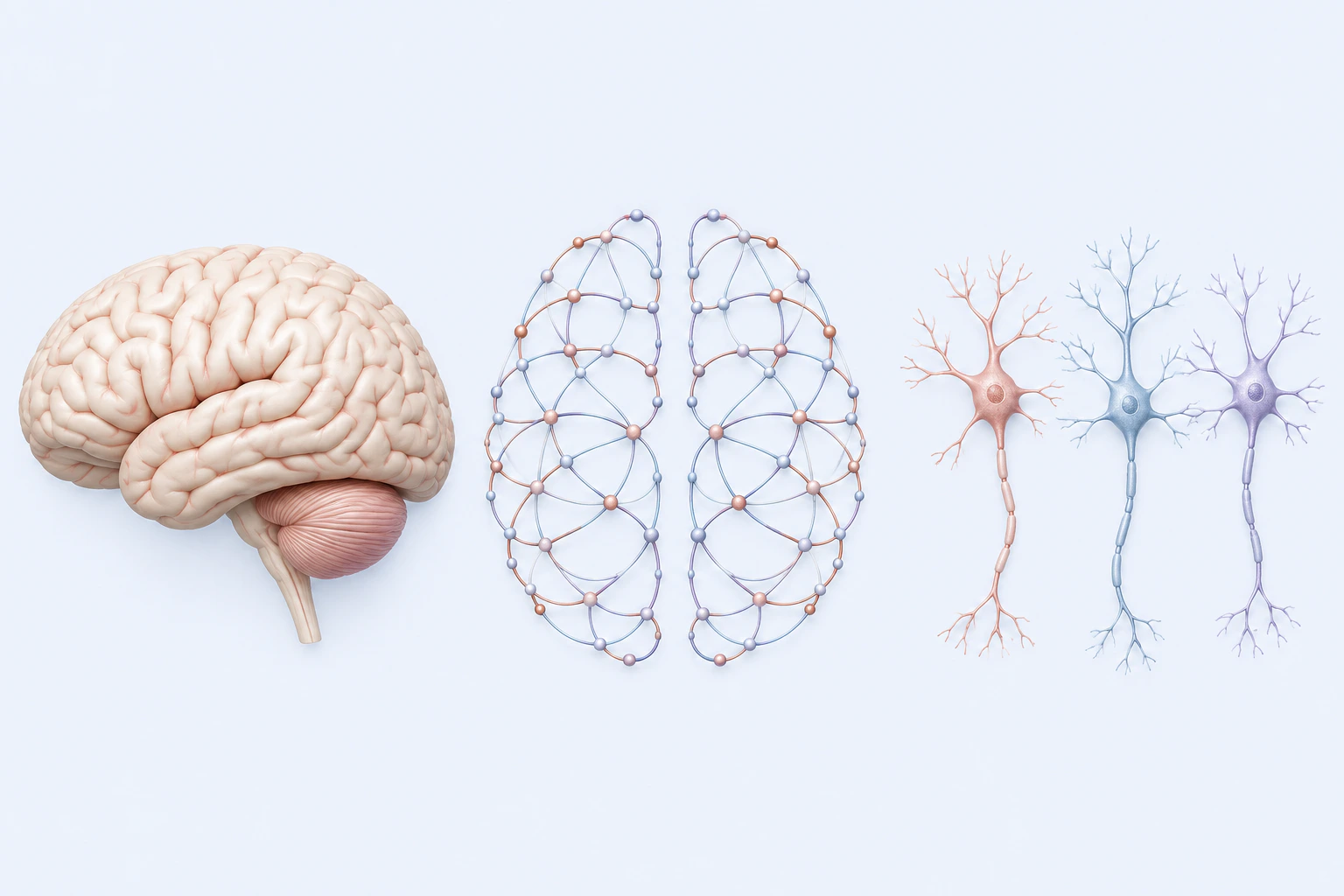
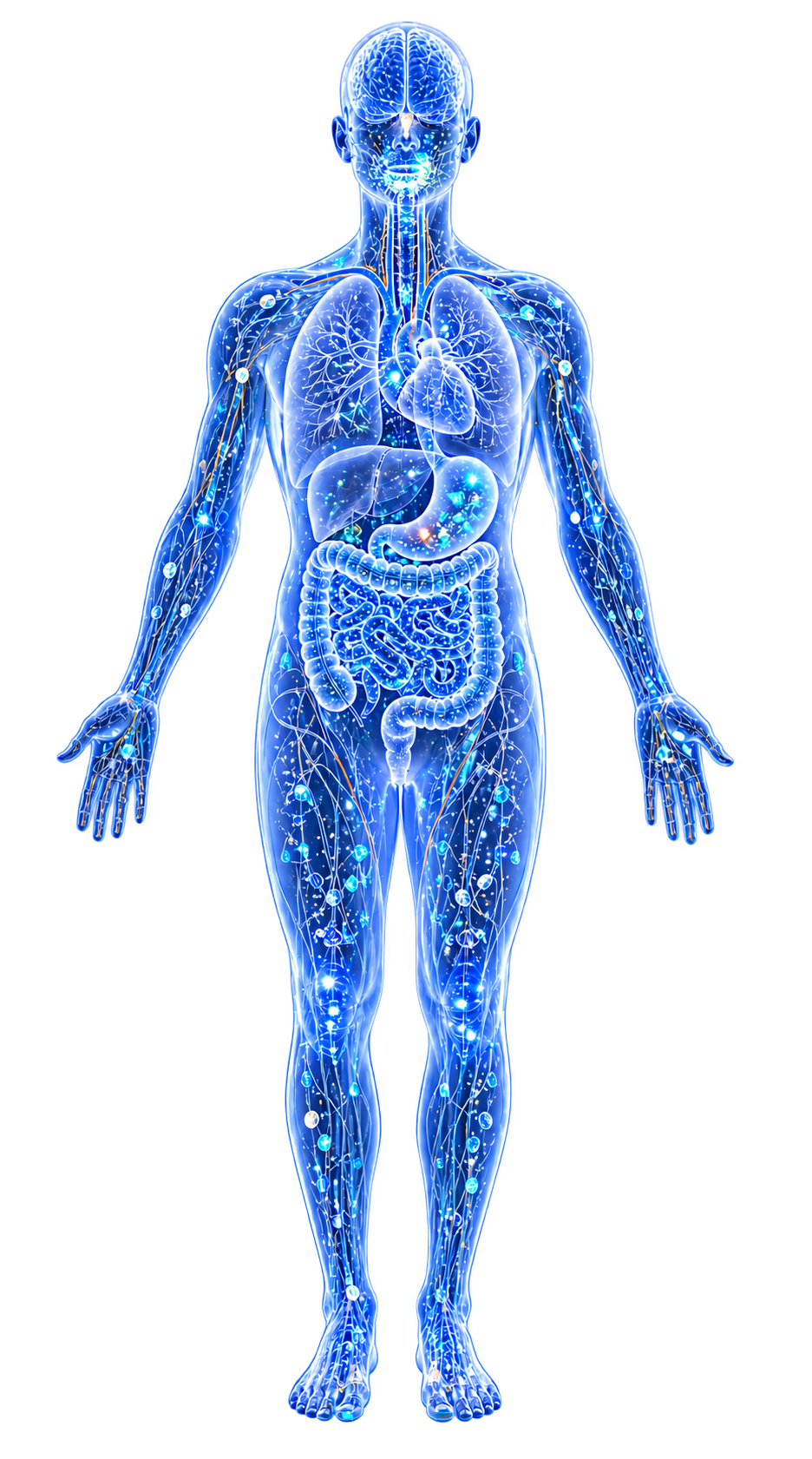
Non-stigmatizing schizophrenia orientation. These neutral models do not depict a patient, symptom, divided identity, lesion, measured connectivity, biomarker, mechanism, severity, prognosis, or diagnosis.
Scientific media record1 verified identifier
- Subject
- Schizophreniacondition
- Identifiers
- MeSH:D012559
- Review
- Editorial review completeIdentifiers authority-verified · Accessibility validated · · schizophrenia|schizophrenia-pathology-v1.webp
- Digital source
- Trained-algorithmic mediaCreated with a trained generative algorithm and reviewed by WikiBiome for subject identity, scientific framing, identifiers, provenance, and accessibility.
- Scientific basis
- Schizophrenia — MeSHSchizophrenia
- License
- CC BY-SA 4.0Created
A severe neuropsychiatric disorder affecting approximately 1% of the global population, characterized by positive symptoms (hallucinations, delusions), negative symptoms (anhedonia, social withdrawal, flat affect), and cognitive deficits. Life expectancy is reduced by 15-20 years, largely due to metabolic comorbidities and suicide (10% lifetime risk).
The disorder emerges from a convergence of genetic vulnerability (MHC locus, complement C4A, cytokine genes) and environmental risk factors (prenatal infection, childhood trauma, pollution, gut Dysbiosis) that converge on Neuroinflammation and immune dysregulation.
What makes schizophrenia distinctive in the microbiome landscape is the convergence of three lines of evidence that go well beyond what Wikipedia covers: a metallomic mis-metallation story at the NMDA receptor level, causal genetic-instrument data placing specific taxa as upstream drivers versus downstream consequences of the disease, and multi-kingdom (bacterial + fungal + viral) dysbiosis whose depth has no parallel in other psychiatric conditions.
Evidence map99 cited passagesInspect provenance +
The concept of mis metallation offers a mechanistic bridge: when Cu displaces zinc from zinc-finger transcription factors, NMDA receptor subunits (NR2A/NR2B), and GABAergic interneuron proteins, the result is functional zinc deficiency at the synapse even when total body zinc appears adequate. The NMDA hypofunction hypothesis of schizophrenia—supported by
iron dysregulation compounds the picture: iron-catalyzed Fenton chemistry amplifies oxidative damage in dopaminergic circuits, and heavy metal burden in the gut environment selects for opportunistic taxa with metal-dependent virulence enzymes. The Krajewski (2025) path-analysis study in typically developing children found arsenic and cadmium negatively corre
The gut brain axis is now recognized as a major pathway through which environmental factors shape schizophrenia risk and course. Bidirectional communication occurs via the vagus nerve, enteroendocrine signaling, short-chain fatty acid (SCFA) production, and immune mediator release. A critical insight from Kamath et al. (2025) is that the relationship is a tr
The most important methodological advance in this field is the two-sample bidirectional Mendelian randomization (MR) study by Zhou et al. (2024), using MiBioGen GWAS data (n=18,340) and PGC schizophrenia GWAS (n=130,644). Because MR uses inherited genetic variants as instrumental variables, it is largely free of the confounding by diet, medication, and stres
The Akkermansia finding is clinically significant: observational studies have reported Akkermansia depletion in schizophrenia, but the MR data indicate the opposite—schizophrenia elevates Akkermansia abundance. This suggests that Akkermansia enrichment is a consequence of schizophrenia pathophysiology, not a cause, and naive supplementation in active SCZ m
Observational 16S rRNA and shotgun metagenomic studies consistently find depletion of anti-inflammatory butyrate-producing genera—Faecalibacterium prausnitzii, Roseburia, Coprococcus, Anaerostipes—and enrichment of opportunistic taxa including Proteobacteria, Lactobacillus, Enterobacteriaceae, Succinivibrio, and Prevotella in schizophrenia patients relat
The Theleritis (2024) review of 12 FEP studies adds granularity: in first-episode psychosis, Lactobacillus numbers are increased and positively associated with symptom severity; Lachnospiraceae and Ruminococcaceae depletion correlates with negative symptoms and poorer functioning. Subjects with the highest microbiome alterations at baseline had worse treatme
Proxy biomarkers of gut barrier dysfunction are markedly elevated in schizophrenia. A meta-analysis found antibodies against bacterial endotoxin highest in schizophrenia (SMD=2.72) of any psychiatric disorder studied, alongside elevated zonulin, LPS, sCD14, and alpha-1-antitrypsin. Blood transcriptome analysis revealed increased microbial diversity in schizo
tryptophan metabolism is disrupted in schizophrenia via microbiome-mediated diversion from serotonin synthesis toward the kynurenine pathway. Over 90% of the body's serotonin is synthesized in intestinal enterochromaffin cells, making the gut microbiome a primary determinant of serotonin availability. Elevated kynurenine/tryptophan ratios and altered GABA, s
The shunting is driven both by direct microbial tryptophan catabolism and by inflammatory cytokine induction of indoleamine 2,3-dioxygenase (IDO) in the host. In the brain, this pathway bifurcates: astrocytes produce neuroprotective kynurenic acid, while microglia produce neurotoxic quinolinic acid—the imbalance toward quinolinic acid contributes to excito
The multiomics study by Wang et al. (2024) in 127 first-episode drug-naive patients found that altered metabolome and microbiome converged on aberrant GABA and tryptophan metabolism, with gray matter volume and functional connectivity disturbances mediating the relationships between Ruminococcus torgues and Collinsella aerofaciens and symptom severity.
The butyrate-producing taxa depleted in schizophrenia (Faecalibacterium, Roseburia, Lachnospiraceae) supply butyrate that normally acts as an HDAC inhibitor, upregulating BDNF and Tet1 in the prefrontal cortex and stabilising the blood-brain barrier via JAM-A/ZO-1 complex. Their loss removes a tonic anti-neuroinflammatory signal. Li et al. (2021) found that
Microglia, the CNS immune sentinels, show chronic pro-inflammatory (M1) polarization in schizophrenia with impaired transition to anti-inflammatory (M2) states. The MHC locus (chromosome 6) carries the highest GWAS association with schizophrenia; complement component C4A overexpression drives excessive synaptic pruning during adolescence. This pruning remove
The immune balance in schizophrenia is characterized by Th17/Treg skewing, with elevated IL-6, IL-8, TNF-alpha, and IL-1beta alongside reduced IL-10 and TGF-beta. This Th17-dominant profile promotes blood-brain barrier permeability and facilitates central neuroinflammation. Elevated IL-6, TNF-α, soluble IL-2 receptor, and prostaglandin E2 have been documente
Early-life stress (maternal separation, social isolation) dysregulates the hypothalamic-pituitary-adrenal (HPA) axis and intensifies the plasma corticosterone response to acute stress, elevating pro-inflammatory cytokines (IL-1β, IL-6, TNF-α). Animal models of social isolation—a confirmed schizophrenia analogue—produce increases in Actinobacteria, decrea
Enrichment of fungal pathobionts (Trichosporon asahii, candida albicans, Malassezia) with depletion of beneficial species (Saccharomyces cerevisiae); oral fungal dysbiosis correlates with elevated IL-6 and TNF-alpha. In drug-naive first-episode schizophrenia, elevated Purpureocillium abundance associated with more severe PANSS symptoms and poorer cognitive f
124 virus-like particle operational taxonomic units (vOTUs) enriched in schizophrenia (mainly Siphoviridae and Flandersviridae); virome-based random forest classifier achieves 93.2% AUC for diagnosis, outperforming both bacterial and mycobiome models. This suggests the gut virome—largely unstudied in psychiatric research—encodes information about schizop
Heavy metal burden interacts with the microbiome in schizophrenia through two routes: (1) direct neurotoxicity via catecholamine pathway disruption, and (2) indirect microbiome remodelling that selects for metal-tolerant opportunistic taxa while depleting metal-sensitive beneficial producers.
depression: Shared Cu/Zn dysregulation; shared Lachnospiraceae and Faecalibacterium depletion; shared tryptophan/kynurenine shunting via IDO activation; Roseburia colonisation reverses depressive phenotypes in animal models by restoring 5-HT. FMT from depressed donors induces depression-like behaviour and increased inflammation in rodents—parallel to the s
alzheimers disease: Shared Enterobacteriaceae enrichment and Lachnospiraceae depletion; shared copper dysregulation; shared neuroinflammatory microglial activation. MR studies show causal links between gut microbiome taxa and Alzheimer's risk that parallel the schizophrenia MR findings.
metabolic syndrome: Develops in approximately one-third of patients, often within the first few years of antipsychotic treatment; fivefold increase in incidence; body weight increases up to 15 kg; antipsychotics (especially olanzapine, clozapine) drive gut microbiome shifts favoring Firmicutes enrichment. Risperidone treatment over 24 weeks increases body we
lead—HPA axis disruption; catecholamine pathway interference via microbiome metabolites
gut brain axis—bidirectional vagal, SCFA, and immune mediator communication linking gut dysbiosis to psychosis; trichotomy of causal/correlative/bidirectional roles
neuroinflammation—microglial M1 polarization, C4A-driven synaptic pruning, and Th17/Treg imbalance
Showing 24 of 99 evidence-bearing passages. Every remaining citation is still indexed in the reference record below.
One disease. Five evidence layers.
A generated systems view of the metals, organisms, host sequestration signals, ecological conditions, and microbial functions indexed for Schizophrenia.
Evidence layer
Taxonomic signature
Organisms reported as enriched or depleted, with their indexed functional context kept beside the name.Enriched across 30+ studies (vote-counting); may reflect medication effects or ecological imbalance
Succinate/propionate producer; enriched in aggressive subtype; carbohydrate-fermenter
LPS producers; facultative anaerobes blooming in barrier-compromised gut; iron-scavenging siderophore systems
S. vestibularis transplantation into mice caused social deficits — causal evidence (Zhu 2020)
Lactate fermenter; enriched in both gut and oral niches
Succinate producer; consistent enrichment across multiple cohorts
Pathobiont fungus; correlated with IL-6 and immune dysfunction in metabolic syndrome subgroup
T. asahii positively associated with IL-6 and MIP-1alpha
Negatively correlated with cognitive function; depletes ergothioneine, N-acetylserotonin — novel mycobiome target
Causally increases SCZ risk (MR OR=1.16); SCFA production activates microglia and increases choline — a membrane dysfunction marker
Causally increases SCZ risk (MR OR=1.13); linked to cognitive impairment in SCZ patients
Causally increases SCZ risk (MR OR=1.11); enriched in SCZ patients with violent behaviours
Butyrate producer; depletion removes tonic anti-neuroinflammatory signal; loss impairs BBB stability via JAM-A/ZO-1
Butyrate producer consistently depleted across SCZ cohorts; loss reduces HDAC inhibition and BDNF upregulation
Butyrate producer depleted in SCZ; contributes to SCFA deficit and microglial activation
Acetate/butyrate producer; depleted in both drug-naive and aggressive subtypes
Beneficial fungus; negatively correlated with IL-6; loss removes anti-inflammatory mycobiome anchor
SCFA producer; immune modulator; known heavy metal binder; depleted in aggressive subtype
Causally protective against SCZ (MR OR=0.88); lower abundance increases risk; not restorable by amisulpride
Causally protective against SCZ (MR OR=0.93); depleted in patients with violent behaviours
Depleted in FEP; correlates with negative symptoms and poorer functioning
Evidence layer
Nutritional immunity
Host metal-withholding, inflammatory, antioxidant, and microbial-metabolite signals indexed in the signature.Elevated host signals
17Depleted protective signals
6Evidence layer
Ecological state
The environmental conditions that connect the organism-level observations into a system.Evidence layer
Virulence functions
Microbial structures, enzymes, and acquisition systems implicated by the linked evidence.The disease record, in full.
The original WikiBiome disease narrative remains intact beneath the generated signature atlas.
Cu/Zn Ratio Dysregulation#
The metallomic signature of schizophrenia centers on Copper/Zinc imbalance. Elevated serum copper (Cu) and depressed zinc (Zn) have been reported across multiple cohorts, yielding an increased copper/zinc ratio that correlates with symptom severity.
This finding parallels other neuropsychiatric conditions but is particularly pronounced in schizophrenia, where Oxidative Stress markers (ceruloplasmin-bound copper) are consistently elevated.
Mis-metallation at the NMDA Receptor#
The concept of Mis-Metallation offers a mechanistic bridge: when copper (Cu) displaces Zinc from zinc-finger transcription factors, NMDA receptor subunits (NR2A/NR2B), and GABAergic interneuron proteins, the result is functional zinc deficiency at the synapse even when total body zinc appears adequate.
The NMDA hypofunction hypothesis of schizophrenia—supported by the fact that NMDA antagonists (PCP, ketamine) reproduce the full symptom spectrum—may thus have a metallomic substrate.
Zinc is an endogenous positive allosteric modulator of NMDA receptors, and its displacement by copper could contribute to the glutamatergic/GABAergic imbalance central to the disorder.[1]The Inflamed Brain in Schizophrenia: The Convergence of Genetic and Environmental Risk Factors That Lead to Uncontrolled NeuroinflammationComer AL, Carrier M, Tremblay ME et al. · 2020Open reference 1 ↓
Iron dysregulation compounds the picture: iron-catalyzed Fenton chemistry amplifies oxidative damage in dopaminergic circuits, and heavy metal burden in the gut environment selects for opportunistic taxa with metal-dependent virulence enzymes.
The Krajewski (2025) path-analysis study in typically developing children found arsenic and cadmium negatively correlated with social behaviour (r = -0.43 and -0.38 respectively), and heavy metal load positively correlated with microbiome-associated catecholamine precursor metabolites (r = 0.33), establishing a measurable chain from heavy metal accumulation through Gut Microbiome disruption to neurobehavioural impairment.[2]Krajewski 2025 — Heavy Metals, Noradrenaline/Adrenaline Ratio, and Microbiome-Associated Hormone Precursor Metabolites: Biomarkers for Social Behaviour, ADHD Symptoms, and Executive Function in ChildrenKristin Krajewski · 2025Open reference 2 ↓
Gut-Brain Axis#
The Gut-Brain Axis is now recognized as a major pathway through which environmental factors shape schizophrenia risk and course. Bidirectional communication occurs via the vagus nerve, enteroendocrine signaling, short-chain fatty acid (SCFA) production, and immune mediator release.
A critical insight from Kamath et al. (2025) is that the relationship is a trichotomy—the microbiome can be a causal driver, a pathophysiological consequence, or a bidirectional partner in schizophrenia—and most existing studies fail to distinguish these roles.[3]Kamath 2025 — Gut Microbiome and Mental Health: Causation or Correlation? (Review)Srinivas Kamath, Elysia Sokolenko, Scott R Clark et al. · 2025Open reference 3 ↓
Causal Taxon Map from Mendelian Randomization#
The most important methodological advance in this field is the two-sample bidirectional Mendelian randomization (MR) study by Zhou et al. (2024), using MiBioGen GWAS data (n=18,340) and PGC schizophrenia GWAS (n=130,644).
Because MR uses inherited genetic variants as instrumental variables, it is largely free of the confounding by diet, medication, and stress that undermines observational studies.[4]Zhou 2024 — Gut Microbiome and Schizophrenia: Insights from Two-Sample Mendelian RandomizationKeer Zhou, Ancha Baranova, Hongbao Cao et al. · 2024Open reference 4 ↓
Taxa causally increasing schizophrenia risk (OR 1.08–1.16). Class Betaproteobacteria (OR=1.13, 95% CI 1.01–1.27, p=0.027)—previously linked to cognitive impairment in SCZ patients. Class Clostridia (OR=1.16, 95% CI 1.05–1.28, p=4.2×10⁻³)—produces SCFAs that activate microglia and increase choline (membrane dysfunction marker).
Order Clostridiales (OR=1.12, 95% CI 1.01–1.24, p=0.027)—elevated in ultra-high-risk psychosis subjects alongside elevated choline. Family Prevotellaceae (OR=1.11, 95% CI 1.03–1.20, p=1.4×10⁻³)—enriched in schizophrenia patients with violent behaviours. Genus Alloprevotella (OR=1.09, p=7.9×10⁻³), genus Hungatella (OR=1.08, p=0.043), genus Subdoligranulum (OR=1.14, p=0.015).
Phylum Firmicutes (OR=1.11, 95% CI 1.02–1.21, p=0.015).
Taxa causally protective against schizophrenia (OR 0.88–0.94). Genus Desulfovibrio (OR=0.88, 95% CI 0.82–0.96, p=1.9×10⁻³)—lower abundance is a risk factor; notably, antipsychotic amisulpride cannot restore it, consistent with this causal direction.
Family Veillonellaceae (OR=0.93, p=0.033)—depleted in schizophrenia patients with violent behaviours. Family Rhodospirillaceae (OR=0.93, p=0.049). Genus Coprobacter (OR=0.92, p=7.3×10⁻³), genus Gordonibacter (OR=0.94, p=0.012).
Taxa causally altered by schizophrenia (reverse MR direction—the disease drives these changes, not vice versa). Genus Akkermansia increased (OR=1.04, p=0.040), along with Bacteroides, Lachnospira, Ruminiclostridium5. Family Defluviitaleaceae reduced (OR=0.94, p=7.1×10⁻³).
The Akkermansia finding is clinically significant: observational studies have reported Akkermansia depletion in schizophrenia, but the MR data indicate the opposite—schizophrenia elevates Akkermansia abundance.
This suggests that Akkermansia enrichment is a consequence of schizophrenia pathophysiology, not a cause, and naive supplementation in active SCZ may be contraindicated.[4]Zhou 2024 — Gut Microbiome and Schizophrenia: Insights from Two-Sample Mendelian RandomizationKeer Zhou, Ancha Baranova, Hongbao Cao et al. · 2024Open reference 4 ↓
Altered Microbiome Composition in Established Schizophrenia#
Observational 16S rRNA and shotgun metagenomic studies consistently find depletion of anti-inflammatory Butyrate-producing genera—Faecalibacterium prausnitzii, Roseburia, Coprococcus, Anaerostipes—and enrichment of opportunistic taxa including Proteobacteria, Lactobacillus, Enterobacteriaceae, Succinivibrio, and Prevotella in schizophrenia patients relative to controls.[5]Alterations of the Gut Microbiota in Patients with SchizophreniaLi Z, Tao X, Wang D et al. · 2024Open reference 5 ↓
First-episode drug-naive patients show lower alpha-diversity (Shannon index p=1.21×10⁻⁹) and significant beta-diversity separation.[6]Gut Microbial Biomarkers for the Treatment Response in First-Episode, Drug-Naive Schizophrenia: A 24-Week Follow-Up StudyYuan X, Wang Y, Li X et al. · 2021Open reference 6 ↓
The Theleritis (2024) review of 12 FEP studies adds granularity: in first-episode psychosis, Lactobacillus numbers are increased and positively associated with symptom severity; Lachnospiraceae and Ruminococcaceae depletion correlates with negative symptoms and poorer functioning.[7]Theleritis 2024 -- Association of gut dysbiosis with first-episode psychosis (Review)Christos Theleritis, Maria-Ioanna Stefanou, Marina Demetriou et al. · 2024Open reference 7 ↓
Subjects with the highest microbiome alterations at baseline had worse treatment response at 12 months. FMT of schizophrenia microbiota into germ-free mice produced psychomotor hyperactivity, diminished learning and memory, tryptophan→kynurenine diversion, elevated prefrontal dopamine, and elevated hippocampal 5-hydroxytryptamine.
Transfer of the single schizophrenia-enriched species Streptococcus vestibularis to mice was sufficient to induce social behavior deficits and alter neurotransmitter levels—one of the strongest causation experiments in the literature.[7]Theleritis 2024 -- Association of gut dysbiosis with first-episode psychosis (Review)Christos Theleritis, Maria-Ioanna Stefanou, Marina Demetriou et al. · 2024Open reference 7 ↓
Increased Gut Permeability#
Proxy biomarkers of gut barrier dysfunction are markedly elevated in schizophrenia. A meta-analysis found antibodies against bacterial endotoxin highest in schizophrenia (SMD=2.72) of any psychiatric disorder studied, alongside elevated zonulin, LPS, sCD14, and alpha-1-antitrypsin.[8]Gut Dysbiosis in Severe Mental Illness and Chronic Fatigue: A Novel Trans-Diagnostic Construct? A Systematic Review and Meta-AnalysisSafadi JM, Quinton AMG, Lennox B et al. · 2022Open reference 8 ↓
Blood transcriptome analysis revealed increased microbial diversity in schizophrenia blood samples, inversely correlated with CD8+ memory T cells, consistent with bacterial translocation.[9]Transcriptome Analysis in Whole Blood Reveals Increased Microbial Diversity in SchizophreniaOlde Loohuis LM, Mangul S, Ori APS et al. · 2018Open reference 9 ↓
Zonulin levels—a direct marker of tight-junction opening—correlate with attentional performance in patients.[4]Zhou 2024 — Gut Microbiome and Schizophrenia: Insights from Two-Sample Mendelian RandomizationKeer Zhou, Ancha Baranova, Hongbao Cao et al. · 2024Open reference 4 ↓
Tryptophan/Kynurenine Shunting#
Tryptophan Metabolism is disrupted in schizophrenia via microbiome-mediated diversion from serotonin synthesis toward the kynurenine pathway. Over 90% of the body's serotonin is synthesized in intestinal enterochromaffin cells, making the gut microbiome a primary determinant of serotonin availability.[3]Kamath 2025 — Gut Microbiome and Mental Health: Causation or Correlation? (Review)Srinivas Kamath, Elysia Sokolenko, Scott R Clark et al. · 2025Open reference 3 ↓
Elevated kynurenine/tryptophan ratios and altered GABA, serotonin, and dopamine precursor availability have been documented in both gut and peripheral blood of schizophrenia patients.
The shunting is driven both by direct microbial tryptophan catabolism and by inflammatory cytokine induction of indoleamine 2,3-dioxygenase (IDO) in the host.[10]Interactions between the Gut Microbiome and the Central Nervous System and Their Role in Schizophrenia, Bipolar Disorder and DepressionChrobak AA, Nowakowski J, Dudek D · 2016Open reference 10 ↓
In the brain, this pathway bifurcates: astrocytes produce neuroprotective kynurenic acid, while microglia produce neurotoxic quinolinic acid—the imbalance toward quinolinic acid contributes to excitotoxicity and the cognitive deficits of schizophrenia.
Lactobacillus and Bifidobacterium in the gut can produce GABA directly; their depletion in schizophrenia therefore contributes to reduced GABAergic tone.[7]Theleritis 2024 -- Association of gut dysbiosis with first-episode psychosis (Review)Christos Theleritis, Maria-Ioanna Stefanou, Marina Demetriou et al. · 2024Open reference 7 ↓
The multiomics study by Wang et al. (2024) in 127 first-episode drug-naive patients found that altered metabolome and microbiome converged on aberrant GABA and tryptophan metabolism, with gray matter volume and functional connectivity disturbances mediating the relationships between Ruminococcus torgues and Collinsella aerofaciens and symptom severity.[7]Theleritis 2024 -- Association of gut dysbiosis with first-episode psychosis (Review)Christos Theleritis, Maria-Ioanna Stefanou, Marina Demetriou et al. · 2024Open reference 7 ↓
SCFA Depletion and Microglial Activation#
The butyrate-producing taxa depleted in schizophrenia (Faecalibacterium, Roseburia, Lachnospiraceae) supply butyrate that normally acts as an HDAC inhibitor, upregulating BDNF and Tet1 in the prefrontal cortex and stabilising the blood-brain barrier via JAM-A/ZO-1 complex.[3]Kamath 2025 — Gut Microbiome and Mental Health: Causation or Correlation? (Review)Srinivas Kamath, Elysia Sokolenko, Scott R Clark et al. · 2025Open reference 3 ↓ Their loss removes a tonic anti-neuroinflammatory signal.
lithium (Li) et al. (2021) found that baseline serum butyric acid levels positively associated with PANSS total score reduction after 24 weeks of risperidone treatment (n=56 FEP patients, n=35 controls)—higher baseline butyrate predicted better treatment response.[7]Theleritis 2024 -- Association of gut dysbiosis with first-episode psychosis (Review)Christos Theleritis, Maria-Ioanna Stefanou, Marina Demetriou et al. · 2024Open reference 7 ↓
Neuroinflammation#
Neuroinflammation is a central feature of schizophrenia pathophysiology, driven by converging genetic and environmental risk factors.
Microglial Activation and Synaptic Pruning#
Microglia, the CNS immune sentinels, show chronic pro-inflammatory (M1) polarization in schizophrenia with impaired transition to anti-inflammatory (M2) states. The MHC locus (chromosome 6) carries the highest GWAS association with schizophrenia; complement component C4A overexpression drives excessive synaptic pruning during adolescence.[1]The Inflamed Brain in Schizophrenia: The Convergence of Genetic and Environmental Risk Factors That Lead to Uncontrolled NeuroinflammationComer AL, Carrier M, Tremblay ME et al. · 2020Open reference 1 ↓
This pruning removes cortical synapses that should be preserved, producing the characteristic dendritic spine density loss in schizophrenia. Environmental pollutants (PM2.5, NO2, diesel exhaust) cause up to 70% decrease in hippocampal neurogenesis and 35% increase in microglial activation markers.
The Clostridiales enrichment identified as causal by MR data is consistent with this: elevated Clostridiales SCFA production activates microglia and increases choline (a membrane dysfunction marker in the anterior cingulate cortex) in ultra-high-risk psychosis subjects.[4]Zhou 2024 — Gut Microbiome and Schizophrenia: Insights from Two-Sample Mendelian RandomizationKeer Zhou, Ancha Baranova, Hongbao Cao et al. · 2024Open reference 4 ↓
Th17/Treg Imbalance#
The Immune Balance in schizophrenia is characterized by Th17/Treg skewing, with elevated IL-6, IL-8, TNF-alpha, and IL-1beta alongside reduced IL-10 and TGF-beta.[11]Immune System Abnormalities in Schizophrenia: An Integrative View and Translational PerspectivesErmakov EA, Melamud MM, Buneva VN et al. · 2022Open reference 11 ↓ This Th17-dominant profile promotes blood-brain barrier permeability and facilitates central neuroinflammation.
Elevated IL-6, TNF-α, soluble IL-2 receptor, and prostaglandin E2 have been documented in first-episode psychosis before medication exposure, establishing that Metal-Driven Inflammation precedes antipsychotic treatment rather than resulting from it.[7]Theleritis 2024 -- Association of gut dysbiosis with first-episode psychosis (Review)Christos Theleritis, Maria-Ioanna Stefanou, Marina Demetriou et al. · 2024Open reference 7 ↓
The maternal immune activation (MIA) model (Poly I:C prenatal challenge) produces a schizophrenia-like phenotype in offspring with persistent microglial abnormalities, and in this model elevated Firmicutes activate the immune system contributing to neuroplasticity reduction in cortical areas.[4]Zhou 2024 — Gut Microbiome and Schizophrenia: Insights from Two-Sample Mendelian RandomizationKeer Zhou, Ancha Baranova, Hongbao Cao et al. · 2024Open reference 4 ↓
Early-Life Stress and HPA Axis#
Early-life stress (maternal separation, social isolation) dysregulates the hypothalamic-pituitary-adrenal (HPA) axis and intensifies the plasma corticosterone response to acute stress, elevating pro-inflammatory cytokines (IL-1β, IL-6, TNF-α).
Animal models of social isolation—a confirmed schizophrenia analogue—produce increases in Actinobacteria, decreases in Clostridia class, decreased hippocampal IL-6 and IL-10, and impaired neurogenesis in the dentate gyrus.[7]Theleritis 2024 -- Association of gut dysbiosis with first-episode psychosis (Review)Christos Theleritis, Maria-Ioanna Stefanou, Marina Demetriou et al. · 2024Open reference 7 ↓
Prolonged glucocorticoid exposure reduces hippocampal volume and BDNF, both observed in schizophrenia, completing the stress → gut dysbiosis → neuroinflammation → symptom emergence circuit.
Multi-Kingdom Microbiome Dysbiosis#
Beyond bacterial dysbiosis, schizophrenia involves disruption across the full microbial ecosystem—a depth not captured in most psychiatric research:
Mycobiome#
Enrichment of fungal pathobionts (Trichosporon asahii, Candida albicans, Malassezia) with depletion of beneficial species (Saccharomyces cerevisiae); oral fungal dysbiosis correlates with elevated IL-6 and TNF-alpha.[12]Gut Mycobiota Dysbiosis and Systemic Immune Dysfunction in Chinese Schizophrenia Patients with Metabolic SyndromeLing Z, Cheng Y, Lan Z et al. · 2025Open reference 12 ↓
In drug-naive first-episode schizophrenia, elevated Purpureocillium abundance associated with more severe PANSS symptoms and poorer cognitive function, while elevated Aspergillus associated with improved cognitive ability (n=205 FEP, n=125 controls).[7]Theleritis 2024 -- Association of gut dysbiosis with first-episode psychosis (Review)Christos Theleritis, Maria-Ioanna Stefanou, Marina Demetriou et al. · 2024Open reference 7 ↓
FEP patients exhibited lower fungal alpha diversity and a lower fungi-to-bacteria ratio than controls, with denser bacteria-fungi correlation networks in healthy controls.
Virome#
124 virus-like particle operational taxonomic units (vOTUs) enriched in schizophrenia (mainly Siphoviridae and Flandersviridae); virome-based random forest classifier achieves 93.2% AUC for diagnosis, outperforming both bacterial and mycobiome models.[13]Metagenome-Based Characterization of the Gut Virome in Patients with SchizophreniaRen Y, Zhang P, Yu H et al. · 2025Open reference 13 ↓
This suggests the gut virome—largely unstudied in psychiatric research—encodes information about schizophrenia pathophysiology not captured by bacterial 16S studies alone.
Salivary/Oral Microbiome#
Drug-naive first-episode patients show higher alpha-diversity and H2S-producing bacteria enrichment with disease-stage-specific correlations; oral-gut-brain microbiome crosstalk may represent an underappreciated route of CNS influence.
Metal Associations#
| Metal | Direction | Mechanism | Linked taxa |
|---|---|---|---|
| Copper | Elevated | Ceruloplasmin-bound oxidative stress; copper (Cu) displaces zinc (Zn) at NMDA NR2A/NR2B | — |
| Zinc | Depleted | Endogenous NMDA modulator; displaced by copper at synaptic zinc-finger sites | — |
| Iron | Dysregulated | Fenton chemistry → dopaminergic oxidative damage; siderophore-dependent pathogens | Enterobacteriaceae enriched |
| Lead | Elevated (burden) | HPA axis disruption; catecholamine pathway interference; microbiome shifts | Proteobacteria enriched |
| Cadmium | Elevated (burden) | Catecholamine precursor metabolism disruption; social behaviour impairment | Bacteroides/Bifidobacterium depleted |
| Arsenic | Elevated (burden) | Microbiome composition changes; Bifidobacterium depletion | Proteobacteria enriched |
Heavy metal burden interacts with the microbiome in schizophrenia through two routes: (1) direct neurotoxicity via catecholamine pathway disruption, and (2) indirect microbiome remodelling that selects for metal-tolerant opportunistic taxa while depleting metal-sensitive beneficial producers.[2]Krajewski 2025 — Heavy Metals, Noradrenaline/Adrenaline Ratio, and Microbiome-Associated Hormone Precursor Metabolites: Biomarkers for Social Behaviour, ADHD Symptoms, and Executive Function in ChildrenKristin Krajewski · 2025Open reference 2 ↓
Associated Conditions#
Schizophrenia shares overlapping metallomic and taxonomic signatures with several conditions, pointing to shared pathophysiological mechanisms rather than coincidental comorbidity.
Depression: Shared copper (Cu)/zinc (Zn) dysregulation; shared Lachnospiraceae and Faecalibacterium depletion; shared tryptophan/kynurenine shunting via IDO activation; Roseburia colonisation reverses depressive phenotypes in animal models by restoring 5-HT.[3]Kamath 2025 — Gut Microbiome and Mental Health: Causation or Correlation? (Review)Srinivas Kamath, Elysia Sokolenko, Scott R Clark et al. · 2025Open reference 3 ↓
FMT from depressed donors induces depression-like behaviour and increased inflammation in rodents—parallel to the schizophrenia FMT experiments.[7]Theleritis 2024 -- Association of gut dysbiosis with first-episode psychosis (Review)Christos Theleritis, Maria-Ioanna Stefanou, Marina Demetriou et al. · 2024Open reference 7 ↓
Alzheimer's Disease: Shared Enterobacteriaceae enrichment and Lachnospiraceae depletion; shared copper dysregulation; shared neuroinflammatory microglial activation. MR studies show causal links between gut microbiome taxa and Alzheimer's risk that parallel the schizophrenia MR findings.[4]Zhou 2024 — Gut Microbiome and Schizophrenia: Insights from Two-Sample Mendelian RandomizationKeer Zhou, Ancha Baranova, Hongbao Cao et al. · 2024Open reference 4 ↓
Parkinson's Disease: Shared iron dysregulation and Enterobacteriaceae enrichment; overlapping butyrate-producer depletion; shared gut-first neuroinflammation hypothesis. Multiple Sclerosis: Shared Lachnospiraceae depletion; shared Th17/Treg imbalance; shared Candida albicans enrichment in gut mycobiome.
Bipolar-disorder: Closest metabolic overlap—shared Faecalibacterium depletion, Lachnospiraceae depletion, copper/zinc dysregulation, and Th17 skewing. Distinguishing schizophrenia from bipolar disorder on microbiome grounds alone remains difficult.
Comorbidities#
Schizophrenia carries a heavy comorbidity burden that intersects with microbiome dysfunction. Metabolic Syndrome and Metal Exposure: Develops in approximately one-third of patients, often within the first few years of antipsychotic treatment; fivefold increase in incidence; body weight increases up to 15 kg; antipsychotics (especially olanzapine, clozapine) drive gut microbiome shifts favoring Firmicutes enrichment.
Risperidone treatment over 24 weeks increases body weight, BMI, fasting blood glucose, triglycerides, and LDL alongside major elevation of Bifidobacterium and Escherichia coli.[7]Theleritis 2024 -- Association of gut dysbiosis with first-episode psychosis (Review)Christos Theleritis, Maria-Ioanna Stefanou, Marina Demetriou et al. · 2024Open reference 7 ↓
Depression: Depressive episodes occur in the majority of patients; paradoxically, greater insight correlates with more depression; comorbid depression is the strongest risk factor for suicide (OR=3.03).
Type 2 diabetes: Atypical antipsychotics directly increase diabetes risk independent of weight gain; gut microbiome shifts via SCFA depletion and bile acid alterations may mediate this effect.
Cardiovascular disease: Leading cause of excess mortality; driven by metabolic syndrome, smoking, and chronic inflammation.
Key Studies#
| Study | Design | n | Key Finding | Evidence level |
|---|---|---|---|---|
| Zhou 2024 | Two-sample MR | 148,984 | 9 taxa causally increase SCZ risk; Desulfovibrio protective; Akkermansia elevated by SCZ not causal | quasi-experimental |
| Zhu 2020 | Metagenomics + FMT | 90 FEP + 81 HC | Streptococcus vestibularis transfer induces social deficits in mice; beta-diversity separated | cross-sectional |
| Safadi 2022 | Meta-analysis | Multiple cohorts | Endotoxin antibodies SMD=2.72 in SCZ—highest of all psychiatric disorders | systematic-review-meta-analysis |
| lithium (Li) 2024 | Vote-counting meta-analysis | Multiple studies | Consistent Faecalibacterium, Roseburia, Coprococcus depletion; Lactobacillus, Prevotella enrichment | systematic-review-meta-analysis |
| Wang 2024 | Multi-omics | 127 FEP | GABA/tryptophan metabolic disruption mediates microbiome-brain connectivity disturbances | cross-sectional |
| Yuan 2021 | Longitudinal (24 wk) | 107 FEP | Baseline Lachnoclostridium/Romboutsia predict treatment response to risperidone | prospective-cohort |
| Ren 2025 | Metagenomics (virome) | SCZ cohort | 124 vOTUs enriched; virome classifier AUC 93.2% | cross-sectional |
Open Questions#
Unresolved questions identified by the current evidence record.
01Can the causal taxon map from MR (Zhou 2024) be replicated in non-European ancestry populations?+
The current WikiBiome record identifies this as an unresolved evidence gap.
02Does restoration of Desulfovibrio or Veillonellaceae abundance through microbiome-targeted interventions reduce schizophrenia risk or symptom severity?+
The current WikiBiome record identifies this as an unresolved evidence gap.
03Is the Akkermansia elevation in schizophrenia a homeostatic response, a disease-driven consequence, or an antipsychotic effect?+
The current WikiBiome record identifies this as an unresolved evidence gap.
04Do the virome signatures (Siphoviridae, Flandersviridae) represent bacteriophage predation of depleted beneficial bacteria or direct neuroimmune modulation?+
The current WikiBiome record identifies this as an unresolved evidence gap.
05What is the causal relationship between heavy metal burden (copper (Cu), cadmium (Cd), lead (Pb)), microbiome dysbiosis, and symptom onset—does the metallomic signature precede microbiome changes?+
The current WikiBiome record identifies this as an unresolved evidence gap.
Connections#
- Copper—elevated serum copper (Cu); ceruloplasmin-bound copper as oxidative stress marker; copper/zinc (Zn) ratio correlates with symptom severity
- Zinc—depressed serum zinc; endogenous NMDA receptor modulator displaced by copper at the synapse
- Iron—Fenton chemistry amplifies oxidative damage in dopaminergic circuits; siderophore-dependent taxa enriched
- Lead—HPA axis disruption; catecholamine pathway interference via microbiome metabolites[2]Krajewski 2025 — Heavy Metals, Noradrenaline/Adrenaline Ratio, and Microbiome-Associated Hormone Precursor Metabolites: Biomarkers for Social Behaviour, ADHD Symptoms, and Executive Function in ChildrenKristin Krajewski · 2025Open reference 2 ↓
- Cadmium—catecholamine precursor metabolism disruption; Bacteroides and Bifidobacterium depletion
- Mis-Metallation—copper displacing zinc from zinc-finger transcription factors and NMDA subunits; mechanistic bridge to NMDA hypofunction
- Gut-Brain Axis—bidirectional vagal, SCFA, and immune mediator communication linking gut dysbiosis to psychosis; trichotomy of causal/correlative/bidirectional roles[3]Kamath 2025 — Gut Microbiome and Mental Health: Causation or Correlation? (Review)Srinivas Kamath, Elysia Sokolenko, Scott R Clark et al. · 2025Open reference 3 ↓
- Neuroinflammation—microglial M1 polarization, C4A-driven synaptic pruning, and Th17/Treg imbalance[1]The Inflamed Brain in Schizophrenia: The Convergence of Genetic and Environmental Risk Factors That Lead to Uncontrolled NeuroinflammationComer AL, Carrier M, Tremblay ME et al. · 2020Open reference 1 ↓
- Tryptophan Metabolism—IDO-mediated kynurenine shunting depletes serotonin precursors; quinolinic acid neurotoxicity; astrocyte vs microglial bifurcation[3]Kamath 2025 — Gut Microbiome and Mental Health: Causation or Correlation? (Review)Srinivas Kamath, Elysia Sokolenko, Scott R Clark et al. · 2025Open reference 3 ↓
- dysbiosis—depletion of butyrate producers (Faecalibacterium, Roseburia, Coprococcus) and multi-kingdom microbial disruption; Streptococcus vestibularis as causal bacterium in FMT experiments[7]Theleritis 2024 -- Association of gut dysbiosis with first-episode psychosis (Review)Christos Theleritis, Maria-Ioanna Stefanou, Marina Demetriou et al. · 2024Open reference 7 ↓
- Interleukin-6 (IL-6)—elevated in FEP before medication; mediator of neuroinflammation and hepcidin-driven iron sequestration
- TNF-alpha (Tumor Necrosis Factor Alpha)—elevated in FEP before medication; drives microglial activation and endothelial dysfunction; gingipain substrate
- Immune Balance—Th17-dominant profile with elevated IL-6, IL-8, TNF-alpha; reduced IL-10 and TGF-beta; present before medication in FEP[11]Immune System Abnormalities in Schizophrenia: An Integrative View and Translational PerspectivesErmakov EA, Melamud MM, Buneva VN et al. · 2022Open reference 11 ↓
- Depression—comorbid in most patients; strongest suicide risk factor (OR=3.03); shared copper/zinc dysregulation; shared FMT-transferable phenotype
- Metabolic Syndrome and Metal Exposure—develops in approximately one-third of patients; antipsychotic-driven microbiome shifts[7]Theleritis 2024 -- Association of gut dysbiosis with first-episode psychosis (Review)Christos Theleritis, Maria-Ioanna Stefanou, Marina Demetriou et al. · 2024Open reference 7 ↓
- Intestinal Permeability—markedly elevated endotoxin antibodies (SMD=2.72), zonulin, and sCD14[8]Gut Dysbiosis in Severe Mental Illness and Chronic Fatigue: A Novel Trans-Diagnostic Construct? A Systematic Review and Meta-AnalysisSafadi JM, Quinton AMG, Lennox B et al. · 2022Open reference 8 ↓
- Candida albicans—enriched in gut mycobiome; oral fungal dysbiosis correlates with elevated IL-6[12]Gut Mycobiota Dysbiosis and Systemic Immune Dysfunction in Chinese Schizophrenia Patients with Metabolic SyndromeLing Z, Cheng Y, Lan Z et al. · 2025Open reference 12 ↓
- Probiotics—early-stage RCT evidence; BDNF increase but no significant PANSS improvement in 3 trials; Bifidobacterium breve A-1 reduced TNF-α and improved anxiety/depression subscores[14]A Systematic Review of the Effect of Probiotic Supplementation on Schizophrenia SymptomsNg QX, Soh AYS, Venkatanarayanan N et al. · 2019Open reference 14 ↓
- Desulfovibrio—causally protective per MR (OR=0.88); lower abundance increases SCZ risk; resistant to restoration by antipsychotics[4]Zhou 2024 — Gut Microbiome and Schizophrenia: Insights from Two-Sample Mendelian RandomizationKeer Zhou, Ancha Baranova, Hongbao Cao et al. · 2024Open reference 4 ↓
- Akkermansia muciniphila—elevated in SCZ by reverse MR (disease consequence, not cause); cautions against naive supplementation in active SCZ[4]Zhou 2024 — Gut Microbiome and Schizophrenia: Insights from Two-Sample Mendelian RandomizationKeer Zhou, Ancha Baranova, Hongbao Cao et al. · 2024Open reference 4 ↓
References 46
Numbered by first appearance in the article, then reconciled with its declared source list.
- 1
Comer AL, Carrier M, Tremblay ME et al. (2020). The Inflamed Brain in Schizophrenia: The Convergence of Genetic and Environmental Risk Factors That Lead to Uncontrolled Neuroinflammation. Frontiers in Cellular Neuroscience.
- 2
Kristin Krajewski (2025). Krajewski 2025 — Heavy Metals, Noradrenaline/Adrenaline Ratio, and Microbiome-Associated Hormone Precursor Metabolites: Biomarkers for Social Behaviour, ADHD Symptoms, and Executive Function in Children. Scientific Reports.
- 3
Srinivas Kamath, Elysia Sokolenko, Scott R Clark et al. (2025). Kamath 2025 — Gut Microbiome and Mental Health: Causation or Correlation? (Review). Preprint (no DOI found in document).
- 4
Keer Zhou, Ancha Baranova, Hongbao Cao et al. (2024). Zhou 2024 — Gut Microbiome and Schizophrenia: Insights from Two-Sample Mendelian Randomization. Schizophrenia (Nature Partner Journal).
- 5
Li Z, Tao X, Wang D et al. (2024). Alterations of the Gut Microbiota in Patients with Schizophrenia. Frontiers in Psychiatry.
- 6
Yuan X, Wang Y, Li X et al. (2021). Gut Microbial Biomarkers for the Treatment Response in First-Episode, Drug-Naive Schizophrenia: A 24-Week Follow-Up Study. Translational Psychiatry.
- 7
Christos Theleritis, Maria-Ioanna Stefanou, Marina Demetriou et al. (2024). Theleritis 2024 -- Association of gut dysbiosis with first-episode psychosis (Review). Molecular Medicine Reports.
- 8
Safadi JM, Quinton AMG, Lennox B et al. (2022). Gut Dysbiosis in Severe Mental Illness and Chronic Fatigue: A Novel Trans-Diagnostic Construct? A Systematic Review and Meta-Analysis. Molecular Psychiatry.
- 9
Olde Loohuis LM, Mangul S, Ori APS et al. (2018). Transcriptome Analysis in Whole Blood Reveals Increased Microbial Diversity in Schizophrenia. Translational Psychiatry.
- 10
Chrobak AA, Nowakowski J, Dudek D (2016). Interactions between the Gut Microbiome and the Central Nervous System and Their Role in Schizophrenia, Bipolar Disorder and Depression. Archives of Psychiatry and Psychotherapy.
- 11
Ermakov EA, Melamud MM, Buneva VN et al. (2022). Immune System Abnormalities in Schizophrenia: An Integrative View and Translational Perspectives. Frontiers in Psychiatry.
- 12
Ling Z, Cheng Y, Lan Z et al. (2025). Gut Mycobiota Dysbiosis and Systemic Immune Dysfunction in Chinese Schizophrenia Patients with Metabolic Syndrome. Frontiers in Immunology.
- 13
Ren Y, Zhang P, Yu H et al. (2025). Metagenome-Based Characterization of the Gut Virome in Patients with Schizophrenia. Journal of Translational Medicine.
- 14
Ng QX, Soh AYS, Venkatanarayanan N et al. (2019). A Systematic Review of the Effect of Probiotic Supplementation on Schizophrenia Symptoms. Neuropsychobiology.
- 15
Junchao Huang, Jinghui Tong, Ping Zhang et al. (2021). Huang 2021 -- Effects of neuroactive metabolites of the tryptophan pathway on working memory and cortical thickness in schizophrenia. Translational Psychiatry.
- 16
Ji X, Chai J, Zhao S et al. (2025). Plant-Derived Polyphenolic Compounds for Managing Schizophrenia: Mechanisms and Therapeutic Potential. Frontiers in Pharmacology.
- 17
Ghaderi A, Banafshe HR, Mirhosseini N et al. (2019). Clinical and Metabolic Response to Vitamin D Plus Probiotic in Schizophrenia Patients. BMC Psychiatry.
- 18
Gellan K Ahmed, Haidi Karam-Allah Ramadan, Khaled Elbeh et al. (2024). Ahmed 2024 — The Role of Infections and Inflammation in Schizophrenia: Review of the Evidence. Middle East Current Psychiatry.
- 19
Huiqing Peng, Lijun Ouyang, David Li et al. (2022). Peng 2022 -- Short-chain fatty acids in patients with schizophrenia and ultra-high risk population. Frontiers in Psychiatry.
- 20
Huan Yu, Rui Li, Xue-jun Liang et al. (2024). Yu 2024 -- A cross-section study of the comparison of plasma inflammatory cytokines and short-chain fatty acid in patients with depression and schizophrenia. BMC Psychiatry.
- 21
Ying Qing, Lihua Xu, Ganqing Cui et al. (2021). Qing 2021 -- Salivary microbiome profiling reveals a dysbiotic schizophrenia-associated microbiota. npj Schizophrenia.
- 22
Hongxin Deng, Lei He, Chong Wang et al. (2022). Deng 2022 -- Altered gut microbiota and its metabolites correlate with plasma cytokines in schizophrenia inpatients with aggression. BMC Psychiatry.
- 23
Feng Zhu, Yanmei Ju, Wei Wang et al. (2020). Zhu 2020 -- Metagenome-wide association of gut microbiome features for schizophrenia. Nature Communications.
- 24
Li S, Song J, Ke P et al. (2021). The Gut Microbiome is Associated with Brain Structure and Function in Schizophrenia. Scientific Reports.
- 25
Xiuxia Yuan, Xue Li, Lijuan Pang et al. (2025). Yuan 2025 — Association Between Purpureocillium, Amino Acid Metabolism and Cognitive Function in Drug-Naive, First-Episode Schizophrenia. BMC Psychiatry.
- 26
Yan F, Xia L, Xu L et al. (2022). A Comparative Study to Determine the Association of Gut Microbiome with Schizophrenia in Zhejiang, China. BMC Psychiatry.
- 27
Shiwan Tao, Yulu Wu, Liling Xiao et al. (2025). Tao 2025 — Alterations in Fecal Bacteriome Virome Interplay and Microbiota-Derived Dysfunction in Patients with Schizophrenia. Translational Psychiatry.
- 28
Wei N, Ju M, Su X et al. (2024). Transplantation of Gut Microbiota Derived from Patients with Schizophrenia Induces Schizophrenia-Like Behaviors and Dysregulated Brain Transcript Response in Mice. Schizophrenia.
- 29
Agnieszka Krawczyk, Tomasz Kasperski, Tomasz Gosiewski et al. (2025). Krawczyk 2025 — Effects of Fecal Microbiota Transplantation on the Abundance and Diversity of Selected Fungal and Archaeal Species in the Gut Microbiota in the Rat Model of Schizophrenia. Pharmacological Reports.
- 30
Juckel G, Freund N (2023). Microglia and Microbiome in Schizophrenia: Can Immunomodulation Improve Symptoms?. Journal of Neural Transmission.
- 31
Ann-Katrin Kraeuter, Zoltan Sarnyai (2026). Kraeuter 2026 — Ketogenic Diet-Derived Faecal Microbiota Transplantation Improved Sensorimotor Gating Deficits in an Acute NMDA-Receptor Antagonist Model of Schizophrenia in Mice. Food & Function.
- 32
Longhitano C, Finlay S, Peachey I et al. (2024). The Effects of Ketogenic Metabolic Therapy on Mental Health and Metabolic Outcomes in Schizophrenia and Bipolar Disorder: A Randomized Controlled Clinical Trial Protocol. Frontiers in Nutrition.
- 33
Saha S, Chant D, Welham J et al. (2005). A Systematic Review of the Prevalence of Schizophrenia. PLoS Medicine.
- 34
Schultz SH, North SW, Shields CG (2007). Schizophrenia: A Review. American Family Physician.
- 35
Dinan TG, Borre YE, Cryan JF (2014). Genomics of Schizophrenia: Time to Consider the Gut Microbiome?. Molecular Psychiatry.
- 36
Wang Y, Bi S, Li X et al. (2024). Perturbations in Gut Microbiota Composition in Schizophrenia. PLoS ONE.
- 37
Ye N, Song X, Yu J et al. (2025). Effects of Gut Microbiota Interventions on Patients with Schizophrenia: A Systematic Review and Meta-Analysis. Frontiers in Microbiology.
- 38
Basafa-Roodi P, Jazayeri S, Hadi F et al. (2024). Effects of Synbiotic Supplementation on the Components of Metabolic Syndrome in Patients with Schizophrenia: A Randomized, Double-Blind, Placebo-Controlled Trial. BMC Psychiatry.
- 39
Kao ACC, Burnet PWJ, Lennox B (2018). Can Prebiotics Assist in the Management of Cognition and Weight Gain in Schizophrenia?. Psychopharmacology.
- 40
Firth J, Cotter J, Elliott R et al. (2015). A Systematic Review and Meta-Analysis of Exercise Interventions in Schizophrenia Patients. Psychological Medicine.
- 41
Xia Liu, Zongxin Ling, Yiwen Cheng et al. (2024). Liu 2024 -- Oral fungal dysbiosis and systemic immune dysfunction in Chinese patients with schizophrenia. Translational Psychiatry.
- 42
Patrono E, Svoboda J, Bhatt DK et al. (2021). Schizophrenia, the Gut Microbiota, and New Opportunities from Optogenetic Manipulations of the Gut-Brain Axis. Behavioral and Brain Functions.
- 43
Szeligowski T, Yun AL, Lennox BR et al. (2020). The Gut Microbiome and Schizophrenia: The Current State of the Field and Clinical Applications. Frontiers in Psychiatry.
- 44
Ghorbani M, Joseph GBS, Tew MM et al. (2024). Functional Associations of the Gut Microbiome with Dopamine, Serotonin, and BDNF in Schizophrenia: A Pilot Study. Egyptian Journal of Neurology, Psychiatry and Neurosurgery.
- 45
Hoffman KW, Lee JJ, Corcoran CM et al. (2020). Considering the Microbiome in Stress-Related and Neurodevelopmental Trajectories to Schizophrenia. Frontiers in Psychiatry.
- 46
Eskandar K (2025). The Gut-Brain Axis in Depression, Anxiety, and Schizophrenia: A Scoping Review of Mechanisms, Biomarkers, and Therapeutic Implications. Middle East Current Psychiatry.
Article network
Mentioned here 18
Pages linking here 46
Connect the evidence
Publicly readable discussion by ORCID-authenticated researchers. Questions, interpretation, methods, corrections, and new evidence stay attached to this record.
No discussion yet. Start with a precise question or a source-backed observation.
Activity and accepted changes
Accepted researcher context, editorial status, public discussion, and upstream Git revisions are shown together. Pending, declined, and withdrawn proposals remain private.
- published revision
Backfill oxidative stress concept links
Karen Pendergrass · +1 −1
Inspect exact Git diff ↗ - published revision
Backfill gut microbiome concept links
Karen Pendergrass · +1 −1
Inspect exact Git diff ↗ - published revision
Backfill inflammation concept links
Karen Pendergrass · +1 −1
Inspect exact Git diff ↗ - published revision
Complete corpus-wide Dysbiosis linking
Karen Pendergrass · +2 −2
Inspect exact Git diff ↗ - published revision
massive wiki expansion: 149 stubs fixed, 100+ new pages, Rule 15 scan, keystone papers
WikiBiome Deploy Bot · +34 −30
Inspect exact Git diff ↗ - published revision
pre-overnight checkpoint 2026-04-18
WikiBiome Deploy Bot · +8 −10
Inspect exact Git diff ↗ - published revision
Batch: fix 1025 broken wikilinks, wire 13 STOP pages, deepen PPD/GERD/T1D/8 microbes
WikiBiome Deploy Bot · +19 −19
Inspect exact Git diff ↗ - published revision
Batch: fix 1025 broken wikilinks, wire 13 STOP pages, deepen PPD/GERD/T1D/8 microbes
WikiBiome Deploy Bot · +3 −3
Inspect exact Git diff ↗ - published revision
Deepen schizophrenia/CKD entities + 8 microbe entities; add 6 source pages
WikiBiome Deploy Bot · +140 −47
Inspect exact Git diff ↗ - published revision
Deepen metal/concept entities + 8 new sources for T1D/schizophrenia
WikiBiome Deploy Bot · +261 −0
Inspect exact Git diff ↗ - published revision
Citation integrity pass: 38 citations added, 24 parenthesized citations fixed
WikiBiome Deploy Bot · +3 −5
Inspect exact Git diff ↗ - published revision
v2 migration Priority 2: All 29 disease entity pages upgraded with associated_conditions, seo_target, wikipedia_differentiation
WikiBiome Deploy Bot · +6 −0
Inspect exact Git diff ↗ - published revision
WikiBiome v2 migration: signature pages + safety fixes + gap analysis
WikiBiome Deploy Bot · +16 −6
Inspect exact Git diff ↗ - published revision
Fix favicon, hero slideshow images, and W watermark
WikiBiome Deploy Bot · +87 −0
Inspect exact Git diff ↗