
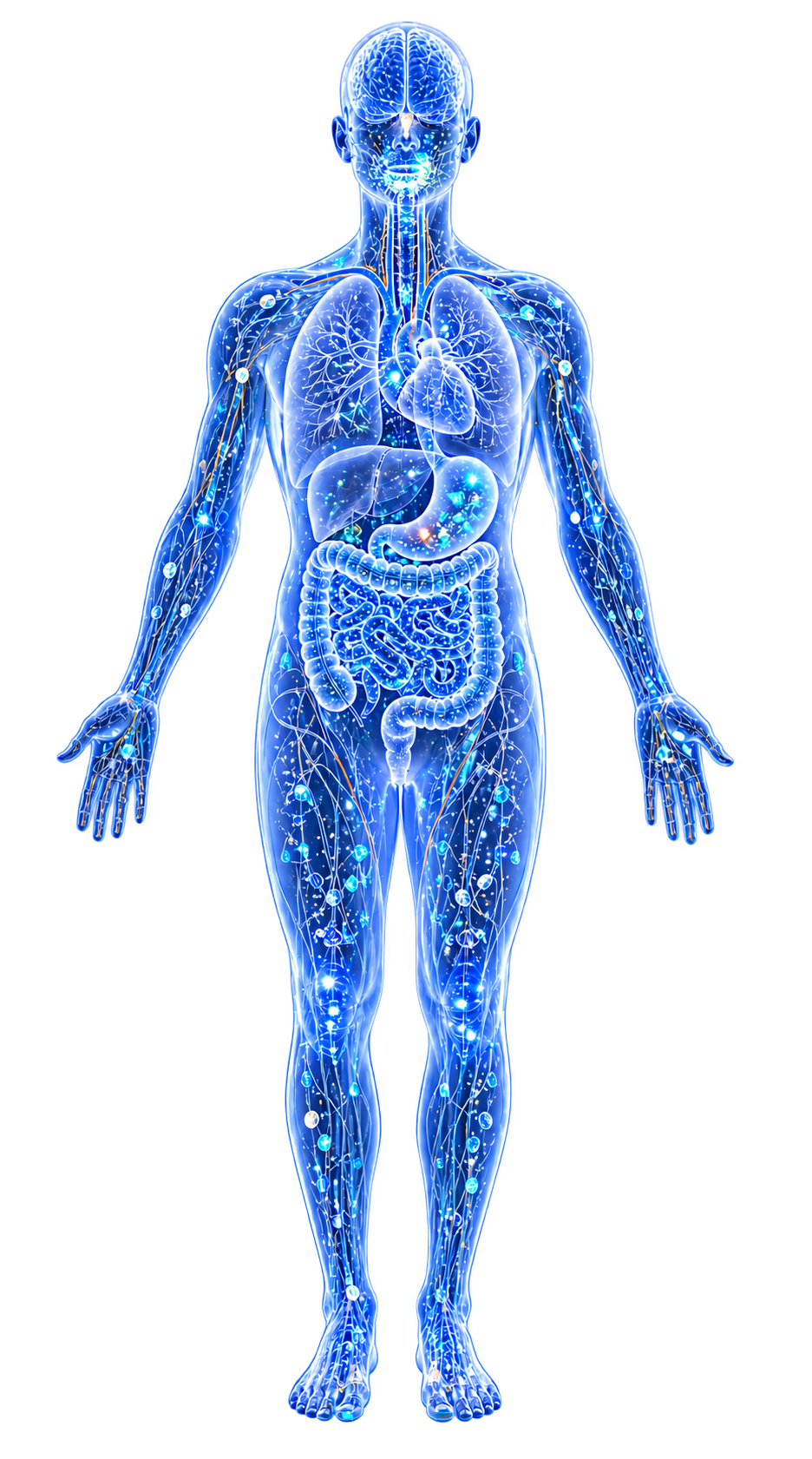
 metals · microbes · host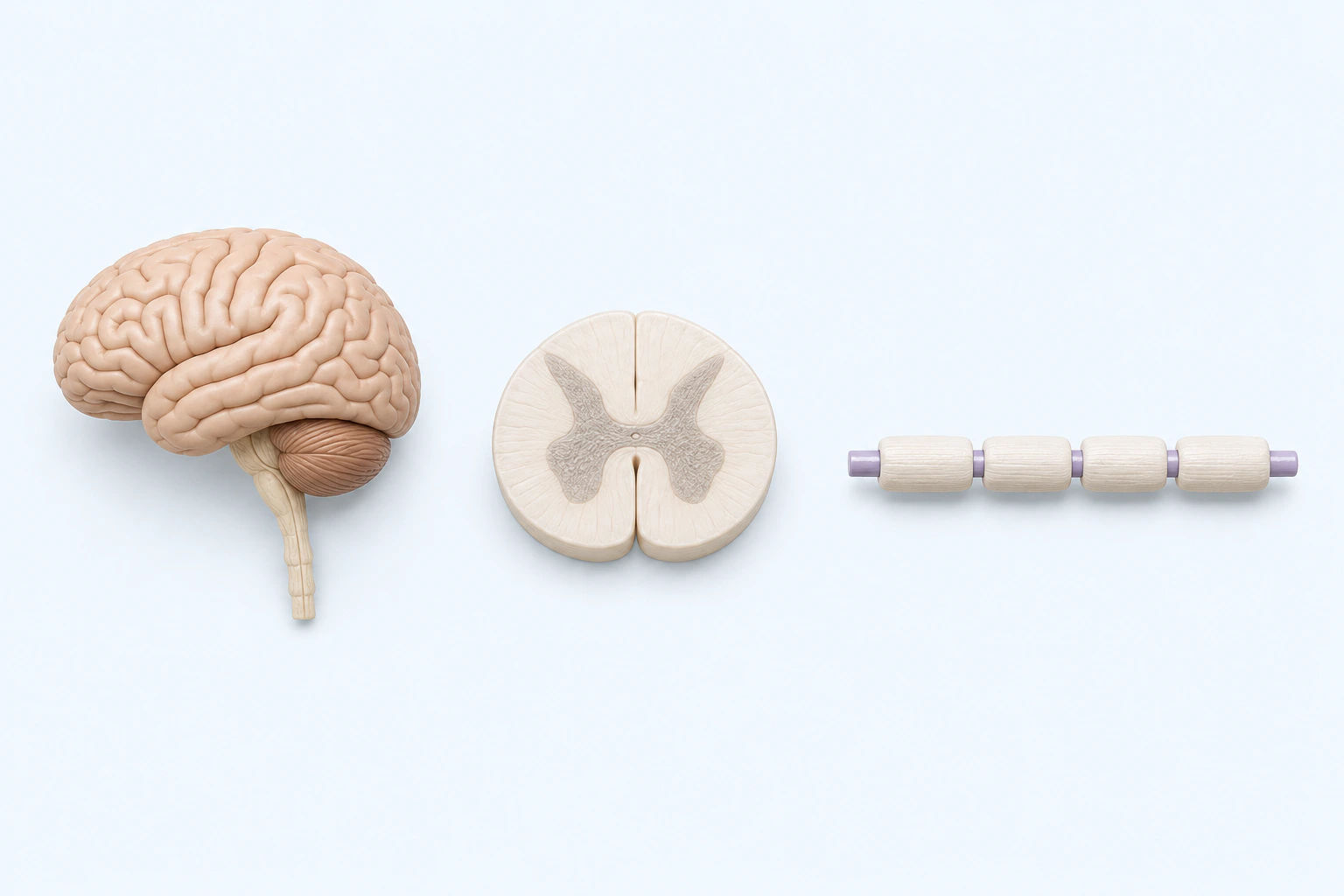
Normal central-nervous-system and myelin orientation relevant to multiple sclerosis. These unmarked teaching models do not depict an MS lesion, scan, subtype, stage, disability, diagnosis, biomarker, prognosis, or treatment effect.
Scientific media record7 verified identifiers
- Subject
- Multiple Sclerosiscondition
- Identifiers
- MeSH:D009103MeSHConcept:M0014197MeSHTerm:T027212MedGen:C0026769SNOMEDCT:24700007MONDO:0005301ORPHA:802
- Review
- Editorial review completeIdentifiers authority-verified · Accessibility validated · · multiple-sclerosis|multiple-sclerosis-pathology-v2.webp
- Digital source
- Trained-algorithmic mediaCreated with a trained generative algorithm and reviewed by WikiBiome for subject identity, scientific framing, identifiers, provenance, and accessibility.
- Scientific basis
- Multiple Sclerosis — MeSHMultiple sclerosis — MedGenCentral Nervous System — MeSHMyelin Sheath — MeSHAxons — MeSHMyelinated Nerve Fibers — MeSHMultiple SclerosisMultiple sclerosisDiagnosis and differential diagnosis of multiple sclerosis
- License
- CC BY-SA 4.0Created
Multiple sclerosis (MS) is a chronic autoimmune demyelinating disease of the central nervous system, with a global prevalence of approximately 2.8 million.[1]The immunology of multiple sclerosisKathrine E. Attfield, Lise Torp Jensen, Max Kaufmann et al. · 2022Open reference 1 ↓
The conventional framing centers on genetic susceptibility (HLA-DRB1*15:01), autoreactive T cells attacking myelin, and environmental triggers (EBV infection, vitamin D deficiency, smoking).[1]The immunology of multiple sclerosisKathrine E. Attfield, Lise Torp Jensen, Max Kaufmann et al. · 2022Open reference 1 ↓
The metallomic angle for MS is notably thinner than for the other diseases in this wiki—there is no well-characterized metal signature in MS biofluids comparable to the copper (Cu)/zinc (Zn) disruption in cancer or the zinc depletion in diabetes.
However, the gut-brain axis connection is exceptionally strong, with probiotic trials demonstrating clinically meaningful improvements in disability scores, inflammatory markers, and cytokine profiles. Because Gut Microbiome composition is shaped by dietary metal exposure, the metal-microbiome-brain pathway provides the most relevant lens for MS in this wiki.
Evidence map68 cited passagesInspect provenance +
Multiple sclerosis (MS) is a chronic autoimmune demyelinating disease of the central nervous system, with a global prevalence of approximately 2.8 million. The conventional framing centers on genetic susceptibility (HLA-DRB115:01), autoreactive T cells attacking myelin, and environmental triggers (EBV infection, vitamin D deficiency, smoking). The metallomic
Iron: Iron accumulation in deep gray matter structures (thalamus, caudate, putamen) is documented by MRI and pathology in progressive MS, likely reflecting both neurodegeneration and impaired iron homeostasis. Peripherally, urine iron is significantly lower in MS patients. Ferroptosis mechanisms relevant to other neurodegenerative diseases (Parkinson's, Alzh
Manganese: Mn is a cofactor for MnSOD and TCA cycle enzymes. The metabolic shift from oxidative phosphorylation to glycolysis observed in MS-associated T cells involves Mn-dependent enzyme pathways.
The absence of a clear metallomic signature does not mean metals are irrelevant to MS—it means the research has not been done. A Turkish case-control study (52 MS vs 41 controls) found significantly elevated urinary Ni, Cd, Pb, As, Al, Mn, Cu, and Ba in MS patients, with Ni (OR 1.47), Cd (OR 1.45), and Pb (OR 1.32) emerging as independent risk factors. Th
The microbiome-MS literature in this wiki is concentrated in five sources that together build a coherent picture of probiotic-mediated immune modulation. Foundational case-control work has repeatedly documented an MS dysbiosis pattern: Prevotella depletion, Akkermansia enrichment, methanogen (Methanobrevibacter) expansion, and striking depletion of Clostridi
The landmark trial. 60 RRMS patients randomized to a four-strain probiotic (L. acidophilus, L. casei, B. bifidum, L. fermentum, each 2x10^9 CFU/g) or placebo for 12 weeks. Results:
Companion study using the same probiotic formulation in 40 RRMS patients. Demonstrated significant downregulation of IL-8 (p<0.001) and TNF-alpha (p<0.001) gene expression in PBMCs. No effect on IL-1, PPAR-gamma, or LDLR. Note: This paper has an Expression of Concern (2022) regarding data integrity; the authors could not provide original data. Results sho
VSL3 (multi-strain probiotic) modulated both gut microbiome composition and peripheral immune responses in MS patients, with effects on regulatory T cell populations. One of the first studies combining microbiome sequencing, metabolomics, and immune profiling in MS.
Diet composition alone (irradiated vs. autoclaved rodent chow) was sufficient to alter gut microbial communities and significantly change EAE severity. Key findings:
Streptococcus thermophilus ST285 shifted the immune response from pro-inflammatory Th1 to anti-inflammatory Th2 in MBP83-99-immunized mice:
Direct case-control evidence links environmental metal exposure to MS risk: in a Turkish cohort, urinary Ni, Cd, Pb, Al, As, Cu, Mn, Ag, Ba, Cs, Rb, and Sr were all significantly elevated in MS patients, and heavy metals collectively carried ~1.5-fold increased MS risk. Beyond this:
Lead exposure in childhood has been associated with increased MS risk in some studies
Bile acid metabolism—Both primary and secondary bile acid metabolites are significantly reduced in adult and pediatric MS, with TUDCA supplementation ameliorating neuroinflammation through GPBAR1 receptor signaling in EAE
SCFA reduction—Fecal SCFAs and serum propionate/butyrate are lower in MS and correlate with altered T/B cell subsets and elevated intestinal inflammation markers (calprotectin)
MAIT cells and gut yeasts—MS patients show elevated fecal fungal abundance (S. cerevisiae, C. albicans), and their MAIT cells are hyper-activated by fungal extracts via IL-23, producing IL-17, GM-CSF, and CCL20; MAIT cells infiltrate 53% of progressive MS brain lesions. Torulaspora and Debaryomyces are also enriched in MS mycobiota, with Torulaspora assoc
Ketogenic diet—A 6-month ketogenic diet restored colonic microbiome mass and essential bacteria (Roseburia, Bacteroides, F. prausnitzii) in MS patients to healthy-control levels
Disease-progression signatures—Commensal microbiota signatures predict clinical severity and progression in MS, and gut microbiota composition varies with disease activity (F. prausnitzii and Gordonibacter reduced during active inflammation)
B-cell depletion therapy—Ocrelizumab (anti-CD20) partially reverses MS-associated oral and gut dysbiosis over 12 months, shifting Bacteroidetes/Firmicutes balance toward healthy-control patterns
Oral microbiome—Oral dysbiosis with a distinct metabolite signature is detectable in MS and may be more pronounced than gut dysbiosis as a disease trait
MS metabolomics—Comprehensive metabolomic profiling of MS cohorts
Diet-MS mechanism—Dietary intake shapes MS-relevant gut-brain signaling via microbiota
Mycobiota progression—Altered gut mycobiota tracks MS progression
MS patients demonstrate significantly elevated urinary levels of nickel (Ni), cadmium (Cd), lead (Pb), aluminum (Al), arsenic (As), silver (Ag), barium (Ba), cesium (Cs), rubidium (Rb), and strontium (Sr) compared to healthy controls. Univariate logistic regression in this Turkish cohort identified heavy metals as approximately 1.5 times more risky for MS, w
Notably, iron (Fe) and titanium (Ti) are depleted in MS patients. Iron depletion is particularly significant because iron is required for myelin production and oxidative stress defense; its depletion may relate to impaired myelination and increased ferroptosis vulnerability in oligodendrocytes, the cells targeted by MS immune responses.
Showing 24 of 68 evidence-bearing passages. Every remaining citation is still indexed in the reference record below.
One disease. Five evidence layers.
A generated systems view of the metals, organisms, host sequestration signals, ecological conditions, and microbial functions indexed for Multiple Sclerosis.
Evidence layer
Taxonomic signature
Organisms reported as enriched or depleted, with their indexed functional context kept beside the name.Archaeal methanogen — LPS-producing, recruits dendritic cells and inflammatory responses; elevated breath methane in MS
Mucin-degrading bacterium — correlates with interferon signaling and NF-kB activation; cadmium-responsive
Interkingdom pathobiont — fungal overgrowth enriched in MS fecal and oral samples; drives MAIT cell activation; functional shielding capacity
Fungal dysbiotic enrichment — activates MAIT cells via IL-23 pathway; high cultivable isolates in MS samples
Pro-inflammatory oral pathobiont — enriched in MS saliva, increased inflammation signaling
Gram-negative oral and gut pathobiont — metal-dependent iron acquisition; oxygen consumption; BBB penetration; enriched in MS oral cavity
Opportunistic enrichment in MS — exploits dysbiotic niche
Opportunistic enrichment in MS — metal-tolerant gram-positive
Methane-producing archaeon — elevated in MS; LPS-mediated inflammation
Enriched in MS progressors — independent predictor of disease progression
Sulfate-reducing bacterium enriched in progressors — H₂S production; oxidative stress
Increases in MS but decreases in progressors — complex dysbiotic role
Fungal pathobiont — strongly associated with increased disability; fungal dysbiosis marker
Fungal dysbiosis in MS — enriched compared to controls
HLA-DRB1*1501-associated fungal dysbiosis — linked to severe MS phenotype
Mucin degrader — positively correlated with EAE severity
SCFA-producing bacterium — depleted in MS; negative correlations with inflammatory pathways
Treg-inducing SCFA producers — striking depletion in MS; metal-sensitive; fundamental loss of immune regulation
Treg-inducing SCFA producers — depleted in MS; phylogenetically related to Treg-inducing strains
Immunomodulatory SCFA producer — depleted in disease-active MS; restored in non-active disease
SCFA-producing family — 14 of 21 differentially abundant species in Clostridia clades XIVa/IV reduced in MS
SCFA producer — reduced in MS; restored after B-cell depletion
Essential butyrate producer — quantitatively reduced in MS colonic microbiota
Mixed dysbiotic pattern — some species reduced, involved in secondary bile acid metabolism disruption
Complex pattern — some increases in disease-active, depletion in some contexts; restored after immunotherapy
SCFA-family member — reduced in MS; restored by treatment
SCFA producers — depleted in MS; linked to butyrate reduction
Urolithin producer from dietary polyphenols — depleted in disease-active MS; enriched in non-active disease
SCFA producer — inversely correlated with MS progression
Inversely correlated with EAE severity (r = -0.67); L. paracasei treatment reduced EAE incidence from 100% to 69%
Evidence layer
Nutritional immunity
Host metal-withholding, inflammatory, antioxidant, and microbial-metabolite signals indexed in the signature.Elevated host signals
10Depleted protective signals
7Evidence layer
Ecological state
The environmental conditions that connect the organism-level observations into a system.Evidence layer
Virulence functions
Microbial structures, enzymes, and acquisition systems implicated by the linked evidence.The disease record, in full.
The original WikiBiome disease narrative remains intact beneath the generated signature atlas.
Metallomic Signature#
Metal-specific evidence in MS is sparse. No comprehensive metallomics study of MS biofluids was identified in the source literature. The relevant metal connections are indirect.
Iron: Iron accumulation in deep gray matter structures (thalamus, caudate, putamen) is documented by MRI and pathology in progressive MS, likely reflecting both neurodegeneration and impaired iron homeostasis.[2]Biomarkers in Multiple Sclerosis: Analysis of the Present Advantages and Look to the FutureValentina Ignatova · 2023Open reference 2 ↓ Peripherally, urine iron is significantly lower in MS patients.[3]Effect of heavy metals and sialic acid in multiple sclerosisServin Yesil Günal, Hikmet Saçmacı, Şerife Saçmacı et al. · 2018Open reference 3 ↓
Ferroptosis mechanisms relevant to other neurodegenerative diseases (Parkinson's, Alzheimer's) may apply.
Zinc: Zinc is essential for oligodendrocyte function and myelin production. Zinc deficiency impairs remyelination in animal models.
Copper: Ceruloplasmin (the major copper (Cu)-carrying protein) has ferroxidase activity critical for iron homeostasis in the CNS. Disrupted copper trafficking could contribute to iron accumulation.
Manganese: manganese (Mn) is a cofactor for MnSOD and TCA cycle enzymes. The metabolic shift from oxidative phosphorylation to glycolysis observed in MS-associated T cells[4]Variations in diet cause alterations in microbiota and metabolites that follow changes in disease severity in a multiple sclerosis modelLibbey JE, Sanchez JM, Doty DJ et al. · 2018Open reference 4 ↓ involves manganese-dependent enzyme pathways.
The absence of a clear metallomic signature does not mean metals are irrelevant to MS—it means the research has not been done.
A Turkish case-control study (52 MS vs 41 controls) found significantly elevated urinary nickel (Ni), cadmium (Cd), lead (Pb), arsenic (As), aluminum (Al), manganese, copper, and barium (Ba) in MS patients, with nickel (OR 1.47), cadmium (OR 1.45), and lead (OR 1.32) emerging as independent risk factors.[3]Effect of heavy metals and sialic acid in multiple sclerosisServin Yesil Günal, Hikmet Saçmacı, Şerife Saçmacı et al. · 2018Open reference 3 ↓
The gut microbiome evidence below suggests that metals exert their influence on MS indirectly, through reshaping the microbial communities that regulate immune function via the gut-brain axis.
Gut Microbiome Connection#
The microbiome-MS literature in this wiki is concentrated in five sources that together build a coherent picture of probiotic-mediated immune modulation.
Foundational case-control work has repeatedly documented an MS Dysbiosis pattern: Prevotella depletion, Akkermansia enrichment, methanogen (Methanobrevibacter) expansion,[5]Alterations of the human gut microbiome in multiple sclerosisSushrut Jangi, Roopali Gandhi, Laura M. Cox et al. · 2016Open reference 5 ↓ and striking depletion of Clostridia clusters XIVa and IV (14 of 21 differentially abundant species belong to the Clostridia clade, all reduced in MS).[6]Dysbiosis in the Gut Microbiota of Patients with Multiple Sclerosis, with a Striking Depletion of Species Belonging to Clostridia XIVa and IV ClustersSachiko Miyake, Sangwan Kim, Wataru Suda et al. · 2015Open reference 6 ↓
A meta-analysis of MS microbiome studies has since confirmed this signature across populations.[7]Meta-Analysis Identifies Common Gut Microbiota Associated with Multiple SclerosisLin Q, Dorsett Y, Mirza A et al. · 2024Open reference 7 ↓
Probiotic Clinical Trials in MS#
[8]Clinical and metabolic response to probiotic supplementation in patients with multiple sclerosis: A randomized, double-blind, placebo-controlled trialKouchaki E, Tamtaji OR, Salami M et al. · 2017Open reference 8 ↓—The landmark trial. 60 RRMS patients randomized to a four-strain probiotic (L. acidophilus, L. casei, B. bifidum, L. fermentum, each 2x10^9 CFU/g) or placebo for 12 weeks.
Results:
| Outcome | Probiotic Change | Placebo Change | p-value |
|---|---|---|---|
| EDSS (disability) | -0.3 | +0.1 | 0.001 |
| BDI (depression) | -5.6 | -1.1 | <0.001 |
| hs-CRP | -1.3 | -0.4 | 0.01 |
| HOMA-IR (insulin resistance) | -0.6 | +0.2 | 0.001 |
| MDA (lipid peroxidation) | +0.009 | +0.3 | 0.04 |
| Total-/HDL-cholesterol | -0.1 | +0.1 | 0.02 |
The EDSS improvement is particularly notable—a 0.4-point difference in EDSS between groups over 12 weeks is clinically meaningful for a disease typically measured in years of progression.
[9]The Effects of Probiotic Supplementation on Gene Expression Related to Inflammation, Insulin, and Lipids in Patients With Multiple Sclerosis: A Randomized, Double-Blind, Placebo-Controlled TrialTamtaji OR, Kouchaki E, Salami M et al. · 2017Open reference 9 ↓—Companion study using the same probiotic formulation in 40 RRMS patients. Demonstrated significant downregulation of IL-8 (p<0.001) and TNF-alpha (p<0.001) gene expression in PBMCs.
No effect on IL-1, PPAR-gamma, or LDLR. Note: This paper has an Expression of Concern (2022) regarding data integrity; the authors could not provide original data. Results should be interpreted with caution.
[10]A probiotic modulates the microbiome and immunity in multiple sclerosisTankou SK, Regev K, Healy BC et al. · 2018Open reference 10 ↓—VSL#3 (multi-strain probiotic) modulated both gut microbiome composition and peripheral immune responses in MS patients, with effects on regulatory T cell populations. One of the first studies combining microbiome sequencing, metabolomics, and immune profiling in MS.
Animal Model Evidence#
[4]Variations in diet cause alterations in microbiota and metabolites that follow changes in disease severity in a multiple sclerosis modelLibbey JE, Sanchez JM, Doty DJ et al. · 2018Open reference 4 ↓—Diet composition alone (irradiated vs. autoclaved rodent chow) was sufficient to alter gut microbial communities and significantly change EAE severity. Key findings.
Lactobacillus abundance inversely correlated with EAE severity (Spearman r = -0.67). Therapeutic L. paracasei treatment: only 9/13 treated mice developed EAE vs. 15/15 controls (p<0.05), with significantly lower clinical scores.
Disease-associated mice showed a metabolic shift toward glycolysis and away from oxidative phosphorylation—the same metabolic shift seen in inflammatory T cells in human MS.
TCA cycle metabolites (citric acid, isocitric acid, malic acid, fumaric acid) were higher in protected mice.
The metal connection: TCA cycle enzymes require iron (Fe), manganese (Mn), and other metals as cofactors. Diet-driven changes in microbial metal availability could affect the metabolic output of gut bacteria, altering the balance of anti-inflammatory SCFA production versus pro-inflammatory metabolite generation.
[11]Streptococcus thermophilus ST285 Alters Pro-Inflammatory to Anti-Inflammatory Cytokine Secretion against Multiple Sclerosis Peptide in MiceDargahi N, Matsoukas J, Apostolopoulos V · 2020Open reference 11 ↓—Streptococcus thermophilus ST285 shifted the immune response from pro-inflammatory Th1 to anti-inflammatory Th2 in MBP83-99-immunized mice. IFN-gamma (Th1): significantly reduced.
IL-4 (Th2): approximately 3-fold increase (p<0.001). IL-10 (regulatory): approximately 4-fold increase (p<0.001).
IL-5: significantly increased (p<0.01).
The IL-10 increase is particularly important: IL-10 drives naive CD4+ T cell differentiation into Tregs, supporting an anti-inflammatory phenotype. This Th1-to-Th2 shift is precisely what would be therapeutic in MS, where autoreactive Th1/Th17 responses drive demyelination.
Metal-Microbiome-Brain Pathway#
While direct metal-MS studies are lacking, the evidence supports a plausible pathway.
Dietary metals shape gut microbiome composition (extensively documented in this wiki for cadmium (Cd), lead (Pb), nickel (Ni), arsenic (As)). Gut microbiome composition determines EAE/MS severity (Libbey 2018: Lactobacillus r = -0.67). Specific probiotics shift cytokine profiles toward anti-inflammatory (Dargahi 2020: Th1 to Th2).
Cytokine shifts produce clinical improvement (Kouchaki 2017: EDSS -0.3, hs-CRP -1.3).
The missing link is step 1 applied specifically to MS. Do MS patients have altered metal exposures or handling that reshape their gut microbiome toward a pro-inflammatory, pro-demyelinating community?
Environmental Metal Exposure Links#
Direct case-control evidence links environmental metal exposure to MS risk: in a Turkish cohort, urinary nickel (Ni), cadmium (Cd), lead (Pb), aluminum (Al), arsenic (As), copper (Cu), manganese (Mn), silver (Ag), barium (Ba), Cs, Rb, and strontium (Sr) were all significantly elevated in MS patients, and Heavy Metals collectively carried ~1.5-fold increased MS risk.[3]Effect of heavy metals and sialic acid in multiple sclerosisServin Yesil Günal, Hikmet Saçmacı, Şerife Saçmacı et al. · 2018Open reference 3 ↓
Beyond this. Smoking (cadmium, lead, nickel) is an established MS risk factor, increasing risk approximately 1.5-fold. Mercury from dental amalgams was historically hypothesized as an MS trigger, but epidemiological evidence does not support a causal link.
Lead exposure in childhood has been associated with increased MS risk in some studies.[3]Effect of heavy metals and sialic acid in multiple sclerosisServin Yesil Günal, Hikmet Saçmacı, Şerife Saçmacı et al. · 2018Open reference 3 ↓ Iron supplementation effects on MS gut microbiome have not been studied.
The gap in environmental metal-MS research is striking given the strong microbiome evidence. This represents a clear research opportunity.
Current Interventions with Metal Relevance#
| Intervention | Mechanism | Evidence Level |
|---|---|---|
| Multi-strain probiotics (Lactobacillus + Bifidobacterium) | Reduce hs-CRP, improve EDSS, shift cytokines, reduce insulin resistance | RCT (Kouchaki 2017) |
| S. thermophilus | Th1-to-Th2 cytokine shift; IL-10/Treg induction | Animal model (Dargahi 2020) |
| L. paracasei | Reduced EAE incidence and severity; metabolic shift toward OXPHOS | Animal model (Libbey 2018) |
| VSL#3 | Microbiome + immune modulation | Human trial (Tankou 2018) |
| Dietary optimization | Low-glycemic, Mediterranean-style diets reduce Metal-Driven Inflammation; diet composition alters microbiome and metabolites | Animal model + epidemiological |
Open Questions#
Unresolved questions identified by the current evidence record.
01MS metallomic profiling: What does a comprehensive multi-element analysis of MS patient biofluids reveal?+
Do MS patients show the copper (Cu)/zinc (Zn) disruption common in other autoimmune diseases?
02Iron in progressive MS: Is deep gray matter iron accumulation a cause of progression (via ferroptosis) or a consequence of neurodegeneration?+
Would iron chelation slow progression?
03Dietary metals and MS gut microbiome: Do dietary nickel (Ni), cadmium (Cd), or lead (Pb) exposures affect the abundance of protective Lactobacillus species in MS patients?+
The current WikiBiome record identifies this as an unresolved evidence gap.
04Probiotic strain optimization: Which specific strains produce the strongest Th1-to-Th2 shift?+
Can metal-binding probiotic strains (e.g., L. plantarum CCFM8610 for cadmium (Cd)) simultaneously detoxify metals and modulate immunity?
05Metabolic-metallomic intersection: The glycolysis-to-OXPHOS shift in disease-associated T cells involves metal-dependent enzymes. Can metal cofactor supplementation (manganese (Mn), iron (Fe)) shift T cell metabolism back toward OXPHOS?+
The current WikiBiome record identifies this as an unresolved evidence gap.
06Data integrity: The Expression of Concern on Tamtaji 2017 (companion to Kouchaki 2017) raises questions about the gene expression data. Does the clinical data from Kouchaki 2017 stand independently?+
The current WikiBiome record identifies this as an unresolved evidence gap.
Comorbidities#
Depression—depression affects 30-50% of MS patients; probiotic trials showed significant BDI improvement alongside EDSS improvement (BDI -5.6 vs -1.1, p<0.001); shared gut-brain axis disruption, SCFA depletion, and tryptophan pathway shifts toward pro-inflammatory kynurenine; depression independently worsens MS disability trajectory.
Anxiety Disorders—anxiety disorders in 20-40% of MS patients; disease unpredictability and progressive disability compound neurobiological mechanisms; shared HPA axis dysregulation and vagal tone disruption.
Inflammatory Bowel Disease (IBD)—bidirectional association: IBD patients have increased MS risk and vice versa; shared HLA-DRB1 genetic architecture; Mendelian randomization shows Crohn's increases Graves' disease risk by 30%, indicating shared autoimmune gut-immune pathways; both feature Th1/Th17 dysregulation and SCFA producer depletion.
Connections#
- Metal-Disease Matrix: A Cross-Source Synthesis—Cross-disease metallomic comparison; MS metal signature is thin but included
- Gut-Metal-Microbiome Interactions—The primary pathway connecting metals to MS is through microbiome modulation
- Probiotics—Strongest intervention evidence in this disease; multi-strain formulations improve EDSS
- Iron—CNS iron accumulation in progressive MS; ferroptosis mechanisms
- Zinc—Essential for oligodendrocyte function and remyelination
- Manganese—TCA cycle enzyme cofactor; metabolic shift in MS T cells involves manganese (Mn) pathways
- Nickel—S. thermophilus is a Streptococcus species; metal homeostasis in Streptococci is relevant to understanding probiotic mechanisms
- Neurodegeneration and Metals—progressive MS involves iron-driven neurodegeneration with ferroptosis in oligodendrocytes
- gut microbiome—MS microbiome shows reduced SCFA producers and enriched pro-inflammatory taxa
- Biomarkers—EDSS, CSF neurofilaments, and brain iron on MRI as MS progression markers
- Indoles—microbial indole derivatives activate astrocytic AhR, suppressing Neuroinflammation; depleted in MS gut
Additional Supporting Evidence#
Bile acid metabolism—Both primary and secondary bile acid metabolites are significantly reduced in adult and pediatric MS, with TUDCA supplementation ameliorating neuroinflammation through GPBAR1 receptor signaling in EAE.[12]Bile acid metabolism is altered in multiple sclerosis and supplementation ameliorates neuroinflammationPavan Bhargava, Matthew D. Smith, Leah Mische et al. · 2020Open reference 12 ↓
SCFA reduction—Fecal SCFAs and serum propionate/Butyrate are lower in MS and correlate with altered T/B cell subsets and elevated intestinal inflammation markers (calprotectin).[13]Short-chain fatty acids and intestinal inflammation in multiple sclerosis: modulation of female susceptibility by microbial products?Anouck Becker, Mosab Abuazab, Andreas Schwiertz et al. · 2021Open reference 13 ↓[14]Associations of serum short-chain fatty acids with circulating immune cells and serum biomarkers in patients with multiple sclerosisStephanie Trend, Jonatan Leffler, Anderson P. Jones et al. · 2021Open reference 14 ↓
MAIT cells and gut yeasts—MS patients show elevated fecal fungal abundance (S. cerevisiae, C. albicans), and their MAIT cells are hyper-activated by fungal extracts via IL-23, producing IL-17, GM-CSF, and CCL20; MAIT cells infiltrate 53% of progressive MS brain lesions.[15]Proinflammatory Mucosal-Associated Invariant CD8+ T Cells React to Gut Flora Yeasts and Infiltrate Multiple Sclerosis BrainFrancesca Gargano, Gisella Guerrera, Eleonora Piras et al. · 2022Open reference 15 ↓ *Torulaspora* and *Debaryomyces* are also enriched in MS mycobiota, with Torulaspora associated with lower disability and Debaryomyces characteristic of HLA-DRB1*1501 carriers.[16]Exploring the Mycobiota in Multiple Sclerosis: Its Influence on Disease Development and ProgressionAne Otaegui-Chivite, Miriam Gorostidi-Aicua, Laura Martins-Almeida et al. · 2025Open reference 16 ↓
Ketogenic diet—A 6-month ketogenic diet restored colonic microbiome mass and essential bacteria (Roseburia, Bacteroides, F. prausnitzii) in MS patients to healthy-control levels.[17]Reduced Mass and Diversity of the Colonic Microbiome in Patients with Multiple Sclerosis and Their Improvement with Ketogenic DietSwidsinski A, Dorfel Y, Loening-Baucke V et al. · 2017Open reference 17 ↓
Disease-progression signatures—Commensal microbiota signatures predict clinical severity and progression in MS,[18]Identification of commensal gut microbiota signatures as predictors of clinical severity and disease progression in multiple sclerosisTheresa L. Montgomery, Qin Wang, Ali Mirza et al. · 2024Open reference 18 ↓ and gut microbiota composition varies with disease activity (F. prausnitzii and Gordonibacter reduced during active inflammation).[19]The Gut Microbiota in Multiple Sclerosis Varies with Disease ActivityThirion F, Sellebjerg F, Fan Y et al. · 2023Open reference 19 ↓
B-cell depletion therapy—Ocrelizumab (anti-CD20) partially reverses MS-associated oral and gut dysbiosis over 12 months, shifting Bacteroidetes/Firmicutes balance toward healthy-control patterns.[20]B-cell-depletion reverses dysbiosis of the microbiome in multiple sclerosis patientsAlba Troci, Olga Zimmermann, Daniela Esser et al. · 2022Open reference 20 ↓
Oral microbiome—Oral dysbiosis with a distinct metabolite signature is detectable in MS and may be more pronounced than gut dysbiosis as a disease trait.[21]Investigating the metabolite signature of an altered oral microbiota as a discriminant factor for multiple sclerosis: a pilot studyLéo Boussamet, Emmanuel Montassier, Camille Mathé et al. · 2024Open reference 21 ↓
MS metabolomics—Comprehensive metabolomic profiling of MS cohorts.[22]An emerging potential of metabolomics in multiple sclerosis: a comprehensive overviewInsha Zahoor, Bin Rui, Junaid Khan et al. · 2021Open reference 22 ↓ Diet-MS mechanism—Dietary intake shapes MS-relevant gut-brain signaling via microbiota.[23]The Role of Diet in Multiple Sclerosis: Mechanistic Connections and Current EvidenceKatz Sand I · 2018Open reference 23 ↓ Mycobiota progression—Altered gut mycobiota tracks MS progression.[16]Exploring the Mycobiota in Multiple Sclerosis: Its Influence on Disease Development and ProgressionAne Otaegui-Chivite, Miriam Gorostidi-Aicua, Laura Martins-Almeida et al. · 2025Open reference 16 ↓
References 28
Numbered by first appearance in the article, then reconciled with its declared source list.
- 1
Kathrine E. Attfield, Lise Torp Jensen, Max Kaufmann et al. (2022). The immunology of multiple sclerosis. Nature Reviews Immunology.
- 2
Valentina Ignatova (2023). Biomarkers in Multiple Sclerosis: Analysis of the Present Advantages and Look to the Future. Journal of Psychology and Neuroscience.
- 3
Servin Yesil Günal, Hikmet Saçmacı, Şerife Saçmacı et al. (2018). Effect of heavy metals and sialic acid in multiple sclerosis. International Research Journal of Public and Environmental Health.
- 4
Libbey JE, Sanchez JM, Doty DJ et al. (2018). Variations in diet cause alterations in microbiota and metabolites that follow changes in disease severity in a multiple sclerosis model. Beneficial Microbes.
- 5
Sushrut Jangi, Roopali Gandhi, Laura M. Cox et al. (2016). Alterations of the human gut microbiome in multiple sclerosis. Nature Communications.
- 6
Sachiko Miyake, Sangwan Kim, Wataru Suda et al. (2015). Dysbiosis in the Gut Microbiota of Patients with Multiple Sclerosis, with a Striking Depletion of Species Belonging to Clostridia XIVa and IV Clusters. PLoS ONE.
- 7
Lin Q, Dorsett Y, Mirza A et al. (2024). Meta-Analysis Identifies Common Gut Microbiota Associated with Multiple Sclerosis. Genome Medicine.
- 8
Kouchaki E, Tamtaji OR, Salami M et al. (2017). Clinical and metabolic response to probiotic supplementation in patients with multiple sclerosis: A randomized, double-blind, placebo-controlled trial. Clinical Nutrition.
- 9
Tamtaji OR, Kouchaki E, Salami M et al. (2017). The Effects of Probiotic Supplementation on Gene Expression Related to Inflammation, Insulin, and Lipids in Patients With Multiple Sclerosis: A Randomized, Double-Blind, Placebo-Controlled Trial. Journal of the American College of Nutrition.
- 10
Tankou SK, Regev K, Healy BC et al. (2018). A probiotic modulates the microbiome and immunity in multiple sclerosis. Annals of Neurology.
- 11
Dargahi N, Matsoukas J, Apostolopoulos V (2020). Streptococcus thermophilus ST285 Alters Pro-Inflammatory to Anti-Inflammatory Cytokine Secretion against Multiple Sclerosis Peptide in Mice. Brain Sciences.
- 12
Pavan Bhargava, Matthew D. Smith, Leah Mische et al. (2020). Bile acid metabolism is altered in multiple sclerosis and supplementation ameliorates neuroinflammation. Journal of Clinical Investigation.
- 13
Anouck Becker, Mosab Abuazab, Andreas Schwiertz et al. (2021). Short-chain fatty acids and intestinal inflammation in multiple sclerosis: modulation of female susceptibility by microbial products?. Autoimmunity Highlights.
- 14
Stephanie Trend, Jonatan Leffler, Anderson P. Jones et al. (2021). Associations of serum short-chain fatty acids with circulating immune cells and serum biomarkers in patients with multiple sclerosis. Scientific Reports.
- 15
Francesca Gargano, Gisella Guerrera, Eleonora Piras et al. (2022). Proinflammatory Mucosal-Associated Invariant CD8+ T Cells React to Gut Flora Yeasts and Infiltrate Multiple Sclerosis Brain. Frontiers in Immunology.
- 16
Ane Otaegui-Chivite, Miriam Gorostidi-Aicua, Laura Martins-Almeida et al. (2025). Exploring the Mycobiota in Multiple Sclerosis: Its Influence on Disease Development and Progression. Frontiers in Immunology.
- 17
Swidsinski A, Dorfel Y, Loening-Baucke V et al. (2017). Reduced Mass and Diversity of the Colonic Microbiome in Patients with Multiple Sclerosis and Their Improvement with Ketogenic Diet. Frontiers in Microbiology.
- 18
Theresa L. Montgomery, Qin Wang, Ali Mirza et al. (2024). Identification of commensal gut microbiota signatures as predictors of clinical severity and disease progression in multiple sclerosis. Scientific Reports.
- 19
Thirion F, Sellebjerg F, Fan Y et al. (2023). The Gut Microbiota in Multiple Sclerosis Varies with Disease Activity. Genome Medicine.
- 20
Alba Troci, Olga Zimmermann, Daniela Esser et al. (2022). B-cell-depletion reverses dysbiosis of the microbiome in multiple sclerosis patients. Scientific Reports.
- 21
Léo Boussamet, Emmanuel Montassier, Camille Mathé et al. (2024). Investigating the metabolite signature of an altered oral microbiota as a discriminant factor for multiple sclerosis: a pilot study. Scientific Reports.
- 22
Insha Zahoor, Bin Rui, Junaid Khan et al. (2021). An emerging potential of metabolomics in multiple sclerosis: a comprehensive overview. Cellular and Molecular Life Sciences.
- 23
Katz Sand I (2018). The Role of Diet in Multiple Sclerosis: Mechanistic Connections and Current Evidence. Current Nutrition Reports.
- 24
Swidsinski A, Dorfel Y, Loening-Baucke V et al. (2017). Reduced Mass and Diversity of the Colonic Microbiome in Patients with Multiple Sclerosis and Their Improvement with Ketogenic Diet. Frontiers in Microbiology.
- 25
Zahra Zangeneh, Mosayeb Rostamian, Hamid Motamedi et al. (2025). The potential effectiveness of probiotics in reducing multiple sclerosis progression in preclinical and clinical studies: A worldwide systematic review and meta-analysis. PLoS One.
- 26
★Sweta Ghosh, Syam P. Nukavarpu, Venkatakrishna Rao Jala (2024). Effects of Heavy Metals on Gut Barrier Integrity and Gut Microbiota. Microbiota and Host.
- 27
★Qinheng Zhu, Boyan Chen, Fu Zhang et al. (2024). Toxic and Essential Metals: Metabolic Interactions with the Gut Microbiota and Health Implications. Frontiers in Nutrition.
- 28
★Federica Giambo, Sebastiano Italia, Michele Teodoro et al. (2021). Influence of Toxic Metal Exposure on the Gut Microbiota (Review). World Academy of Sciences Journal.
Article network
Mentioned here 18
Pages linking here 72
Connect the evidence
Publicly readable discussion by ORCID-authenticated researchers. Questions, interpretation, methods, corrections, and new evidence stay attached to this record.
No discussion yet. Start with a precise question or a source-backed observation.
Activity and accepted changes
Accepted researcher context, editorial status, public discussion, and upstream Git revisions are shown together. Pending, declined, and withdrawn proposals remain private.
- published revision
Add reviewed neuroinflammation coverage batch
Karen Pendergrass · +1 −1
Inspect exact Git diff ↗ - published revision
Backfill heavy metals concept links
Karen Pendergrass · +1 −1
Inspect exact Git diff ↗ - published revision
Backfill gut microbiome concept links
Karen Pendergrass · +2 −2
Inspect exact Git diff ↗ - published revision
Backfill inflammation concept links
Karen Pendergrass · +1 −1
Inspect exact Git diff ↗ - published revision
Complete corpus-wide Dysbiosis linking
Karen Pendergrass · +1 −1
Inspect exact Git diff ↗ - published revision
massive wiki expansion: 149 stubs fixed, 100+ new pages, Rule 15 scan, keystone papers
WikiBiome Deploy Bot · +39 −39
Inspect exact Git diff ↗ - published revision
nightly maintenance: 94 stub demotions, 181 source_count fixes, 22 auto-discovered stubs, 5 adversarial audits, 3 boundary fixes, 3 evidence-level corrections
WikiBiome Deploy Bot · +1 −0
Inspect exact Git diff ↗ - published revision
cycle 1: health check + lint fixes + 8 ingests + 2 stubs + gestational-diabetes signature
WikiBiome Deploy Bot · +1 −0
Inspect exact Git diff ↗ - published revision
pre-overnight checkpoint 2026-04-18
WikiBiome Deploy Bot · +1 −1
Inspect exact Git diff ↗ - published revision
Batch: fix 1025 broken wikilinks, wire 13 STOP pages, deepen PPD/GERD/T1D/8 microbes
WikiBiome Deploy Bot · +3 −0
Inspect exact Git diff ↗ - published revision
Deepen metal/concept entities + 8 new sources for T1D/schizophrenia
WikiBiome Deploy Bot · +335 −0
Inspect exact Git diff ↗ - published revision
Deep citation pass: 25 new sources + major entity citations
WikiBiome Deploy Bot · +24 −11
Inspect exact Git diff ↗ - published revision
Citation integrity pass: 38 citations added, 24 parenthesized citations fixed
WikiBiome Deploy Bot · +1 −1
Inspect exact Git diff ↗ - published revision
WikiBiome update — 2026-04-15 17:23
WikiBiome Deploy Bot · +5 −5
Inspect exact Git diff ↗ - published revision
v2 migration Priority 2: All 29 disease entity pages upgraded with associated_conditions, seo_target, wikipedia_differentiation
WikiBiome Deploy Bot · +6 −0
Inspect exact Git diff ↗