Preterm Birth
This knowledge-base record is being expanded from WikiBiome’s evidence graph.
WikiBiomeThe human microbiome encyclopediaRanked matches across titles, topics, categories, and article introductions.
This knowledge-base record is being expanded from WikiBiome’s evidence graph.
Atopobium is a genus of obligate anaerobic, Gram-positive bacteria in the phylum Actinobacteria. The primary species of clinical relevance is A. vaginae (recently reclassified as Fannyhessea vaginae), which is one of the hallmark organisms of bacterial vaginosis (BV) an…
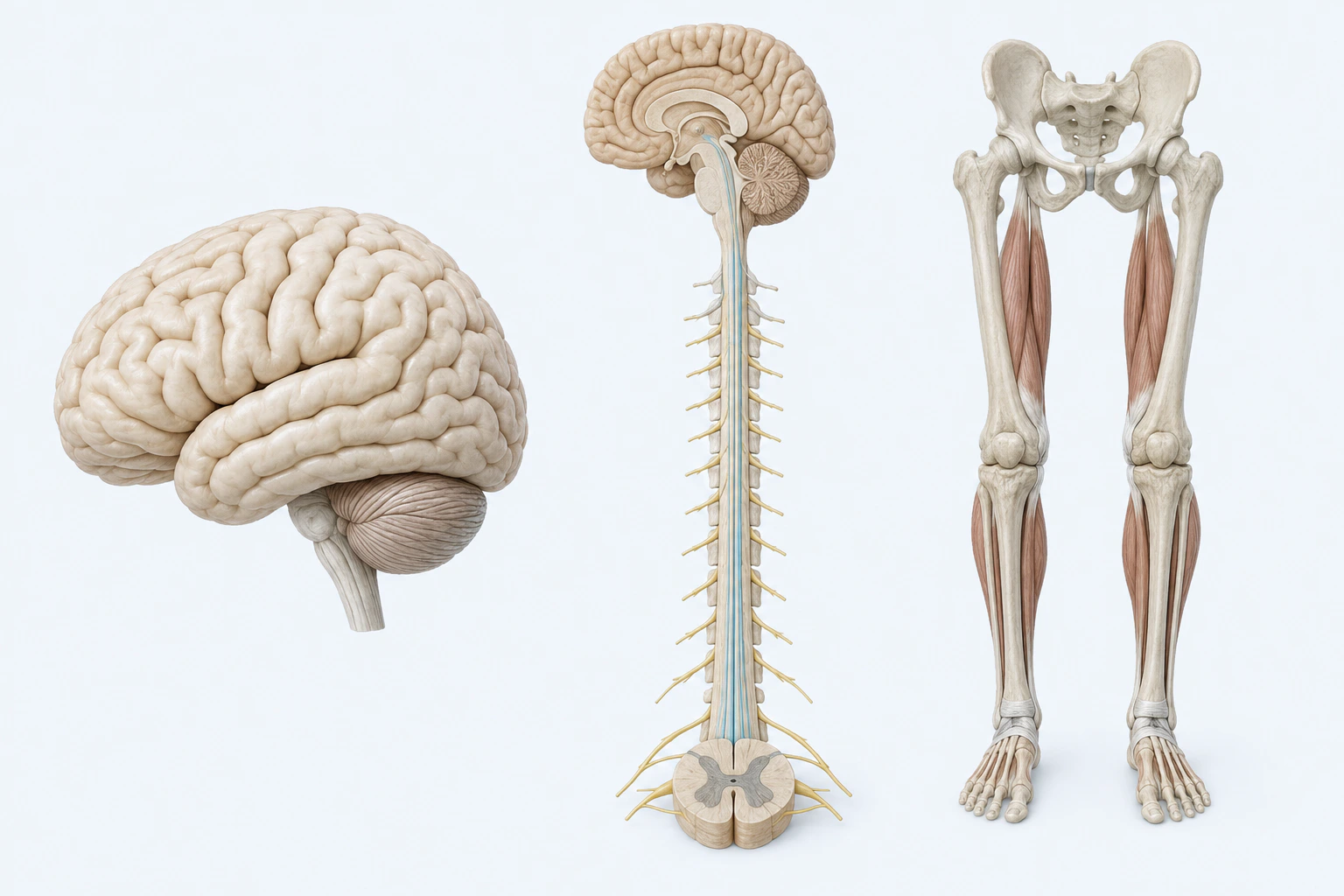
Cerebral palsy (CP) is the most common motor disability in childhood, affecting 2-3 per 1,000 live births allen 2021 multi organ dysfunction cerebral palsy. Characterized by non-progressive disturbances in movement and posture arising from injury to the developing brain…
See also the genus page: gardnerella Gardnerella vaginalis is the primary causative agent of bacterial vaginosis (BV), the most common vaginal infection worldwide. This species page focuses on the species-level biology — particularly the vaginolysin cytotoxin and biofil…
The developing infant represents a uniquely vulnerable window for heavy metal toxicity. Three factors converge to make the first years of life a critical period: an immature and rapidly assembling gut microbiome, a developing blood-brain barrier, and proportionally high…
Lactobacillus gasseri is a vaginal and gut commensal that defines Community State Type II (CST-II) in the vaginal microbiome. It is a common probiotic species with anti-obesity properties in clinical trials.
Lactobacillus jensenii defines Community State Type V (CST-V) in the vaginal microbiome. It produces hydrogen peroxide and lactic acid, contributing to vaginal defense against pathogens, though less dominant than lactobacillus crispatus (CST-I).
This knowledge-base record is being expanded from WikiBiome’s evidence graph.
An essential trace element that serves as a cofactor for a small but critical family of enzymes -- the molybdoenzymes -- involved in purine catabolism, sulfite detoxification, and aldehyde metabolism smovrsnik 2025 trace elements pcos. Molybdenum appears in this wiki pr…
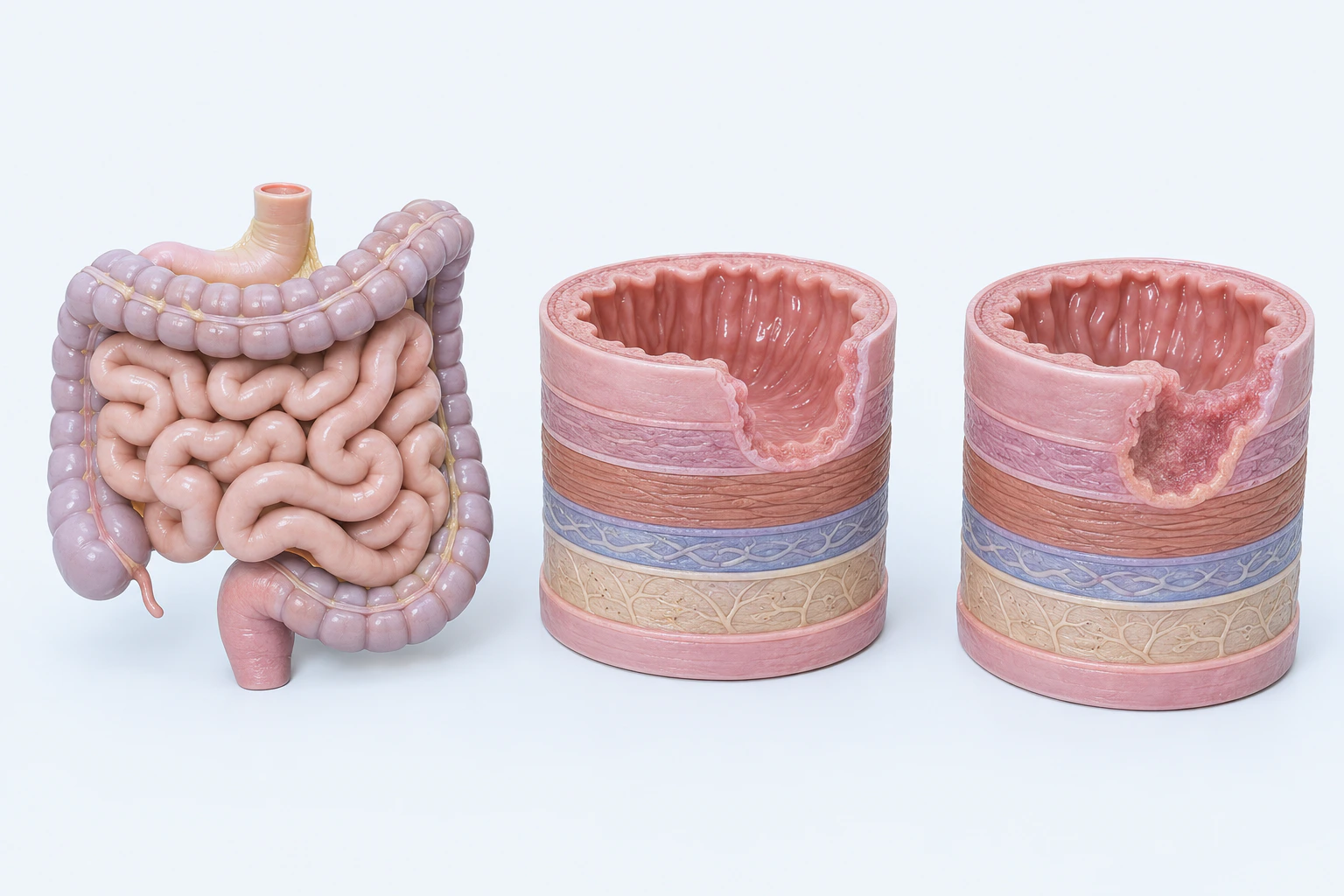
Necrotizing enterocolitis (NEC) is the most common and lethal gastrointestinal emergency in premature infants, affecting 5-12% of very low birth weight neonates (<1500 g) with mortality rates of 20-30%. Characterized by intestinal inflammation, necrosis, and perforation…
A transition metal occupying a central position in this wiki's evidence base. Nickel is toxic and carcinogenic to humans, yet an essential cofactor for pathogen virulence enzymes. It is the most frequent contact allergen worldwide and drives a wide spectrum of systemic …
Parenteral nutrition (PN) -- the delivery of nutrients directly into the bloodstream via intravenous infusion -- is a life-saving intervention for patients who cannot absorb nutrition enterally. However, PN presents unique challenges for the metal-microbiome axis: it in…
Sneathia is a genus of obligate anaerobic, Gram-negative bacteria in the phylum Fusobacteriota (formerly Fusobacteria). The primary species is S. sanguinegens (formerly Leptotrichia sanguinegens), with S. amnii also clinically significant. Sneathia is a member of the BV…
Sphingomonas is a genus of Gram-negative, aerobic, rod-shaped bacteria in the class Alphaproteobacteria, distinguished by the presence of sphingolipids in their outer membrane rather than the lipopolysaccharide (LPS) typical of most Gram-negative bacteria. Originally is…
Ureaplasma is a genus of wall-less bacteria in the class Mollicutes, comprising two species pathogenic to humans: U. urealyticum and U. parvum. The genus is named for its defining characteristic — obligate urease activity — which hydrolyzes urea to ammonia and CO2, prov…