Breast Milk and Human Milk Oligosaccharides (HMOs) for NEC Prevention
This knowledge-base record is being expanded from WikiBiome’s evidence graph.
WikiBiomeThe human microbiome encyclopediaRanked matches across titles, topics, categories, and article introductions.
This knowledge-base record is being expanded from WikiBiome’s evidence graph.
Human milk oligosaccharides are a diverse family of over 200 structurally distinct complex sugars found in breast milk. They are the third most abundant solid component of human milk (after lactose and lipids), yet they are not digestible by the infant. Their sole purpo…
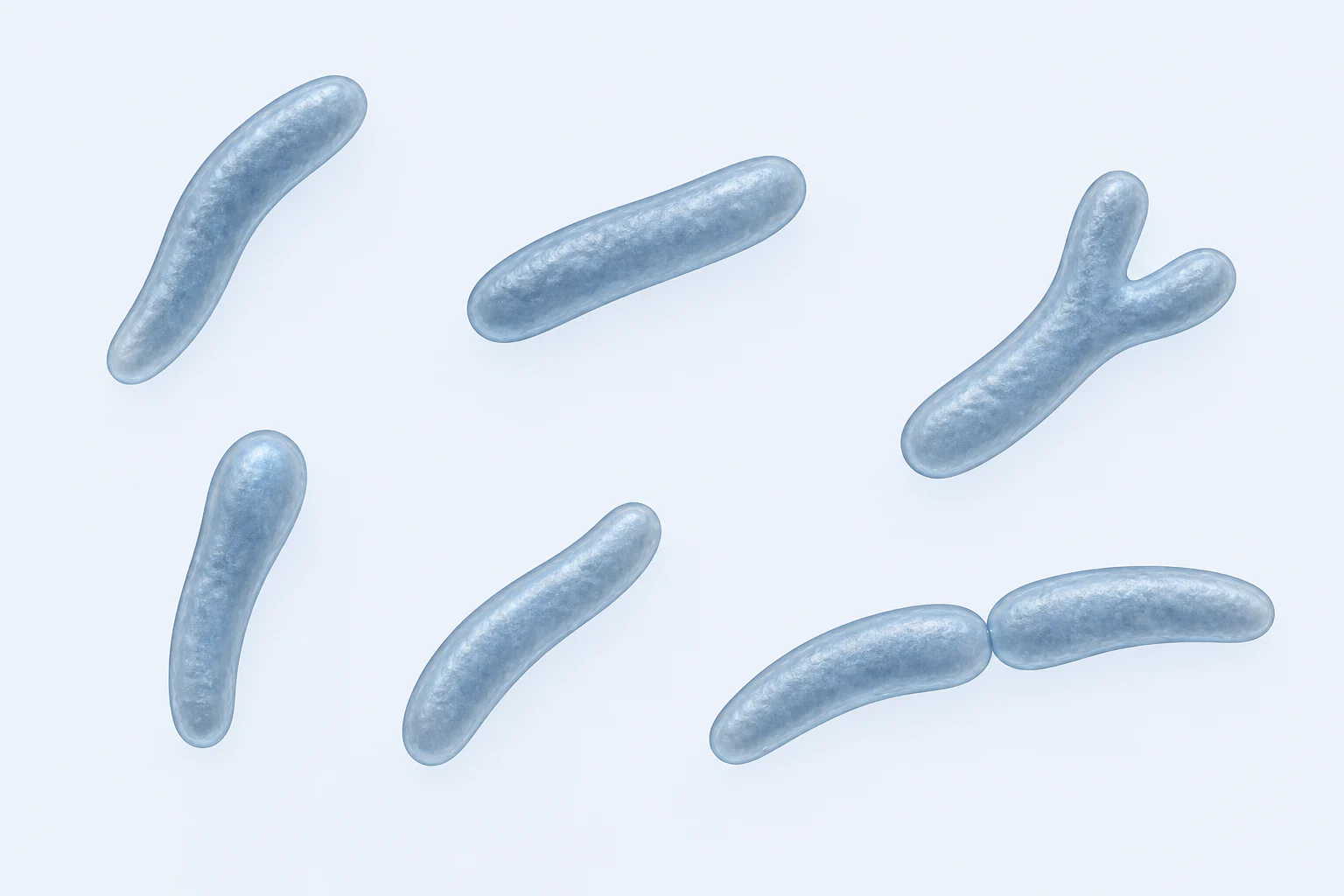
Bifidobacterium bifidum is an obligate anaerobic, Gram-positive species that specializes in human milk oligosaccharide (HMO) and mucin glycan degradation. It is one of the earliest colonizers of the infant gut and a widely used probiotic species.
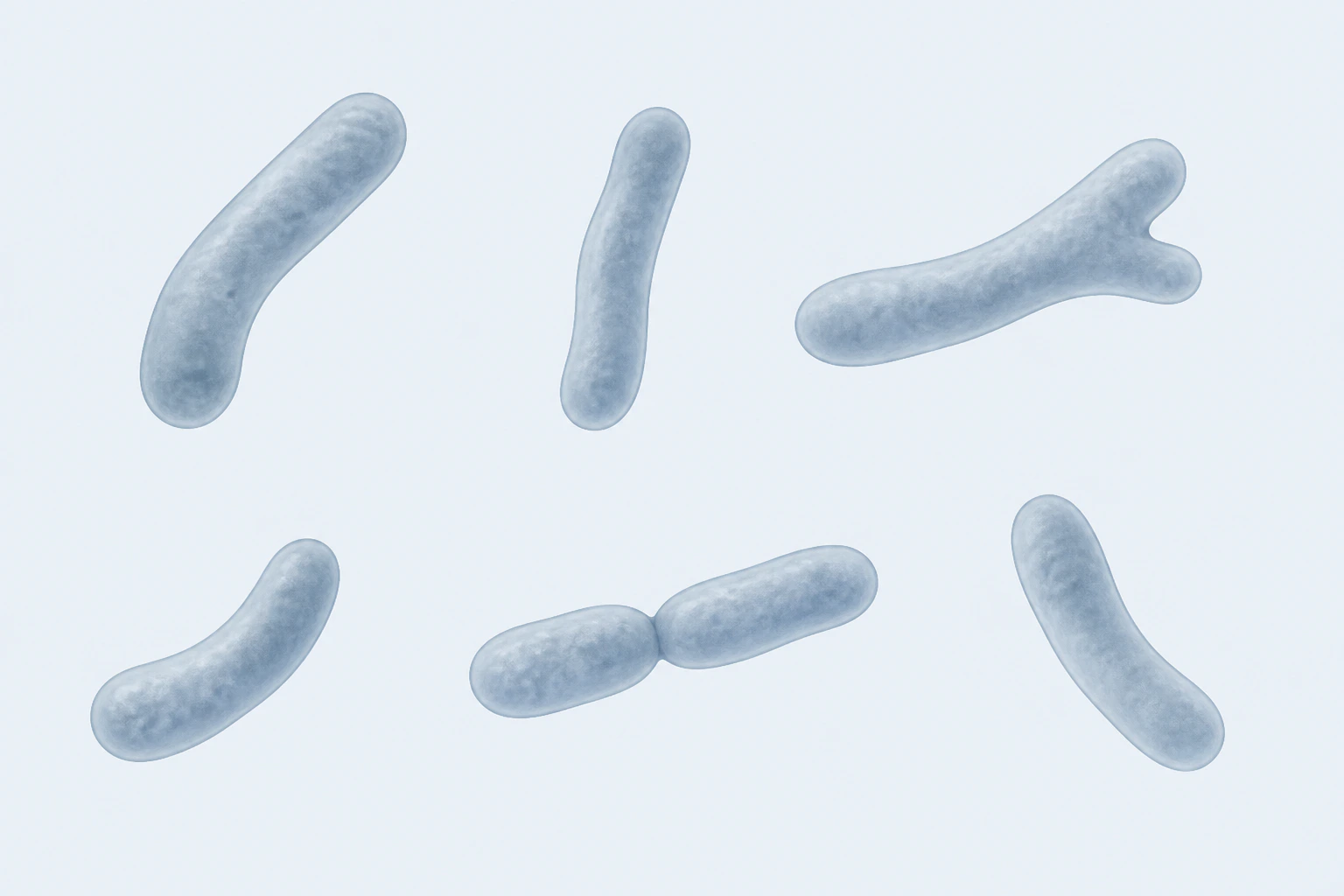
Bifidobacterium longum subsp. infantis (commonly called B. infantis) is the premier human milk oligosaccharide (HMO)-utilizing bacterium and the dominant species in the breastfed infant gut. It drives immune maturation, Treg induction, and pathogen exclusion in early li…
This knowledge-base record is being expanded from WikiBiome’s evidence graph.
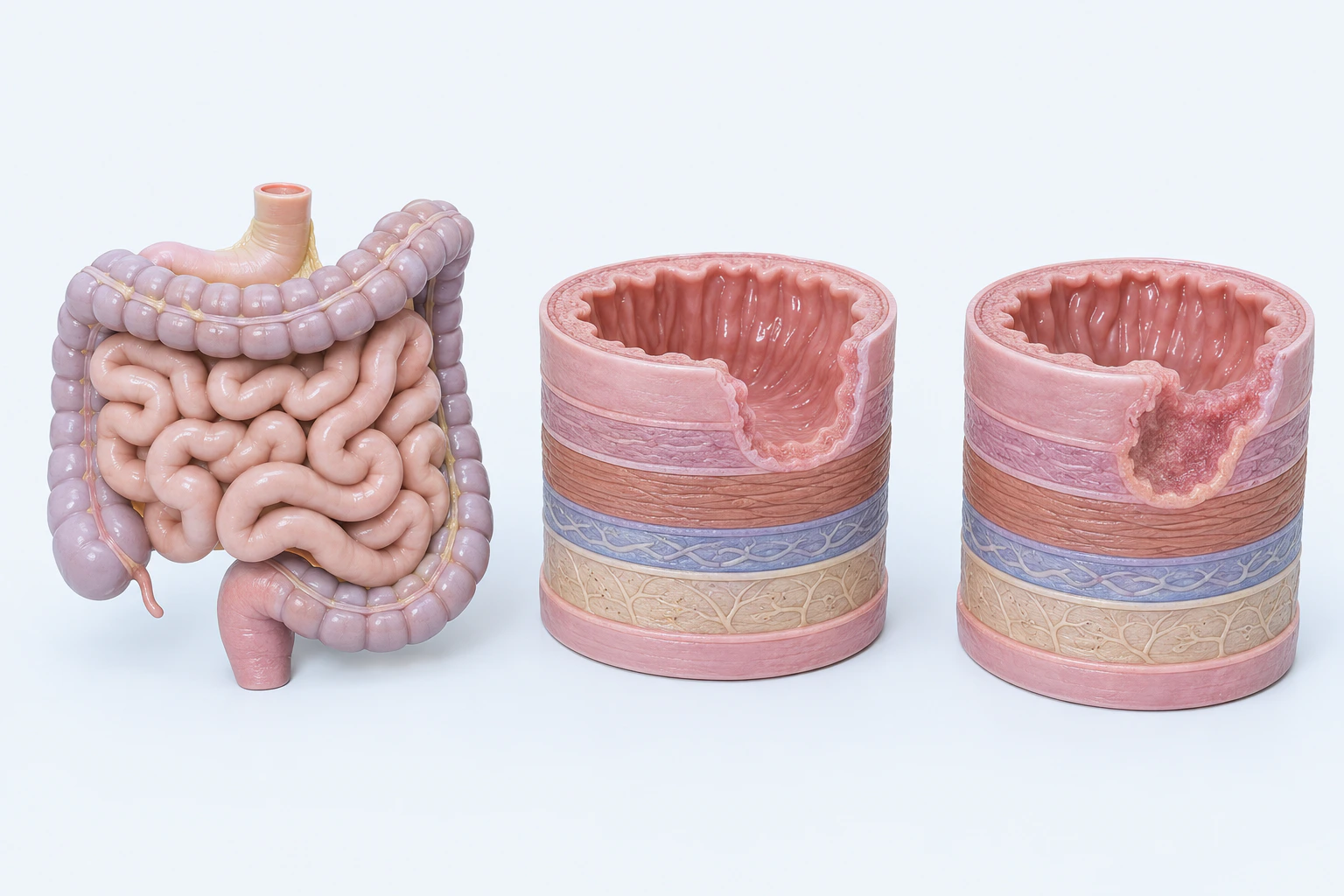
Necrotizing enterocolitis (NEC) is the most common and lethal gastrointestinal emergency in premature infants, affecting 5-12% of very low birth weight neonates (<1500 g) with mortality rates of 20-30%. Characterized by intestinal inflammation, necrosis, and perforation…