Mechanism
61 articles in this category.
- Acidic Microenvironment — Acidic microenvironment is the local reduction of pH in tissues, organs, or ecological niches, ty...
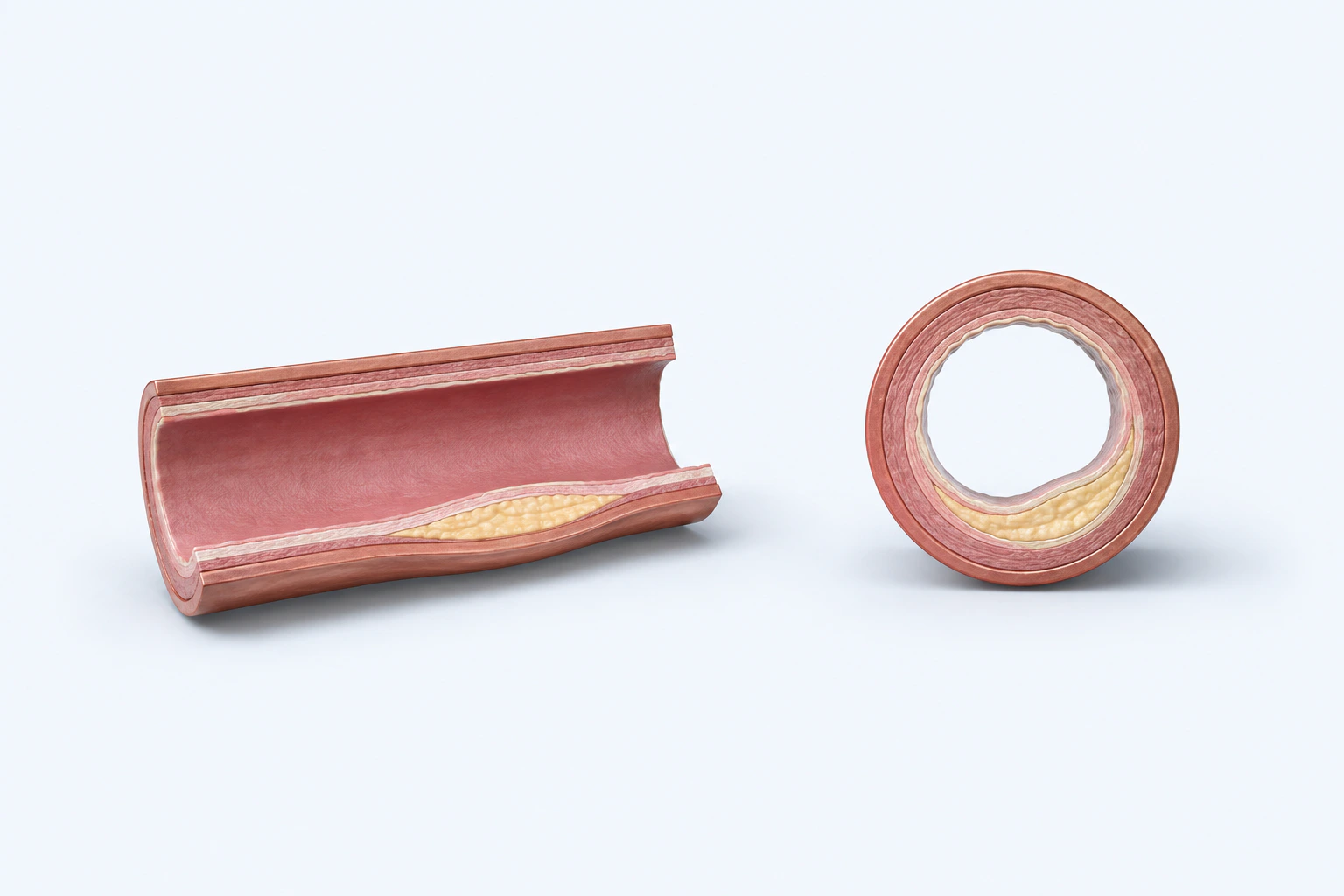
- Atherosclerosis — Progressive inflammatory disease of the arterial wall characterized by lipid accumulation, immune...
- Beta Glucuronidase — Beta glucuronidase (β glucuronidase, EC 3.2.1.31) is an enzyme that catalyzes the hydrolysis of g...
- Bile Acid Metabolism — Bile acids are cholesterol derived amphipathic molecules synthesized in the liver, secreted into ...
- Bile Acids — See bile acid metabolism for the full page on primary and secondary bile acids, microbial biotran...
- Biomarkers — Measurable indicators of biological state, exposure, or disease. In the metallomics context, biom...
- Blood Brain Barrier — A selective semipermeable border formed by brain endothelial cells connected by tight junctions, ...
- Butyrate — The most biologically potent short chain fatty acid (C4). Butyrate is the primary energy source f...
- Comorbidities — The co occurrence of multiple diseases in the same individual at rates exceeding chance. Comorbid...
- Developmental Metal Vulnerability: Critical Windows Of Susceptibility — This page unifies the infant formula contamination, pregnancy complications, autism spectrum diso...
- Dietary Nickel Exposure — Food is the primary source of nickel exposure for the general (non occupational) population. Whil...
- DNA Damage In Metal Carcinogenesis — Direct DNA damage is the primary carcinogenic mechanism for chromium but is notably absent or min...
- Dysbiosis — Disruption of the normal composition and metabolic function of microbial communities, particularl...
- Enterohepatic Circulation — Enterohepatic circulation (EHC) is the recycling loop by which compounds—primarily bile acids, co...
- Environmental Metal Exposure — This page addresses the practical question: how do toxic metals get into people? Metal toxicology...
- Epigenetic Modifications In Metal Carcinogenesis — Epigenetic changes — heritable alterations in gene expression without changes to the DNA sequence...
- Estrobolome — The estrobolome is the aggregate of enteric bacterial genes whose products are capable of metabol...
- Estrogen Recirculation — Estrogen recirculation is the recycling loop by which conjugated estrogens excreted in bile are d...
- Fecal Microbiota Transplant (FMT) — The transfer of processed stool from a healthy donor into a recipient's gastrointestinal tract to...
- Fermentative Metabolism — Fermentative metabolism is the set of anaerobic metabolic pathways by which bacteria break down c...
- Ferroptosis — Ferroptosis is a form of iron dependent regulated cell death driven by the accumulation of lipid ...
- Functional Shielding — Functional shielding is the phenomenon in which fungal biofilms—particularly candida albicans hyp...
- Glyoxalase I — The third nickel dependent enzyme class in human pathogens, after urease and hydrogenase. Glyoxal...
- Gut Microbiome — The community of trillions of microorganisms bacteria, archaea, fungi (mycobiome), viruses, and b...
- Gut Brain Axis — Bidirectional communication between the gut microbiota and the central nervous system, mediated b...
- Gut Metal Microbiome Interactions — The relationship between heavy metals and the gut microbiota is bidirectional: metals reshape mic...
- Heavy Metals — An umbrella term for metallic elements with relatively high density (conventionally >5 g/cm3), ma...
- Hydrogenase — [NiFe] hydrogenases are the second major nickel dependent virulence factor class in human pathoge...
- Hypoxia — Hypoxia refers to a state of low oxygen tension (partial pressure of O₂ < 5% in tissue, vs. ~21% ...
- Hypoxic Signaling (HIF 1α Pathway) — Activation of the hypoxia inducible factor pathway under normoxic conditions is a hallmark mechan...
- Indoles — Microbial tryptophan metabolites produced by gut bacteria through the third branch of tryptophan ...
- Insulin Resistance — A condition in which cells fail to respond normally to insulin, requiring progressively higher in...
- Matrix Metalloproteases (MMPs) — Matrix metalloproteases are a family of zinc dependent endopeptidases that degrade components of ...
- Mediterranean Diet — An anti inflammatory dietary pattern characterized by high consumption of extra virgin olive oil,...
- Metabolic Syndrome And Metal Exposure — A cluster of conditions — high blood pressure, impaired fasting glucose, insulin resistance, abdo...
- Metal Carcinogenesis — The ability of certain metals to cause cancer has been known since the 19th century. The three me...
- Metal Driven Inflammation — Inflammation is a broad concept, but in the metallomics context it has a specific character: heav...
- Metalloestrogens — Metalloestrogens are metal ions that activate estrogen receptors and mimic the biological effects...
- Metallomics — Metallomics is the systematic study of the entirety of metal and metalloid species within a biolo...
- Microbial Biomarkers — The use of gut microbiome composition, microbial metabolites, or microbial products as diagnostic...
- Mis Metallation — Mis metallation is the displacement of the correct metal cofactor from an enzyme or protein by a ...
- Mycobiome — The fungal component of the human microbiome, comprising ~0.1 1% of the total gut microbial commu...
- Neurodegeneration And Metals — An umbrella concept encompassing the metallomic dimensions of Alzheimer's disease, Parkinson's di...
- Neuroinflammation — Chronic inflammatory activation within the central nervous system, driven by microglia, astrocyte...
- NF KB Signaling Pathway — Nuclear factor kappa light chain enhancer of activated B cells (NF kB) is a family of transcripti...
- Nickel Allergy And Allergic Contact Dermatitis — nickel is the most frequent cause of contact allergy worldwide. Once sensitized, the allergic rea...
- Nickel And Reproductive/Developmental Toxicity — Emerging evidence links maternal nickel exposure to adverse pregnancy outcomes and congenital def...
- Nickel Neurotoxicity — Chronic nickel exposure can damage the central nervous system, causing behavioral and cognitive d...
- Nickel Glyoxalase — Nickel glyoxalase (Ni GlxI) is a bacterial variant of the glyoxalase I enzyme system that depends...
- Nickel Urease — Nickel urease (urease, EC 3.5.1.5) is a metalloenzyme that catalyzes the hydrolysis of urea (NH₂ ...
- NiFe Hydrogenase — NiFe hydrogenase (also called [Ni Fe] hydrogenase or nickel iron hydrogenase) is a class of enzym...
- Nutritional Immunity (Metal Sequestration) — The strategy by which mammalian hosts withhold essential metals from invading pathogens to limit ...
- Oxidative Stress — Oxidative stress is the imbalance between the production of reactive oxygen and nitrogen species ...
- Prebiotics — Non digestible food substrates that selectively stimulate the growth and/or activity of beneficia...
- Probiotics — Live microorganisms that, when administered in adequate amounts, confer a health benefit on the h...
- Short Chain Fatty Acids (SCFAs) — The most extensively referenced missing concept in this wiki. SCFAs acetate (C2), propionate (C3)...
- Trimethylamine N Oxide (TMAO) — A gut microbiome derived metabolite that has emerged as one of the strongest microbial biomarkers...
- Tryptophan — See tryptophan metabolism for the full page on tryptophan and its microbial/host metabolic pathwa...
- Tryptophan Metabolism — Tryptophan (Trp) is an essential amino acid metabolized via three competing pathways: the kynuren...
- Urease — The most widespread nickel dependent virulence factor across human pathogens. Urease is found in ...
- Zinc Metalloprotease — Zinc metalloproteases are a large and functionally diverse family of proteolytic enzymes requirin...