
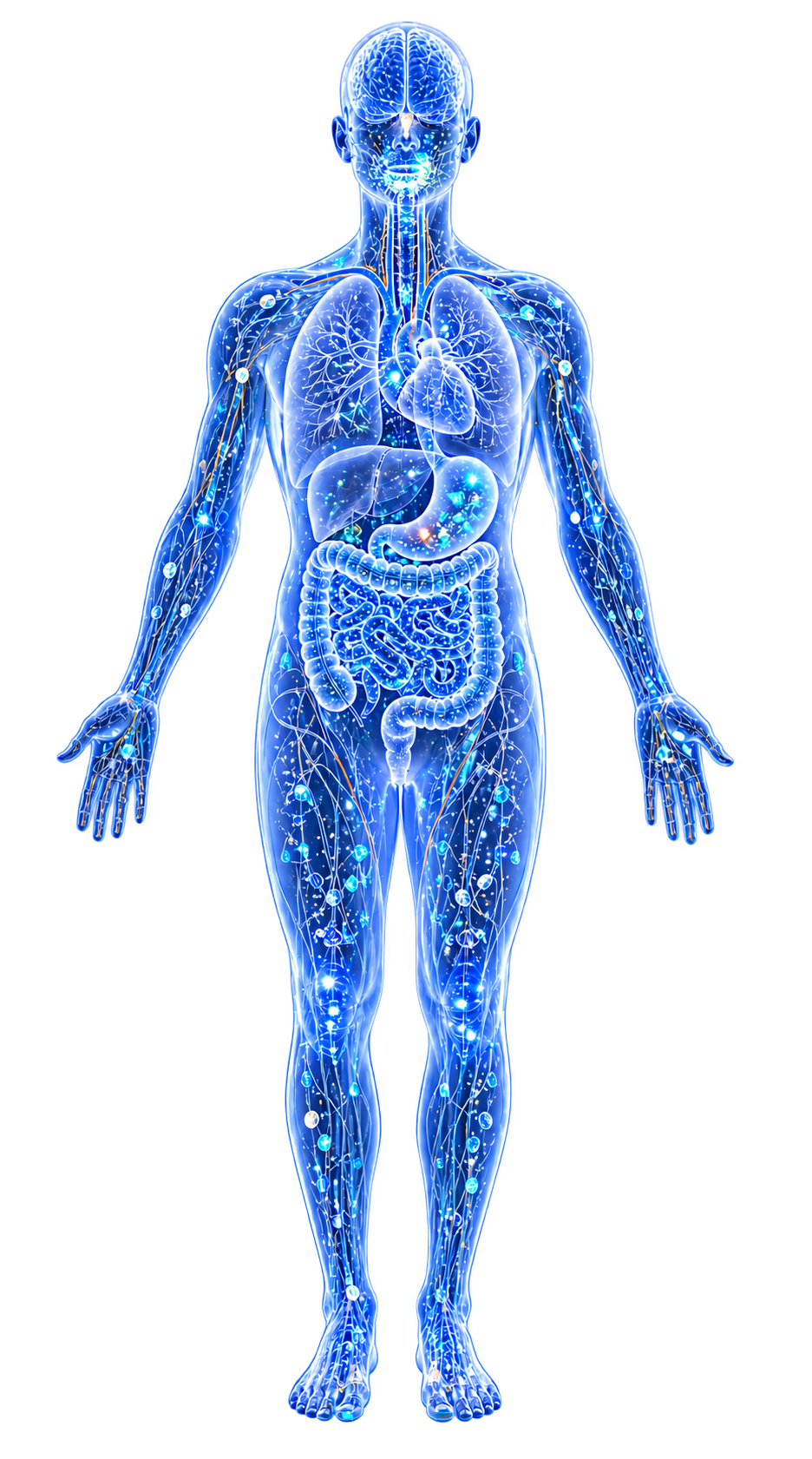
Pharmacomicrobiomics is the study of bidirectional interactions between drugs and the microbiome. The Gut Microbiome is not a passive bystander in pharmacology—it actively metabolizes drugs, alters their bioavailability, and modulates therapeutic efficacy. Conversely, many common drugs reshape the microbiome in ways that influence disease trajectory.
In the metallomics context, this field intersects with metals at every level: metal-containing drugs, metal-dependent microbial enzymes that metabolize drugs, and drug-induced Dysbiosis that alters metal handling.
Contents
1. Microbiome Metabolizes Drugs2. Drugs Alter the Microbiome3. Implications for Drug Dosing4. The Metals Connection5. Future Directions6. See AlsoMicrobiome Metabolizes Drugs#
The L-DOPA Paradigm#
The most striking example relevant to this wiki: gut bacteria (Enterococcus faecalis, via tyrosine decarboxylase) convert L-DOPA to dopamine in the gut lumen before it reaches the brain. This directly reduces the efficacy of the primary Parkinson's Disease treatment.
The bacterial enzyme is metal-dependent (pyridoxal phosphate cofactor), linking drug metabolism to microbial metallomics. Patients with higher Enterococcus abundance require higher L-DOPA doses—a direct pharmacomicrobiomic effect.
Other Drug-Metabolizing Reactions#
Digoxin—Eggerthella lenta reduces the lactone ring, inactivating digoxin. A single bacterial species determines whether a cardiac glycoside works. Sulfasalazine—Bacterial azoreductases cleave the azo bond to release 5-ASA, the active anti-inflammatory component used in Inflammatory Bowel Disease (IBD).
Irinotecan—Bacterial Beta-Glucuronidase reactivates the glucuronidated metabolite SN-38G to toxic SN-38 in the colon, causing severe diarrhea. The same enzyme central to the Estrobolome.
Nitrazepam, clonazepam—Bacterial nitroreductases activate/inactivate benzodiazepines. Methotrexate—Gut bacteria influence folate metabolism and methotrexate polyglutamation, affecting efficacy in Rheumatoid Arthritis.
Drugs Alter the Microbiome#
Proton Pump Inhibitors (PPIs)#
Among the most disruptive non-antibiotic drugs for the microbiome. PPIs raise gastric pH, permitting oral bacteria to colonize the gut, increasing Streptococcus and Enterococcus while depleting Clostridiales. PPI use associates with increased Clostridioides difficile infection, reduced Short-Chain Fatty Acids (SCFAs) production, and altered metal absorption (especially iron, calcium, magnesium).
Metformin#
The first-line Type 2 Diabetes drug has profound microbiome effects that may partly explain its therapeutic action. Metformin increases Akkermansia muciniphila, enhances Short-Chain Fatty Acids (SCFAs) production, and improves gut barrier function. Some of metformin's "side effects" (GI distress) are microbiome-mediated.
The drug also affects metal handling—metformin lowers vitamin B12 absorption (cobalt-containing vitamin), linking pharmacomicrobiomics to metallomics.
Antibiotics#
The most obvious microbiome disruptors. Even a single course of broad-spectrum antibiotics can shift the microbiome for months to years, depleting Lactobacillus, Bifidobacterium, and Butyrate producers while selecting for resistant pathobionts. Antibiotic-induced dysbiosis alters metal absorption and increases Intestinal Permeability.
Statins#
Emerging evidence that statins (atorvastatin, rosuvastatin) influence bile acid metabolism via the microbiome, with microbiome composition predicting statin response. Bile acids in turn affect metal solubility and absorption in the gut.
NSAIDs#
Increase Intestinal Permeability directly and shift microbiome composition. The combination of NSAID-induced barrier damage and metal exposure represents a compounding risk.
Implications for Drug Dosing#
The microbiome introduces a layer of pharmacokinetic variability invisible to standard pharmacogenomics. Inter-individual variation—microbial enzyme activity varies 100-fold between individuals. Diet effects—dietary metal intake alters the microbiome, which alters drug metabolism.
Antibiotic co-administration—can ablate the microbial enzymes needed to activate or inactivate co-prescribed drugs.
Probiotic interactions—Probiotics may restore or introduce drug-metabolizing capacity.
The Metals Connection#
Pharmacomicrobiomics intersects with metallomics in underappreciated ways:
- Metal-dependent microbial enzymes metabolize drugs (L-DOPA example)
- Drugs that alter metal absorption (PPIs → iron (Fe), calcium (Ca), magnesium (Mg)) change the metal landscape of the gut
- Metal chelators Metal Chelation Therapy alter luminal metal availability, reshaping the microbiome
- Metal-induced dysbiosis changes the drug-metabolizing capacity of the gut
- Metal supplements (iron, zinc (Zn)) directly alter microbiome composition and drug metabolism
Future Directions#
Pharmacomicrobiomics points toward precision medicine that accounts for the patient's microbial "organ." Pre-treatment microbiome profiling could predict drug response, guide dosing, and identify patients who need Probiotics co-administration to optimize drug efficacy. In the metallomics context, understanding how metal status shapes the drug-metabolizing microbiome adds another dimension to personalized therapy.
See Also#
- dysbiosis—the microbiome disruption drugs can cause
- Probiotics—potential co-therapeutics to optimize drug metabolism
- Parkinson's Disease—the L-DOPA paradigm case
- Beta-Glucuronidase—key enzyme in both drug metabolism and Estrobolome
- Gut-Metal-Microbiome Interactions—the framework connecting metals, microbes, and now drugs
References 5
Numbered by first appearance in the article, then reconciled with its declared source list.
- 1
★Hui Duan, Leilei Yu, Fengwei Tian et al. (2020). Gut Microbiota: A Target for Heavy Metal Toxicity and a Probiotic Protective Strategy. Science of the Total Environment.
- 2
★Liliana Anchidin-Norocel, Oana C. Iatcu, Andrei Lobiuc et al. (2025). Heavy Metal-Gut Microbiota Interactions: Probiotics Modulation and Biosensors Detection. Biosensors.
- 3
★Karen Pendergrass (2025). Microbial Metallomics and Parkinson's Disease: A Unified Metal-Driven Framework Linking Ferroptosis, Dysbiosis, and alpha-Synuclein Pathology. Conference Presentation.
- 4
Gentile F, Doneddu PE, Riva N et al. (2020). Diet, Microbiota and Brain Health: Unraveling the Network Intersecting Metabolism and Neurodegeneration. International Journal of Molecular Sciences.
- 5
Khatoon S, Kalam N, Rashid S et al. (2023). Effects of gut microbiota on neurodegenerative diseases. Frontiers in Aging Neuroscience.
Article network
Mentioned here 17
Pages linking here 13
Connect the evidence
Publicly readable discussion by ORCID-authenticated researchers. Questions, interpretation, methods, corrections, and new evidence stay attached to this record.
No discussion yet. Start with a precise question or a source-backed observation.
Activity and accepted changes
Accepted researcher context, editorial status, public discussion, and upstream Git revisions are shown together. Pending, declined, and withdrawn proposals remain private.
- published revision
Backfill gut microbiome concept links
Karen Pendergrass · +1 −1
Inspect exact Git diff ↗ - published revision
Complete corpus-wide Dysbiosis linking
Karen Pendergrass · +3 −3
Inspect exact Git diff ↗ - published revision
massive wiki expansion: 149 stubs fixed, 100+ new pages, Rule 15 scan, keystone papers
WikiBiome Deploy Bot · +9 −9
Inspect exact Git diff ↗ - published revision
nightly maintenance: 94 stub demotions, 181 source_count fixes, 22 auto-discovered stubs, 5 adversarial audits, 3 boundary fixes, 3 evidence-level corrections
WikiBiome Deploy Bot · +1 −0
Inspect exact Git diff ↗ - published revision
pre-overnight checkpoint 2026-04-18
WikiBiome Deploy Bot · +4 −2
Inspect exact Git diff ↗ - published revision
Deep content + citation pass: 10 entities enriched, 7 new sources, DOI integrity
WikiBiome Deploy Bot · +1 −1
Inspect exact Git diff ↗ - published revision
WikiBiome update — 2026-04-11 22:49
WikiBiome Deploy Bot · +74 −0
Inspect exact Git diff ↗