
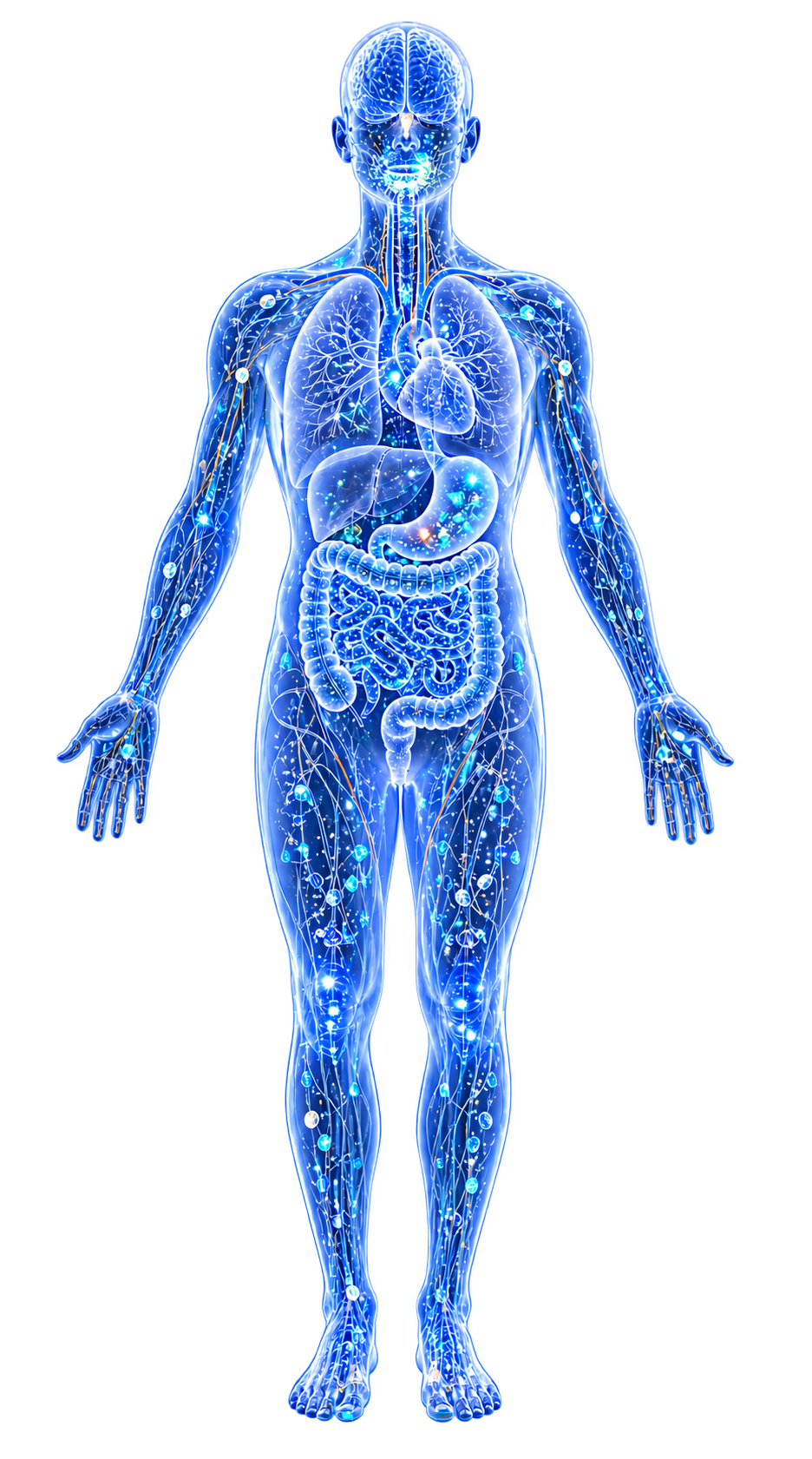
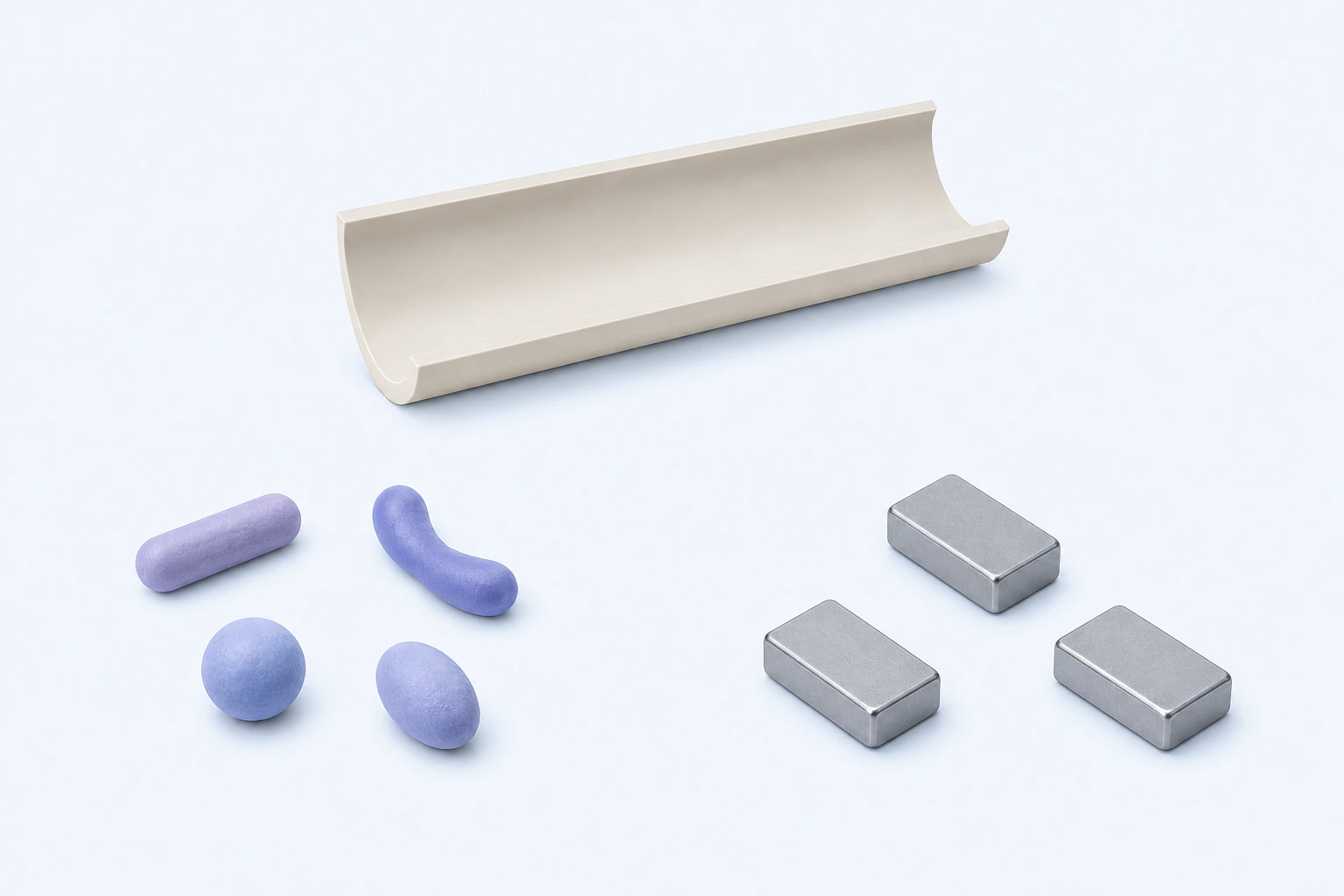
Separated gastrointestinal, non-taxonomic microbial, and generic material contexts for the heterogeneous gut-metal-microbiome research domain. The coupons are non-element-specific proxies, not atoms, doses, specimens, or evidence of an interaction or health effect.
Scientific media record5 verified identifiers
- Subject
- Gut-Metal-Microbiome Interactionsbiological-process
- Identifiers
- WikiBiome:gut-metal-microbiomerelated-MeSH:D000069196related-MeSH:D008670related-MeSH:D019216related-MeSH:D000076662
- Review
- Editorial review completeIdentifiers authority-verified · Accessibility validated · · gut-metal-microbiome|gut-metal-microbiome-mechanism-v1.webp
- Digital source
- Trained-algorithmic mediaCreated with a trained generative algorithm and reviewed by WikiBiome for subject identity, scientific framing, identifiers, provenance, and accessibility.
- Scientific basis
- Gut-Metal-Microbiome InteractionsGastrointestinal Microbiome — Medical Subject HeadingsMetals — Medical Subject HeadingsMetals, Heavy — Medical Subject HeadingsHost Microbial Interactions — Medical Subject HeadingsGut microbiota limits heavy metals burden caused by chronic oral exposureThe gut microbiome is required for full protection against acute arsenic toxicity in mouse modelsMicrobiota-dependent in vivo biotransformation, accumulation, and excretion of arsenic from arsenobetaine-rich diet
- License
- CC BY-SA 4.0Created
The relationship between Heavy Metals and the gut microbiota is bidirectional: metals reshape microbial community composition and metabolic output, while the microbiota modulates metal absorption, speciation, and toxicity.
The gut microbiota serves as the first line of defense against ingested heavy metals, and its disruption by metal exposure creates a vicious cycle of Dysbiosis, barrier breakdown, increased absorption, and systemic toxicity.
This is one of the most densely supported topics in the metal toxicology literature, with evidence spanning animal models, human cohorts, and in vitro systems.
Evidence map1 cited passagesInspect provenance +
For chromium, this barrier injury is reported alongside NLRP3 inflammasome activation. More generally, barrier disruption permits bacterial translocation and LPS leakage into systemic circulation, driving chronic low-grade inflammation.
Contents
1. Direction 1: Metals Alter the Microbiome2. Direction 2: Microbiota Modulate Metal Toxicity3. Gut Barrier Disruption by Metals4. The Gut-Brain Axis Connection5. Probiotic Protective Strategies6. Monitoring and Detection7. Key Unresolved Questions8. Connections to Other ConceptsDirection 1: Metals Alter the Microbiome#
General Patterns#
Across toxic metals (arsenic (As), cadmium (Cd), lead (Pb), mercury (Hg), nickel (Ni)), exposure consistently produces several common microbiome changes. Decreased microbial diversity (statistically significant for cadmium in particular). Loss of SCFA-producing commensals: Faecalibacterium, Lachnospiraceae, Blautia, Ruminococcus, and Lactobacillus are frequently reduced.
Enrichment of metal-tolerant pathobionts: Enterobacteriaceae, Escherichia-Shigella, and potentially pathogenic taxa increase.
Firmicutes/Bacteroidetes ratio shifts: direction varies by metal and model but the ratio is consistently disrupted. Disrupted metabolite profiles: SCFAs decrease; bile acid, amino acid, and purine metabolism are perturbed.
Metal-Specific Effects#
Arsenic: Increases Bacteroidetes and Bilophila; perturbs bile acid homeostasis and amino acid metabolism. Faecalibacterium is essential for arsenic biotransformation. The gut microbiota can methylate arsenic into less toxic forms via arsM methyltransferase, and transport it via arsB, arsP, and acr3 transporters.
Cadmium: Multiple mouse studies show decreased SCFAs, increased LPS, disrupted gut barrier. cadmium (Cd) exposure causes dose-dependent and sex-dependent effects. Akkermansia muciniphila is particularly sensitive to low-dose cadmium.
cadmium enhances mammary tumorigenesis through microbiome-mediated pathways, disrupting the gut-liver axis. Exposure alters 42 genera at the genus level, with Bacteroidetes significantly decreased and Proteobacteria increased.
Lead: Time-dependent changes in community structure. Reduces Ruminococcus, Coprococcus, Oscillospira, and Blautia. Decreases vitamin E, bile acids, and nitrogen/energy metabolism pathways.
lead (Pb)-intolerant gut microbes (A. muciniphila, F. prausnitzii, O. ruminantium) can reduce lead burden when supplemented. Prenatal lead exposure alters childhood Gut Microbiome composition.
Mercury/Methylmercury: Increases Bacteroidetes at phylum level. Alters gut-brain metabolites including neurotransmitter precursors. Pathogenic bacteria are enriched.
methylmercury (MeHg) metabolism involves methylation/demethylation cycles mediated by gut microbiota. Dental fillings increase mercury-resistant and antibiotic-resistant bacteria in the oral-gut continuum.
Nickel: Occupational nickel (Ni) exposure increased Parabacteroides, Escherichia-Shigella and decreased Lactobacillus, Lachnospiraceae, and Blautia. Impaired purine degradation and upregulated primary bile acid biosynthesis. Combined chromium (Cr)-nickel exposure showed antagonistic effects between the two metals.
Nickel-dependent bacterial virulence enzymes (Urease, [NiFe] Hydrogenase) in gut pathogens contribute to dysbiosis and Ammonia-mediated epithelial damage.
Iron: Both deficiency and excess disrupt the microbiome. Iron deficiency reduces Lactobacillus and Bacillota; iron supplementation increases Enterobacteriaceae and decreases Lactobacillus in infants. Siderophore-producing Enterobacteriaceae outcompete commensals under high-iron conditions.
Gender as a Modifying Factor#
Sex-dependent effects have been documented for multiple metals. The gut microbiome's response to metal exposure differs between males and females, likely reflecting hormonal influences on both metal metabolism and microbial ecology.
Direction 2: Microbiota Modulate Metal Toxicity#
Physical Barrier Function#
The gut microbiota constitutes a physical barrier against metal absorption. Germ-free mice accumulate significantly more heavy metals in organs compared to conventional mice, demonstrating the microbiota's role in metal clearance. The barrier operates through three components:
- Mucus layer (goblet cells producing MUC2 and other mucins)
- Epithelial cell layer (enterocytes, Paneth cells, M cells, enteroendocrine cells)
- Immunological barrier (IgA, antimicrobial peptides, immune cell surveillance)
Metal Binding and Detoxification#
Microbes employ eight key mechanisms for metal detoxification. Biosorption: Cell surface binding of metal ions. Bioprecipitation: Conversion to insoluble forms (e.g., sulfide production by SRB).
Bioassimilation: Metabolic incorporation.
Bioaccumulation: Intracellular sequestration. Metal solubilization: Increasing metal mobility for excretion. Biotransformation: Enzymatic conversion to less toxic forms (e.g., As methylation).
Bioleaching: Extraction from bound forms. Organic acid secretion: pH modification affecting metal speciation.
Specific examples include siderophore production by Pseudomonas, sulfide production by sulfate-reducing bacteria, and oxalate production by Oxalobacter formigenes.
Metabolite-Mediated Protection#
Microbial metabolites regulate host responses to metal stress. SCFAs (Butyrate, propionate, acetate): Enhance epithelial barrier integrity, reduce Metal-Driven Inflammation via GPR41/43/109A receptors. Indole derivatives: Anti-inflammatory via aryl hydrocarbon receptor (AhR) activation.
Bile acids: Immunomodulation via FXR and TGR5 receptors.
Urolithin A: A gut microbial metabolite that protects colon epithelial cells against arsenic-induced Oxidative Stress and barrier dysfunction.
Gut Barrier Disruption by Metals#
Heavy metals directly damage the intestinal epithelial barrier through downregulation of critical junction proteins:
| Metal | Tight Junctions targets | Additional Effects |
|---|---|---|
| Arsenic | Colonic epithelial structure disrupted | IL-6, IL-8, TNF-alpha induction |
| Lead | MUC2, ZO-1, claudin-1, occludin reduced | SCFA production impaired |
| Mercury | Claudin-1, occludin, ZO-1, JAM1 downregulated | Increased cell volume and membrane permeability |
| Cadmium | ZO-1, ZO-2, JAM-A, occludin, claudin-1 reduced | Gut-liver axis modification |
| Chromium | ZO-1, occludin, claudin-1, MUC2 downregulated | Inflammasome activation |
For chromium, this barrier injury is reported alongside NLRP3 inflammasome activation.[1]Effects of Heavy Metals on Gut Barrier Integrity and Gut MicrobiotaSweta Ghosh, Syam P. Nukavarpu, Venkatakrishna Rao Jala · 2024Open reference 1 ↓ More generally, barrier disruption permits bacterial translocation and LPS leakage into systemic circulation, driving chronic low-grade inflammation.
The Gut-Brain Axis Connection#
The gut-metal-microbiome interaction extends to the central nervous system through the gut-brain axis.
Neurotransmitter production: Gut microbiota produce serotonin (5-HT), dopamine, GABA, and norepinephrine; metal-induced dysbiosis disrupts this production. SCFA signaling: SCFAs activate free fatty acid receptors (FFARs) and tryptophan hydroxylase (TPH1) for 5-HT production, influencing the neuroendocrine-HPA axis. Neuroinflammation: LPS translocation from a compromised gut activates microglia and drives neuroinflammation.
Alpha-synuclein propagation: In Parkinson's disease, metal-induced gut dysbiosis may promote alpha-synuclein aggregation in the enteric nervous system, with subsequent vagal nerve transmission to the brain (Braak hypothesis).
Autism spectrum disorders: 30-70% of children with ASD have GI disturbances; metal-induced microbiome disruption and zinc displacement may contribute through the gut-brain axis.
Probiotic Protective Strategies#
Probiotics represent a promising intervention for metal-induced gut damage:
Traditional Probiotics#
L. plantarum CCFM8610 and CCFM8661: Demonstrated efficacy for cadmium (Cd) and lead (Pb) detoxification through intestinal sequestration. L. brevis 23017: Protects against mercury (Hg) toxicity via MAPK and NF-kappaB pathway regulation. L. plantarum TW1-1: Reduces chromium (Cr) accumulation and reverses chromium-exposure effects.
Bifidobacterium species: Metal-binding capacity and immune modulation.
Next-Generation Probiotics#
- Faecalibacterium prausnitzii: Butyrate production and arsenic metabolism support
- Akkermansia muciniphila: Mucin layer maintenance (though notably sensitive to cadmium (Cd))
- Pediococcus pentosaceus GS4: Emerging metal detoxification capability
Mechanisms of Probiotic Protection#
Probiotics reduce metal toxicity through: direct metal binding/sequestration, modification of metal transporter expression (reducing absorption), maintenance of tight junction protein expression, SCFA production supporting barrier integrity, competitive exclusion of metal-tolerant pathobionts, and modulation of host inflammatory responses.
Monitoring and Detection#
Advanced biosensor technologies enable monitoring of metal-gut interactions. Electrochemical, optical, and mass-based biosensors can detect metals in urine with LODs ranging from 0.01 nM to micromolar levels. DNA biosensors for mercury (Hg)(II) achieve 0.11 pM detection limits.
Genetically engineered bacteria (CadR/MerR regulators) serve as living biosensors for cadmium (Cd)/mercury.
Open Questions#
Unresolved questions identified by the current evidence record.
01Whether reported microbiome changes are not homogeneous across studies due to differences in metal compound, exposure modality, duration, and baseline microbiome composition+
The current WikiBiome record identifies this as an unresolved evidence gap.
02The relative contribution of direct metal toxicity to microbes versus indirect effects through host immune modulation+
The current WikiBiome record identifies this as an unresolved evidence gap.
03Whether nickel-specific gut microbiome effects parallel those of the better-studied toxic metals (arsenic (As), cadmium (Cd), lead (Pb), mercury (Hg))+
The current WikiBiome record identifies this as an unresolved evidence gap.
04Optimal probiotic strain selection, dosing, and duration for clinical metal detoxification+
The current WikiBiome record identifies this as an unresolved evidence gap.
Connections to Other Concepts#
Ferroptosis—iron-driven ferroptosis in gut epithelial cells links iron dyshomeostasis to barrier damage.
Mis-Metallation—metal competition in the gut lumen determines which microbes thrive and which binding sites on host proteins are occupied by correct vs. wrong metals.
Environmental Metal Exposure—dietary metals are the primary route of gut metal exposure; food contamination directly drives gut-microbiome disruption. Metalloestrogens—gut microbiome composition influences estrogen metabolism (estrobolome), and metal-induced dysbiosis could alter estrogenic signaling. Metallomics—multi-element profiling of fecal and blood samples can track the gut-metal-microbiome axis.
References 22
Numbered by first appearance in the article, then reconciled with its declared source list.
- 1
★Sweta Ghosh, Syam P. Nukavarpu, Venkatakrishna Rao Jala (2024). Effects of Heavy Metals on Gut Barrier Integrity and Gut Microbiota. Microbiota and Host.
- 2
★Hui Duan, Leilei Yu, Fengwei Tian et al. (2020). Gut Microbiota: A Target for Heavy Metal Toxicity and a Probiotic Protective Strategy. Science of the Total Environment.
- 3
★Qinheng Zhu, Boyan Chen, Fu Zhang et al. (2024). Toxic and Essential Metals: Metabolic Interactions with the Gut Microbiota and Health Implications. Frontiers in Nutrition.
- 4
Xuanji Li, Asker Daniel Brejnrod, Madeleine Ernst et al. (2019). Heavy Metal Exposure Causes Changes in the Metabolic Health-Associated Gut Microbiome and Metabolites. Environment International.
- 5
★Federica Giambo, Sebastiano Italia, Michele Teodoro et al. (2021). Influence of Toxic Metal Exposure on the Gut Microbiota (Review). World Academy of Sciences Journal.
- 6
★Honghong Bao, Yi Wang, Hanlin Xiong et al. (2024). Mechanism of Iron Ion Homeostasis in Intestinal Immunity and Gut Microbiota Remodeling. International Journal of Molecular Sciences.
- 7
★Karen Pendergrass (2025). Microbial Metallomics and Parkinson's Disease: A Unified Metal-Driven Framework Linking Ferroptosis, Dysbiosis, and alpha-Synuclein Pathology. Conference Presentation.
- 8
★Liliana Anchidin-Norocel, Oana C. Iatcu, Andrei Lobiuc et al. (2025). Heavy Metal-Gut Microbiota Interactions: Probiotics Modulation and Biosensors Detection. Biosensors.
- 9
★Zhai Q, Wang G, Zhao J et al. (2016). Oral Administration of Probiotics Inhibits Absorption of the Heavy Metal Cadmium by Protecting the Intestinal Barrier. Appl Environ Microbiol.
- 10
Runqiu Chen, Huaijun Tu, Tingtao Chen (2022). Potential Application of Living Microorganisms in the Detoxification of Heavy Metals. Foods.
- 11
Mengfan Tao, Kanglin Cao, Xinsheng Pu et al. (2024). Cadmium Exposure Induces Changes in Gut Microbial Composition and Metabolic Function in Long-Tailed Dwarf Hamsters, Cricetulus longicaudatus. Ecology and Evolution.
- 12
Bei Gao, Liang Chi, Ridwan Mahbub et al. (2017). Multi-Omics Reveals that Lead Exposure Disturbs Gut Microbiome Development, Key Metabolites, and Metabolic Pathways. Chemical Research in Toxicology.
- 13
Coryell M, McAlpine M, Pinkham NV et al. (2018). The gut microbiome is required for full protection against acute arsenic toxicity in mouse models. Nature Communications.
- 14
★Tizabi Y, Bennani S, El Kouhen N et al. (2023). Interaction of Heavy Metal Lead with Gut Microbiota: Implications for Autism Spectrum Disorder. Biomolecules.
- 15
Eggers S, Midya V, Bixby M et al. (2023). Prenatal Lead Exposure is Negatively Associated with the Gut Microbiome in Childhood. Frontiers in Microbiology.
- 16
★O'Grady K, Grabrucker AM (2025). Metal Dyshomeostasis as a Driver of Gut Pathology in Autism Spectrum Disorders. Journal of Neurochemistry.
- 17
M. Firoze Khan, Hui Wang (2020). Environmental Exposures and Autoimmune Diseases: Contribution of Gut Microbiome. Frontiers in Immunology.
- 18
★Yang JC, Zhao M, Chernikova D et al. (2024). ZIP8 A391T Crohn's Disease-Linked Risk Variant Induces Colonic Metal Ion Dyshomeostasis, Microbiome Compositional Shifts, and Inflammation. Digestive Diseases and Sciences.
- 19
Fatemeh Rezazadegan, Maryam Mahmoudi, Seyed Mohammad Mousavi (2025). Rezazadegan et al. 2025 — Heavy Metals and Gut Microbiota: A Systematic Review. Journal of Health, Population and Nutrition.
- 20
Breton J, Daniel C, Vignal C et al. (2016). Does oral exposure to cadmium and lead mediate susceptibility to colitis? The dark-and-bright sides of heavy metals in gut ecology. Scientific Reports.
- 21
Karen Pendergrass (2026). Nickel as a Catalytic Driver of Necrotizing Enterocolitis: Dietary Nickel, Microbial Metallomics, and the Activation of Nickel-Dependent Virulence Pathways in the Preterm Gut. Zenodo Preprint.
- 22
Cheng X, Yang B, Zheng J et al. (2021). Cadmium stress triggers significant metabolic reprogramming in Enterococcus faecium CX 2-6. Computational and Structural Biotechnology Journal.
Article network
Mentioned here 18
Pages linking here 77
Connect the evidence
Publicly readable discussion by ORCID-authenticated researchers. Questions, interpretation, methods, corrections, and new evidence stay attached to this record.
No discussion yet. Start with a precise question or a source-backed observation.
Activity and accepted changes
Accepted researcher context, editorial status, public discussion, and upstream Git revisions are shown together. Pending, declined, and withdrawn proposals remain private.
- published revision
Add reviewed neuroinflammation coverage batch
Karen Pendergrass · +1 −1
Inspect exact Git diff ↗ - published revision
Consolidate microbial metabolite knowledge
Karen Pendergrass · +1 −1
Inspect exact Git diff ↗ - published revision
Backfill heavy metals concept links
Karen Pendergrass · +1 −1
Inspect exact Git diff ↗ - published revision
Backfill oxidative stress concept links
Karen Pendergrass · +1 −1
Inspect exact Git diff ↗ - published revision
Backfill gut microbiome concept links
Karen Pendergrass · +1 −1
Inspect exact Git diff ↗ - published revision
Backfill inflammation concept links
Karen Pendergrass · +1 −1
Inspect exact Git diff ↗ - published revision
Complete corpus-wide Dysbiosis linking
Karen Pendergrass · +1 −1
Inspect exact Git diff ↗ - published revision
Complete Ammonia contextual coverage
Karen Pendergrass · +1 −1
Inspect exact Git diff ↗ - published revision
Complete Hydrogenase contextual coverage
Karen Pendergrass · +1 −1
Inspect exact Git diff ↗ - published revision
Complete Tight junctions contextual coverage
Karen Pendergrass · +1 −1
Inspect exact Git diff ↗ - published revision
Complete reviewed Urease contextual coverage
Karen Pendergrass · +1 −1
Inspect exact Git diff ↗ - published revision
Render NLRP3 link outside barrier table
Karen Pendergrass · +2 −2
Inspect exact Git diff ↗ - published revision
Add NLRP3 inflammasome concept and link batch
Karen Pendergrass · +3 −3
Inspect exact Git diff ↗ - published revision
massive wiki expansion: 149 stubs fixed, 100+ new pages, Rule 15 scan, keystone papers
WikiBiome Deploy Bot · +39 −39
Inspect exact Git diff ↗ - published revision
nightly maintenance: 94 stub demotions, 181 source_count fixes, 22 auto-discovered stubs, 5 adversarial audits, 3 boundary fixes, 3 evidence-level corrections
WikiBiome Deploy Bot · +1 −0
Inspect exact Git diff ↗