
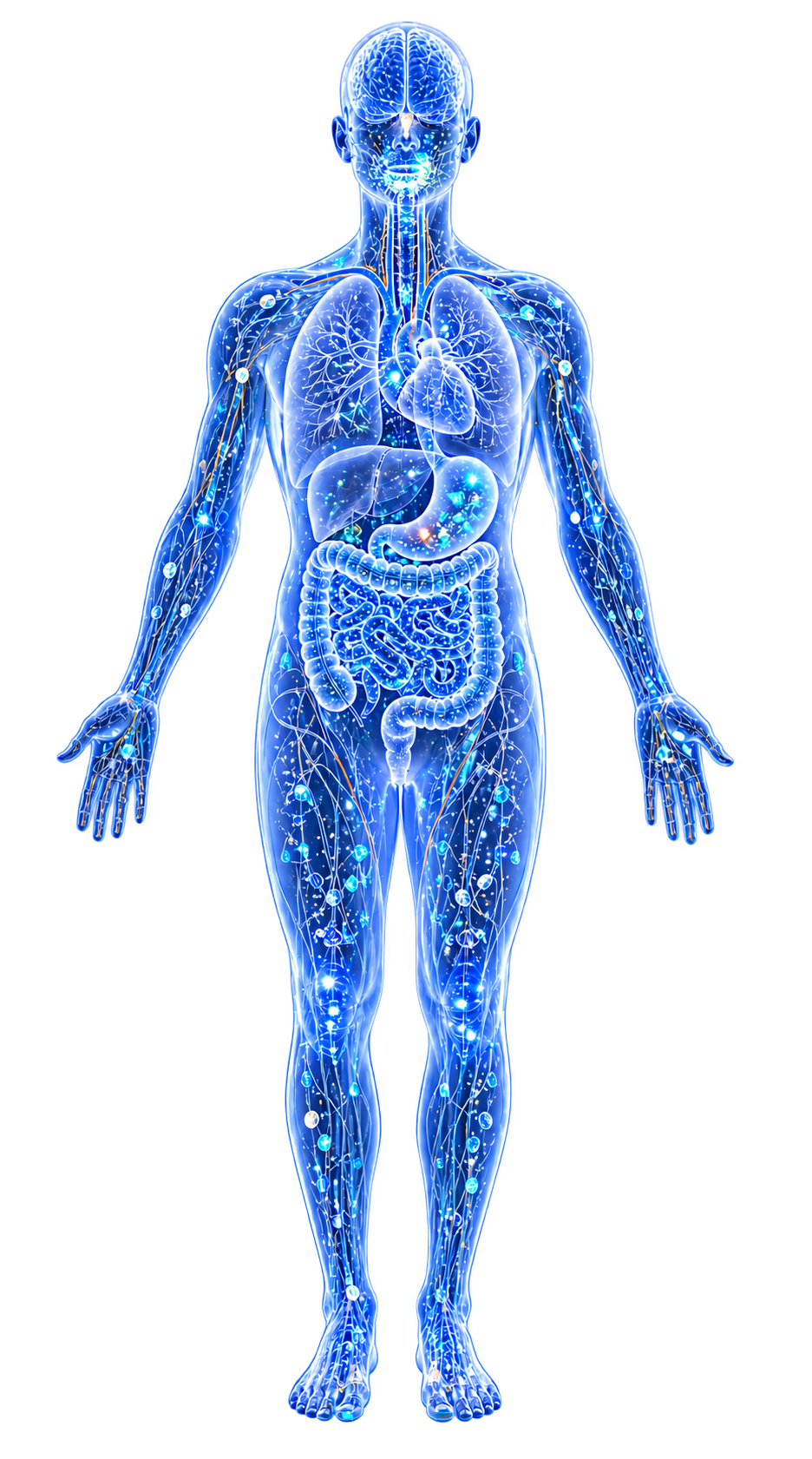
The gut-testis axis describes the bidirectional communication between the Gut Microbiome and the male reproductive system. Gut-derived microbial metabolites, immune signals, and systemic inflammatory mediators influence testicular function, testosterone biosynthesis, and spermatogenesis, while androgen levels reciprocally shape gut microbial composition.
Iron-dependent cell death (ferroptosis) in spermatogenic cells represents one mechanistic node of this axis. The microbial metabolite 3-hydroxyphenylacetic acid (3-HPAA) has been shown to trigger ferroptosis in testicular tissue, directly linking gut microbial metabolism to spermatogenic failure ([1]Jin 2023 — Gut Metabolite 3-HPAA Rejuvenates Spermatogenic Dysfunction in Aged Mice through GPX4-Mediated FerroptosisZirun Jin, Yuzhuo Yang, Yalei Cao et al. · 2023Open reference 1 ↓).
This iron-ecology dimension connects the gut-testis axis to broader metallomics—iron availability in the gut selects for siderophore-producing bacteria whose metabolic outputs may propagate reproductive toxicity.
Oxidative Stress mediated by dysbiotic gut communities further impairs male fertility through systemic pathways ([2]Kurhaluk 2025 — Oxidative Stress, Antioxidants, Gut Microbiota and Male FertilityNatalia Kurhaluk, Piotr Kaminski, Halina Tkaczenko · 2025Open reference 2 ↓), while comprehensive reviews establish the gut microbiota as a regulator of testosterone levels, sperm quality, and blood-testis barrier integrity ([3]Lv 2024 — Gut Microbiota Is Involved in Male Reproductive Function: A ReviewShuya Lv, Jingrong Huang, Yadan Luo et al. · 2024Open reference 3 ↓).
Evidence map2 cited passagesInspect provenance +
Iron-dependent cell death (ferroptosis) in spermatogenic cells represents one mechanistic node of this axis. The microbial metabolite 3-hydroxyphenylacetic acid (3-HPAA) has been shown to trigger ferroptosis in testicular tissue, directly linking gut microbial metabolism to spermatogenic failure (). This iron-ecology dimension connects the gut-testis axis to
oxidative stress mediated by dysbiotic gut communities further impairs male fertility through systemic pathways (), while comprehensive reviews establish the gut microbiota as a regulator of testosterone levels, sperm quality, and blood-testis barrier integrity ().
Contents
1. Cross-ReferencesCross-References#
- Iron—ferroptosis and siderophore ecology in male reproductive toxicity
- Semen Microbiome—reproductive tract microbial communities
- Gut-Prostate Axis—parallel gut-reproductive communication pathway
- Ferroptosis—iron-dependent cell death mechanism
- Testosterone—androgen regulation by gut microbiota
References 3
Numbered by first appearance in the article, then reconciled with its declared source list.
- 1
Zirun Jin, Yuzhuo Yang, Yalei Cao et al. (2023). Jin 2023 — Gut Metabolite 3-HPAA Rejuvenates Spermatogenic Dysfunction in Aged Mice through GPX4-Mediated Ferroptosis. Microbiome.
- 2
Natalia Kurhaluk, Piotr Kaminski, Halina Tkaczenko (2025). Kurhaluk 2025 — Oxidative Stress, Antioxidants, Gut Microbiota and Male Fertility. Cellular Physiology and Biochemistry.
- 3
Shuya Lv, Jingrong Huang, Yadan Luo et al. (2024). Lv 2024 — Gut Microbiota Is Involved in Male Reproductive Function: A Review. Frontiers in Microbiology.
Article network
Connect the evidence
Publicly readable discussion by ORCID-authenticated researchers. Questions, interpretation, methods, corrections, and new evidence stay attached to this record.
No discussion yet. Start with a precise question or a source-backed observation.
Published page changes
This record shows only material changes published on this page, including changes to its content, evidence, conclusions, or author context. Internal processes and discussion activity are excluded. Pending, declined, and withdrawn proposals remain private.
- published revision
Revised “Overview”: now reads “metabolic outputs may propagate reproductive toxicity. oxidative stress mediated by dysbiotic gut communities”.
Revised “Overview”: changed “metabolic outputs may propagate reproductive toxicity. Oxidative stress mediated by dysbiotic gut communities” to “metabolic outputs may propagate reproductive toxicity. oxidative stress mediated by dysbiotic gut communities”. · Karen Pendergrass · +1 −1
Inspect exact Git diff ↗ - published revision
Created “Gut-Testis Axis”: The gut-testis axis describes the bidirectional communication between the gut microbiome and the male reproductive system. Gut-derived microbial metabolites, immune signals, and systemic inflammatory…
Created “Gut-Testis Axis”: The gut-testis axis describes the bidirectional communication between the gut microbiome and the male reproductive system. Gut-derived microbial metabolites, immune signals, and systemic inflammatory… Published sections: Overview; Cross-References. · WikiBiome Deploy Bot · +32 −0
Inspect exact Git diff ↗