
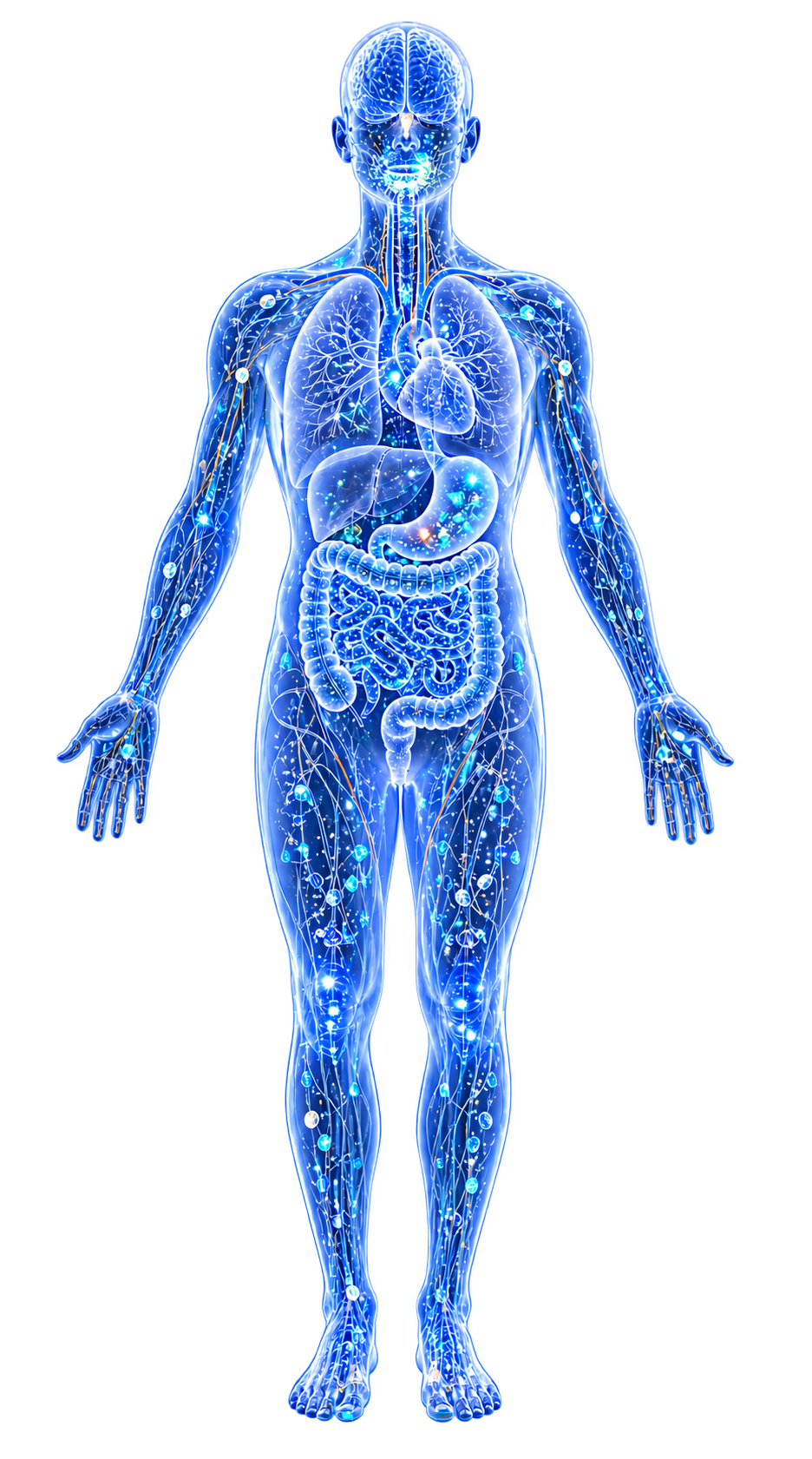
Prenatal metal exposure refers to fetal contact with essential and toxic metals during gestation, a critical developmental window when even low-dose exposures can produce lasting effects.
Metals cross the placenta with varying efficiency—lead and mercury transfer readily, while cadmium accumulates in the placenta itself—shaping the infant's metallome, epigenome, and initial microbiome colonization trajectory.
Contents
1. Developmental Windows2. Microbiome Consequences3. The DOHaD Connection4. Cross-ReferencesDevelopmental Windows#
The first trimester is particularly sensitive to metal-induced epigenetic disruption. Cadmium alters DNA methylation patterns at imprinted genes, with effects detectable in cord blood. Lead disrupts calcium-dependent signaling during neurogenesis.
Arsenic modifies histone acetylation in developing immune cells. These epigenetic marks can persist into adulthood, constituting a form of developmental programming—the "metallomic memory" of prenatal environment.
Microbiome Consequences#
Prenatal metal exposure shapes the infant Gut Microbiome through at least two pathways. First, metals alter maternal gut microbiome composition during pregnancy, changing the microbial inoculum transferred during vaginal delivery.
Second, metals that reach the fetal gut (via swallowed amniotic fluid) may directly select for metal-tolerant pioneer colonizers, biasing the infant microbiome toward organisms with robust metal efflux systems—often Proteobacteria over Bifidobacterium.
The DOHaD Connection#
The Developmental Origins of Health and Disease (DOHaD) framework increasingly incorporates metal-microbiome interactions. Prenatal cadmium exposure correlates with reduced infant Bifidobacterium abundance at 1 month of age, and prenatal lead exposure associates with altered Bacteroidetes-to-Firmicutes ratios persisting through the first year.
These early shifts may set the trajectory for childhood immune development, allergy risk, and metabolic programming.
Cross-References#
- Cadmium—placental accumulation and epigenetic disruption
- Lead—transplacental transfer and neurodevelopment
- Mercury—methylmercury fetal neurotoxicity
- Bifidobacterium—depleted by prenatal metal exposure
References 6
Numbered by first appearance in the article, then reconciled with its declared source list.
- 1
Shoshannah Eggers, Vishal Midya, Moira Bixby et al. (2023). Eggers 2023 — Prenatal lead exposure is negatively associated with gut microbiome in childhood (PROGRESS cohort). Frontiers in Microbiology.
- 2
Shukla S, Srivastava A, Verma D et al. (2023). Shukla et al. 2023 — Analysis of Gut Bacteriome of In Utero Arsenic-Exposed Mice. Frontiers in Microbiology.
- 3
Andrea Brusaferro, Elena Cavalli, Edoardo Farinelli et al. (2018). Brusaferro 2018 — Gut dysbiosis and paediatric Crohn's disease. Journal of Infection.
- 4
Tingting Wang, Beidi Chen, Mingcui Luo et al. (2023). Wang 2023 — Microbiota-Indole 3-Propionic Acid-Brain Axis Mediates Abnormal Synaptic Pruning of Hippocampal Microglia and Susceptibility to ASD in IUGR Offspring. Microbiome.
- 5
Zehra Akdag, Oytun Erbas (2023). Akdag 2023 — Heavy Metal Toxicity: A Potential Risk Factor for Autism. Journal of Experimental and Basic Medical Sciences.
- 6
John F. Dou, Rebecca J. Schmidt, Heather E. Volk et al. (2024). Dou 2024 — Exposure to Heavy Metals in Utero and Autism Spectrum Disorder at Age 3: A Meta-Analysis of Two Longitudinal Cohorts. Environmental Health.
Article network
Mentioned here 5
Connect the evidence
Publicly readable discussion by ORCID-authenticated researchers. Questions, interpretation, methods, corrections, and new evidence stay attached to this record.
No discussion yet. Start with a precise question or a source-backed observation.
Published page changes
This record shows only material changes published on this page, including changes to its content, evidence, conclusions, or author context. Internal processes and discussion activity are excluded. Pending, declined, and withdrawn proposals remain private.
- published revision
Added references: eggers-2023-prenatal-lead-childhood-gut-microbiome-progress; shukla-2023-arsenic-gut-bacteriome-utero-exposure; brusaferro-2018-gut-dysbiosis-paediatric-crohns; wang-2023-microbiota-indole-3-propionic-acid-brain-asd-iugr;…
Added references: eggers-2023-prenatal-lead-childhood-gut-microbiome-progress; shukla-2023-arsenic-gut-bacteriome-utero-exposure; brusaferro-2018-gut-dysbiosis-paediatric-crohns; wang-2023-microbiota-indole-3-propionic-acid-brain-asd-iugr; akdag-2023-heavy-metal-toxicity-autism-risk-factor; dou-2024-heavy-metals-utero-asd-age3-meta-analysis. · WikiBiome Deploy Bot · +11 −7
Inspect exact Git diff ↗ - published revision
Created “Prenatal Metal Exposure”: Prenatal metal exposure refers to fetal contact with essential and toxic metals during gestation, a critical developmental window when even low-dose exposures can produce lasting effects. Metals cross…
Created “Prenatal Metal Exposure”: Prenatal metal exposure refers to fetal contact with essential and toxic metals during gestation, a critical developmental window when even low-dose exposures can produce lasting effects. Metals cross… Published sections: Overview; Developmental Windows; Microbiome Consequences; The DOHaD Connection; Cross-References. · WikiBiome Deploy Bot · +46 −0
Inspect exact Git diff ↗