
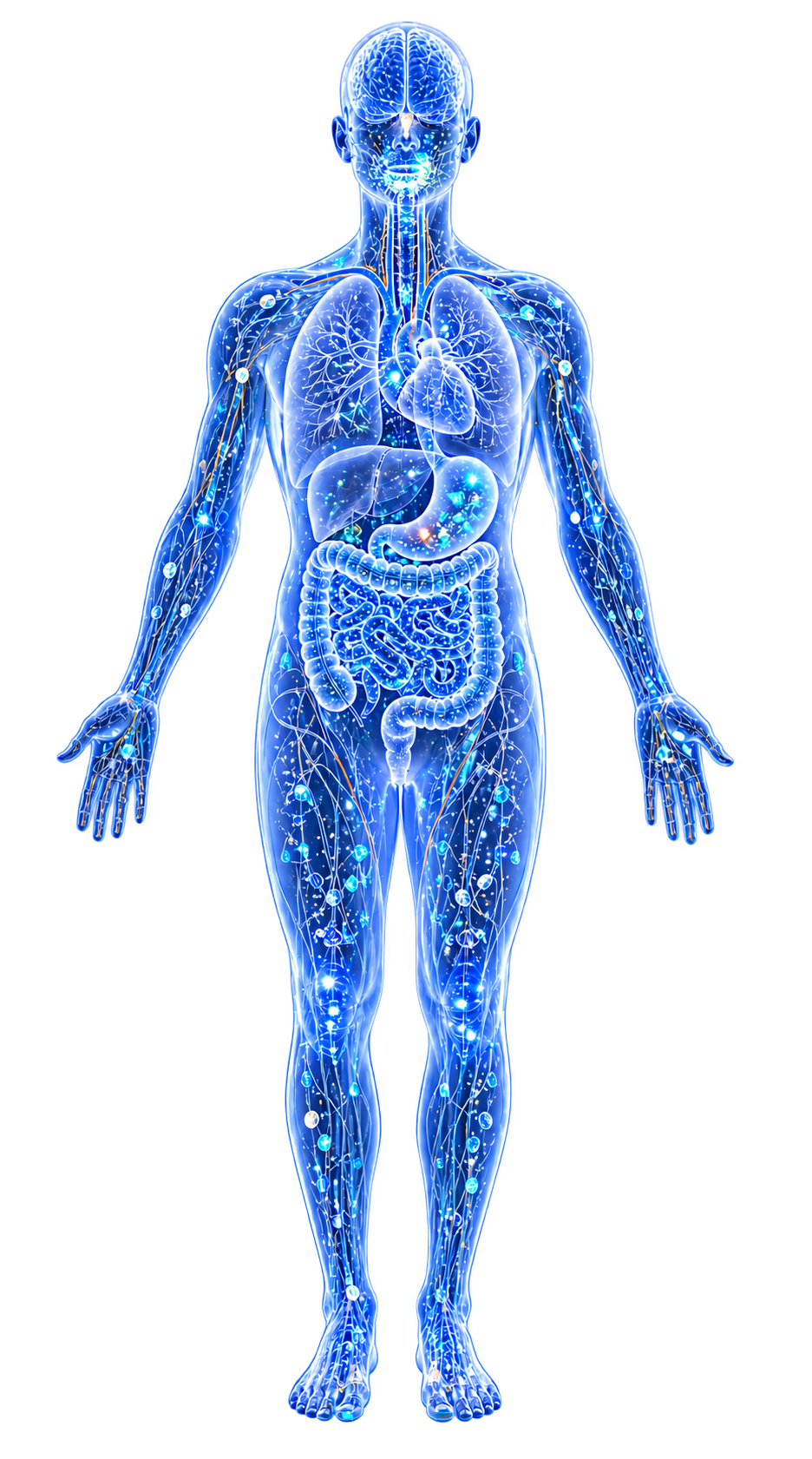
Metabolomics is the comprehensive measurement of small-molecule metabolites (<1,500 Da) in a biological sample—the functional readout of what the genome, transcriptome, and microbiome are actually doing.
While genomics tells you what organisms are present and metagenomics tells you what genes they carry, metabolomics reveals the metabolic products that directly affect the host.
In the WikiBiome context, metabolomics bridges two layers of evidence: it translates metal exposure and microbiome composition into measurable functional consequences. The integration of metallomics + metabolomics—measuring both metal speciation and metabolite profiles simultaneously—is a distinctive WikiBiome analytical approach.
Evidence map4 cited passagesInspect provenance +
Iron exposure produces the most distinct metabolomic signature in C. elegans—more disruptive than zinc or manganese.
Heavy metal toxicity metabolomics reveals shared metabolic disruption patterns across Pb, Cd, Hg, As exposures (oxidative stress markers, amino acid depletion, energy metabolism disruption).
Metallomic-metabolomic COVID profiling in mother-infant dyads revealed coordinated metal-metabolite disruption during SARS-CoV-2 infection.
| Condition | Key Metabolomic Findings | |-----------|------------------------| | parkinsons disease | Serum metabolomics predicts motor progression; p-cresol elevated | | autism spectrum disorder | Urinary tryptophan/purine metabolite disruption | | necrotizing enterocolitis | Formate as NEC-specific metabolic marker of enteric dysbiosis | | type 2 diabetes
Contents
1. Key Analytical Platforms2. Metabolite Classes Relevant to WikiBiome3. Metal-Metabolomics Integration4. Disease Applications5. Cross-ReferencesKey Analytical Platforms#
| Platform | Strengths | Common Use |
|---|---|---|
| LC-MS/MS (untargeted) | Broadest coverage; discovery mode | Serum, urine, fecal metabolomics |
| UHPLC-Q-TOF-MS | High mass accuracy for identification | Biomarker discovery |
| GC-MS | Best for volatile/semi-volatile metabolites | SCFA quantification |
| HILIC-UHPLC | Polar metabolite separation | Amino acids, nucleotides |
| NMR | Non-destructive; quantitative | Urine, serum profiling |
| ICP-MS | Metal speciation | Metallomic-metabolomic integration |
Metabolite Classes Relevant to WikiBiome#
Short-Chain Fatty Acids ([[short-chain-fatty-acids]])#
Butyrate, propionate, acetate—the primary outputs of Firmicutes (Bacillota) fermentation. SCFA quantification by GC-MS is the most direct measure of beneficial microbiome metabolic activity. Depleted across inflammatory, neurodegenerative, and metabolic conditions.
Tryptophan Metabolites#
The Tryptophan Metabolism pathway branches into Serotonin, Kynurenine, and Indoles. Metabolomics reveals which branch dominates and whether Metal-Driven Inflammation (IDO1 induction) is diverting tryptophan from serotonin to neurotoxic kynurenine metabolites.
Bile Acids#
Primary and secondary bile acid profiles reflect Bile Acid Metabolism activity of gut bacteria. Deconjugation by BSH-producing organisms and 7-alpha-dehydroxylation are measurable metabolomic events.
Amino Acids#
Branched-chain amino acids (BCAAs), aromatic amino acids, and their microbial derivatives (p-cresol, indoxyl sulfate, phenylacetylglutamine) serve as functional markers of Dysbiosis.
Uremic Toxins#
Indoxyl sulfate, p-cresyl sulfate, TMAO—microbially-derived metabolites that accumulate in Chronic Kidney Disease and Cardiovascular Disease. Produced primarily by Proteobacteria (Pseudomonadota) and specific Firmicutes (Bacillota) genera.
Metal-Metabolomics Integration#
The most distinctive WikiBiome application: simultaneous measurement of metal speciation and metabolite profiles reveals how metal exposure reshapes microbial metabolism.
Iron exposure produces the most distinct metabolomic signature in C. elegans—more disruptive than zinc or manganese.[1]Blume 2026 — Combined Metallomics and Metabolomics Reveal Impact of Metal Homeostasis on Biological Pathways in C. elegansBastian Blume, Philippe Schmitt-Kopplin, Bernhard Michalke · 2026Open reference 1 ↓
Heavy metal toxicity metabolomics reveals shared metabolic disruption patterns across lead (Pb), cadmium (Cd), mercury (Hg), arsenic (As) exposures (Oxidative Stress markers, amino acid depletion, energy metabolism disruption).[2]Metabolomics: a promising tool for deciphering metabolic impairment in heavy metal toxicitiesAkash MSH, Yaqoob A, Rehman K et al. · 2023Open reference 2 ↓
Metallomic-metabolomic COVID profiling in mother-infant dyads revealed coordinated metal-metabolite disruption during SARS-CoV-2 infection.[3]Metallomic and Untargeted Metabolomic Signatures of Human Milk from SARS-CoV-2 Positive MothersArias-Borrego A, Soto Cruz FJ, Selma-Royo M et al. · 2022Open reference 3 ↓
Disease Applications#
| Condition | Key Metabolomic Findings |
|---|---|
| Parkinson's Disease | Serum metabolomics predicts motor progression; p-cresol elevated |
| Autism Spectrum Disorder | Urinary tryptophan/purine metabolite disruption[4]Gevi 2016 — Urinary Metabolomics of Young Italian Autistic Children Supports Abnormal Tryptophan and Purine MetabolismFederica Gevi, Lello Zolla, Stefano Gabriele et al. · 2016Open reference 4 ↓ |
| Necrotizing Enterocolitis | Formate as NEC-specific metabolic marker of enteric dysbiosis[5]Casaburi 2022 — Formate as a metabolic driver of NEC: integrated metagenomics and targeted metabolomicsGiorgio Casaburi, Jingjing Wei, Sufyan Kazi et al. · 2022Open reference 5 ↓ |
| Type 2 Diabetes | Multi-omics (microbiome + metabolome) response to dietary fiber[6]Al Bataineh 2023 — Multi-Omics Analysis of Gut Microbial Dysbiosis, Metabolomics, and Dietary Intake in Type 2 DiabetesMohammad Tahseen Al Bataineh, Axel Kunstner, Nihar Ranjan Dash et al. · 2023Open reference 6 ↓ |
| Cerebral Palsy | Amino acid metabolomics reveals reduced tryptophan pool[7]Wang 2023 — Plasma amino acid metabolomics identifies diagnostic signature for cerebral palsyDan Wang, Juan Song, Ye Cheng et al. · 2023Open reference 7 ↓ |
| Multiple Sclerosis | Pro-inflammatory metabolic signatures in Graves'/Hashimoto's/MS |
Cross-References#
- Microbiome-Derived Metabolites—The metabolites metabolomics measures
- Short-Chain Fatty Acids (SCFAs)—Primary metabolomic target for microbiome health
- Tryptophan Metabolism—Key branching pathway revealed by metabolomics
- Bile Acid Metabolism—Bile acid profiles as microbiome functional readout
- Biomarkers—Metabolomic biomarker discovery
- Iron—Iron exposure produces most distinct metabolomic signature
- Dyshomeostasis—Metal-metabolite disruption patterns
References 7
Numbered by first appearance in the article, then reconciled with its declared source list.
- 1
Bastian Blume, Philippe Schmitt-Kopplin, Bernhard Michalke (2026). Blume 2026 — Combined Metallomics and Metabolomics Reveal Impact of Metal Homeostasis on Biological Pathways in C. elegans. Analytical and Bioanalytical Chemistry.
- 2
Akash MSH, Yaqoob A, Rehman K et al. (2023). Metabolomics: a promising tool for deciphering metabolic impairment in heavy metal toxicities. Frontiers in Molecular Biosciences.
- 3
Arias-Borrego A, Soto Cruz FJ, Selma-Royo M et al. (2022). Metallomic and Untargeted Metabolomic Signatures of Human Milk from SARS-CoV-2 Positive Mothers. Molecular Nutrition and Food Research.
- 4
Federica Gevi, Lello Zolla, Stefano Gabriele et al. (2016). Gevi 2016 — Urinary Metabolomics of Young Italian Autistic Children Supports Abnormal Tryptophan and Purine Metabolism. Molecular Autism.
- 5
Giorgio Casaburi, Jingjing Wei, Sufyan Kazi et al. (2022). Casaburi 2022 — Formate as a metabolic driver of NEC: integrated metagenomics and targeted metabolomics. Frontiers in Pediatrics.
- 6
Mohammad Tahseen Al Bataineh, Axel Kunstner, Nihar Ranjan Dash et al. (2023). Al Bataineh 2023 — Multi-Omics Analysis of Gut Microbial Dysbiosis, Metabolomics, and Dietary Intake in Type 2 Diabetes. Scientific Reports.
- 7
Dan Wang, Juan Song, Ye Cheng et al. (2023). Wang 2023 — Plasma amino acid metabolomics identifies diagnostic signature for cerebral palsy. Frontiers in Molecular Neuroscience.
Article network
Mentioned here 18
Pages linking here 2
Connect the evidence
Publicly readable discussion by ORCID-authenticated researchers. Questions, interpretation, methods, corrections, and new evidence stay attached to this record.
No discussion yet. Start with a precise question or a source-backed observation.
Published page changes
This record shows only material changes published on this page, including changes to its content, evidence, conclusions, or author context. Internal processes and discussion activity are excluded. Pending, declined, and withdrawn proposals remain private.
- published revision
Created “Metabolomics”: Metabolomics is the comprehensive measurement of small-molecule metabolites (<1,500 Da) in a biological sample -- the functional readout of what the genome, transcriptome, and microbiome are actually…
Created “Metabolomics”: Metabolomics is the comprehensive measurement of small-molecule metabolites (<1,500 Da) in a biological sample -- the functional readout of what the genome, transcriptome, and microbiome are actually… Published sections: Overview; Key Analytical Platforms; Short-Chain Fatty Acids (short chain fatty acids); Tryptophan Metabolites; Bile Acids; Amino Acids; Uremic Toxins; Metal-Metabolomics Integration; Disease Applications; Cross-References. · WikiBiome Deploy Bot · +79 −0
Inspect exact Git diff ↗