
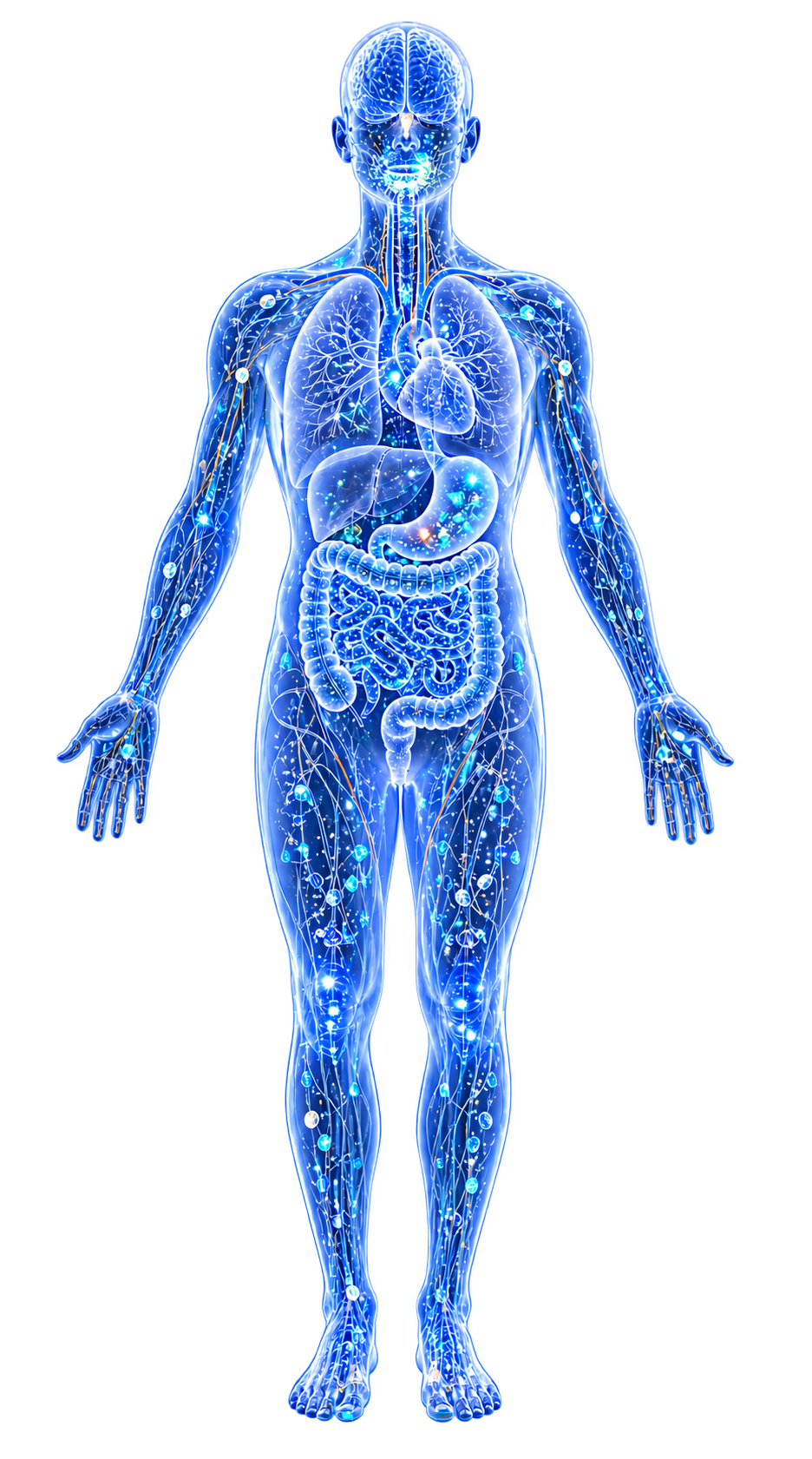
Homocysteine is a sulfur-containing amino acid intermediate in the methionine cycle. Elevated plasma homocysteine (hyperhomocysteinemia) is an established risk factor for Cardiovascular Disease, Endothelial Dysfunction, and neurodegenerative disease. The Gut Microbiome modulates homocysteine metabolism through B-vitamin (B12, folate, B6) production, methionine cycling, and one-carbon metabolism.
Evidence map4 cited passagesInspect provenance +
ASD: Altered urinary amino acid profiles including homocysteine pathway metabolites.
Schizophrenia: Homocysteine as gut-microbiome-modulated biomarker for treatment response.
CRC: Mucosal metabolomics show altered homocysteine pathway.
ESRD: Homocysteine accumulation in end-stage renal disease with mycobiome alterations.
Microbiome Connection#
B12/folate production: Gut bacteria (Bifidobacterium, Lactobacillus, Propionibacterium) synthesize B12 and folate—essential cofactors for homocysteine remethylation to methionine. Dysbiosis-driven loss of B-vitamin producers increases homocysteine levels.
ASD: Altered urinary amino acid profiles including homocysteine pathway metabolites.[1]Liu 2019 — Altered Urinary Amino Acids in Children with ASDAiping Liu, Wei Zhou, Liuhong Qu et al. · 2019Open reference 1 ↓[2]Bala 2016 — Plasma Amino Acid Profile in ASDK.A. Bala, M. Dogan, T. Mutluer et al. · 2016Open reference 2 ↓
Schizophrenia: Homocysteine as gut-microbiome-modulated biomarker for treatment response.[3]Gut Microbial Biomarkers for the Treatment Response in First-Episode, Drug-Naive Schizophrenia: A 24-Week Follow-Up StudyYuan X, Wang Y, Li X et al. · 2021Open reference 3 ↓ CRC: Mucosal metabolomics show altered homocysteine pathway.[4]Metabolomics and 16S rRNA Sequencing of Human Colorectal Cancers and Adjacent MucosaLoke MF, Chua EG, Gan HM et al. · 2018Open reference 4 ↓ ESRD: Homocysteine accumulation in end-stage renal disease with mycobiome alterations.[5]Altered Gut Mycobiome in Patients with End-Stage Renal Disease and Its Correlations with MetabolomesYi Ren, Lei Chen, Ruochun Guo et al. · 2024Open reference 5 ↓
Cross-References#
- Vitamin B12—essential cofactor for homocysteine remethylation
- Cardiovascular Disease—homocysteine as CVD risk factor
- Endothelial Dysfunction—homocysteine-mediated endothelial damage
- Oxidative Stress—homocysteine generates ROS via auto-oxidation
References 5
Numbered by first appearance in the article, then reconciled with its declared source list.
- 1
Aiping Liu, Wei Zhou, Liuhong Qu et al. (2019). Liu 2019 — Altered Urinary Amino Acids in Children with ASD. Frontiers in Cellular Neuroscience.
- 2
K.A. Bala, M. Dogan, T. Mutluer et al. (2016). Bala 2016 — Plasma Amino Acid Profile in ASD. European Review for Medical and Pharmacological Sciences.
- 3
Yuan X, Wang Y, Li X et al. (2021). Gut Microbial Biomarkers for the Treatment Response in First-Episode, Drug-Naive Schizophrenia: A 24-Week Follow-Up Study. Translational Psychiatry.
- 4
Loke MF, Chua EG, Gan HM et al. (2018). Metabolomics and 16S rRNA Sequencing of Human Colorectal Cancers and Adjacent Mucosa. PLOS ONE.
- 5
Yi Ren, Lei Chen, Ruochun Guo et al. (2024). Altered Gut Mycobiome in Patients with End-Stage Renal Disease and Its Correlations with Metabolomes. Journal of Translational Medicine.
Article network
Mentioned here 6
Pages linking here 2
Connect the evidence
Publicly readable discussion by ORCID-authenticated researchers. Questions, interpretation, methods, corrections, and new evidence stay attached to this record.
No discussion yet. Start with a precise question or a source-backed observation.
Published page changes
This record shows only material changes published on this page, including changes to its content, evidence, conclusions, or author context. Internal processes and discussion activity are excluded. Pending, declined, and withdrawn proposals remain private.
- published revision
Revised “Microbiome Connection”: now reads “cofactors for homocysteine remethylation to methionine. dysbiosis-driven loss of B-vitamin producers increases homocysteine”.
Revised “Microbiome Connection”: changed “cofactors for homocysteine remethylation to methionine. Dysbiosis-driven loss of B-vitamin producers increases homocysteine” to “cofactors for homocysteine remethylation to methionine. dysbiosis-driven loss of B-vitamin producers increases homocysteine”. · Karen Pendergrass · +1 −1
Inspect exact Git diff ↗ - published revision
Created “Homocysteine”: Homocysteine is a sulfur-containing amino acid intermediate in the methionine cycle. Elevated plasma homocysteine (hyperhomocysteinemia) is an established risk factor for cardiovascular disease,…
Created “Homocysteine”: Homocysteine is a sulfur-containing amino acid intermediate in the methionine cycle. Elevated plasma homocysteine (hyperhomocysteinemia) is an established risk factor for cardiovascular disease,… Published sections: Overview; Microbiome Connection; Cross-References. · WikiBiome Deploy Bot · +39 −0
Inspect exact Git diff ↗