Metal
16 articles in this category.
- Aluminum — A non essential metal and the most abundant metallic element in the Earth's crust. Unlike mangane...
- Arsenic — A metalloid and potent carcinogen, primarily encountered through contaminated drinking water. Unl...
- Cadmium — A toxic heavy metal with a biological half life of 25 30 years in mammals. Cadmium is the 6th mos...
- Chromium — A transition metal whose hexavalent form, Cr(VI), is a potent human carcinogen. Unlike nickel (ep...
- Cobalt — A transition metal that is essential to human health exclusively as a component of cobalamin (vit...
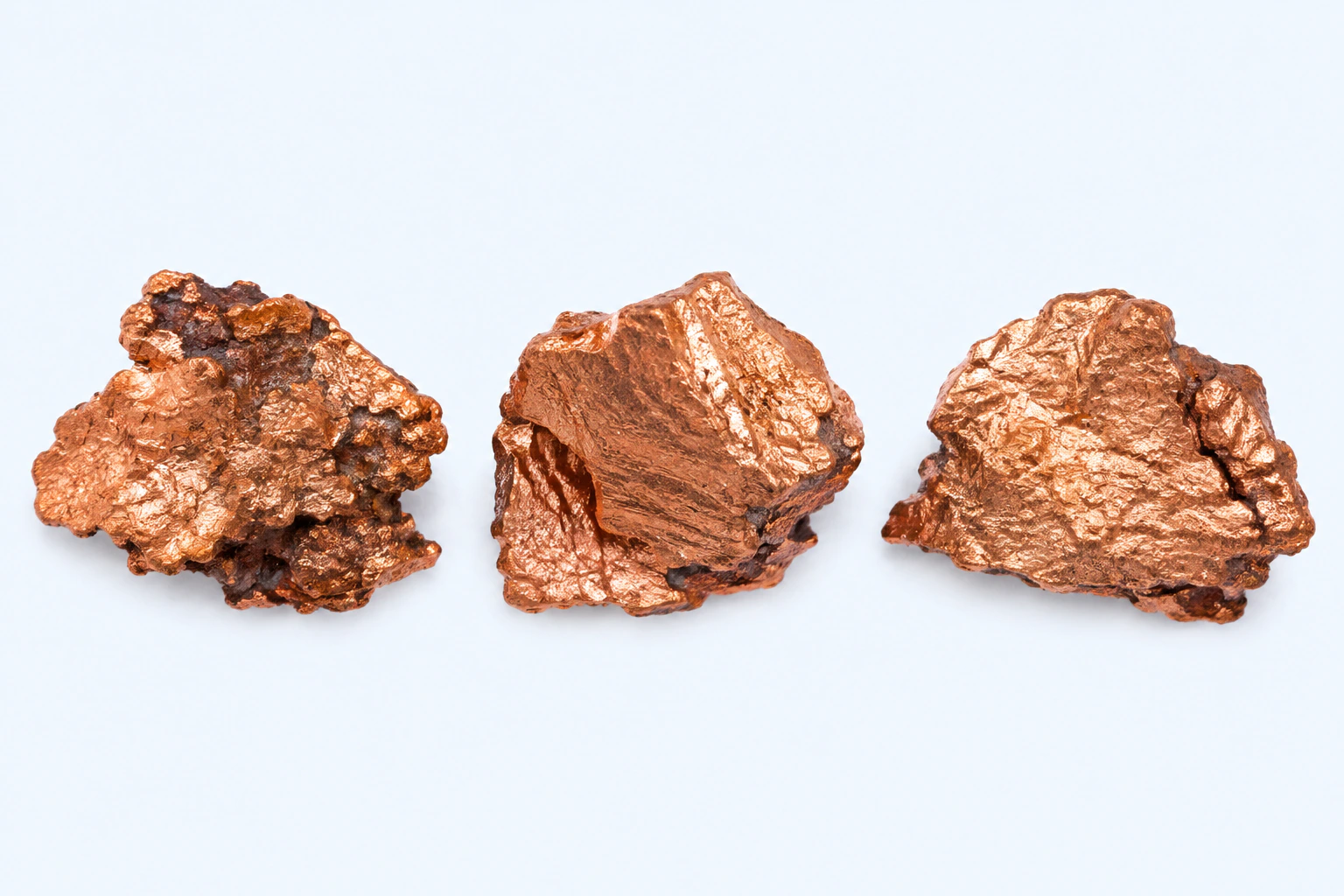
- Copper — An essential trace element with a striking dual nature: required for survival as a cofactor for c...
- Iron — The most abundant transition metal in the human body and arguably the most consequential metal in...
- Lead — A purely toxic heavy metal with no known biological function. Lead is the most extensively studie...
- Magnesium — An essential macromineral required as a cofactor for over 300 enzymatic reactions in the body, in...
- Manganese — An essential trace element with a narrow therapeutic window: required as a cofactor for critical ...
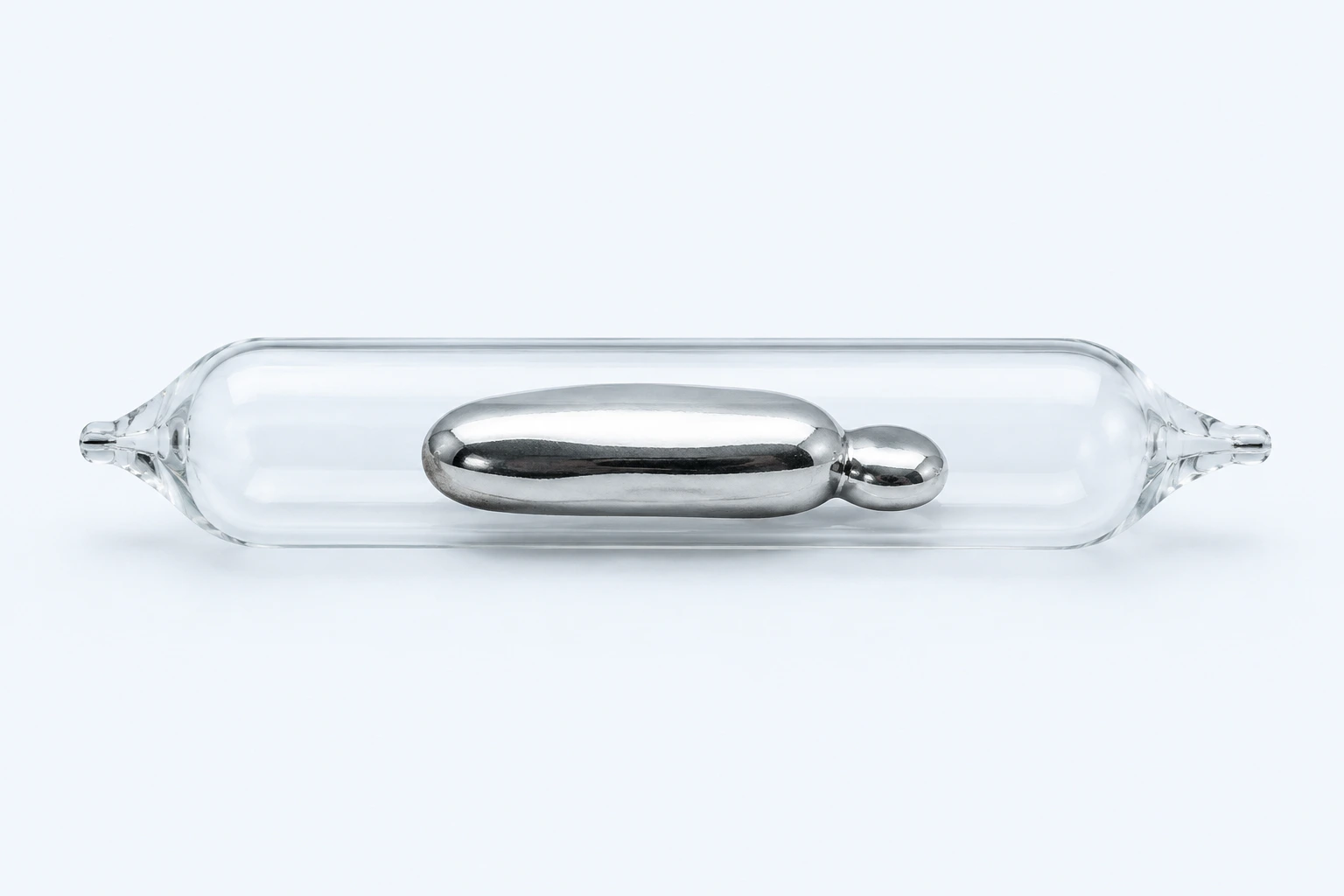
- Mercury — Considered the most toxic heavy metal, mercury is purely toxic with no biological function. Its o...
- Molybdenum — An essential trace element that serves as a cofactor for a small but critical family of enzymes t...
- Nickel — A transition metal occupying a central position in this wiki's evidence base. Nickel is toxic and...
- Selenium — An essential trace element that is primarily protective in its biological roles. Unlike most meta...
- Tin — A non essential metal with a dual toxicological profile: inorganic tin (from canned foods) causes...
- Zinc — An essential trace element that is depleted in a striking number of disease states examined in th...