
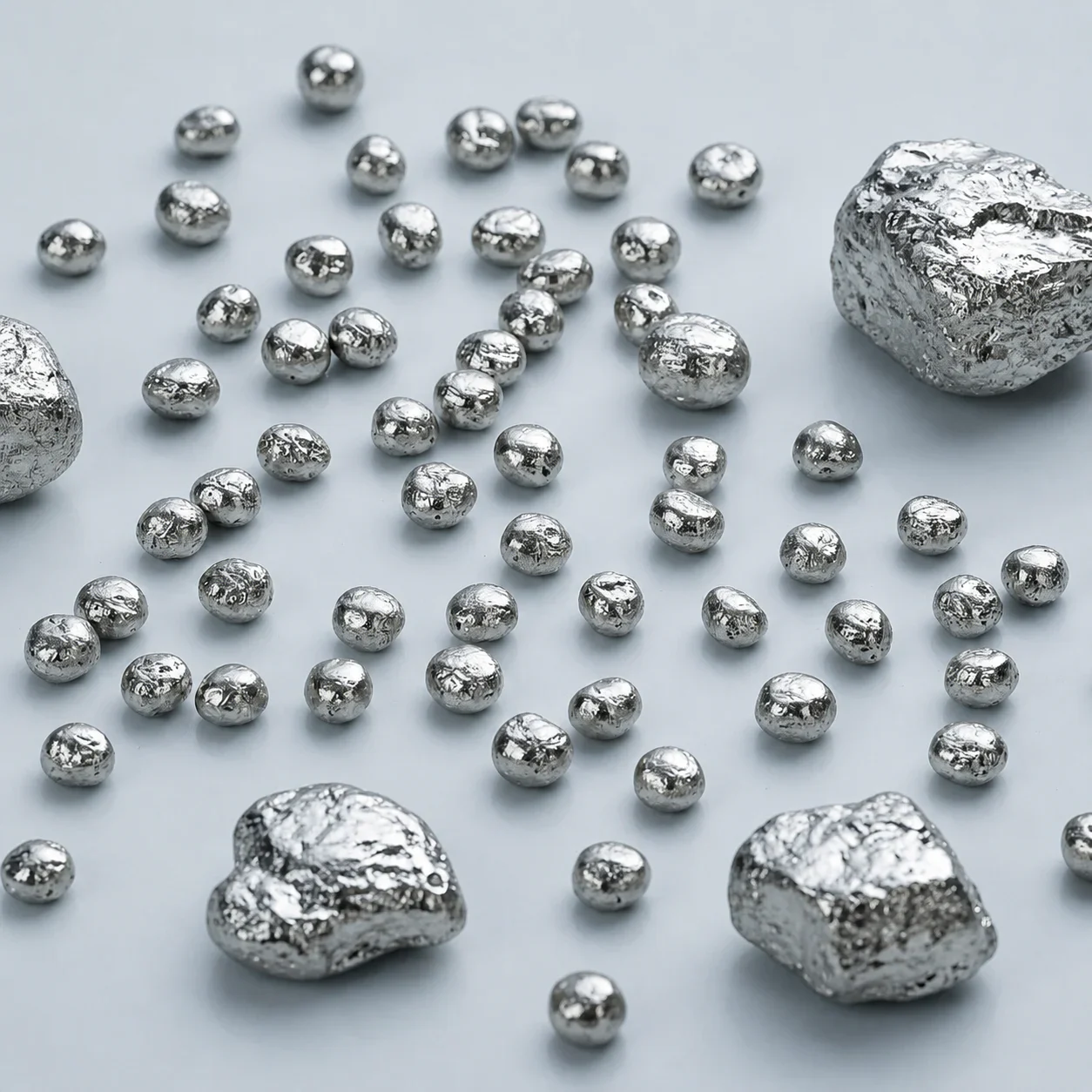
Metallic nickel shown as pellets and irregular specimens. Appearance varies with purity and processing.
Scientific media record3 verified identifiers
- Subject
- Nickelelement
- Review
- Editorial review completeIdentifiers authority-verified · Accessibility validated · · nickel|nickel-technical-specimen-v2.webp
- Digital source
- Trained-algorithmic mediaCreated with a trained generative algorithm and reviewed by WikiBiome for subject identity, scientific framing, identifiers, provenance, and accessibility.
- Scientific basis
- Nickel — PubChem ElementNickel, PubChem CID 935
- License
- CC BY-SA 4.0Created
A transition metal occupying a central position in this wiki's evidence base. Nickel is toxic and carcinogenic to humans, yet an essential cofactor for pathogen virulence enzymes. It is the most frequent contact allergen worldwide and drives a wide spectrum of systemic disease through dietary exposure.
This tension—harmful to the host, beneficial to its invaders—threads through virtually every domain covered by the wiki: from Gut-Metal-Microbiome Interactions ecology and Nutritional Immunity (Metal Sequestration) to Metabolic Syndrome and Metal Exposure, Nickel Allergy and Allergic Contact Dermatitis, Endometriosis, and Metal Carcinogenesis.
Evidence map190 cited passagesInspect provenance +
Transition metal (element 28), most commonly found as Ni(II); atomic weight 58.69; five stable isotopes (58Ni at 68.077%, 60Ni, 61Ni, 62Ni, 64Ni). Density 8.912 g/cm3; melting point 1455C; boiling point 2913C.
Similar ionic radius to Fe(II), allowing it to substitute for iron in enzyme active sites—a key mechanism in its toxicity hypoxic signaling, iron homeostasis disruption.
Position in the Irving-Williams series (Mn < Fe < Co < Ni < Cu Zn): nickel binds biological ligands more tightly than iron, cobalt, or manganese, meaning it will preferentially displace these weaker-binding metals from enzyme active sites when concentrations rise—a process called mis metallation. Cells normally prevent this by keeping free nickel at extre
Forms coordination complexes with cysteine, histidine, glutamate, and lysine residues, enabling protein binding and enzyme inhibition. Histidine is a particularly important nickel-chelating amino acid; supplementation with histidine rescues E. coli growth under combined nickel/copper stress by chelating free metal ions extracellularly.
The fifth most abundant element on Earth. Ubiquitous in environment from both natural processes and anthropogenic activities (fossil fuel combustion, fertilizers, industrial emissions); found in air, water, soil, sediment, and particulate matter.
Atmospheric levels range from 0.00001-0.003 ug/m3 (remote), 0.003-0.03 ug/m3 (urban), up to 0.07-0.77 ug/m3 (metallurgical areas); cigarette smoke contains 1.1-3.1 ug Ni per cigarette,.
Body burden: approximately 7.3 ug Ni/kg body weight in healthy adults.
Average dietary intake: 150-350 ug/day in Western diets; potentially higher in plant-based and Indian diets,. Beneficial intake estimated at <100 ug/day; most individuals achieve this only because 70 ug/day is typical minimum.
Absorption: only 1-10% of ingested nickel is absorbed from the GI tract; bioavailability varies by food matrix. Iron deficiency increases nickel absorption via shared DMT-1 (divalent metal transporter-1) pathways,.
Serum levels: 0.2-7 ug/L depending on source; transported bound to nickeloplasmin, albumin, amino acids (especially histidine), and alpha-2-macroglobulin,.
Tissue distribution: nickel accumulates in lungs, thyroid, adrenal glands, brain, kidneys, heart, liver, spleen, and pancreas.
Urinary nickel (UNi) is the primary biomarker in epidemiological studies; half-life 20-60 hours. Normal urine concentrations <10 ug/L; blood nickel 0.3 ug/L (may exceed 8 ug/L in exposed workers).
Sweat nickel can reach 7-270 ug/L (up to 20x plasma levels), explaining why sweating aggravates nickel dermatitis.
Acute toxicity: oral doses 0.5 g cause poisoning; doses approaching 1 g can be lethal.
Nickel enters cells via Ca2+ channels, DMT-1 (shared with iron), and phagocytosis of particulate forms,. Insoluble nickel particles are phagocytosed based on surface charge—crystalline NiS (negative surface charge, -27 mV) binds cell membranes readily and is phagocytosed at much higher rates than amorphous NiS (positive charge, +9 mV), directly determinin
Consensus: not proven essential in humans. While animal studies show nickel deprivation causes reduced growth, altered reproduction, impaired iron metabolism, and decreased hematocrit in rats, no nickel-requiring protein has been identified in mammals,. Zhang et al. found lower plasma nickel in T2DM patients vs. controls, raising the question, but this remai
Nickel's importance to microbial life is not incidental—it is among the most ancient biologically utilized metals on Earth. Analysis of the palaeo-metallome from 3.33-billion-year-old carbonaceous material in the Barberton greenstone belt reveals that nickel was one of nine bio-functional elements enriched in the earliest known biogenic material, alongsid
This deep evolutionary history explains why nickel-dependent enzymes remain so widespread in prokaryotes: urease, [NiFe]-hydrogenase, nickel-glyoxalase, Ni-SOD, acireductone dioxygenase, and CO-dehydrogenase are relics of a 3.3-billion-year metabolic heritage,. The total number of known nickel metalloenzymes is fewer than ten, but they collectively drive glo
IARC Group 1 carcinogen (nickel compounds; metallic nickel is Group 2B).
Primary carcinogenic mechanism is epigenetic rather than genotoxic: DNA hypermethylation, histone modifications (deacetylation, H3K9 methylation, heterochromatinization at tumor suppressor loci), hypoxic signaling via HIF-1 stabilization,.
Nickel substitutes for Fe2+ in non-heme iron dioxygenases involved in DNA and histone demethylation—a key epigenetic modifications mechanism.
Nickel-induced apoptosis occurs through both intrinsic (mitochondrial/Cyt C) and extrinsic (Fas/FasL) pathways, converging on caspase-3/6/7.
Can interfere with microRNA networks.
Genotoxicity: nickel disrupts DNA strands, causes crosslinks, and inhibits DNA repair. In HL-60 leukemia cells, long-term Ni2+ exposure leads to DNA fragmentation, ROS generation, and cell death (preventable by ascorbic acid or N-acetyl-cysteine). Nickel was the only metal tested to induce DNA damage at concentrations that induced 50% apoptosis (i.e., <0.05
Showing 24 of 190 evidence-bearing passages. Every remaining citation is still indexed in the reference record below.
Contents
1. Chemical Properties2. Nickel Metabolism and Biomarkers3. Is Nickel Essential for Humans?4. Evolutionary Context: Nickel as an Ancient Cofactor5. Carcinogenesis6. Mis-metallation and Synergistic Metal Toxicity7. Allergy, SNAS, and the Low-Nickel Diet8. Nickel and Endometriosis9. Nickel, Obesity, and Metabolic Disruption10. Nickel and Chronic Fatigue / Fibromyalgia11. Cardiovascular and Renal Effects12. Neurotoxicity13. Reproductive and Developmental Toxicity14. Nickel in Baby Food and Children15. Dietary Nickel Exposure16. Nickel and Microbial Pathogenesis17. Nickel and Autoimmune / Inflammatory Conditions18. Environmental and Regulatory Context19. Open Questions20. ConnectionsChemical Properties#
Transition metal (element 28), most commonly found as nickel (Ni)(II); atomic weight 58.69; five stable isotopes (58Ni at 68.077%, 60Ni, 61Ni, 62Ni, 64Ni).[1]Nickel; A Metal with Threats to Human Health, Focusing on Its Intoxication MechanismsRafati Rahimzadeh M, Rafati Rahimzadeh M, Kazemi S et al. · 2025Open reference 1 ↓ Density 8.912 g/cm3; melting point 1455C; boiling point 2913C.
Similar ionic radius to iron (Fe)(II), allowing it to substitute for iron in enzyme active sites—a key mechanism in its toxicity Hypoxic Signaling (HIF-1α Pathway), iron homeostasis disruption.[2]Genetic and Epigenetic Mechanisms in Metal Carcinogenesis and Cocarcinogenesis: Nickel, Arsenic, and ChromiumKonstantin Salnikov, Anatoly Zhitkovich · 2008Open reference 2 ↓
Position in the Irving-Williams series (manganese (Mn) < iron < cobalt (Co) < nickel < copper (Cu) > zinc (Zn)): nickel binds biological ligands more tightly than iron, cobalt, or manganese, meaning it will preferentially displace these weaker-binding metals from enzyme active sites when concentrations rise—a process called Mis-Metallation.[3]Robinson & Glasfeld 2020 — Metalation and Mis-metalation: Nature's Challenge in Metal CoordinationNigel J. Robinson, Andrea Glasfeld · 2020Open reference 3 ↓
Cells normally prevent this by keeping free nickel at extremely low concentrations, but dietary or environmental loading overwhelms these homeostatic buffers.[4]Capdevila 2024 — Bacterial Metallostasis: Metal Sensing, Metalloproteome Remodeling, and Metal TraffickingDaiana A. Capdevila, Johnma J. Rondon, Katherine A. Edmonds et al. · 2024Open reference 4 ↓
Forms coordination complexes with cysteine, Histidine, glutamate, and lysine residues, enabling protein binding and enzyme inhibition.[5]Genchi 2020 — Nickel: Human Health and Environmental ToxicologyGenchi G, Carocci A, Lauria G et al. · 2020Open reference 5 ↓
Histidine is a particularly important nickel-chelating amino acid; supplementation with histidine rescues E. coli growth under combined nickel/copper stress by chelating free metal ions extracellularly.[6]Darwiche 2025 — The Molecular Basis of the Synergistic Toxicity of Nickel and Copper, Common Environmental Co-ContaminantsLinda Darwiche, Carlos A Rodriguez-Bornot, Rebecca A Ingrassia et al. · 2025Open reference 6 ↓
The fifth most abundant element on Earth.[1]Nickel; A Metal with Threats to Human Health, Focusing on Its Intoxication MechanismsRafati Rahimzadeh M, Rafati Rahimzadeh M, Kazemi S et al. · 2025Open reference 1 ↓ Ubiquitous in environment from both natural processes and anthropogenic activities (fossil fuel combustion, fertilizers, industrial emissions); found in air, water, soil, sediment, and particulate matter.[7]Cardio-Metabolic Effects of Nickel: A Narrative ReviewYucheng Liu, Xiaomin Luo, Yongde Peng et al. · 2025Open reference 7 ↓
Atmospheric levels range from 0.00001-0.003 ug/m3 (remote), 0.003-0.03 ug/m3 (urban), up to 0.07-0.77 ug/m3 (metallurgical areas);[8]Cameron 2011 — Nickel Genotoxicity and CarcinogenicityCameron KS, Buchner V, Tchounwou PB · 2011Open reference 8 ↓ cigarette smoke contains 1.1-3.1 ug nickel per cigarette.[9]Nickel essentiality, toxicity, and carcinogenicityDenkhaus E, Salnikov K · 2002Open reference 9 ↓[5]Genchi 2020 — Nickel: Human Health and Environmental ToxicologyGenchi G, Carocci A, Lauria G et al. · 2020Open reference 5 ↓
Nickel Metabolism and Biomarkers#
Body burden: approximately 7.3 ug nickel (Ni)/kg body weight in healthy adults.[9]Nickel essentiality, toxicity, and carcinogenicityDenkhaus E, Salnikov K · 2002Open reference 9 ↓
Average dietary intake: 150-350 ug/day in Western diets; potentially higher in plant-based and Indian diets.[10]Nickel Content of Food and Estimation of Dietary IntakeFlyvholm MA, Nielsen GD, Andersen A · 1984Open reference 10 ↓[9]Nickel essentiality, toxicity, and carcinogenicityDenkhaus E, Salnikov K · 2002Open reference 9 ↓ Beneficial intake estimated at <100 ug/day; most individuals achieve this only because 70 ug/day is typical minimum.[1]Nickel; A Metal with Threats to Human Health, Focusing on Its Intoxication MechanismsRafati Rahimzadeh M, Rafati Rahimzadeh M, Kazemi S et al. · 2025Open reference 1 ↓
Absorption: only 1-10% of ingested nickel is absorbed from the GI tract; bioavailability varies by food matrix. Iron deficiency increases nickel absorption via shared DMT-1 (divalent metal transporter-1) pathways.[1]Nickel; A Metal with Threats to Human Health, Focusing on Its Intoxication MechanismsRafati Rahimzadeh M, Rafati Rahimzadeh M, Kazemi S et al. · 2025Open reference 1 ↓[11]Toxicity, Mechanism and Health Effects of Some Heavy MetalsMonisha Jaishankar, Tenzin Tseten, Naresh Anbalagan et al. · 2014Open reference 11 ↓
Serum levels: 0.2-7 ug/L depending on source; transported bound to nickeloplasmin, albumin, amino acids (especially histidine), and alpha-2-macroglobulin.[12]Systemic Nickel Allergy SyndromeDi Gioacchino M, Gatta A, Della Valle L et al. · 2018Open reference 12 ↓[1]Nickel; A Metal with Threats to Human Health, Focusing on Its Intoxication MechanismsRafati Rahimzadeh M, Rafati Rahimzadeh M, Kazemi S et al. · 2025Open reference 1 ↓
Tissue distribution: nickel accumulates in lungs, thyroid, adrenal glands, brain, kidneys, heart, liver, spleen, and pancreas.[1]Nickel; A Metal with Threats to Human Health, Focusing on Its Intoxication MechanismsRafati Rahimzadeh M, Rafati Rahimzadeh M, Kazemi S et al. · 2025Open reference 1 ↓
Urinary nickel (UNi) is the primary biomarker in epidemiological studies; half-life 20-60 hours. Normal urine concentrations <10 ug/L; blood nickel >0.3 ug/L (may exceed 8 ug/L in exposed workers).[1]Nickel; A Metal with Threats to Human Health, Focusing on Its Intoxication MechanismsRafati Rahimzadeh M, Rafati Rahimzadeh M, Kazemi S et al. · 2025Open reference 1 ↓
Sweat nickel can reach 7-270 ug/L (up to 20x plasma levels), explaining why sweating aggravates nickel dermatitis.[12]Systemic Nickel Allergy SyndromeDi Gioacchino M, Gatta A, Della Valle L et al. · 2018Open reference 12 ↓ Acute toxicity: oral doses >0.5 g cause poisoning; doses approaching 1 g can be lethal.[1]Nickel; A Metal with Threats to Human Health, Focusing on Its Intoxication MechanismsRafati Rahimzadeh M, Rafati Rahimzadeh M, Kazemi S et al. · 2025Open reference 1 ↓
Nickel enters cells via calcium(II) (Ca2+) channels, DMT-1 (shared with iron), and phagocytosis of particulate forms.[9]Nickel essentiality, toxicity, and carcinogenicityDenkhaus E, Salnikov K · 2002Open reference 9 ↓[1]Nickel; A Metal with Threats to Human Health, Focusing on Its Intoxication MechanismsRafati Rahimzadeh M, Rafati Rahimzadeh M, Kazemi S et al. · 2025Open reference 1 ↓
Insoluble nickel particles are phagocytosed based on surface charge—crystalline NiS (negative surface charge, -27 mV) binds cell membranes readily and is phagocytosed at much higher rates than amorphous NiS (positive charge, +9 mV), directly determining carcinogenic potency.[13]Specific Nickel Compounds as CarcinogensCosta M, Heck JD · 1982Open reference 13 ↓
Is Nickel Essential for Humans?#
Consensus: not proven essential in humans. While animal studies show nickel deprivation causes reduced growth, altered reproduction, impaired iron metabolism, and decreased hematocrit in rats, no nickel-requiring protein has been identified in mammals.[9]Nickel essentiality, toxicity, and carcinogenicityDenkhaus E, Salnikov K · 2002Open reference 9 ↓[14]Role of Nickel in Microbial PathogenesisRobert J. Maier, Stéphane L. Benoit · 2019Open reference 14 ↓
Zhang et al. found lower plasma nickel in T2DM patients vs. controls, raising the question,[7]Cardio-Metabolic Effects of Nickel: A Narrative ReviewYucheng Liu, Xiaomin Luo, Yongde Peng et al. · 2025Open reference 7 ↓ but this remains an open area. Nickel may have a role in vitamin B12 metabolism and lipid metabolism in animals, but extrapolation to humans is unwarranted at present.
Evolutionary Context: Nickel as an Ancient Cofactor#
Nickel's importance to microbial life is not incidental—it is among the most ancient biologically utilized metals on Earth.
Analysis of the palaeo-metallome from 3.33-billion-year-old carbonaceous material in the Barberton greenstone belt reveals that nickel was one of nine bio-functional elements enriched in the earliest known biogenic material, alongside iron, vanadium, and cobalt.[15]Metallomics in deep time and the influence of ocean chemistry on the metabolic landscapes of Earth's earliest ecosystemsHickman-Lewis K, Cavalazzi B, Sorieul S et al. · 2020Open reference 15 ↓
The ancient metallome of these Archaean organisms most closely resembles modern anaerobic, methanogenic, or diazotrophic thermophiles—organisms that still depend on nickel-containing enzymes like Urease and [NiFe] Hydrogenase.
In contrast, Zinc and Molybdenum are absent from the pre-Great Oxygenation Event (GOE) record, suggesting they became biologically important only after atmospheric oxygenation changed ocean chemistry.[15]Metallomics in deep time and the influence of ocean chemistry on the metabolic landscapes of Earth's earliest ecosystemsHickman-Lewis K, Cavalazzi B, Sorieul S et al. · 2020Open reference 15 ↓
This deep evolutionary history explains why nickel-dependent enzymes remain so widespread in prokaryotes: urease, [NiFe]-hydrogenase, nickel-glyoxalase, nickel (Ni)-SOD, acireductone dioxygenase, and CO-dehydrogenase are relics of a 3.3-billion-year metabolic heritage.[14]Role of Nickel in Microbial PathogenesisRobert J. Maier, Stéphane L. Benoit · 2019Open reference 14 ↓[4]Capdevila 2024 — Bacterial Metallostasis: Metal Sensing, Metalloproteome Remodeling, and Metal TraffickingDaiana A. Capdevila, Johnma J. Rondon, Katherine A. Edmonds et al. · 2024Open reference 4 ↓
The total number of known nickel metalloenzymes is fewer than ten, but they collectively drive global carbon, nitrogen, and oxygen cycles.[4]Capdevila 2024 — Bacterial Metallostasis: Metal Sensing, Metalloproteome Remodeling, and Metal TraffickingDaiana A. Capdevila, Johnma J. Rondon, Katherine A. Edmonds et al. · 2024Open reference 4 ↓ That mammals abandoned nickel-dependent biochemistry while their microbial pathogens retained it creates the evolutionary asymmetry that makes Nutritional Immunity (Metal Sequestration) possible.
Carcinogenesis#
IARC Group 1 carcinogen (nickel compounds; metallic nickel is Group 2B).[5]Genchi 2020 — Nickel: Human Health and Environmental ToxicologyGenchi G, Carocci A, Lauria G et al. · 2020Open reference 5 ↓ Causes lung and nasal cavity cancers in occupationally exposed workers.
Primary carcinogenic mechanism is epigenetic rather than genotoxic: DNA hypermethylation, histone modifications (deacetylation, H3K9 methylation, heterochromatinization at tumor suppressor loci), Hypoxic Signaling (HIF-1α Pathway) via HIF-1 stabilization.[2]Genetic and Epigenetic Mechanisms in Metal Carcinogenesis and Cocarcinogenesis: Nickel, Arsenic, and ChromiumKonstantin Salnikov, Anatoly Zhitkovich · 2008Open reference 2 ↓[5]Genchi 2020 — Nickel: Human Health and Environmental ToxicologyGenchi G, Carocci A, Lauria G et al. · 2020Open reference 5 ↓
Nickel substitutes for iron(II) (Fe2+) in non-heme iron dioxygenases involved in DNA and histone demethylation—a key Epigenetic Modifications mechanism.[5]Genchi 2020 — Nickel: Human Health and Environmental ToxicologyGenchi G, Carocci A, Lauria G et al. · 2020Open reference 5 ↓
Acts as a cocarcinogen with UV radiation. Nickel-induced apoptosis occurs through both intrinsic (mitochondrial/Cyt C) and extrinsic (Fas/FasL) pathways, converging on caspase-3/6/7.[5]Genchi 2020 — Nickel: Human Health and Environmental ToxicologyGenchi G, Carocci A, Lauria G et al. · 2020Open reference 5 ↓ Can interfere with microRNA networks.[5]Genchi 2020 — Nickel: Human Health and Environmental ToxicologyGenchi G, Carocci A, Lauria G et al. · 2020Open reference 5 ↓
Genotoxicity: nickel disrupts DNA strands, causes crosslinks, and inhibits DNA repair. In HL-60 leukemia cells, long-term nickel(II) (Ni2+) exposure leads to DNA fragmentation, ROS generation, and cell death (preventable by ascorbic acid or N-acetyl-cysteine).[8]Cameron 2011 — Nickel Genotoxicity and CarcinogenicityCameron KS, Buchner V, Tchounwou PB · 2011Open reference 8 ↓
Nickel was the only metal tested to induce DNA damage at concentrations that induced >50% apoptosis (i.e., <0.05 mM) compared to vanadium.[8]Cameron 2011 — Nickel Genotoxicity and CarcinogenicityCameron KS, Buchner V, Tchounwou PB · 2011Open reference 8 ↓
8-Hydroxydeoxyguanosine (8-OH-dG) formation: Ni3S2 significantly increases 8-OH-dG in cultured HeLa cells and elevates testicular lipid peroxides while decreasing antioxidant enzyme activities.[8]Cameron 2011 — Nickel Genotoxicity and CarcinogenicityCameron KS, Buchner V, Tchounwou PB · 2011Open reference 8 ↓
Nickel stimulates L1 retrotransposition ~2.5-fold, representing a novel genotoxic mechanism via transposon mobilization distinct from direct DNA damage.[8]Cameron 2011 — Nickel Genotoxicity and CarcinogenicityCameron KS, Buchner V, Tchounwou PB · 2011Open reference 8 ↓
Transcription factor disruption: nickel alters p53, NF-kB, AP-1, TGF-beta, and NF-AT; downregulates p53 and activates c-Myc.[8]Cameron 2011 — Nickel Genotoxicity and CarcinogenicityCameron KS, Buchner V, Tchounwou PB · 2011Open reference 8 ↓[1]Nickel; A Metal with Threats to Human Health, Focusing on Its Intoxication MechanismsRafati Rahimzadeh M, Rafati Rahimzadeh M, Kazemi S et al. · 2025Open reference 1 ↓
Carcinogenicity by Compound#
Different nickel compounds have very different carcinogenic potentials, a principle established by Costa's foundational 1982 work demonstrating that phagocytosis is the primary determinant of cell transformation.[13]Specific Nickel Compounds as CarcinogensCosta M, Heck JD · 1982Open reference 13 ↓[16]Carcinogenicity Assessment of Selected Nickel CompoundsOller AR, Costa M, Oberdörster G · 1997Open reference 16 ↓
Crystalline nickel sulfide (NiS): induces morphological transformation at rates 100x higher than amorphous NiS (24% vs. essentially none). Its negative surface charge (-27 mV) enables binding to positively-charged cell membranes, facilitating phagocytosis and intracellular dissolution over 2-3 days.[13]Specific Nickel Compounds as CarcinogensCosta M, Heck JD · 1982Open reference 13 ↓
Nickel subsulfide (Ni3S2): most carcinogenic in NTP studies—readily endocytized, high solubility in biological fluids. Clear evidence of carcinogenic activity in F344/N rats at 0.6-1.2 mg/m3.[8]Cameron 2011 — Nickel Genotoxicity and CarcinogenicityCameron KS, Buchner V, Tchounwou PB · 2011Open reference 8 ↓
Green nickel oxide (NiO): increased alveolar/bronchiolar adenoma or carcinoma in male rats at 0.62-2.5 mg NiO/m3 in 2-year NTP study.[8]Cameron 2011 — Nickel Genotoxicity and CarcinogenicityCameron KS, Buchner V, Tchounwou PB · 2011Open reference 8 ↓
Nickel sulfate hexahydrate: soluble, rapidly cleared; non-neoplastic lung lesions at >=2.5 mg/m3 but no clear evidence of carcinogenicity.[8]Cameron 2011 — Nickel Genotoxicity and CarcinogenicityCameron KS, Buchner V, Tchounwou PB · 2011Open reference 8 ↓
Particle clearance is the key determinant: impaired clearance leads to chronic Metal-Driven Inflammation and tumors. Insoluble compounds (NiS, NiO) are more potent than soluble forms (NiSO4, NiCl2) due to prolonged tissue retention.[5]Genchi 2020 — Nickel: Human Health and Environmental ToxicologyGenchi G, Carocci A, Lauria G et al. · 2020Open reference 5 ↓
Metallothionein vulnerability: nickel does not potently induce metallothionein (unlike cadmium), meaning the cell's natural chelation defense is not upregulated, potentially enhancing carcinogenic effects.[13]Specific Nickel Compounds as CarcinogensCosta M, Heck JD · 1982Open reference 13 ↓
Metallomic Signatures in Cancer#
Nickel is significantly elevated 1.60-fold in serum of lung cancer patients and 1.37-fold in COPD patients who develop lung cancer, consistent with its role as a pulmonary carcinogen.[17]Metallomic Signatures of Lung Cancer and Chronic Obstructive Pulmonary DiseaseBelen Callejon-Leblic, Saida Sanchez Espirilla, Carolina Gotera-Rivera et al. · 2023Open reference 17 ↓
Element ratios involving nickel (Ni) have higher AUC values in COPD-to-cancer transition patients, suggesting potential as early biomarkers.[17]Metallomic Signatures of Lung Cancer and Chronic Obstructive Pulmonary DiseaseBelen Callejon-Leblic, Saida Sanchez Espirilla, Carolina Gotera-Rivera et al. · 2023Open reference 17 ↓
See Metallomics for the broader field.
Nickel as a Metalloestrogen#
Nickel binds ERalpha (noncompetitively) and induces proliferation of ER+ breast cancer cells (2-5 fold at 10^-9 to 10^-6 M).[18]Role of Cadmium and Nickel in Estrogen Receptor Signaling and Breast Cancer: Metalloestrogens or Not?Aquino NB, Sevigny MB, Sabangan J et al. · 2012Open reference 18 ↓
Induces cyclin D1, cyclin E, and cyclin B1 overexpression; causes aneuploidy in human fibroblasts.[18]Role of Cadmium and Nickel in Estrogen Receptor Signaling and Breast Cancer: Metalloestrogens or Not?Aquino NB, Sevigny MB, Sabangan J et al. · 2012Open reference 18 ↓
This Metalloestrogens activity is relevant to nickel's connections with Endometriosis and breast cancer, though epidemiological evidence for nickel (Ni)-breast cancer is weaker than for Cadmium.[19]Impact of heavy metals on breast cancer (Review)Ali AS, Nazar ME, Mustafa RM et al. · 2024Open reference 19 ↓[20]Relationships Between Biological Heavy Metals and Breast Cancer: A Systematic Review and Meta-AnalysisLiu L, Chen J, Liu C et al. · 2022Open reference 20 ↓
Mis-metallation and Synergistic Metal Toxicity#
Nickel's position in the Irving-Williams series (manganese (Mn) < iron (Fe) < cobalt (Co) < nickel (Ni) < copper (Cu) > zinc (Zn)) means it binds biological ligands more tightly than iron, cobalt, or manganese.[3]Robinson & Glasfeld 2020 — Metalation and Mis-metalation: Nature's Challenge in Metal CoordinationNigel J. Robinson, Andrea Glasfeld · 2020Open reference 3 ↓
Cells normally prevent mis-metallation by maintaining cytosolic metal availabilities in the inverse order of the Irving-Williams series: weak binders (manganese, iron) are kept abundant while strong binders (nickel, copper, zinc) are kept scarce.[3]Robinson & Glasfeld 2020 — Metalation and Mis-metalation: Nature's Challenge in Metal CoordinationNigel J. Robinson, Andrea Glasfeld · 2020Open reference 3 ↓[4]Capdevila 2024 — Bacterial Metallostasis: Metal Sensing, Metalloproteome Remodeling, and Metal TraffickingDaiana A. Capdevila, Johnma J. Rondon, Katherine A. Edmonds et al. · 2024Open reference 4 ↓
When this buffering is overwhelmed—by dietary loading, environmental exposure, or immune-mediated metal flooding—nickel displaces iron and manganese from enzyme active sites, rendering them inactive.
A vivid demonstration: MnSOD in Escherichia coli is frequently mis-metalated with iron under iron-replete conditions, rendering the superoxide dismutase catalytically inactive because the redox potential is wrong for the manganese active site geometry.[3]Robinson & Glasfeld 2020 — Metalation and Mis-metalation: Nature's Challenge in Metal CoordinationNigel J. Robinson, Andrea Glasfeld · 2020Open reference 3 ↓
By the same logic, nickel can displace iron from iron-sulfur clusters—the molecular machines at the heart of cellular energy metabolism.
Synergistic Toxicity with Copper#
Nickel and copper are synergistically toxic at environmentally relevant concentrations where neither metal alone causes significant harm (30 uM nickel (Ni) + 15 uM copper (Cu)).[6]Darwiche 2025 — The Molecular Basis of the Synergistic Toxicity of Nickel and Copper, Common Environmental Co-ContaminantsLinda Darwiche, Carlos A Rodriguez-Bornot, Rebecca A Ingrassia et al. · 2025Open reference 6 ↓
This matters because nickel and copper frequently co-contaminate freshwater environments (R2 = 0.493 across 239 global water bodies).
The combination triggers massive transcriptomic disruption in E. coli: 70% of differentially expressed genes (360/512) are uniquely affected by the combination, not by either metal alone.[6]Darwiche 2025 — The Molecular Basis of the Synergistic Toxicity of Nickel and Copper, Common Environmental Co-ContaminantsLinda Darwiche, Carlos A Rodriguez-Bornot, Rebecca A Ingrassia et al. · 2025Open reference 6 ↓
The central mechanism is Iron-Sulfur Clusters disruption: both copper+ and nickel(II) can displace iron(II) (Fe2+) from iron-S clusters, but the combination overwhelms the ISC repair/assembly capacity. The cell responds by upregulating ISC assembly genes and sulfur assimilation for new cysteine/iron-S synthesis.[6]Darwiche 2025 — The Molecular Basis of the Synergistic Toxicity of Nickel and Copper, Common Environmental Co-ContaminantsLinda Darwiche, Carlos A Rodriguez-Bornot, Rebecca A Ingrassia et al. · 2025Open reference 6 ↓
Notably, reactive oxygen species are NOT significantly elevated during nickel/copper co-exposure under aerobic conditions—the synergistic toxicity operates primarily through iron-S cluster disruption rather than Oxidative Stress.[6]Darwiche 2025 — The Molecular Basis of the Synergistic Toxicity of Nickel and Copper, Common Environmental Co-ContaminantsLinda Darwiche, Carlos A Rodriguez-Bornot, Rebecca A Ingrassia et al. · 2025Open reference 6 ↓ This finding challenges the default assumption that metal toxicity always works through ROS.
Nickel and Amyloid-Beta Aggregation#
In a striking example of mis-metallation in neurodegeneration, nickel was found to be the most abundant metal contaminant in recombinant amyloid-beta 40 peptide (72.5 mmol/mol) and enhanced Abeta40 aggregation 5.7-fold.[21]Benoit & Maier 2021 — Nickel Chelator Inhibits Amyloid-Beta AggregationBenoit, S.L., Bhatt et al. · 2021Open reference 21 ↓
While zinc drove the strongest aggregation (14-fold), nickel was previously unrecognized as a contributor.
The nickel-specific chelator dimethylglyoxime (DMG) inhibited Abeta40 aggregation by 40-85% in a dose-dependent manner, demonstrating that nickel removal alone—without chelating copper or zinc—substantially reduces pathological aggregation.[21]Benoit & Maier 2021 — Nickel Chelator Inhibits Amyloid-Beta AggregationBenoit, S.L., Bhatt et al. · 2021Open reference 21 ↓
This selectivity is clinically important because nickel has no known essential function in human physiology, making nickel-specific chelation safer than broad-spectrum approaches. The finding raises questions about how many previous amyloid aggregation studies were unknowingly confounded by trace nickel contamination.
Allergy, SNAS, and the Low-Nickel Diet#
Nickel Allergy Overview#
Most frequent contact allergen worldwide: 8-19% of adults sensitized; 13-18% of females, 3-6% of males.[22]Nickel Allergy and Allergic Contact Dermatitis: A Clinical ReviewAhlström MG, Thyssen JP, Wennervaldt M et al. · 2019Open reference 22 ↓[5]Genchi 2020 — Nickel: Human Health and Environmental ToxicologyGenchi G, Carocci A, Lauria G et al. · 2020Open reference 5 ↓
See Nickel Allergy and Allergic Contact Dermatitis for immunology, regulation, and diagnosis. EU Nickel Directive limits: 0.2 ug/cm2/week for pierced body parts, 0.5 ug/cm2/week for prolonged contact.
Systemic Nickel Allergy Syndrome (SNAS)#
SNAS affects approximately 20% of nickel ACD patients and is the bridge between contact allergy and a vast array of systemic symptoms triggered by dietary nickel.[23]Systemic Nickel Allergy Syndrome: Nosologic Framework and Usefulness of Diet Regimen for DiagnosisBraga M, Quecchia C, Perotta C et al. · 2013Open reference 23 ↓[12]Systemic Nickel Allergy SyndromeDi Gioacchino M, Gatta A, Della Valle L et al. · 2018Open reference 12 ↓
Diagnosis requires. Positive patch test to nickel. Symptom improvement on a low-nickel diet.
Positive oral nickel challenge (gold standard: double-blind placebo-controlled).[23]Systemic Nickel Allergy Syndrome: Nosologic Framework and Usefulness of Diet Regimen for DiagnosisBraga M, Quecchia C, Perotta C et al. · 2013Open reference 23 ↓[12]Systemic Nickel Allergy SyndromeDi Gioacchino M, Gatta A, Della Valle L et al. · 2018Open reference 12 ↓
The BraMa-nickel (Ni) scoring system offers 94.4% sensitivity and 93.3% specificity for SNAS diagnosis, dramatically outperforming simple forbidden-food lists (51.1%/44.2%). The BraMa-nickel diet is nutritionally balanced at ~50 ug nickel/day.[23]Systemic Nickel Allergy Syndrome: Nosologic Framework and Usefulness of Diet Regimen for DiagnosisBraga M, Quecchia C, Perotta C et al. · 2013Open reference 23 ↓
Symptoms of SNAS. Cutaneous (90% of patients): ACD flare-up, widespread eczema, urticaria, angioedema. Gastrointestinal (88%): meteorism, gastric acidity, abdominal colic, diarrhea, nausea, vomiting.
Meteorism is the most characteristic GI symptom after oral challenge. 73% report symptoms after a single nickel-rich meal.[23]Systemic Nickel Allergy Syndrome: Nosologic Framework and Usefulness of Diet Regimen for DiagnosisBraga M, Quecchia C, Perotta C et al. · 2013Open reference 23 ↓
Immune mechanism: Both Th1 and Th2 pathways involved. IL-5 is the most significantly elevated cytokine within 24 hours of oral challenge. Nickel challenge induces CD4+CD45RO+ cell infiltration in intestinal mucosa with decreased CD8+ cells.[12]Systemic Nickel Allergy SyndromeDi Gioacchino M, Gatta A, Della Valle L et al. · 2018Open reference 12 ↓
Lactose intolerance: 63-74% of SNAS patients have concomitant lactose intolerance, possibly due to nickel-induced brush border enzymatic impairment.[12]Systemic Nickel Allergy SyndromeDi Gioacchino M, Gatta A, Della Valle L et al. · 2018Open reference 12 ↓
> Note: SNAS is not universally recognized in mainstream allergology. Some researchers argue that low-nickel diet benefits may overlap with low-FODMAP diet effects, and the two have not been adequately disentangled in clinical trials.
Allergic Contact Mucositis (Ni ACM)#
A specific form of SNAS where dietary nickel is proposed to trigger IBS-like GI symptoms via a TLR4-dependent innate immune response on the gastrointestinal mucosa. Diagnosed by the nickel oral mucosa patch test (nickel (Ni) omPT).[24]Beneficial Effects of a Low-Nickel Diet on Relapsing IBS-Like and Extraintestinal Symptoms of Celiac Patients during a Proper Gluten-Free DietBorghini R, De Amicis N, Bella A et al. · 2020Open reference 24 ↓[25]Irritable Bowel Syndrome-Like Disorders in Endometriosis: Prevalence of Nickel Sensitivity and Effects of a Low-Nickel Diet. An Open-Label Pilot StudyBorghini R, Porpora MG, Casale R et al. · 2020Open reference 25 ↓
Hormonal Modulation of Nickel Allergy#
Nickel contact allergy varies with menstrual cycle phase: patch test reactivity is significantly lower during ovulation (peak estrogen) than during the progestinic phase (p<0.0001). False-negative patch tests may occur during ovulation.[26]Nickel contact allergy and menstrual cycleBonamonte D, Foti C, Antelmi AR et al. · 2005Open reference 26 ↓
Oestradiol inhibits cell-mediated (type IV) hypersensitivity by acting on OKT8+ lymphocytes. The strong female predominance in SNAS studies may partly reflect hormonal cycling effects.[26]Nickel contact allergy and menstrual cycleBonamonte D, Foti C, Antelmi AR et al. · 2005Open reference 26 ↓
The Low-Nickel Diet: Therapeutic Evidence#
The low-nickel diet is the cornerstone intervention across a remarkable range of conditions:
Dermatitis and eczema. Pioneering 1978 study: 9/17 nickel-sensitive patients with hand eczema improved on low-nickel (Ni) diet.[27]Low nickel diet in the treatment of patients with chronic nickel dermatitisKaaber K, Veien NK, Tjell JC · 1978Open reference 27 ↓ Long-term trial (1993): 64% short-term benefit, 73% sustained improvement at mean 1.8 years follow-up.[28]Low nickel diet: An open, prospective trialVeien NK, Hattel T, Laurberg G · 1993Open reference 28 ↓
39% of nickel-sensitive patients with chronic allergic-like dermatopathies (urticaria, angioedema, pruritus) achieved control; confirmed by DBPC oral challenge.[29]Chronic Allergic-Like Dermatopathies in Nickel-Sensitive Patients. Results of Dietary Restrictions and Challenge with Nickel SaltsAntico A, Soana R · 1999Open reference 29 ↓ Low-nickel diet resolved dyshidrosiform pemphigoid in 15 days after dapsone and prednisolone failed.[30]Dyshidrosiform pemphigoid induced by nickel in the dietAtakan N, Tuzun J, Karaduman A · 1993Open reference 30 ↓
Low metal diet (nickel, chromium (Cr), cobalt (Co) restricted) plus dental metal elimination improved 67% of metal-sensitive atopic dermatitis patients.[31]Potential Efficacy of Low Metal Diets and Dental Metal Elimination in the Management of Atopic Dermatitis: An Open Clinical StudyAdachi A, Horikawa T, Takashima T et al. · 1997Open reference 31 ↓
IBS and gut symptoms. Low-nickel diet significantly improved all GI symptoms except vomiting in IBS patients with nickel sensitization; intestinal permeability was compromised in all patients (51Cr-EDTA excretion 5.91% vs 2.20% controls).[32]Irritable Bowel Syndrome and Nickel Allergy: What Is the Role of the Low Nickel Diet?Rizzi A, Nucera E, Laterza L et al. · 2017Open reference 32 ↓
GERD. Low-nickel diet reduced GERD symptom severity in 95% (19/20) of refractory patients after 8 weeks. Notably, patch test positivity to nickel did NOT predict diet responsiveness—both nickel-positive and nickel-negative patients responded.[33]The effect of a low-nickel diet and nickel sensitization on gastroesophageal reflux disease: A pilot studyYousaf A, Hagen R, Mitchell M et al. · 2021Open reference 33 ↓
Recurrent aphthous stomatitis (RAS). 45.7% of nickel-sensitive RAS patients had positive oral DBPC challenge; 21/32 improved on nickel-free diet.[34]Results of Double-Blind Placebo-Controlled Challenge with Nickel Salts in Patients Affected by Recurrent Aphthous StomatitisPacor ML, Di Lorenzo G, Martinelli N et al. · 2003Open reference 34 ↓
Helicobacter pylori eradication. Nickel-free diet nearly doubled H. pylori eradication rate when combined with standard triple therapy: 84% vs 46% (p<0.01). The diet starves H. pylori of the nickel required for its urease and hydrogenase virulence enzymes.[35]Nickel Free-Diet Enhances the Helicobacter pylori Eradication Rate: A Pilot StudyCampanale M, Nucera E, Ojetti V et al. · 2014Open reference 35 ↓
Gut Dysbiosis. Low-nickel diet + targeted Probiotics resolved gut dysbiosis in 72.73% of SNAS patients vs 41.38% with diet alone. Fermentative dysbiosis (small intestine, elevated indican) is the predominant type in SNAS (64.71%).
Benefits wane 4-6 weeks after treatment cessation.[36]The Effects of Low-Nickel Diet Combined with Oral Administration of Selected Probiotics on Patients with Systemic Nickel Allergy Syndrome (SNAS) and Gut DysbiosisLombardi F, Fiasca F, Minelli M et al. · 2020Open reference 36 ↓
Scoring systems and practical tools. Points-based system: adults should consume no more than 15 points/day; vitamin C (500-1000 mg with meals) reduces nickel absorption.[37]Low-Nickel Diet Scoring System for Systemic Nickel AllergyMislankar M, Zirwas MJ · 2013Open reference 37 ↓
Patient awareness is poor: only 37% of self-reported nickel-allergic patients know nickel is in foods.[38]Low Nickel Diet: A Patient-Centered ReviewBergman D, Goldenberg A, Rundle C et al. · 2016Open reference 38 ↓
Other SNAS Treatments#
Oral hyposensitization (NiOHT). Graduated oral nickel sulphate administration (0.1 ng to 0.1 mg over ~6 months) achieved 69.1% complete remission vs 17.9% in diet-alone controls (NNT = 1.95).[39]A Clinical Trial of Oral Hyposensitization in Systemic Allergy to NickelSchiavino D, Nucera E, Alonzi C et al. · 2006Open reference 39 ↓
A refined protocol at 1.5 ug nickel (Ni)/week achieved 87% (20/23) sustained symptom freedom with food reintroduction. Mechanistically, NiOHT reduces nickel-induced IFN-gamma (55.3%), IL-13 (58.6%), and IL-5 (31.2%).[40]Oral Hyposensitization to Nickel Induces Clinical Improvement and a Decrease in TH1 and TH2 Cytokines in Patients with Systemic Nickel Allergy SyndromeMinelli M, Schiavino D, Musca F et al. · 2010Open reference 40 ↓
Disulfiram chelation. Disulfiram (nickel-chelating agent) combined with low-nickel diet achieved 90.9% complete clearance of chronic vesicular hand eczema at 4 weeks (vs 10% placebo). Disulfiram metabolite diethyldithiocarbamate forces nickel excretion through urine, bile, and sweat.[41]Disulfiram and low nickel diet in the management of hand eczema: A clinical studySharma AD · 2006Open reference 41 ↓
Nickel and Endometriosis#
A striking connection has emerged between nickel sensitivity and Endometriosis. 90.3% nickel (Ni) ACM prevalence in endometriosis patients with GI symptoms (nickel omPT positive). A 3-month low-nickel diet significantly improved all 15 gastrointestinal symptoms, all 7 extra-intestinal symptoms, and gynecological symptoms (dysmenorrhea, dyspareunia, pelvic pain).[25]Irritable Bowel Syndrome-Like Disorders in Endometriosis: Prevalence of Nickel Sensitivity and Effects of a Low-Nickel Diet. An Open-Label Pilot StudyBorghini R, Porpora MG, Casale R et al. · 2020Open reference 25 ↓
Nickel may act as a metalloestrogen in endometriosis, binding estrogen receptors and promoting proliferation of estrogen-responsive tissue.[25]Irritable Bowel Syndrome-Like Disorders in Endometriosis: Prevalence of Nickel Sensitivity and Effects of a Low-Nickel Diet. An Open-Label Pilot StudyBorghini R, Porpora MG, Casale R et al. · 2020Open reference 25 ↓
Peritoneal fluid nickel elevated 4:1 in a vegetarian endometriosis patient compared to controls (40.4 ug/L vs <LOD). The patient's vegetarian diet (high in tomatoes, nuts, legumes) was the likely exposure route.[42]Elevated Lead, Nickel, and Bismuth Levels in the Peritoneal Fluid of a Peritoneal Endometriosis Patient without Toxic Habits or Occupational Exposure following a Vegetarian DietLopez-Botella A, Gomez-Torres MJ, Sanchez R et al. · 2023Open reference 42 ↓
Paradox: vegetarian diets frequently adopted for endometriosis management may increase nickel exposure through high consumption of plant-based, high-nickel foods.[42]Elevated Lead, Nickel, and Bismuth Levels in the Peritoneal Fluid of a Peritoneal Endometriosis Patient without Toxic Habits or Occupational Exposure following a Vegetarian DietLopez-Botella A, Gomez-Torres MJ, Sanchez R et al. · 2023Open reference 42 ↓
Nickel, Obesity, and Metabolic Disruption#
Nickel Allergy and Overweight#
59.7% nickel allergy prevalence in overweight females (BMI >26), dramatically higher than 12.5% in the general female population (p<0.001).[43]High Prevalence of Nickel Allergy in an Overweight Female Population: A Pilot Observational AnalysisLusi EA, Di Ciommo VM, Patrissi T et al. · 2015Open reference 43 ↓
A normocaloric low-nickel (Ni) diet reduced BMI by 4.2 (31.6 to 27.4), body fat by 5.1%, and waist circumference by 11.7 cm over 6 months in nickel-allergic overweight women.[43]High Prevalence of Nickel Allergy in an Overweight Female Population: A Pilot Observational AnalysisLusi EA, Di Ciommo VM, Patrissi T et al. · 2015Open reference 43 ↓
Proposed mechanisms: nickel induces insulin-like actions, glycogenolysis, hyperglycemia; IL-17 from nickel-specific T cells is upregulated in obesity; estrogen deficiency at menopause may amplify nickel-mediated Th17 responses.[43]High Prevalence of Nickel Allergy in an Overweight Female Population: A Pilot Observational AnalysisLusi EA, Di Ciommo VM, Patrissi T et al. · 2015Open reference 43 ↓
Nickel and Diabetes#
Meta-analysis of 20 studies (46,071 participants): urinary nickel shows a weak but positive association with diabetes risk (pooled SMD 0.16, p<0.01). Blood nickel does not show significant association.[44]Association between nickel exposure and diabetes risk: an updated meta-analysis of observational studiesLu H, Shi X, Han L et al. · 2024Open reference 44 ↓
Proposed mechanisms: increased hepatic glycogenolysis, heightened pancreatic glucagon release, reduced glucose utilization, elevated inducible nitric oxide synthase.[44]Association between nickel exposure and diabetes risk: an updated meta-analysis of observational studiesLu H, Shi X, Han L et al. · 2024Open reference 44 ↓
NHANES data links urinary nickel independently with metabolic dysfunction-associated steatotic liver disease, with insulin resistance mediating ~73.69% of the association.[45]Heavy Metals, Microbial Metallomics, and the US Obesity Epidemic: A Mechanistic Examination of a Population-Level Metabolic DisruptionKaren Pendergrass · 2026Open reference 45 ↓
Nickel and Thyroid Function#
Dose-response relationship exists between blood nickel and thyroid hormone parameters (TSH, fT4, fT3, SPINA-GT, SPINA-GD).[46]Nickel as a potential disruptor of thyroid function: benchmark modelling of human dataMaric D, Baralic K, Javorac D et al. · 2023Open reference 46 ↓
Males appear more susceptible: significant correlations found only in males for nickel (Ni) vs fT4 (p=0.039) and nickel vs SPINA-GT (p=0.013). At blood nickel levels of 1.36-60.9 ug/L, 78.68% of men may be at 10% higher risk of thyroid function alterations.[46]Nickel as a potential disruptor of thyroid function: benchmark modelling of human dataMaric D, Baralic K, Javorac D et al. · 2023Open reference 46 ↓
Mechanism: oxidative stress (reducing glutathione, SOD activity) and perturbation of apoptosis-related proteins in thyroid tissue.[46]Nickel as a potential disruptor of thyroid function: benchmark modelling of human dataMaric D, Baralic K, Javorac D et al. · 2023Open reference 46 ↓
Nickel, Fertilizers, and the Obesity Epidemic#
- Nickel in urea fertilizers increased from ~0.3 to >3.5 mg/kg from the 1970s through 1990s, temporally aligned with the US obesity epidemic. This is proposed as a "permissive upstream factor" that primed populations for metabolic dysfunction by disrupting Gut-Metal-Microbiome Interactions ecology.[45]Heavy Metals, Microbial Metallomics, and the US Obesity Epidemic: A Mechanistic Examination of a Population-Level Metabolic DisruptionKaren Pendergrass · 2026Open reference 45 ↓
Nickel and Chronic Fatigue / Fibromyalgia#
52% of 204 women with chronic fatigue and muscle pain had positive history of nickel contact dermatitis.[47]Nickel Allergy Is Found in a Majority of Women with Chronic Fatigue Syndrome and Muscle Pain - And May Be Triggered by Cigarette Smoke and Dietary Nickel IntakeRegland B, Zachrisson O, Stejskal V et al. · 2001Open reference 47 ↓
Nickel allergy significantly impacted treatment response: only 16% of allergic patients were good responders to Staphylococcus vaccine therapy vs 37% of non-allergic patients (p<0.001).[47]Nickel Allergy Is Found in a Majority of Women with Chronic Fatigue Syndrome and Muscle Pain - And May Be Triggered by Cigarette Smoke and Dietary Nickel IntakeRegland B, Zachrisson O, Stejskal V et al. · 2001Open reference 47 ↓
Among allergic smokers (cigarette smoke contains trace nickel), only 6% responded, suggesting synergistic worsening.[47]Nickel Allergy Is Found in a Majority of Women with Chronic Fatigue Syndrome and Muscle Pain - And May Be Triggered by Cigarette Smoke and Dietary Nickel IntakeRegland B, Zachrisson O, Stejskal V et al. · 2001Open reference 47 ↓ Case reports document improvement after low-nickel (Ni) diet and smoking cessation.[47]Nickel Allergy Is Found in a Majority of Women with Chronic Fatigue Syndrome and Muscle Pain - And May Be Triggered by Cigarette Smoke and Dietary Nickel IntakeRegland B, Zachrisson O, Stejskal V et al. · 2001Open reference 47 ↓
Cardiovascular and Renal Effects#
Cardiac Toxicity#
Potentially associated with CVD and Metabolic Syndrome and Metal Exposure, but evidence is inconclusive at low doses in humans.[7]Cardio-Metabolic Effects of Nickel: A Narrative ReviewYucheng Liu, Xiaomin Luo, Yongde Peng et al. · 2025Open reference 7 ↓
NHANES studies show associations between urinary nickel and various metabolic outcomes, but different studies using the same database reach contradictory conclusions.[7]Cardio-Metabolic Effects of Nickel: A Narrative ReviewYucheng Liu, Xiaomin Luo, Yongde Peng et al. · 2025Open reference 7 ↓
Animal evidence is stronger and mechanistically detailed: nickel exposure (100 mg nickel (Ni)/L as NiSO4 in drinking water) significantly increases cardiac lipoperoxide and total lipid concentrations, serum cholesterol (+59%), LDH (+64%), and ALT (+30%)—markers of myocardial damage.[48]Toxic Mechanism of Nickel Exposure on Cardiac TissueNovelli ELB, Diniz YS, Almeida JA et al. · 2000Open reference 48 ↓
The primary mechanism is superoxide radical accumulation: cardiac SOD is significantly decreased while catalase and GSH-Px are unchanged, indicating that the superoxide anion itself (not H2O2) is the primary damaging species.[48]Toxic Mechanism of Nickel Exposure on Cardiac TissueNovelli ELB, Diniz YS, Almeida JA et al. · 2000Open reference 48 ↓
Vitamin E (alpha-tocopherol) reversed all biochemical parameters to near-control values in 15 days.[48]Toxic Mechanism of Nickel Exposure on Cardiac TissueNovelli ELB, Diniz YS, Almeida JA et al. · 2000Open reference 48 ↓
Renal Toxicity#
Even at low doses, nickel has potential to cause significant kidney damage; exposure can progress from acute injury to acute tubulointerstitial nephritis to CKD and ESRD.[1]Nickel; A Metal with Threats to Human Health, Focusing on Its Intoxication MechanismsRafati Rahimzadeh M, Rafati Rahimzadeh M, Kazemi S et al. · 2025Open reference 1 ↓
Heavy metal exposure (including nickel from soil contamination) associated with CKD progression to ESRD.[49]Prospective associations between environmental heavy metal exposure and renal outcomes in adults with chronic kidney diseaseTsai CC, Wu CL, Kor CT et al. · 2018Open reference 49 ↓
Urinary metals including nickel studied in relation to kidney function biomarkers.[50]Association between urinary heavy metal/trace element concentrations and kidney function: a prospective studyXie S, Perrais M, Golshayan D et al. · 2025Open reference 50 ↓[51]Renal health and the environment: heavy metal nephrotoxicitySabath E, Robles-Osorio ML · 2012Open reference 51 ↓
Hepatotoxicity#
- Excessive nickel intake causes liver damage in animal models: increased AST, ALT; long-term exposure increases risk of liver cirrhosis through lipid peroxidation, reduced hepatic glutathione levels, and nickel accumulation.[1]Nickel; A Metal with Threats to Human Health, Focusing on Its Intoxication MechanismsRafati Rahimzadeh M, Rafati Rahimzadeh M, Kazemi S et al. · 2025Open reference 1 ↓
Neurotoxicity#
Chronic low-dose nickel causes anxiety, depression, and memory impairment in rats via hippocampal oxidative stress.[52]Effect of Chronic Administration of Nickel on Affective and Cognitive Behavior in Male and Female RatsLamtai M, Azirar S, Zghari O et al. · 2018Open reference 52 ↓
Crosses BBB, accumulates in cerebral cortex; disrupts dopamine, serotonin, acetylcholine, GABA, and NMDA receptors. nickel(II) (Ni2+) can release dopamine and inhibit glutamate receptors.[1]Nickel; A Metal with Threats to Human Health, Focusing on Its Intoxication MechanismsRafati Rahimzadeh M, Rafati Rahimzadeh M, Kazemi S et al. · 2025Open reference 1 ↓
Nickel inhibits Cob(I)alamin adenosyltransferase (vitamin B12 metabolism) with 50% loss at 100 uM nickel(II), potentially linking to neurological effects of B12 deficiency.[5]Genchi 2020 — Nickel: Human Health and Environmental ToxicologyGenchi G, Carocci A, Lauria G et al. · 2020Open reference 5 ↓
Alzheimer's Disease#
Nickel promotes Amyloid-Beta aggregation 5.7-fold and is the most abundant metal contaminant in recombinant Abeta40 (72.5 mmol/mol).[21]Benoit & Maier 2021 — Nickel Chelator Inhibits Amyloid-Beta AggregationBenoit, S.L., Bhatt et al. · 2021Open reference 21 ↓
The nickel-specific chelator DMG inhibited aggregation 40-85%, suggesting nickel removal as a therapeutic target distinct from the well-studied copper and zinc chelation approaches (see Mis-metallation section above).
Included in reviews of dietary Heavy Metals and neurodegeneration.[53]Heavy metals in the diet: unraveling the molecular pathways linked to neurodegenerative disease riskGuevara-Ramirez P, Tamayo-Trujillo R, Cadena-Ullauri S et al. · 2024Open reference 53 ↓[54]Associations of Environmental Exposure to Arsenic, Manganese, Lead, and Cadmium with Alzheimer's Disease: A Review of Recent Evidence from Mechanistic StudiesGiasuddin Ahmed, Md. Shiblur Rahaman, Enrique Perez et al. · 2025Open reference 54 ↓
Parkinson's Disease#
Nickel exposure is associated with increased risk of Parkinson's Disease, with the Gut Microbiome mediating part of the association.[55]Ji 2025 -- Nickel Exposure and Parkinson's Disease Risk: Gut Microbiome MediationWei Ji, Chen Yang, Zhigang Liu · 2025Open reference 55 ↓
Nickel alters the abundance of specific bacterial taxa implicated in PD: pro-inflammatory Enterobacteriaceae are enriched while SCFA-producing commensals are depleted.[55]Ji 2025 -- Nickel Exposure and Parkinson's Disease Risk: Gut Microbiome MediationWei Ji, Chen Yang, Zhigang Liu · 2025Open reference 55 ↓
Nickel-dependent bacterial enzymes (urease, hydrogenase) in gut pathogens contribute to dysbiosis and Ammonia-mediated epithelial damage, compounding iron-driven Ferroptosis in dopaminergic neurons.[56]Microbial Metallomics and Parkinson's Disease: A Unified Metal-Driven Framework Linking Ferroptosis, Dysbiosis, and alpha-Synuclein PathologyKaren Pendergrass · 2025Open reference 56 ↓
The nickel-microbiome-neurodegeneration axis represents a specific instance of the broader metal dyshomeostasis framework for PD, where metal exposure reshapes gut ecology which in turn drives Neuroinflammation through the Gut-Brain Axis.[57]Pendergrass 2025 — From Dysbiosis to Dyshomeostasis: Why Parkinson's Requires a Metallomic–Microbiome LensKaren Pendergrass · 2025Open reference 57 ↓
See Nickel Neurotoxicity for details.
Reproductive and Developmental Toxicity#
Maternal nickel exposure associated with congenital heart defects (aOR 1.326 for highest hair nickel (Ni) tertile).[58]Metal nickel exposure increase the risk of congenital heart defects occurrence in offspringZhang N, Chen W, Dong Y et al. · 2019Open reference 58 ↓ Pregnancy complications (GDM, HDCP) weaken placental barrier to nickel.[59]Pregnancy complications effect on the nickel content in maternal blood, placenta blood and umbilical cord blood during pregnancyDing R, Ruan Y, He X et al. · 2021Open reference 59 ↓
Teratogenic in animal models: nickel carbonyl [nickel(CO)4] and nickel sulfide [Ni3S2] cause fetal malformations including cystic lung, exencephaly, anophthalmia, cleft palate, microphthalmia, hydrocephaly, exophthalmia, and skeletal defects.[5]Genchi 2020 — Nickel: Human Health and Environmental ToxicologyGenchi G, Carocci A, Lauria G et al. · 2020Open reference 5 ↓[1]Nickel; A Metal with Threats to Human Health, Focusing on Its Intoxication MechanismsRafati Rahimzadeh M, Rafati Rahimzadeh M, Kazemi S et al. · 2025Open reference 1 ↓
Male reproductive toxicity: nickel disrupts sperm vitality and affects zinc-dependent metabolism essential for sperm quality; nickel-containing binding proteins act as DNA-binding proteins affecting spermatogenesis.[1]Nickel; A Metal with Threats to Human Health, Focusing on Its Intoxication MechanismsRafati Rahimzadeh M, Rafati Rahimzadeh M, Kazemi S et al. · 2025Open reference 1 ↓
Nickel's role in male infertility is part of the broader heavy metals-infertility connection.[60]The Effects of Toxic Heavy Metals Lead, Cadmium and Copper on the Epidemiology of Male and Female InfertilityAliasgar Manouchehri, Sarima Shokri, Mohadesh Pirhadi et al. · 2022Open reference 60 ↓[61]Female Fertility and Environmental PollutionCanipari R, De Santis L, Cecconi S · 2020Open reference 61 ↓
Pancreatic effects: acute and subchronic nickel exposure increases blood glucose and impairs insulin secretion—relevant to gestational diabetes risk.[1]Nickel; A Metal with Threats to Human Health, Focusing on Its Intoxication MechanismsRafati Rahimzadeh M, Rafati Rahimzadeh M, Kazemi S et al. · 2025Open reference 1 ↓
Tampons contain nickel in 100% of tested samples (GM 80.1 ng/g), representing an underrecognized mucosal exposure route for reproductive-age women.[62]Tampons as a Source of Exposure to Metal(loid)sJenni A. Shearston, Kristen Upson, Milo Gordon et al. · 2024Open reference 62 ↓
See Nickel and Reproductive/Developmental Toxicity for details.
Nickel in Baby Food and Children#
Children are a particularly vulnerable population due to immature detoxification systems and higher food intake relative to body weight.[63]Nickel Exposure from Food and Levels in Children's Blood and Tissues: Health ImplicationsDobrzyńska MM, Gajowik A, Jankowska-Steifer EA et al. · 2025Open reference 63 ↓
91.8% of commercial baby foods contain nickel (up to 225.7 ug/kg); worst-case EDI may reach 497% of TDI in 2-year-olds.[64]Exposure to nickel through commercial premade baby foods: Is there any risk?Pereira AMPT, Silva LJG, Simoes BDF et al. · 2020Open reference 64 ↓
Organic baby foods paradoxically have higher nickel: 100% detection, 54.7 ug/kg vs 35.8 ug/kg in non-organic (p=0.015).[64]Exposure to nickel through commercial premade baby foods: Is there any risk?Pereira AMPT, Silva LJG, Simoes BDF et al. · 2020Open reference 64 ↓
In France, up to 98% of children aged 1-36 months exceed TDI under upper-bound assumptions; chocolate/cocoa accounts for 10% of mean daily intake in children.[63]Nickel Exposure from Food and Levels in Children's Blood and Tissues: Health ImplicationsDobrzyńska MM, Gajowik A, Jankowska-Steifer EA et al. · 2025Open reference 63 ↓
Soy-based infant formula contains ~10x more nickel than cow's milk formula (0.45 vs 0.03 mg/L) and orders of magnitude more than human breast milk (0.005-0.016 mg/L).[65]Nickel as a Catalytic Driver of Necrotizing Enterocolitis: Dietary Nickel, Microbial Metallomics, and the Activation of Nickel-Dependent Virulence Pathways in the Preterm GutKaren Pendergrass · 2026Open reference 65 ↓
Children near industrial areas have elevated urinary nickel correlated with markers of oxidative stress.[63]Nickel Exposure from Food and Levels in Children's Blood and Tissues: Health ImplicationsDobrzyńska MM, Gajowik A, Jankowska-Steifer EA et al. · 2025Open reference 63 ↓
EFSA TDI: 13 ug/kg body weight/day (with a more protective 2.8 ug/kg b.w./day value previously in use). No maximum residue level for nickel in baby food exists.[64]Exposure to nickel through commercial premade baby foods: Is there any risk?Pereira AMPT, Silva LJG, Simoes BDF et al. · 2020Open reference 64 ↓
German infant formula study and Italian baby food analyses confirm nickel as a ubiquitous contaminant.[66]The contribution of infant formula to the food survey-based dietary exposure of nine selected elementsHopfner T, Wollenberg M, Jager A et al. · 2025Open reference 66 ↓[67]Chemical characterization of baby food consumed in ItalyMeli MA, Desideri D, Sisti D et al. · 2024Open reference 67 ↓[68]Baby Food Jars as a Dietary Source of Essential (K, Na, Ca, Mg, Fe, Zn, Cu, Co, Mo, Mn) and Toxic Elements (Al, Cd, Pb, B, Ba, V, Sr, Li, Ni)Gonzalez-Suarez S, Paz-Montelongo S, Niebla-Canelo D et al. · 2022Open reference 68 ↓[69]Evaluation of Heavy Metals in Commercial Baby FoodsGaruba OD, Anglin JC, Good S et al. · 2024Open reference 69 ↓
Nickel as a Catalytic Driver of NEC in Preterm Infants#
Dietary nickel from infant formula may be a critical but overlooked contributor to necrotizing enterocolitis (NEC) pathogenesis.[65]Nickel as a Catalytic Driver of Necrotizing Enterocolitis: Dietary Nickel, Microbial Metallomics, and the Activation of Nickel-Dependent Virulence Pathways in the Preterm GutKaren Pendergrass · 2026Open reference 65 ↓ Key NEC-associated pathogens (E. coli, Klebsiella, Enterobacter, Citrobacter, Ureaplasma) all rely on nickel-dependent enzymes: urease, hydrogenase, Glyoxalase I.
Excess dietary nickel creates a positive feedback loop: nickel (Ni)-fueled urease raises gut pH, favoring Proteobacteria over acid-producing commensals.
Human breast milk is naturally nickel-poor—potentially an evolved Nutritional Immunity (Metal Sequestration) mechanism starving nickel-dependent pathogens of their essential cofactor.[65]Nickel as a Catalytic Driver of Necrotizing Enterocolitis: Dietary Nickel, Microbial Metallomics, and the Activation of Nickel-Dependent Virulence Pathways in the Preterm GutKaren Pendergrass · 2026Open reference 65 ↓
Proposed biomarkers: fecal urease activity, ammonia levels, and stool nickel content as early NEC risk indicators.[65]Nickel as a Catalytic Driver of Necrotizing Enterocolitis: Dietary Nickel, Microbial Metallomics, and the Activation of Nickel-Dependent Virulence Pathways in the Preterm GutKaren Pendergrass · 2026Open reference 65 ↓
Dietary Nickel Exposure#
Food is the primary exposure route for the general population. See Dietary Nickel Exposure for full coverage.
Highest-Nickel Foods (ug per serving)#
| Food | Nickel (ug/serving) | Source |
|---|---|---|
| TVP (100g) | 251 | [70]Nickel in Foods: Summary Tables, Unweighted AveragesRebelytics R&D Inc. · 2023Open reference 70 ↓ |
| Scallops (100g) | 176 | [70]Nickel in Foods: Summary Tables, Unweighted AveragesRebelytics R&D Inc. · 2023Open reference 70 ↓ |
| Pecans (30g) | 170 | [70]Nickel in Foods: Summary Tables, Unweighted AveragesRebelytics R&D Inc. · 2023Open reference 70 ↓ |
| Cashews (30g) | 166 | [70]Nickel in Foods: Summary Tables, Unweighted AveragesRebelytics R&D Inc. · 2023Open reference 70 ↓ |
| Mussels (125g) | 154 | [38]Low Nickel Diet: A Patient-Centered ReviewBergman D, Goldenberg A, Rundle C et al. · 2016Open reference 38 ↓ |
| Spirulina (30g) | 151 | [38]Low Nickel Diet: A Patient-Centered ReviewBergman D, Goldenberg A, Rundle C et al. · 2016Open reference 38 ↓ |
| Clams (8g) | 136 | [70]Nickel in Foods: Summary Tables, Unweighted AveragesRebelytics R&D Inc. · 2023Open reference 70 ↓ |
| Soy yogurt (175g) | 108 | [70]Nickel in Foods: Summary Tables, Unweighted AveragesRebelytics R&D Inc. · 2023Open reference 70 ↓ |
| Tofu (85g) | 102 | [70]Nickel in Foods: Summary Tables, Unweighted AveragesRebelytics R&D Inc. · 2023Open reference 70 ↓ |
| Buckwheat raw (45g) | 99 | [70]Nickel in Foods: Summary Tables, Unweighted AveragesRebelytics R&D Inc. · 2023Open reference 70 ↓ |
| Walnuts (30g) | 100 | [70]Nickel in Foods: Summary Tables, Unweighted AveragesRebelytics R&D Inc. · 2023Open reference 70 ↓ |
Lowest-Nickel Foods (safe choices)#
Dairy products (cream, butter, cheese), eggs, most meats (especially poultry with skin removed), white rice, refined flour, apple, eggplant, olive oil, sugar, honey.[37]Low-Nickel Diet Scoring System for Systemic Nickel AllergyMislankar M, Zirwas MJ · 2013Open reference 37 ↓[70]Nickel in Foods: Summary Tables, Unweighted AveragesRebelytics R&D Inc. · 2023Open reference 70 ↓
Cereal Grains as a Source#
Roasted buckwheat (2.53 mg/kg), millet (4.80 mg/kg), oat flakes (1.81 mg/kg), and bran are the highest-nickel grain products. Rye (0.10 mg/kg) is lowest.[71]Assessment of Exposure to Nickel Intake with Selected Cereal Grains and Cereal-Based ProductsMonika Mania, Malgorzata Rebeniak, Oksana Orshulyak et al. · 2020Open reference 71 ↓
Reference Dietary Data#
Danish average diet: ~150 ug/day; roots/vegetables contribute 43.2% of intake.[10]Nickel Content of Food and Estimation of Dietary IntakeFlyvholm MA, Nielsen GD, Andersen A · 1984Open reference 10 ↓
Cocoa has the highest nickel concentration of any common food: 3.0-12 ug/g,[10]Nickel Content of Food and Estimation of Dietary IntakeFlyvholm MA, Nielsen GD, Andersen A · 1984Open reference 10 ↓ up to 17.1 mg/kg.[63]Nickel Exposure from Food and Levels in Children's Blood and Tissues: Health ImplicationsDobrzyńska MM, Gajowik A, Jankowska-Steifer EA et al. · 2025Open reference 63 ↓
Nickel and Microbial Pathogenesis#
The Paradox#
Mammals do not synthesize known nickel (Ni)-requiring proteins, yet nickel is essential for key virulence factors in numerous human pathogens.[14]Role of Nickel in Microbial PathogenesisRobert J. Maier, Stéphane L. Benoit · 2019Open reference 14 ↓ This creates an opportunity for Nutritional Immunity (Metal Sequestration)—the host can restrict nickel without harming its own enzymes.
Key Ni-Enzymes#
Urease: acid neutralization + nitrogen source. Essential for Helicobacter pylori, Staphylococcus aureus, Proteus mirabilis, Cryptococcus neoformans, and many others. Hydrogenase ([NiFe]): H2 oxidation for energy.
Critical for H. pylori (CagA translocation, CO2 fixation), Salmonella enterica serovar Typhimurium, Campylobacter jejuni.
Glyoxalase I I (GloI): methylglyoxal detoxification. Drug target in Leishmania donovani. E. coli GlxI specifically requires nickel(II) (Ni2+).[65]Nickel as a Catalytic Driver of Necrotizing Enterocolitis: Dietary Nickel, Microbial Metallomics, and the Activation of Nickel-Dependent Virulence Pathways in the Preterm GutKaren Pendergrass · 2026Open reference 65 ↓
Acireductone dioxygenase (ARD): methionine salvage. Found in all pathogenic gamma-proteobacteriaceae. nickel-SOD: rare; oxidative stress defense in Streptomyces.[14]Role of Nickel in Microbial PathogenesisRobert J. Maier, Stéphane L. Benoit · 2019Open reference 14 ↓
Staphylopine: A Broad-Spectrum Nickel Metallophore#
Staphylococcus aureus acquires nickel primarily through the staphylopine metallophore system (Cnt), a nicotianamine-like molecule synthesized by CntKLM enzymes and exported by CntE. Staphylopine chelates nickel alongside zinc and cobalt extracellularly and is reimported as metal-staphylopine complexes via the CntABCDF transporter.[72]Metal Ion Acquisition in Staphylococcus aureus: Overcoming Nutritional ImmunityJames E. Cassat, Eric P. Skaar · 2012Open reference 72 ↓
This system is particularly important in Calprotectin (S100A8/A9)-rich abscess environments where free metal concentrations are extremely low. Nickel is required as cofactor for S. aureus urease, which is critical for skin survival (human sweat contains ~22 mM urea) and kidney colonization.[72]Metal Ion Acquisition in Staphylococcus aureus: Overcoming Nutritional ImmunityJames E. Cassat, Eric P. Skaar · 2012Open reference 72 ↓
Nickel, Biofilm, and Antibiotic Co-Selection#
A particularly concerning aspect of nickel's ecological impact is its ability to co-select for antibiotic resistance—a phenomenon where nickel exposure simultaneously drives resistance to clinical antibiotics through shared genetic or regulatory mechanisms.[73]Baker-Austin 2006 — Co-selection of Antibiotic and Metal ResistanceBaker-Austin C, Wright MS, Stepanauskas R et al. · 2006Open reference 73 ↓
Sub-inhibitory concentrations of nickel (62.5-250 ug/mL) induce antibiotic resistance in S. aureus, while high concentrations (500-1000 ug/mL) paradoxically increase antibiotic sensitivity. Bacteria adapted to moderate nickel (250 ug/mL) show the highest adhesion, highest biofilm formation, and greatest resistance to five tested antibiotics.[74]Bacterial Exposure to Nickel: Influence on Adhesion and Biofilm Formation on Orthodontic Archwires and Sensitivity to Antimicrobial AgentsPavlic A, Begic G, Tota M et al. · 2021Open reference 74 ↓
This non-linear dose-response means that low-level chronic nickel exposure—the range most likely encountered from diet and consumer products—is the most dangerous for resistance selection.
Nickel released from orthodontic NiTi archwires (up to 40 ug/day) may create precisely these sub-inhibitory concentrations in the oral cavity.[74]Bacterial Exposure to Nickel: Influence on Adhesion and Biofilm Formation on Orthodontic Archwires and Sensitivity to Antimicrobial AgentsPavlic A, Begic G, Tota M et al. · 2021Open reference 74 ↓
In agricultural soils, long-term nickel contamination increased the diversity and abundance of 149 unique antibiotic resistance genes spanning virtually every clinically relevant class (multidrug, beta-lactam, sulfonamides, tetracyclines, vancomycin).[75]Hu 2016 — Nickel Contamination and Antibiotic Resistance in SoilsHu HW, Wang JT, Li J et al. · 2016Open reference 75 ↓
The integrase gene intI1 was the most connected node in resistance gene networks, mediating horizontal gene transfer from nickel-resistant organisms to other bacteria.[75]Hu 2016 — Nickel Contamination and Antibiotic Resistance in SoilsHu HW, Wang JT, Li J et al. · 2016Open reference 75 ↓
Three distinct molecular mechanisms underlie co-selection: (1) co-resistance (physical linkage of metal and antibiotic resistance genes on the same plasmid or transposon), (2) cross-resistance (shared efflux pumps that expel both metals and antibiotics), and (3) co-regulatory mechanisms (shared transcriptional responses).[73]Baker-Austin 2006 — Co-selection of Antibiotic and Metal ResistanceBaker-Austin C, Wright MS, Stepanauskas R et al. · 2006Open reference 73 ↓
Unlike antibiotics, metals are not degradable and represent a permanent selection pressure in contaminated environments.[73]Baker-Austin 2006 — Co-selection of Antibiotic and Metal ResistanceBaker-Austin C, Wright MS, Stepanauskas R et al. · 2006Open reference 73 ↓
Nickel and the Gut Microbiome#
Heavy metals including nickel selectively eliminate beneficial SCFA-producing bacteria (Roseburia, Faecalibacterium prausnitzii, Bifidobacterium) while enriching metal-tolerant pathogenic species.[45]Heavy Metals, Microbial Metallomics, and the US Obesity Epidemic: A Mechanistic Examination of a Population-Level Metabolic DisruptionKaren Pendergrass · 2026Open reference 45 ↓[76]Influence of Toxic Metal Exposure on the Gut Microbiota (Review)Federica Giambo, Sebastiano Italia, Michele Teodoro et al. · 2021Open reference 76 ↓
Nickel exposure causes a disturbed Firmicutes-to-Bacteroidetes ratio, decreased Bifidobacterium and Lactobacillus, mirroring the dysbiosis patterns seen across SNAS, obesity, and neurodegeneration.[77]The influence of nickel on intestinal microbiota disturbancesSwierc J, Drzymala S, Wozniak D et al. · 2022Open reference 77 ↓
Nickel disrupts gut barrier integrity by affecting tight junction proteins; mechanisms parallel those documented for other heavy metals.[78]Effects of Heavy Metals on Gut Barrier Integrity and Gut MicrobiotaSweta Ghosh, Syam P. Nukavarpu, Venkatakrishna Rao Jala · 2024Open reference 78 ↓
Probiotic metal detoxification: in an RCT of 152 occupational workers, probiotic yogurt containing Pediococcus acidilactici GR-1 reduced blood nickel by 38.34% (from 4.855 to 2.994 ug/L, p<0.0001) after 12 weeks, while enriching Blautia species and increasing fecal SCFA production.[79]Feng 2022 — Human supplementation with Pediococcus acidilactici GR-1 decreases heavy metal levels through modifying the gut microbiota and metabolomeFeng P, Yang J, Zhao S et al. · 2022Open reference 79 ↓
This is the first human RCT demonstrating probiotic-mediated reduction of blood nickel levels.
Additional probiotic strategies for metal detoxification reviewed in.[80]Gut Microbiota: A Target for Heavy Metal Toxicity and a Probiotic Protective StrategyHui Duan, Leilei Yu, Fengwei Tian et al. · 2020Open reference 80 ↓[81]Potential Application of Living Microorganisms in the Detoxification of Heavy MetalsRunqiu Chen, Huaijun Tu, Tingtao Chen · 2022Open reference 81 ↓[82]Heavy Metal-Gut Microbiota Interactions: Probiotics Modulation and Biosensors DetectionLiliana Anchidin-Norocel, Oana C. Iatcu, Andrei Lobiuc et al. · 2025Open reference 82 ↓
See Gut-Metal-Microbiome Interactions for the broader context.
Nickel and Autoimmune / Inflammatory Conditions#
Multiple Sclerosis#
In a case-control study (52 MS patients vs. 41 controls), urinary nickel was significantly elevated in MS patients and emerged as a significant risk factor (OR 1.47).[83]Effect of heavy metals and sialic acid in multiple sclerosisServin Yesil Günal, Hikmet Saçmacı, Şerife Saçmacı et al. · 2018Open reference 83 ↓
Sialic acid, which binds toxic metals like nickel with high affinity, was dramatically elevated (OR 14.23), suggesting ongoing metal-induced tissue damage.[83]Effect of heavy metals and sialic acid in multiple sclerosisServin Yesil Günal, Hikmet Saçmacı, Şerife Saçmacı et al. · 2018Open reference 83 ↓
Iron was protective (OR 0.52), consistent with lower iron (Fe) levels in MS patients and the nutritional immunity interpretation where low serum iron may reflect host defense rather than deficiency.[83]Effect of heavy metals and sialic acid in multiple sclerosisServin Yesil Günal, Hikmet Saçmacı, Şerife Saçmacı et al. · 2018Open reference 83 ↓
Poor bowel habits increased MS risk 4.76-fold, supporting the Gut-Brain Axis involvement in metal-mediated MS pathology.[83]Effect of heavy metals and sialic acid in multiple sclerosisServin Yesil Günal, Hikmet Saçmacı, Şerife Saçmacı et al. · 2018Open reference 83 ↓
IBD#
- Trace metal biomarkers including nickel studied in IBD patients.[84]Clinical and inflammatory biomarkers of inflammatory bowel diseases are linked to plasma trace elements and toxic metals; new insights into an old conceptAmerikanou C, Karavoltsos S, Gioxari A et al. · 2022Open reference 84 ↓
PCOS#
- Nickel measured in erythrocytes, serum, and hair of PCOS patients across multiple studies.[85]Are Heavy Metal Exposure and Trace Element Levels Related to Metabolic and Endocrine Problems in Polycystic Ovary Syndrome?Kirmizi DA, Baser E, Turksoy VA et al. · 2020Open reference 85 ↓[86]Antioxidant Status in Relation to Heavy Metals Induced Oxidative Stress in Patients with Polycystic Ovarian Syndrome (PCOS)Manal Abudawood, Hajera Tabassum, Atheer H. Alanazi et al. · 2021Open reference 86 ↓[87]Levels of Trace Elements in Erythrocytes as Endocrine Disruptors in Obese and Nonobese Women with Polycystic Ovary SyndromeKamila Pokorska-Niewiada, Agnieszka Brodowska, Jacek Brodowski et al. · 2022Open reference 87 ↓[88]Serum Micro- and Macroelements Levels in Women with Polycystic Ovary Syndrome Associated with Pelvic Inflammatory DiseaseTatarchuk TF, Kosei NV, Vetokh HV et al. · 2016Open reference 88 ↓
Rheumatoid Arthritis#
- Nickel levels measured alongside other metals in RA patients.[89]Comparative Evaluation of Heavy Metals in Patients with Rheumatoid Arthritis and Healthy Control in Pakistani PopulationIrfan S, Rani A, Riaz N et al. · 2017Open reference 89 ↓[90]Role of Some Heavy Metals in Rheumatoid ArthritisArshad M, Riaz N, Bashir R et al. · 2023Open reference 90 ↓
ASD and Neurodevelopment#
Metal profiles (including nickel) are studied in ASD; trace metal imbalance is proposed as a primary pathology.[91]Metal Profiles in Autism Spectrum Disorders: A Crosstalk between Toxic and Essential MetalsBlazewicz A, Grabrucker AM · 2023Open reference 91 ↓
Metal dyshomeostasis drives overlapping gut pathologies in ASD (intestinal barrier dysfunction, dysbiosis, inflammation)—nickel is notably absent from focused reviews but its gut effects parallel those of studied metals.[92]Metal Dyshomeostasis as a Driver of Gut Pathology in Autism Spectrum DisordersO'Grady K, Grabrucker AM · 2025Open reference 92 ↓
Depression#
- Urinary nickel among metals associated with behavioral depression in women.[93]Association of Combined Effect of Metals Exposure and Behavioral Factors on Depressive Symptoms in WomenOlamide Ogundare, Emmanuel Obeng-Gyasi · 2024Open reference 93 ↓
Environmental and Regulatory Context#
EU Drinking Water Directive sets nickel limit at 20 ug/L.[94]Directive (EU) 2020/2184 on the Quality of Water Intended for Human Consumption (Recast)European Parliament, Council of the European Union · 2020Open reference 94 ↓ EFSA TDI: 13 ug/kg b.w./day (2020); previous value 2.8 ug/kg b.w./day. No maximum residue level for nickel in baby food.[64]Exposure to nickel through commercial premade baby foods: Is there any risk?Pereira AMPT, Silva LJG, Simoes BDF et al. · 2020Open reference 64 ↓
Soil concentrations: background 3-1000 ppm; near nickel-producing industries, soils can reach 9,000 ppm.[8]Cameron 2011 — Nickel Genotoxicity and CarcinogenicityCameron KS, Buchner V, Tchounwou PB · 2011Open reference 8 ↓ Intensive urea-fertilizer regions show 35-85 mg/kg vs. background of 20-30 mg/kg.[95]Heavy Metals in Fertilizers: A Historical Analysis of Contamination Trends (1960-2025)Karen Pendergrass · 2026Open reference 95 ↓
Water: rivers typically 0.3 ppb; seawater 0.5-2 ppb; drinking water <10 ug/L contributes 7.5-15.0 ug daily intake.[1]Nickel; A Metal with Threats to Human Health, Focusing on Its Intoxication MechanismsRafati Rahimzadeh M, Rafati Rahimzadeh M, Kazemi S et al. · 2025Open reference 1 ↓
Nickel contamination documented in fruit juices,[96]Evaluation of Heavy Metals Content in the Canned/Packed Fruit Juices from Local and Imported Origin in Lahore, PakistanNazeefa Fatima, Munazza Khan, Muhammad Shuaib Kabeer · 2020Open reference 96 ↓[97]Trace Metals and Contaminants in Commercial Fruit Juices Sold in South Eastern States, NigeriaOnyeneto T.C., Nwachukwu I.N., Nwogwugwu N.U. · 2015Open reference 97 ↓[98]Nutritional and Physio Chemical Analysis of Commercial Apple Juices and Natural Apple Juices Available in PakistanZahid Mehboob, Abid Ali, Faiza Azmat et al. · 2023Open reference 98 ↓ leafy vegetables,[99]Levels of Heavy Metals and Potential Human Health Risks via Consumption of Leafy Vegetables Purchased in Popular Local Market in Lagos, NigeriaO. O. Agboola, S. Oyedeji, T. A. Olawoyin et al. · 2023Open reference 99 ↓ and fish products.[100]Evaluation of the Risk from Potentially Toxic Elements (PTEs) in Italy's Most Consumed Processed Fish ProductsUnknown - file inaccessible due to encodingOpen reference 100 ↓
Stainless steel cookware can elevate nickel content in food during cooking.[1]Nickel; A Metal with Threats to Human Health, Focusing on Its Intoxication MechanismsRafati Rahimzadeh M, Rafati Rahimzadeh M, Kazemi S et al. · 2025Open reference 1 ↓ Phytoremediation: hyperaccumulator plants (Alyssum murale, Sebertia acuminata) accumulate >1000 mg nickel (Ni)/kg dry weight.[5]Genchi 2020 — Nickel: Human Health and Environmental ToxicologyGenchi G, Carocci A, Lauria G et al. · 2020Open reference 5 ↓
Nickel in Fertilizers and Agricultural Contamination#
Nickel content in urea fertilizers increased from ~0.3 to >3.5 mg/kg from the 1970s through 1990s, driven by industrial scaling of urea production.[95]Heavy Metals in Fertilizers: A Historical Analysis of Contamination Trends (1960-2025)Karen Pendergrass · 2026Open reference 95 ↓
Nickel plays a dual role in urea fertilizers: it is an essential cofactor for the urease enzyme (catalyzing urea hydrolysis in soil), while being toxic to plants and soil microorganisms at elevated concentrations.
Optimal nickel concentrations (0.25-0.5 ppm) increase plant growth, but higher levels (>1-2 ppm) produce toxicity.[95]Heavy Metals in Fertilizers: A Historical Analysis of Contamination Trends (1960-2025)Karen Pendergrass · 2026Open reference 95 ↓
Post-2000 regulatory frameworks reduced metal concentrations in newly manufactured fertilizers, but legacy contamination persists in soils—nickel residence time is shorter than cadmium (20-40 years) or lead (100-200 years), but still represents decades of accumulated burden.[95]Heavy Metals in Fertilizers: A Historical Analysis of Contamination Trends (1960-2025)Karen Pendergrass · 2026Open reference 95 ↓
South Asian agricultural systems (India, Bangladesh, Pakistan) face the highest contamination burden, with 51-72% of soils moderately to highly contaminated.[95]Heavy Metals in Fertilizers: A Historical Analysis of Contamination Trends (1960-2025)Karen Pendergrass · 2026Open reference 95 ↓
The downstream consequence is that nickel-contaminated soils harbor bacteria with elevated antibiotic resistance gene profiles (149 unique ARGs detected), and these resistant organisms may transfer to humans through the food chain.[75]Hu 2016 — Nickel Contamination and Antibiotic Resistance in SoilsHu HW, Wang JT, Li J et al. · 2016Open reference 75 ↓
Nickel Poisoning: Clinical Management#
For acute nickel poisoning, chelation therapy with DDC (diethyldithiocarbamate) is the primary treatment; DDC forms a lipophilic chelate with divalent nickel facilitating excretion through urine, bile, and sweat.[1]Nickel; A Metal with Threats to Human Health, Focusing on Its Intoxication MechanismsRafati Rahimzadeh M, Rafati Rahimzadeh M, Kazemi S et al. · 2025Open reference 1 ↓
Disulfiram is metabolized to two DDC molecules and provides 70% protection against nickel carbonyl poisoning (DDC provides 100%). The dimethylglyoxime (DMG) spot test produces a characteristic pink/violet color for nickel detection in biological fluids.[1]Nickel; A Metal with Threats to Human Health, Focusing on Its Intoxication MechanismsRafati Rahimzadeh M, Rafati Rahimzadeh M, Kazemi S et al. · 2025Open reference 1 ↓
Open Questions#
Unresolved questions identified by the current evidence record.
01Low-dose effects: no animal studies exist at UNi-equivalent doses <6.1 ug/L—a critical gap. The environmental concentrations that matter most to human health remain unstudied.[7]Cardio-Metabolic Effects of Nickel: A Narrative ReviewYucheng Liu, Xiaomin Luo, Yongde Peng et al. · 2025Open reference 7 ↓+
The current WikiBiome record identifies this as an unresolved evidence gap.
02Nickel sequestration as therapy: could targeting nickel availability combat infections without disrupting the microbiome?+
Aspergillomarasmine A is a candidate nickel chelator; DMG (dimethylglyoxime) has demonstrated selectivity for nickel over other biologically relevant metals.[65]Nickel as a Catalytic Driver of Necrotizing Enterocolitis: Dietary Nickel, Microbial Metallomics, and the Activation of Nickel-Dependent Virulence Pathways in the Preterm GutKaren Pendergrass · 2026Open reference 65 ↓[21]Benoit & Maier 2021 — Nickel Chelator Inhibits Amyloid-Beta AggregationBenoit, S.L., Bhatt et al. · 2021Open reference 21 ↓
03Synergistic metal mixtures: nickel and copper are synergistically toxic through iron (Fe)-S cluster disruption at concentrations where neither alone causes harm.[6]Darwiche 2025 — The Molecular Basis of the Synergistic Toxicity of Nickel and Copper, Common Environmental Co-ContaminantsLinda Darwiche, Carlos A Rodriguez-Bornot, Rebecca A Ingrassia et al. · 2025Open reference 6 ↓ Nickel levels also correlate with Zinc, vanadium, Chromium—combined exposures may matter more than individual metals.[91]Metal Profiles in Autism Spectrum Disorders: A Crosstalk between Toxic and Essential MetalsBlazewicz A, Grabrucker AM · 2023Open reference 91 ↓ Current risk assessment based on single-metal models systematically underestimates real-world hazard.+
The current WikiBiome record identifies this as an unresolved evidence gap.
04SNAS beyond patch-test-positive patients: the GERD study finding that patch-test-negative patients respond to low-nickel (Ni) diet challenges the standard diagnostic framework.[33]The effect of a low-nickel diet and nickel sensitization on gastroesophageal reflux disease: A pilot studyYousaf A, Hagen R, Mitchell M et al. · 2021Open reference 33 ↓ Could nickel sensitivity be far more prevalent than contact allergy testing suggests?+
The current WikiBiome record identifies this as an unresolved evidence gap.
05Vegetarian diet paradox: plant-based diets frequently adopted for health may increase nickel exposure and exacerbate conditions like endometriosis in susceptible individuals.[42]Elevated Lead, Nickel, and Bismuth Levels in the Peritoneal Fluid of a Peritoneal Endometriosis Patient without Toxic Habits or Occupational Exposure following a Vegetarian DietLopez-Botella A, Gomez-Torres MJ, Sanchez R et al. · 2023Open reference 42 ↓+
The current WikiBiome record identifies this as an unresolved evidence gap.
06Breast milk as nutritional immunity: is the low nickel content of breast milk an evolved defense against nickel (Ni)-dependent pathogens in the infant gut?+
.[65]Nickel as a Catalytic Driver of Necrotizing Enterocolitis: Dietary Nickel, Microbial Metallomics, and the Activation of Nickel-Dependent Virulence Pathways in the Preterm GutKaren Pendergrass · 2026Open reference 65 ↓
07NEC prevention: could monitoring formula nickel content or supplementing with nickel-chelating agents reduce NEC incidence in preterm infants?+
.[65]Nickel as a Catalytic Driver of Necrotizing Enterocolitis: Dietary Nickel, Microbial Metallomics, and the Activation of Nickel-Dependent Virulence Pathways in the Preterm GutKaren Pendergrass · 2026Open reference 65 ↓
08Nickel-Alzheimer's link: does nickel promote Abeta42 aggregation (the more pathogenic species) to the same degree as Abeta40?+
What are nickel concentrations in Alzheimer's brain tissue compared to age-matched controls? Do gut bacteria that accumulate nickel (e.g., H. pylori) influence systemic nickel exposure and AD risk?.[21]Benoit & Maier 2021 — Nickel Chelator Inhibits Amyloid-Beta AggregationBenoit, S.L., Bhatt et al. · 2021Open reference 21 ↓
09Antibiotic resistance amplification: how much of the global antibiotic resistance crisis is driven by environmental nickel contamination in agricultural soils selecting for multi-drug resistant organisms that then enter the human food chain?+
.[75]Hu 2016 — Nickel Contamination and Antibiotic Resistance in SoilsHu HW, Wang JT, Li J et al. · 2016Open reference 75 ↓
10Gut-brain axis mediation: does nickel-driven gut dysbiosis causally contribute to Parkinson's disease via the microbiome-neuroinflammation pathway, or is the association confounded by co-exposure to other metals?+
.[55]Ji 2025 -- Nickel Exposure and Parkinson's Disease Risk: Gut Microbiome MediationWei Ji, Chen Yang, Zhigang Liu · 2025Open reference 55 ↓
11Environmental thyroid disruption: heavy metals including nickel have never been systematically tested as potential thyroid carcinogens; the dose and duration that may be harmful are undefined.[101]Street et al. 2024 — The Impact of Environmental Factors and Contaminants on Thyroid Function and Disease from Fetal to Adult LifeStreet ME, Shulhai A, Petraroli M et al. · 2024Open reference 101 ↓+
The current WikiBiome record identifies this as an unresolved evidence gap.
12---+
The current WikiBiome record identifies this as an unresolved evidence gap.
Connections#
Metals. Arsenic, Chromium, Cadmium, Lead, Mercury—co-reviewed toxic metals. Zinc—zinc deficiency and nickel exposure produce overlapping pathologies; nickel (Ni) displaces zinc (Zn) from enzyme active sites per Irving-Williams series. Iron—nickel substitutes for iron (Fe)(II) in key enzymes; synergistic iron-S cluster disruption with copper.
Copper—synergistically toxic with nickel through iron-S cluster disruption at individually non-toxic concentrations. Manganese—nickel outcompetes manganese (Mn) for enzyme binding sites per Irving-Williams series.
Organisms. Helicobacter pylori—the pathogen most dependent on nickel; eradication enhanced by low-nickel diet. Staphylococcus aureus—acquires nickel via staphylopine metallophore; urease essential for skin survival. Escherichia coli—model organism for nickel/copper (Cu) synergistic toxicity; nickel-dependent glyoxalase I.
Mechanisms and Concepts. Mis-Metallation—nickel displaces weaker-binding metals from enzyme active sites per Irving-Williams series. Iron-Sulfur Clusters—primary target of combined nickel/copper toxicity. oxidative stress—mechanism in toxicity, pathogen defense, neurotoxicity, and thyroid disruption.
Epigenetic Modifications—primary carcinogenic pathway (DNA methylation, histone modifications). Nutritional Immunity (Metal Sequestration)—host defense exploiting nickel scarcity in mammals. Co-Selection—nickel contamination drives antibiotic resistance in soils and oral biofilms.
Amyloid-Beta—nickel promotes Abeta40 aggregation 5.7-fold; DMG chelator inhibits. Ferroptosis—nickel-driven dysbiosis compounds iron-dependent lipid peroxidation in neurodegeneration.
Clinical. Nickel Allergy and Allergic Contact Dermatitis—most frequent contact allergen worldwide; gateway to SNAS. Dietary Nickel Exposure—primary non-occupational exposure route. Nickel Neurotoxicity—behavioral and cognitive effects, Alzheimer's, Parkinson's.
Nickel and Reproductive/Developmental Toxicity—CHDs, placental barrier disruption, teratogenicity, male infertility. Metabolic Syndrome and Metal Exposure—links through obesity, diabetes, thyroid disruption.
Disease associations. Endometriosis—90.3% nickel ACM prevalence; low-nickel diet improves gynecological symptoms. Gastroesophageal Reflux Disease (GERD)—low-nickel diet improved 95% of refractory GERD patients. Gastric Cancer—H. pylori's nickel-dependent metalloenzymes power gastric carcinogenesis.
Parkinson's Disease—nickel exposure associated with PD risk via gut microbiome mediation. Alzheimer's Disease—nickel promotes amyloid-beta aggregation; chelation inhibits it. Multiple Sclerosis—urinary nickel elevated in MS patients (OR 1.47).
Necrotizing Enterocolitis—nickel in infant formula fuels nickel-dependent NEC pathogens. Ovarian Cancer—nickel as metalloestrogen binding ERa in ovarian tissue. Metalloestrogens—nickel binds ERalpha; relevant to endometriosis and breast cancer.
Metal Carcinogenesis—IARC Group 1; epigenetic mechanisms. Metallomics—serum nickel as biomarker in lung cancer and COPD. Developmental Metal Vulnerability: Critical Windows of Susceptibility—children exceed TDI; NEC in preterm infants.
Heavy Metals—nickel is classified among the toxic heavy metals; IARC Group 1 carcinogen (nickel compounds). Environmental Metal Exposure—dietary nickel, occupational exposure, fertilizers, and consumer product contact as primary exposure routes. Gut-Metal-Microbiome Interactions—nickel shapes microbial community composition.
Gut-Brain Axis—nickel-driven dysbiosis mediates neurodegeneration. Urease, hydrogenase, Glyoxalase I—nickel-dependent virulence enzymes. Calprotectin (S100A8/A9)—host protein that sequesters nickel alongside manganese and zinc at infection sites.
References 143
Numbered by first appearance in the article, then reconciled with its declared source list.
- 1
Rafati Rahimzadeh M, Rafati Rahimzadeh M, Kazemi S et al. (2025). Nickel; A Metal with Threats to Human Health, Focusing on Its Intoxication Mechanisms. Human and Experimental Toxicology.
- 2
Konstantin Salnikov, Anatoly Zhitkovich (2008). Genetic and Epigenetic Mechanisms in Metal Carcinogenesis and Cocarcinogenesis: Nickel, Arsenic, and Chromium. Chemical Research in Toxicology.
- 3
Nigel J. Robinson, Andrea Glasfeld (2020). Robinson & Glasfeld 2020 — Metalation and Mis-metalation: Nature's Challenge in Metal Coordination. Journal of Biological Inorganic Chemistry.
- 4
Daiana A. Capdevila, Johnma J. Rondon, Katherine A. Edmonds et al. (2024). Capdevila 2024 — Bacterial Metallostasis: Metal Sensing, Metalloproteome Remodeling, and Metal Trafficking. Chemical Reviews.
- 5
Genchi G, Carocci A, Lauria G et al. (2020). Genchi 2020 — Nickel: Human Health and Environmental Toxicology. International Journal of Environmental Research and Public Health.
- 6
Linda Darwiche, Carlos A Rodriguez-Bornot, Rebecca A Ingrassia et al. (2025). Darwiche 2025 — The Molecular Basis of the Synergistic Toxicity of Nickel and Copper, Common Environmental Co-Contaminants. Applied and Environmental Microbiology.
- 7
★Yucheng Liu, Xiaomin Luo, Yongde Peng et al. (2025). Cardio-Metabolic Effects of Nickel: A Narrative Review. Cardiovascular Toxicology.
- 8
Cameron KS, Buchner V, Tchounwou PB (2011). Cameron 2011 — Nickel Genotoxicity and Carcinogenicity. Reviews on Environmental Health.
- 9
Denkhaus E, Salnikov K (2002). Nickel essentiality, toxicity, and carcinogenicity. Critical Reviews in Oncology/Hematology.
- 10
Flyvholm MA, Nielsen GD, Andersen A (1984). Nickel Content of Food and Estimation of Dietary Intake. Zeitschrift fur Lebensmittel-Untersuchung und Forschung.
- 11
★Monisha Jaishankar, Tenzin Tseten, Naresh Anbalagan et al. (2014). Toxicity, Mechanism and Health Effects of Some Heavy Metals. Interdisciplinary Toxicology.
- 12
Di Gioacchino M, Gatta A, Della Valle L et al. (2018). Systemic Nickel Allergy Syndrome. Metal Allergy (book chapter).
- 13
Costa M, Heck JD (1982). Specific Nickel Compounds as Carcinogens. Trends in Pharmacological Sciences (TIPS).
- 14
★Robert J. Maier, Stéphane L. Benoit (2019). Role of Nickel in Microbial Pathogenesis. Inorganics.
- 15
Hickman-Lewis K, Cavalazzi B, Sorieul S et al. (2020). Metallomics in deep time and the influence of ocean chemistry on the metabolic landscapes of Earth's earliest ecosystems. Scientific Reports.
- 16
Oller AR, Costa M, Oberdörster G (1997). Carcinogenicity Assessment of Selected Nickel Compounds. Toxicology and Applied Pharmacology.
- 17
Belen Callejon-Leblic, Saida Sanchez Espirilla, Carolina Gotera-Rivera et al. (2023). Metallomic Signatures of Lung Cancer and Chronic Obstructive Pulmonary Disease. International Journal of Molecular Sciences.
- 18
★Aquino NB, Sevigny MB, Sabangan J et al. (2012). Role of Cadmium and Nickel in Estrogen Receptor Signaling and Breast Cancer: Metalloestrogens or Not?. Journal of Environmental Science and Health Part C - Environmental Carcinogenesis and Ecotoxicology Reviews.
- 19
★Ali AS, Nazar ME, Mustafa RM et al. (2024). Impact of heavy metals on breast cancer (Review). World Academy of Sciences Journal.
- 20
★Liu L, Chen J, Liu C et al. (2022). Relationships Between Biological Heavy Metals and Breast Cancer: A Systematic Review and Meta-Analysis. Frontiers in Nutrition.
- 21
Benoit, S.L., Bhatt et al. (2021). Benoit & Maier 2021 — Nickel Chelator Inhibits Amyloid-Beta Aggregation. Scientific Reports.
- 22
Ahlström MG, Thyssen JP, Wennervaldt M et al. (2019). Nickel Allergy and Allergic Contact Dermatitis: A Clinical Review. Contact Dermatitis.
- 23
Braga M, Quecchia C, Perotta C et al. (2013). Systemic Nickel Allergy Syndrome: Nosologic Framework and Usefulness of Diet Regimen for Diagnosis. International Journal of Immunopathology and Pharmacology.
- 24
Borghini R, De Amicis N, Bella A et al. (2020). Beneficial Effects of a Low-Nickel Diet on Relapsing IBS-Like and Extraintestinal Symptoms of Celiac Patients during a Proper Gluten-Free Diet. Nutrients.
- 25
Borghini R, Porpora MG, Casale R et al. (2020). Irritable Bowel Syndrome-Like Disorders in Endometriosis: Prevalence of Nickel Sensitivity and Effects of a Low-Nickel Diet. An Open-Label Pilot Study. Nutrients.
- 26
Bonamonte D, Foti C, Antelmi AR et al. (2005). Nickel contact allergy and menstrual cycle. Contact Dermatitis.
- 27
Kaaber K, Veien NK, Tjell JC (1978). Low nickel diet in the treatment of patients with chronic nickel dermatitis. British Journal of Dermatology.
- 28
Veien NK, Hattel T, Laurberg G (1993). Low nickel diet: An open, prospective trial. Journal of the American Academy of Dermatology.
- 29
Antico A, Soana R (1999). Chronic Allergic-Like Dermatopathies in Nickel-Sensitive Patients. Results of Dietary Restrictions and Challenge with Nickel Salts. Allergy and Asthma Proceedings.
- 30
Atakan N, Tuzun J, Karaduman A (1993). Dyshidrosiform pemphigoid induced by nickel in the diet. Contact Dermatitis.
- 31
Adachi A, Horikawa T, Takashima T et al. (1997). Potential Efficacy of Low Metal Diets and Dental Metal Elimination in the Management of Atopic Dermatitis: An Open Clinical Study. The Journal of Dermatology.
- 32
Rizzi A, Nucera E, Laterza L et al. (2017). Irritable Bowel Syndrome and Nickel Allergy: What Is the Role of the Low Nickel Diet?. Journal of Neurogastroenterology and Motility.
- 33
Yousaf A, Hagen R, Mitchell M et al. (2021). The effect of a low-nickel diet and nickel sensitization on gastroesophageal reflux disease: A pilot study. Indian Journal of Gastroenterology.
- 34
Pacor ML, Di Lorenzo G, Martinelli N et al. (2003). Results of Double-Blind Placebo-Controlled Challenge with Nickel Salts in Patients Affected by Recurrent Aphthous Stomatitis. International Archives of Allergy and Immunology.
- 35
Campanale M, Nucera E, Ojetti V et al. (2014). Nickel Free-Diet Enhances the Helicobacter pylori Eradication Rate: A Pilot Study. Digestive Diseases and Sciences.
- 36
Lombardi F, Fiasca F, Minelli M et al. (2020). The Effects of Low-Nickel Diet Combined with Oral Administration of Selected Probiotics on Patients with Systemic Nickel Allergy Syndrome (SNAS) and Gut Dysbiosis. Nutrients.
- 37
Mislankar M, Zirwas MJ (2013). Low-Nickel Diet Scoring System for Systemic Nickel Allergy. Dermatitis.
- 38
Bergman D, Goldenberg A, Rundle C et al. (2016). Low Nickel Diet: A Patient-Centered Review. Journal of Clinical and Experimental Dermatology Research.
- 39
Schiavino D, Nucera E, Alonzi C et al. (2006). A Clinical Trial of Oral Hyposensitization in Systemic Allergy to Nickel. International Journal of Immunopathology and Pharmacology.
- 40
Minelli M, Schiavino D, Musca F et al. (2010). Oral Hyposensitization to Nickel Induces Clinical Improvement and a Decrease in TH1 and TH2 Cytokines in Patients with Systemic Nickel Allergy Syndrome. International Journal of Immunopathology and Pharmacology.
- 41
Sharma AD (2006). Disulfiram and low nickel diet in the management of hand eczema: A clinical study. Indian Journal of Dermatology, Venereology and Leprology.
- 42
Lopez-Botella A, Gomez-Torres MJ, Sanchez R et al. (2023). Elevated Lead, Nickel, and Bismuth Levels in the Peritoneal Fluid of a Peritoneal Endometriosis Patient without Toxic Habits or Occupational Exposure following a Vegetarian Diet. Toxics.
- 43
Lusi EA, Di Ciommo VM, Patrissi T et al. (2015). High Prevalence of Nickel Allergy in an Overweight Female Population: A Pilot Observational Analysis. PLoS ONE.
- 44
Lu H, Shi X, Han L et al. (2024). Association between nickel exposure and diabetes risk: an updated meta-analysis of observational studies. Frontiers in Public Health.
- 45
★Karen Pendergrass (2026). Heavy Metals, Microbial Metallomics, and the US Obesity Epidemic: A Mechanistic Examination of a Population-Level Metabolic Disruption. Zenodo Preprint.
- 46
Maric D, Baralic K, Javorac D et al. (2023). Nickel as a potential disruptor of thyroid function: benchmark modelling of human data. Frontiers in Endocrinology.
- 47
Regland B, Zachrisson O, Stejskal V et al. (2001). Nickel Allergy Is Found in a Majority of Women with Chronic Fatigue Syndrome and Muscle Pain - And May Be Triggered by Cigarette Smoke and Dietary Nickel Intake. Journal of Chronic Fatigue Syndrome.
- 48
Novelli ELB, Diniz YS, Almeida JA et al. (2000). Toxic Mechanism of Nickel Exposure on Cardiac Tissue. Toxic Substance Mechanisms.
- 49
Tsai CC, Wu CL, Kor CT et al. (2018). Prospective associations between environmental heavy metal exposure and renal outcomes in adults with chronic kidney disease. Nephrology.
- 50
Xie S, Perrais M, Golshayan D et al. (2025). Association between urinary heavy metal/trace element concentrations and kidney function: a prospective study. Clinical Kidney Journal.
- 51
Sabath E, Robles-Osorio ML (2012). Renal health and the environment: heavy metal nephrotoxicity. Nefrologia.
- 52
Lamtai M, Azirar S, Zghari O et al. (2018). Effect of Chronic Administration of Nickel on Affective and Cognitive Behavior in Male and Female Rats. Brain Sciences.
- 53
★Guevara-Ramirez P, Tamayo-Trujillo R, Cadena-Ullauri S et al. (2024). Heavy metals in the diet: unraveling the molecular pathways linked to neurodegenerative disease risk. Food and Agricultural Immunology.
- 54
★Giasuddin Ahmed, Md. Shiblur Rahaman, Enrique Perez et al. (2025). Associations of Environmental Exposure to Arsenic, Manganese, Lead, and Cadmium with Alzheimer's Disease: A Review of Recent Evidence from Mechanistic Studies. Journal of Xenobiotics.
- 55
Wei Ji, Chen Yang, Zhigang Liu (2025). Ji 2025 -- Nickel Exposure and Parkinson's Disease Risk: Gut Microbiome Mediation. npj Parkinson's Disease.
- 56
★Karen Pendergrass (2025). Microbial Metallomics and Parkinson's Disease: A Unified Metal-Driven Framework Linking Ferroptosis, Dysbiosis, and alpha-Synuclein Pathology. Conference Presentation.
- 57
Karen Pendergrass (2025). Pendergrass 2025 — From Dysbiosis to Dyshomeostasis: Why Parkinson's Requires a Metallomic–Microbiome Lens. Zenodo Preprint.
- 58
Zhang N, Chen W, Dong Y et al. (2019). Metal nickel exposure increase the risk of congenital heart defects occurrence in offspring. Medicine.
- 59
Ding R, Ruan Y, He X et al. (2021). Pregnancy complications effect on the nickel content in maternal blood, placenta blood and umbilical cord blood during pregnancy. World J Clin Cases.
- 60
Aliasgar Manouchehri, Sarima Shokri, Mohadesh Pirhadi et al. (2022). The Effects of Toxic Heavy Metals Lead, Cadmium and Copper on the Epidemiology of Male and Female Infertility. JBRA Assisted Reproduction.
- 61
Canipari R, De Santis L, Cecconi S (2020). Female Fertility and Environmental Pollution. International Journal of Environmental Research and Public Health.
- 62
Jenni A. Shearston, Kristen Upson, Milo Gordon et al. (2024). Tampons as a Source of Exposure to Metal(loid)s. Environment International.
- 63
Dobrzyńska MM, Gajowik A, Jankowska-Steifer EA et al. (2025). Nickel Exposure from Food and Levels in Children's Blood and Tissues: Health Implications. Acta Sci Pol Technol Aliment.
- 64
Pereira AMPT, Silva LJG, Simoes BDF et al. (2020). Exposure to nickel through commercial premade baby foods: Is there any risk?. Journal of Food Composition and Analysis.
- 65
Karen Pendergrass (2026). Nickel as a Catalytic Driver of Necrotizing Enterocolitis: Dietary Nickel, Microbial Metallomics, and the Activation of Nickel-Dependent Virulence Pathways in the Preterm Gut. Zenodo Preprint.
- 66
Hopfner T, Wollenberg M, Jager A et al. (2025). The contribution of infant formula to the food survey-based dietary exposure of nine selected elements. Journal of Environmental Exposure Assessment.
- 67
Meli MA, Desideri D, Sisti D et al. (2024). Chemical characterization of baby food consumed in Italy. PLOS ONE.
- 68
Gonzalez-Suarez S, Paz-Montelongo S, Niebla-Canelo D et al. (2022). Baby Food Jars as a Dietary Source of Essential (K, Na, Ca, Mg, Fe, Zn, Cu, Co, Mo, Mn) and Toxic Elements (Al, Cd, Pb, B, Ba, V, Sr, Li, Ni). Applied Sciences.
- 69
Garuba OD, Anglin JC, Good S et al. (2024). Evaluation of Heavy Metals in Commercial Baby Foods. Archive of Food and Nutritional Science.
- 70
Rebelytics R&D Inc. (2023). Nickel in Foods: Summary Tables, Unweighted Averages. Rebelytics R&D Inc. (technical report).
- 71
Monika Mania, Malgorzata Rebeniak, Oksana Orshulyak et al. (2020). Assessment of Exposure to Nickel Intake with Selected Cereal Grains and Cereal-Based Products. Roczniki Panstwowego Zakladu Higieny.
- 72
★James E. Cassat, Eric P. Skaar (2012). Metal Ion Acquisition in Staphylococcus aureus: Overcoming Nutritional Immunity. Seminars in Immunopathology.
- 73
Baker-Austin C, Wright MS, Stepanauskas R et al. (2006). Baker-Austin 2006 — Co-selection of Antibiotic and Metal Resistance. Trends in Microbiology.
- 74
Pavlic A, Begic G, Tota M et al. (2021). Bacterial Exposure to Nickel: Influence on Adhesion and Biofilm Formation on Orthodontic Archwires and Sensitivity to Antimicrobial Agents. Materials.
- 75
Hu HW, Wang JT, Li J et al. (2016). Hu 2016 — Nickel Contamination and Antibiotic Resistance in Soils. Environmental Science and Technology.
- 76
★Federica Giambo, Sebastiano Italia, Michele Teodoro et al. (2021). Influence of Toxic Metal Exposure on the Gut Microbiota (Review). World Academy of Sciences Journal.
- 77
Swierc J, Drzymala S, Wozniak D et al. (2022). The influence of nickel on intestinal microbiota disturbances. Pomeranian Journal of Life Sciences.
- 78
★Sweta Ghosh, Syam P. Nukavarpu, Venkatakrishna Rao Jala (2024). Effects of Heavy Metals on Gut Barrier Integrity and Gut Microbiota. Microbiota and Host.
- 79
Feng P, Yang J, Zhao S et al. (2022). Feng 2022 — Human supplementation with Pediococcus acidilactici GR-1 decreases heavy metal levels through modifying the gut microbiota and metabolome. npj Biofilms and Microbiomes.
- 80
★Hui Duan, Leilei Yu, Fengwei Tian et al. (2020). Gut Microbiota: A Target for Heavy Metal Toxicity and a Probiotic Protective Strategy. Science of the Total Environment.
- 81
Runqiu Chen, Huaijun Tu, Tingtao Chen (2022). Potential Application of Living Microorganisms in the Detoxification of Heavy Metals. Foods.
- 82
★Liliana Anchidin-Norocel, Oana C. Iatcu, Andrei Lobiuc et al. (2025). Heavy Metal-Gut Microbiota Interactions: Probiotics Modulation and Biosensors Detection. Biosensors.
- 83
Servin Yesil Günal, Hikmet Saçmacı, Şerife Saçmacı et al. (2018). Effect of heavy metals and sialic acid in multiple sclerosis. International Research Journal of Public and Environmental Health.
- 84
Amerikanou C, Karavoltsos S, Gioxari A et al. (2022). Clinical and inflammatory biomarkers of inflammatory bowel diseases are linked to plasma trace elements and toxic metals; new insights into an old concept. Frontiers in Nutrition.
- 85
★Kirmizi DA, Baser E, Turksoy VA et al. (2020). Are Heavy Metal Exposure and Trace Element Levels Related to Metabolic and Endocrine Problems in Polycystic Ovary Syndrome?. Biological Trace Element Research.
- 86
Manal Abudawood, Hajera Tabassum, Atheer H. Alanazi et al. (2021). Antioxidant Status in Relation to Heavy Metals Induced Oxidative Stress in Patients with Polycystic Ovarian Syndrome (PCOS). Scientific Reports.
- 87
Kamila Pokorska-Niewiada, Agnieszka Brodowska, Jacek Brodowski et al. (2022). Levels of Trace Elements in Erythrocytes as Endocrine Disruptors in Obese and Nonobese Women with Polycystic Ovary Syndrome. International Journal of Environmental Research and Public Health.
- 88
Tatarchuk TF, Kosei NV, Vetokh HV et al. (2016). Serum Micro- and Macroelements Levels in Women with Polycystic Ovary Syndrome Associated with Pelvic Inflammatory Disease. Reproductive Endocrinology.
- 89
Irfan S, Rani A, Riaz N et al. (2017). Comparative Evaluation of Heavy Metals in Patients with Rheumatoid Arthritis and Healthy Control in Pakistani Population. Iranian Journal of Public Health.
- 90
Arshad M, Riaz N, Bashir R et al. (2023). Role of Some Heavy Metals in Rheumatoid Arthritis. Research Developments in Medicine and Medical Science Vol. 7.
- 91
Blazewicz A, Grabrucker AM (2023). Metal Profiles in Autism Spectrum Disorders: A Crosstalk between Toxic and Essential Metals. International Journal of Molecular Sciences.
- 92
★O'Grady K, Grabrucker AM (2025). Metal Dyshomeostasis as a Driver of Gut Pathology in Autism Spectrum Disorders. Journal of Neurochemistry.
- 93
Olamide Ogundare, Emmanuel Obeng-Gyasi (2024). Association of Combined Effect of Metals Exposure and Behavioral Factors on Depressive Symptoms in Women. Toxics.
- 94
European Parliament, Council of the European Union (2020). Directive (EU) 2020/2184 on the Quality of Water Intended for Human Consumption (Recast). Official Journal of the European Union (L 435/1).
- 95
Karen Pendergrass (2026). Heavy Metals in Fertilizers: A Historical Analysis of Contamination Trends (1960-2025). Zenodo Preprint.
- 96
Nazeefa Fatima, Munazza Khan, Muhammad Shuaib Kabeer (2020). Evaluation of Heavy Metals Content in the Canned/Packed Fruit Juices from Local and Imported Origin in Lahore, Pakistan. Journal of Food Safety and Hygiene.
- 97
Onyeneto T.C., Nwachukwu I.N., Nwogwugwu N.U. (2015). Trace Metals and Contaminants in Commercial Fruit Juices Sold in South Eastern States, Nigeria. Annals of Biological Research.
- 98
Zahid Mehboob, Abid Ali, Faiza Azmat et al. (2023). Nutritional and Physio Chemical Analysis of Commercial Apple Juices and Natural Apple Juices Available in Pakistan. Journal of Population Therapeutics and Clinical Pharmacology.
- 99
O. O. Agboola, S. Oyedeji, T. A. Olawoyin et al. (2023). Levels of Heavy Metals and Potential Human Health Risks via Consumption of Leafy Vegetables Purchased in Popular Local Market in Lagos, Nigeria. Journal of Applied Sciences and Environmental Management.
- 100
Unknown - file inaccessible due to encoding. Evaluation of the Risk from Potentially Toxic Elements (PTEs) in Italy's Most Consumed Processed Fish Products. Unknown.
- 101
★Street ME, Shulhai A, Petraroli M et al. (2024). Street et al. 2024 — The Impact of Environmental Factors and Contaminants on Thyroid Function and Disease from Fetal to Adult Life. Frontiers in Endocrinology.
- 102
Zirwas MJ, Molenda MA (2009). Dietary Nickel as a Cause of Systemic Contact Dermatitis. Journal of Clinical and Aesthetic Dermatology.
- 103
Tuchman M, Silverberg JI, Jacob SE et al. (2015). Nickel contact dermatitis in children. Clin Dermatol.
- 104
Yan Zhang, Jie He, Jiao Jin et al. (2022). Recent advances in the application of metallomics in diagnosis and prognosis of human cancer. Metallomics.
- 105
Si Ying Lim, Hiranya Dayal, Song Jie Seah et al. (2023). Plasma metallomics reveals potential biomarkers and insights into the ambivalent associations of elements with acute myocardial infarction. Journal of Trace Elements in Medicine and Biology.
- 106
★Abdul Rehman Khan, Fazli Rabbi Awan (2014). Metals in the pathogenesis of type 2 diabetes. Journal of Diabetes and Metabolic Disorders.
- 107
★Patil RH, Luptakova D, Havlicek V (2021). Infection metallomics for critical care in the post-COVID era. Mass Spectrometry Reviews.
- 108
Niehoff NM, O'Brien KM, Keil AP et al. (2021). Metals and Breast Cancer Risk: A Prospective Study Using Toenail Biomarkers. American Journal of Epidemiology.
- 109
Karen Pendergrass (2026). Age-Window Metabolic and Toxicokinetic Vulnerability in Vegetable-Based Baby Foods: Separating Developmental Readiness from Toxicant Susceptibility. Zenodo Preprint.
- 110
★Qinheng Zhu, Boyan Chen, Fu Zhang et al. (2024). Toxic and Essential Metals: Metabolic Interactions with the Gut Microbiota and Health Implications. Frontiers in Nutrition.
- 111
Akbari MS, Doran KS, Burcham LR (2022). Metal Homeostasis in Pathogenic Streptococci. Microorganisms.
- 112
Rebelo A, Mourao J, Freitas AR et al. (2021). Diversity of metal and antibiotic resistance genes in Enterococcus spp. from the last century reflects multiple pollution and genetic exchange among phyla from overlapping ecosystems. Science of the Total Environment.
- 113
★Honghong Bao, Yi Wang, Hanlin Xiong et al. (2024). Mechanism of Iron Ion Homeostasis in Intestinal Immunity and Gut Microbiota Remodeling. International Journal of Molecular Sciences.
- 114
Braud A, Geoffroy V, Hoegy F et al. (2010). Presence of the siderophores pyoverdine and pyochelin in the extracellular medium reduces toxic metal accumulation in Pseudomonas aeruginosa and increases bacterial metal tolerance. Environmental Microbiology Reports.
- 115
★Zhai Q, Wang G, Zhao J et al. (2016). Oral Administration of Probiotics Inhibits Absorption of the Heavy Metal Cadmium by Protecting the Intestinal Barrier. Appl Environ Microbiol.
- 116
Jessica Briffa, Emmanuel Sinagra, Renald Blundell (2020). Heavy Metal Pollution in the Environment and Their Toxicological Effects on Humans. Heliyon.
- 117
★Balali-Mood M, Naseri K, Tahergorabi Z et al. (2021). Toxic Mechanisms of Five Heavy Metals: Mercury, Lead, Chromium, Cadmium, and Arsenic. Frontiers in Pharmacology.
- 118
Fernandez MdM, Montes-Martinez A, Pineiro-Lamas M et al. (2019). Tobacco consumption and premenstrual syndrome: A case-control study. PLoS ONE.
- 119
Dong Yeop Shin, Sang Min Lee, Yujin Jang et al. (2023). Adverse Human Health Effects of Chromium by Exposure Route: A Comprehensive Review Based on Toxicogenomic Approach. International Journal of Molecular Sciences.
- 120
Mengfan Tao, Kanglin Cao, Xinsheng Pu et al. (2024). Cadmium Exposure Induces Changes in Gut Microbial Composition and Metabolic Function in Long-Tailed Dwarf Hamsters, Cricetulus longicaudatus. Ecology and Evolution.
- 121
Bei Gao, Liang Chi, Ridwan Mahbub et al. (2017). Multi-Omics Reveals that Lead Exposure Disturbs Gut Microbiome Development, Key Metabolites, and Metabolic Pathways. Chemical Research in Toxicology.
- 122
Cheng X, Yang B, Zheng J et al. (2021). Cadmium stress triggers significant metabolic reprogramming in Enterococcus faecium CX 2-6. Computational and Structural Biotechnology Journal.
- 123
Alquethamy SF, Adams FG, Maharjan R et al. (2021). The Molecular Basis of Acinetobacter baumannii Cadmium Toxicity and Resistance. Applied and Environmental Microbiology.
- 124
Libbey JE, Sanchez JM, Doty DJ et al. (2018). Variations in diet cause alterations in microbiota and metabolites that follow changes in disease severity in a multiple sclerosis model. Beneficial Microbes.
- 125
Altinok Dindar D, Chun B, Palma A et al. (2023). Association between Gut Microbiota and Breast Cancer: Diet as a Potential Modulating Factor. Nutrients.
- 126
Yang TH, Yuan TH, Hwang YH et al. (2016). Increased inflammation in rheumatoid arthritis patients living where farm soils contain high levels of copper. Journal of the Formosan Medical Association.
- 127
Brad A. Racette, Susan Searles Nielsen, Susan R. Criswell et al. (2017). Dose-Dependent Progression of Parkinsonism in Manganese-Exposed Welders. Neurology.
- 128
Katrin Klotz, Wobbeke Weistenhofer, Frauke Neff et al. (2017). The Health Effects of Aluminum Exposure. Deutsches Arzteblatt International.
- 129
Paulo Henrique Fonseca do Carmo, Maira Terra Garcia, Livia Mara Alves Figueiredo-Godoi et al. (2023). Metal Nanoparticles to Combat Candida albicans Infections: An Update. Microorganisms.
- 130
Monal M. Kukde, Silpi Basak, Deepak P. Selkar (2019). Effect of Heavy Metal Ions on Candida Isolated from HIV Positive Patients. Journal of Clinical and Diagnostic Research.
- 131
Harris HR, Eke AC, Chavarro JE et al. (2018). Fruit and vegetable consumption and risk of endometriosis. Human Reproduction.
- 132
Barnard ND, Holtz DN, Schmidt N et al. (2023). Nutrition in the prevention and treatment of endometriosis: A review. Frontiers in Nutrition.
- 133
Mazza E, Troiano E, Mazza S et al. (2023). The impact of endometriosis on dietary choices and activities of everyday life: a cross-sectional study. Frontiers in Nutrition.
- 134
Piecuch M, Garbicz J, Waliczek M et al. (2022). I Am the 1 in 10 -- What Should I Eat? A Research Review of Nutrition in Endometriosis. Nutrients.
- 135
Huang Y, Wei Y, Liang F et al. (2024). Exploring the link between dietary zinc intake and endometriosis risk: insights from a cross-sectional analysis of American women. BMC Public Health.
- 136
Lei S, Cao Y, Sun J et al. (2018). H2S promotes proliferation of endometrial stromal cells via activating the NF-kB pathway in endometriosis. American Journal of Translational Research.
- 137
★Brylinski L, Kostelecka K, Wolinski F et al. (2025). Effects of Trace Elements on Endocrine Function and Pathogenesis of Thyroid Diseases — A Literature Review. Nutrients.
- 138
★Puthiyavalappil Rasin, Ashwathi A V, Sabeel M Basheer et al. (2025). Exposure to Cadmium and Its Impacts on Human Health: A Short Review. Journal of Hazardous Materials Advances.
- 139
Giuseppe Genchi, Maria Stefania Sinicropi, Graziantonio Lauria et al. (2020). The Effects of Cadmium Toxicity. International Journal of Environmental Research and Public Health.
- 140
Tarhonska K, Lesicka M, Janasik B et al. (2022). Cadmium and breast cancer - Current state and research gaps in the underlying mechanisms. Toxicology Letters.
- 141
Unknown. Microbiome Diet for Endometriosis - Categorized Food Tables. Supplementary Material (no journal identified).
- 142
Giorgio Casaburi, Jingjing Wei, Sufyan Kazi et al. (2022). Casaburi 2022 — Formate as a metabolic driver of NEC: integrated metagenomics and targeted metabolomics. Frontiers in Pediatrics.
- 143
Wales AD, Davies RH (2015). Co-Selection of Resistance to Antibiotics, Biocides and Heavy Metals, and Its Relevance to Foodborne Pathogens. Antibiotics.
Article network
Mentioned here 18
Pages linking here 160
Connect the evidence
Publicly readable discussion by ORCID-authenticated researchers. Questions, interpretation, methods, corrections, and new evidence stay attached to this record.
No discussion yet. Start with a precise question or a source-backed observation.
Activity and accepted changes
Accepted researcher context, editorial status, public discussion, and upstream Git revisions are shown together. Pending, declined, and withdrawn proposals remain private.
- published revision
Strengthen TLR4 and link high-leverage contexts
Karen Pendergrass · +3 −3
Inspect exact Git diff ↗ - published revision
Add reviewed neuroinflammation coverage batch
Karen Pendergrass · +1 −1
Inspect exact Git diff ↗ - published revision
Backfill heavy metals concept links
Karen Pendergrass · +2 −2
Inspect exact Git diff ↗ - published revision
Backfill oxidative stress concept links
Karen Pendergrass · +5 −5
Inspect exact Git diff ↗ - published revision
Backfill gut microbiome concept links
Karen Pendergrass · +1 −1
Inspect exact Git diff ↗ - published revision
Backfill inflammation concept links
Karen Pendergrass · +1 −1
Inspect exact Git diff ↗ - published revision
Complete corpus-wide Dysbiosis linking
Karen Pendergrass · +1 −1
Inspect exact Git diff ↗ - published revision
Add reviewed Histidine concept coverage
Karen Pendergrass · +1 −1
Inspect exact Git diff ↗ - published revision
Complete Ammonia contextual coverage
Karen Pendergrass · +1 −1
Inspect exact Git diff ↗ - published revision
Complete Hydrogenase contextual coverage
Karen Pendergrass · +6 −6
Inspect exact Git diff ↗ - published revision
Complete Tight junctions contextual coverage
Karen Pendergrass · +1 −1
Inspect exact Git diff ↗ - published revision
Complete reviewed Urease contextual coverage
Karen Pendergrass · +6 −6
Inspect exact Git diff ↗ - published revision
Add CagA concept and contextual links
Karen Pendergrass · +1 −1
Inspect exact Git diff ↗ - published revision
massive wiki expansion: 149 stubs fixed, 100+ new pages, Rule 15 scan, keystone papers
WikiBiome Deploy Bot · +108 −108
Inspect exact Git diff ↗ - published revision
deepen 7 metal entity pages: iron, zinc, cadmium, lead, mercury, nickel, arsenic
WikiBiome Deploy Bot · +201 −46
Inspect exact Git diff ↗ - published revision
nightly maintenance: 94 stub demotions, 181 source_count fixes, 22 auto-discovered stubs, 5 adversarial audits, 3 boundary fixes, 3 evidence-level corrections
WikiBiome Deploy Bot · +2 −2
Inspect exact Git diff ↗