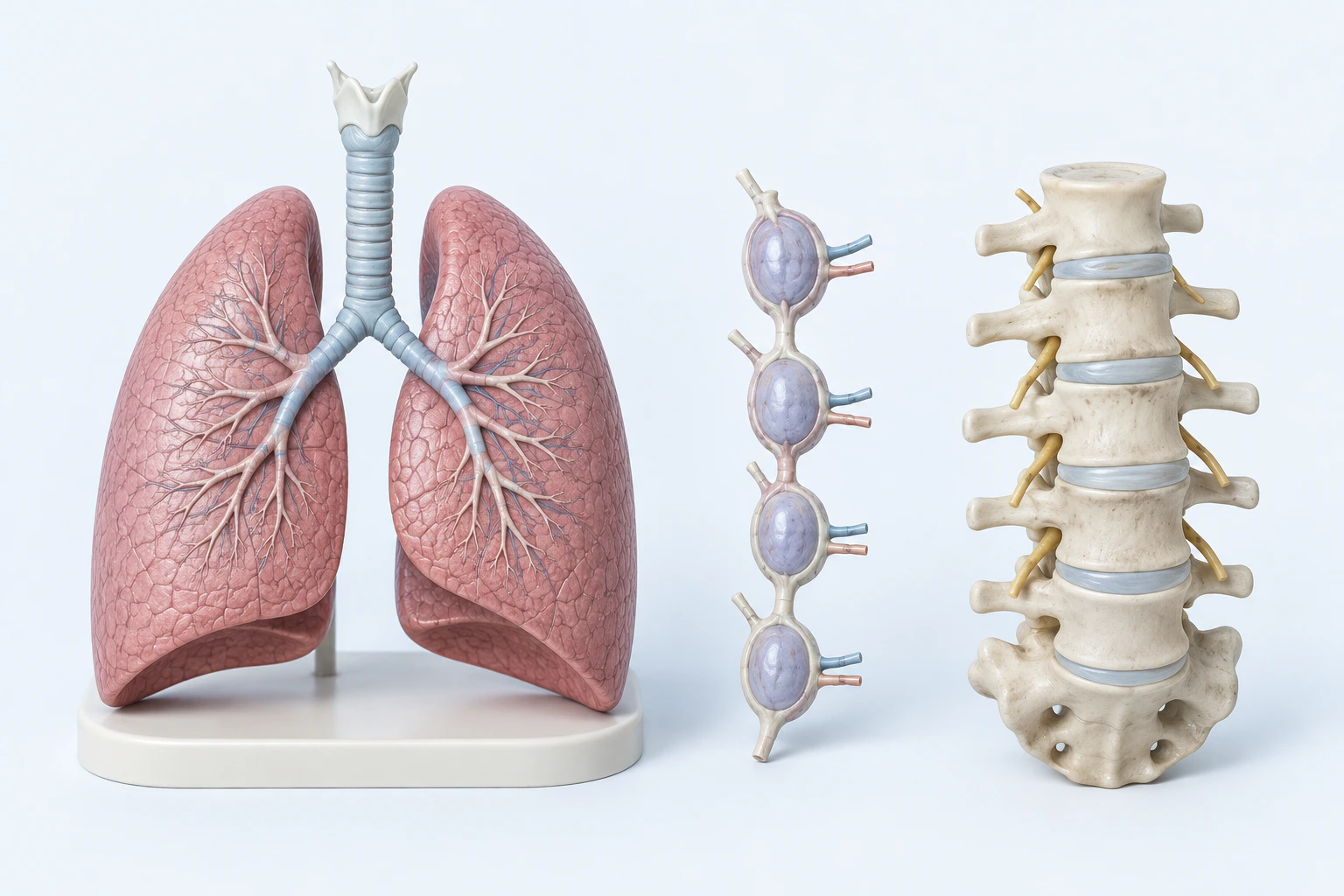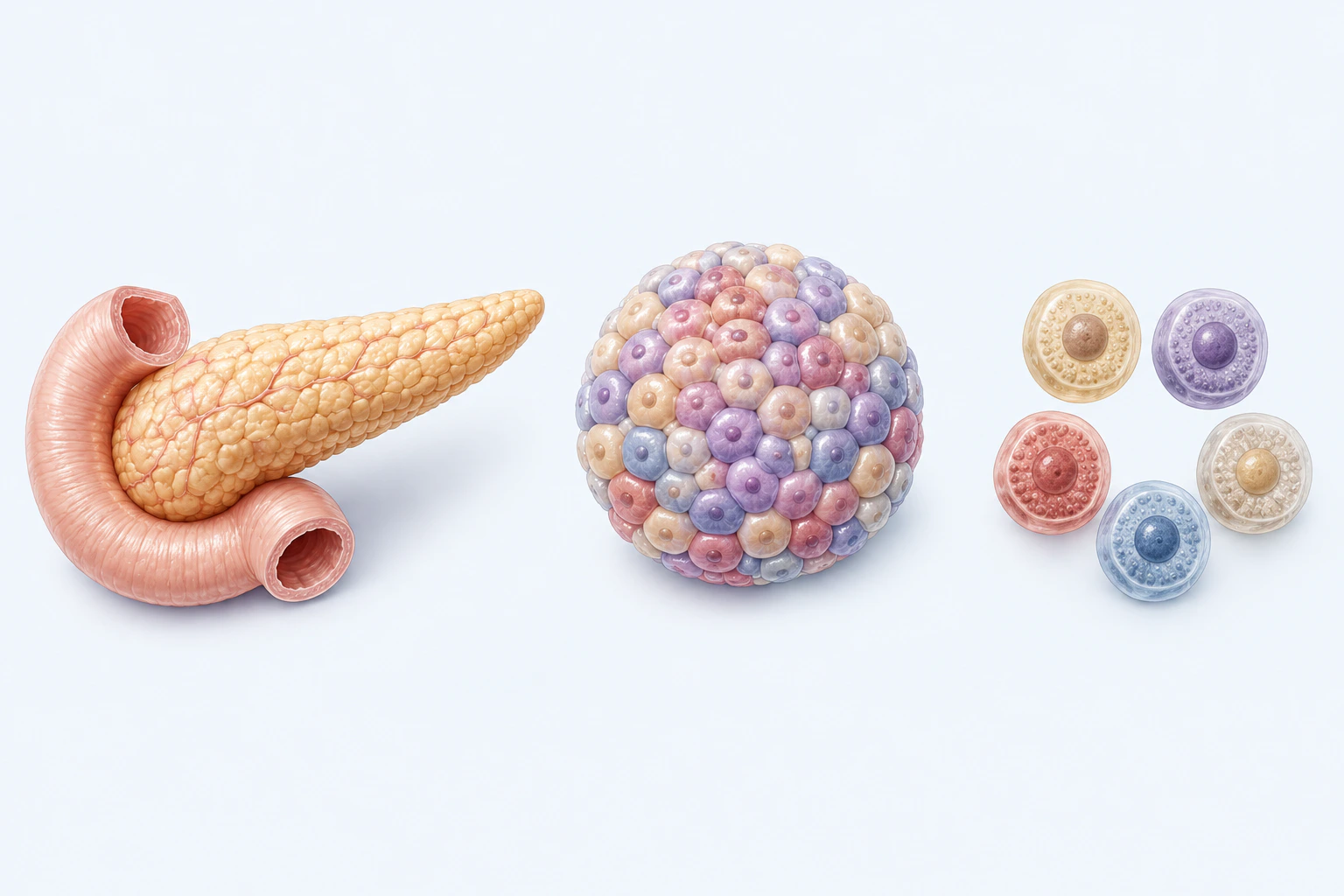
Conditions linked to heavy metal exposure and microbiome disruption, from autoimmune to neurodegenerative disorders. 65 articles in this category.
Alzheimer'S Disease The most common form of dementia, affecting an estimated 55 million people worldwide and projected to triple by 2050 zhang 2024 recent advances alzheimers me...
Anxiety Disorders Anxiety disorders are the most prevalent mental health conditions globally, affecting ~280 million people (~4.8% of the world population). They encompass gen...
Autism Spectrum Disorder A neurodevelopmental condition affecting approximately 1 in 36 children (US CDC 2023 estimate), characterized by differences in social communication, restric...
Barrett'S Esophagus Barrett's esophagus (BE) is a premalignant condition in which the normal squamous epithelium of the distal esophagus is replaced by intestinal type columnar ...
Bipolar Disorder Bipolar disorder is a chronic neuropsychiatric condition characterized by recurrent episodes of mania (or hypomania) and depression, affecting approximately ...
Breast Cancer Breast cancer is the most common cancer in women worldwide, with approximately 2.3 million new cases annually. While genetic, hormonal, and lifestyle factors...
Cardiovascular Disease Cardiovascular disease (CVD) encompassing atherosclerosis, coronary artery disease, hypertension, myocardial infarction, heart failure, and stroke is the lea...
Celiac Disease Celiac disease is a chronic autoimmune condition triggered by dietary gluten (gliadin proteins from wheat, barley, and rye) in genetically susceptible indivi...
Cerebral Palsy Cerebral palsy (CP) is the most common motor disability in childhood, affecting 2 3 per 1,000 live births allen 2021 multi organ dysfunction cerebral palsy. ...
Cholestasis Cholestasis is the impairment or cessation of bile flow from the liver to the duodenum. It can be intrahepatic (hepatocyte or bile ductule dysfunction) or ex...
Chronic Fatigue Syndrome Myalgic encephalomyelitis/chronic fatigue syndrome (ME/CFS) is a complex, disabling condition characterized by profound fatigue not relieved by rest, post ex...
Chronic Kidney Disease A progressive loss of kidney function affecting approximately 850 million people worldwide (10–14% of adults), causing 1.2 million deaths annually. CKD is un...
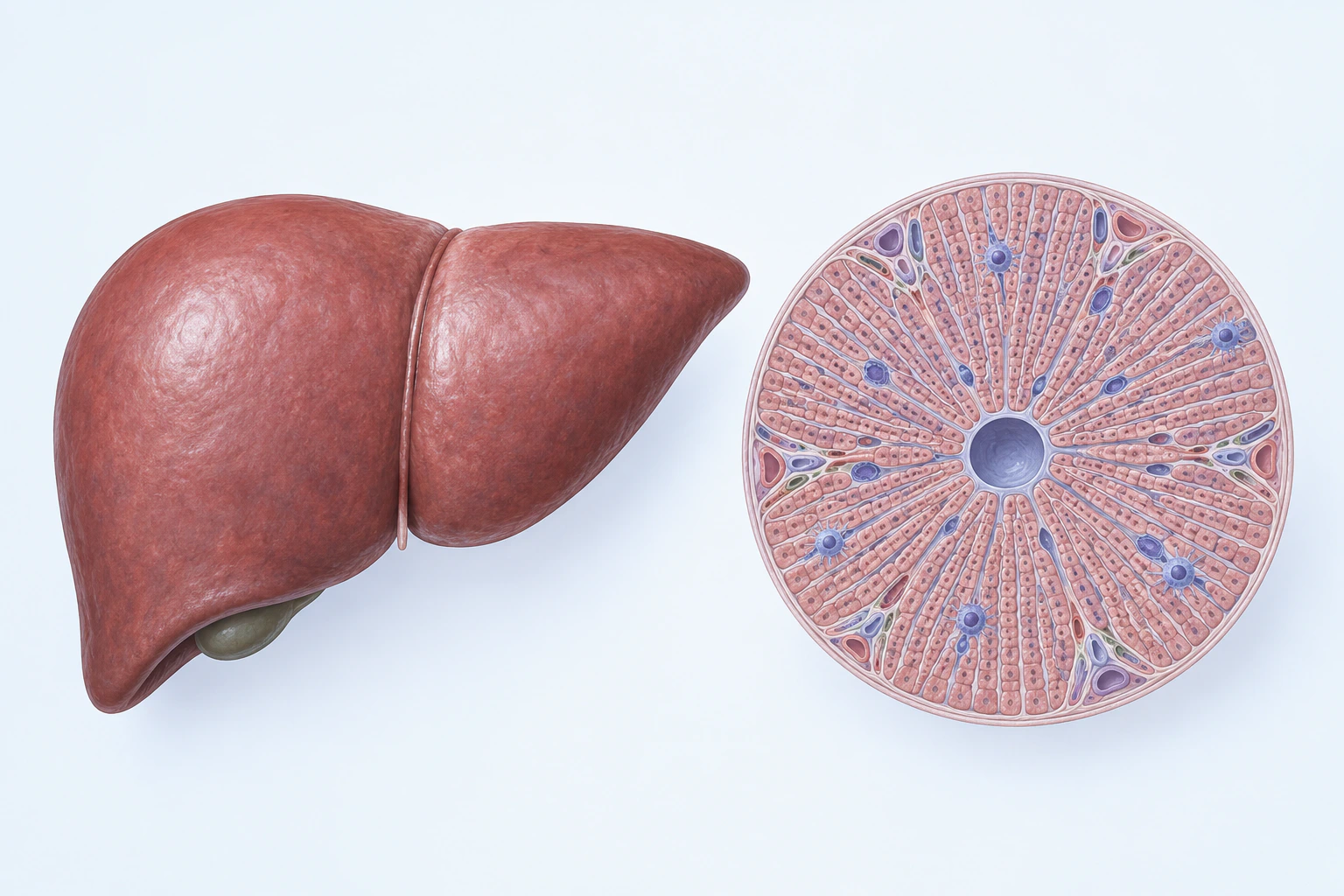
Cirrhosis Cirrhosis is end stage liver fibrosis characterized by nodular regeneration, portal hypertension, and progressive hepatic failure. The gut liver axis is cent...
Colorectal Cancer Colorectal cancer (CRC) is the third most common cancer worldwide and the second leading cause of cancer death. Over 90% of cases are sporadic, driven by a c...
Coronary Artery Disease Coronary artery disease (CAD) the progressive narrowing of coronary arteries by atherosclerotic plaque is the single leading cause of death globally, respons...
Crohn'S Disease A chronic, relapsing remitting inflammatory bowel disease (IBD) characterized by transmural inflammation of the gastrointestinal tract, most commonly affecti...
Cystic Fibrosis Cystic fibrosis (CF) is an autosomal recessive disorder caused by mutations in the CFTR gene, producing defective chloride and bicarbonate transport across e...
Depression Depression is the most prevalent mental health disorder globally, affecting over 280 million people zhu 2025 microbiota gut brain axis depression review, and...
Dermatitis Herpetiformis Dermatitis herpetiformis (DH) is the cutaneous manifestation of celiac disease, presenting as intensely pruritic, grouped vesicles on the elbows, knees, butt...
Diabetic Kidney Disease Diabetic kidney disease (DKD), also known as diabetic nephropathy, is the leading cause of end stage renal disease (ESRD) worldwide, affecting 30 40% of pati...
Endometriosis Endometriosis is a chronic estrogen dependent inflammatory condition affecting approximately 10% of reproductive age women, characterized by the growth of en...
Epilepsy Epilepsy is a chronic neurological disorder characterized by recurrent unprovoked seizures, affecting ~50 million people worldwide. Approximately 30% of pati...
Erectile Dysfunction Erectile dysfunction (ED) affects 30 50% of men aged 40 70 Feldman et al. 1994, with prevalence increasing with age. Conventionally understood as a vascular ...
Female Infertility Affects approximately 48 million women worldwide (WHO global infertility prevalence estimates). From a microbiome metallomics perspective, female infertility...
Fibromyalgia Fibromyalgia (FM) is a chronic pain syndrome affecting 2 4% of the global population Heidari et al. 2017, characterized by widespread musculoskeletal pain, f...
Gastric Adenocarcinoma The most common malignancy of the stomach, accounting for over 95% of gastric cancers. helicobacter pylori infection is the strongest known risk factor, clas...
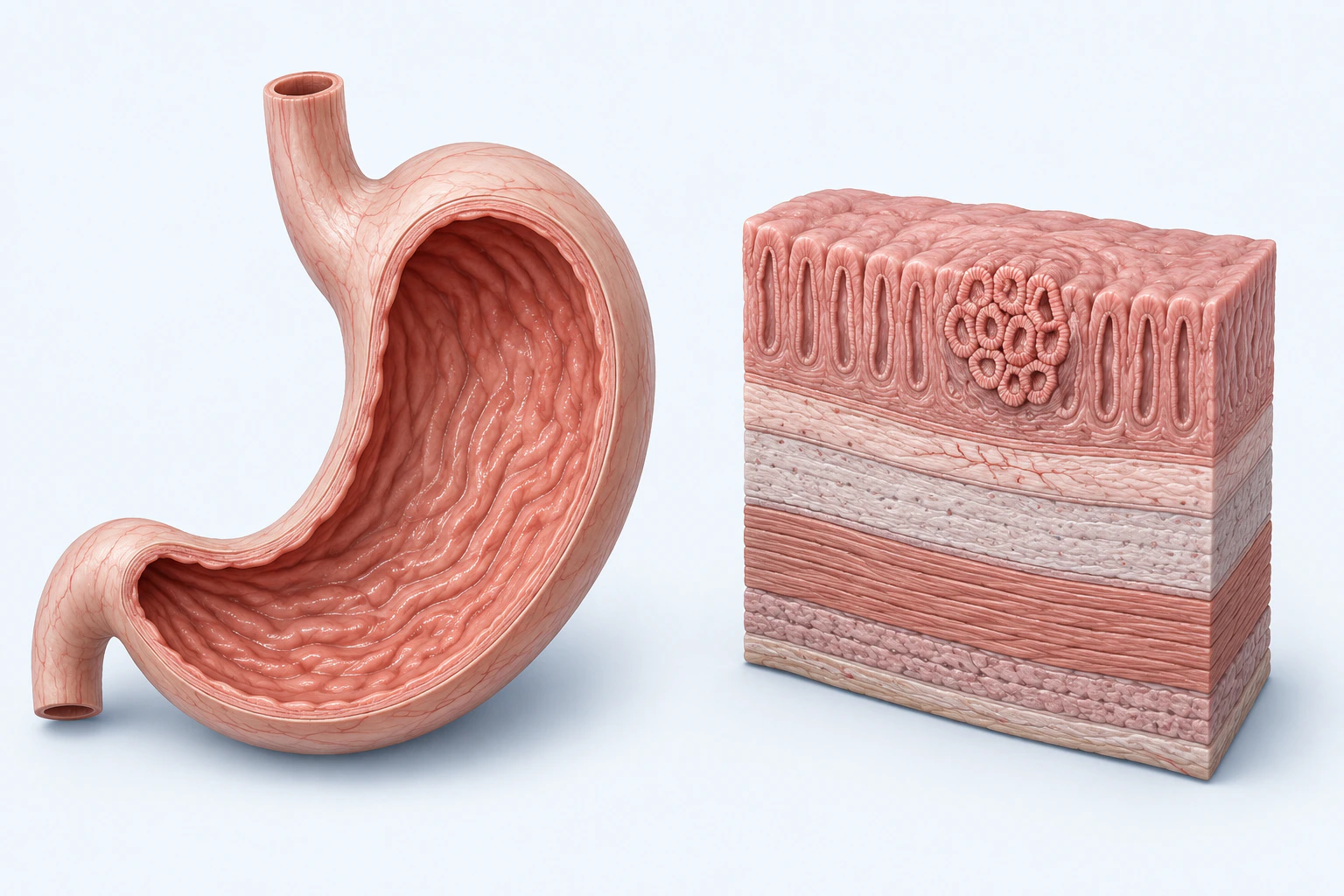
Gastric Cancer The fifth most common cancer worldwide and third leading cause of cancer death, with over 1 million new cases annually. Gastric cancer stands unique in this ...
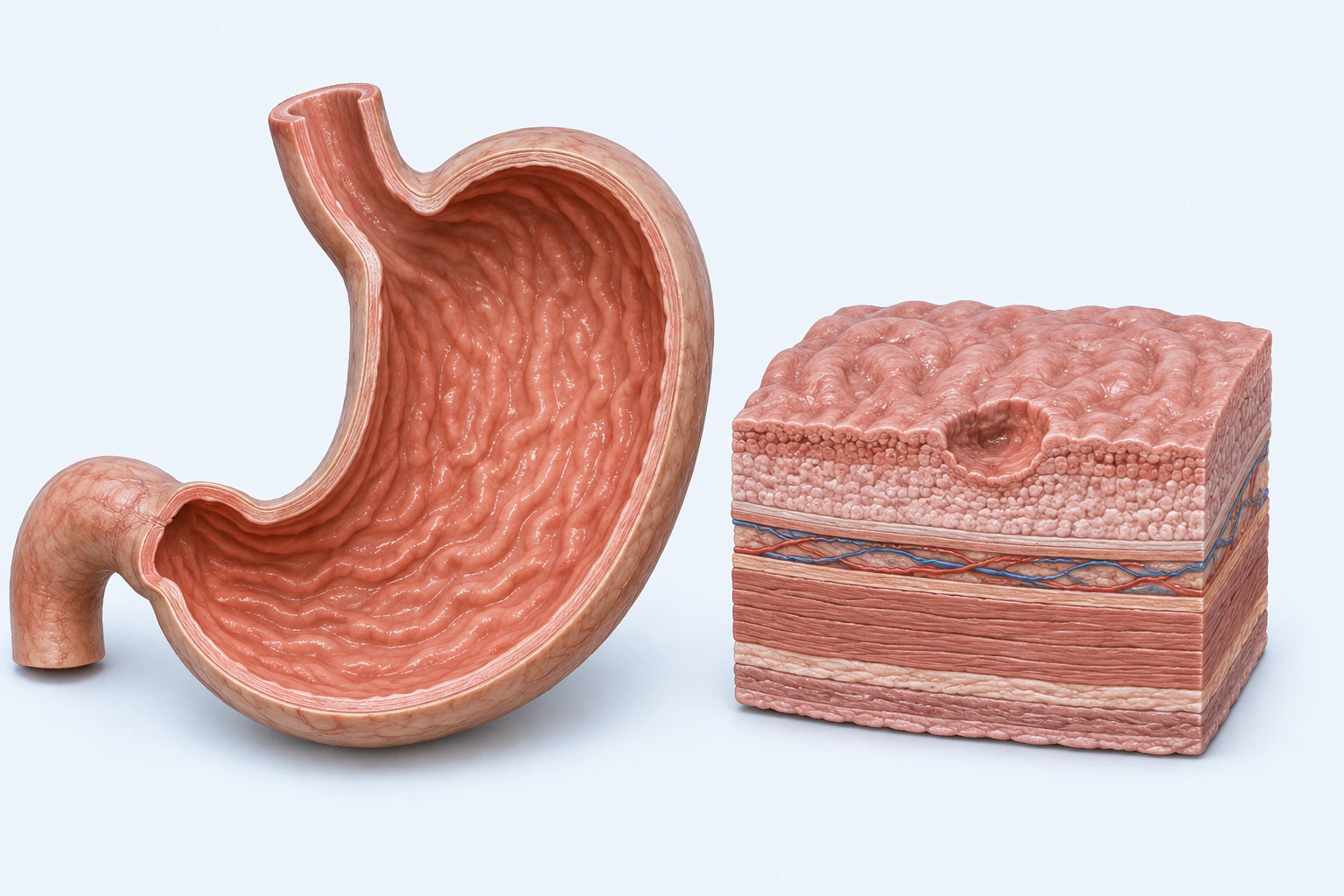
Gastric Ulcer A breach in the gastric mucosal lining extending through the muscularis mucosae, most commonly caused by helicobacter pylori infection or chronic NSAID use. ...
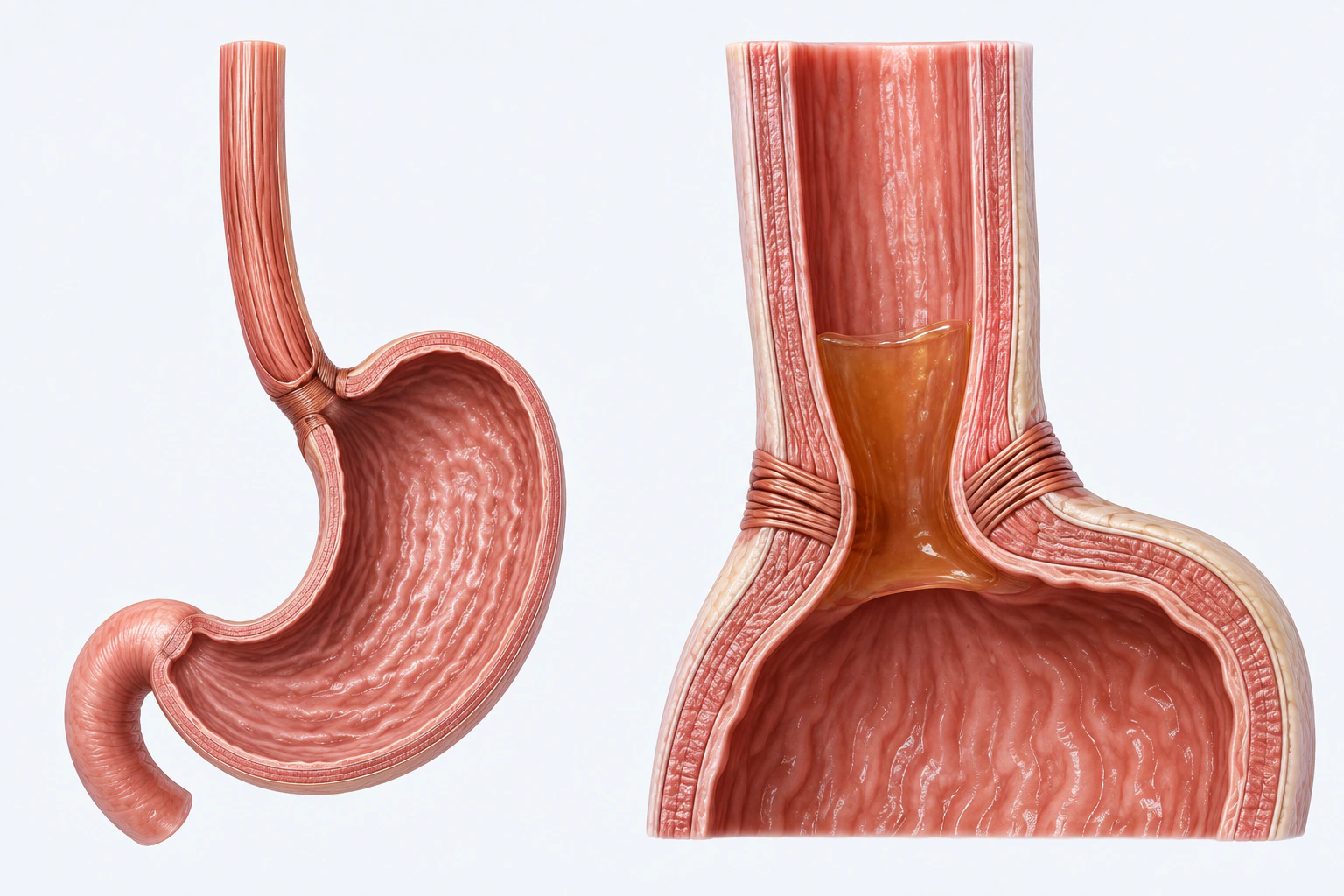
Gastroesophageal Reflux Disease (GERD) Gastroesophageal reflux disease (GERD) is a chronic condition in which stomach acid or bile flows back into the esophagus, causing mucosal damage and symptom...
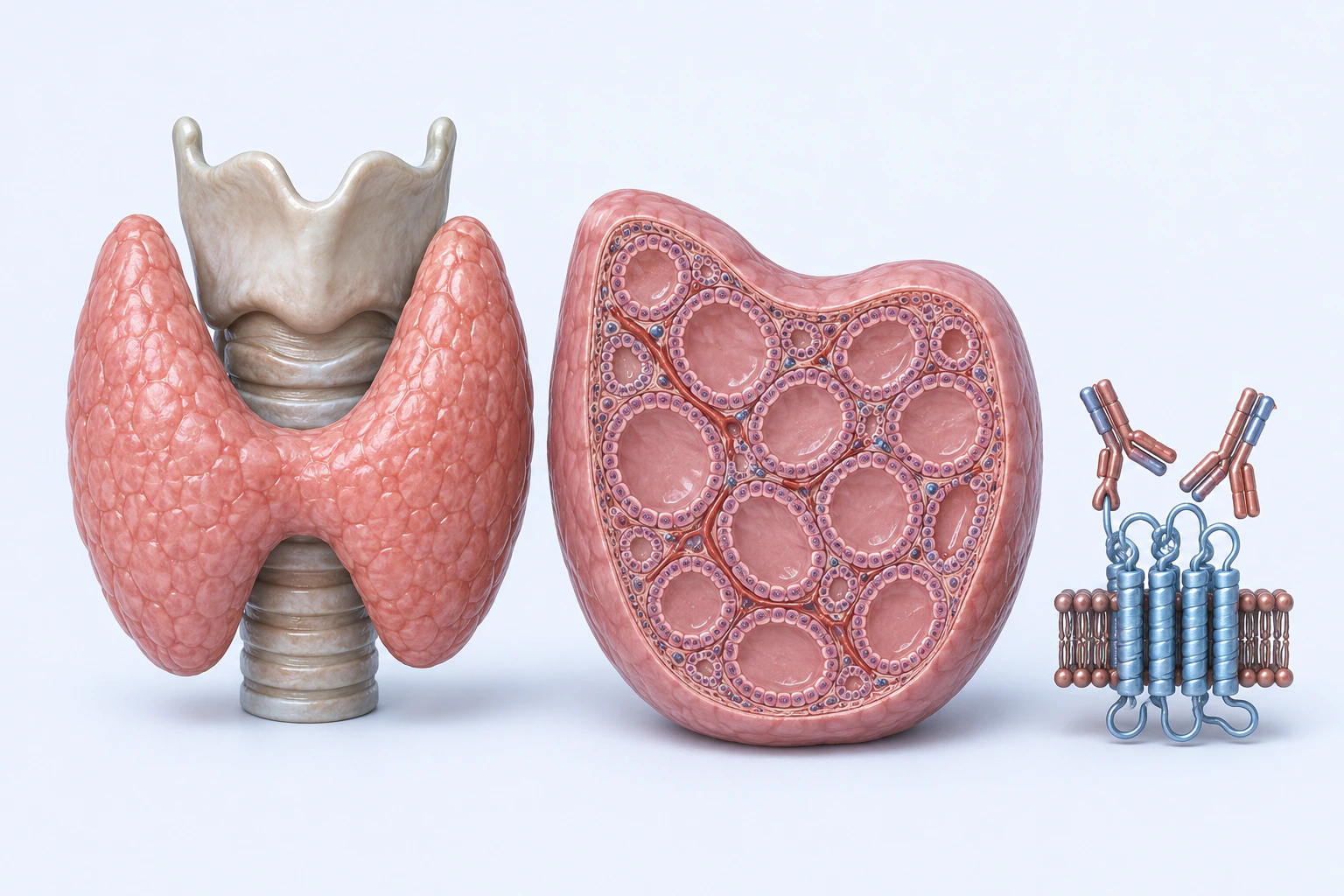
Graves' Disease Graves' disease (GD) is an autoimmune thyroid disorder characterized by TSH receptor antibodies (TRAb) that stimulate the thyroid gland, causing hyperthyroid...
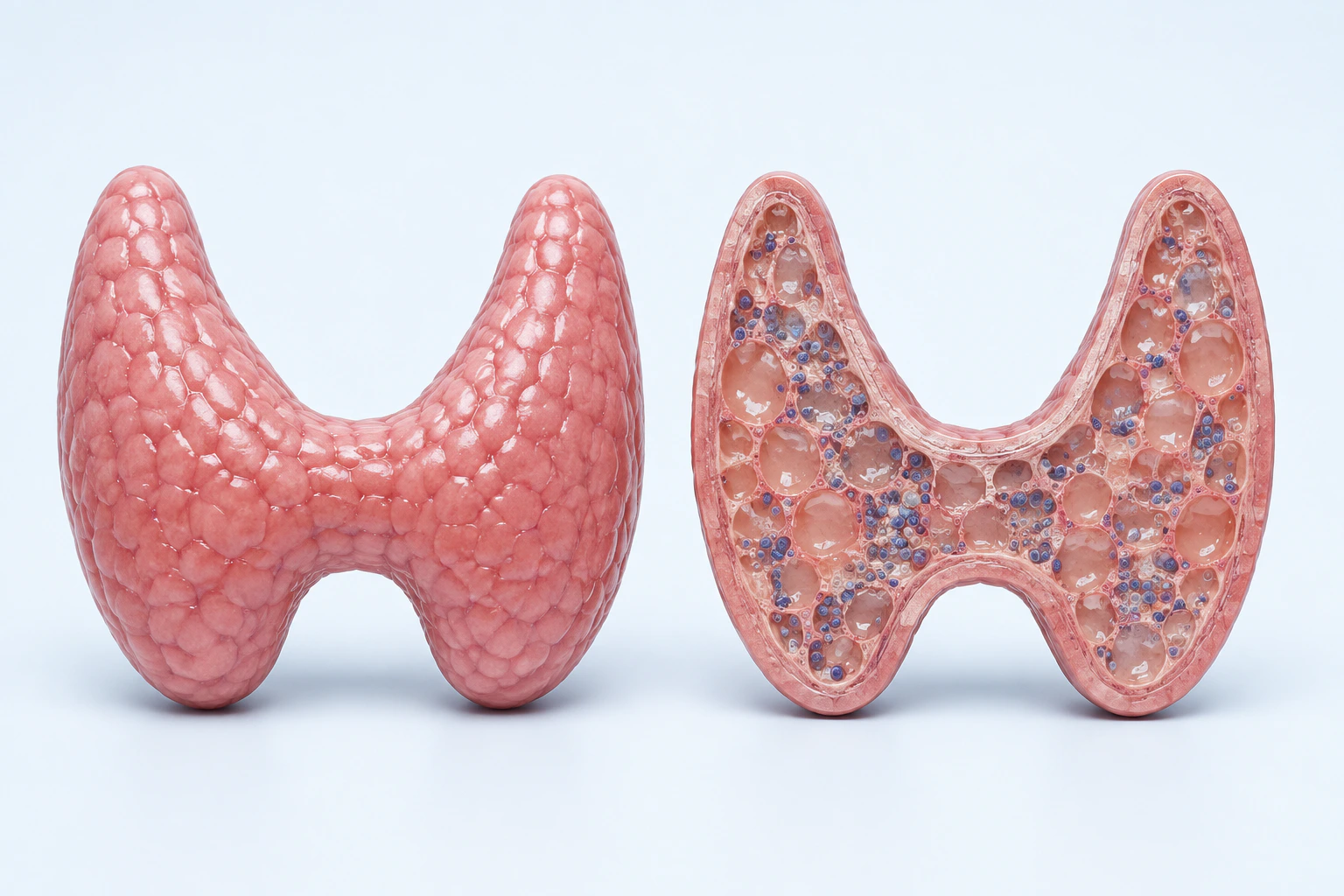
Hashimoto'S Thyroiditis Hashimoto's thyroiditis (HT) is the most common autoimmune disease globally and the leading cause of hypothyroidism. Chronic lymphocytic infiltration of the ...
Hepatitis Hepatitis (liver inflammation) encompasses viral (HBV, HCV, HAV), autoimmune, alcoholic, and toxin induced forms. In the WikiBiome framework, the gut liver a...
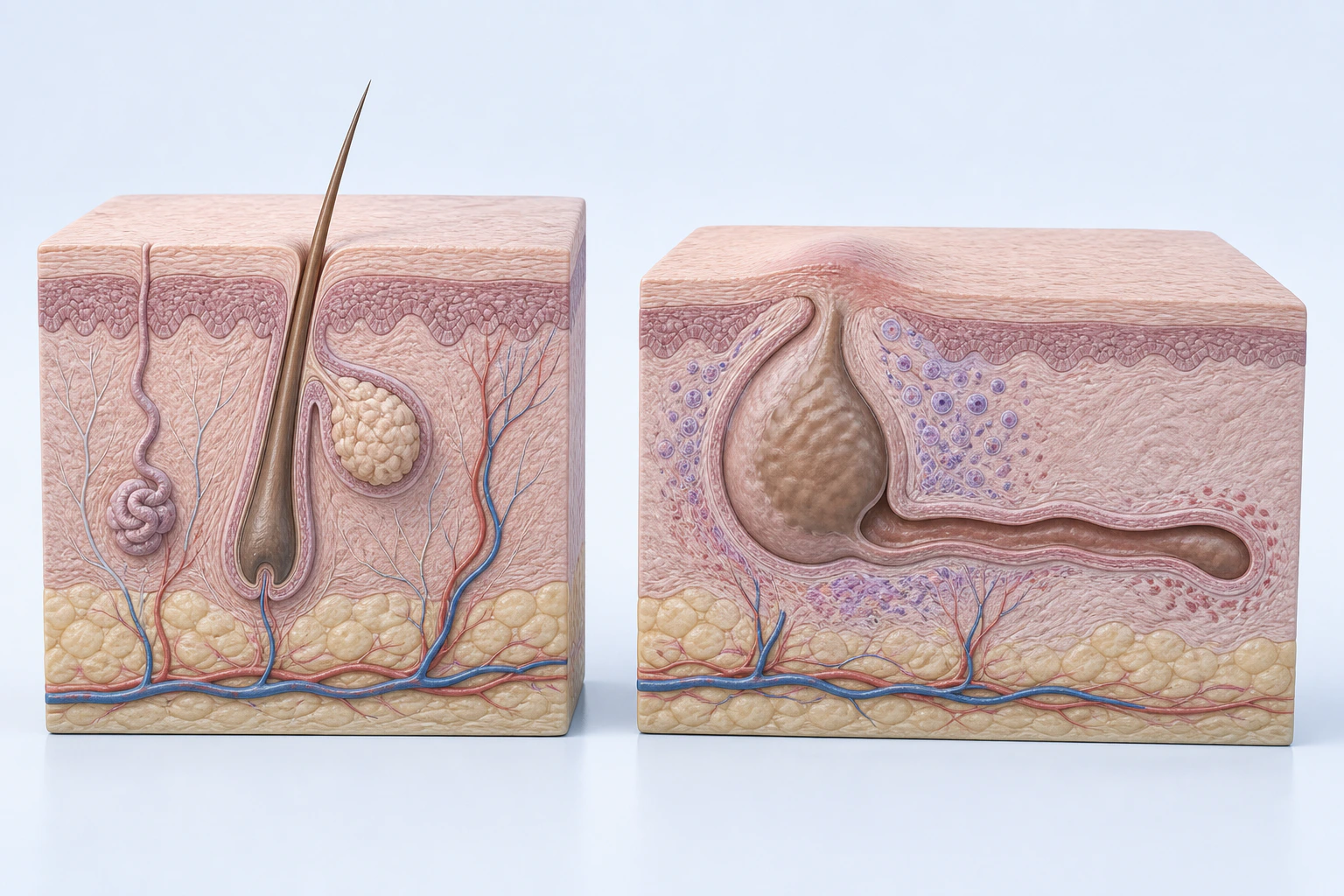
Hidradenitis Suppurativa Hidradenitis suppurativa (HS) is a chronic, relapsing inflammatory skin disease characterized by painful nodules, abscesses, and sinus tracts in apocrine gla...
HIV/AIDS HIV (Human Immunodeficiency Virus) causes progressive CD4+ T cell depletion leading to AIDS. In the WikiBiome framework, HIV is notable for the gut centric m...
Huntington'S Disease Huntington's disease (HD) is an autosomal dominant neurodegenerative disorder caused by CAG trinucleotide repeat expansion in the HTT gene, producing mutant ...
Hypertension Sustained elevation of systemic blood pressure, affecting an estimated 1.3 billion adults worldwide and the leading modifiable risk factor for cardiovascular...
Inflammatory Bowel Disease (IBD) An umbrella term for chronic relapsing remitting inflammatory conditions of the gastrointestinal tract, principally crohns disease (CD; transmural, any GI se...
Irritable Bowel Syndrome (IBS) A functional gastrointestinal disorder affecting 10 15% of the global population, characterized by chronic abdominal pain, bloating, and altered bowel habits...
Long COVID Post acute sequelae of SARS CoV 2 infection (PASC), affecting an estimated 10 30% of COVID 19 survivors (WHO and CDC post acute surveillance estimates) with ...
Major Depressive Disorder Major depressive disorder (MDD) is a psychiatric condition characterized by persistent depressed mood, anhedonia, and cognitive/somatic symptoms. In the Wiki...
Migraine Migraine is a complex neurological disorder characterized by recurrent episodes of moderate to severe headache, often unilateral and pulsatile, accompanied b...
Multiple Sclerosis Multiple sclerosis (MS) is a chronic autoimmune demyelinating disease of the central nervous system, with a global prevalence of approximately 2.8 million at...
Necrotizing Enterocolitis Necrotizing enterocolitis (NEC) is the most common and lethal gastrointestinal emergency in premature infants, affecting 5 12% of very low birth weight neona...
Non Alcoholic Fatty Liver Disease Non alcoholic fatty liver disease (NAFLD), recently reclassified as metabolic dysfunction associated steatotic liver disease (MASLD), encompasses a spectrum ...
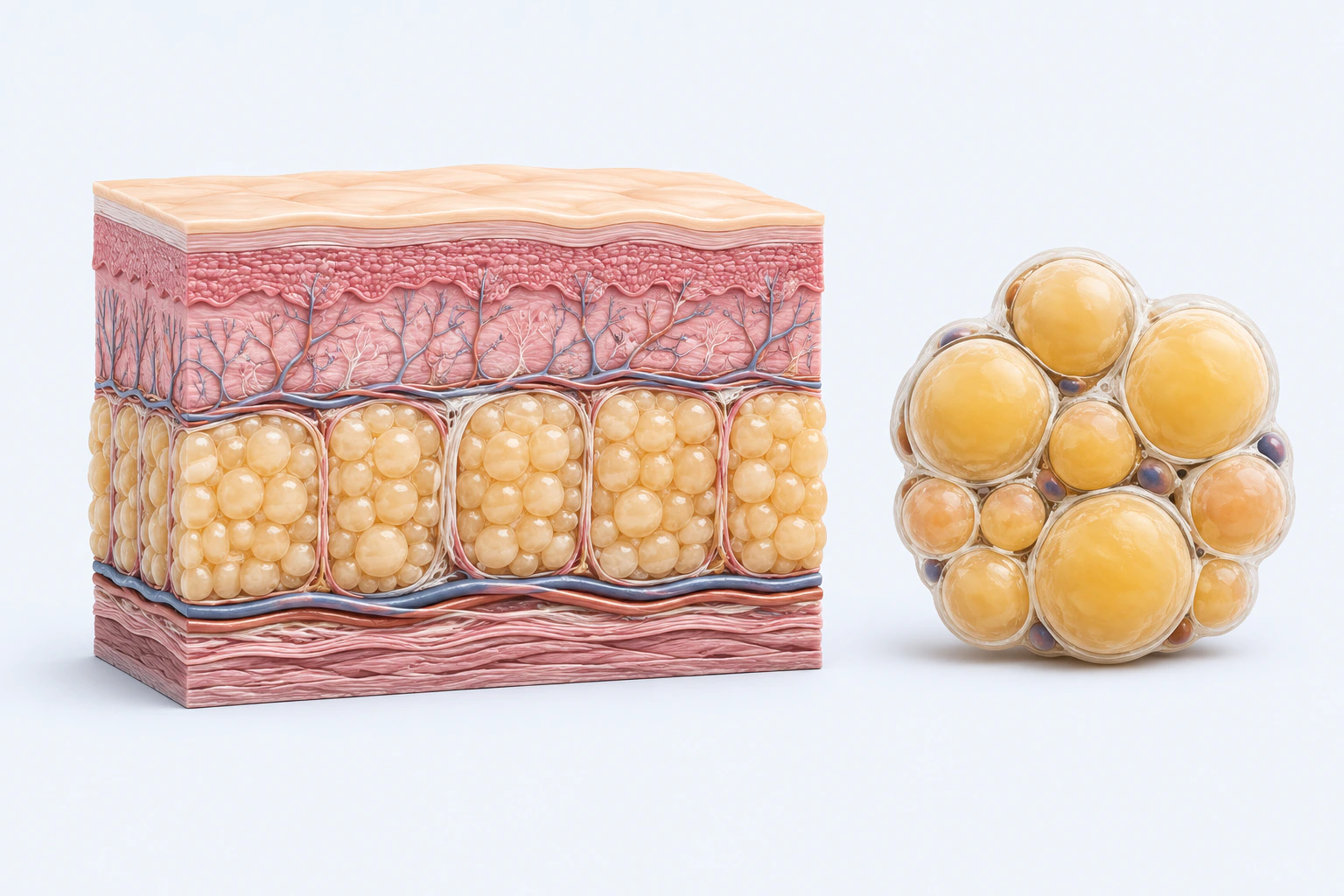
Obesity A chronic metabolic condition affecting over 1 billion people globally, characterized by excess adipose tissue accumulation, systemic low grade inflammation,...
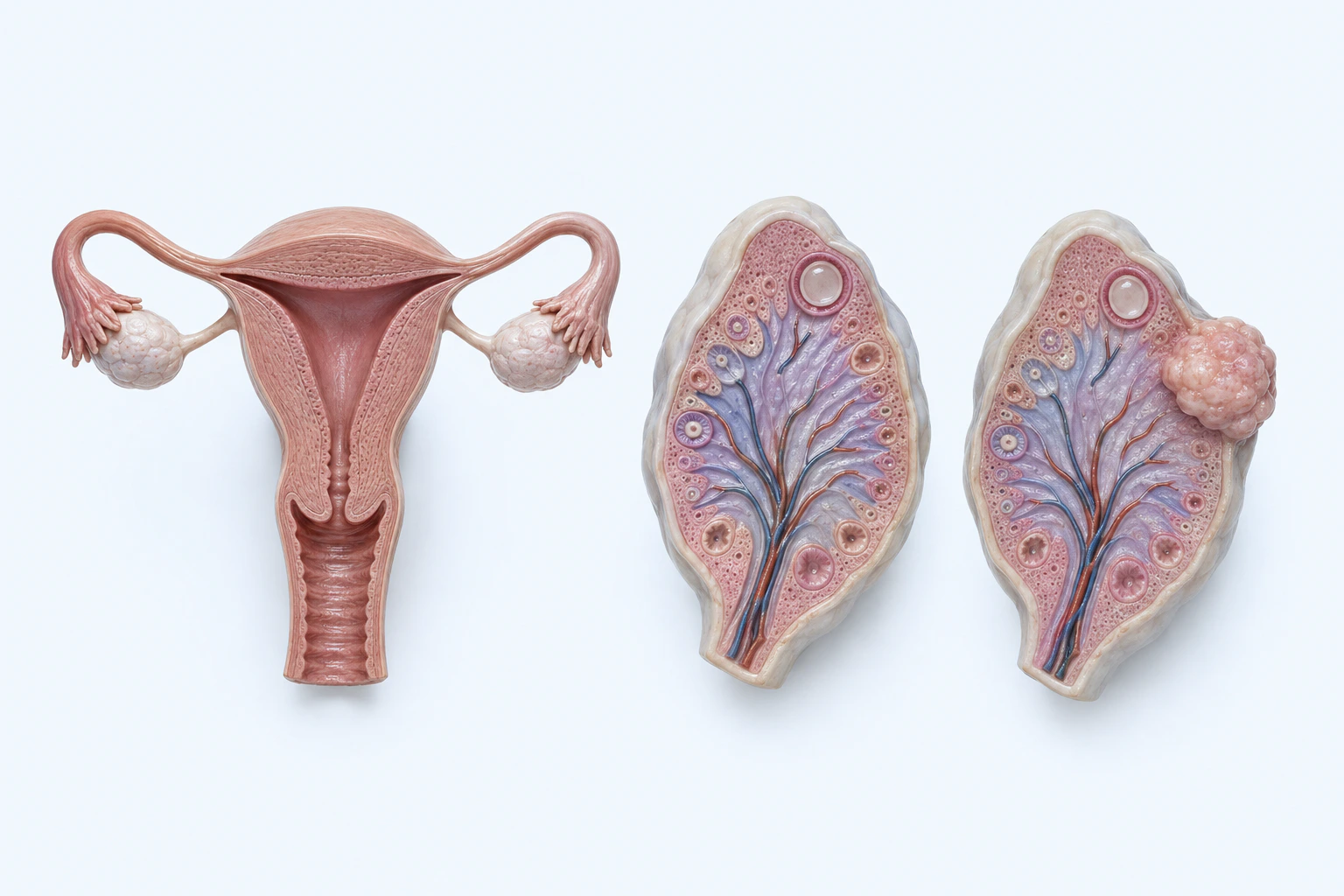
Ovarian Cancer Ovarian cancer is the most lethal gynecological malignancy, with approximately 314,000 new cases and 207,000 deaths annually worldwide. Its poor prognosis st...
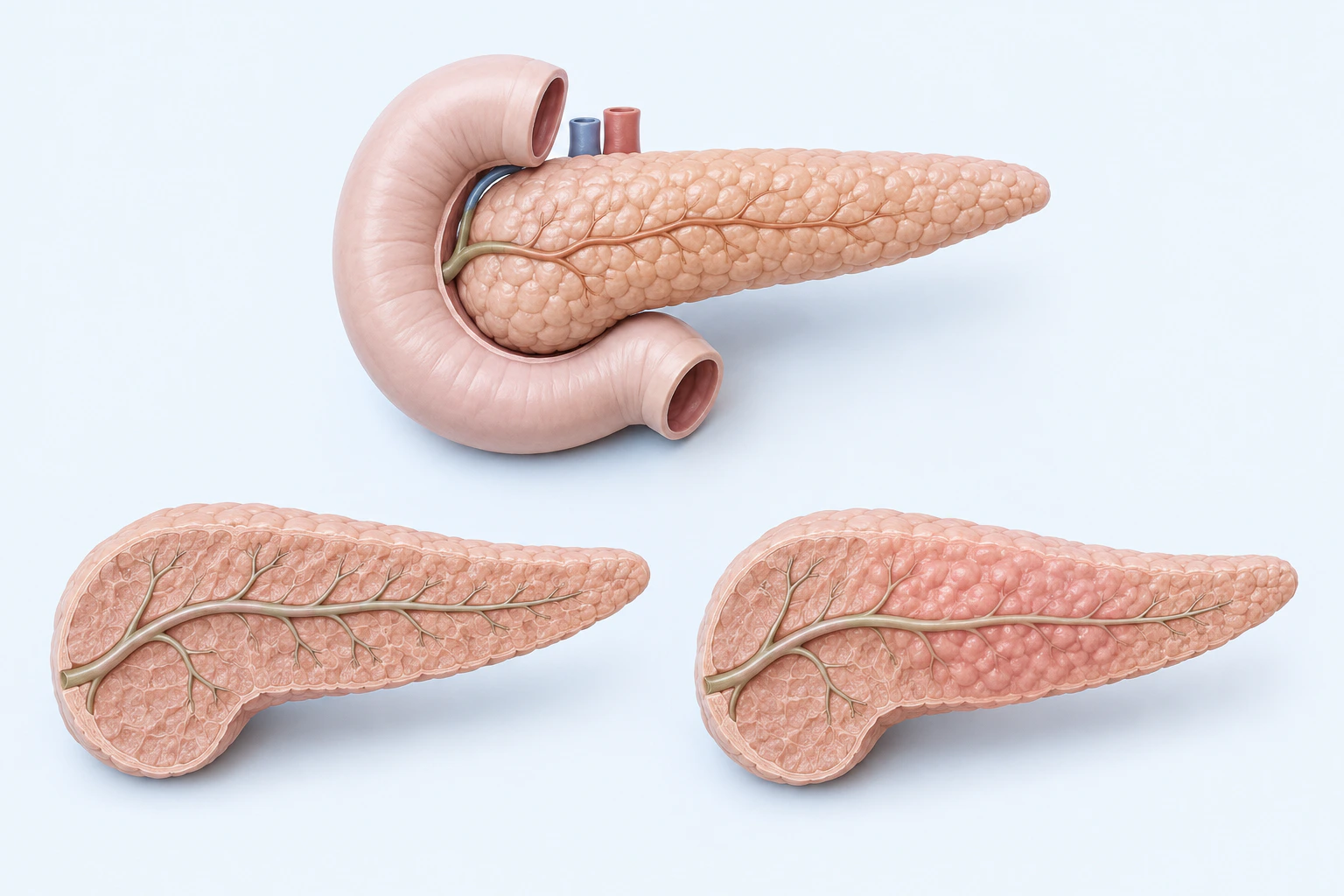
Pancreatic Cancer Pancreatic cancer is the fifth leading cause of cancer death in Western nations, with rising incidence globally. Pancreatic ductal adenocarcinoma (PDAC) acco...
Pancreatitis Pancreatitis is inflammation of the pancreas, occurring in acute (AP) and chronic (CP) forms. Acute pancreatitis ranges from mild self limiting disease to se...
Parkinson'S Disease The second most common neurodegenerative disease, affecting over 10 million people worldwide dorsey 2018 parkinsons incidence meta analysis. Characterized by...
Pelvic Inflammatory Disease Pelvic inflammatory disease (PID) is an ascending infection of the female upper reproductive tract — uterus, fallopian tubes, and ovaries. Traditionally attr...
Periodontitis Periodontitis is a chronic inflammatory disease of the periodontal tissues (gingiva, periodontal ligament, alveolar bone) driven by a dysbiotic polymicrobial...
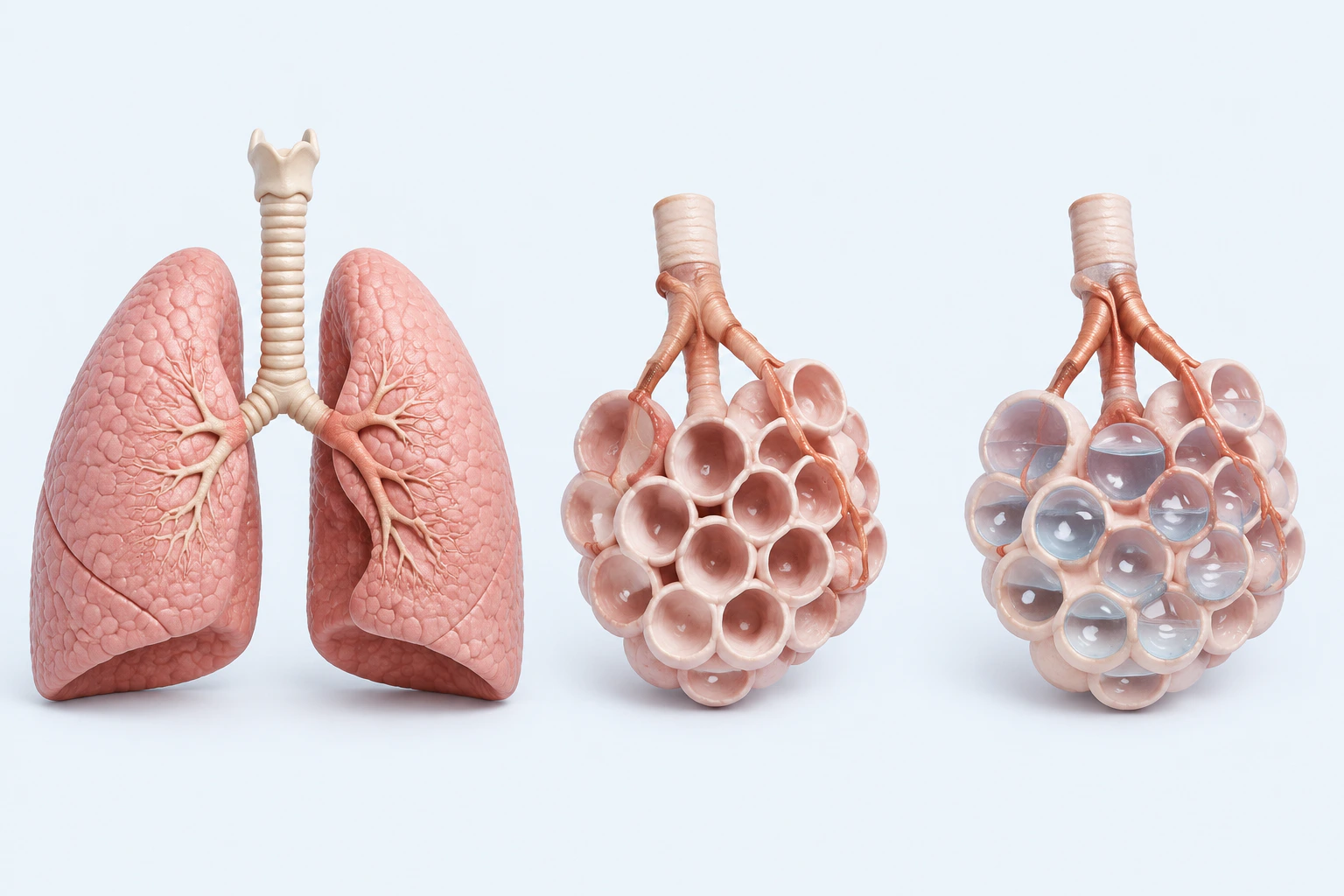
Pneumonia Pneumonia is infection of the lung parenchyma, most commonly caused by streptococcus pneumoniae, Klebsiella pneumoniae, Haemophilus influenzae, and viruses (...
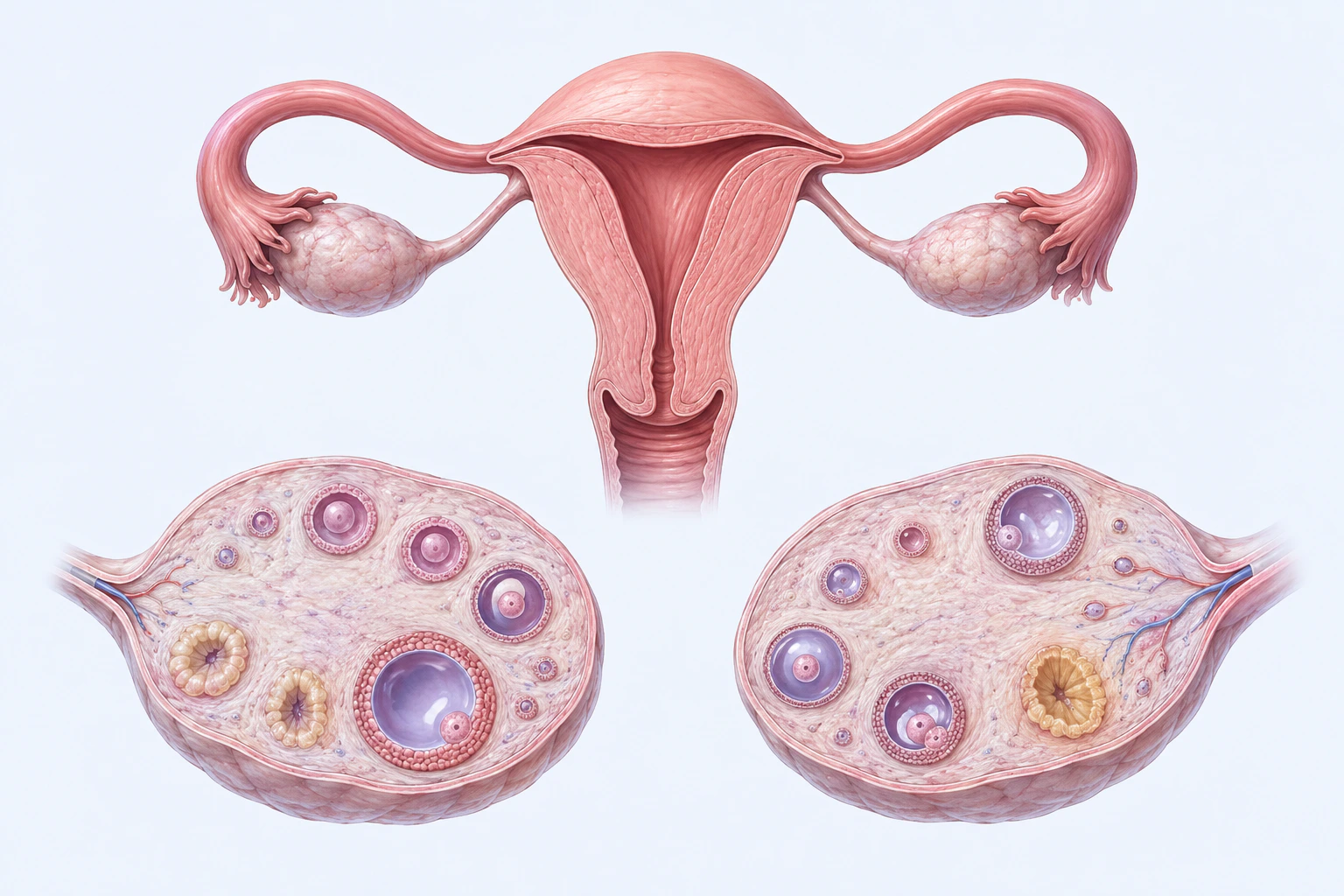
Polycystic Ovary Syndrome A metabolic endocrine disorder affecting 6 20% of reproductive age women worldwide, characterized by hyperandrogenism, oligo/anovulation, and polycystic ovar...
Postpartum Depression Postpartum depression (PPD) affects 10 20% of women after delivery, with profound consequences for maternal health, infant bonding, and child neurodevelopmen...
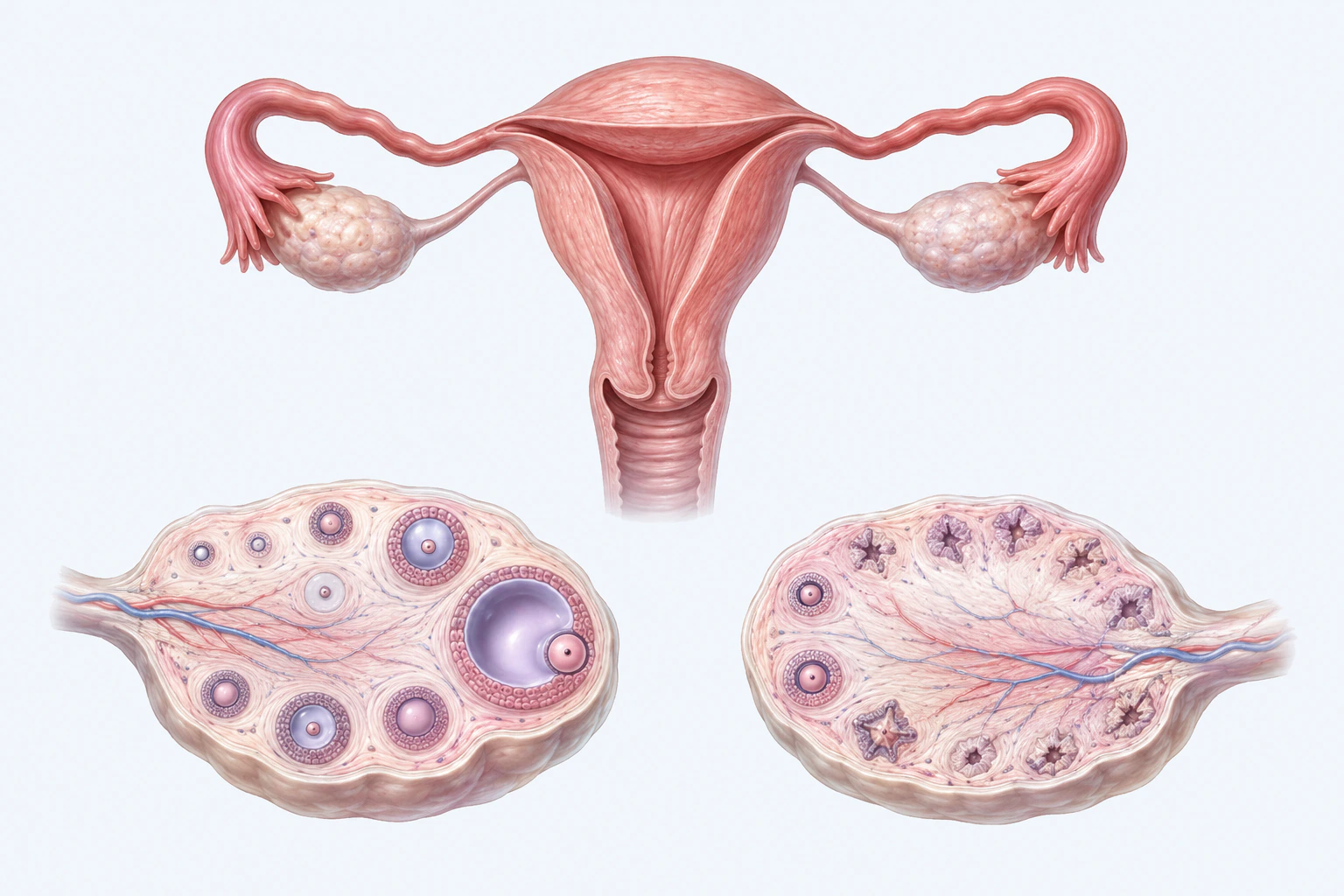
Premature Ovarian Insufficiency Premature ovarian insufficiency (POI), previously called premature ovarian failure, is the loss of ovarian function before age 40, characterized by elevated ...
Premenstrual Dysphoric Disorder Premenstrual Dysphoric Disorder (PMDD) affects 3 8% of menstruating individuals Epperson et al. 2012, causing severe mood disturbances, irritability, anxiety...
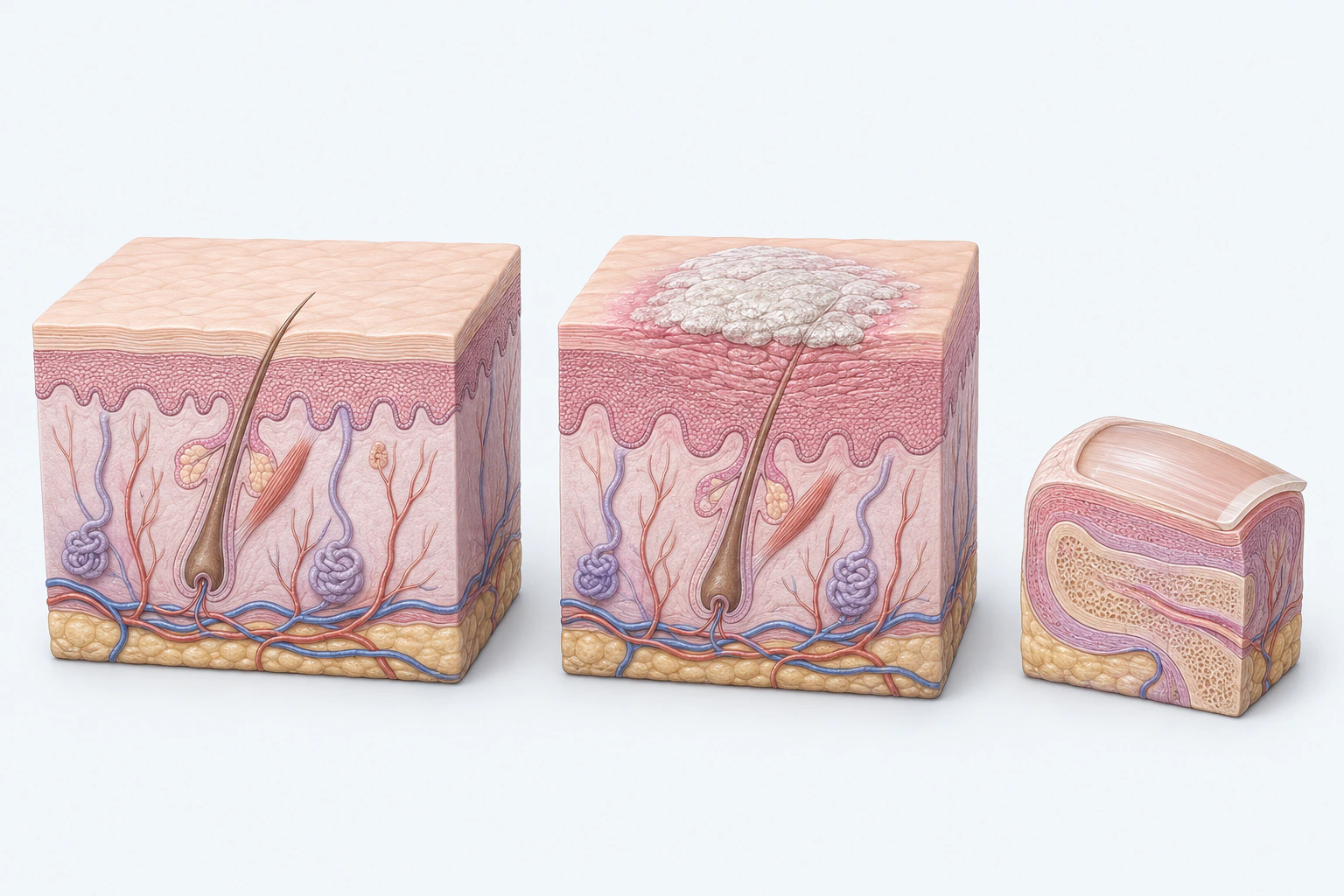
Psoriasis Psoriasis is a chronic, immune mediated inflammatory skin disease characterized by keratinocyte hyperproliferation, resulting in well demarcated erythematous...
Rheumatoid Arthritis Rheumatoid arthritis (RA) is a chronic systemic autoimmune disease characterized by symmetric polyarthritis with progressive joint destruction, affecting app...
Schizophrenia A severe neuropsychiatric disorder affecting approximately 1% of the global population, characterized by positive symptoms (hallucinations, delusions), negat...
Sepsis Sepsis is life threatening organ dysfunction caused by a dysregulated host response to infection. In the WikiBiome framework, sepsis represents the catastrop...
Tuberculosis Tuberculosis is caused by mycobacterium tuberculosis, an intracellular pathogen that survives inside macrophage phagosomes. In the WikiBiome framework, TB ex...
Type 1 Diabetes Type 1 diabetes is an autoimmune disease in which immune mediated destruction of insulin producing beta cells in the pancreatic islets of Langerhans leads to...
Type 2 Diabetes Type 2 diabetes (T2D) is a metabolic disease characterized by insulin resistance and progressive beta cell dysfunction, affecting over 500 million people wor...
Ulcerative Colitis A chronic inflammatory bowel disease characterized by continuous mucosal inflammation of the colon, extending proximally from the rectum. Unlike crohns disea...