
 metals · microbes · host
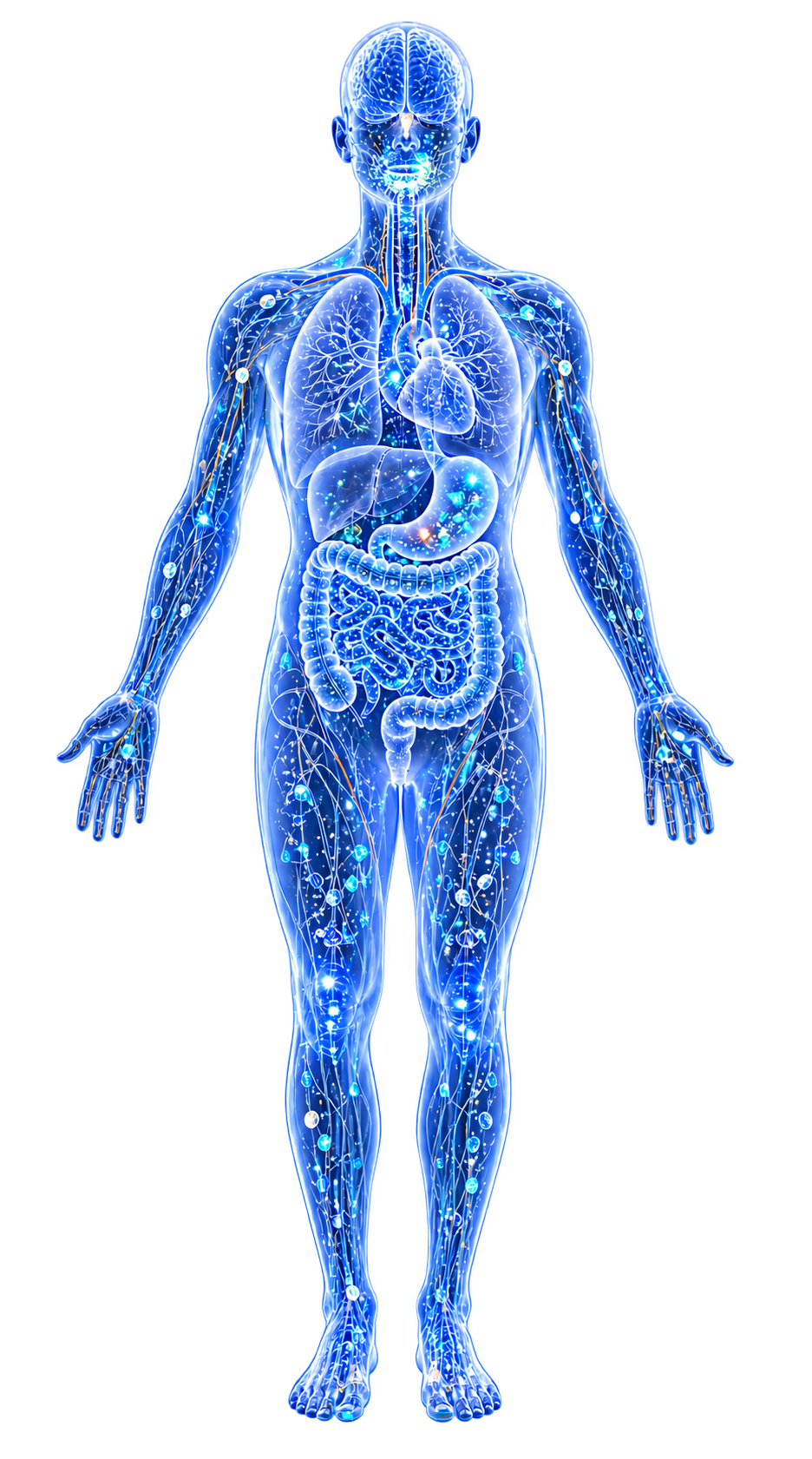
Representative pancreatic-neoplasm orientation. Appearance does not establish malignancy, cellular origin, histologic subtype, grade, stage, spread, prognosis, or diagnosis.
Scientific media record1 verified identifier
- Subject
- Pancreatic Neoplasmscondition
- Identifiers
- MeSH:D010190
- Review
- Editorial review completeIdentifiers authority-verified · Accessibility validated · · pancreatic-cancer|pancreatic-cancer-pathology-v1.webp
- Digital source
- Trained-algorithmic mediaCreated with a trained generative algorithm and reviewed by WikiBiome for subject identity, scientific framing, identifiers, provenance, and accessibility.
- Scientific basis
- Pancreatic Neoplasms — MeSHPancreatic Cancer Treatment
- License
- CC BY-SA 4.0Created
Pancreatic cancer is the fifth leading cause of cancer death in Western nations, with rising incidence globally. Pancreatic ductal adenocarcinoma (PDAC) accounts for over 90% of cases. Five-year survival remains approximately 12%, owing to late-stage diagnosis, aggressive biology, and therapeutic resistance.
Risk factors include obesity, type 2 diabetes, chronic pancreatitis, smoking, and periodontal disease. The convergence of Metallomics, microbiome, and metabolomic evidence now positions pancreatic cancer as a paradigm case for multi-omic biomarker discovery within the Gut-Metal-Microbiome Interactions axis.
Evidence map32 cited passagesInspect provenance +
The landmark urine metallomics study by Schilling et al. (2020) demonstrated that a combined panel of Ca, Mg, Zn, and Cu achieves AUC 0.99 (sensitivity 95.2%, specificity 97.8%) for PDAC detection.
| Metal | Direction | Key Evidence | |-------|-----------|-------------| | copper | Elevated (urine, serum) | ATP7A overexpression in PDAC; Cu elevated across cancer types as near-universal biomarker | | zinc | Elevated (urine), depleted (tissue) | Disrupted ZnT/ZIP transporters (ZIP3, SLC30A); Zn isotope fractionation as novel biomarker dimension (median de
Key finding: The healthy Zn-to-Cu concentration correlation (r2=0.66) is completely abolished in PDAC (r2=0.0002), indicating fundamental disruption of metal homeostasis.
The JAMA Oncology study by Meng et al. (2025)—a nested case-control within 122,000 individuals (445 PC cases, median 8.8-year follow-up)—established the oral microbiome as a prospective predictor of pancreatic cancer.
PDAC tumors harbor intratumoral bacteria, confirmed by 16S rRNA FISH and LPS immunohistochemistry:
| Taxon | Evidence | Pathogenic Mechanism | |-------|----------|---------------------| | fusobacterium | Enriched in PDAC gut and tumor | Pro-inflammatory; oral-gut translocation; promotes NF-kB activation | | porphyromonas | Key MRS component (Meng 2025) | Periodontal pathogen; hematogenous translocation to pancreas | | streptococcus | MR risk-increasing (O
| Taxon | Normal Function | Evidence | |-------|----------------|---------| | faecalibacterium prausnitzii | Primary butyrate producer; anti-inflammatory | Depleted; responder-enriched phages target Faecalibacterium | | roseburia | Butyrate/propionate production | Depleted; phages targeting Roseburia enriched in immunotherapy responders | | Romboutsia | Gut
| Finding | Detail | Source | |---------|--------|--------| | aspergillus as salivary biomarker | AUC 0.983 for PDAC detection | | | Cladosporium | AUC 0.969 for PDAC detection | | | Oral fungal diversity explosion | 5,022 vs 830 OTUs in PDAC vs controls (with decreased Shannon diversity) | | | Candida in pancreatitis | Dominates fecal mycobiome at 61% in ac
| Finding | Detail | Source | |---------|--------|--------| | Virome predicts immunotherapy response | AUC 0.768 (outperforms bacterium-only AUC 0.664) | | | Responder-enriched phages | Target Faecalibacterium and Roseburia (SCFA producers) | | | Non-responder phages | Target Clostridium and Bacteroides | | | Phage-based therapeutics | Phage-derived peptides
| Metabolite Class | Direction | Key Evidence | |-----------------|-----------|-------------| | SCFAs (butyrate, propionate) | Depleted | SCFA producer depletion → chronic inflammation → carcinogenic environment | | BCAAs (Leu, Ile, Val) | Elevated in tumor | Sustain PDAC growth via BCAT2/BCKDHA-driven lipogenesis | | Deoxycholic acid | Elevated | Promotes D
1. Tumor microbiome subtypes: Basal-like PDAC harbors a distinct intratumoral microbiome (Acinetobacter, Pseudomonas, Sphingopyxis) that predicts worse survival. The tumor microbiome is not random colonization—it reflects selection by the tumor microenvironment.
2. Gemcitabine resistance via bacterial CDD: Intratumoral Gammaproteobacteria express cytidine deaminase that converts gemcitabine to its inactive metabolite (dFdU). This is a direct, mechanistic link between the microbiome and treatment failure—not a correlation.
3. Oral-pancreatic translocation: Periodontal pathogens (P. gingivalis, Fusobacterium) translocate to the pancreas via hematogenous or biliary routes. The oral MRS predates diagnosis by a median of 8.8 years, suggesting this translocation is an early event in carcinogenesis.
4. Chronic low-grade inflammation: LPS from Gram-negative bacteria activates NF-kB and MAPK signaling. SCFA depletion removes anti-inflammatory brake. Obesity and T2D—both PC risk factors—converge on this inflammatory dysbiosis.
| Intervention | Mechanism | Evidence | |-------------|-----------|---------| | Ferrichrome (from L. casei) | Siderophore-mediated iron chelation; induces p53-mediated apoptosis in PDAC cells including 5-FU-resistant lines; 10 mg/kg reduces xenograft tumor volume | Promising—preclinical; connects iron biology to ferroptosis | | Synbiotics (probiotics + inu
| Intervention | Mechanism | Evidence | |-------------|-----------|---------| | Dietary fiber | Protective against PC risk; supports SCFA-producing taxa | Validated—meta-analysis confirms dose-response protective association | | Quercetin | Inhibits pancreatic cancer stem cell self-renewal; attenuates sonic hedgehog and beta-catenin signaling | Promising—
The landmark urine metallomics study demonstrated that a combined panel of Ca, Mg, Zn, and Cu achieves AUC 0.99 (sensitivity 95.2%, specificity 97.8%) for PDAC detection. NOTE: This is a discovery study requiring prospective validation.
| Metal | Direction | Key Evidence | |-------|-----------|-------------| | copper | Elevated (urine, serum) | ATP7A overexpression in PDAC; Cu elevated across cancer types as near-universal biomarker | | zinc | Elevated (urine), depleted (tissue) | Disrupted ZnT/ZIP transporters (ZIP3, SLC30A); Zn isotope fractionation as novel biomarker (median delta-66/64-
The healthy Zn-to-Cu concentration correlation (r2=0.66) is completely abolished in PDAC (r2=0.0002), indicating fundamental disruption of metal homeostasis.
| Marker | Direction | Evidence | |--------|-----------|---------| | Copper (serum) | Elevated | Near-universal cancer biomarker; ATP7A overexpression | | LPS | Elevated | Gram-negative bacteria drive NF-kB and MAPK activation | | Pro-inflammatory cytokines | Elevated | LPS-driven NF-kB signaling; chronic low-grade inflammation | | Selenium | Depleted | Impa
The JAMA Oncology study by Meng et al. (2025)—a nested case-control within 122,000 individuals (445 PC cases, median 8.8-year follow-up)—established the oral microbiome as a prospective predictor of pancreatic cancer. A microbial risk score (MRS) combining 27 bacterial and fungal species conferred 3.44-fold increased PC risk per 1-SD increase (95% CI 2
PDAC tumors harbor intratumoral bacteria, confirmed by 16S rRNA FISH and LPS immunohistochemistry. Gammaproteobacteria dominate, with Pseudomonas as the predominant genus. Basal-like tumors are enriched in Acinetobacter, Pseudomonas, and Sphingopyxis, predicting significantly worse survival. Pseudomonas abundance correlated with altered amino acid metabolism
| Taxon | Evidence | Pathogenic Mechanism | |-------|----------|---------------------| | fusobacterium | Enriched in PDAC gut and tumor | Pro-inflammatory; oral-gut translocation; NF-kB activation | | porphyromonas | Key MRS component | Periodontal pathogen; hematogenous translocation | | streptococcus | MR risk-increasing (OR 1.712) | Causal association | |
| Taxon | Normal Function | Evidence | |-------|----------------|---------| | faecalibacterium prausnitzii | Primary butyrate producer; anti-inflammatory | Depleted; responder-enriched phages target Faecalibacterium | | roseburia | Butyrate/propionate production | Depleted; phages targeting Roseburia enriched in responders | | Romboutsia | Gut homeostasis |
Showing 24 of 32 evidence-bearing passages. Every remaining citation is still indexed in the reference record below.
One disease. Five evidence layers.
A generated systems view of the metals, organisms, host sequestration signals, ecological conditions, and microbial functions indexed for Pancreatic Cancer.
Evidence layer
Taxonomic signature
Organisms reported as enriched or depleted, with their indexed functional context kept beside the name.Pro-inflammatory oral/gut pathobiont — enriched in PDAC; oral-pancreatic translocation pathway
Red complex periodontal pathogen -- P. gingivalis in 27-microbe MRS; hematogenous/biliary translocation to pancreas
Intratumoral dominant class — Pseudomonas predominant; bacterial CDD metabolizes gemcitabine
MR risk-increasing (OR 1.712) -- oral-gut axis pathobiont
MR risk-increasing (OR 1.899)
Predominant intratumoral genus -- Gammaproteobacteria dominant; bacterial CDD metabolizes gemcitabine
Enriched in basal-like PDAC subtype -- predicts worse survival; intratumoral pathobiont
Butyrate/propionate producer -- depleted; phages targeting Roseburia enriched in immunotherapy responders
Primary butyrate producer -- loss removes anti-inflammatory protection; responder-enriched phages target this taxon
Butyrate/propionate producer — depleted; responder-enriched phages target this taxon
MR-confirmed protective (OR 0.87) -- depleted in PDAC across multiple sensitivity analyses
MR-confirmed protective (OR 0.635) -- depleted in PDAC
Evidence layer
Nutritional immunity
Host metal-withholding, inflammatory, antioxidant, and microbial-metabolite signals indexed in the signature.Elevated host signals
3Depleted protective signals
4Evidence layer
Ecological state
The environmental conditions that connect the organism-level observations into a system.Evidence layer
Virulence functions
Microbial structures, enzymes, and acquisition systems implicated by the linked evidence.The disease record, in full.
The original WikiBiome disease narrative remains intact beneath the generated signature atlas.
Metallomic Signature#
The landmark study by Schilling et al. (2020) demonstrated that a combined urinary panel of Ca, magnesium (Mg), Zn, and Cu achieves AUC 0.99 (sensitivity 95.2%, specificity 97.8%) for PDAC detection—among the highest metallomic diagnostic performances reported for any cancer.
| Metal | Direction | Key Evidence | |
|---|---|---|---|
| [[copper | copper (Cu)]] | Elevated (urine, serum) | ATP7A overexpression in PDAC; copper increased across cancer types as a near-universal biomarker |
| [[zinc | zinc (Zn)]] | Elevated (urine), depleted (tissue) | Disrupted ZnT/ZIP transporters (ZIP3, SLC30A); zinc isotope fractionation as novel biomarker |
| calcium (Ca) | Decreased (urine) | S100 protein dysregulation; AUC 0.796 individually | |
| magnesium | Decreased (urine) | Disrupted cell proliferation and protein synthesis; AUC 0.783 individually | |
| [[cadmium | cadmium (Cd)]] | Elevated | Zhang 2022 review confirms cadmium increase in pancreatic cancer tissue |
| selenium (Se) | Depleted | Impaired selenoprotein antioxidant defense |
Zinc isotope fractionation represents a novel biomarker dimension: PDAC patients excrete isotopically light zinc (median delta-66/64-zinc = -0.15 per mille vs +0.02 in controls, p=0.002), reflecting metalloprotein dysregulation.
The healthy zinc concentration-to-copper ratio correlation (r2=0.66) is completely abolished in PDAC (r2=0.0002), indicating fundamental disruption of metal homeostasis relevant to Metal Carcinogenesis and Oxidative Stress.
Tumor Microbiome#
PDAC tumors harbor intratumoral bacteria, confirmed by 16S rRNA FISH and LPS immunohistochemistry. Gammaproteobacteria dominate, with Pseudomonas as the predominant genus. Tumor microbiome composition varies by PDAC molecular subtype: basal-like tumors are enriched in Acinetobacter, Pseudomonas, and Sphingopyxis, predicting significantly worse survival.
Bacterial CDD (cytidine deaminase) enzyme metabolizes gemcitabine into its inactive form, mediating chemotherapy resistance—a direct mechanism linking Dysbiosis to treatment failure.
Oral Microbiome Connection#
The JAMA Oncology study by Meng et al. (2025)—a nested case-control within 122,000 individuals (445 PC cases, median 8.8-year follow-up)—established the oral microbiome as a prospective predictor of pancreatic cancer.
A microbial risk score (MRS) combining 27 bacterial and fungal species conferred 3.44-fold increased PC risk per 1-SD increase (95% CI 2.63-4.51). Key pathogens include P. gingivalis, E. nodatum, P. micra (red/orange complex periodontal pathogens), and Candida tropicalis.
This oral-pancreatic axis may operate through hematogenous or biliary translocation of pathobionts and their inflammatory mediators.
Gut Microbiome#
Gut dysbiosis drives pancreatic carcinogenesis through persistent low-grade Metal-Driven Inflammation. LPS from Gram-negative bacteria activates NF-kB and MAPK signaling, while SCFA imbalance removes protective anti-inflammatory signals. Bile Acid Metabolism alterations are central: deoxycholic acid promotes DNA damage via EGFR ligand amphiregulin.
Obesity and type 2 diabetes—both established PC risk factors—converge on gut dysbiosis with decreased microbial diversity, increased Firmicutes/Bacteroidetes ratio, and procarcinogenic metabolite production.
Mendelian Randomization Evidence#
Two-sample MR studies provide causal evidence for microbiome-PC relationships. Jiang et al. (2023) identified Senegalimassilia as protective (OR 0.635) and Odoribacter (OR 1.899), Streptococcus (OR 1.712), and Ruminiclostridium9 (OR 1.976) as risk-increasing.
Daniel et al. (2024)—the largest MR study to date (8,769 cases)—found mannitol (OR 0.97) and methionine (OR 0.97) as causally protective metabolites, while carnitine and hippuric acid increased risk. Romboutsia (OR 0.87) was confirmed as protective across multiple sensitivity analyses.
Mycobiome#
Oral and gut fungal communities are markedly altered in PDAC. Aspergillus achieves AUC 0.983 as a salivary biomarker for PDAC, with Cladosporium at AUC 0.969. PDAC patients show dramatically expanded oral fungal diversity (5,022 vs 830 OTUs) with decreased Shannon diversity.
In acute pancreatitis—a PC precursor—Candida dominates the fecal mycobiome at 61%, with Aspergillus-WBC correlations suggesting fungal-driven inflammatory amplification. These findings from the Gut-Metal-Microbiome Interactions framework connect fungal Iron dependence to metal-driven mycobiome shifts.
Metabolomics#
Serum metabolomics achieves AUC 0.93 for PC detection using four metabolites (xylitol, 1,5-anhydro-D-glucitol, Histidine, inositol), outperforming CA19-9 in early-stage disease (sensitivity 77.8% vs 55.6%). Amino acid metabolism is profoundly disrupted in PDAC tumors: BCAAs (leucine, isoleucine, valine) sustain PDAC growth by fueling lipogenesis through BCAT2/BCKDHA, independent of glycolysis.
Intratumoral metabolomics identifies 298 significantly altered metabolites, with amino acid dipeptides and arginine metabolism pathways most dysregulated—correlating with Pseudomonas abundance.
Virome#
Gut virome composition predicts immunotherapy response with AUC 0.768 (outperforming bacterium-only models at AUC 0.664). Responder-enriched bacteriophages target Faecalibacterium and Roseburia (SCFA producers), while non-responder phages target Clostridium and Bacteroides. Phage-based therapeutic peptides targeting PDAC represent an emerging strategy.
Diet and Risk Factors#
Obesity increases PC risk (meta-analysis by Berrington et al. 2003), and diabetes confers significant additional risk (Huxley et al. 2005 meta-analysis: RR 1.82). Dietary fiber is protective (Wang et al. 2015 meta-analysis). Polyphenols—particularly quercetin—inhibit pancreatic cancer stem cell self-renewal and attenuate sonic hedgehog and beta-catenin signaling.
These dietary factors operate partly through modulation of the Gut-Metal-Microbiome Interactions and Bile Acid Metabolism.
Connections#
- Metallomics | Metal-Disease Matrix: A Cross-Source Synthesis | Metal Carcinogenesis
- Iron | Zinc | Copper | Cadmium | Ferroptosis | oxidative stress
- dysbiosis | Gut-Metal-Microbiome Interactions | Bile Acid Metabolism
- Fusobacterium | Porphyromonas | Candida albicans | Aspergillus
- Colorectal Cancer | Comorbidities
References 22
Numbered by first appearance in the article, then reconciled with its declared source list.
- 1
Kathrin Schilling, Fiona Larner, Amina Saad et al. (2020). Urine metallomics signature as an indicator of pancreatic cancer. Metallomics.
- 2
Yan Zhang, Jie He, Jiao Jin et al. (2022). Recent advances in the application of metallomics in diagnosis and prognosis of human cancer. Metallomics.
- 3
Yixuan Meng, Feng Wu, Soyoung Kwak et al. (2025). Oral bacterial and fungal microbiome and subsequent risk for pancreatic cancer. JAMA Oncology.
- 4
Wei Guo, Yuchao Zhang, Shiwei Guo et al. (2021). Tumor microbiome contributes to an aggressive phenotype in the basal-like subtype of pancreatic cancer. Communications Biology.
- 5
Quanxiao Li, Meng Jin, Yahui Liu et al. (2020). Gut microbiota: its potential roles in pancreatic cancer. Frontiers in Cellular and Infection Microbiology.
- 6
Zhichen Jiang, Yiping Mou, Huiju Wang et al. (2023). Causal effect between gut microbiota and pancreatic cancer: a two-sample Mendelian randomization study. BMC Cancer.
- 7
Zhuo Liu, Meihong Liu, Huixiang Chen et al. (2026). Distinct gut virome profiles are associated with response to anti-PD-1 therapy in non-small cell lung cancer. Journal of Translational Medicine.
- 8
Neil Daniel, Riccardo Farinella, Anastasia Chrysovalantou Chatziioannou et al. (2024). Genetically predicted gut bacteria, circulating bacteria-associated metabolites and pancreatic ductal adenocarcinoma: a Mendelian randomisation study. Scientific Reports.
- 9
Ailin Wei, Huiling Zhao, Xue Cong et al. (2022). Oral mycobiota and pancreatic ductal adenocarcinoma. BMC Cancer.
- 10
Meng-Qi Zhao, Miao-Yan Fan, Meng-Yan Cui et al. (2025). Profile of intestinal fungal microbiota in acute pancreatitis patients and healthy individuals. Gut Pathogens.
- 11
Yang Li, Kai-di Yang, Hao-yu Duan et al. (2023). Phage-based peptides for pancreatic cancer diagnosis and treatment: alternative approach. Frontiers in Microbiology.
- 12
Ji Hyeon Lee, Young-ra Cho, Ji Hye Kim et al. (2019). Branched-chain amino acids sustain pancreatic cancer growth by regulating lipid metabolism. Experimental & Molecular Medicine.
- 13
Takashi Kobayashi, Shin Nishiumi, Atsuki Ikeda et al. (2013). A novel serum metabolomics-based diagnostic approach to pancreatic cancer. Cancer Epidemiology, Biomarkers & Prevention.
- 14
Akemi Kita, Mikihiro Fujiya, Hiroaki Konishi et al. (2020). Probiotic-derived ferrichrome inhibits the growth of refractory pancreatic cancer cells. International Journal of Oncology.
- 15
Sara Maher, Hesham A. Elmeligy, Tarek Aboushousha et al. (2024). Synergistic immunomodulatory effect of synbiotics pre- and postoperative resection of pancreatic ductal adenocarcinoma: a randomized controlled study. Cancer Immunology, Immunotherapy.
- 16
Ryodai Yamamura, Masahiro Sonoshita (2025). Fecal microbiota transplantation as a novel therapeutic strategy for pancreatic cancer. Translational and Regulatory Sciences.
- 17
Zi-Yi Han, Zhuang-Jiong Fu, Yu-Zhang Wang et al. (2024). Probiotics functionalized with a gallium-polyphenol network modulate the intratumor microbiota and promote anti-tumor immune responses in pancreatic cancer. Nature Communications.
- 18
Chun-Hui Wang, Chong Qiao, Ruo-Chen Wang et al. (2015). Dietary fiber intake and pancreatic cancer risk: a meta-analysis of epidemiologic studies. Scientific Reports.
- 19
Wei Zhou, Georgios Kallifatidis, Bernd Baumann et al. (2010). Dietary polyphenol quercetin targets pancreatic cancer stem cells. International Journal of Oncology.
- 20
Dong Luo, Qizhen Chen, Yixiong Li et al. (2025). Microbiome-metabolome interplay in pancreatic cancer progression: insights from multi-omics analysis. Molecular Cancer.
- 21
A. Berrington de Gonzalez, S. Sweetland, E. Spencer (2003). A meta-analysis of obesity and the risk of pancreatic cancer. British Journal of Cancer.
- 22
R. Huxley, A. Ansary-Moghaddam, A. Berrington de Gonzalez et al. (2005). Type-II diabetes and pancreatic cancer: a meta-analysis of 36 studies. British Journal of Cancer.
Article network
Mentioned here 18
Pages linking here 17
Connect the evidence
Publicly readable discussion by ORCID-authenticated researchers. Questions, interpretation, methods, corrections, and new evidence stay attached to this record.
No discussion yet. Start with a precise question or a source-backed observation.
Activity and accepted changes
Accepted researcher context, editorial status, public discussion, and upstream Git revisions are shown together. Pending, declined, and withdrawn proposals remain private.
- published revision
Backfill oxidative stress concept links
Karen Pendergrass · +1 −1
Inspect exact Git diff ↗ - published revision
Backfill inflammation concept links
Karen Pendergrass · +1 −1
Inspect exact Git diff ↗ - published revision
Complete corpus-wide Dysbiosis linking
Karen Pendergrass · +2 −2
Inspect exact Git diff ↗ - published revision
Add reviewed Histidine concept coverage
Karen Pendergrass · +1 −1
Inspect exact Git diff ↗ - published revision
massive wiki expansion: 149 stubs fixed, 100+ new pages, Rule 15 scan, keystone papers
WikiBiome Deploy Bot · +6 −6
Inspect exact Git diff ↗ - published revision
nightly maintenance: 94 stub demotions, 181 source_count fixes, 22 auto-discovered stubs, 5 adversarial audits, 3 boundary fixes, 3 evidence-level corrections
WikiBiome Deploy Bot · +1 −0
Inspect exact Git diff ↗ - published revision
cycle 1: health check + lint fixes + 8 ingests + 2 stubs + gestational-diabetes signature
WikiBiome Deploy Bot · +1 −0
Inspect exact Git diff ↗ - published revision
Batch: fix 1025 broken wikilinks, wire 13 STOP pages, deepen PPD/GERD/T1D/8 microbes
WikiBiome Deploy Bot · +2 −0
Inspect exact Git diff ↗ - published revision
Citation integrity pass: 38 citations added, 24 parenthesized citations fixed
WikiBiome Deploy Bot · +1 −7
Inspect exact Git diff ↗ - published revision
Adversarial audit fixes: confidence downgrades, disclaimers, STOP safety, entity cleanup
WikiBiome Deploy Bot · +4 −4
Inspect exact Git diff ↗ - published revision
WikiBiome update — 2026-04-15 17:23
WikiBiome Deploy Bot · +22 −22
Inspect exact Git diff ↗ - published revision
v2 migration Priority 2: All 29 disease entity pages upgraded with associated_conditions, seo_target, wikipedia_differentiation
WikiBiome Deploy Bot · +6 −0
Inspect exact Git diff ↗ - published revision
WikiBiome v2 migration: signature pages + safety fixes + gap analysis
WikiBiome Deploy Bot · +284 −0
Inspect exact Git diff ↗ - published revision
WikiBiome v2 migration: signature pages + safety fixes + gap analysis
WikiBiome Deploy Bot · +1 −1
Inspect exact Git diff ↗ - published revision
WikiBiome update — integrity fixes, metallomic diet pages, cross-condition analyses
WikiBiome Deploy Bot · +5 −3
Inspect exact Git diff ↗ - published revision
WikiBiome update — 2026-04-10 21:07
WikiBiome Deploy Bot · +100 −0
Inspect exact Git diff ↗