WikiBiomeThe human microbiome encyclopedia
WikiBiome/Search: “STI”
Encyclopedia search

Search: “STI”

Ranked matches across titles, topics, categories, and article introductions.

80 records in this view
Mechanisms3 sources

Histidine

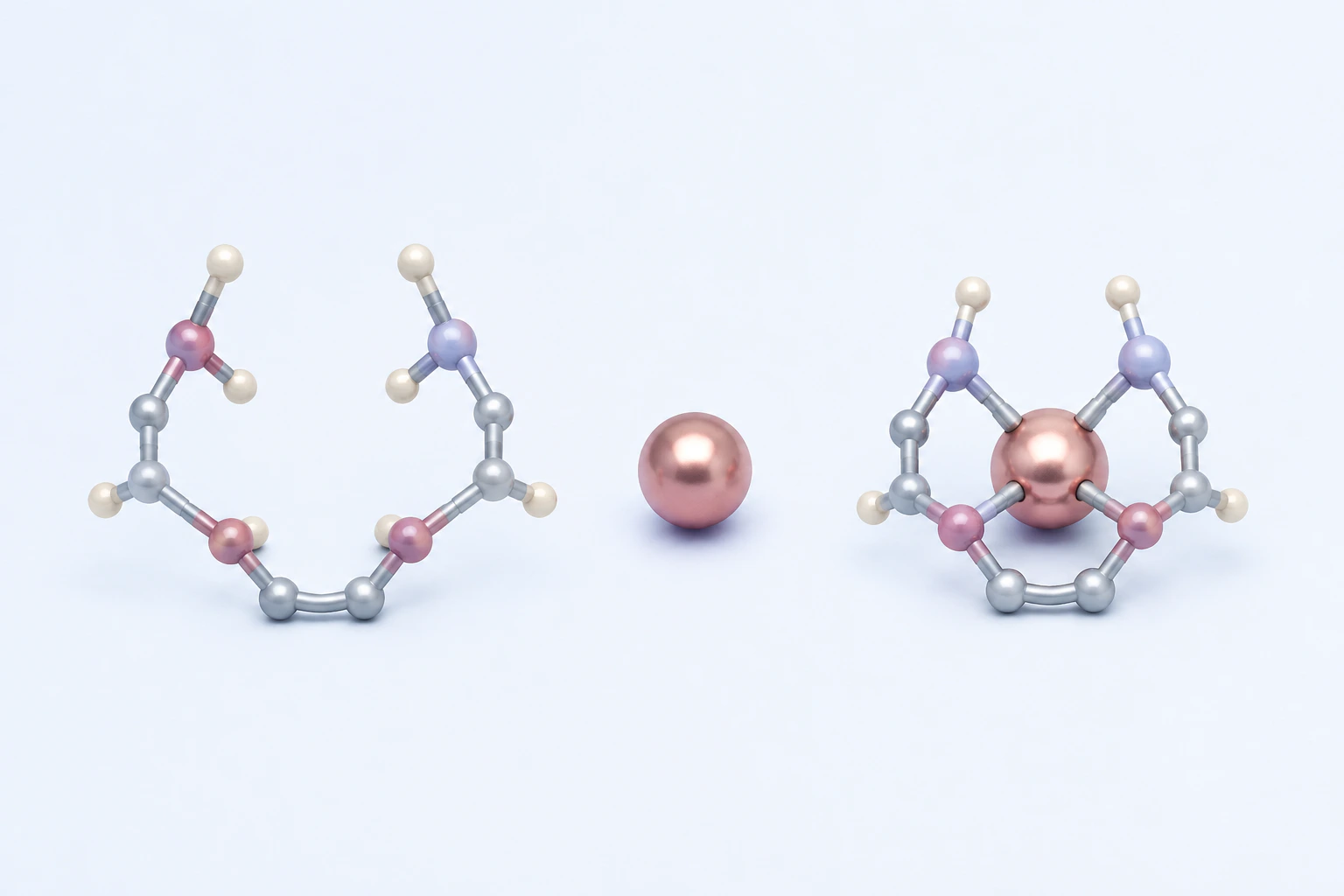
Histidine is a semi-essential amino acid with a unique property that makes it central to metal biology: its imidazole side chain is one of the strongest biological metal-binding groups, coordinating zinc, nickel, copper, iron, and other transition metals in enzymes and

Other0 sources

Intestinibacter

--- title: Intestinibacter type: entity subtype: microbe created: 2026-04-10 updated: 2026-04-16 lastsubstantiveupdate: 2026-04-16 sources: [dai-2024-gut-microbiota-cvd-bidirectional-mr, xiang-2023-host-gene-microbiome-crc-mr, wu-2017-metformin-gut-microbiome-t2d-nature

Metals31 sources

Arsenic

Arsenic is a metalloid and potent carcinogen (IARC Group 1) that ranks among the most widespread environmental toxicants affecting human health. An estimated 225 million people worldwide are chronically exposed through contaminated drinking water alone ghosh 2023 heavy

Metals6 sources

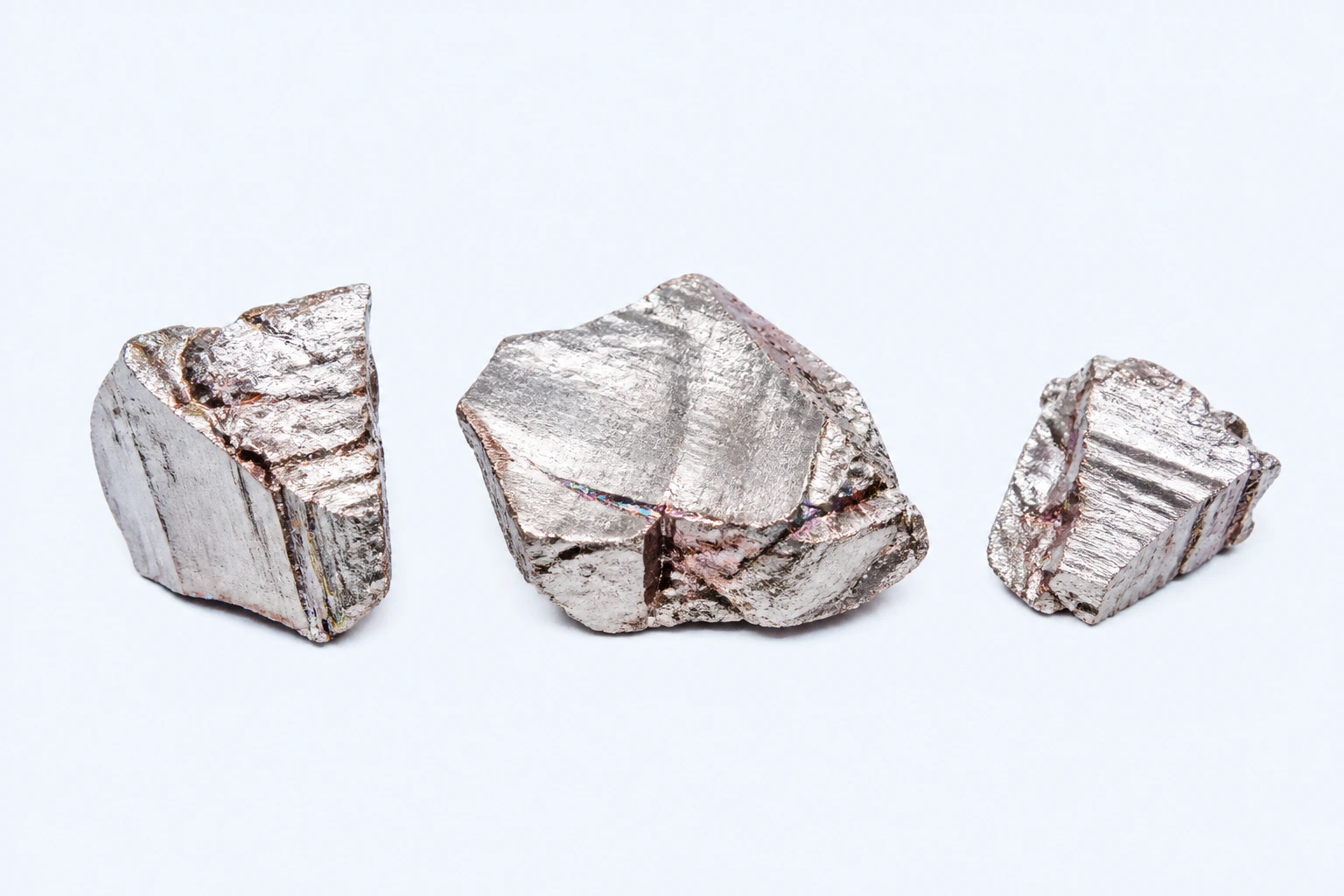
Bismuth

A heavy metal traditionally considered safe enough for over-the-counter gastrointestinal remedies (Pepto-Bismol, De-Nol), bismuth is re-emerging as a potent antimicrobial synergist. Its key property: Bi3+ competes with Fe3+ for binding sites on siderophores and bacteria

Microorganisms1 sources

Brucella

A genus of Gram-negative intracellular pathogens causing brucellosis, the most common bacterial zoonosis worldwide. Brucella species depend on nickel-activated urease for gastrointestinal survival during the initial phase of infection, and urease immunization has been s