Antimicrobial Metals
This knowledge-base record is being expanded from WikiBiome’s evidence graph.
WikiBiomeThe human microbiome encyclopediaRanked matches across titles, topics, categories, and article introductions.
This knowledge-base record is being expanded from WikiBiome’s evidence graph.
Autoimmunity occurs when the immune system attacks the body's own tissues. What has emerged over the past two decades is that the gut microbiome is not merely associated with autoimmune disease -- it is a mechanistic driver of immune tolerance breakdown. Metals add a se…
Structured microbial communities encased in a self-produced extracellular polymeric substance (EPS) matrix. Biofilms are the predominant mode of bacterial and fungal growth in chronic infections, device-associated infections, and the gut. From a metallomics perspective,…
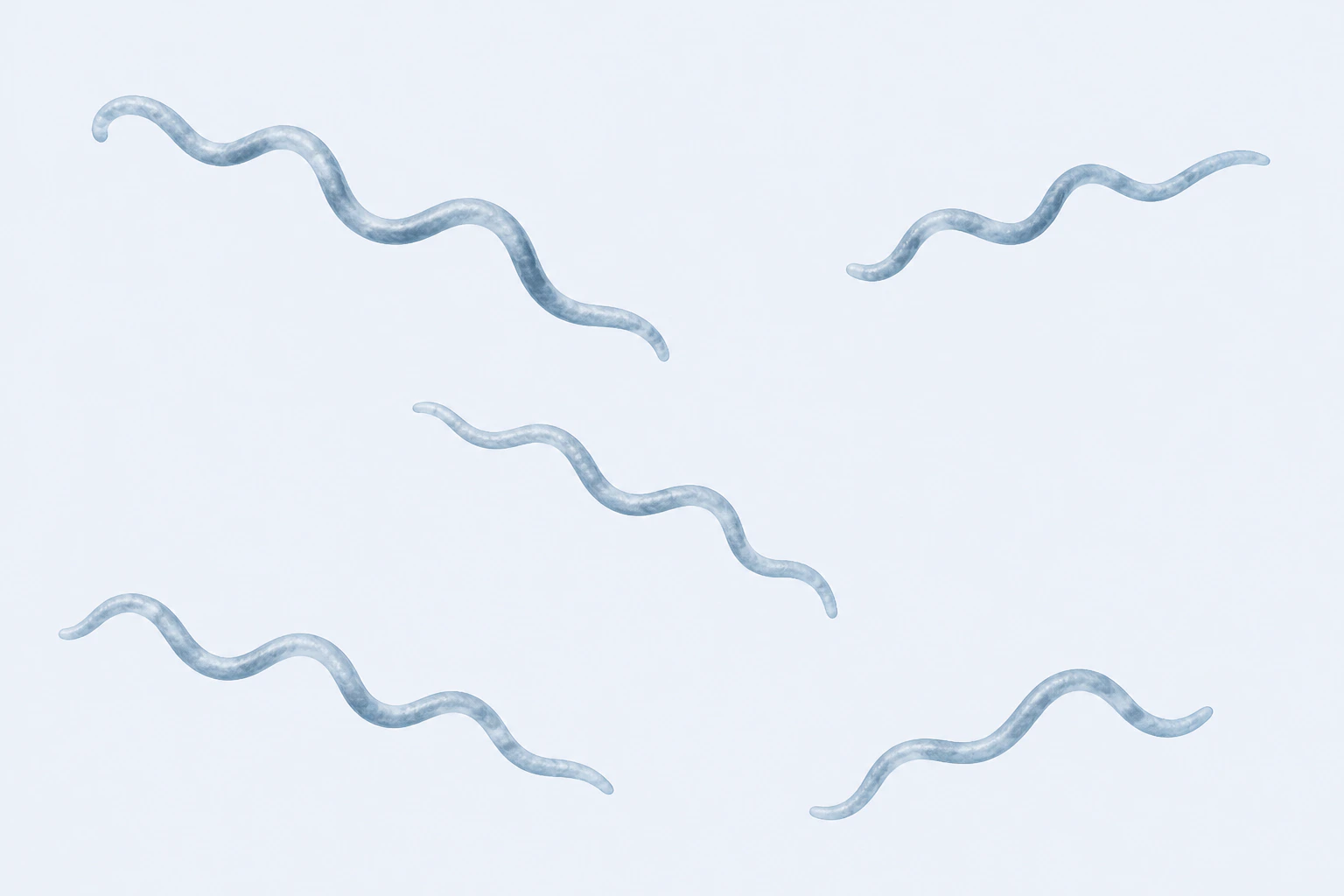
A genus of spirochete bacteria transmitted by Ixodes ticks, best known as the causative agent of Lyme disease -- the most common tick-borne illness in the Northern Hemisphere. Borrelia burgdorferi sensu lato comprises approximately 20 genospecies, with B. burgdorferi se…
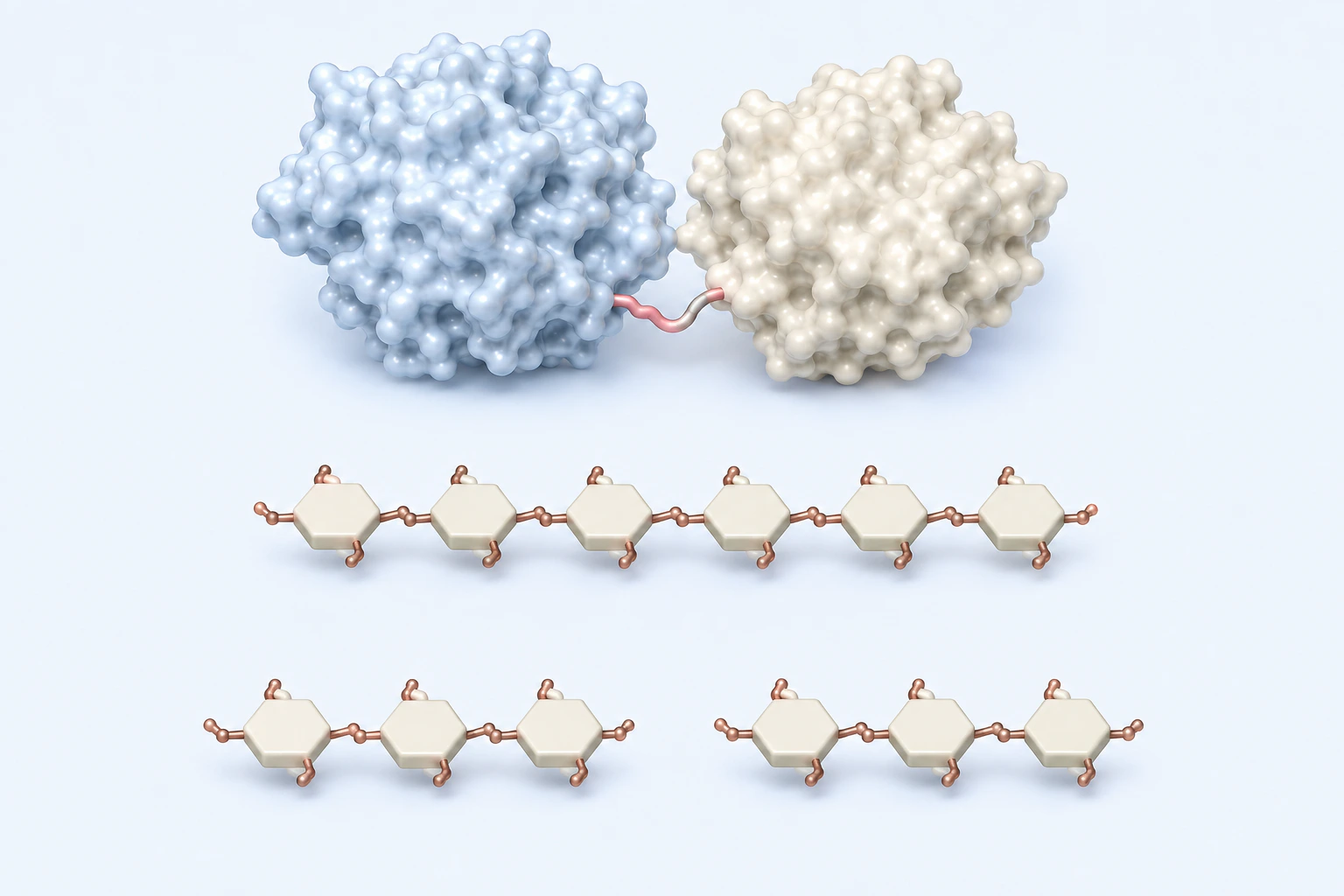
A heterodimer of S100A8 and S100A9 calcium-binding proteins that constitutes approximately 60% of the cytosolic protein content of neutrophils. Calprotectin is a central effector of nutritional immunity, sequestering essential transition metals from invading pathogens a…
Chitotriosidase (CHIT1) is a human chitinase that degrades chitin — the structural polysaccharide of fungal cell walls, insect exoskeletons, and parasitic helminths. It is the most abundant chitinase in human serum and represents a direct arm of innate nutritional immun…
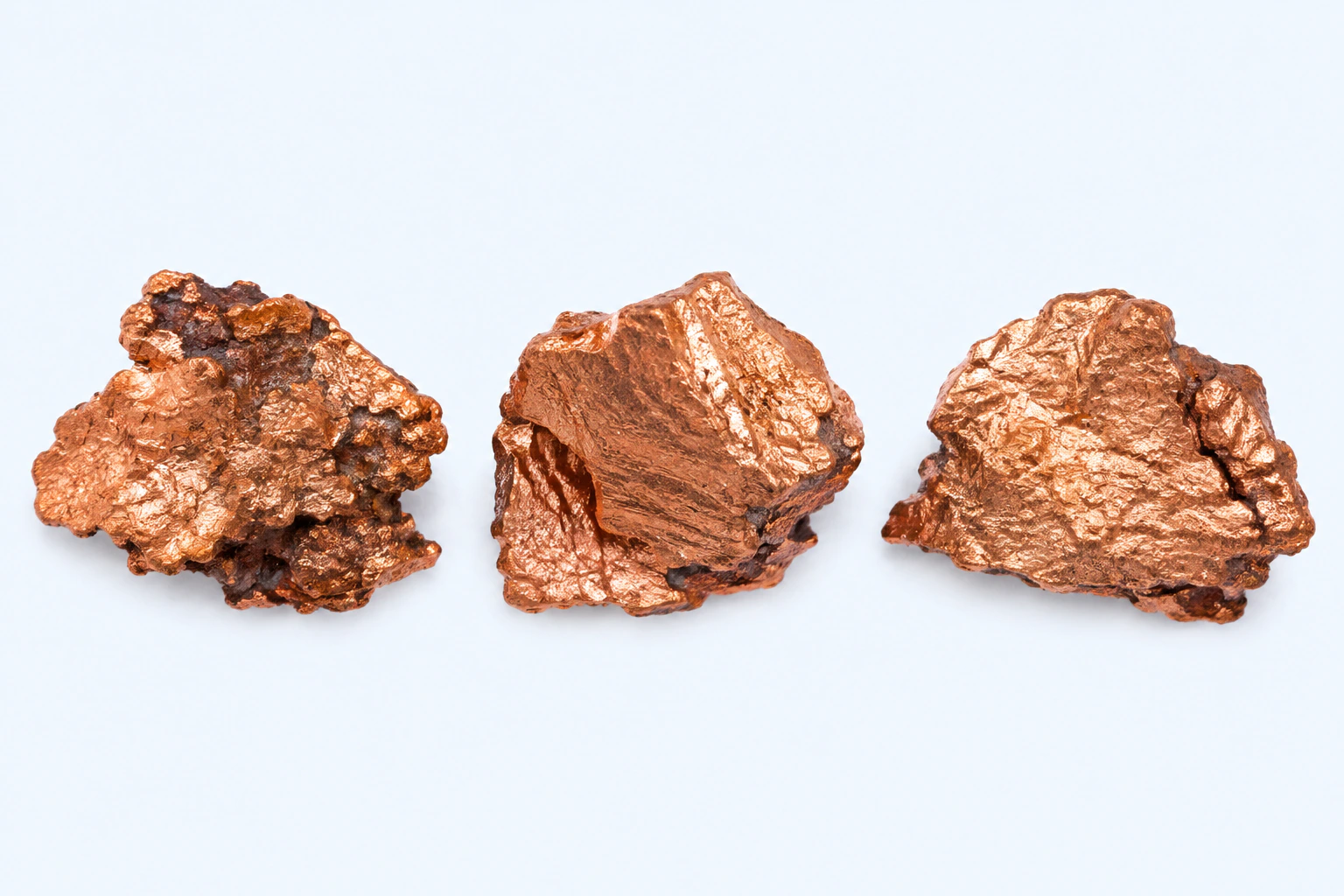
An essential trace element with a striking dual nature: required for survival as a cofactor for critical enzymes (SOD1, cytochrome c oxidase, ceruloplasmin), yet toxic in excess through Fenton-like redox cycling and mis metallation of iron-sulfur clusters. Copper is ele…
A chronic, relapsing-remitting inflammatory bowel disease (IBD) characterized by transmural inflammation of the gastrointestinal tract, most commonly affecting the terminal ileum and colon but capable of involving any segment from mouth to anus zhang 2017 intestinal mic…
iron occupies a unique position among dietary metals: it is both an essential nutrient and a selective pressure that shapes the gut microbial ecosystem. The form, quantity, and bioavailability of dietary iron determines which microbes thrive and which are competitively …
The pathological disruption of normal metal homeostasis — the tightly regulated balance of essential trace elements (iron, zinc, copper, manganese, selenium, cobalt) and the effective exclusion of toxic metals (cadmium, lead, mercury, arsenic). Dyshomeostasis is a conve…
The primary intracellular iron storage protein, capable of sequestering up to 4,500 iron atoms in a single molecule as a mineralized ferric oxyhydroxide core. Ferritin is one of the most elegant solutions evolution has produced for the iron paradox: iron is essential fo…
The only known cellular iron exporter in mammals. Encoded by the SLC40A1 gene, ferroportin (FPN) sits on the basolateral membrane of enterocytes, the surface of macrophages, and the membrane of hepatocytes, controlling the flow of iron from these cells into the bloodstr…
Alphabetical definitions of specialist terms used throughout this wiki. Where a full concept page exists, the term links to it. --- AhR (aryl hydrocarbon receptor) -- A ligand-activated transcription factor that senses microbial metabolites (especially indoles from tryp…
The master regulator of systemic iron homeostasis. Hepcidin is a 25-amino-acid peptide hormone produced primarily by hepatocytes that controls iron absorption, recycling, and distribution by binding to and degrading ferroportin (SLC40A1/FPN) -- the only known cellular i…
This knowledge-base record is being expanded from WikiBiome’s evidence graph.
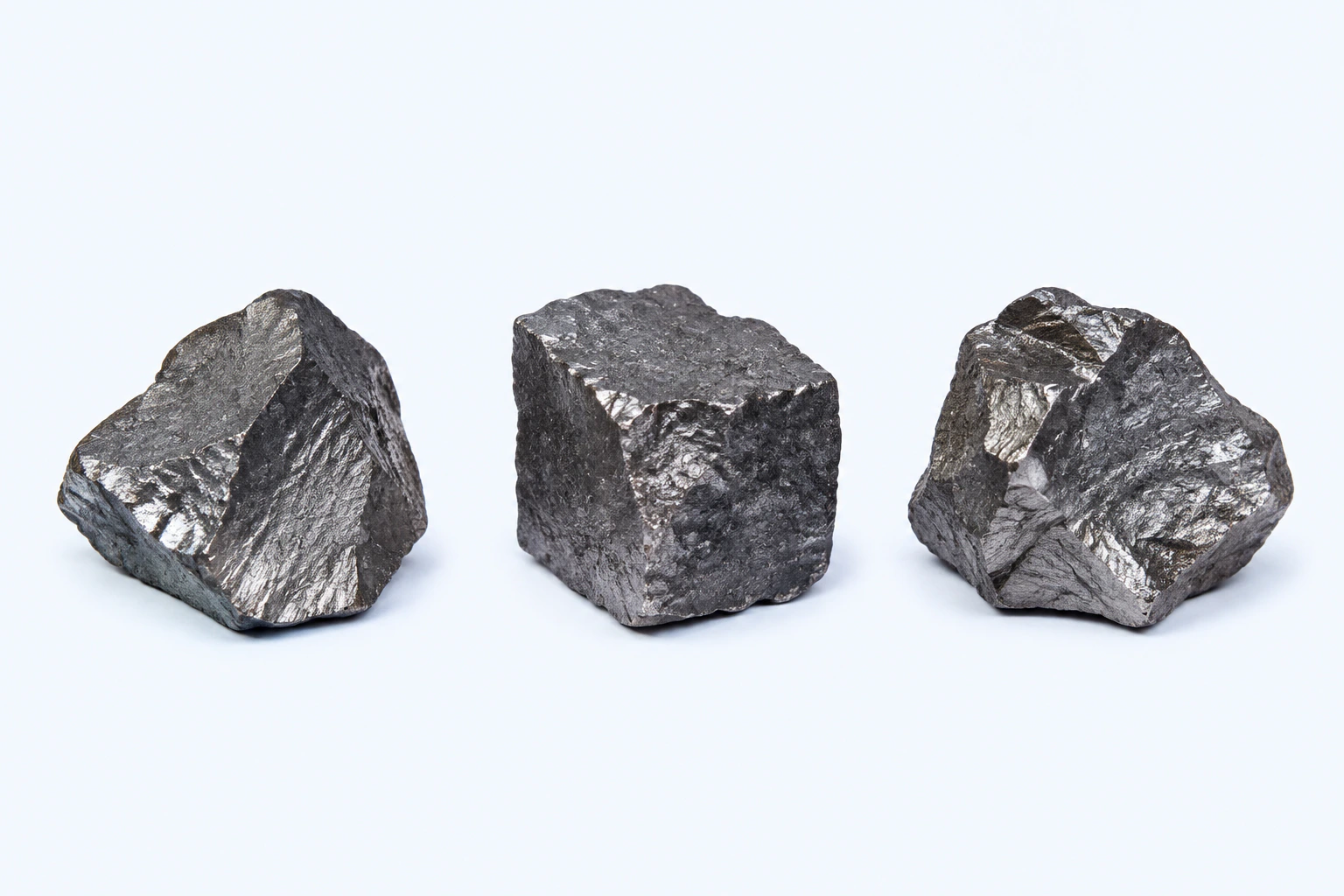
The most abundant transition metal in the human body and arguably the most consequential metal in biology. Iron sits at the center of a paradox that drives pathology across virtually every disease domain: organisms need it for oxygen transport, energy metabolism, DNA sy…
An iron-binding glycoprotein of the transferrin family that sequesters iron (and potentially other metals) from pathogens at mucosal surfaces and sites of inflammation. Lactoferrin is a key effector of nutritional immunity, complementing calprotectin's role in metal res…
Research summary — not medical advice. This page synthesizes published research on a mechanism-level intervention. It is not a clinical recommendation. Consult a qualified healthcare provider before making any changes to diet, supplementation, or treatment.
This knowledge-base record is being expanded from WikiBiome’s evidence graph.
Research summary — not medical advice. This page synthesizes published research on a mechanism-level intervention. It is not a clinical recommendation. Consult a qualified healthcare provider before making any changes to diet, supplementation, or treatment.
This knowledge-base record is being expanded from WikiBiome’s evidence graph.
The biological processes by which organisms maintain proper intracellular and systemic concentrations of essential metals -- importing what is needed, storing excess safely, and exporting or sequestering surplus. Both host and microbial systems have evolved elaborate me…
This knowledge-base record is being expanded from WikiBiome’s evidence graph.
Protein-based transcription factors that sense intracellular metal concentrations and regulate gene expression accordingly. Metalloregulators are the decision-making layer of bacterial metal homeostasis -- they read the labile metal pool, determine whether a specific me…
This knowledge-base record is being expanded from WikiBiome’s evidence graph.
A transition metal occupying a central position in this wiki's evidence base. Nickel is toxic and carcinogenic to humans, yet an essential cofactor for pathogen virulence enzymes. It is the most frequent contact allergen worldwide and drives a wide spectrum of systemic …
This knowledge-base record is being expanded from WikiBiome’s evidence graph.
Sepsis is life-threatening organ dysfunction caused by a dysregulated host response to infection. In the WikiBiome framework, sepsis represents the catastrophic failure of both colonization resistance (pathogen invasion) and nutritional immunity (metal restriction). Inf…
Small, high-affinity iron-chelating molecules secreted by bacteria and fungi to scavenge ferric iron (Fe3+) from the environment. Siderophore competition is a fundamental ecological force in the gut microbiome: organisms with superior iron acquisition systems gain a dec…
Siderophores are small, high-affinity iron-chelating molecules secreted by bacteria, fungi, and some plants to scavenge ferric iron (Fe3+) from their environment. In the context of infection, siderophores are the molecular weapons pathogens deploy to break through nutri…
This knowledge-base record is being expanded from WikiBiome’s evidence graph.
Small regulatory RNAs (sRNAs) are non-coding RNA molecules, typically 50-500 nucleotides long, that regulate gene expression post-transcriptionally in bacteria. In the context of metal biology and microbial pathogenesis, sRNAs serve as rapid-response coordinators that h…
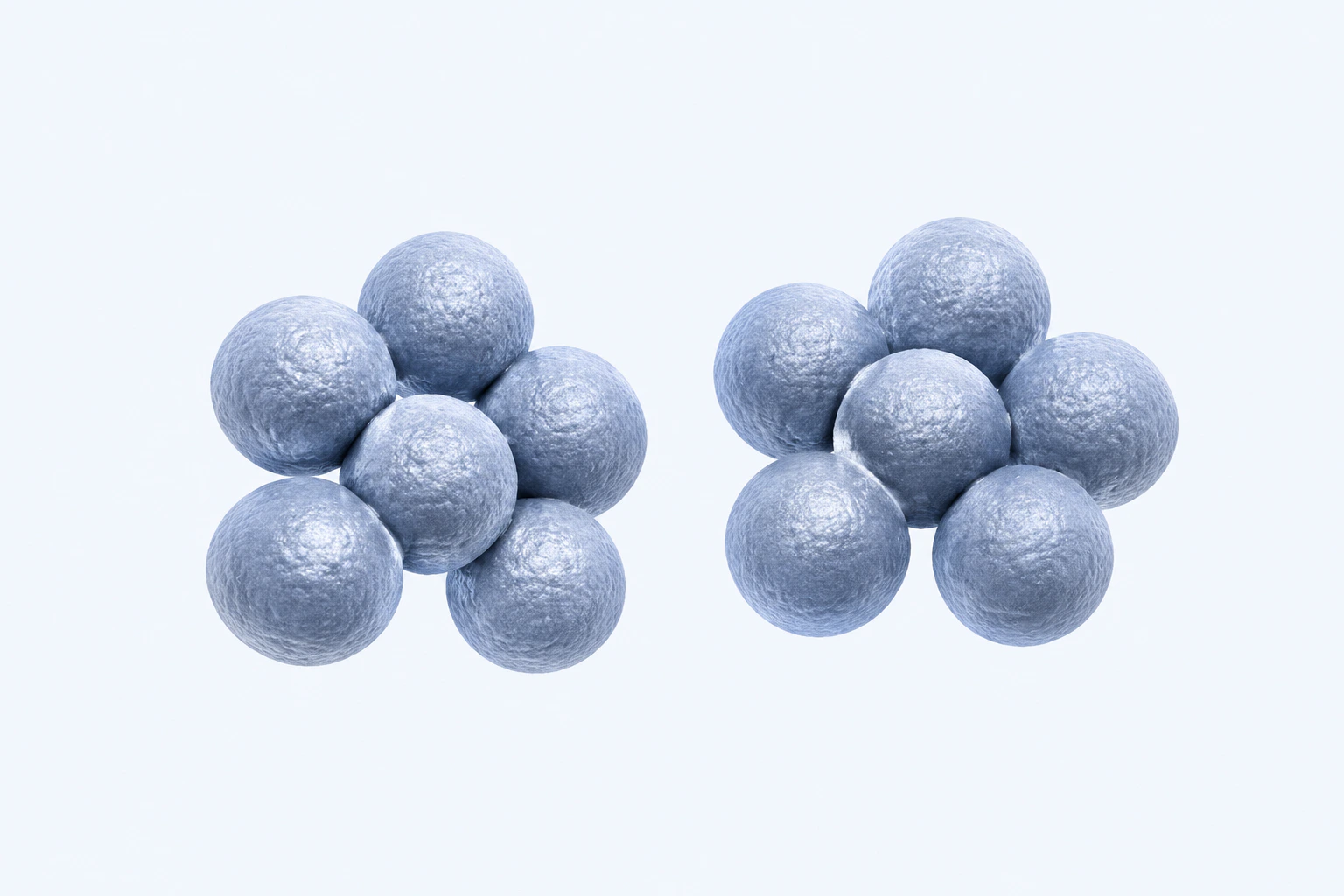
A genus of Gram-positive, facultative anaerobic cocci that includes some of the most clinically significant human pathogens. Staphylococci are defined by their exceptionally comprehensive metal acquisition arsenal -- arguably the most thoroughly characterized of any bac…
A versatile Gram-positive pathogen with one of the best-characterized nutritional immunity evasion systems known. S. aureus requires nickel, iron, zinc, and manganese for virulence and has evolved dedicated acquisition systems for each, including the novel metallophore …
Research summary -- not medical advice. This page synthesizes published research on why a commonly prescribed intervention may be counterproductive in this specific clinical context. Consult a qualified healthcare provider before making any changes to treatment.
Warning: Clinical Disclaimer: This STOP page represents a hypothesis based on mechanistic evidence and should NOT replace clinical judgment. Always consult with a qualified healthcare provider before modifying any treatment plan.
Harm potential: YELLOW — True iron deficiency anemia requires supplementation regardless of inflammatory state.
Warning: Clinical Disclaimer: This STOP page represents a hypothesis based on mechanistic evidence and should NOT replace clinical judgment. Always consult with a qualified healthcare provider before modifying any treatment plan. Evidence quality ratings reflect the str…
This knowledge-base record is being expanded from WikiBiome’s evidence graph.
Warning: Clinical Disclaimer: This STOP page represents a hypothesis based on mechanistic evidence and should NOT replace clinical judgment. Always consult with a qualified healthcare provider before modifying any treatment plan. Evidence quality ratings reflect the str…
Harm potential: YELLOW — True iron deficiency anemia requires supplementation.
Research summary -- not medical advice. This page synthesizes published research on why a commonly prescribed intervention may be counterproductive in this specific clinical context. Consult a qualified healthcare provider before making any changes to treatment.
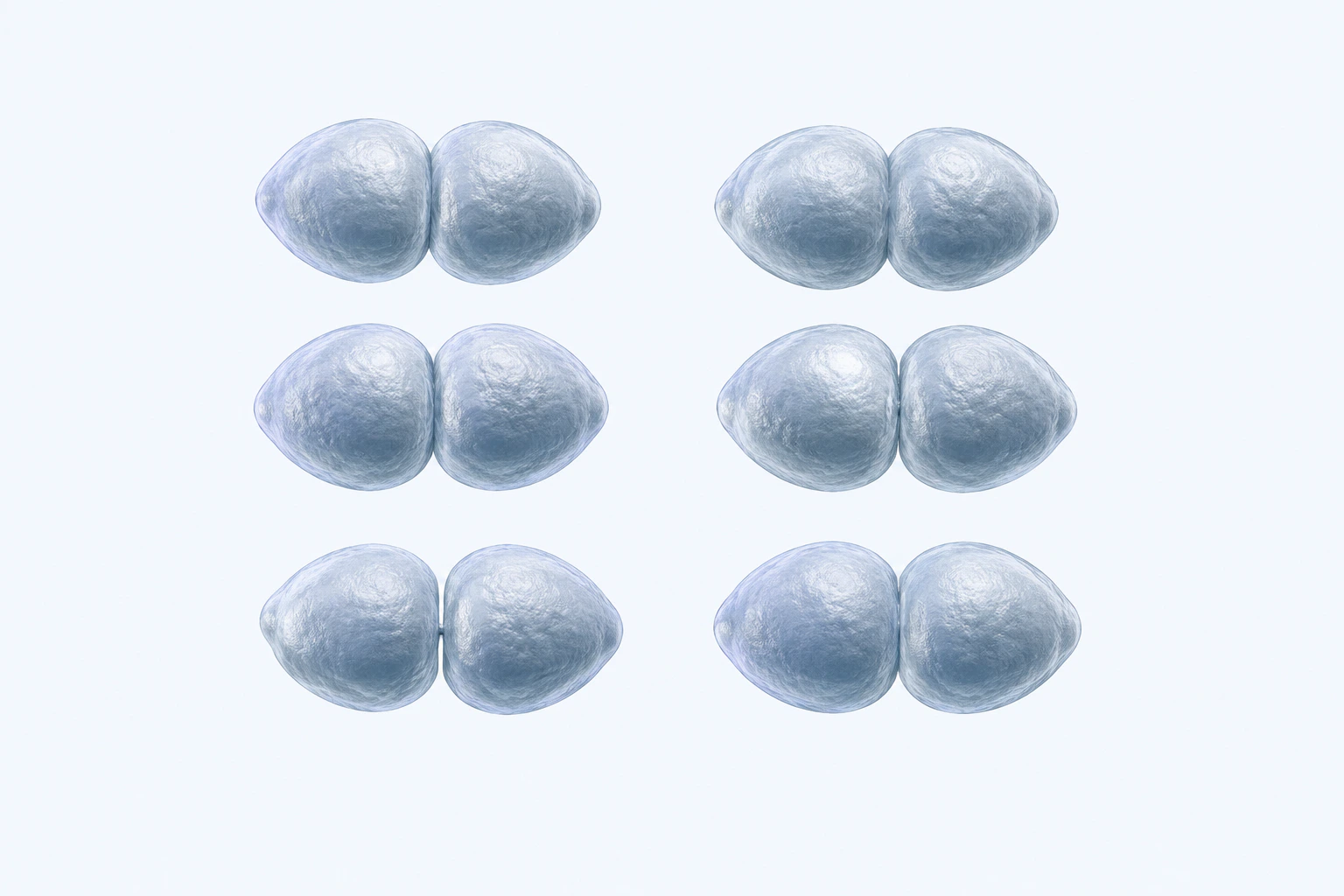
A Gram-positive pathogen (the "pneumococcus") that depends on iron, manganese, and zinc for virulence and has evolved dedicated transport systems for each. Iron is required for viability itself, manganese powers the superoxide dismutase needed to survive the oxidative b…
This knowledge-base record is being expanded from WikiBiome’s evidence graph.
Tuberculosis is caused by mycobacterium tuberculosis, an intracellular pathogen that survives inside macrophage phagosomes. In the WikiBiome framework, TB exemplifies the intracellular metal battleground: M. tuberculosis deploys mycobactins (lipophilic siderophores) and…
This knowledge-base record is being expanded from WikiBiome’s evidence graph.