Clinical cautions5 sources
STOP: Iron Supplementation for Cardiovascular Disease-Associated Anemia
This knowledge-base record is being expanded from WikiBiome’s evidence graph.
 WikiBiomeThe human microbiome encyclopedia
Ranked matches across titles, topics, categories, and article introductions.
This knowledge-base record is being expanded from WikiBiome’s evidence graph.
Warning: Clinical Disclaimer: This STOP page represents a hypothesis based on mechanistic evidence and should NOT replace clinical judgment. Always consult with a qualified healthcare provider before modifying any treatment plan. Evidence quality ratings reflect the str…
This knowledge-base record is being expanded from WikiBiome’s evidence graph.
Warning: Clinical Disclaimer: This STOP page represents a hypothesis based on mechanistic evidence and should NOT replace clinical judgment. Always consult with a qualified healthcare provider before modifying any treatment plan. Evidence quality ratings reflect the str…
This knowledge-base record is being expanded from WikiBiome’s evidence graph.
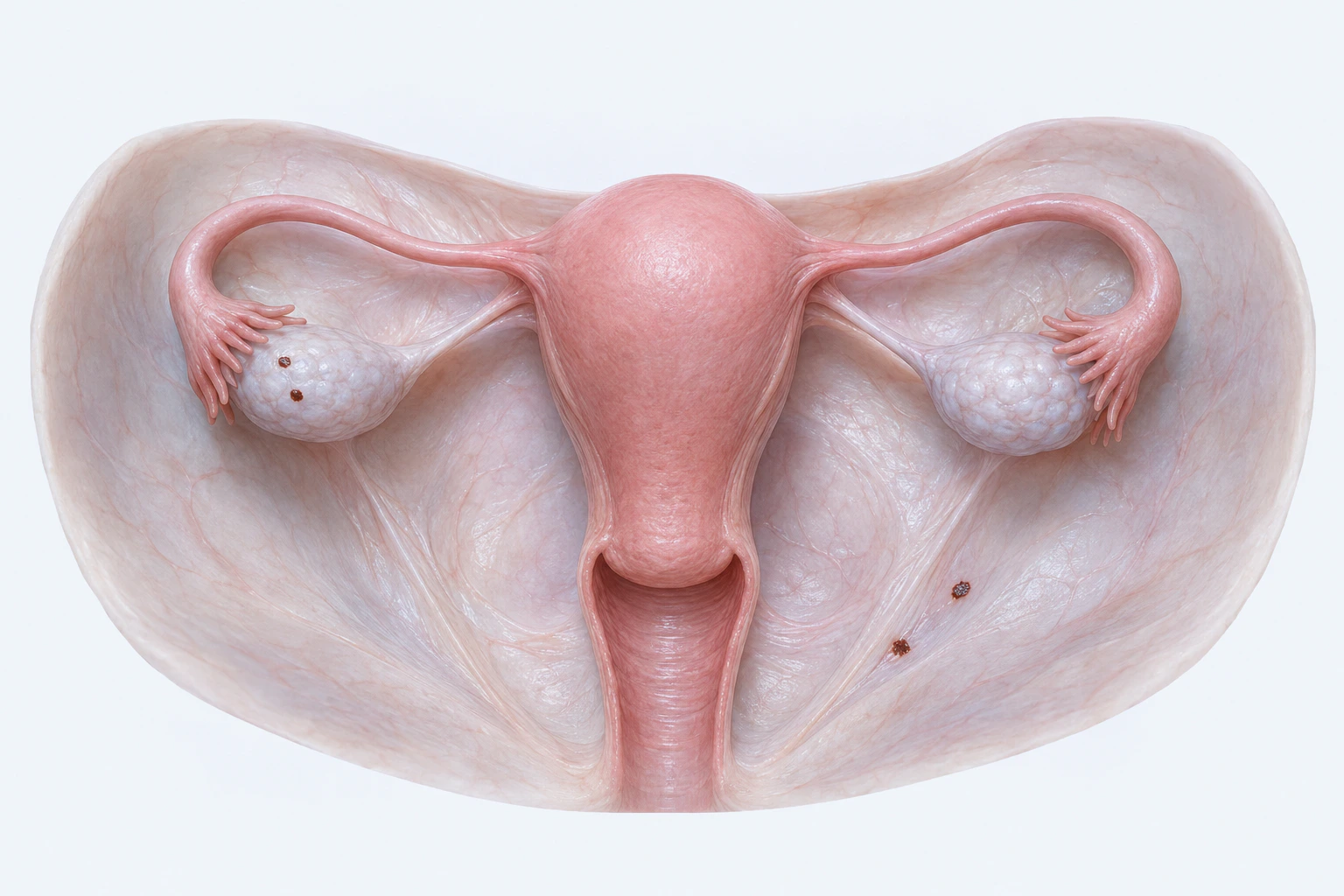
Endometriosis is a chronic estrogen-dependent inflammatory condition affecting approximately 10% of reproductive-age women, characterized by the growth of endometrial-like tissue outside the uterus colonetti 2023 gut vaginal microbiota endometriosis meta analysis. The c…
Alphabetical definitions of specialist terms used throughout this wiki. Where a full concept page exists, the term links to it. --- AhR (aryl hydrocarbon receptor) -- A ligand-activated transcription factor that senses microbial metabolites (especially indoles from tryp…
The master regulator of systemic iron homeostasis. Hepcidin is a 25-amino-acid peptide hormone produced primarily by hepatocytes that controls iron absorption, recycling, and distribution by binding to and degrading ferroportin (SLC40A1/FPN) -- the only known cellular i…
The most abundant transition metal in the human body and arguably the most consequential metal in biology. Iron sits at the center of a paradox that drives pathology across virtually every disease domain: organisms need it for oxygen transport, energy metabolism, DNA sy…
Research summary — not medical advice. This page synthesizes published research on a mechanism-level intervention. It is not a clinical recommendation. Consult a qualified healthcare provider before making any changes to diet, supplementation, or treatment.
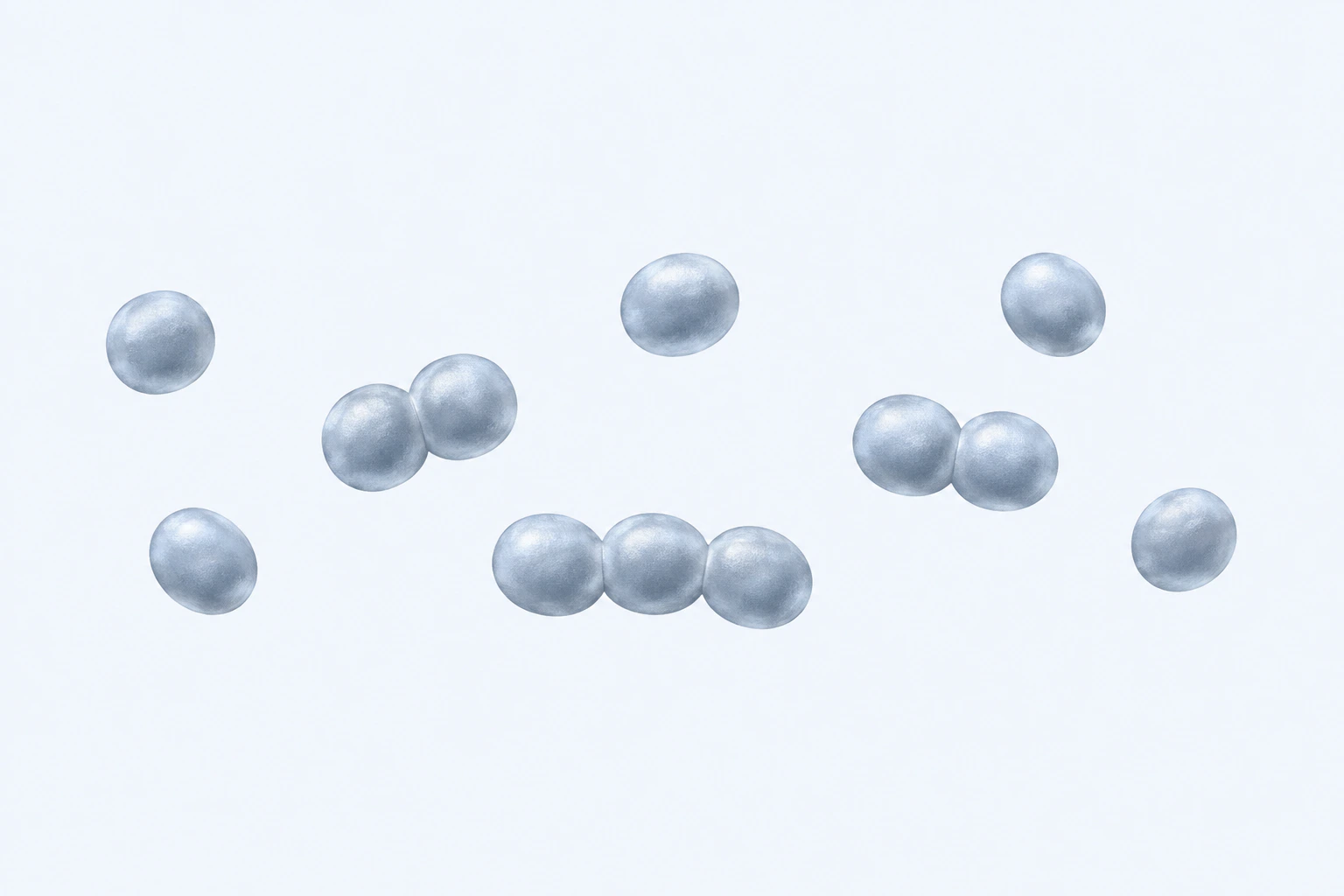
Parvimonas micra is a small (0.5–1.0 µm), Gram-positive, obligately anaerobic coccus originally isolated from the human oral cavity that has emerged as one of the most consistent and universally enriched pathobionts in colorectal cancer across all geographic regions, ag…
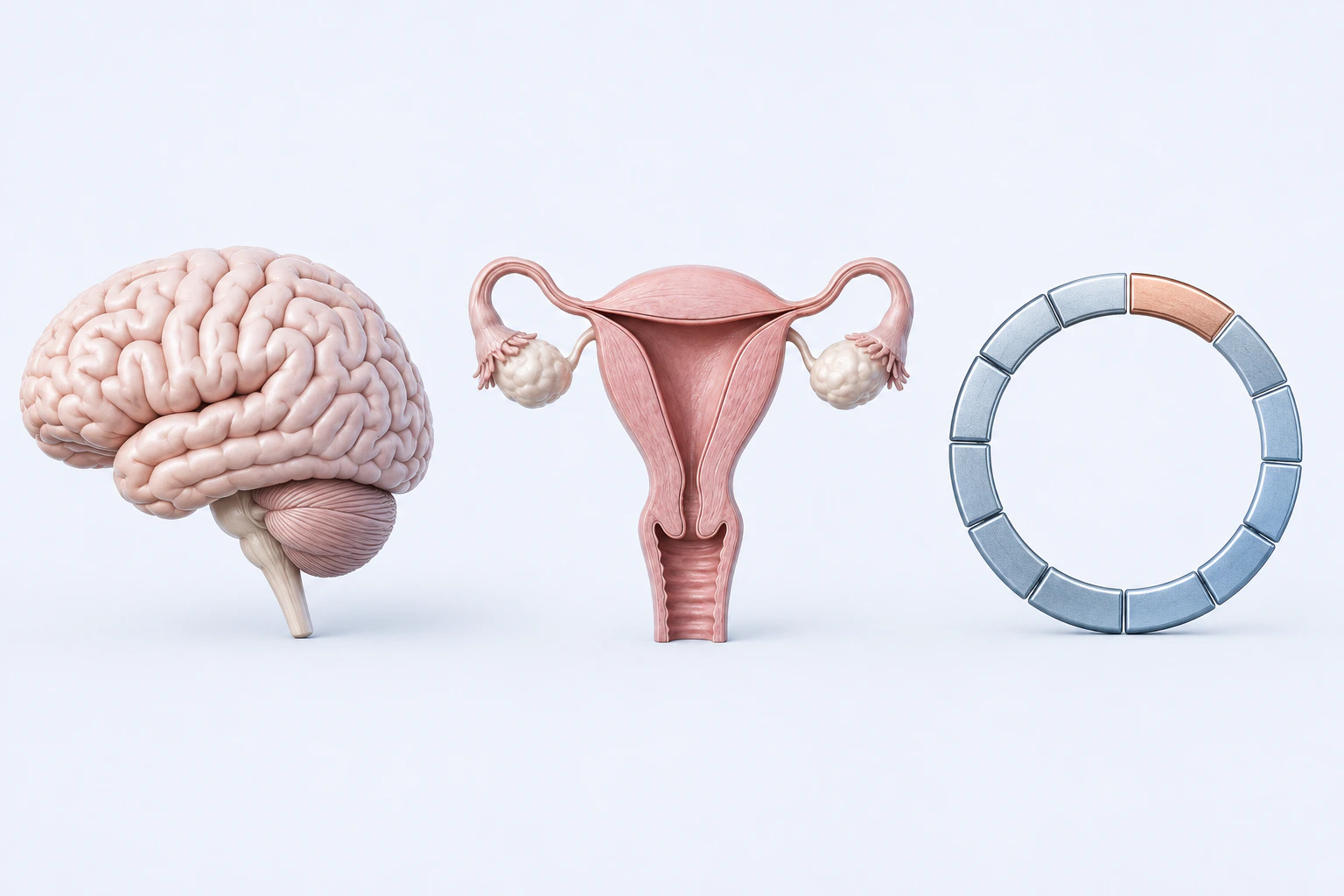
Postpartum depression (PPD) affects 10-20% of women after delivery, with profound consequences for maternal health, infant bonding, and child neurodevelopment chao 2025 microbiota gut brain perinatal depression. The standard framing centers on hormonal withdrawal (estro…
Research summary -- not medical advice. This page synthesizes published research on why a commonly prescribed intervention may be counterproductive in this specific clinical context. Consult a qualified healthcare provider before making any changes to treatment.
Warning: Clinical Disclaimer: This STOP page represents a hypothesis based on mechanistic evidence and should NOT replace clinical judgment. Always consult with a qualified healthcare provider before modifying any treatment plan. Iron-deficiency anemia in colorectal can…
Harm potential: YELLOW — True iron deficiency anemia requires supplementation regardless of inflammatory state.
Warning: Clinical Disclaimer: This STOP page represents a hypothesis based on mechanistic evidence and should NOT replace clinical judgment. Always consult with a qualified healthcare provider before modifying any treatment plan. Evidence quality ratings reflect the str…
Harm potential: YELLOW — True iron deficiency anemia requires supplementation.
Iron deficiency is common and clinically significant across multiple conditions: postpartum anemia increases PPD risk 1.89-fold (RR = 1.887), low ferritin (<1 ug) increases PPD risk 3.98-fold azami 2019 anemia ppd meta analysis, iron deficiency impairs thyroid peroxidas…