Clinical cautions3 sources
STOP: Wrong-Strain Probiotics for Schizophrenia Psychiatric Symptoms
This knowledge-base record is being expanded from WikiBiome’s evidence graph.
 WikiBiomeThe human microbiome encyclopedia
Ranked matches across titles, topics, categories, and article introductions.
This knowledge-base record is being expanded from WikiBiome’s evidence graph.
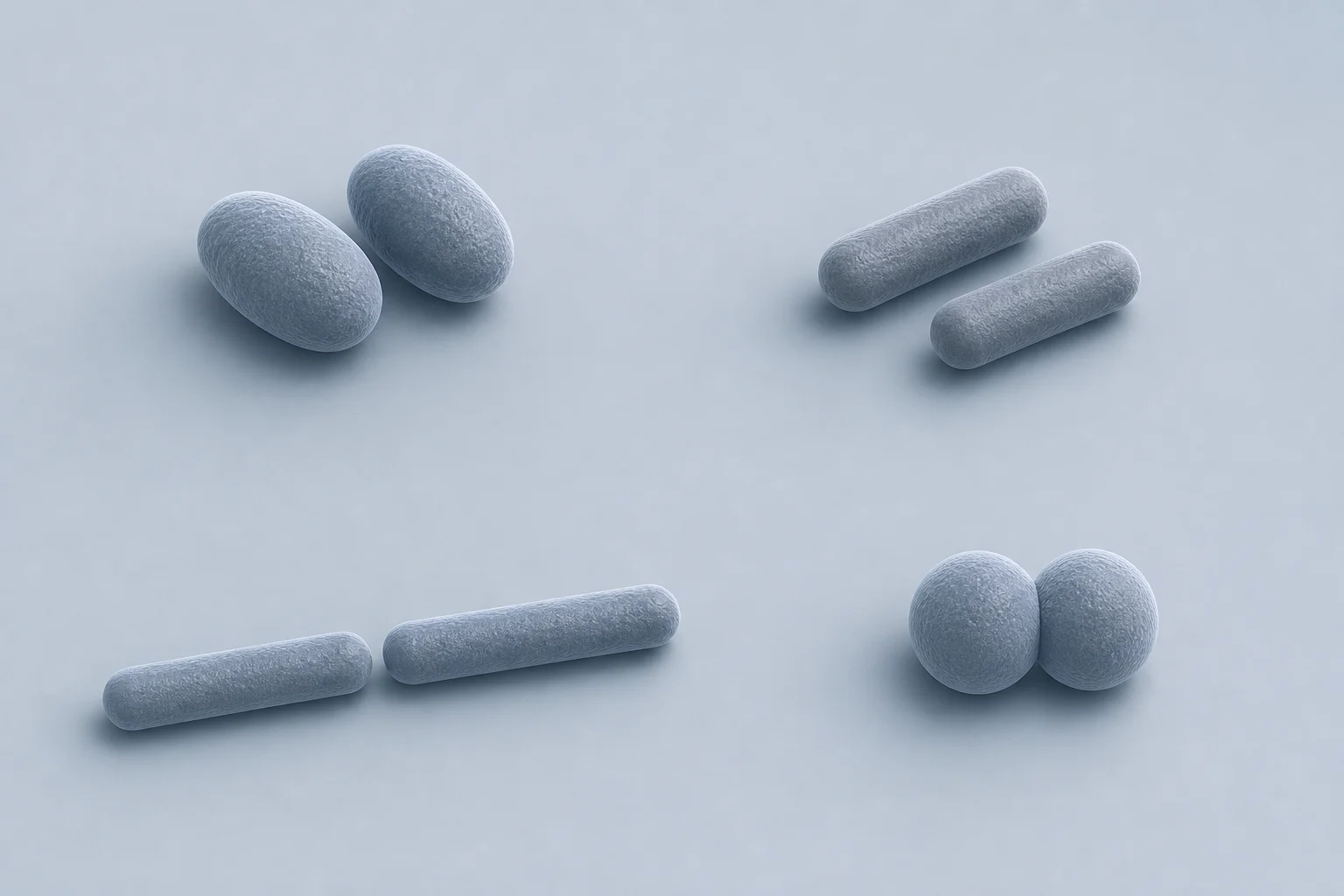
A class of Gram-negative bacteria within the phylum Proteobacteria that has emerged as a causal risk factor for schizophrenia and bipolar disorder through Mendelian randomization studies. Betaproteobacteria includes genera with notable metal tolerance -- particularly wi…
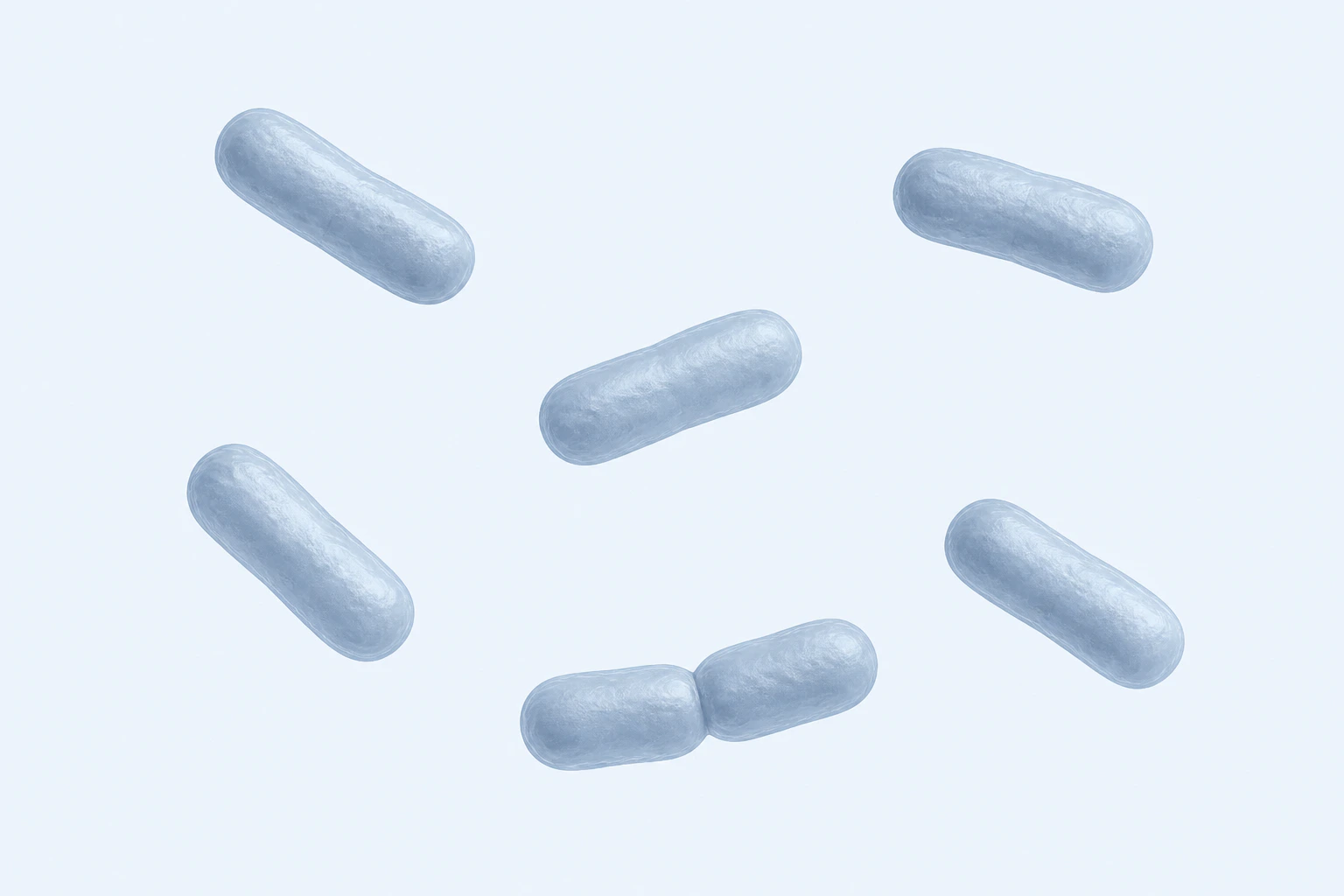
Bifidobacterium breve is a Gram-positive, obligate anaerobic species within the phylum Actinobacteria, predominantly found in the infant gut and breast milk. It is among the earliest colonizers of the neonatal intestine and plays a key role in human milk oligosaccharide…
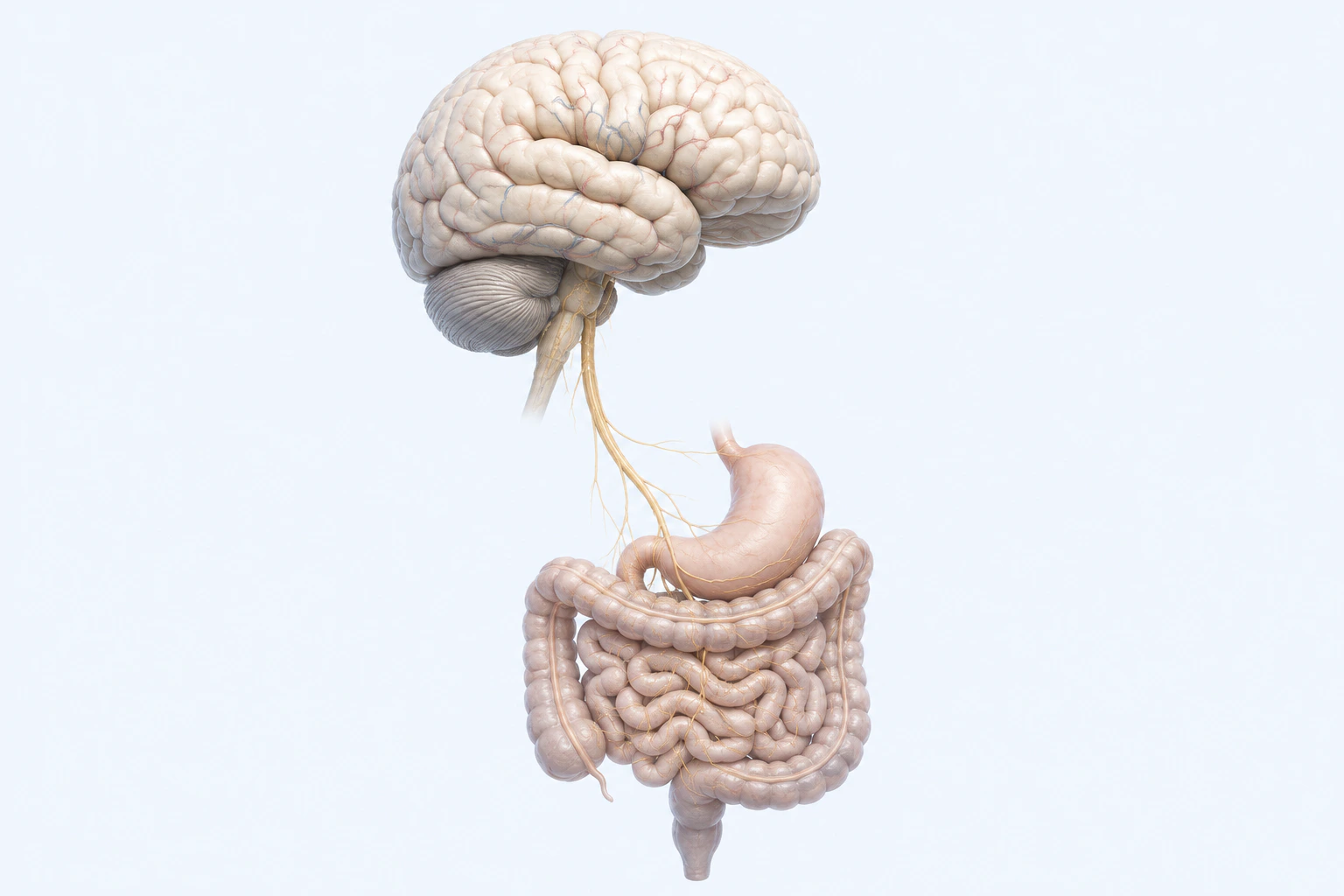
Bipolar disorder is a chronic neuropsychiatric condition characterized by recurrent episodes of mania (or hypomania) and depression, affecting approximately 1-2.4% of the global population. It carries significant morbidity -- reduced life expectancy by 10-15 years, high…
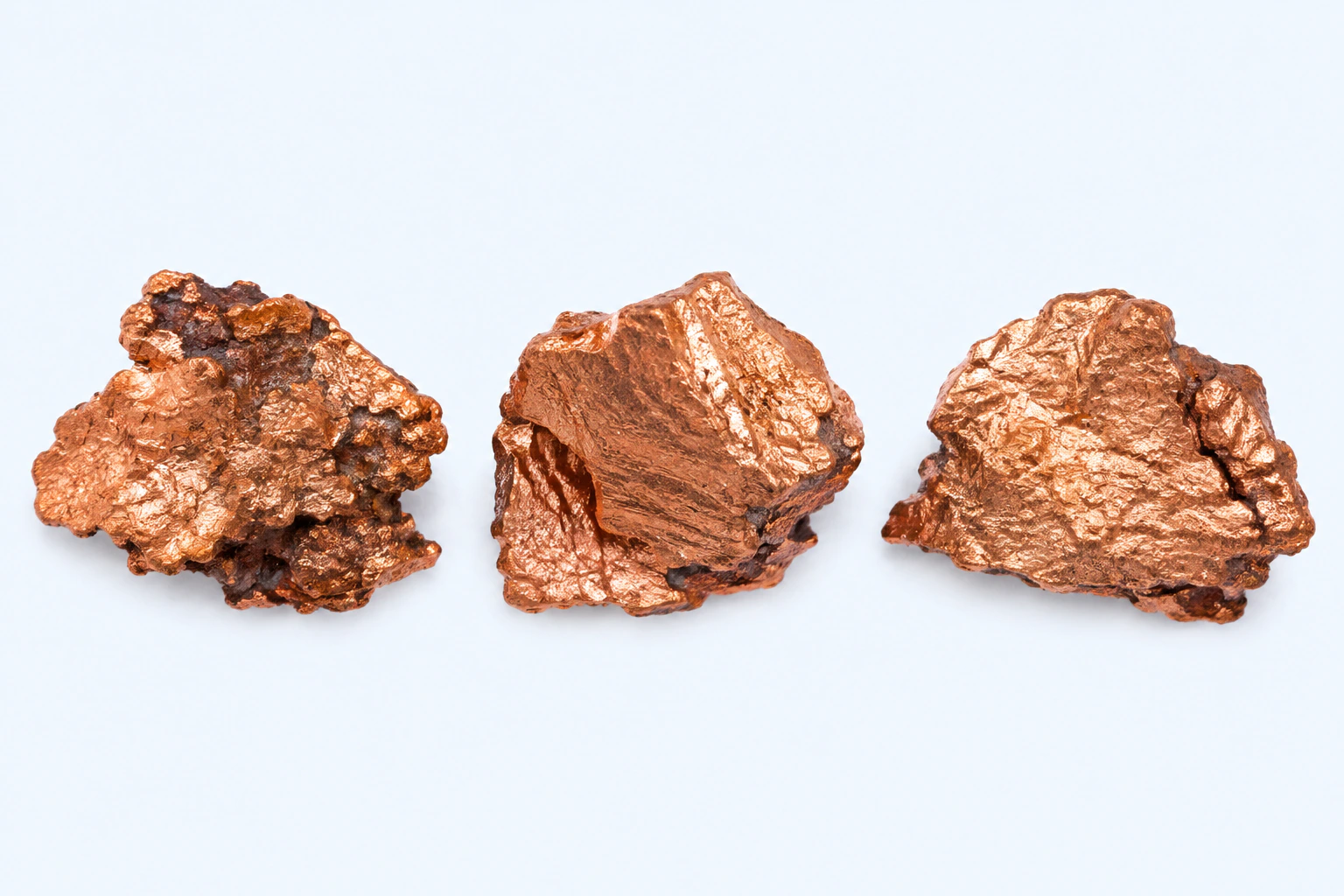
An essential trace element with a striking dual nature: required for survival as a cofactor for critical enzymes (SOD1, cytochrome c oxidase, ceruloplasmin), yet toxic in excess through Fenton-like redox cycling and mis metallation of iron-sulfur clusters. Copper is ele…
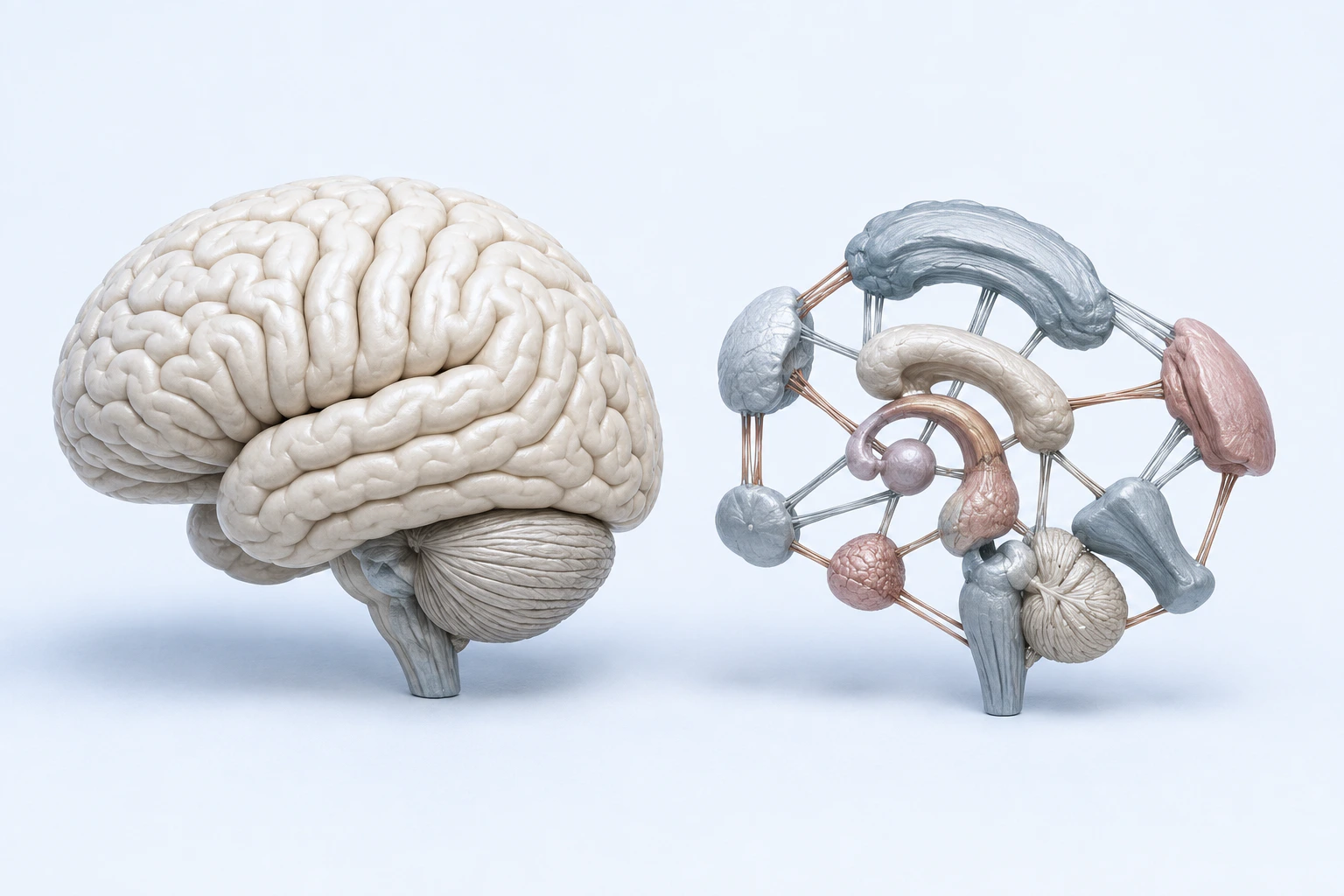
Depression is the most prevalent mental health disorder globally, affecting over 280 million people zhu 2025 microbiota gut brain axis depression review, and one of the most metal-sensitive conditions in this wiki. It sits at the convergence of nearly every pathway cata…
Dialister is a genus of Gram-negative, obligate anaerobic bacteria within the family Veillonellaceae that represents one of the strongest protective associations in gut-brain-axis research. Dialister depletion is a consistent and independent biomarker of depression, anx…
Moderate-to-vigorous exercise (~90 min/week) as adjunctive therapy alongside antipsychotics. The strongest evidence base of any non-pharmacological intervention for schizophrenia, with meta-analytic support for both psychiatric symptom reduction and metabolic benefit.
Kynurenine is the primary metabolite of the kynurenine pathway, which handles ~95% of tryptophan catabolism in the body. While serotonin gets more attention, the kynurenine pathway is quantitatively dominant -- and its downstream metabolites span the range from neuropro…
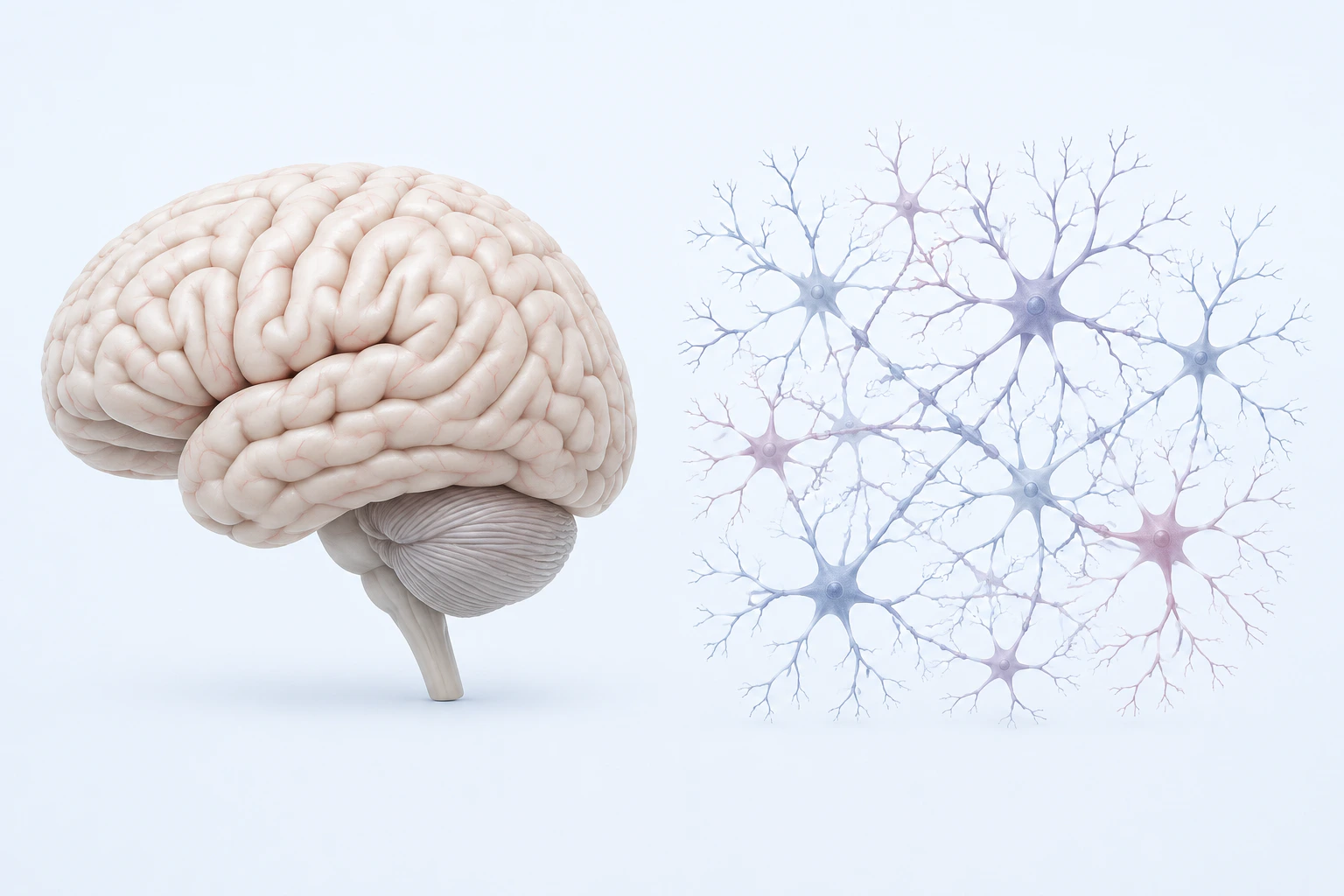
Major depressive disorder (MDD) is a psychiatric condition characterized by persistent depressed mood, anhedonia, and cognitive/somatic symptoms. In the WikiBiome framework, MDD is a paradigm case for the gut brain axis: gut dysbiosis drives systemic inflammation and ne…
Multi-strain synbiotic supplementation (probiotic + prebiotic) as adjunctive therapy alongside antipsychotics. This is the strongest validated microbiome-targeted intervention for schizophrenia, with both psychiatric symptom improvement and metabolic benefit demonstrate…
Paraprevotella is a genus of obligate anaerobic, Gram-negative bacteria in the family Prevotellaceae, related to prevotella. It is a gut commensal with emerging associations across neuropsychiatric and reproductive conditions. - Schizophrenia: Altered in gut-brain axis …
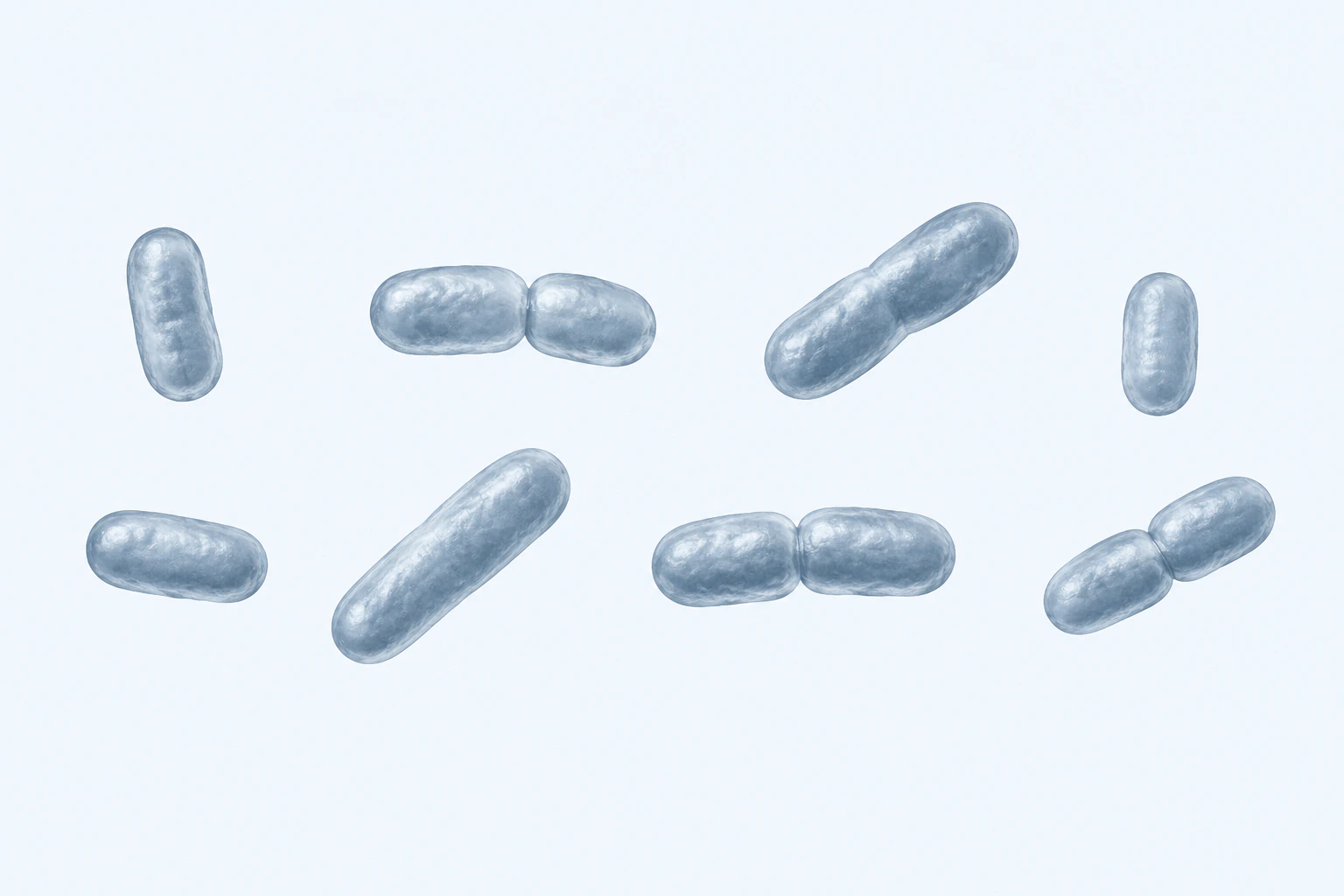
A Gram-negative, obligate anaerobic genus within the Firmicutes phylum (family Acidaminococcaceae, class Negativicutes). The primary species P. faecium and the recently characterized P. succinatutens are specialized propionate producers that utilize succinate as their m…
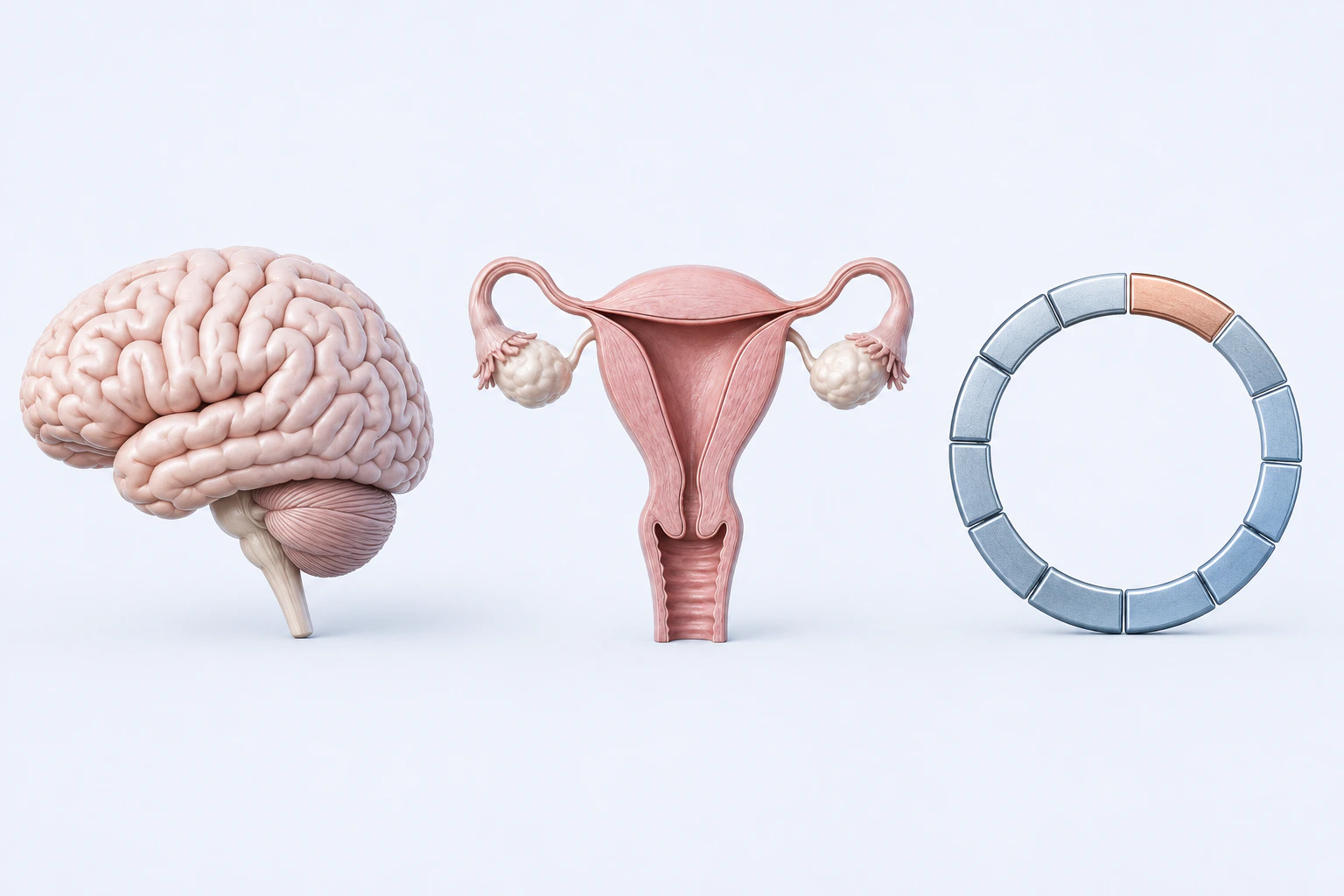
Postpartum depression (PPD) affects 10-20% of women after delivery, with profound consequences for maternal health, infant bonding, and child neurodevelopment chao 2025 microbiota gut brain perinatal depression. The standard framing centers on hormonal withdrawal (estro…
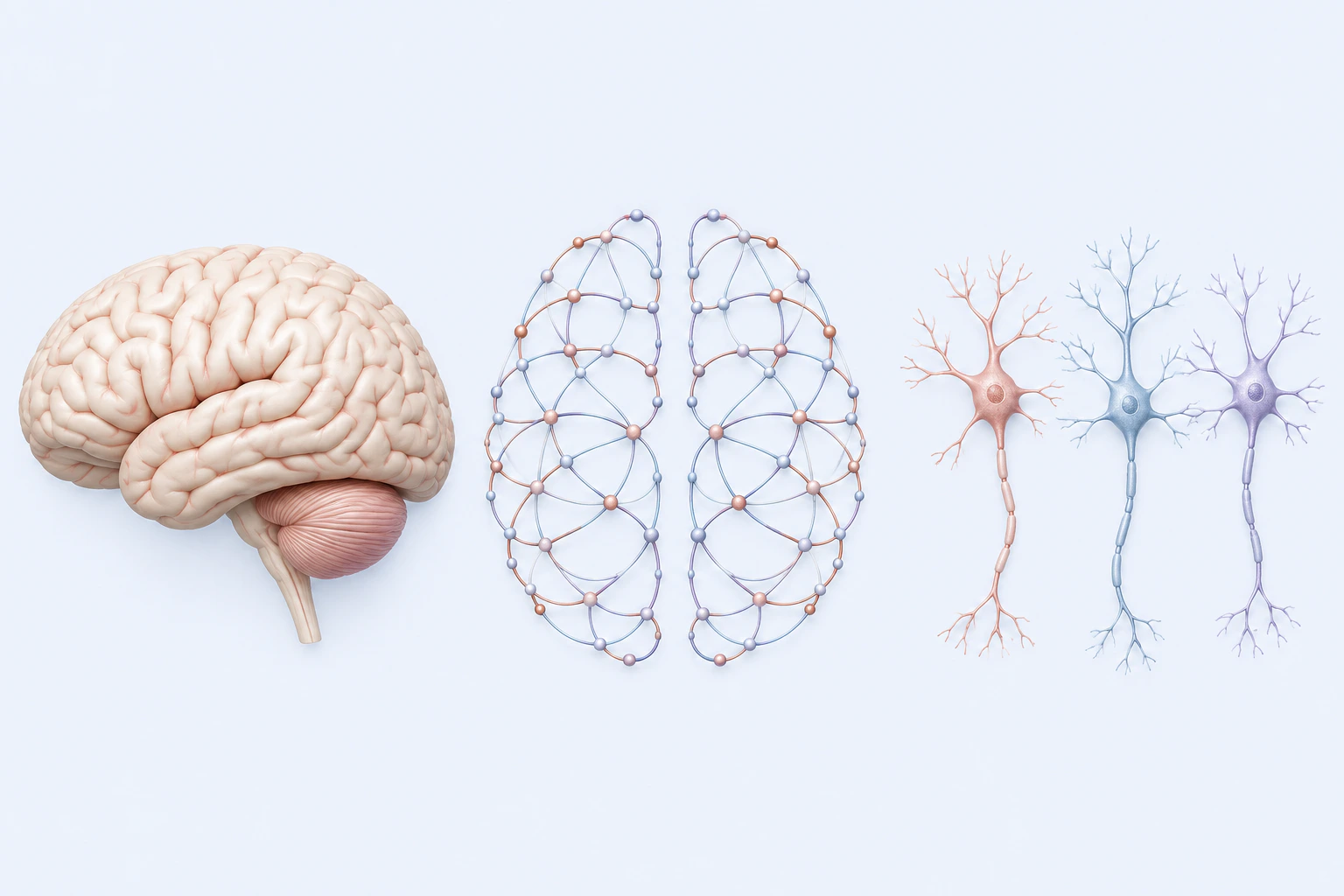
A severe neuropsychiatric disorder affecting approximately 1% of the global population, characterized by positive symptoms (hallucinations, delusions), negative symptoms (anhedonia, social withdrawal, flat affect), and cognitive deficits. Life expectancy is reduced by 1…
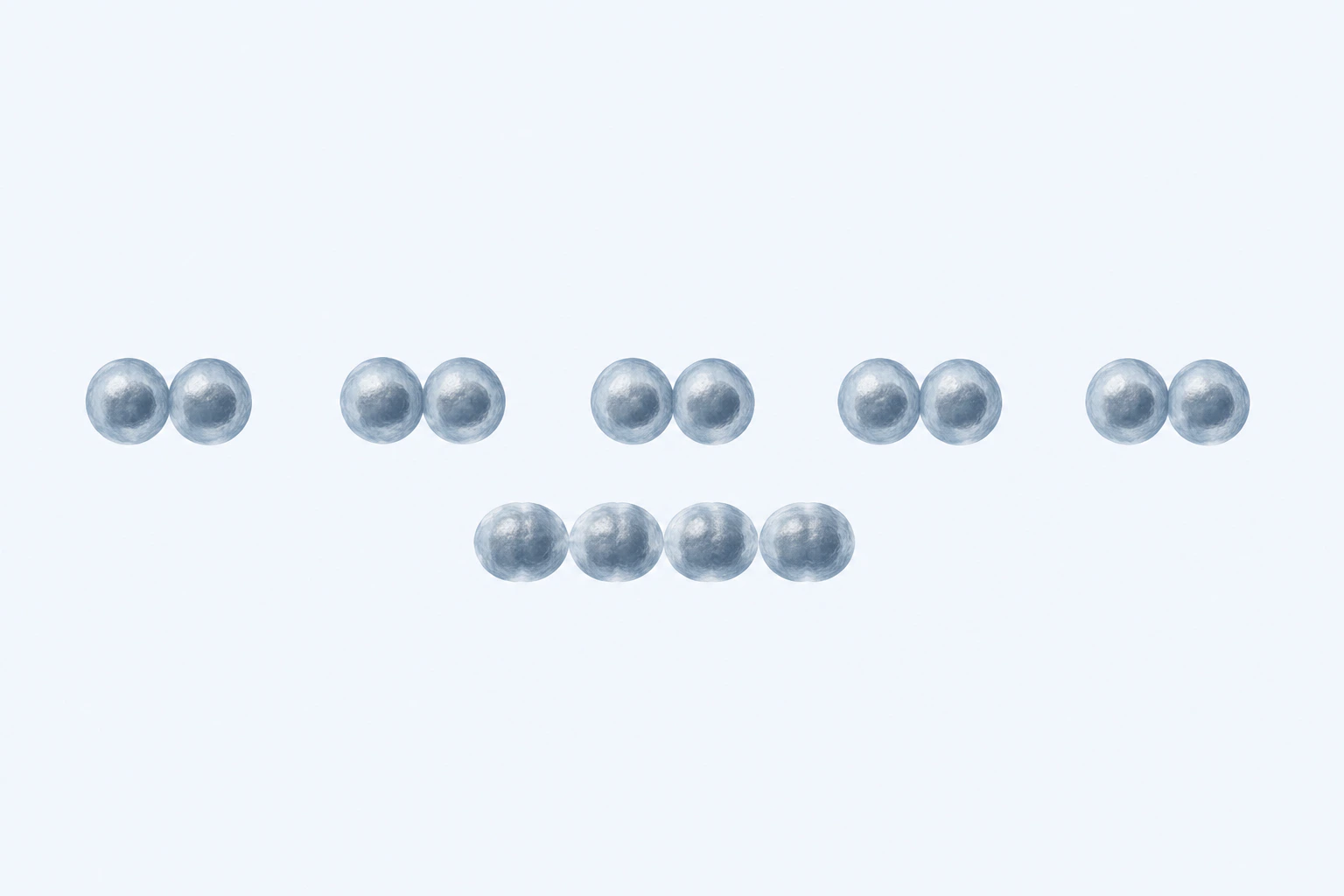
A family of Gram-negative, obligate anaerobic bacteria within the Firmicutes phylum (class Negativicutes) that occupies a unique metabolic niche as specialized lactate utilizers. Veillonellaceae cannot ferment sugars directly -- instead, they cross-feed on lactate produ…
Co-supplementation of vitamin D3 (50,000 IU every 2 weeks) + 4-strain probiotic (L. acidophilus, B. bifidum, L. reuteri, L. fermentum; 8 x 10^9 CFU/day) for 12 weeks, adjunctive to antipsychotics. This is the strongest single-trial result for a microbiome-targeted inter…
Research summary — not medical advice. This page synthesizes published research on a mechanism-level intervention. It is not a clinical recommendation. Consult a qualified healthcare provider before making any changes to diet, supplementation, or treatment.
A protein (pre-haptoglobin-2) that reversibly modulates tight junction permeability in the intestinal epithelium. Identified by Alessio Fasano in 2000, zonulin is the only known physiological regulator of intestinal paracellular permeability and has become the most wide…