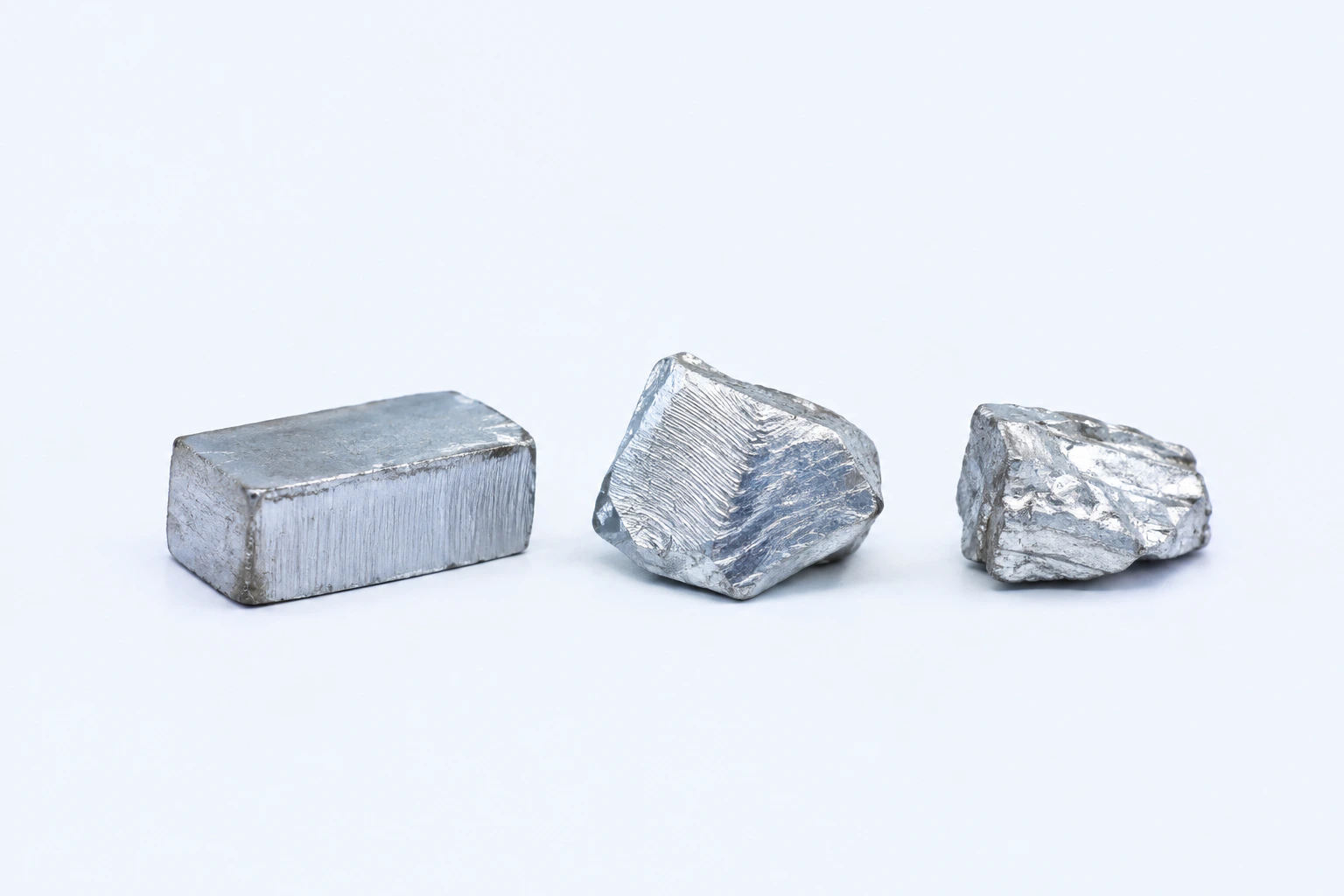
Zinc
This knowledge-base record is being expanded from WikiBiome’s evidence graph.
WikiBiomeThe human microbiome encyclopediaRanked matches across titles, topics, categories, and article introductions.
This knowledge-base record is being expanded from WikiBiome’s evidence graph.
Research summary — not medical advice. This page synthesizes published research on a mechanism-level intervention. It is not a clinical recommendation. Consult a qualified healthcare provider before making any changes to diet, supplementation, or treatment.
Could counter Zn depletion, but excess Zn promotes A-beta aggregation in plaques doroszkiewicz 2023 common trace metals alzheimers parkinsons.
This knowledge-base record is being expanded from WikiBiome’s evidence graph.
Warning: Clinical Disclaimer: This STOP page represents a hypothesis based on mechanistic evidence and should NOT replace clinical judgment. Always consult with a qualified healthcare provider before modifying any treatment plan. Evidence quality ratings reflect the str…
Research summary -- not medical advice. This page synthesizes published research on why a commonly prescribed intervention may be counterproductive in this specific clinical context. Consult a qualified healthcare provider before making any changes to treatment.
Zinc deficiency is a consistent finding in breast cancer, and Zn plays key roles in immunity (T cell differentiation), p53 activation, and SOD cofactor function. Yet supplementation data are limited, and in the Sister Study, zinc showed a dose-related positive associati…
Zinc is depleted in nearly every disease state examined in this wiki -- cancer (breast, prostate, lung, pancreatic, esophageal, colorectal), type 2 diabetes, PCOS, autism, postpartum depression, and IBD. Zinc supplementation is generally beneficial: it reduces PPD risk …
A Gram-negative, aerobic, non-fermenting coccobacillus and a member of the ESKAPE group of priority pathogens (Enterococcus, Staphylococcus, Klebsiella, Acinetobacter, Pseudomonas, Enterobacter). Acinetobacter baumannii is among the most problematic nosocomial pathogens…
WHO Priority 1: Critical. A Gram-negative, strictly aerobic coccobacillus and one of the most dangerous nosocomial pathogens on the planet. A. baumannii belongs to the ESKAPE group and causes ventilator-associated pneumonia, wound infections, and bloodstream infections …
A pathotype of escherichia coli that adheres to and invades intestinal epithelial cells, survives and replicates within macrophages, and is strongly associated with ileal Crohn's disease. Unlike classical diarrheagenic E. coli pathotypes (EPEC, ETEC, EHEC), AIEC does no…
The most common form of dementia, affecting an estimated 55 million people worldwide and projected to triple by 2050 zhang 2024 recent advances alzheimers mechanisms trials. Characterized by progressive memory loss, cognitive decline, amyloid-beta plaques, and neurofibr…
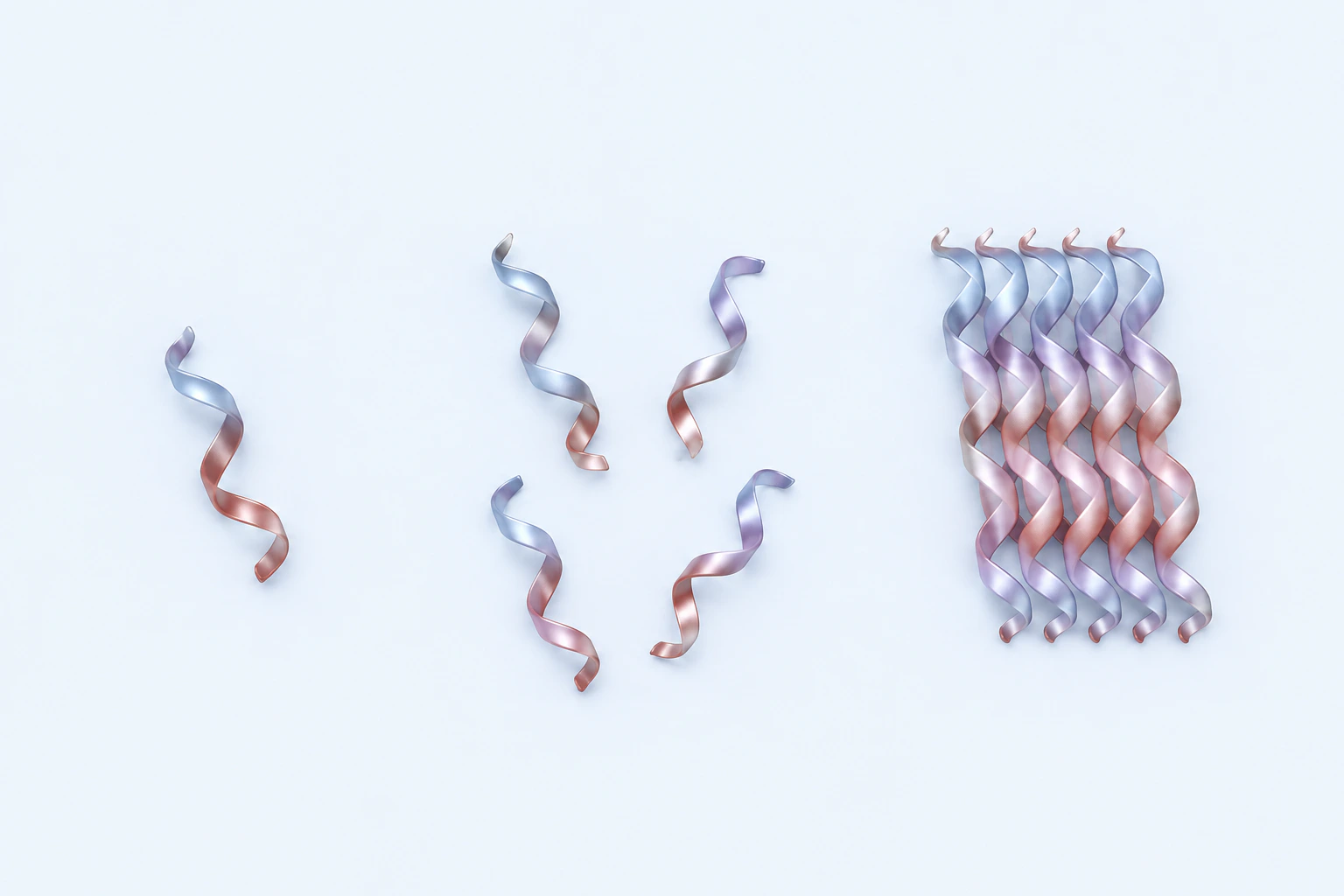
The process by which soluble amyloid-beta (Aβ) monomers assemble into neurotoxic oligomers and insoluble fibrillar plaques in the brain -- the defining neuropathological event of alzheimers disease. What distinguishes WikiBiome's treatment of this process from conventio…
This knowledge-base record is being expanded from WikiBiome’s evidence graph.
A neurodevelopmental condition affecting approximately 1 in 36 children (US CDC 2023 estimate), characterized by differences in social communication, restricted interests, and repetitive behaviors. From a metallomics perspective, ASD presents a compelling convergence of…
A Gram-negative obligate anaerobe and the most clinically significant member of the Bacteroides genus. B. fragilis occupies a unique dual position in gut microbiology: as a non-toxigenic commensal (NTBF), it produces polysaccharide A (PSA) that shapes immune tolerance; …
This knowledge-base record is being expanded from WikiBiome’s evidence graph.
A Gram-negative obligate anaerobe that exemplifies the commensal-pathobiont spectrum. B. vulgatus is a common component of the healthy gut microbiota, yet is significantly enriched in colorectal cancer and depression, suggesting a context-dependent pathogenic potential.…
This knowledge-base record is being expanded from WikiBiome’s evidence graph.
A heterodimer of S100A8 and S100A9 calcium-binding proteins that constitutes approximately 60% of the cytosolic protein content of neutrophils. Calprotectin is a central effector of nutritional immunity, sequestering essential transition metals from invading pathogens a…
An opportunistic fungal pathogen whose relationship with metals is multifaceted: C. albicans can biosorb heavy metals from its environment, heavy metal exposure promotes its virulence in immunocompromised hosts, and metal nanoparticles are being developed as antifungal …
Candida auris is an emerging multidrug-resistant fungal pathogen first identified in 2009 (Satoh et al. 2009, from a Japanese patient's ear canal) and now classified as a critical-priority pathogen by the WHO (WHO Fungal Priority Pathogens List 2022) and CDC (CDC 2019 A…
A haploid, asexual yeast and the second most common cause of invasive candidiasis after Candida albicans. Recently reclassified into the genus Nakaseomyces (as N. glabratus), though the name C. glabrata remains in widespread clinical use. Unlike C. albicans, C. glabrata…
Celiac disease is a chronic autoimmune condition triggered by dietary gluten (gliadin proteins from wheat, barley, and rye) in genetically susceptible individuals (HLA-DQ2/DQ8, carried by ~30-40% of Europeans but penetrant in only ~1% of carriers). Gluten exposure cause…
This knowledge-base record is being expanded from WikiBiome’s evidence graph.
A Gram-positive, spore-forming, obligate anaerobic bacterium that is the leading cause of antibiotic-associated diarrhea and pseudomembranous colitis in healthcare settings. In the metallomics framework, C. difficile sits at the intersection of metal-antibiotic co-selec…
This page redirects to clostridioides difficile. Clostridium difficile was reclassified as Clostridioides difficile in 2016 based on phenotypic and phylogenomic analyses that demonstrated it belonged to a distinct clade within the former Clostridium genus. The reclassif…
This knowledge-base record is being expanded from WikiBiome’s evidence graph.
An essential trace element with a striking dual nature: required for survival as a cofactor for critical enzymes (SOD1, cytochrome c oxidase, ceruloplasmin), yet toxic in excess through Fenton-like redox cycling and mis metallation of iron-sulfur clusters. Copper is ele…
A chronic, relapsing-remitting inflammatory bowel disease (IBD) characterized by transmural inflammation of the gastrointestinal tract, most commonly affecting the terminal ileum and colon but capable of involving any segment from mouth to anus zhang 2017 intestinal mic…
This knowledge-base record is being expanded from WikiBiome’s evidence graph.
Depression is the most prevalent mental health disorder globally, affecting over 280 million people zhu 2025 microbiota gut brain axis depression review, and one of the most metal-sensitive conditions in this wiki. It sits at the convergence of nearly every pathway cata…
This knowledge-base record is being expanded from WikiBiome’s evidence graph.
This page identifies the contradictions and clinical dilemmas that become visible only when the 236 source pages in this wiki are read together. Each paradox describes a situation where evidence-based dietary or supplementation advice -- advice that is correct for most …
This knowledge-base record is being expanded from WikiBiome’s evidence graph.
The pathological disruption of normal metal homeostasis — the tightly regulated balance of essential trace elements (iron, zinc, copper, manganese, selenium, cobalt) and the effective exclusion of toxic metals (cadmium, lead, mercury, arsenic). Dyshomeostasis is a conve…
This knowledge-base record is being expanded from WikiBiome’s evidence graph.
Enterococcus faecalis is a Gram-positive, facultatively anaerobic coccus that inhabits the gastrointestinal tract, oral cavity, and genitourinary tract of humans. It is a commensal in the healthy gut at low abundance but is one of the most clinically significant opportu…
This knowledge-base record is being expanded from WikiBiome’s evidence graph.
Alphabetical definitions of specialist terms used throughout this wiki. Where a full concept page exists, the term links to it. --- AhR (aryl hydrocarbon receptor) -- A ligand-activated transcription factor that senses microbial metabolites (especially indoles from tryp…
The third nickel-dependent enzyme class in human pathogens, after urease and hydrogenase. Glyoxalase I detoxifies methylglyoxal, a reactive and toxic byproduct of glycolysis. While less well-known than urease or hydrogenase as a virulence factor, GloI is emerging as a s…
This knowledge-base record is being expanded from WikiBiome’s evidence graph.
A Gram-negative, microaerophilic bacterium within the Epsilonproteobacteria (family Helicobacteraceae) that is the primary murine model of hepatobiliary and intestinal disease. Unlike its more famous relative helicobacter pylori, which colonizes the stomach, H. hepaticu…
Histidine is a semi-essential amino acid with a unique property that makes it central to metal biology: its imidazole side chain is one of the strongest biological metal-binding groups, coordinating zinc, nickel, copper, iron, and other transition metals in enzymes and …
This knowledge-base record is being expanded from WikiBiome’s evidence graph.
An umbrella term for chronic relapsing-remitting inflammatory conditions of the gastrointestinal tract, principally crohns disease (CD; transmural, any GI segment) and ulcerative colitis (UC; mucosal, colon only). Approximately 6 million patients worldwide. IBD represen…
A condition in which cells fail to respond normally to insulin, requiring progressively higher insulin levels to maintain glucose homeostasis. Insulin resistance is central to PCOS, type 2 diabetes, and metabolic syndrome, and has extensive but complex connections to me…
A functional gastrointestinal disorder affecting 10-15% of the global population, characterized by chronic abdominal pain, bloating, and altered bowel habits (diarrhea-predominant, constipation-predominant, or mixed) without identifiable structural pathology. From a met…
A fundamental ordering of divalent transition metal ion binding affinities, established by Harry Irving and Robert Williams in 1953: Mg2+ < Mn2+ < Fe2+ < Co2+ < Ni2+ < Cu2+ Zn2+ This series holds for virtually all ligands and biological chelators. It means that copper b…
This knowledge-base record is being expanded from WikiBiome’s evidence graph.
The biological processes by which organisms maintain proper intracellular and systemic concentrations of essential metals -- importing what is needed, storing excess safely, and exporting or sequestering surplus. Both host and microbial systems have evolved elaborate me…
This knowledge-base record is being expanded from WikiBiome’s evidence graph.
This page synthesizes findings across 1,426 source pages to map the relationships between metals and disease. Where individual source pages document a single study's findings, this page identifies the patterns that emerge when those findings are laid side by side. ADVER…
Specialized proteins that escort metal ions from their point of entry to specific metalloenzyme targets, ensuring correct metalation in a cytoplasm crowded with competing metal-binding sites. Metallochaperones solve a fundamental problem in metal biology: how does the r…
This knowledge-base record is being expanded from WikiBiome’s evidence graph.
Protein-based transcription factors that sense intracellular metal concentrations and regulate gene expression accordingly. Metalloregulators are the decision-making layer of bacterial metal homeostasis -- they read the labile metal pool, determine whether a specific me…
A family of small (6-7 kDa), cysteine-rich proteins that bind heavy metals with extraordinary affinity. Metallothioneins (MTs) are the cell's primary chemical defense against metal toxicity -- they sequester cadmium, mercury, lead, and other toxic metals, preventing the…
This knowledge-base record is being expanded from WikiBiome’s evidence graph.
The causative agent of tuberculosis (TB), the leading infectious disease killer worldwide (~1.3 million deaths annually). M. tuberculosis has an exceptionally complex metal biology: it deploys nickel-dependent hydrogenase and urease for intracellular survival, species-s…
Necrotizing enterocolitis (NEC) is the most common and lethal gastrointestinal emergency in premature infants, affecting 5-12% of very low birth weight neonates (<1500 g) with mortality rates of 20-30%. Characterized by intestinal inflammation, necrosis, and perforation…
--- title: Neisseria meningitidis type: entity subtype: microbe created: 2026-04-09 updated: 2026-04-16 lastsubstantiveupdate: 2026-04-16 sources: [maier-2019-nickel-microbial-pathogenesis, patil-2021-infection-metallomics-critical-care, patil-2021-infection-metallomics…
An umbrella concept encompassing the metallomic dimensions of Alzheimer's disease, Parkinson's disease, and other neurodegenerative conditions. The brain is uniquely vulnerable to metal toxicity: it has high metabolic demand, limited regenerative capacity, region-specif…
The strategy by which mammalian hosts withhold essential metals from invading pathogens to limit their growth. Well-established for iron and zinc; underexplored but potentially powerful for nickel.
A family of Gram-positive obligate anaerobes (formerly classified as the genus Oscillospira, now reclassified into Oscillibacter and related genera within Oscillospiraceae) that serve as keystone butyrate producers in the healthy human distal colonic microbiota (Konikof…
--- title: Oxalobacter type: entity subtype: microbe created: 2026-04-10 updated: 2026-04-16 lastsubstantiveupdate: 2026-04-16 sources: [duan-2020-gut-microbiota-heavy-metal-probiotic-strategy, zhang-2022-causal-gut-microbiome-cvd-mr, dai-2024-gut-microbiota-cvd-bidirec…
This knowledge-base record is being expanded from WikiBiome’s evidence graph.
--- title: Parvimonas type: entity subtype: microbe created: 2026-04-10 updated: 2026-04-16 lastsubstantiveupdate: 2026-04-16 sources: [qin-2024-consistent-microbiome-signatures-old-young-onset-crc, saito-2019-metagenomic-gut-microbiota-colorectal-adenoma, wu-2021-micro…