Mechanisms3 sources
Nickel and Reproductive/Developmental Toxicity
Emerging evidence links maternal nickel exposure to adverse pregnancy outcomes and congenital defects, primarily through placental barrier disruption and fetal tissue accumulation.
 WikiBiomeThe human microbiome encyclopedia
Ranked matches across titles, topics, categories, and article introductions.
Emerging evidence links maternal nickel exposure to adverse pregnancy outcomes and congenital defects, primarily through placental barrier disruption and fetal tissue accumulation.
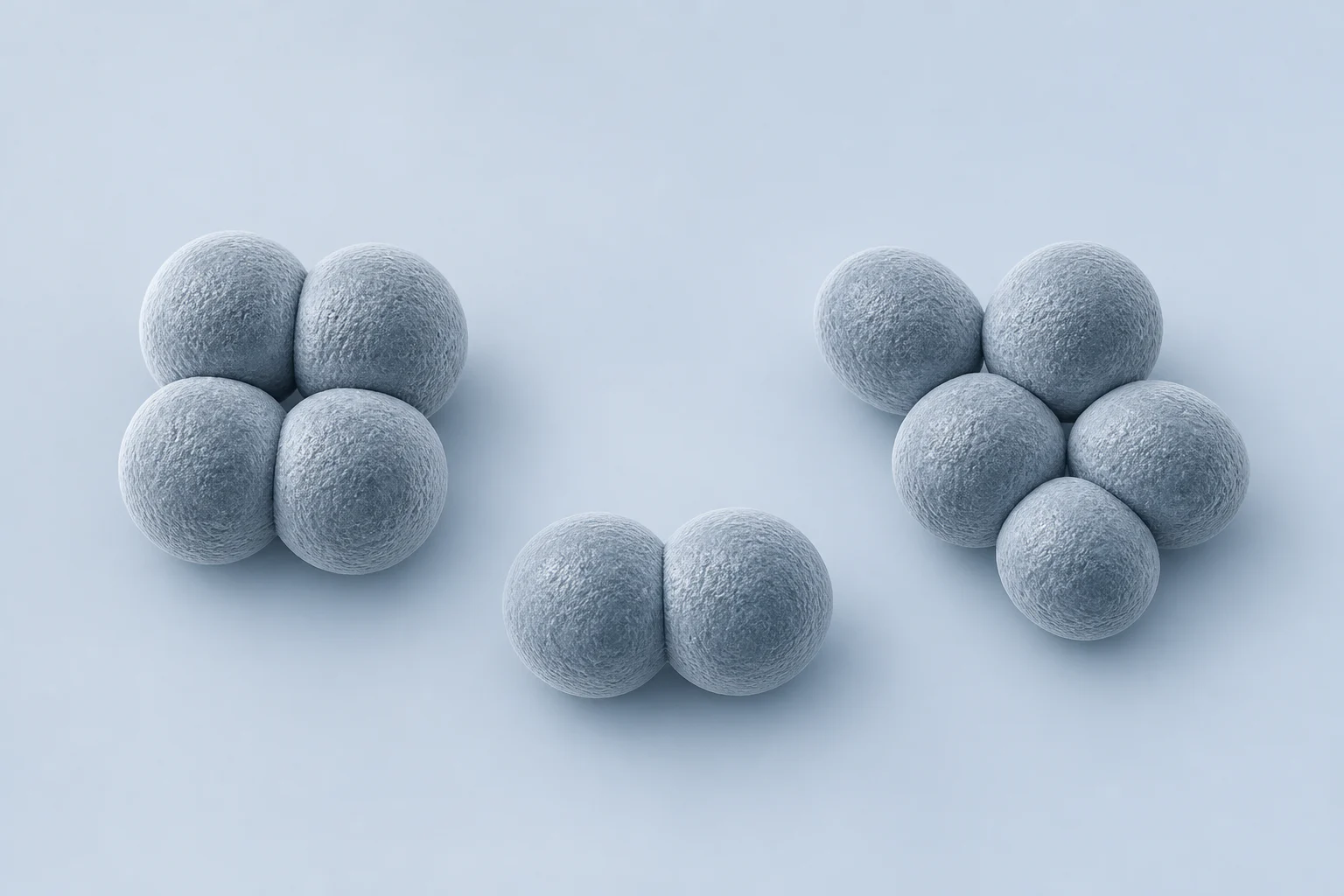
Aerococcus is a genus of Gram-positive, alpha-hemolytic, catalase-negative cocci. The primary species of clinical relevance are A. urinae (a cause of urinary tract infections, particularly in elderly men) and A. christensenii (a vaginal commensal). In the WikiBiome vaul…

Alishewanella is a genus of Gram-negative, facultative anaerobic bacteria within the class Gammaproteobacteria. Primarily known as environmental organisms, Alishewanella species have been identified in the microbiome of deep endometriosis — both in vaginal samples and w…

Atopobium is a genus of obligate anaerobic, Gram-positive bacteria in the phylum Actinobacteria. The primary species of clinical relevance is A. vaginae (recently reclassified as Fannyhessea vaginae), which is one of the hallmark organisms of bacterial vaginosis (BV) an…
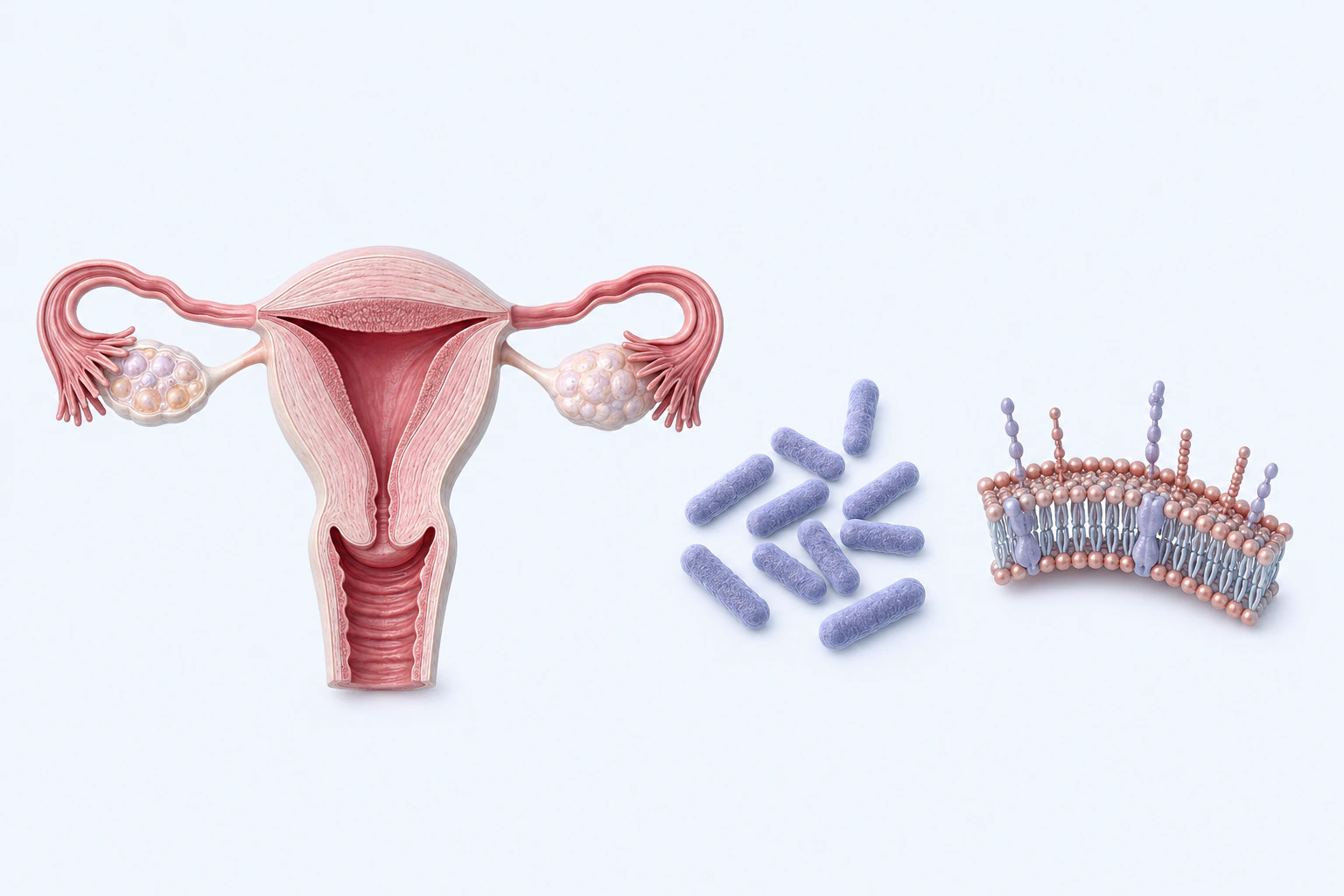
The bacterial contamination hypothesis proposes that bacterial endotoxin (LPS) contamination of menstrual blood and endometrial tissue is a key driver of endometriosis pathogenesis. First formalized by Khan et al. (2018), this hypothesis shifts endometriosis from a pure…
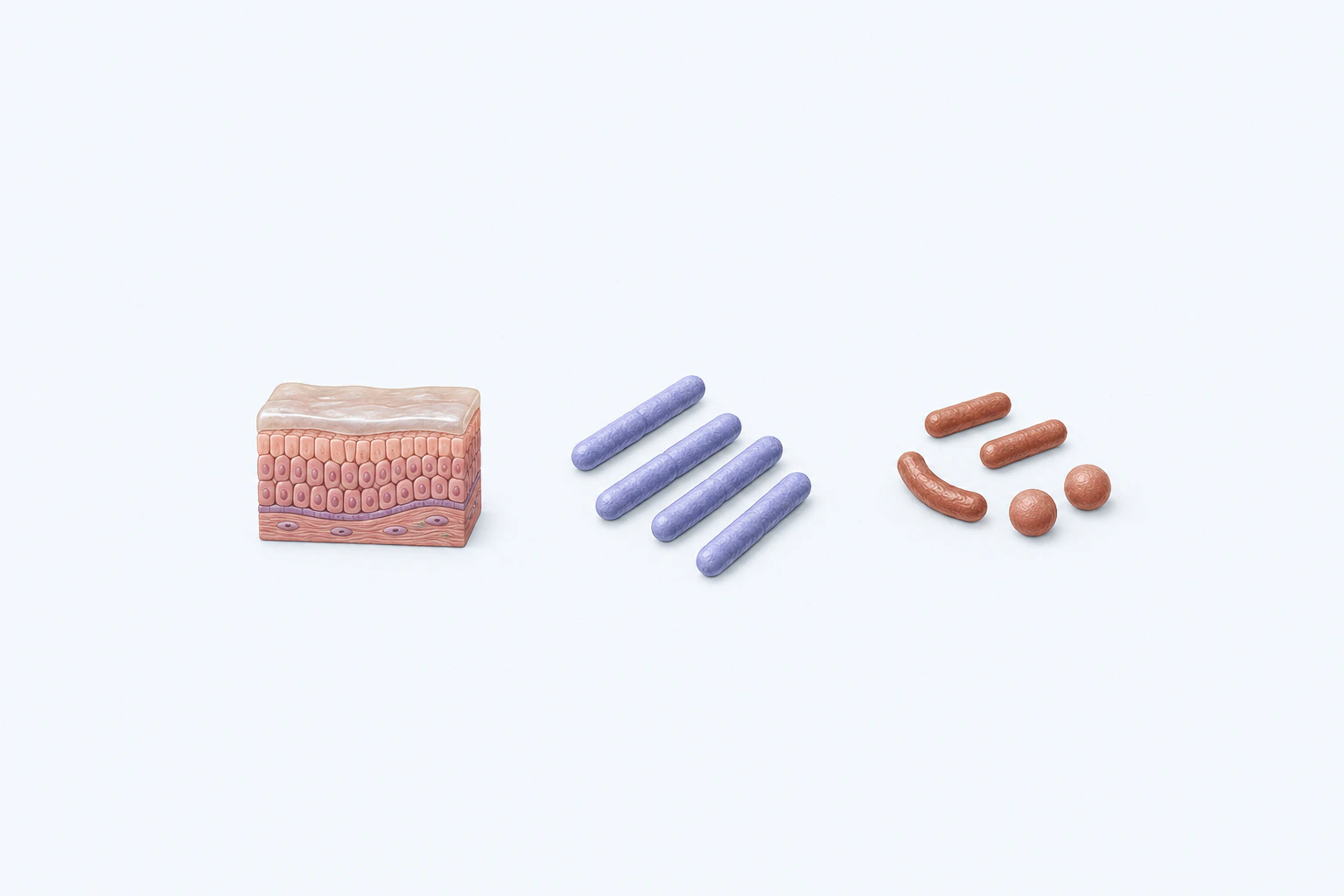
Bacterial vaginosis (BV) is the most common vaginal infection in women of reproductive age, affecting an estimated 29% of women globally. Rather than an infection by a single pathogen, BV represents a polymicrobial dysbiotic state -- a collapse of the protective Lactoba…
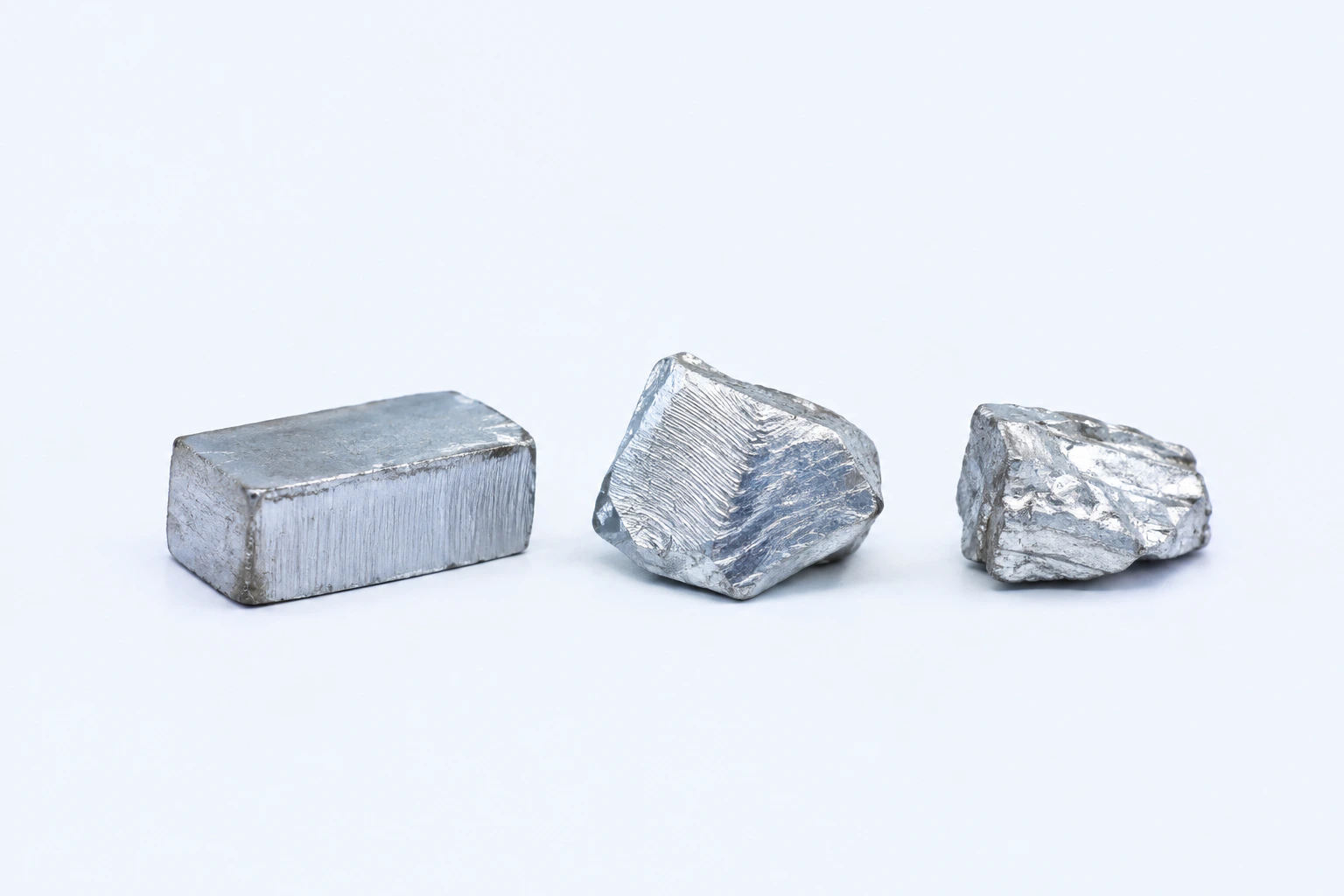
Cadmium is a toxic non-essential heavy metal (IARC Group 1 carcinogen) with a biological half-life of 17--30 years in mammals, primarily accumulating in the renal cortex via proximal tubular reabsorption of the Cd-metallothionein complex rasin 2025 cadmium exposure heal…
Perhaps the most pervasive metallomic finding across human disease: copper is elevated in nearly every pathological condition examined in this wiki -- cancer (pan-cancer), PCOS, cardiovascular disease, depression, schizophrenia, IBD, and rheumatoid arthritis. Simultaneo…
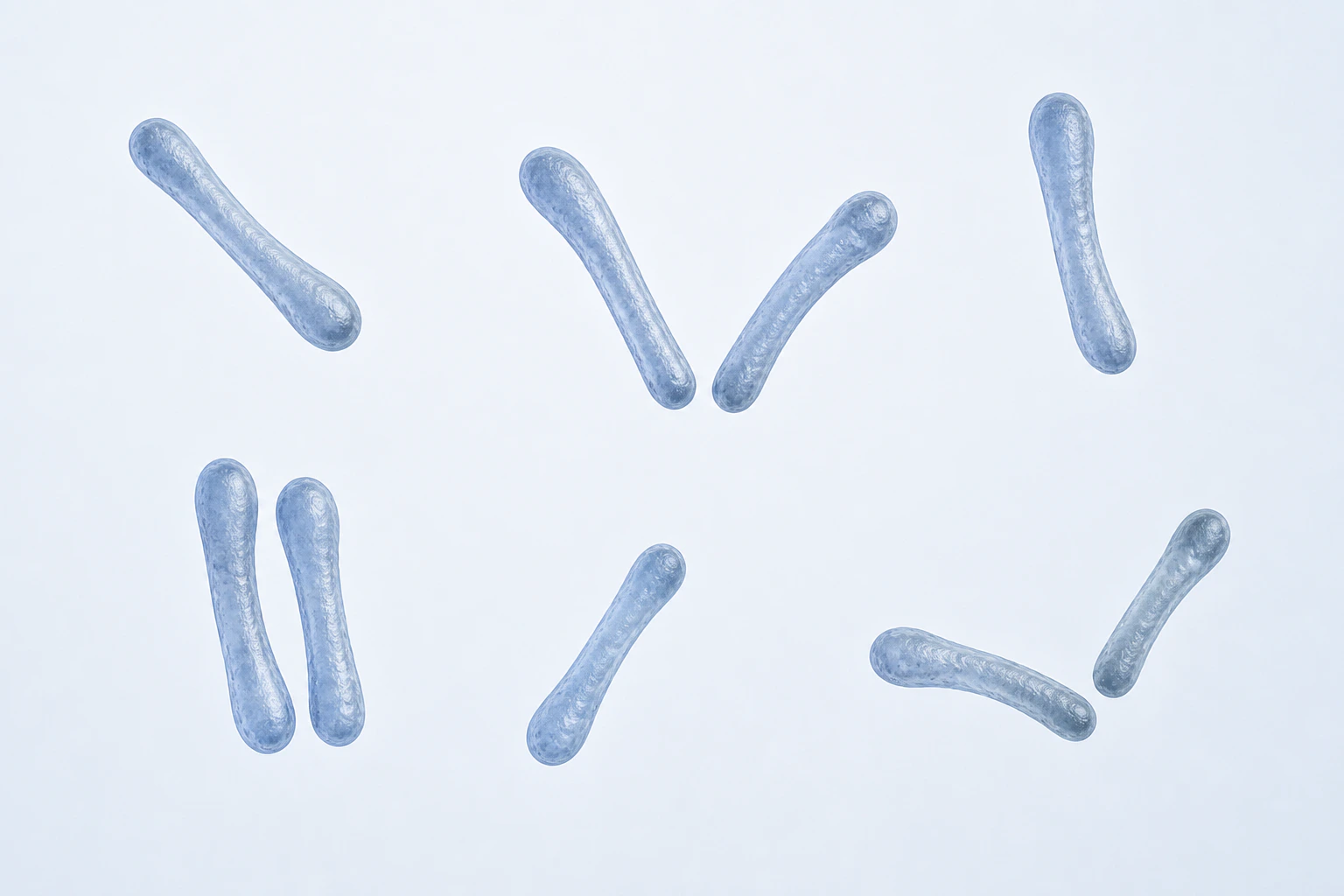
Corynebacterium is a large genus of Gram-positive, club-shaped bacteria with over 130 species spanning commensals, opportunistic pathogens, and the classic pathogen C. diphtheriae. In the WikiBiome context, Corynebacterium is most notable for its dominance in the male r…
Dysmenorrhea -- painful menstruation -- is the most common gynecological complaint, affecting 50-90% of reproductive-age women. It is classified as primary (no identifiable pelvic pathology) or secondary (caused by conditions such as endometriosis, adenomyosis, or fibro…
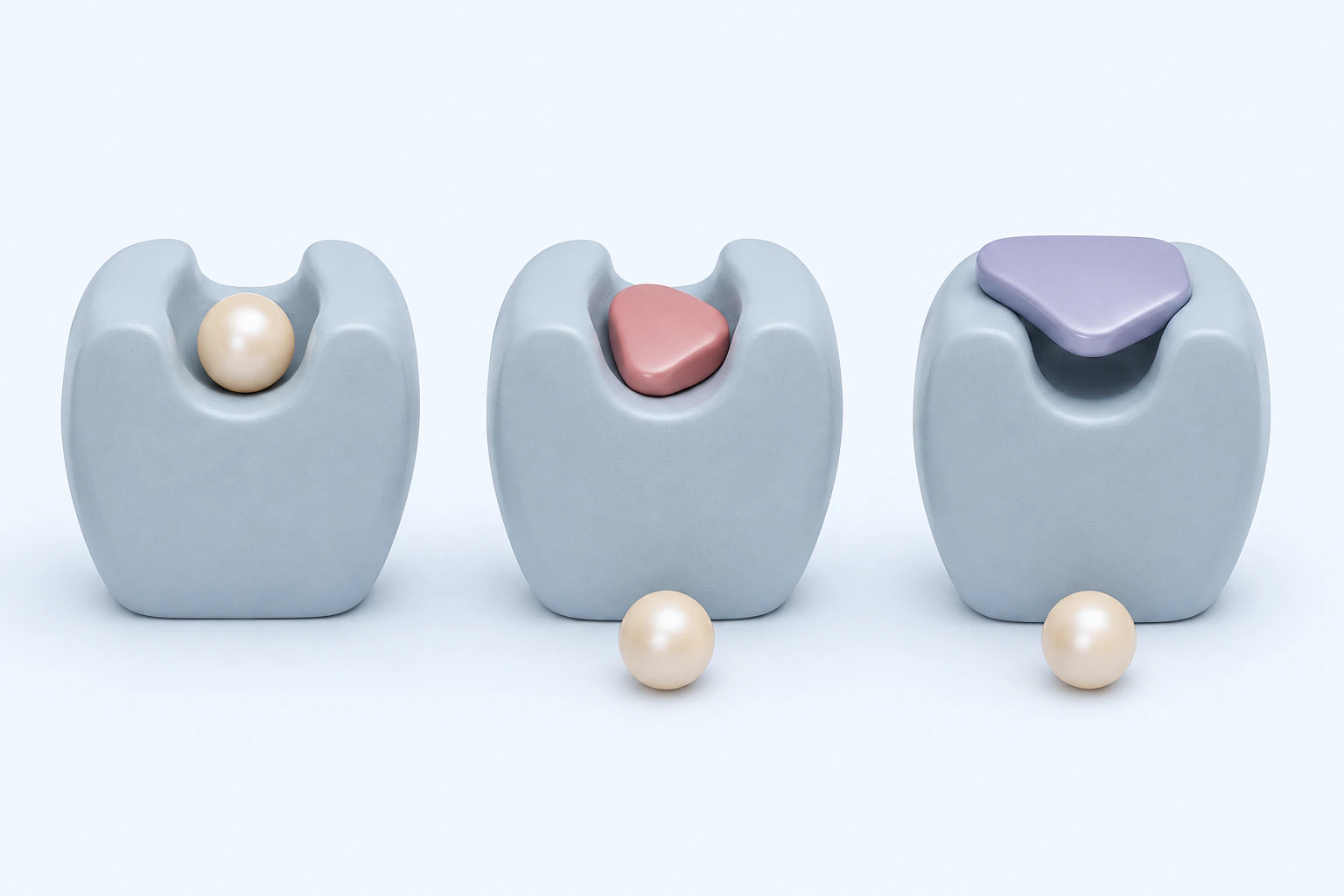
Endocrine-disrupting chemicals (EDCs) are exogenous substances that interfere with hormone synthesis, secretion, transport, binding, action, or elimination. The classical EDC list -- BPA, phthalates, dioxins, PCBs, pesticides -- is well established. What WikiBiome adds …
Exogenous chemicals that interfere with hormone synthesis, secretion, transport, binding, or elimination, mimicking or blocking endogenous hormones at physiologically relevant concentrations. In the metallomics-microbiome framework, endocrine disruptors occupy a critica…
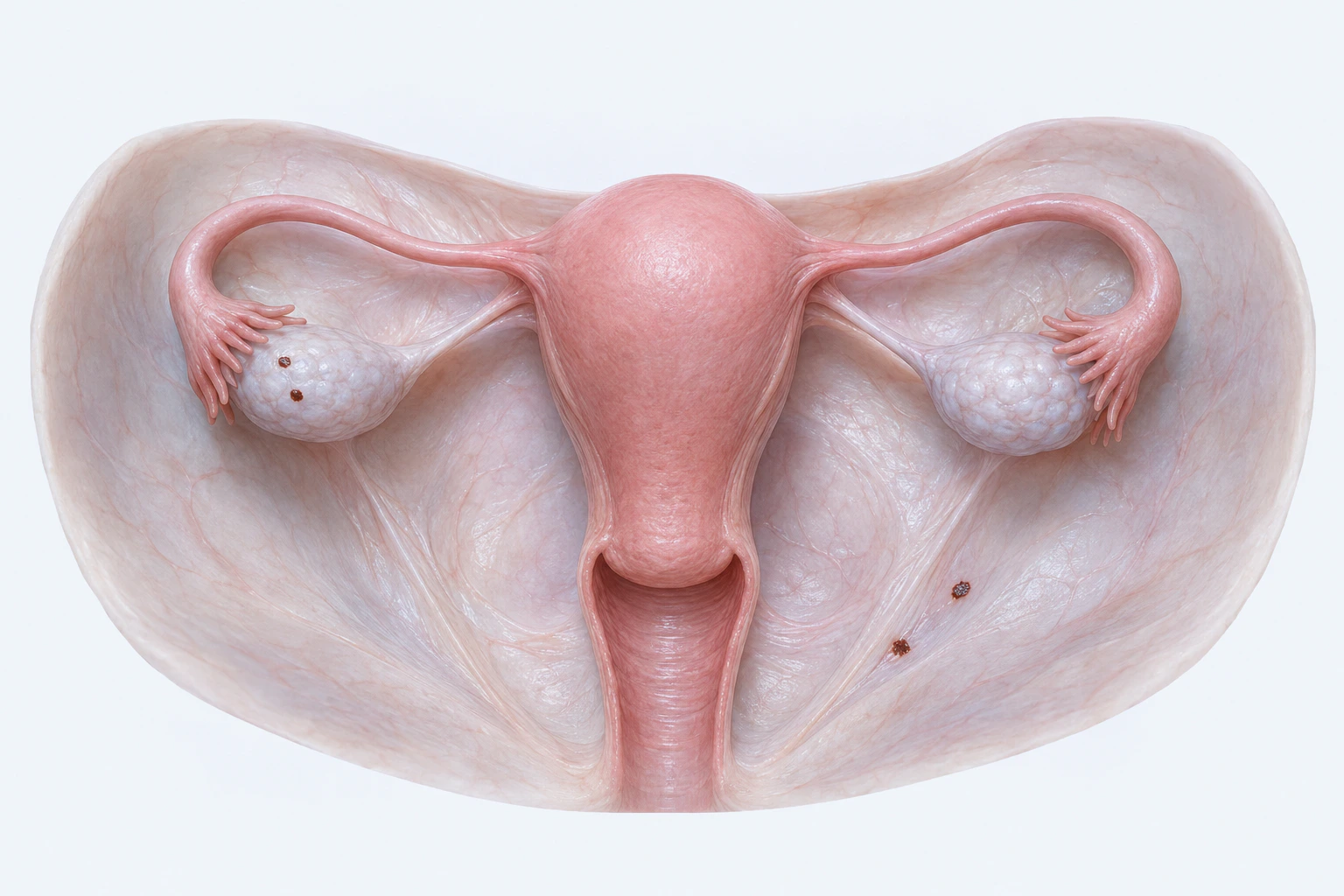
Endometriosis is a chronic estrogen-dependent inflammatory condition affecting approximately 10% of reproductive-age women, characterized by the growth of endometrial-like tissue outside the uterus colonetti 2023 gut vaginal microbiota endometriosis meta analysis. The c…
This page addresses the practical question: how do toxic metals get into people? Metal toxicology research identifies the mechanisms of harm, but understanding exposure routes -- dietary, occupational, environmental, and consumer product-mediated -- is essential for pre…
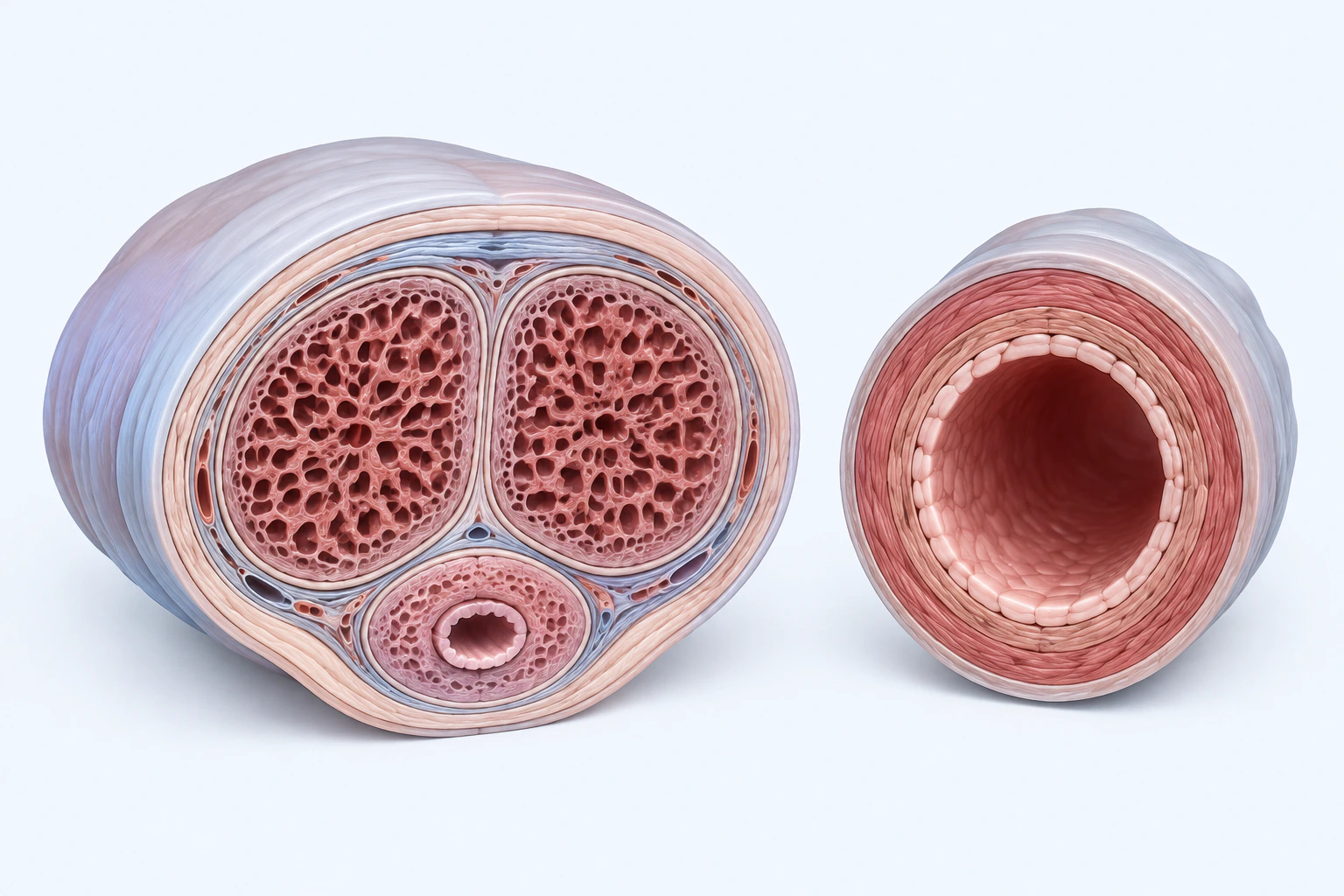
Erectile dysfunction (ED) affects 30-50% of men aged 40-70 Feldman et al. 1994, with prevalence increasing with age. Conventionally understood as a vascular and/or neurogenic disorder, ED is now recognized as a condition with a significant gut microbiome component -- th…
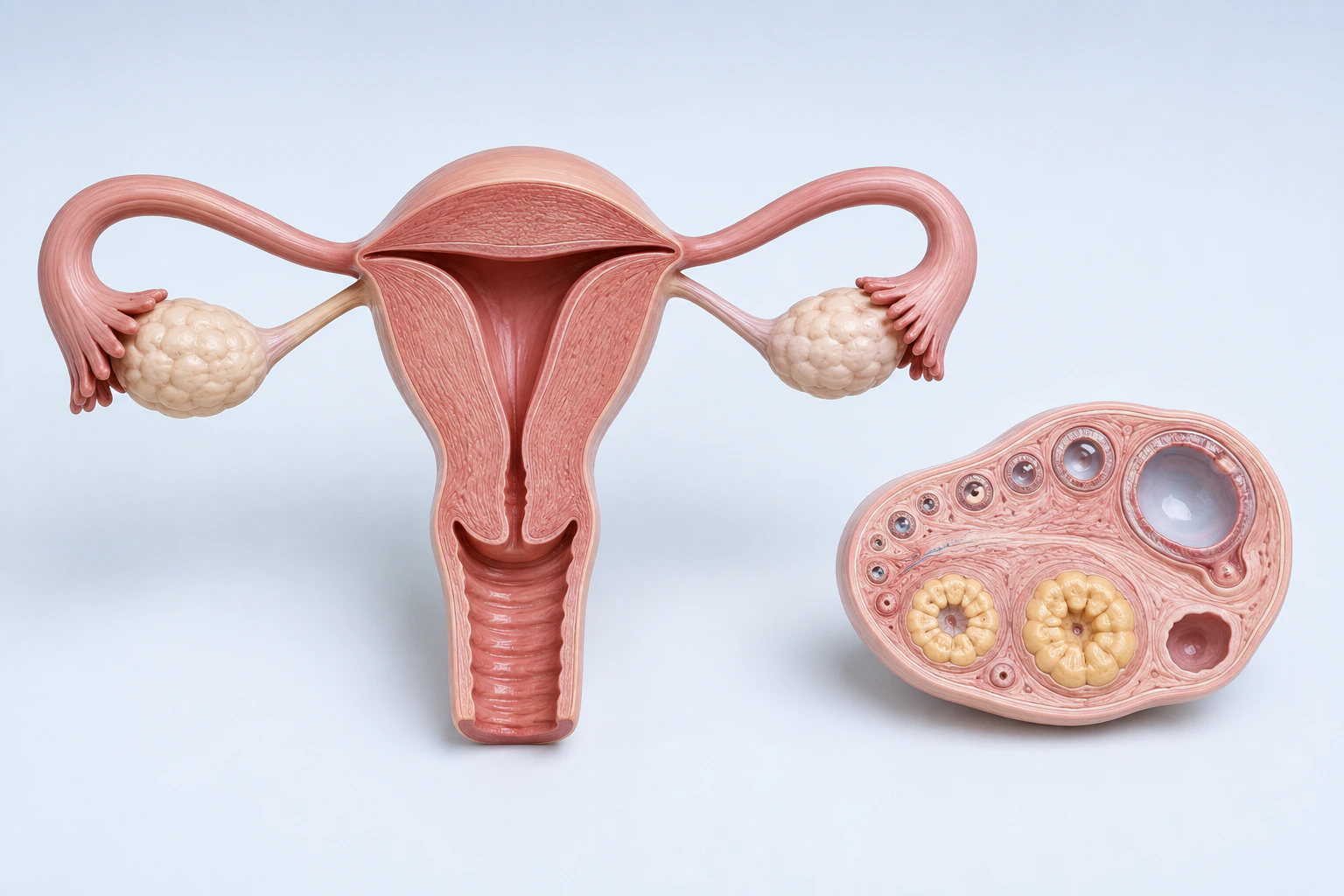
Affects approximately 48 million women worldwide (WHO global infertility prevalence estimates). From a microbiome-metallomics perspective, female infertility sits at the intersection of the estrobolome (microbial estrogen metabolism), heavy metal reproductive toxicity (…
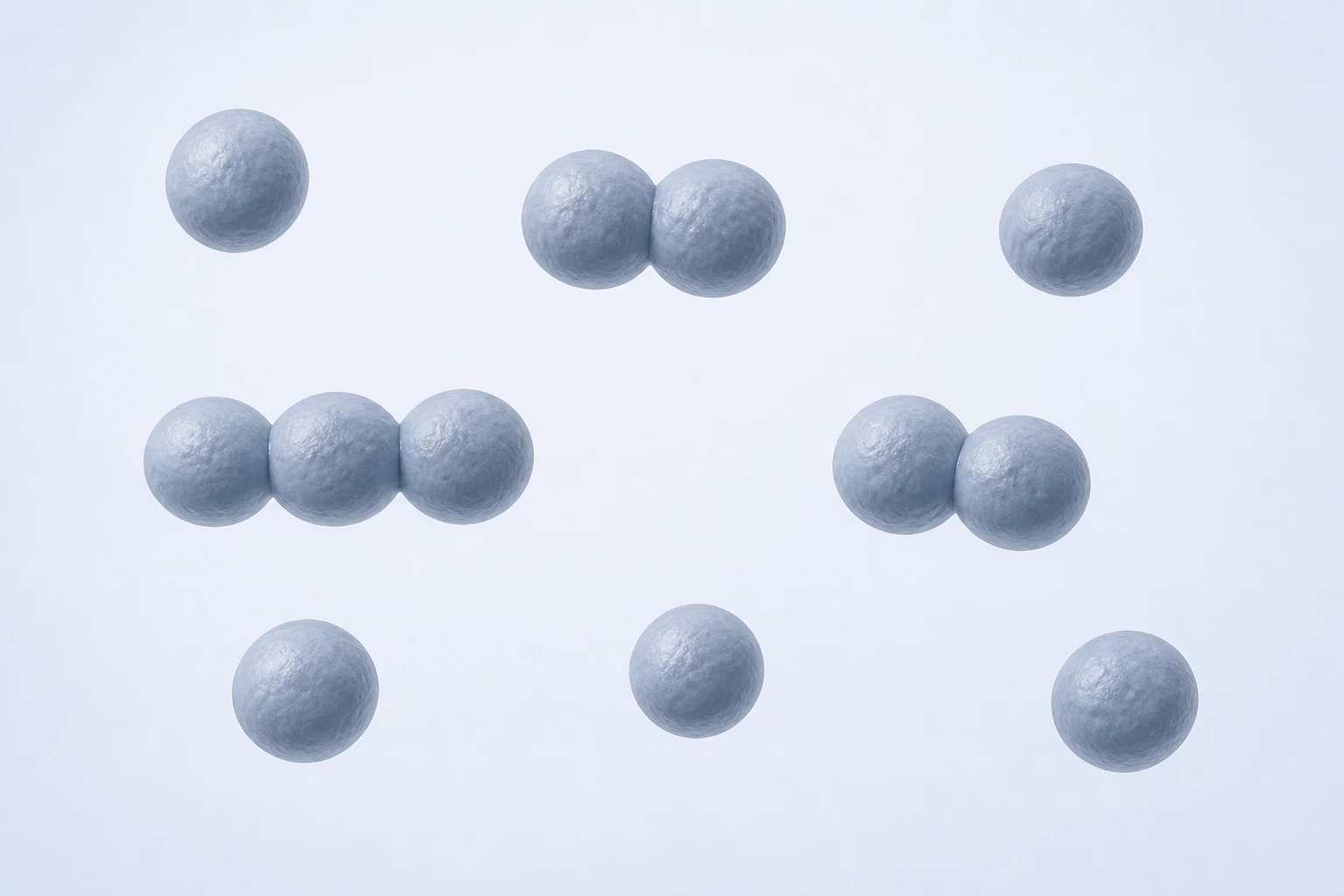
Finegoldia is a genus of Gram-positive, strictly anaerobic cocci, with Finegoldia magna as the primary species of clinical relevance. Formerly classified within Peptostreptococcus, this organism inhabits mucosal surfaces including the vaginal, skin, and gastrointestinal…
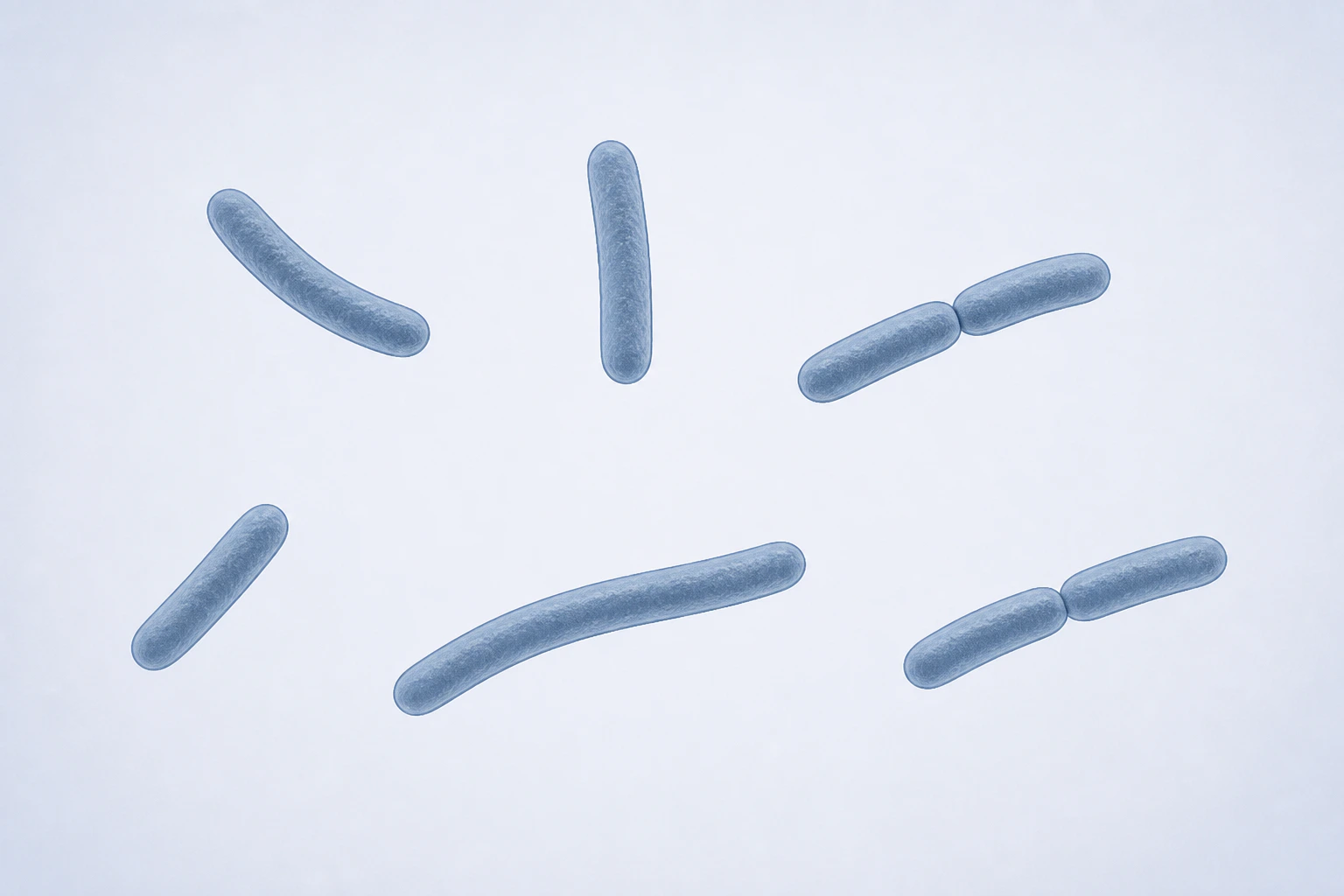
Flavobacterium is a genus of Gram-negative, aerobic bacteria within the phylum Bacteroidetes. Primarily environmental organisms found in soil and freshwater, Flavobacterium species have been identified in human microbiome studies of the cervical and reproductive tract, …
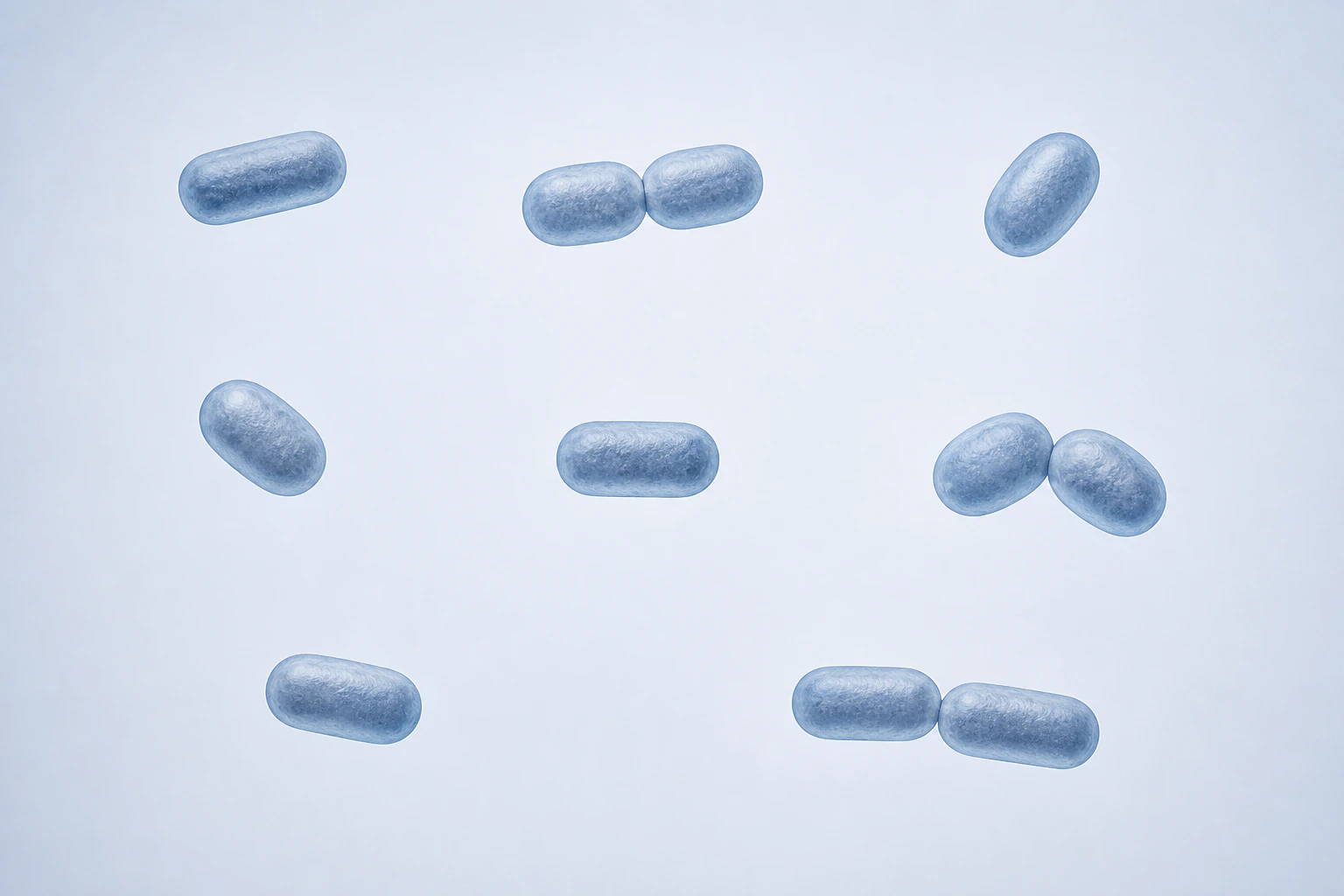
Gardnerella vaginalis is a Gram-variable, facultatively anaerobic bacterium that is the key organism in bacterial vaginosis (BV), the most common vaginal infection in women of reproductive age. Its sialidase production, biofilm-forming capacity, and associations with he…
The gut-gonadal axis describes the bidirectional communication between the intestinal microbiome and the reproductive endocrine system. Gut bacteria modulate sex hormone levels through enzymatic activity (particularly beta glucuronidase-mediated estrogen deconjugation),…
The gut-penis axis is an emerging concept describing the systemic pathway by which gut microbiome dysbiosis impairs erectile function through endothelial nitric oxide (NO) suppression and chronic inflammation. Though less established than the gut-brain or gut-heart axes…
The gut-testis axis describes the bidirectional communication between the gut microbiome and the male reproductive system. Gut-derived microbial metabolites, immune signals, and systemic inflammatory mediators influence testicular function, testosterone biosynthesis, an…
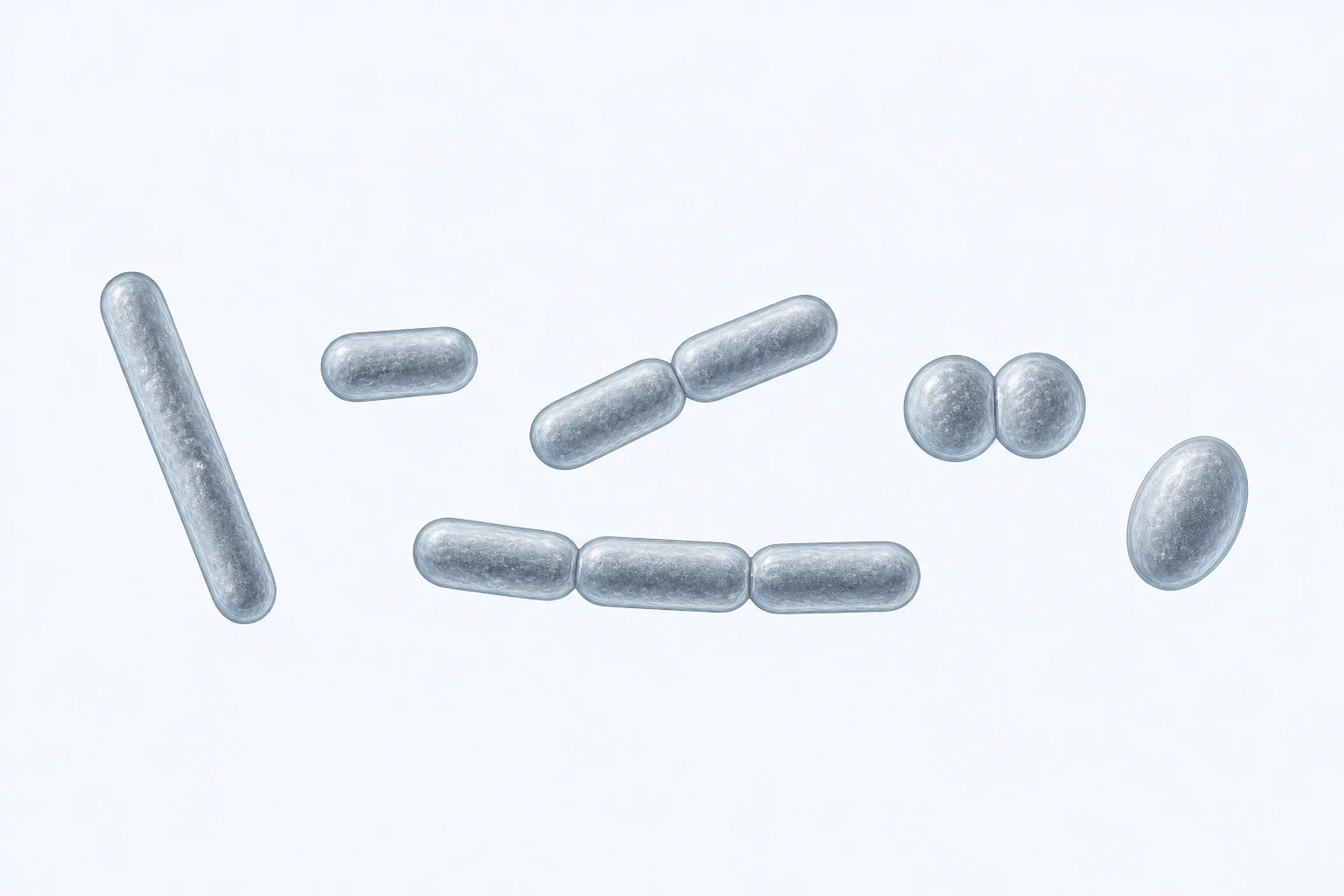
Lactobacillaceae is the family containing the genus lactobacillus and related genera. It is the dominant family in the healthy vaginal microbiome and a significant family in the gut. Family-level depletion is reported across schizophrenia szeligowski 2020 gut microbiome…
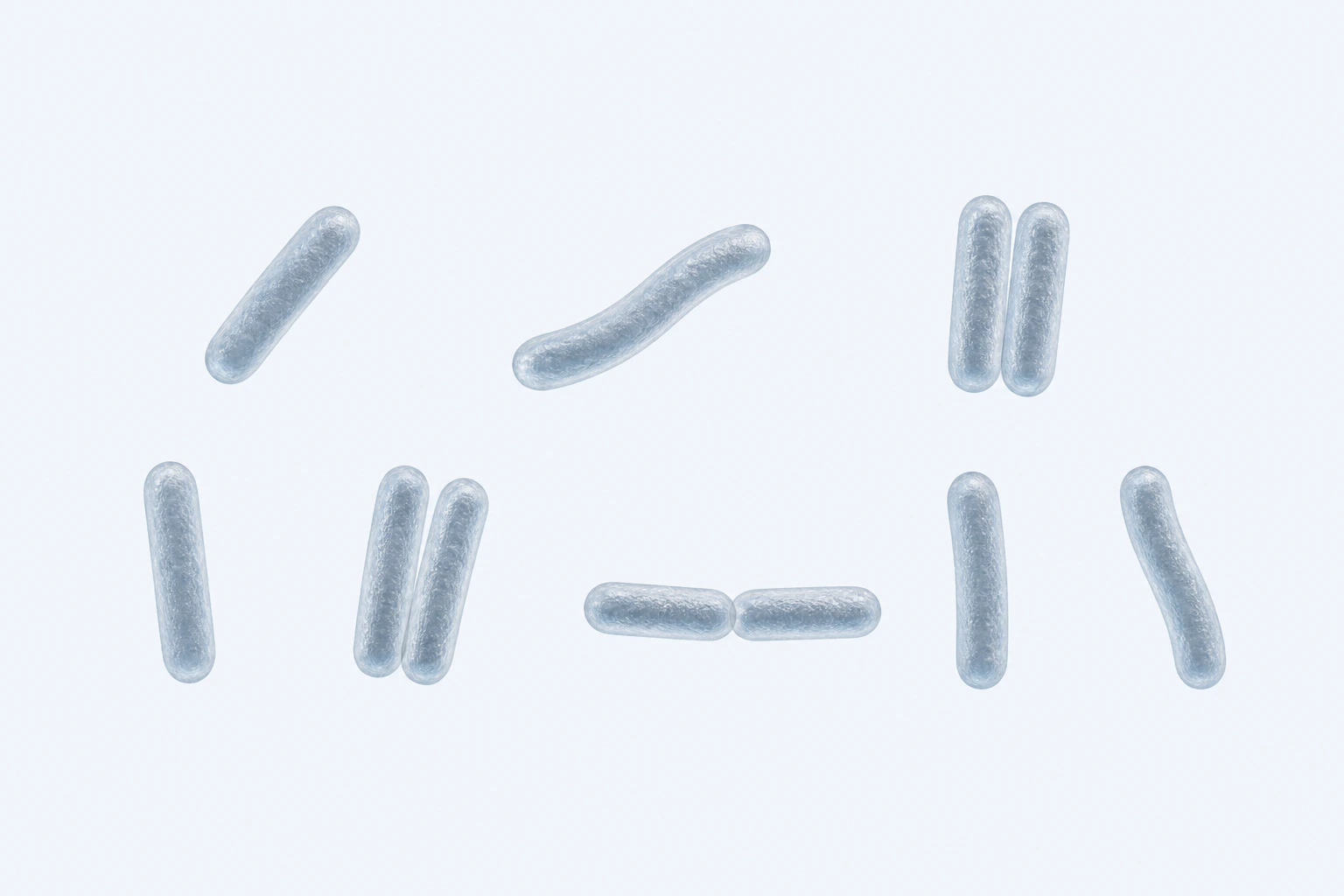
A Gram-positive, facultatively anaerobic bacterium that is the dominant species in the healthy human vaginal microbiome and a defining member of Community State Type I (CST-I). L. crispatus dominance is associated with reproductive health, pathogen resistance, and reduc…
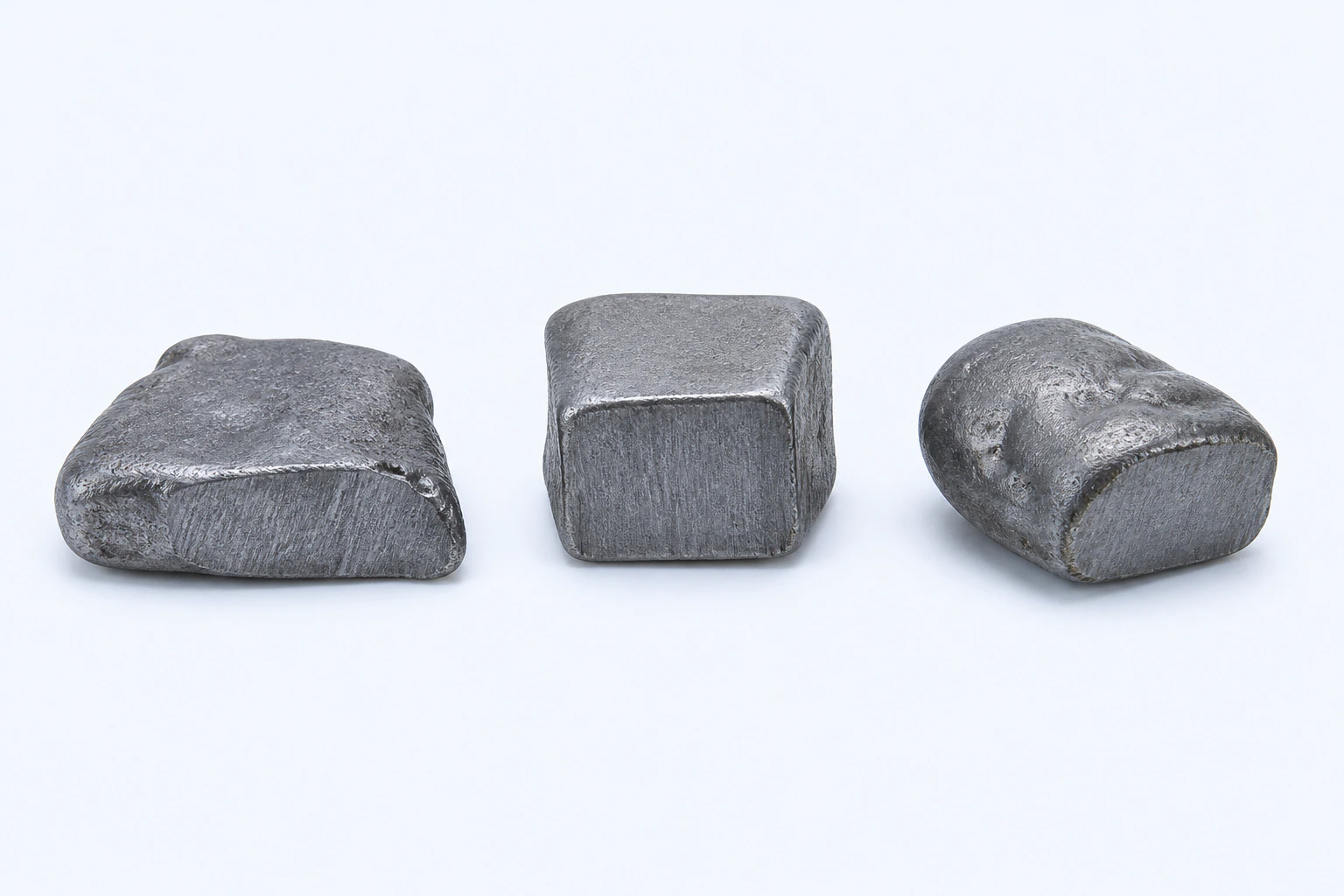
Lead is a purely toxic heavy metal with no known biological function. It is the most extensively studied metal in relation to neurodevelopmental harm and is increasingly recognized as a contributor to chronic disease across virtually every organ system, even at levels o…
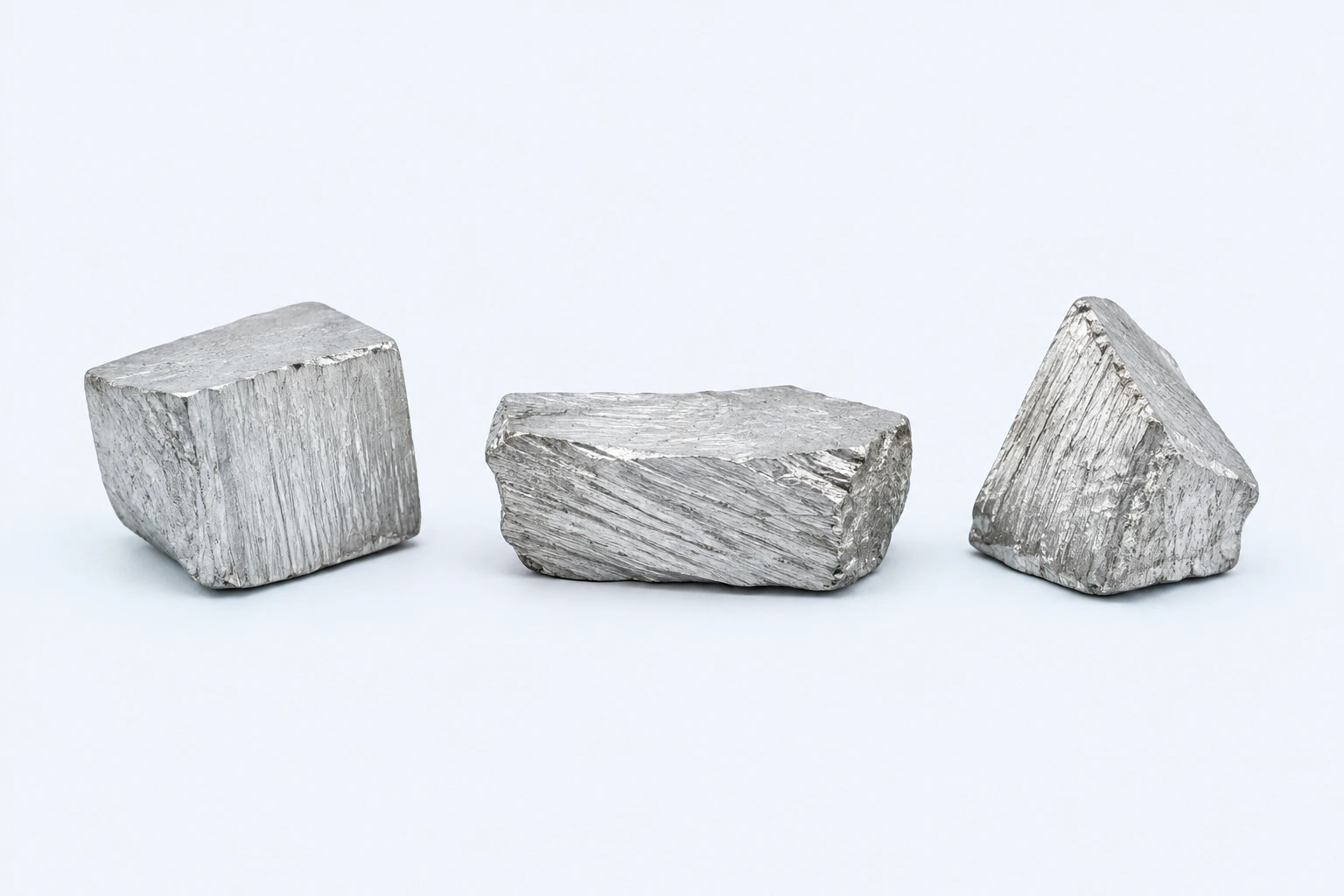
An essential macromineral required as a cofactor for over 300 enzymatic reactions in the body, including energy metabolism, protein synthesis, DNA/RNA stability, and neuromuscular function. Magnesium is not a heavy metal or trace element but is frequently measured along…
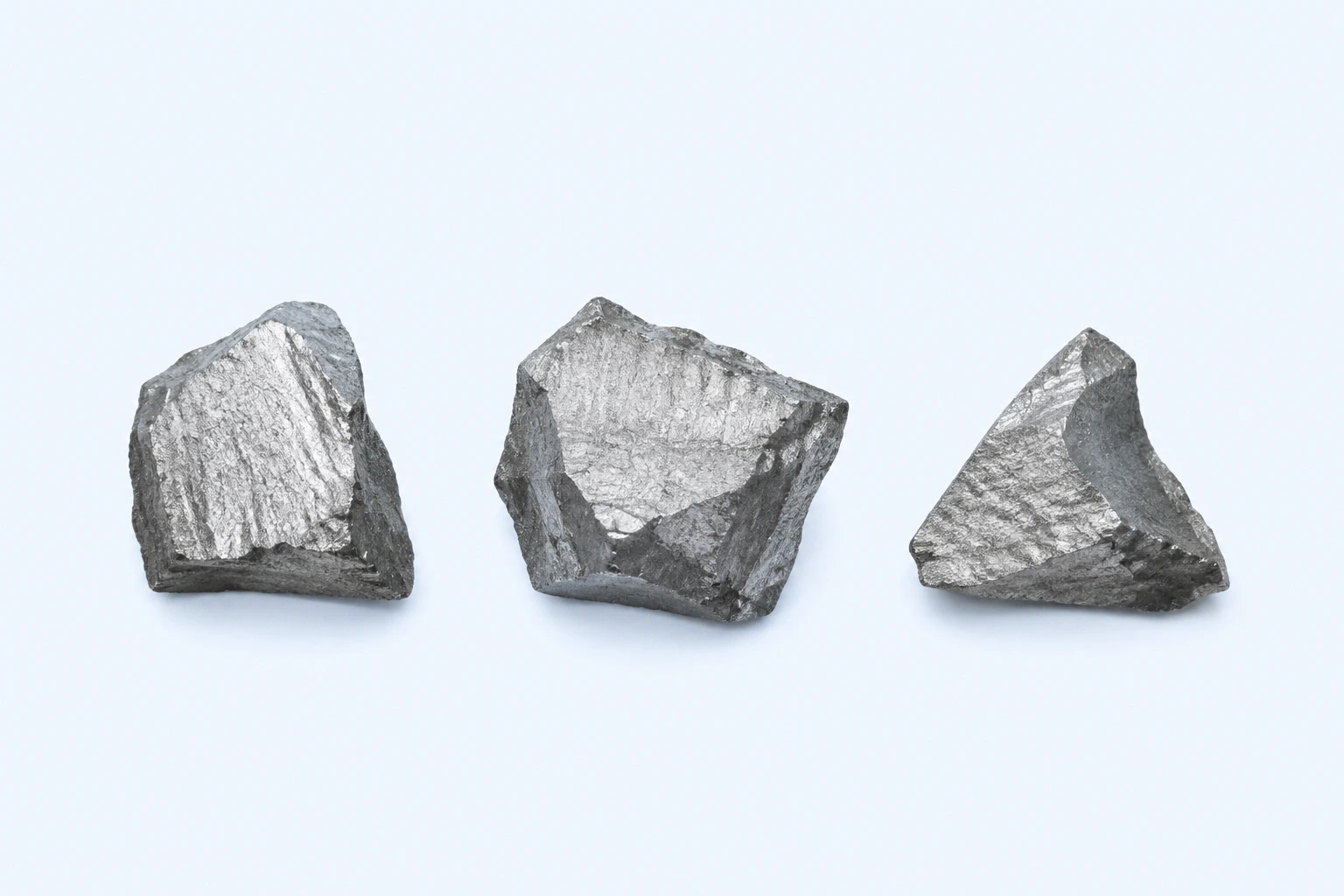
Manganese is an essential trace element with a narrow therapeutic window: required as a cofactor for critical enzymes including Mn-SOD (SOD2), pyruvate carboxylase, arginase, and ribonucleotide reductase, yet profoundly neurotoxic at elevated levels martin 2022 manganes…
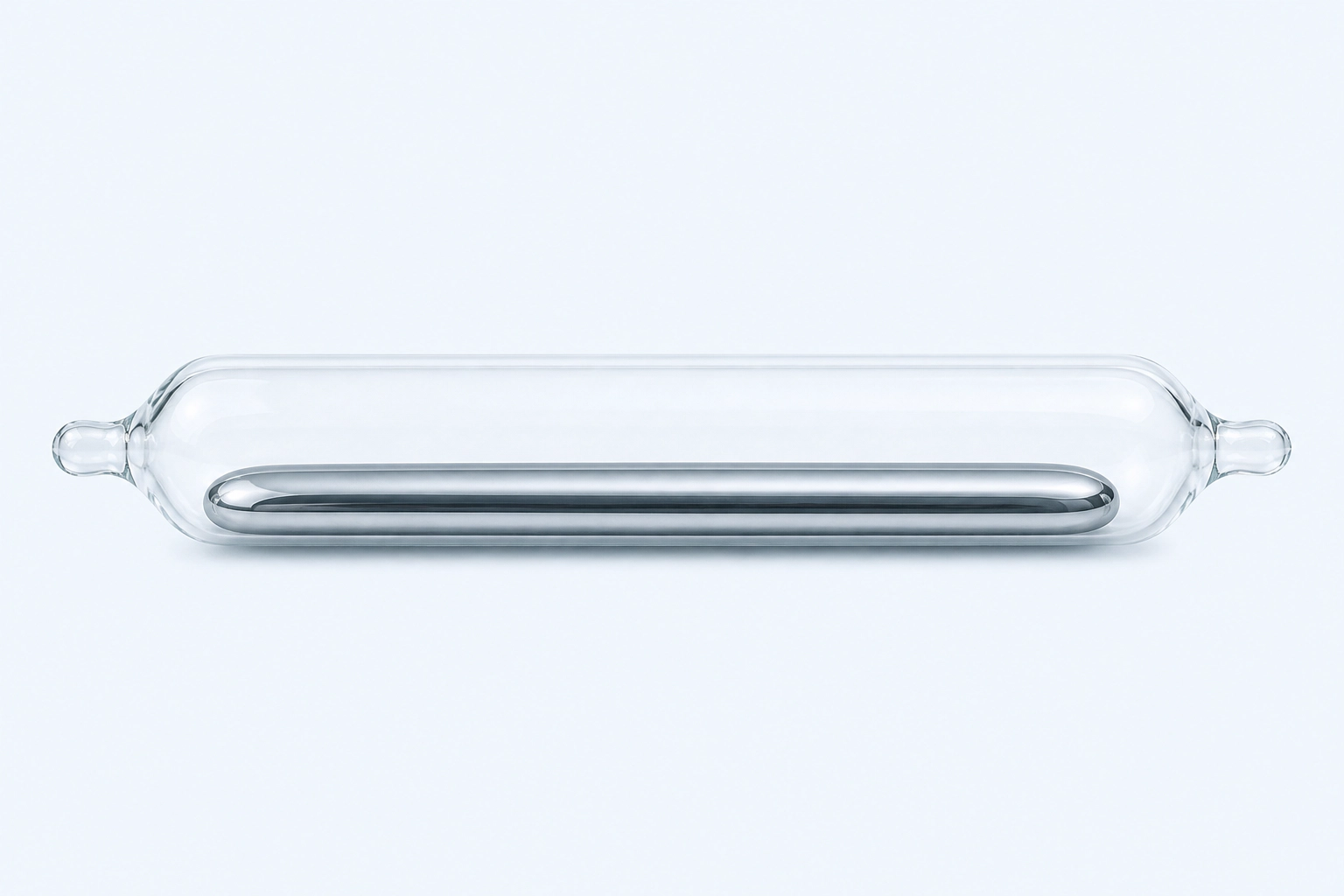
Mercury is the most toxic heavy metal with no known biological function. Its organic form -- methylmercury (MeHg) -- is the primary concern for dietary exposure via fish consumption. Mercury's toxicity centers on thiol group binding, glutathione depletion, and blood-bra…
Metalloestrogens are metal ions that activate estrogen receptors and mimic the biological effects of estradiol, the primary endogenous estrogen. They represent a category of endocrine-disrupting compounds where the active agent is an inorganic metal rather than an organ…
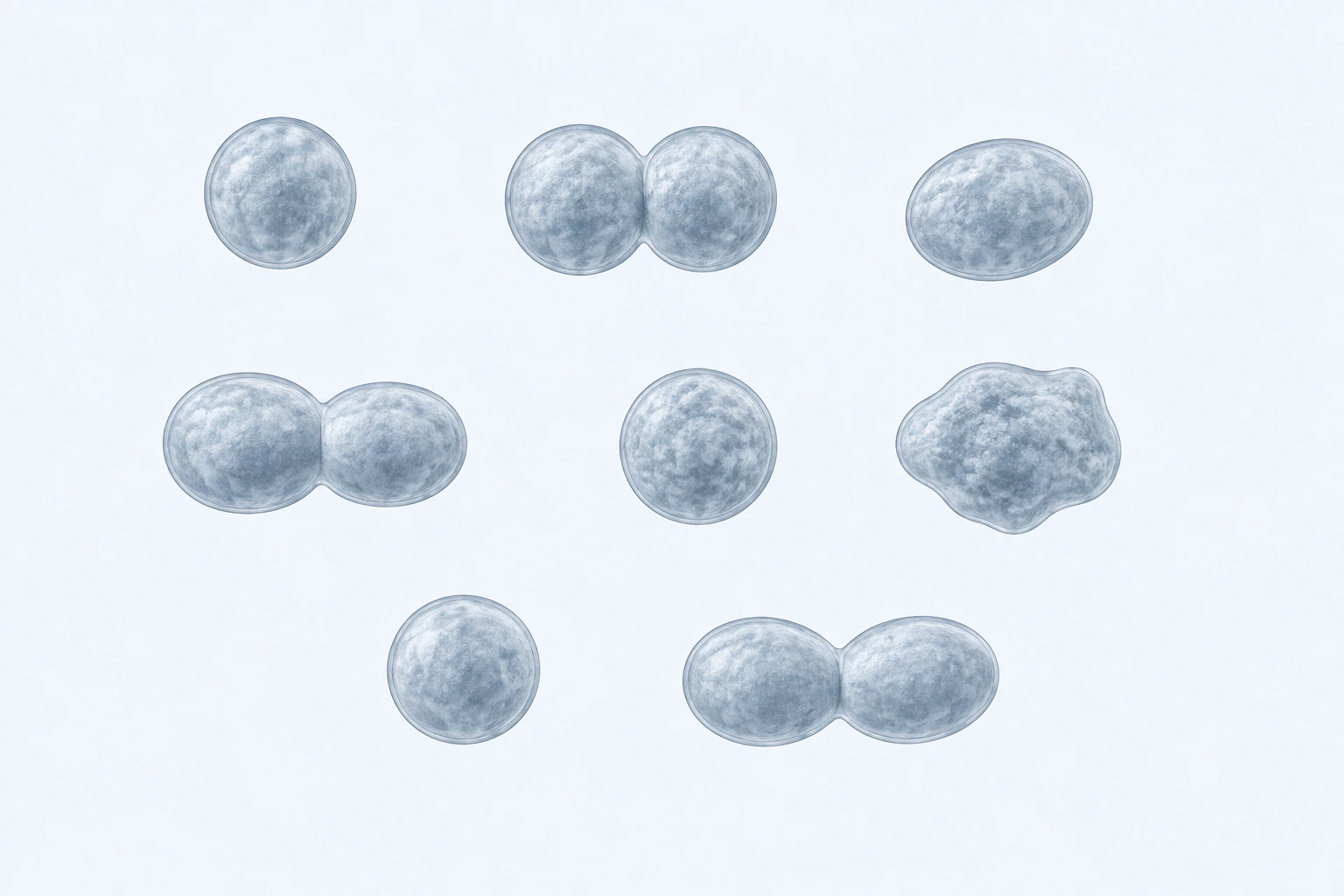
Mycoplasma is a genus of wall-less bacteria in the class Mollicutes, characterized by the smallest genomes of any self-replicating organisms (~580–1,350 kb). The lack of a cell wall makes them intrinsically resistant to beta-lactam antibiotics and undetectable by Gram s…

A transition metal occupying a central position in this wiki's evidence base. Nickel is toxic and carcinogenic to humans, yet an essential cofactor for pathogen virulence enzymes. It is the most frequent contact allergen worldwide and drives a wide spectrum of systemic …
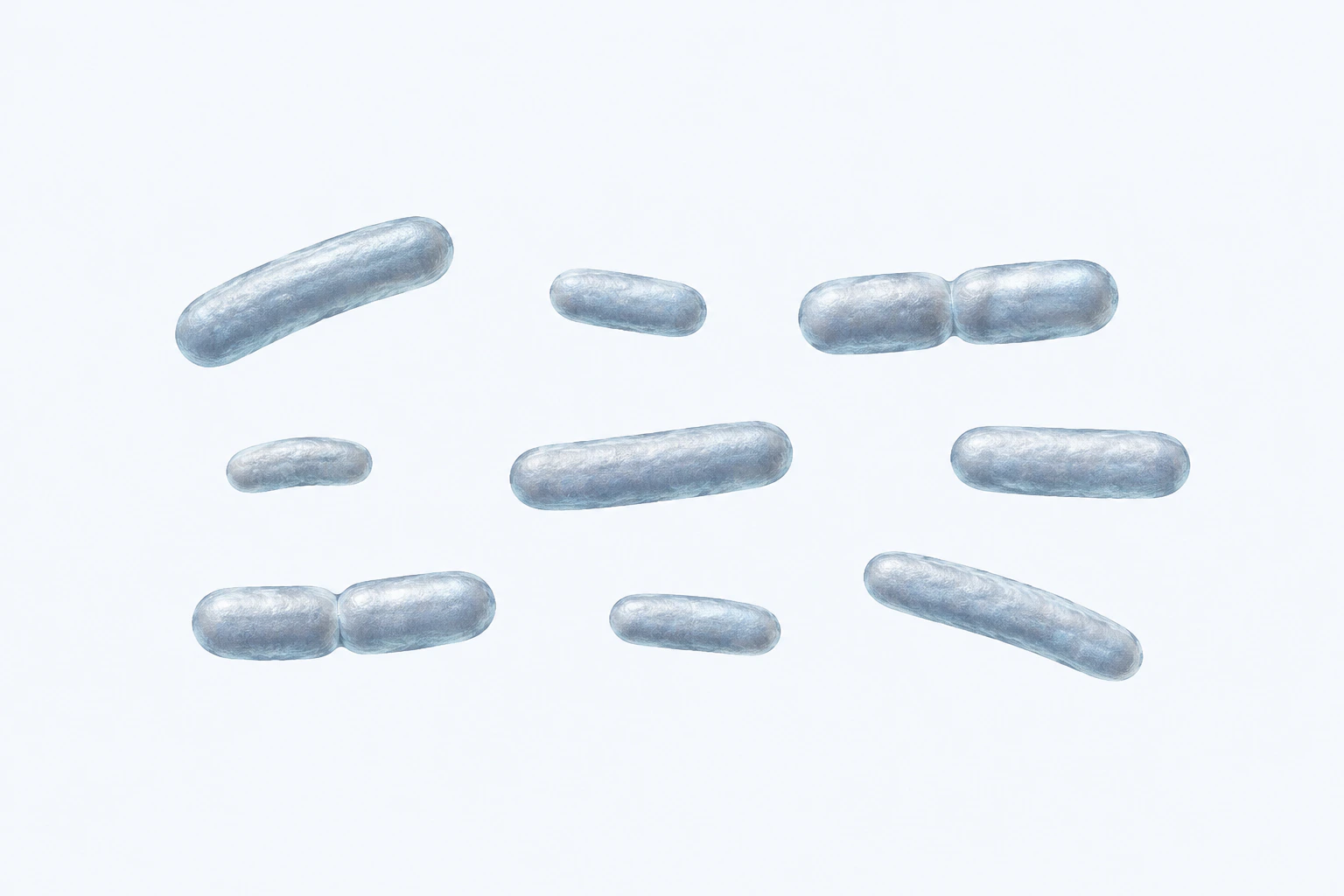
Paraprevotella is a genus of obligate anaerobic, Gram-negative bacteria in the family Prevotellaceae, related to prevotella. It is a gut commensal with emerging associations across neuropsychiatric and reproductive conditions. - Schizophrenia: Altered in gut-brain axis …
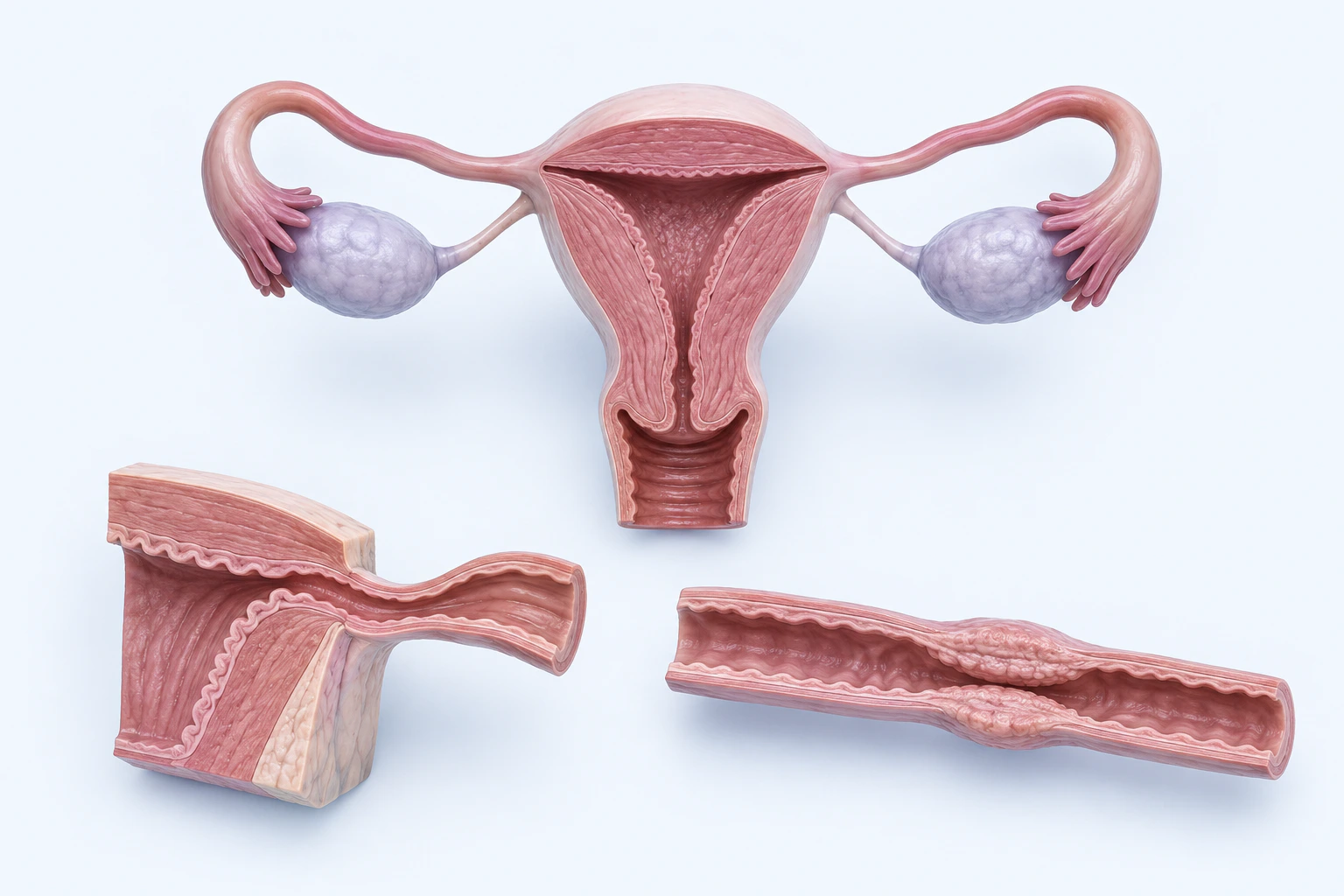
Pelvic inflammatory disease (PID) is an ascending infection of the female upper reproductive tract — uterus, fallopian tubes, and ovaries. Traditionally attributed to Neisseria gonorrhoeae and Chlamydia trachomatis, PID is now recognized as predominantly polymicrobial, …
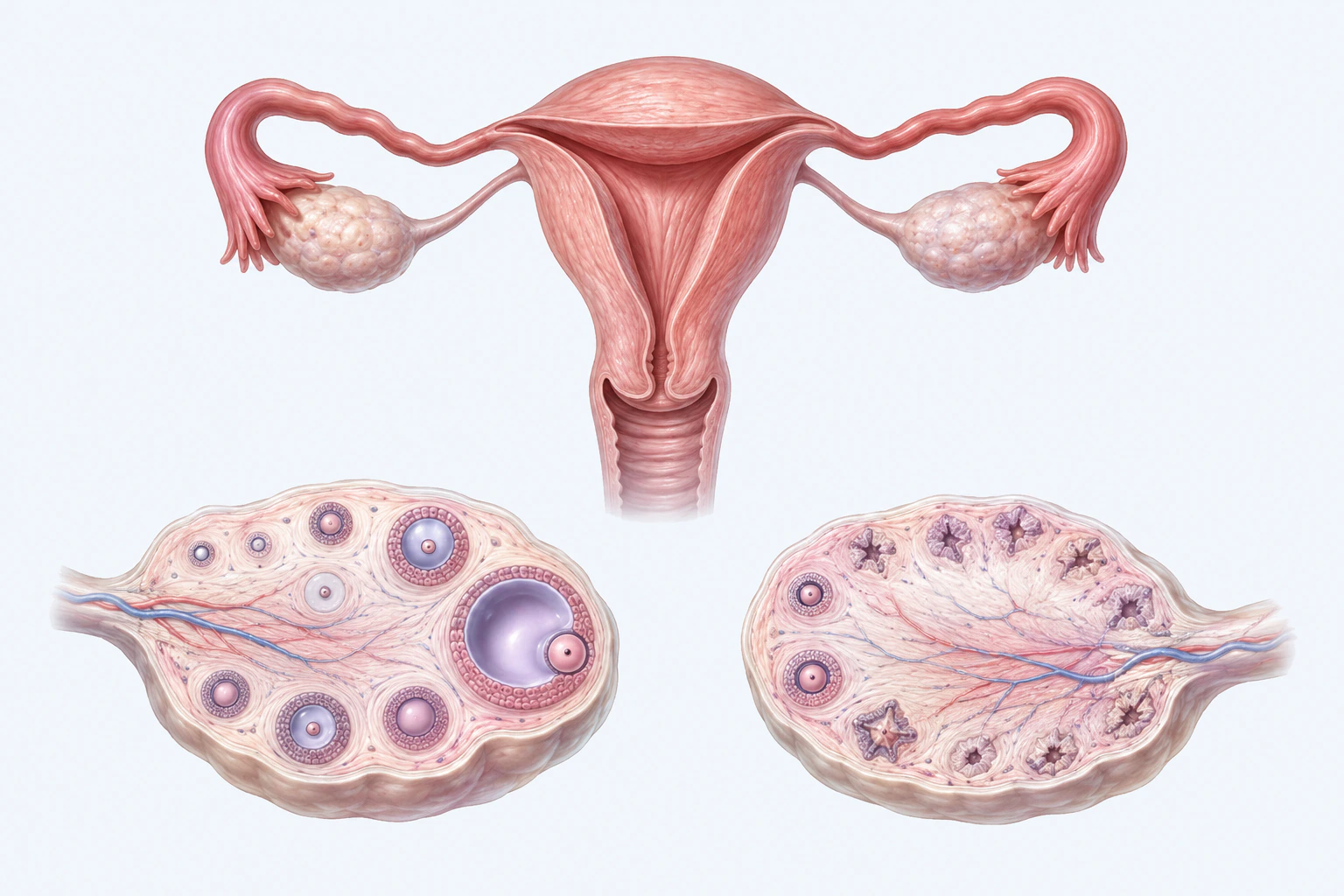
A metabolic-endocrine disorder affecting 6-20% of reproductive-age women worldwide, characterized by hyperandrogenism, oligo/anovulation, and polycystic ovary morphology (Rotterdam criteria) barrea 2019 mediterranean diet pcos. PCOS is the leading cause of anovulatory i…
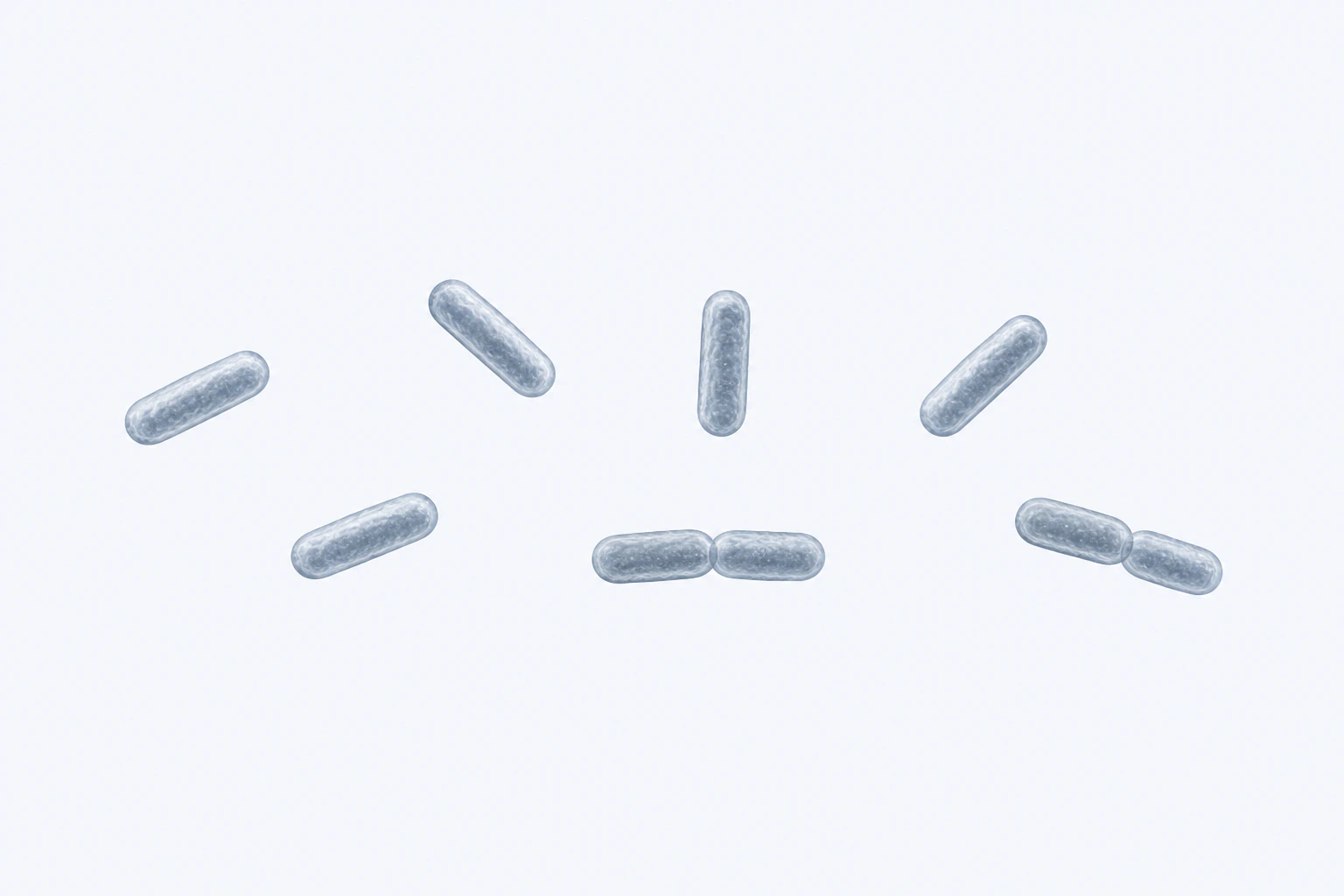
See also: porphyromonas (genus page), porphyromonas gingivalis (species page) Porphyromonas bennonis is an obligate anaerobic, Gram-negative bacterium related to the periodontal pathogen porphyromonas gingivalis. Unlike its oral relative, P. bennonis is primarily associ…
Premenstrual syndrome (PMS) affects an estimated 20-40% of women of reproductive age, characterized by cyclical physical and psychological symptoms in the luteal phase (post-ovulation, pre-menstruation). While PMS has traditionally been attributed solely to hormonal flu…
The semen microbiome refers to the microbial community inhabiting the male reproductive tract and seminal fluid. Core genera identified through shotgun metagenomic sequencing include Corynebacterium, Staphylococcus, Streptococcus, and Prevotella, though composition vari…

Serratia is a genus of Gram-negative, facultatively anaerobic bacteria in the Enterobacteriaceae family. The primary species is S. marcescens, famous for its red pigment prodigiosin and its role as a nosocomial opportunistic pathogen. In the WikiBiome vault, Serratia ap…
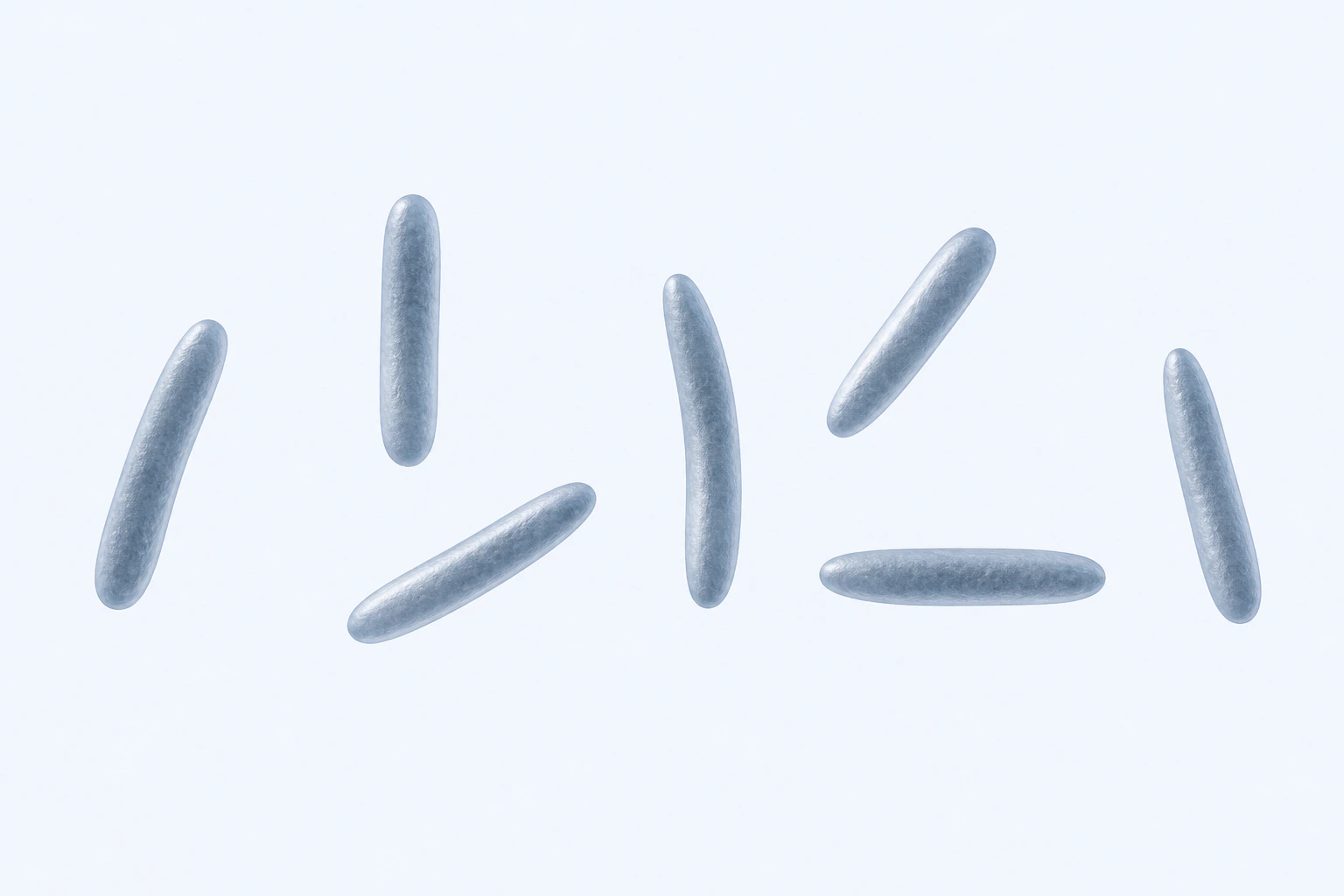
Sneathia is a genus of obligate anaerobic, Gram-negative bacteria in the phylum Fusobacteriota (formerly Fusobacteria). The primary species is S. sanguinegens (formerly Leptotrichia sanguinegens), with S. amnii also clinically significant. Sneathia is a member of the BV…
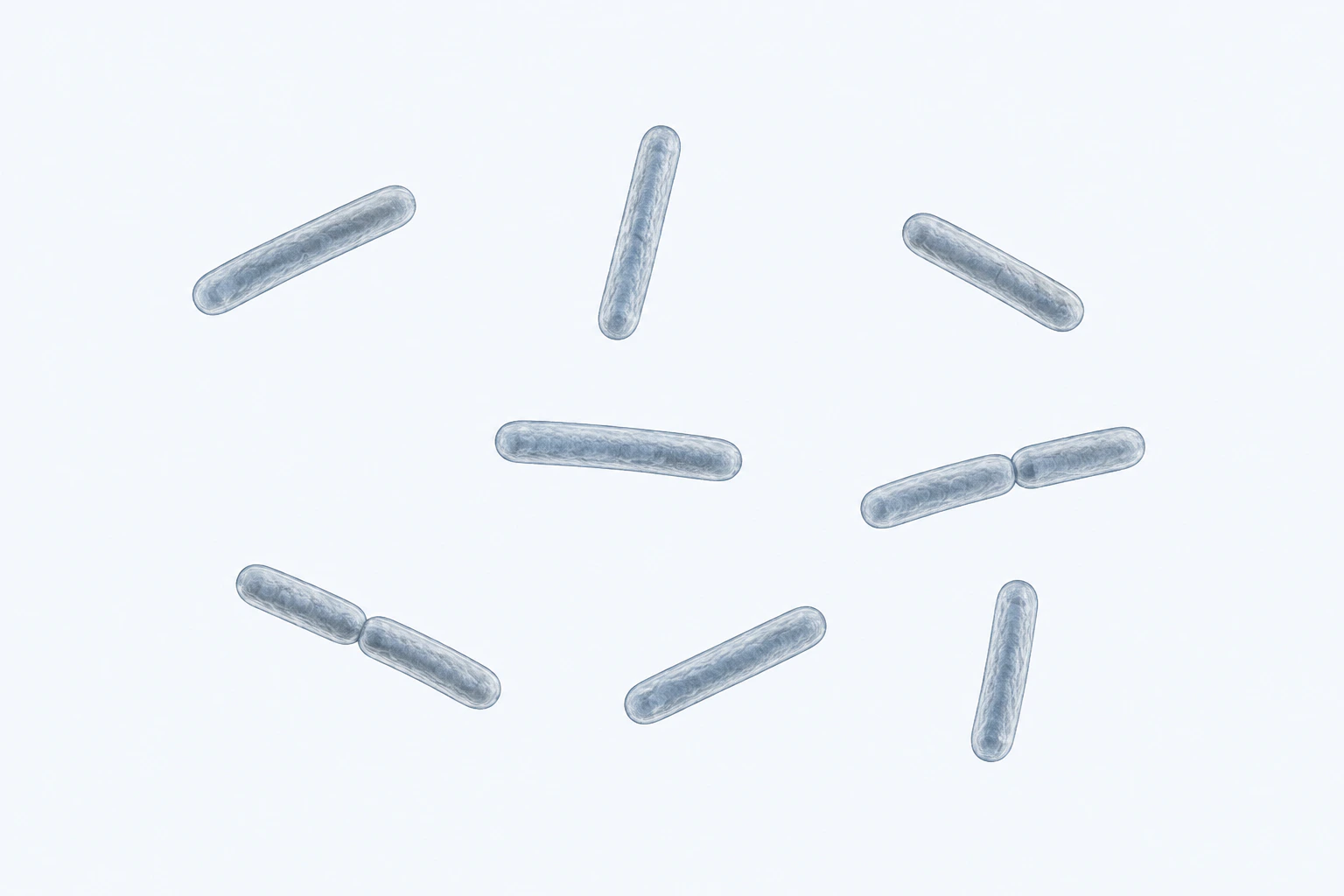
Sphingobium is a genus of Gram-negative, aerobic bacteria within the family Sphingomonadaceae. Primarily known as environmental organisms capable of degrading aromatic compounds, Sphingobium species have been unexpectedly identified in human microbiome studies of the re…
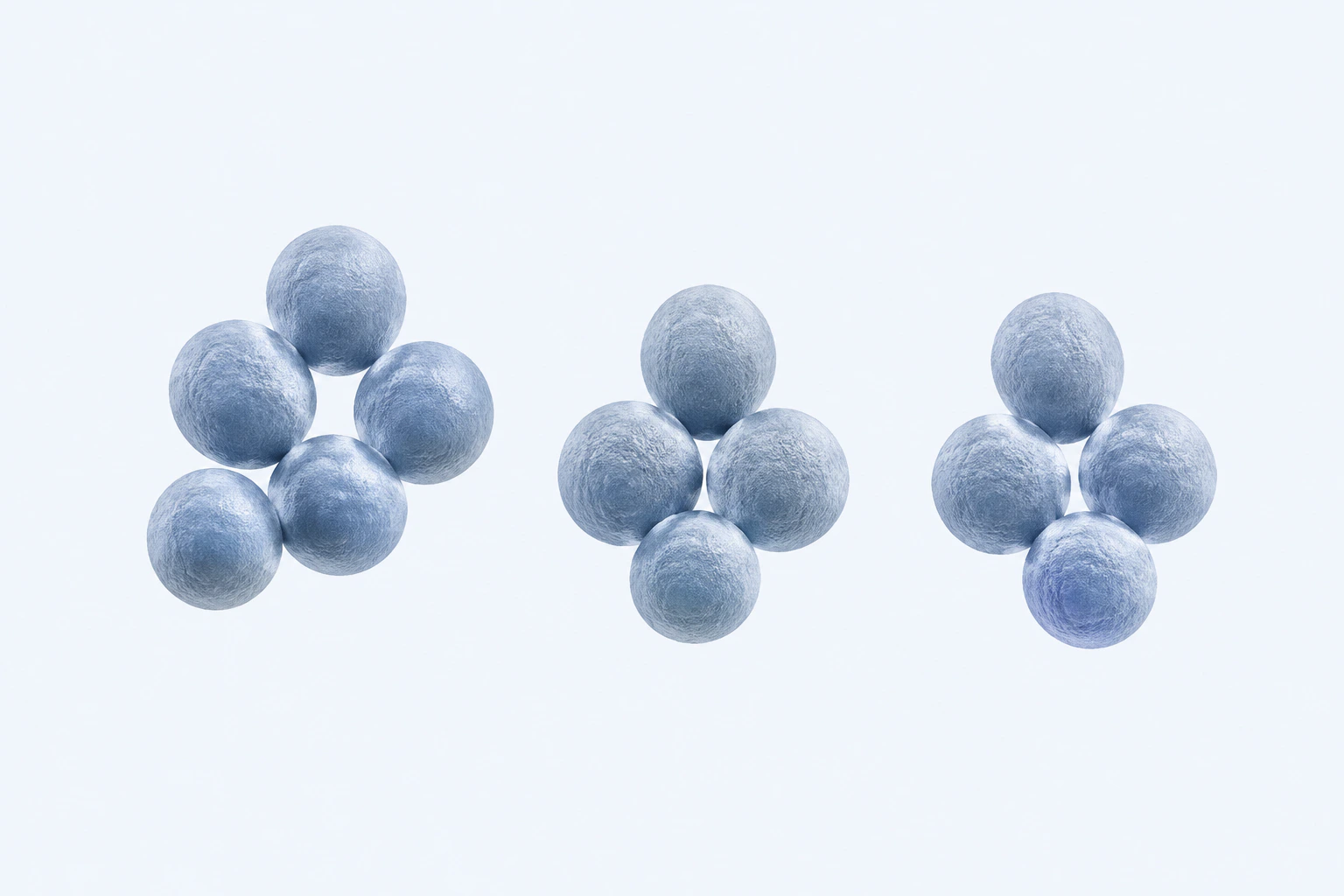
Staphylococcus epidermidis is a Gram-positive, facultative anaerobic coagulase-negative staphylococcus and one of the most abundant commensals of human skin and mucosal surfaces. While generally benign, it is a leading cause of nosocomial infections associated with indw…
Warning: Clinical Disclaimer: This STOP page represents a hypothesis based on mechanistic evidence and should NOT replace clinical judgment. Always consult with a qualified healthcare provider before modifying any treatment plan. Evidence quality ratings reflect the str…
Warning: Clinical Disclaimer: This STOP page represents a hypothesis based on mechanistic evidence and should NOT replace clinical judgment. Always consult with a qualified healthcare provider before modifying any treatment plan. Evidence quality ratings reflect the str…
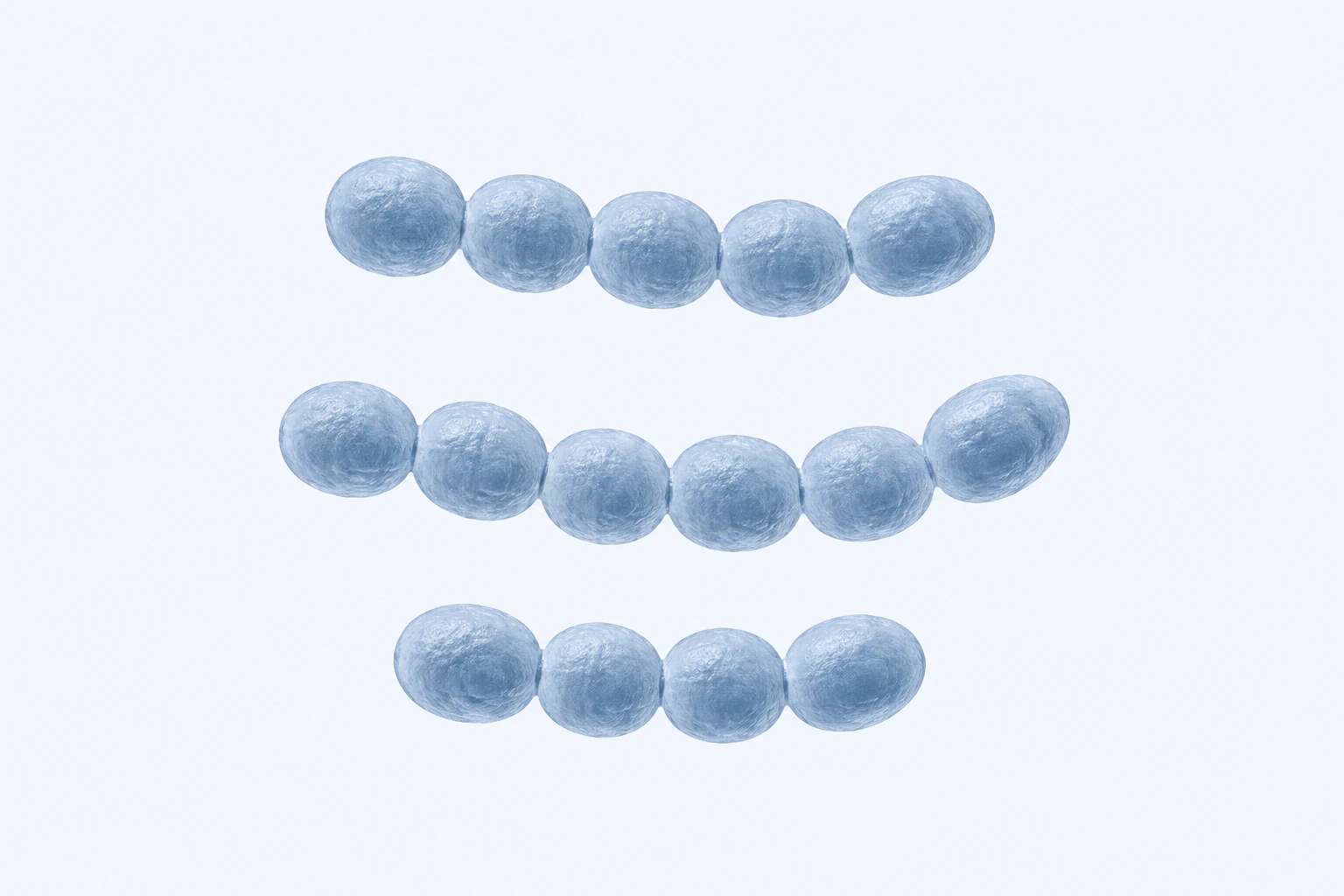
Streptococcus agalactiae, also known as Group B Streptococcus (GBS), is a Gram-positive, facultatively anaerobic coccus that exists in two clinical contexts: (1) as a major neonatal pathogen causing life-threatening meningitis and sepsis in newborns, and (2) as an enric…

Ureaplasma is a genus of wall-less bacteria in the class Mollicutes, comprising two species pathogenic to humans: U. urealyticum and U. parvum. The genus is named for its defining characteristic — obligate urease activity — which hydrolyzes urea to ammonia and CO2, prov…