Dietary Fiber Supplementation for CKD
This knowledge-base record is being expanded from WikiBiome’s evidence graph.
WikiBiomeThe human microbiome encyclopediaRanked matches across titles, topics, categories, and article introductions.
This knowledge-base record is being expanded from WikiBiome’s evidence graph.
<!-- STUB: triangle evidence needs completion --
This knowledge-base record is being expanded from WikiBiome’s evidence graph.
Research summary — not medical advice. This page synthesizes published research on a mechanism-level intervention. It is not a clinical recommendation. Consult a qualified healthcare provider before making any changes to diet, supplementation, or treatment.
This knowledge-base record is being expanded from WikiBiome’s evidence graph.
Research summary -- not medical advice. This page synthesizes published research on why a commonly recommended intervention requires careful consideration in the context of cadmium exposure. Consult a qualified healthcare provider before making changes to supplementatio…
Warning: Clinical Disclaimer: This STOP page represents a hypothesis based on mechanistic evidence and should NOT replace clinical judgment. Always consult with a qualified healthcare provider before modifying any treatment plan. Evidence quality ratings reflect the str…
Warning: Clinical Disclaimer: This STOP page represents a hypothesis based on mechanistic evidence and should NOT replace clinical judgment. Always consult with a qualified healthcare provider before modifying any treatment plan.
Research summary -- not medical advice. This page synthesizes published research on why a commonly prescribed intervention may be counterproductive in this specific clinical context. Consult a qualified healthcare provider before making any changes to treatment.
Warning: Clinical Disclaimer: This STOP page represents a hypothesis based on mechanistic evidence and should NOT replace clinical judgment. Always consult with a qualified healthcare provider before modifying any treatment plan.
This knowledge-base record is being expanded from WikiBiome’s evidence graph.
Warning: Clinical Disclaimer: This STOP page represents a hypothesis based on mechanistic evidence and should NOT replace clinical judgment. Always consult with a qualified healthcare provider before modifying any treatment plan. Iron-deficiency anemia in colorectal can…
Warning: Clinical Disclaimer: This STOP page represents a hypothesis based on mechanistic evidence and should NOT replace clinical judgment. Always consult with a qualified healthcare provider before modifying any treatment plan. Evidence quality ratings reflect the str…
Harm potential: YELLOW — True iron deficiency anemia requires supplementation regardless of inflammatory state.
Warning: Clinical Disclaimer: This STOP page represents a hypothesis based on mechanistic evidence and should NOT replace clinical judgment. Always consult with a qualified healthcare provider before modifying any treatment plan. Evidence quality ratings reflect the str…
This knowledge-base record is being expanded from WikiBiome’s evidence graph.
Warning: Clinical Disclaimer: This STOP page represents a hypothesis based on mechanistic evidence and should NOT replace clinical judgment. Always consult with a qualified healthcare provider before modifying any treatment plan. Evidence quality ratings reflect the str…
This knowledge-base record is being expanded from WikiBiome’s evidence graph.
Warning: Clinical Disclaimer: This STOP page represents a hypothesis based on mechanistic evidence and should NOT replace clinical judgment. Always consult with a qualified healthcare provider before modifying any treatment plan. Evidence quality ratings reflect the str…
Harm potential: YELLOW — True iron deficiency anemia requires supplementation.
Warning: Clinical Disclaimer: This STOP page represents a hypothesis based on mechanistic evidence and should NOT replace clinical judgment. Always consult with a qualified healthcare provider before modifying any treatment plan. Evidence quality ratings reflect the str…
Research summary -- not medical advice. This page synthesizes published research on why a commonly prescribed intervention may be counterproductive in this specific clinical context. Consult a qualified healthcare provider before making any changes to treatment.
While Cr(III) deficiency may contribute to glucose intolerance, supplementation trials have produced inconsistent results. The disconnect between mechanistic plausibility and clinical trial evidence suggests that Cr supplementation may only benefit the subset of patient…
Iron deficiency is common and clinically significant across multiple conditions: postpartum anemia increases PPD risk 1.89-fold (RR = 1.887), low ferritin (<1 ug) increases PPD risk 3.98-fold azami 2019 anemia ppd meta analysis, iron deficiency impairs thyroid peroxidas…
Zinc deficiency is a consistent finding in breast cancer, and Zn plays key roles in immunity (T cell differentiation), p53 activation, and SOD cofactor function. Yet supplementation data are limited, and in the Sister Study, zinc showed a dose-related positive associati…
Research summary — not medical advice. This page synthesizes published research on a mechanism-level intervention. It is not a clinical recommendation. Consult a qualified healthcare provider before making any changes to diet, supplementation, or treatment.
Could counter Zn depletion, but excess Zn promotes A-beta aggregation in plaques doroszkiewicz 2023 common trace metals alzheimers parkinsons.
This knowledge-base record is being expanded from WikiBiome’s evidence graph.
Research summary — not medical advice. This page synthesizes published research on a mechanism-level intervention. It is not a clinical recommendation. Consult a qualified healthcare provider before making any changes to diet, supplementation, or treatment.
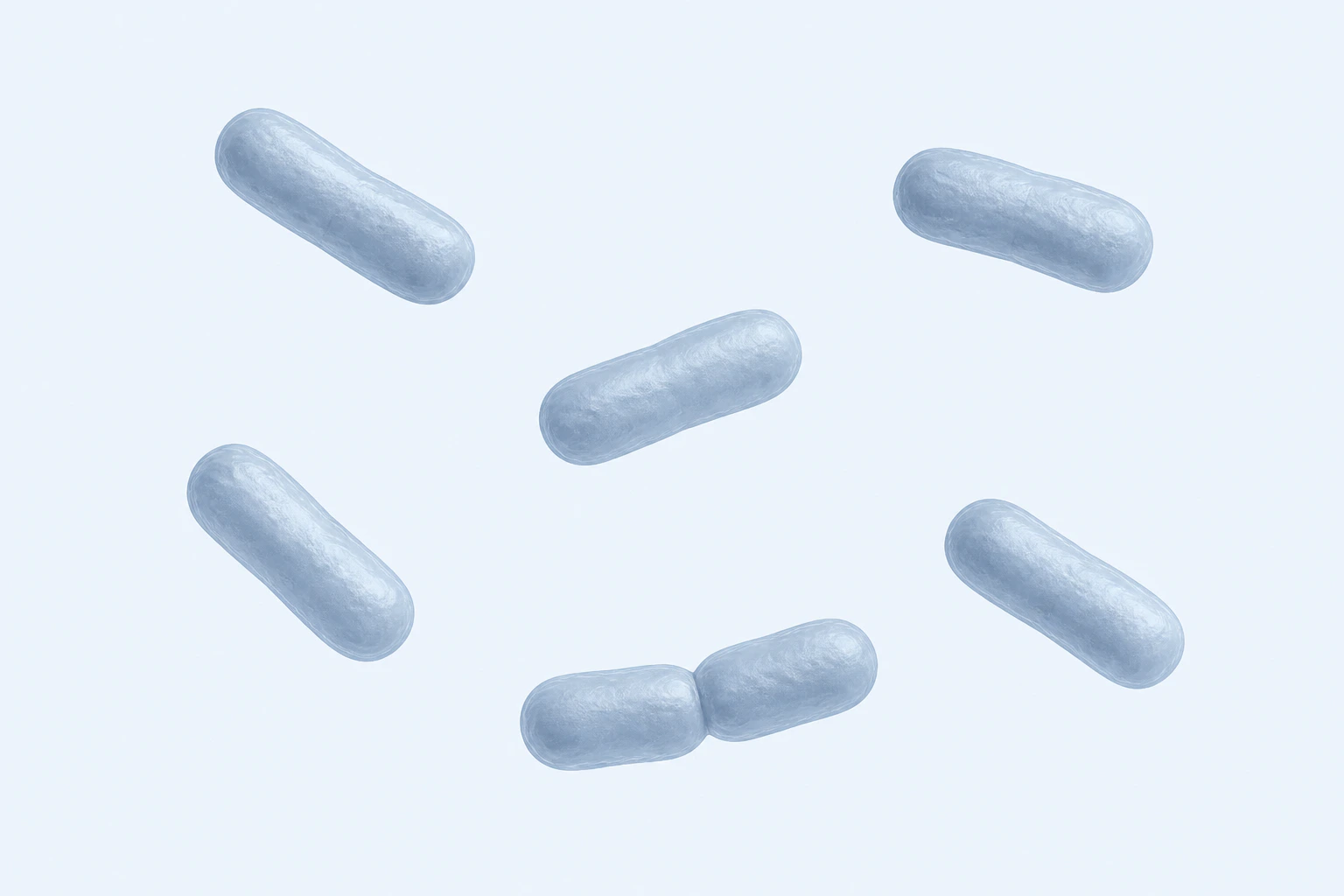
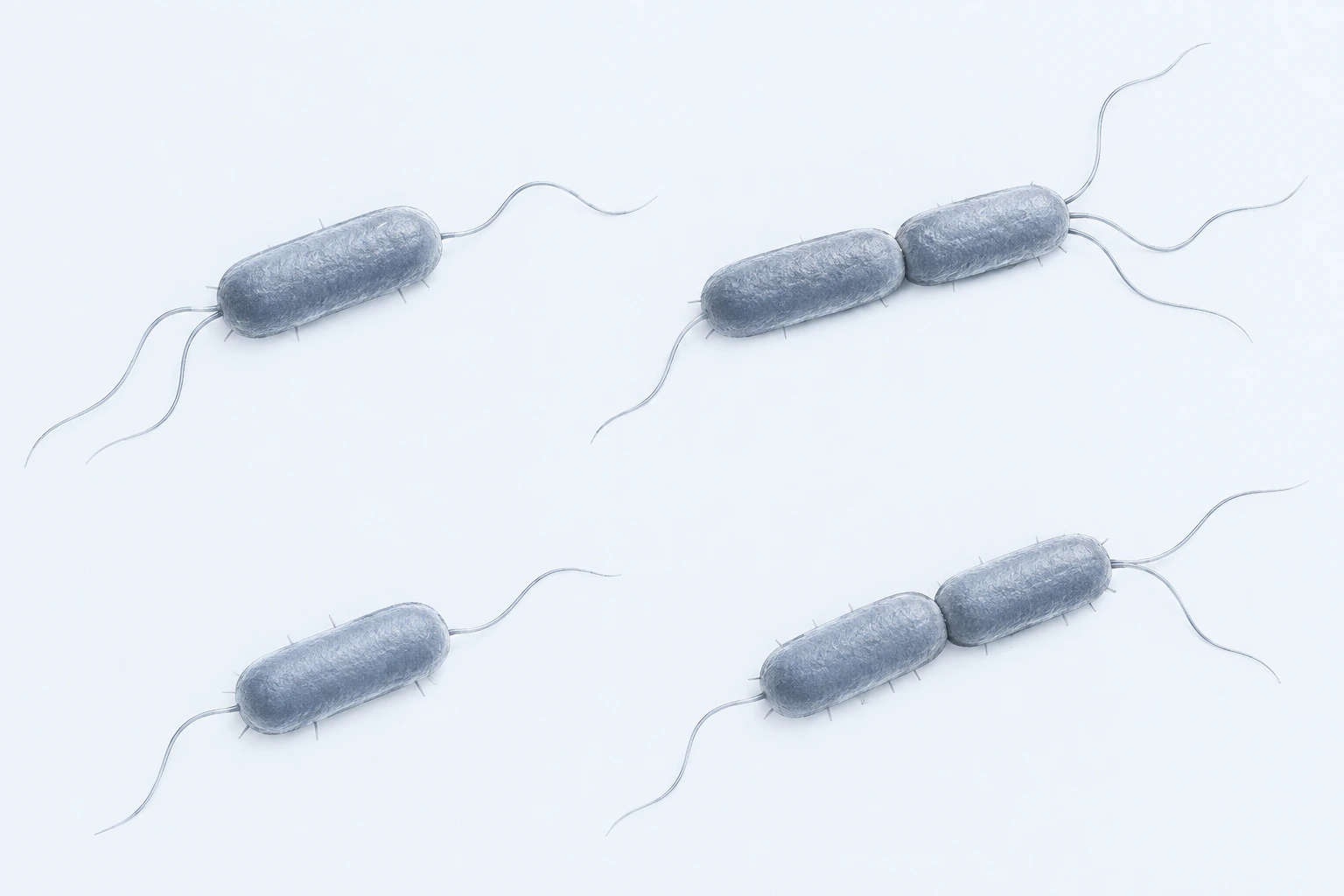
Bifidobacterium breve is a Gram-positive, obligate anaerobic species within the phylum Actinobacteria, predominantly found in the infant gut and breast milk. It is among the earliest colonizers of the neonatal intestine and plays a key role in human milk oligosaccharide…
Research summary — not medical advice. This page synthesizes published research on a mechanism-level intervention. It is not a clinical recommendation. Consult a qualified healthcare provider before making any changes to diet, supplementation, or treatment.
This page identifies the contradictions and clinical dilemmas that become visible only when the 236 source pages in this wiki are read together. Each paradox describes a situation where evidence-based dietary or supplementation advice -- advice that is correct for most …
Research summary — not medical advice. This page synthesizes published research on a mechanism-level intervention. It is not a clinical recommendation. Consult a qualified healthcare provider before making any changes to diet, supplementation, or treatment.
The only known cellular iron exporter in mammals. Encoded by the SLC40A1 gene, ferroportin (FPN) sits on the basolateral membrane of enterocytes, the surface of macrophages, and the membrane of hepatocytes, controlling the flow of iron from these cells into the bloodstr…
This knowledge-base record is being expanded from WikiBiome’s evidence graph.
The master regulator of systemic iron homeostasis. Hepcidin is a 25-amino-acid peptide hormone produced primarily by hepatocytes that controls iron absorption, recycling, and distribution by binding to and degrading ferroportin (SLC40A1/FPN) -- the only known cellular i…
Research summary — not medical advice. This page synthesizes published research on a mechanism-level intervention. It is not a clinical recommendation. Consult a qualified healthcare provider before making any changes to diet, supplementation, or treatment.
An essential macromineral required as a cofactor for over 300 enzymatic reactions in the body, including energy metabolism, protein synthesis, DNA/RNA stability, and neuromuscular function. Magnesium is not a heavy metal or trace element but is frequently measured along…
Necrotizing enterocolitis (NEC) is the most common and lethal gastrointestinal emergency in premature infants, affecting 5-12% of very low birth weight neonates (<1500 g) with mortality rates of 20-30%. Characterized by intestinal inflammation, necrosis, and perforation…
Oxidative stress is the imbalance between the production of reactive oxygen and nitrogen species (ROS/RNS) and the capacity of biological antioxidant defense systems to detoxify them. It is the single most commonly invoked mechanism across metal toxicology in this wiki,…
This knowledge-base record is being expanded from WikiBiome’s evidence graph.
Research summary — not medical advice. This page synthesizes published research on a mechanism-level intervention. It is not a clinical recommendation. Consult a qualified healthcare provider before making any changes to diet, supplementation, or treatment.
An essential trace element that is primarily protective in its biological roles. Unlike most metals in this wiki, selenium's toxicological significance lies more in the consequences of its deficiency than its excess. Selenium is the backbone of the selenoproteome -- a f…
Sepsis is life-threatening organ dysfunction caused by a dysregulated host response to infection. In the WikiBiome framework, sepsis represents the catastrophic failure of both colonization resistance (pathogen invasion) and nutritional immunity (metal restriction). Inf…
Probiotics protect the gut barrier from heavy metal toxicity. Zhai et al. (2016) demonstrated that L. plantarum CCFM8610 protected intestinal epithelial cells from cadmium through a four-part mechanism: metal sequestration in the gut lumen, alleviation of oxidative stre…
Zinc is depleted in nearly every disease state examined in this wiki -- cancer (breast, prostate, lung, pancreatic, esophageal, colorectal), type 2 diabetes, PCOS, autism, postpartum depression, and IBD. Zinc supplementation is generally beneficial: it reduces PPD risk …
This knowledge-base record is being expanded from WikiBiome’s evidence graph.
Research summary — not medical advice. This page synthesizes published research on a mechanism-level intervention. It is not a clinical recommendation. Consult a qualified healthcare provider before making any changes to diet, supplementation, or treatment.