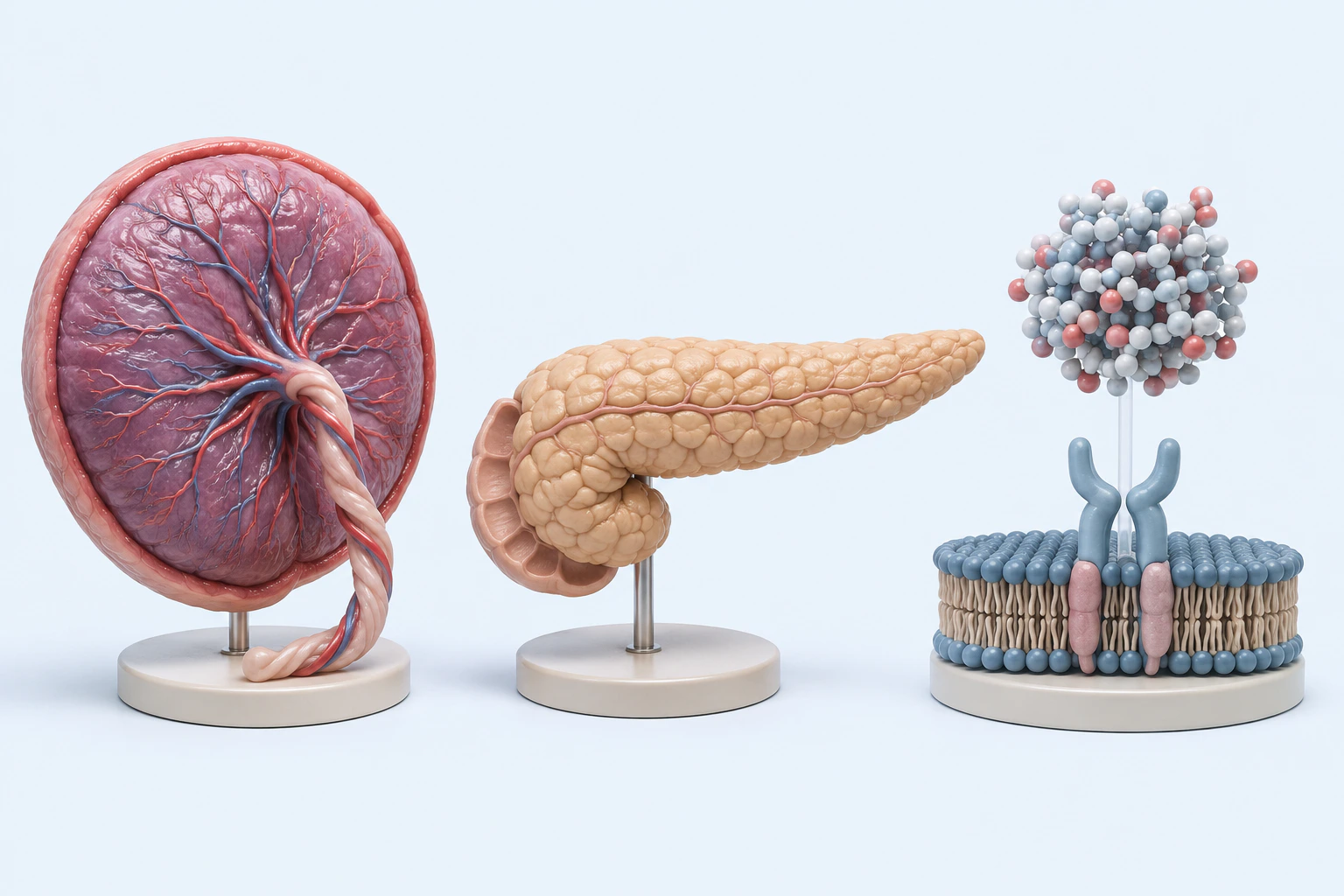
Gestational Diabetes Mellitus
<!-- STUB: needs expansion --
WikiBiomeThe human microbiome encyclopediaRanked matches across titles, topics, categories, and article introductions.
<!-- STUB: needs expansion --
This knowledge-base record is being expanded from WikiBiome’s evidence graph.
While Cr(III) deficiency may contribute to glucose intolerance, supplementation trials have produced inconsistent results. The disconnect between mechanistic plausibility and clinical trial evidence suggests that Cr supplementation may only benefit the subset of patient…
This knowledge-base record is being expanded from WikiBiome’s evidence graph.
A Gram-negative, obligate anaerobic genus within the family veillonellaceae (class Negativicutes, phylum Firmicutes) defined by its specialized amino acid fermentation -- the genus name literally means "acid from amino acids." Acidaminococcus ferments glutamate as its p…
A Gram-negative obligate anaerobe identified as a histamine-producing bacterium enriched in dysbiotic microbiota associated with obesity, metabolic syndrome, and metabolic endotoxemia. Allisonella is a minor but functionally significant genus whose primary clinical rele…
Alloprevotella is a genus of Gram-negative, obligate anaerobic bacteria within the family Prevotellaceae that represents a distinct clade from prevotella with specific protective roles in type 2 diabetes prevention and metabolic health. Alloprevotella depletion is one o…
A genus of Gram-positive obligate anaerobes in the family Lachnospiraceae (Clostridium cluster XIVa) that occupy a critical metabolic relay position in gut ecosystem stability: converting lactate to butyrate. Anaerostipes is one of the most consistently depleted genera …
This knowledge-base record is being expanded from WikiBiome’s evidence graph.
Bifidobacterium adolescentis is a Gram-positive, obligate anaerobic species within the phylum Actinobacteria and the dominant Bifidobacterium species in the adult human gut. It is a specialist degrader of resistant starch and dietary fiber, producing acetate and lactate…
This knowledge-base record is being expanded from WikiBiome’s evidence graph.
A haploid, asexual yeast and the second most common cause of invasive candidiasis after Candida albicans. Recently reclassified into the genus Nakaseomyces (as N. glabratus), though the name C. glabrata remains in widespread clinical use. Unlike C. albicans, C. glabrata…
This knowledge-base record is being expanded from WikiBiome’s evidence graph.
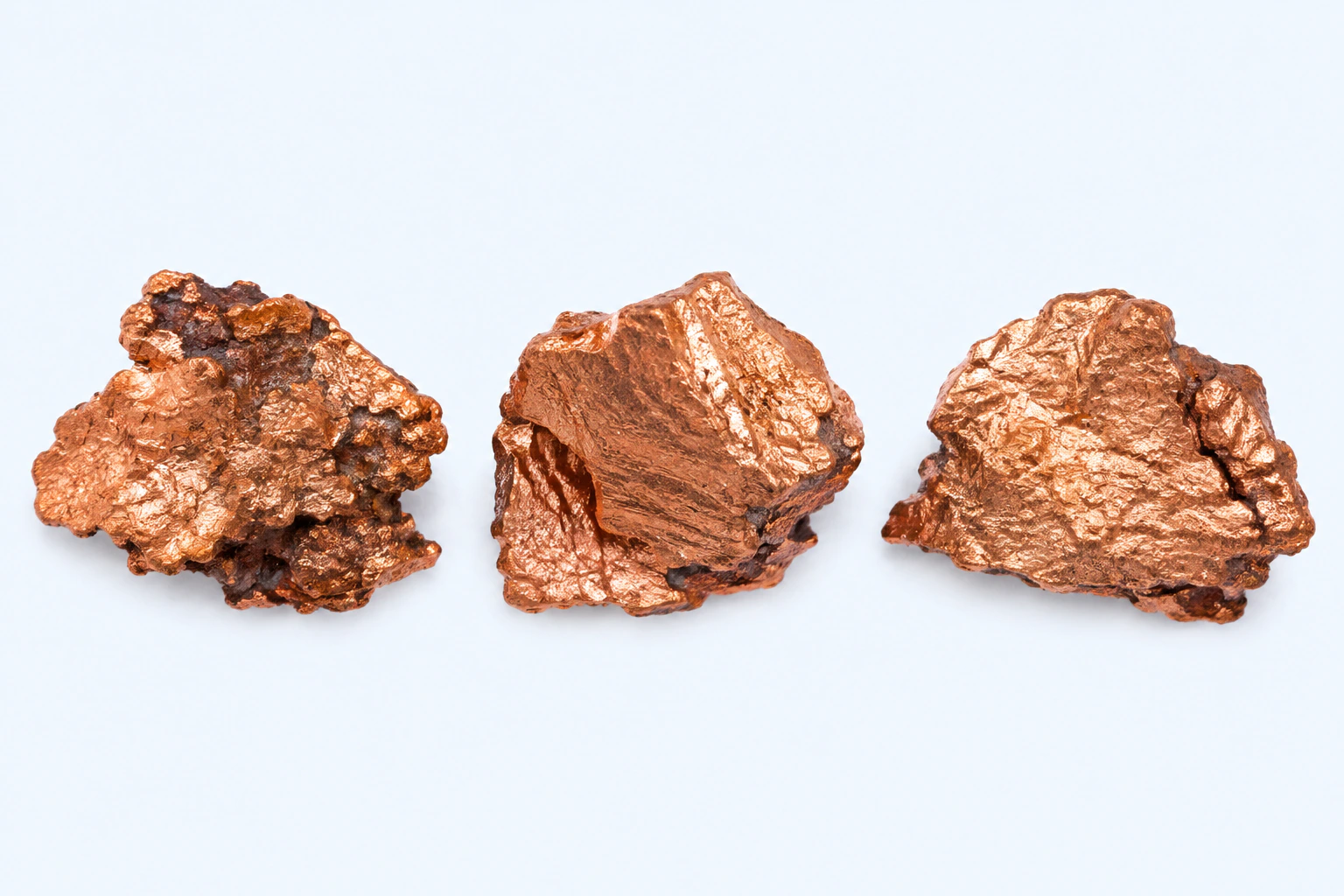
An essential trace element with a striking dual nature: required for survival as a cofactor for critical enzymes (SOD1, cytochrome c oxidase, ceruloplasmin), yet toxic in excess through Fenton-like redox cycling and mis metallation of iron-sulfur clusters. Copper is ele…
Depression is the most prevalent mental health disorder globally, affecting over 280 million people zhu 2025 microbiota gut brain axis depression review, and one of the most metal-sensitive conditions in this wiki. It sits at the convergence of nearly every pathway cata…
This knowledge-base record is being expanded from WikiBiome’s evidence graph.
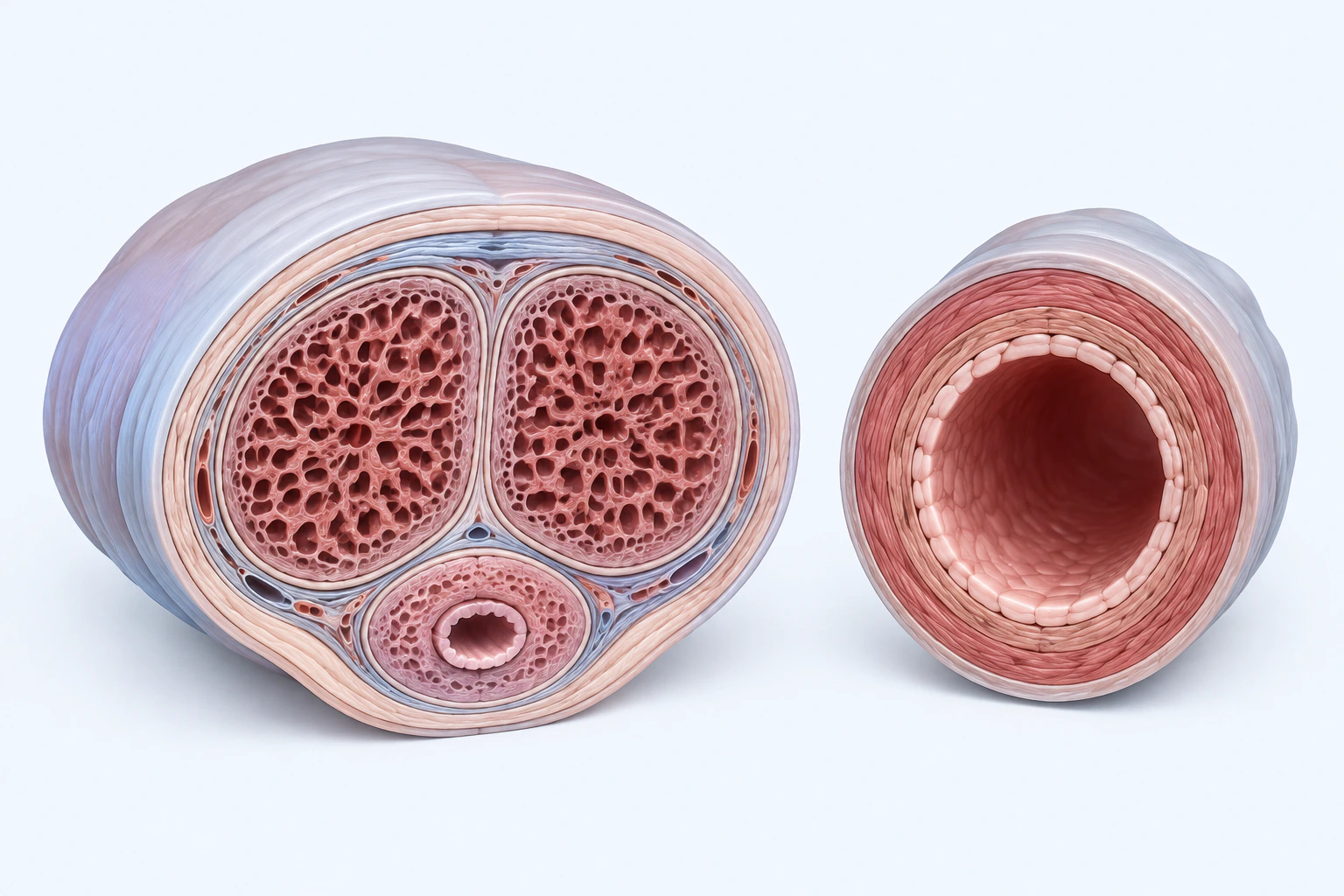
Erectile dysfunction (ED) affects 30-50% of men aged 40-70 Feldman et al. 1994, with prevalence increasing with age. Conventionally understood as a vascular and/or neurogenic disorder, ED is now recognized as a condition with a significant gut microbiome component -- th…
This knowledge-base record is being expanded from WikiBiome’s evidence graph.
Alphabetical definitions of specialist terms used throughout this wiki. Where a full concept page exists, the term links to it. --- AhR (aryl hydrocarbon receptor) -- A ligand-activated transcription factor that senses microbial metabolites (especially indoles from tryp…
A condition in which cells fail to respond normally to insulin, requiring progressively higher insulin levels to maintain glucose homeostasis. Insulin resistance is central to PCOS, type 2 diabetes, and metabolic syndrome, and has extensive but complex connections to me…
The most abundant transition metal in the human body and arguably the most consequential metal in biology. Iron sits at the center of a paradox that drives pathology across virtually every disease domain: organisms need it for oxygen transport, energy metabolism, DNA sy…
A genus of Gram-positive, facultatively anaerobic lactic acid bacteria (LAB) that are among the most extensively studied probiotics. In the metallomics context, Lactobacillus species are critical for two reasons: they actively detoxify heavy metals through binding and s…
An essential macromineral required as a cofactor for over 300 enzymatic reactions in the body, including energy metabolism, protein synthesis, DNA/RNA stability, and neuromuscular function. Magnesium is not a heavy metal or trace element but is frequently measured along…
<!-- STUB: triangle evidence needs completion --
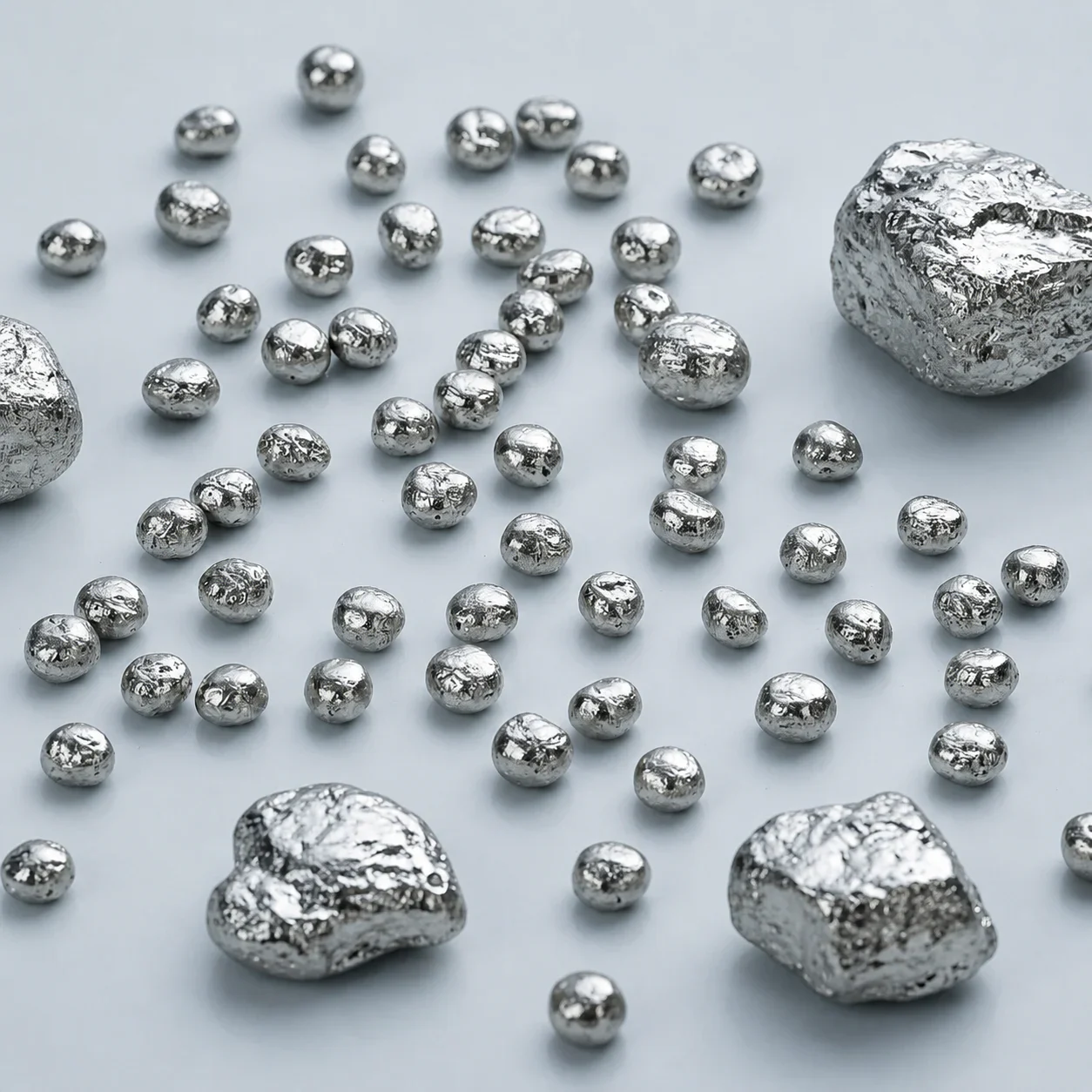
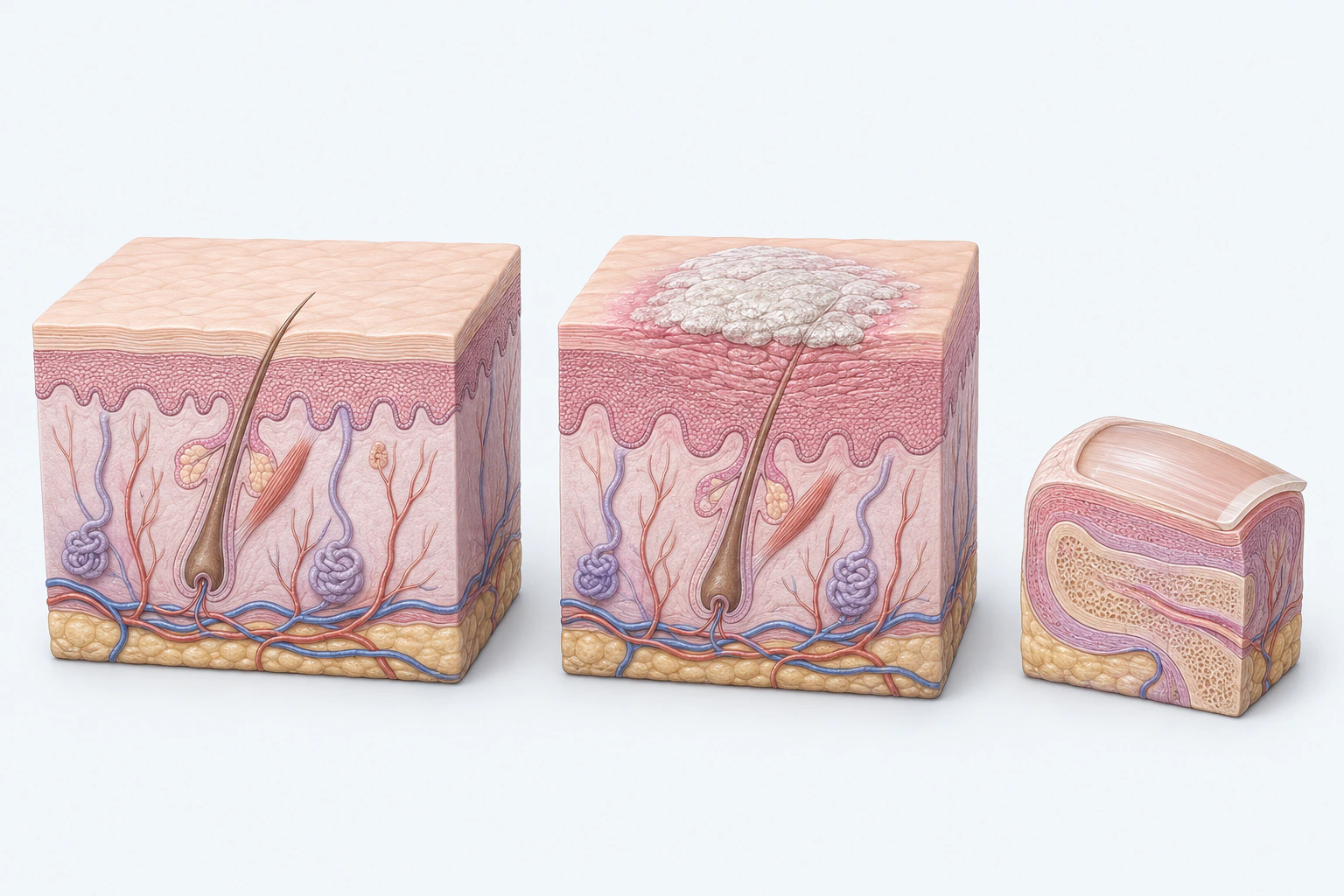
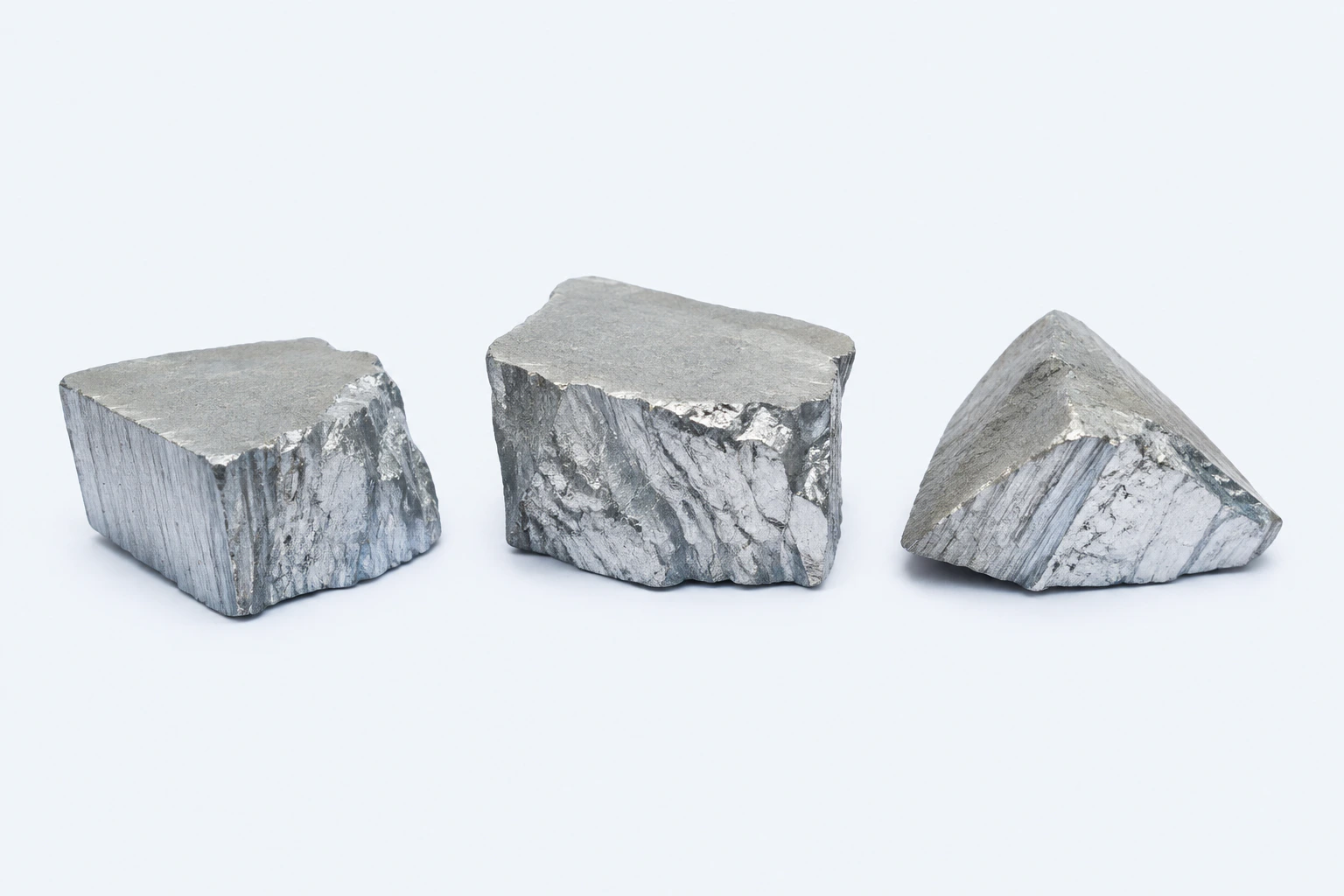
A transition metal occupying a central position in this wiki's evidence base. Nickel is toxic and carcinogenic to humans, yet an essential cofactor for pathogen virulence enzymes. It is the most frequent contact allergen worldwide and drives a wide spectrum of systemic …
A Gram-negative, obligate anaerobic genus within the phylum Bacteroidota (formerly Bacteroidetes) that was recently reclassified from Bacteroides based on phylogenomic evidence (Garcia-Lopez et al., 2019). The key species -- Phocaeicola vulgatus (formerly Bacteroides vu…
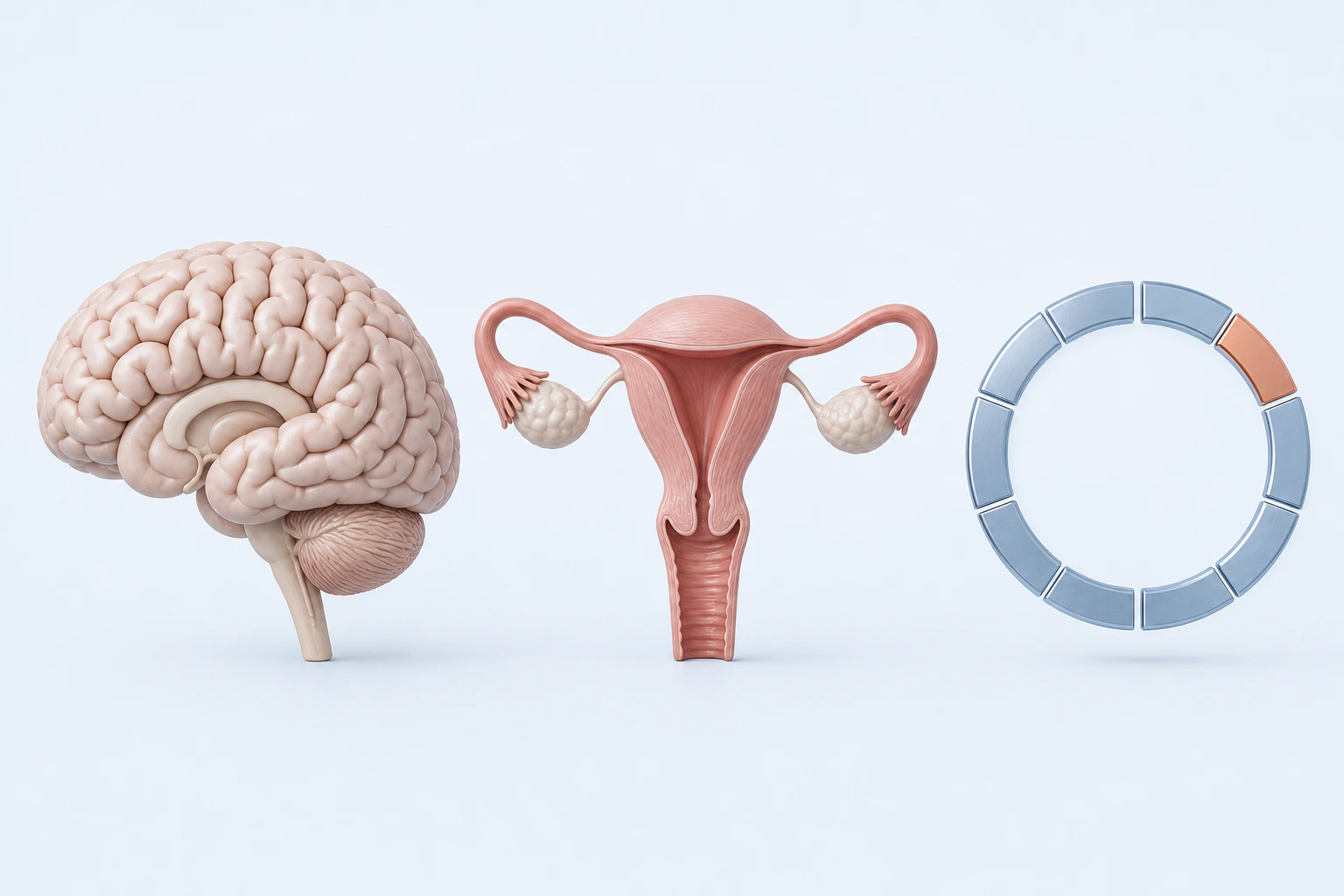
Premenstrual Dysphoric Disorder (PMDD) affects 3-8% of menstruating individuals Epperson et al. 2012, causing severe mood disturbances, irritability, anxiety, and physical symptoms during the luteal phase of the menstrual cycle. Distinguished from premenstrual syndrome …
Zinc is depleted in nearly every disease state examined in this wiki -- cancer (breast, prostate, lung, pancreatic, esophageal, colorectal), type 2 diabetes, PCOS, autism, postpartum depression, and IBD. Zinc supplementation is generally beneficial: it reduces PPD risk …
This knowledge-base record is being expanded from WikiBiome’s evidence graph.