Ferroptosis
This knowledge-base record is being expanded from WikiBiome’s evidence graph.
WikiBiomeThe human microbiome encyclopediaRanked matches across titles, topics, categories, and article introductions.
This knowledge-base record is being expanded from WikiBiome’s evidence graph.
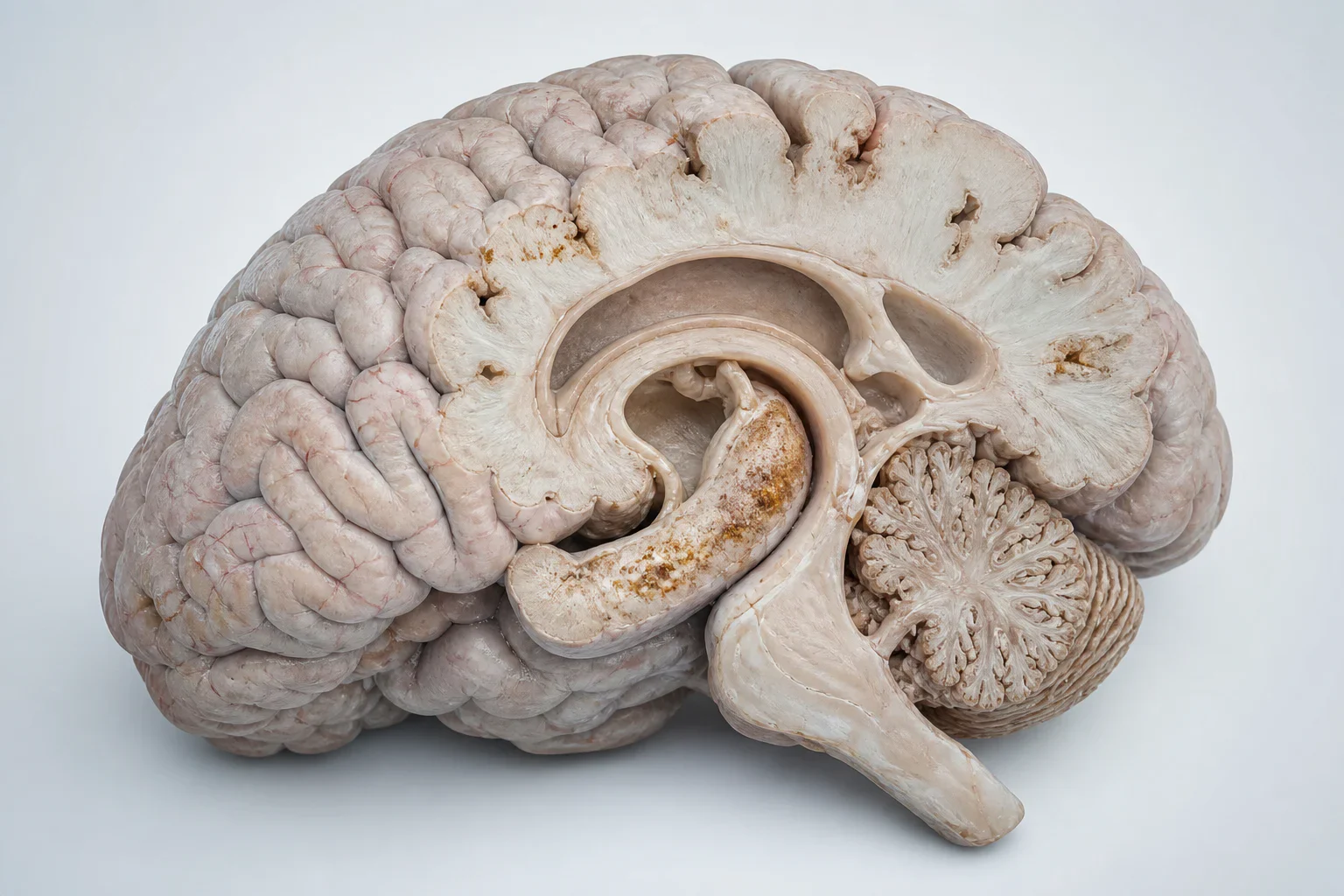
The most common form of dementia, affecting an estimated 55 million people worldwide and projected to triple by 2050 zhang 2024 recent advances alzheimers mechanisms trials. Characterized by progressive memory loss, cognitive decline, amyloid-beta plaques, and neurofibr…
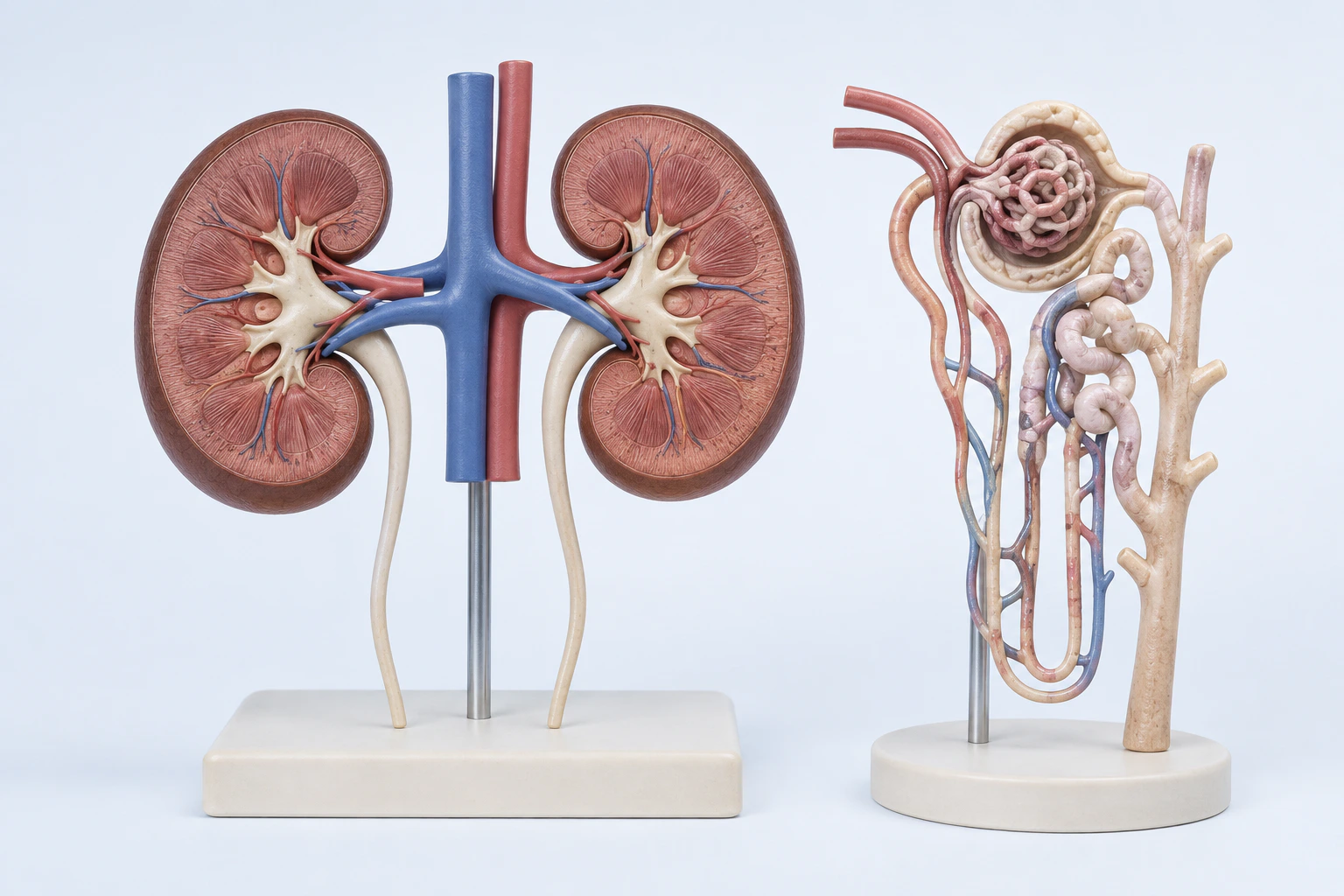
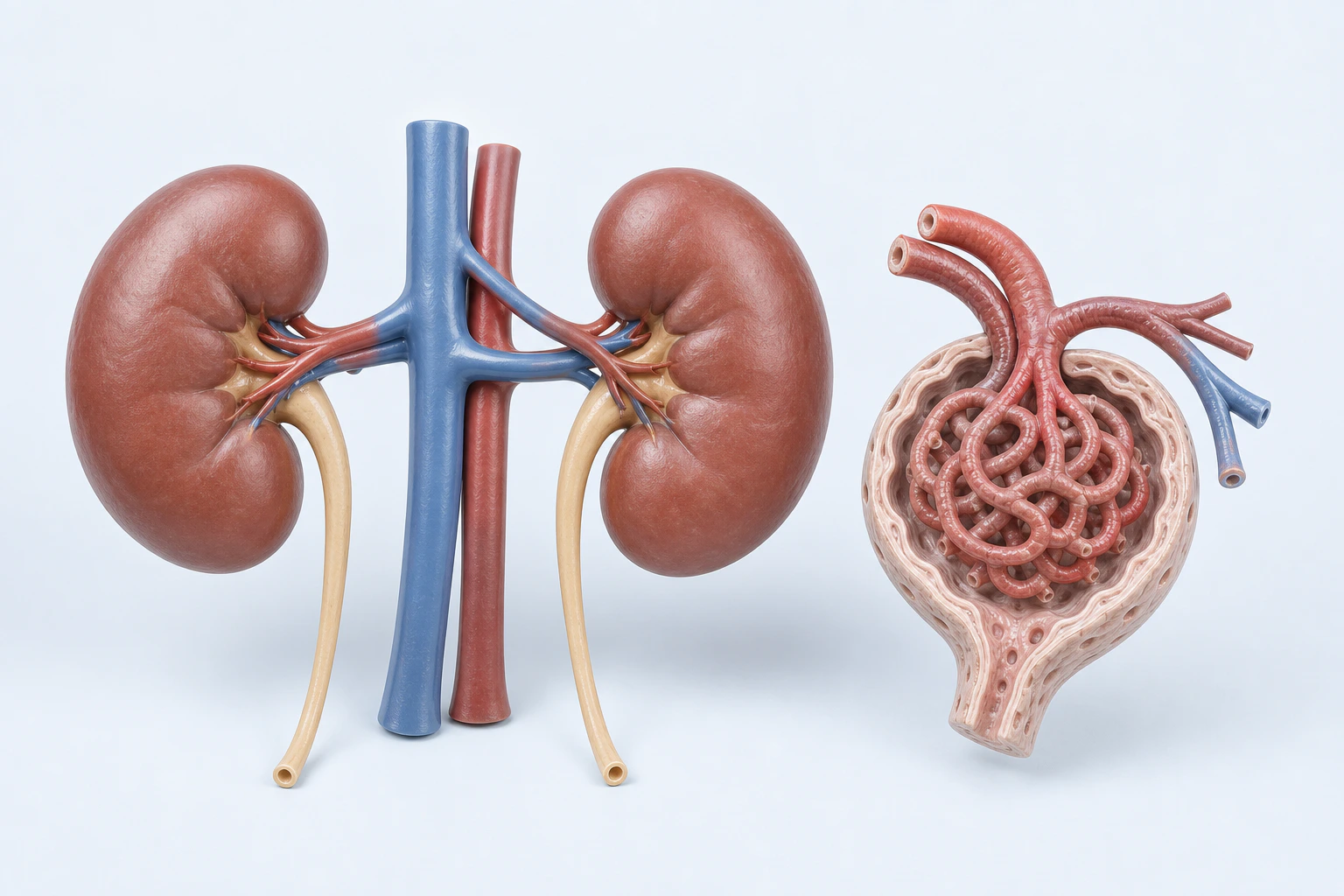
A progressive loss of kidney function affecting approximately 850 million people worldwide (10–14% of adults), causing 1.2 million deaths annually. CKD is unique among diseases in this wiki because it occupies both sides of the metal-disease equation: heavy metals (Cd, …
This knowledge-base record is being expanded from WikiBiome’s evidence graph.
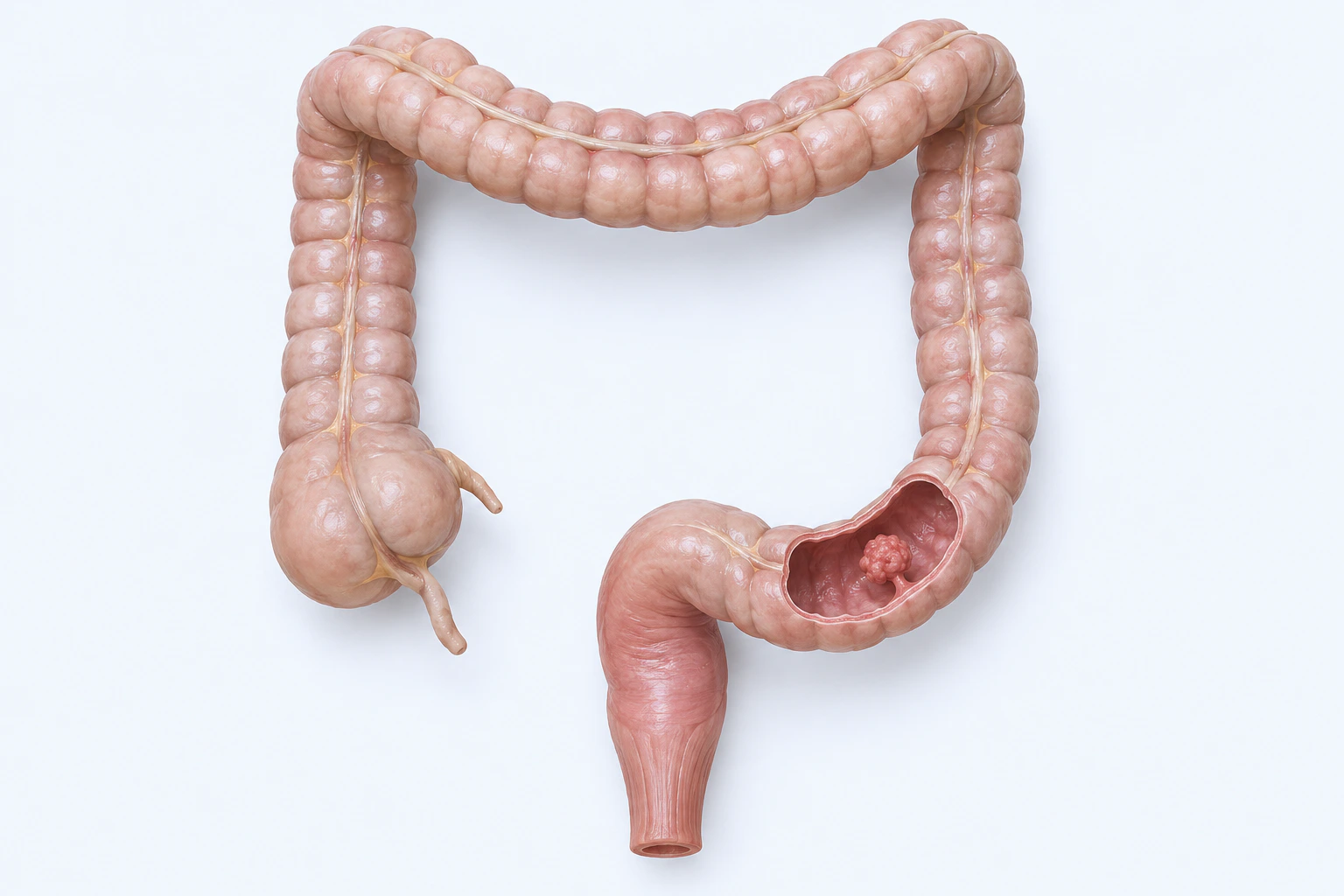
A chronic, relapsing-remitting inflammatory bowel disease (IBD) characterized by transmural inflammation of the gastrointestinal tract, most commonly affecting the terminal ileum and colon but capable of involving any segment from mouth to anus zhang 2017 intestinal mic…
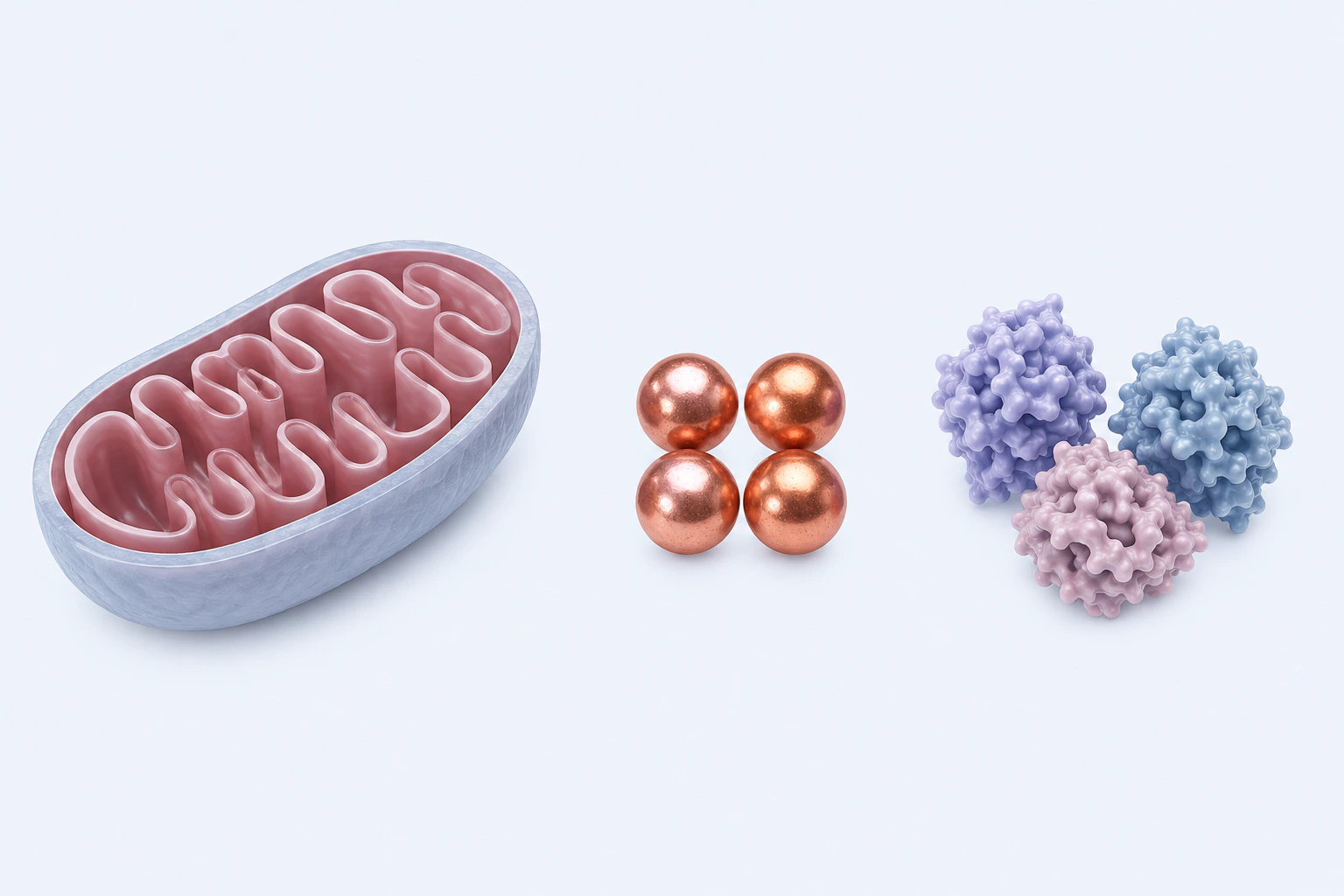
A distinct form of regulated cell death caused by excess intracellular copper binding to lipoylated proteins in the TCA cycle, first characterized by Tsvetkov et al. in Science (2022). Unlike ferroptosis (iron-dependent lipid peroxidation) or apoptosis (caspase-dependen…
This knowledge-base record is being expanded from WikiBiome’s evidence graph.
This page identifies the contradictions and clinical dilemmas that become visible only when the 236 source pages in this wiki are read together. Each paradox describes a situation where evidence-based dietary or supplementation advice -- advice that is correct for most …
This knowledge-base record is being expanded from WikiBiome’s evidence graph.
The pathological disruption of normal metal homeostasis — the tightly regulated balance of essential trace elements (iron, zinc, copper, manganese, selenium, cobalt) and the effective exclusion of toxic metals (cadmium, lead, mercury, arsenic). Dyshomeostasis is a conve…
This knowledge-base record is being expanded from WikiBiome’s evidence graph.
The only known cellular iron exporter in mammals. Encoded by the SLC40A1 gene, ferroportin (FPN) sits on the basolateral membrane of enterocytes, the surface of macrophages, and the membrane of hepatocytes, controlling the flow of iron from these cells into the bloodstr…
Alphabetical definitions of specialist terms used throughout this wiki. Where a full concept page exists, the term links to it. --- AhR (aryl hydrocarbon receptor) -- A ligand-activated transcription factor that senses microbial metabolites (especially indoles from tryp…
The most abundant intracellular thiol and the master antioxidant of mammalian cells. Glutathione is a tripeptide (gamma-glutamyl-cysteinyl-glycine) whose sulfhydryl (-SH) group makes it both a critical antioxidant and a primary target for heavy metal binding. GSH deplet…
Bidirectional communication between the gut microbiota and the central nervous system, mediated by neural (vagus nerve, enteric nervous system), immune (cytokines, microglia), endocrine (HPA axis), and metabolic (SCFAs, neurotransmitter precursors, tryptophan metabolite…
This knowledge-base record is being expanded from WikiBiome’s evidence graph.
The most abundant transition metal in the human body and arguably the most consequential metal in biology. Iron sits at the center of a paradox that drives pathology across virtually every disease domain: organisms need it for oxygen transport, energy metabolism, DNA sy…
Lachnoclostridium is a genus of obligate anaerobic, Gram-positive bacteria in the lachnospiraceae family. It is a butyrate-producing commensal with emerging clinical significance as a treatment response biomarker and diagnostic marker.
This knowledge-base record is being expanded from WikiBiome’s evidence graph.
Mitochondrial dysfunction refers to the impairment of mitochondrial energy production, redox balance, and signaling functions. Mitochondria are the primary targets of heavy metal toxicity in human cells, and they are also the organelles most dependent on metal cofactors…
An umbrella concept encompassing the metallomic dimensions of Alzheimer's disease, Parkinson's disease, and other neurodegenerative conditions. The brain is uniquely vulnerable to metal toxicity: it has high metabolic demand, limited regenerative capacity, region-specif…
This knowledge-base record is being expanded from WikiBiome’s evidence graph.
Oxidative stress is the imbalance between the production of reactive oxygen and nitrogen species (ROS/RNS) and the capacity of biological antioxidant defense systems to detoxify them. It is the single most commonly invoked mechanism across metal toxicology in this wiki,…
This knowledge-base record is being expanded from WikiBiome’s evidence graph.
The second most common neurodegenerative disease, affecting over 10 million people worldwide dorsey 2018 parkinsons incidence meta analysis. Characterized by progressive loss of dopaminergic neurons in the substantia nigra, alpha-synuclein aggregation (Lewy bodies), and…
A dense, chemically inert noble metal with no known biological function -- yet platinum compounds are the backbone of chemotherapy for ovarian, testicular, lung, and bladder cancers. The discovery that cisplatin inhibits bacterial cell division (Rosenberg, 1965) led to …
This knowledge-base record is being expanded from WikiBiome’s evidence graph.
An essential trace element that is primarily protective in its biological roles. Unlike most metals in this wiki, selenium's toxicological significance lies more in the consequences of its deficiency than its excess. Selenium is the backbone of the selenoproteome -- a f…
Research summary -- not medical advice. This page synthesizes published research on why a commonly prescribed intervention may be counterproductive in this specific clinical context. Consult a qualified healthcare provider before making any changes to treatment.
Warning: Clinical Disclaimer: This STOP page represents a hypothesis based on mechanistic evidence and should NOT replace clinical judgment. Always consult with a qualified healthcare provider before modifying any treatment plan.
Warning: Clinical Disclaimer: This STOP page represents a hypothesis based on mechanistic evidence and should NOT replace clinical judgment. Always consult with a qualified healthcare provider before modifying any treatment plan. Evidence quality ratings reflect the str…
This knowledge-base record is being expanded from WikiBiome’s evidence graph.
Iron deficiency is common and clinically significant across multiple conditions: postpartum anemia increases PPD risk 1.89-fold (RR = 1.887), low ferritin (<1 ug) increases PPD risk 3.98-fold azami 2019 anemia ppd meta analysis, iron deficiency impairs thyroid peroxidas…
Could counter Zn depletion, but excess Zn promotes A-beta aggregation in plaques doroszkiewicz 2023 common trace metals alzheimers parkinsons.