Dimethylglyoxime (DMG)
This knowledge-base record is being expanded from WikiBiome’s evidence graph.
WikiBiomeThe human microbiome encyclopediaRanked matches across titles, topics, categories, and article introductions.
This knowledge-base record is being expanded from WikiBiome’s evidence graph.
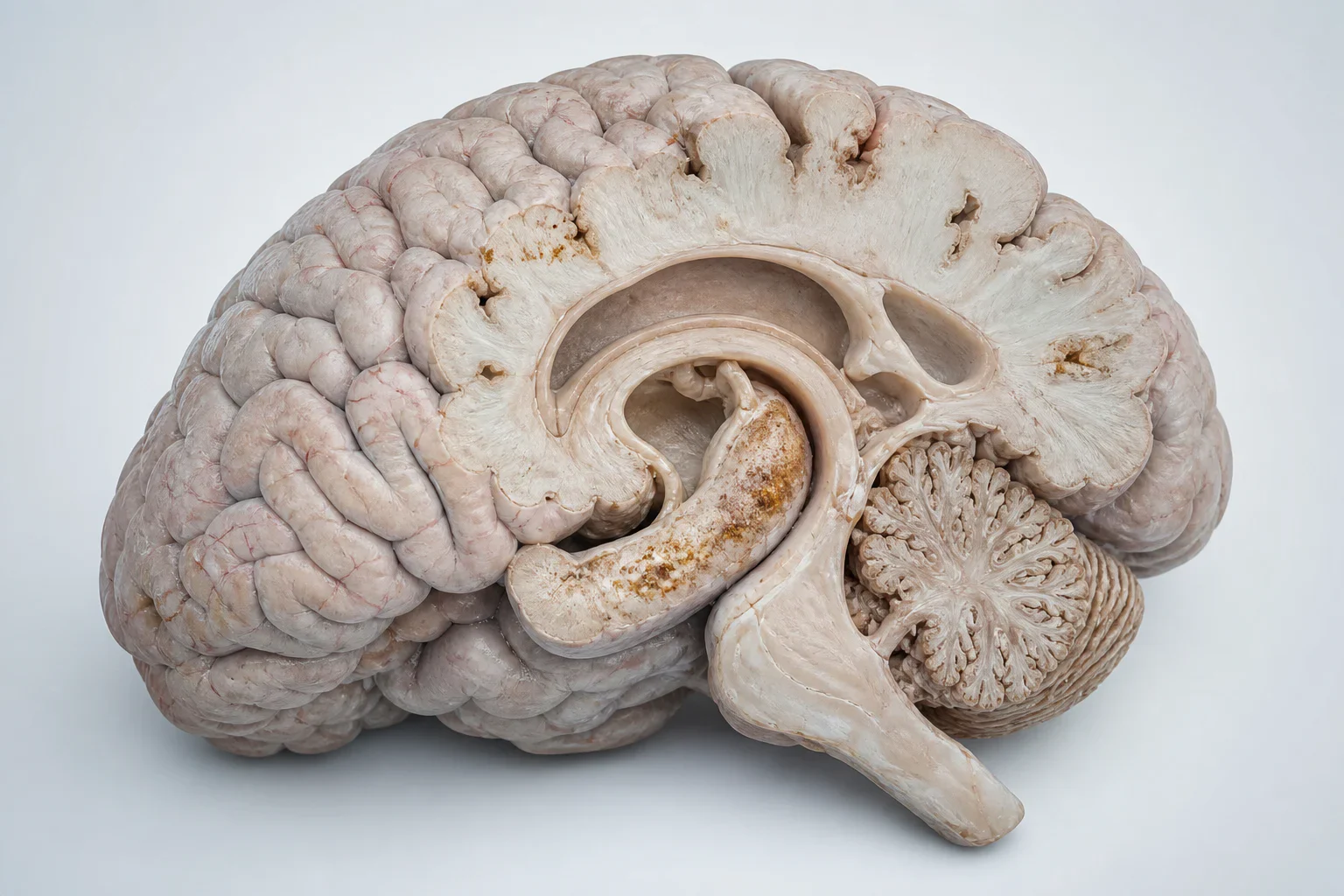
The most common form of dementia, affecting an estimated 55 million people worldwide and projected to triple by 2050 zhang 2024 recent advances alzheimers mechanisms trials. Characterized by progressive memory loss, cognitive decline, amyloid-beta plaques, and neurofibr…
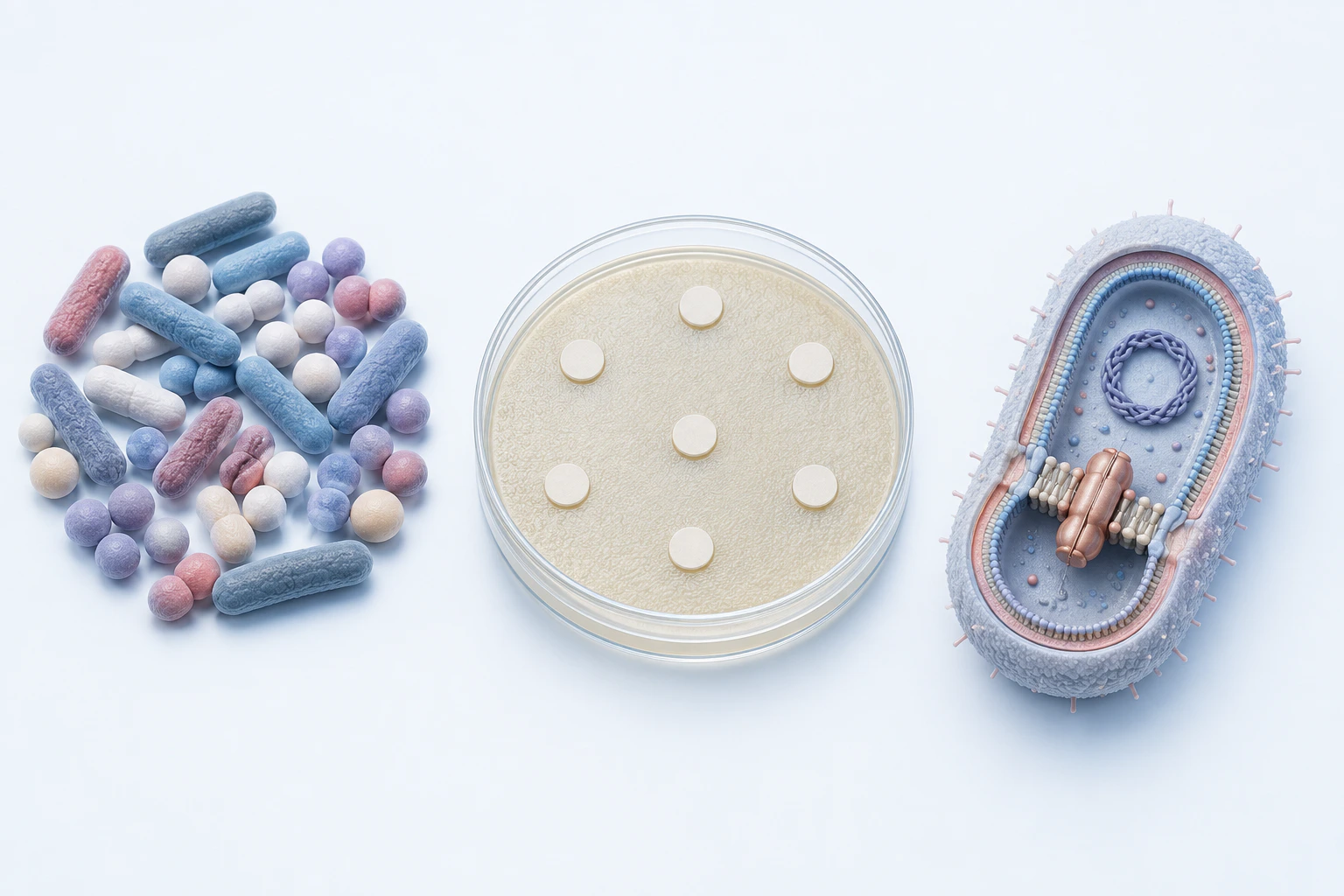
The ability of microorganisms to survive and replicate in the presence of antimicrobial agents — antibiotics, antifungals, antivirals, antiparasitic drugs — at concentrations that would normally inhibit or kill them. Antimicrobial resistance (AMR) is designated by the W…
A neurodevelopmental condition affecting approximately 1 in 36 children (US CDC 2023 estimate), characterized by differences in social communication, restricted interests, and repetitive behaviors. From a metallomics perspective, ASD presents a compelling convergence of…
A heterodimer of S100A8 and S100A9 calcium-binding proteins that constitutes approximately 60% of the cytosolic protein content of neutrophils. Calprotectin is a central effector of nutritional immunity, sequestering essential transition metals from invading pathogens a…
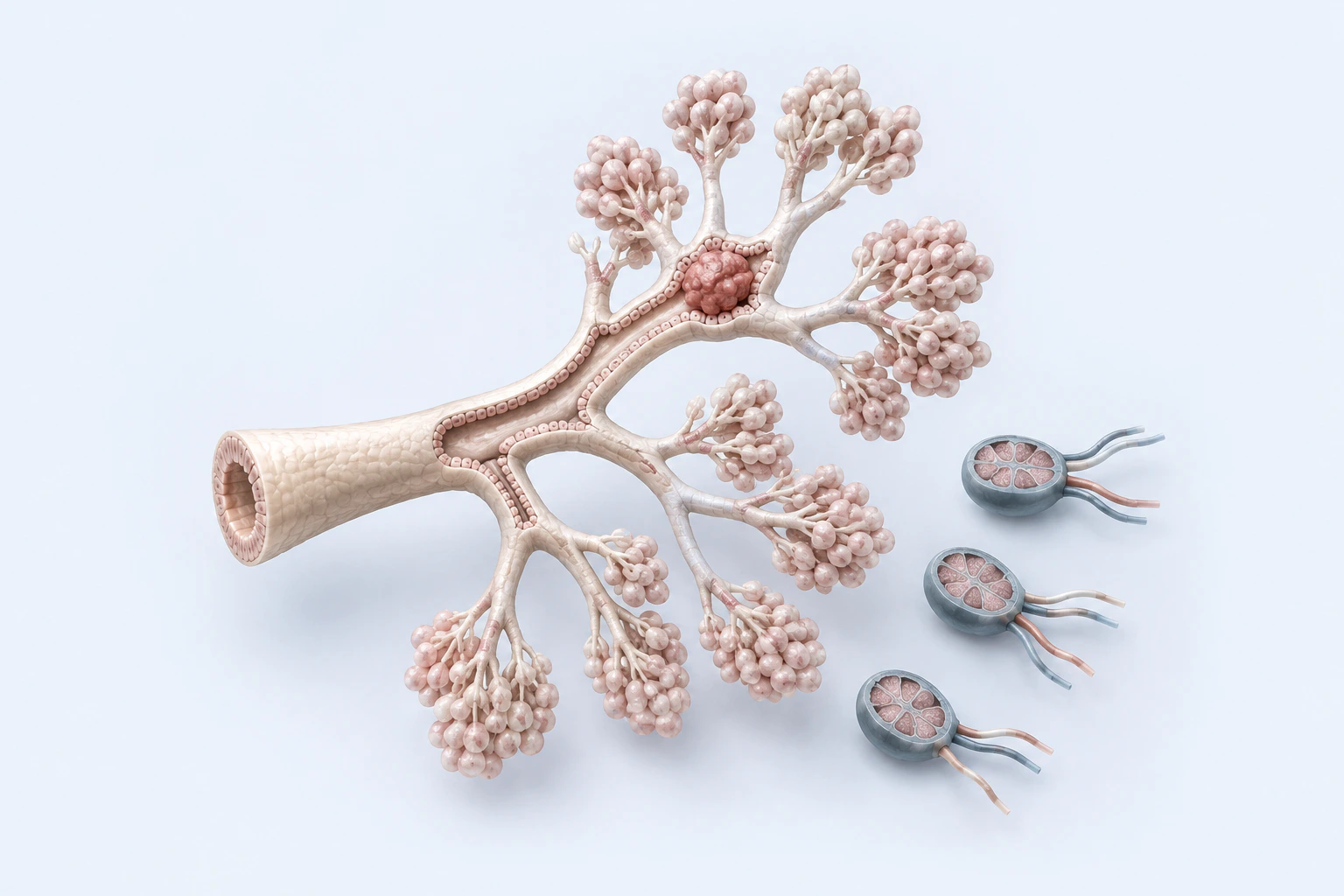
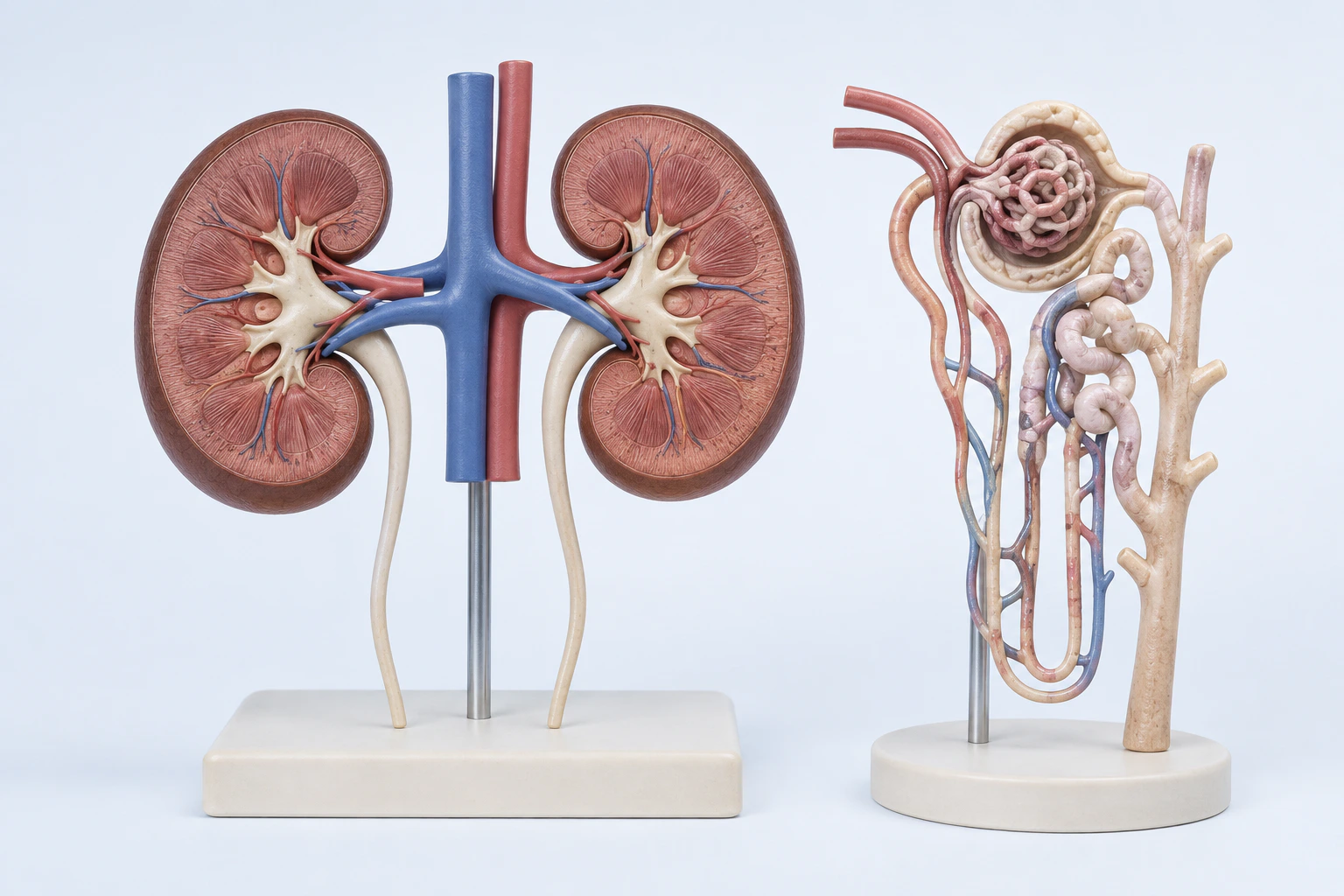
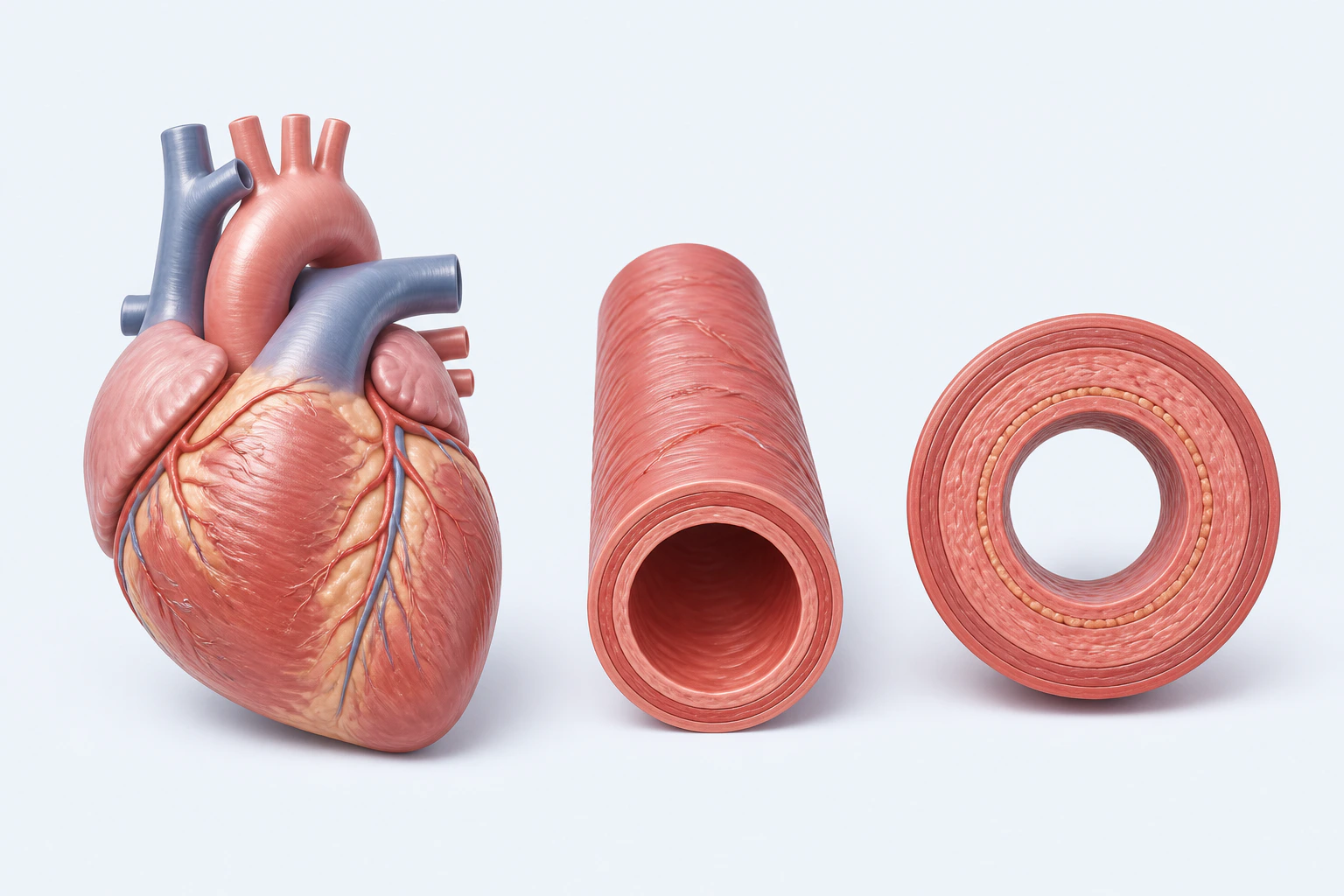
A progressive loss of kidney function affecting approximately 850 million people worldwide (10–14% of adults), causing 1.2 million deaths annually. CKD is unique among diseases in this wiki because it occupies both sides of the metal-disease equation: heavy metals (Cd, …
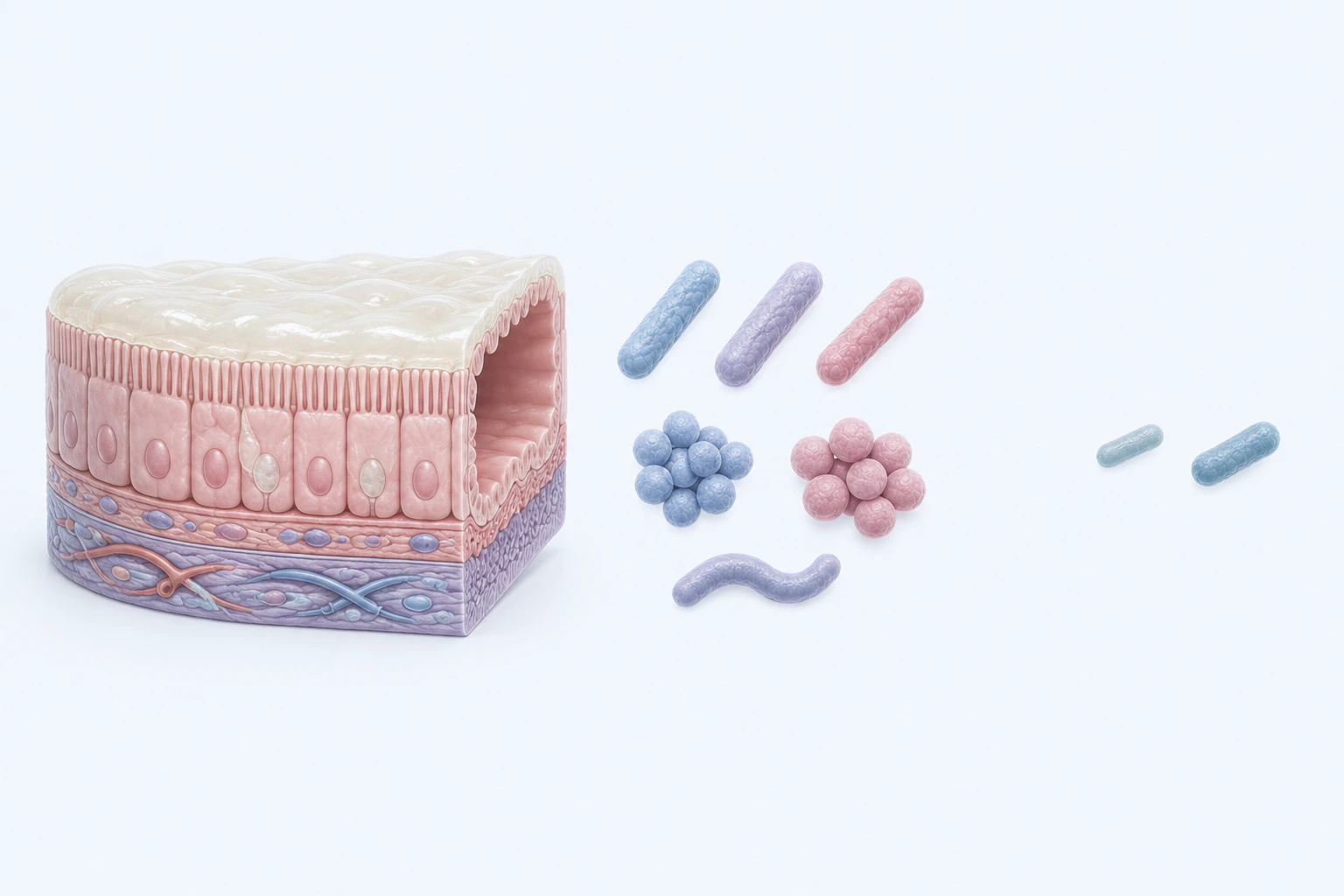
The collective ability of the resident gut microbiome to prevent colonization by exogenous pathogens and suppress expansion of resident pathobionts. Colonization resistance is not a property of any single organism but an emergent function of the whole microbial communit…
A synthesis of how dietary heavy metal exposure varies across the human lifespan, highlighting that the same metals present different risks at different developmental stages due to changing absorption rates, detoxification capacity, dietary patterns, and organ vulnerabi…
This page identifies the contradictions and clinical dilemmas that become visible only when the 236 source pages in this wiki are read together. Each paradox describes a situation where evidence-based dietary or supplementation advice -- advice that is correct for most …
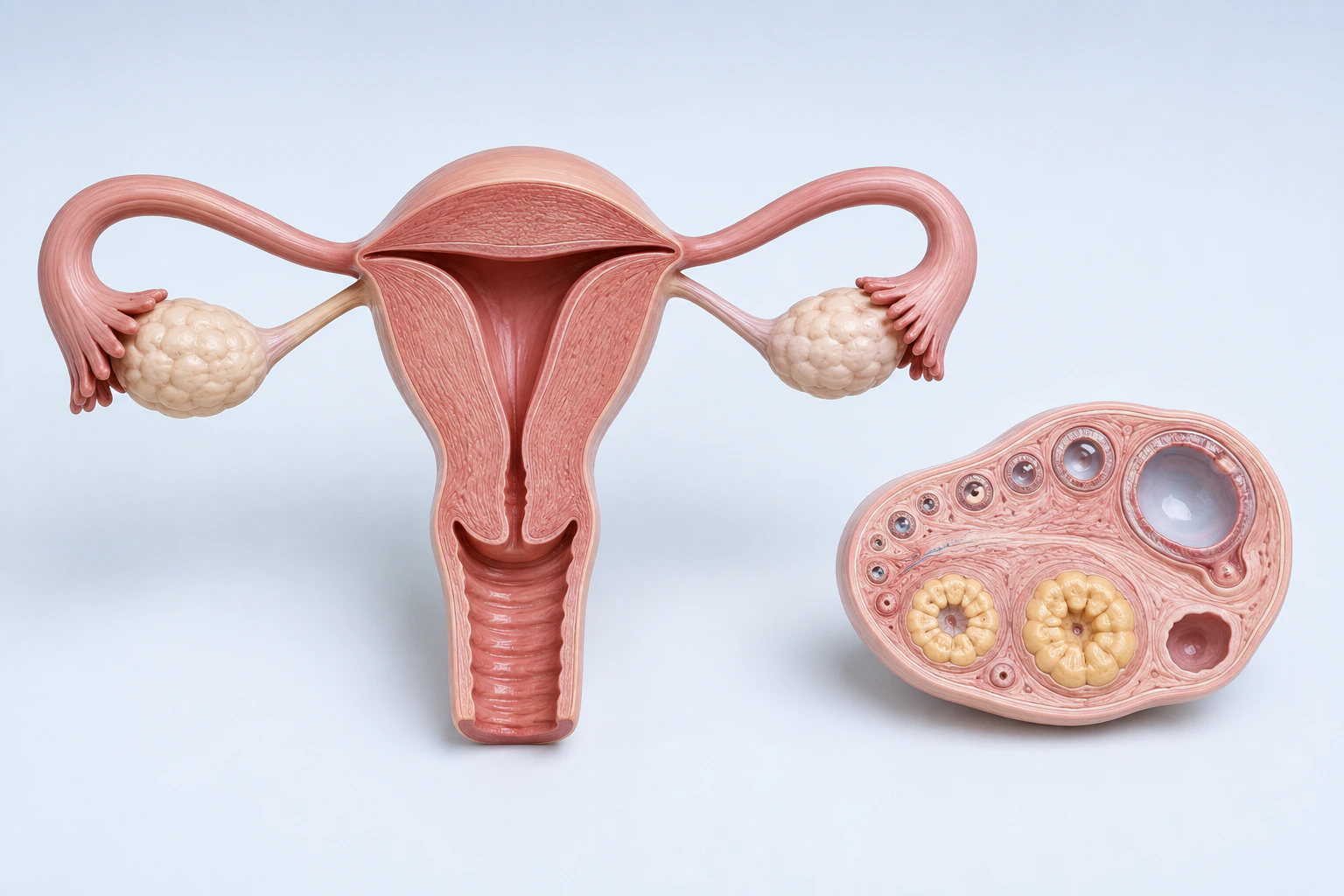
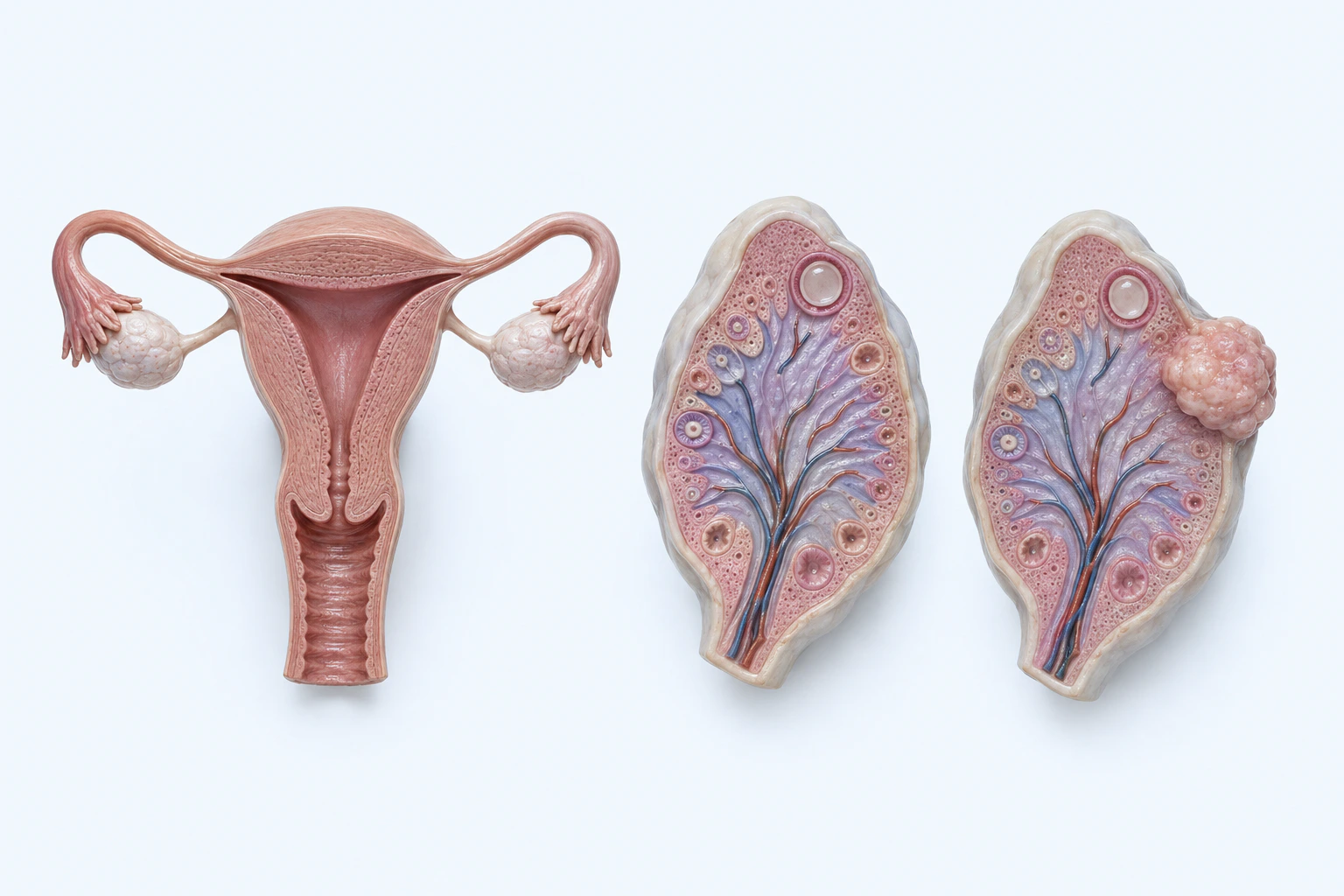
Affects approximately 48 million women worldwide (WHO global infertility prevalence estimates). From a microbiome-metallomics perspective, female infertility sits at the intersection of the estrobolome (microbial estrogen metabolism), heavy metal reproductive toxicity (…
Alphabetical definitions of specialist terms used throughout this wiki. Where a full concept page exists, the term links to it. --- AhR (aryl hydrocarbon receptor) -- A ligand-activated transcription factor that senses microbial metabolites (especially indoles from tryp…
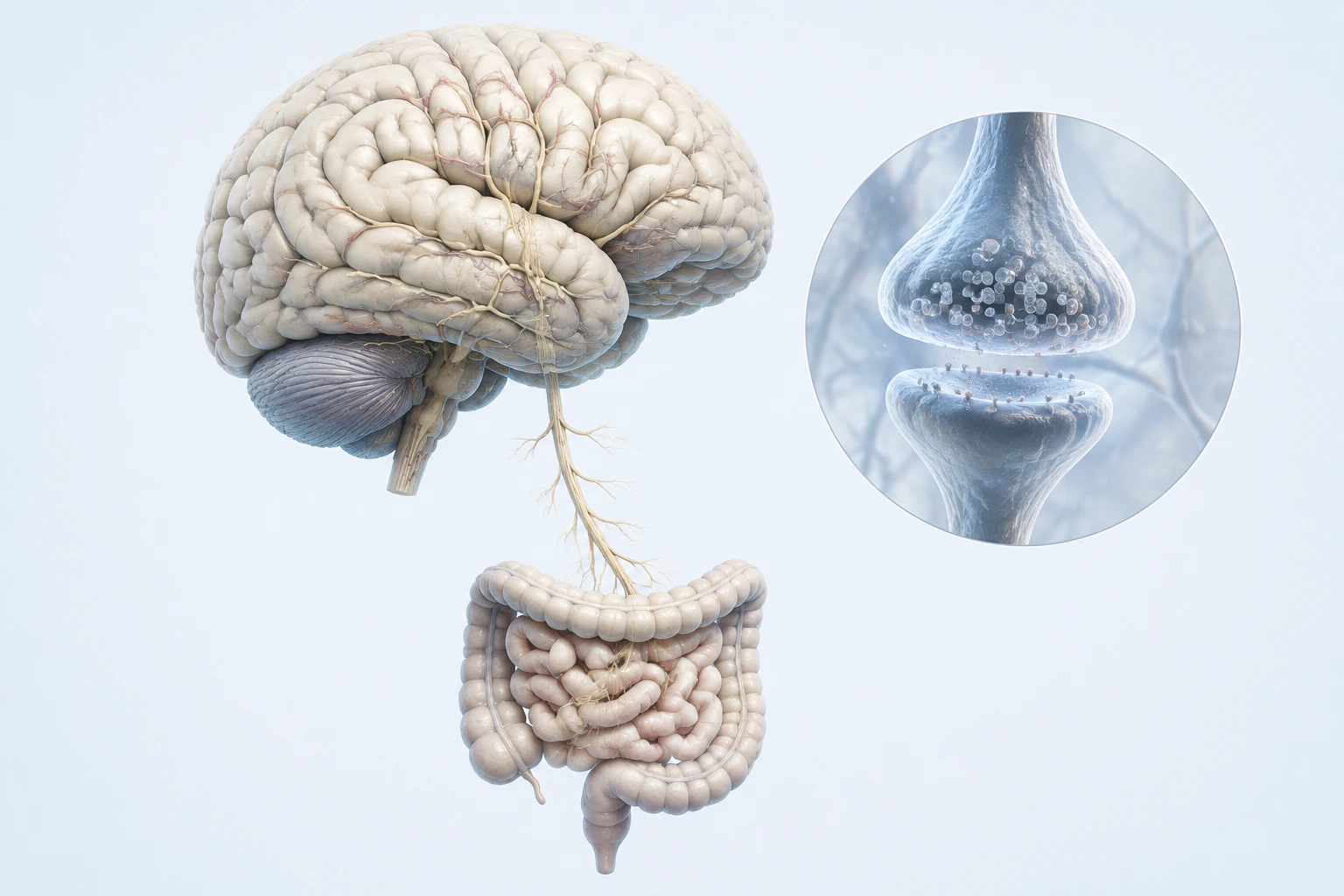
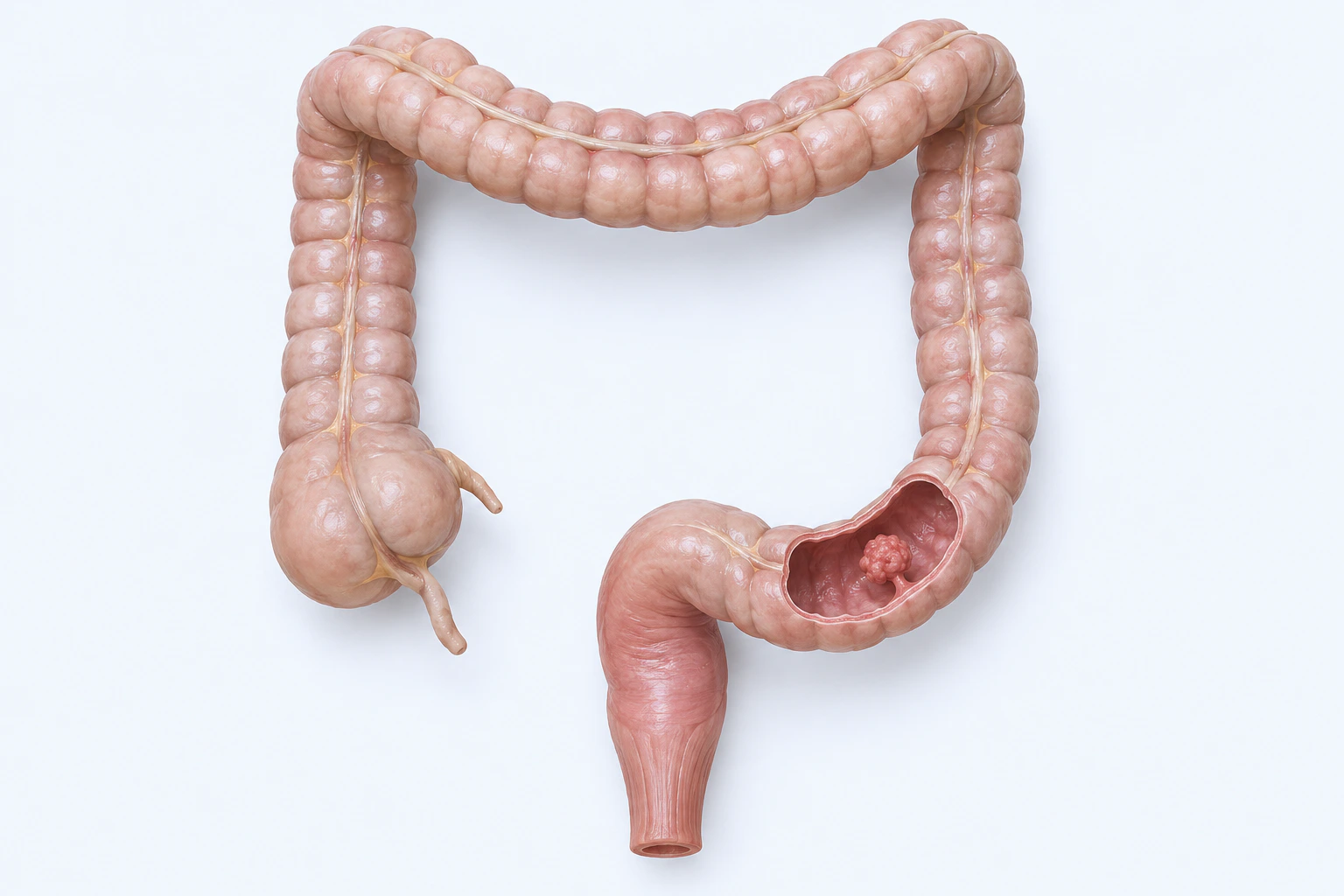
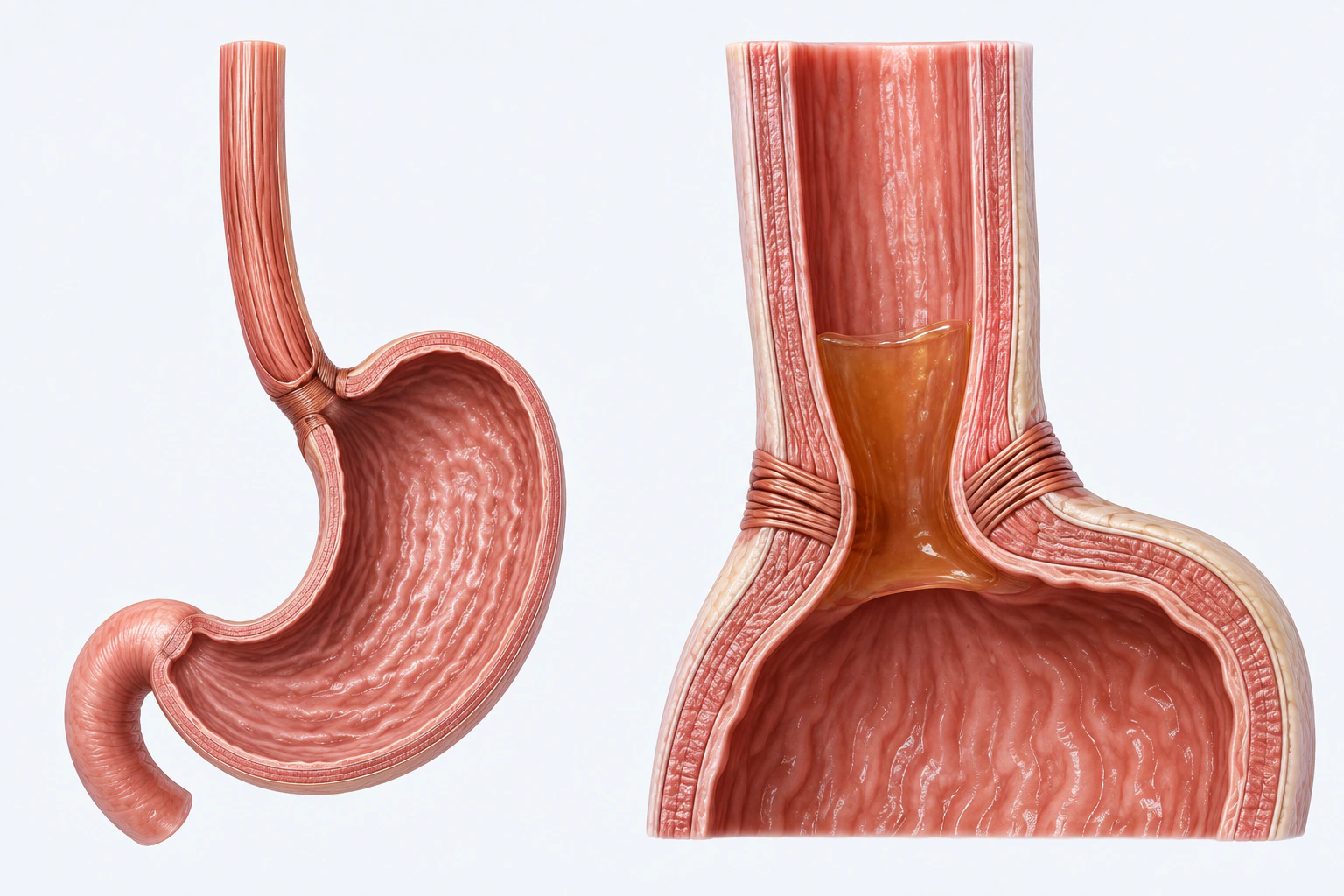
Gut barrier dysfunction -- colloquially "leaky gut" -- is the pathological increase in intestinal permeability that permits translocation of bacteria, bacterial products (LPS, peptidoglycan), metals, and dietary antigens from the gut lumen into the systemic circulation.…
This knowledge-base record is being expanded from WikiBiome’s evidence graph.
A condition in which cells fail to respond normally to insulin, requiring progressively higher insulin levels to maintain glucose homeostasis. Insulin resistance is central to PCOS, type 2 diabetes, and metabolic syndrome, and has extensive but complex connections to me…
An anti-inflammatory dietary pattern characterized by high consumption of extra-virgin olive oil, fruits, vegetables, legumes, whole grains, nuts, and fish, with limited red meat, processed food, and added sugars. The Mediterranean diet (MD) has evidence across multiple…
Chelation therapy uses molecules with high affinity for specific metal ions to form stable, excretable complexes, removing toxic metals from the body. The word derives from Greek "chele" (claw) -- the chelator grips the metal ion at multiple coordination sites. While ch…
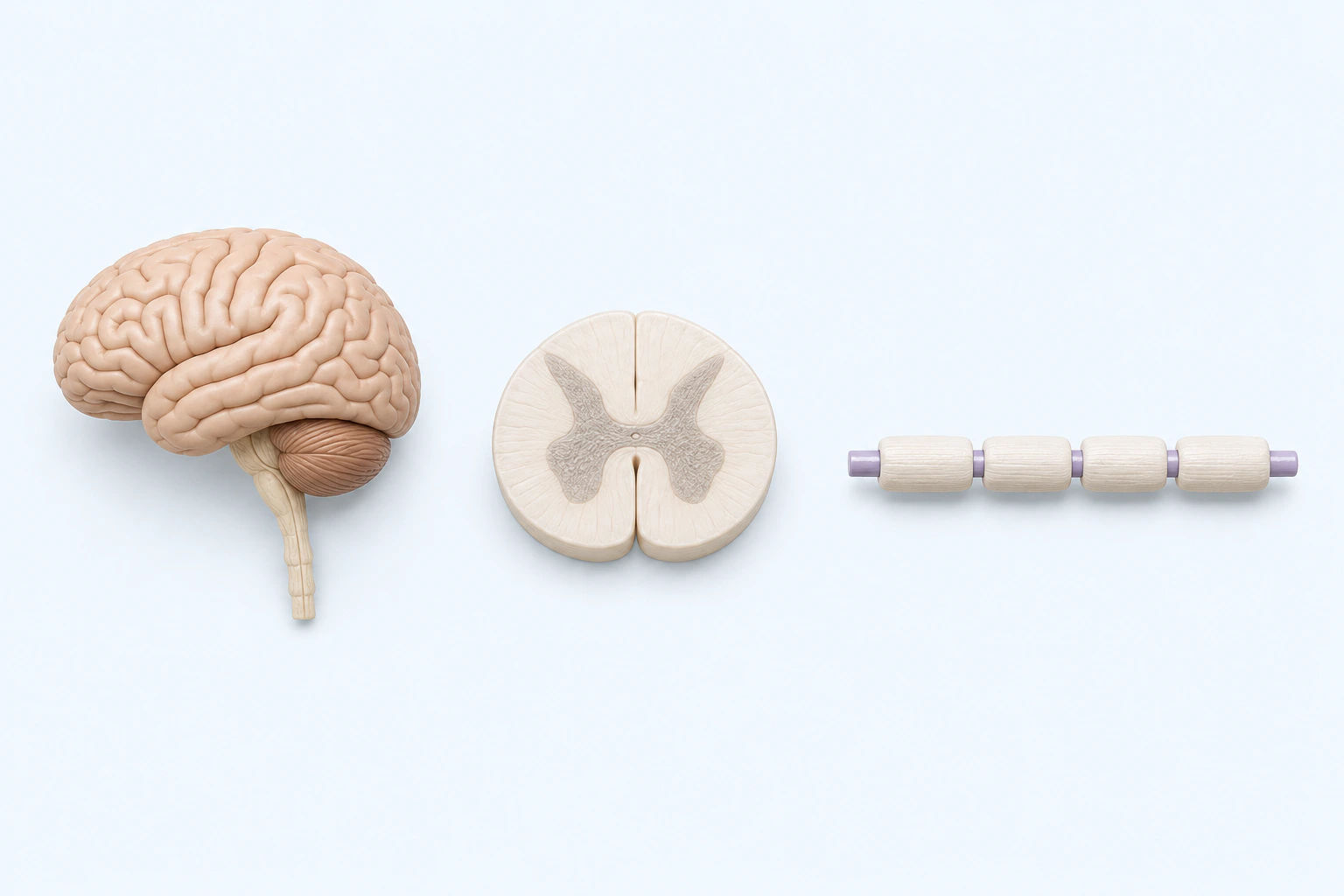
An umbrella concept encompassing the metallomic dimensions of Alzheimer's disease, Parkinson's disease, and other neurodegenerative conditions. The brain is uniquely vulnerable to metal toxicity: it has high metabolic demand, limited regenerative capacity, region-specif…
The second most common neurodegenerative disease, affecting over 10 million people worldwide dorsey 2018 parkinsons incidence meta analysis. Characterized by progressive loss of dopaminergic neurons in the substantia nigra, alpha-synuclein aggregation (Lewy bodies), and…
The exposome is the totality of environmental exposures an individual experiences from conception to death. Coined by Christopher Wild in 2005, it complements the genome by capturing the environmental side of the gene-environment equation. Metals are among the most quan…
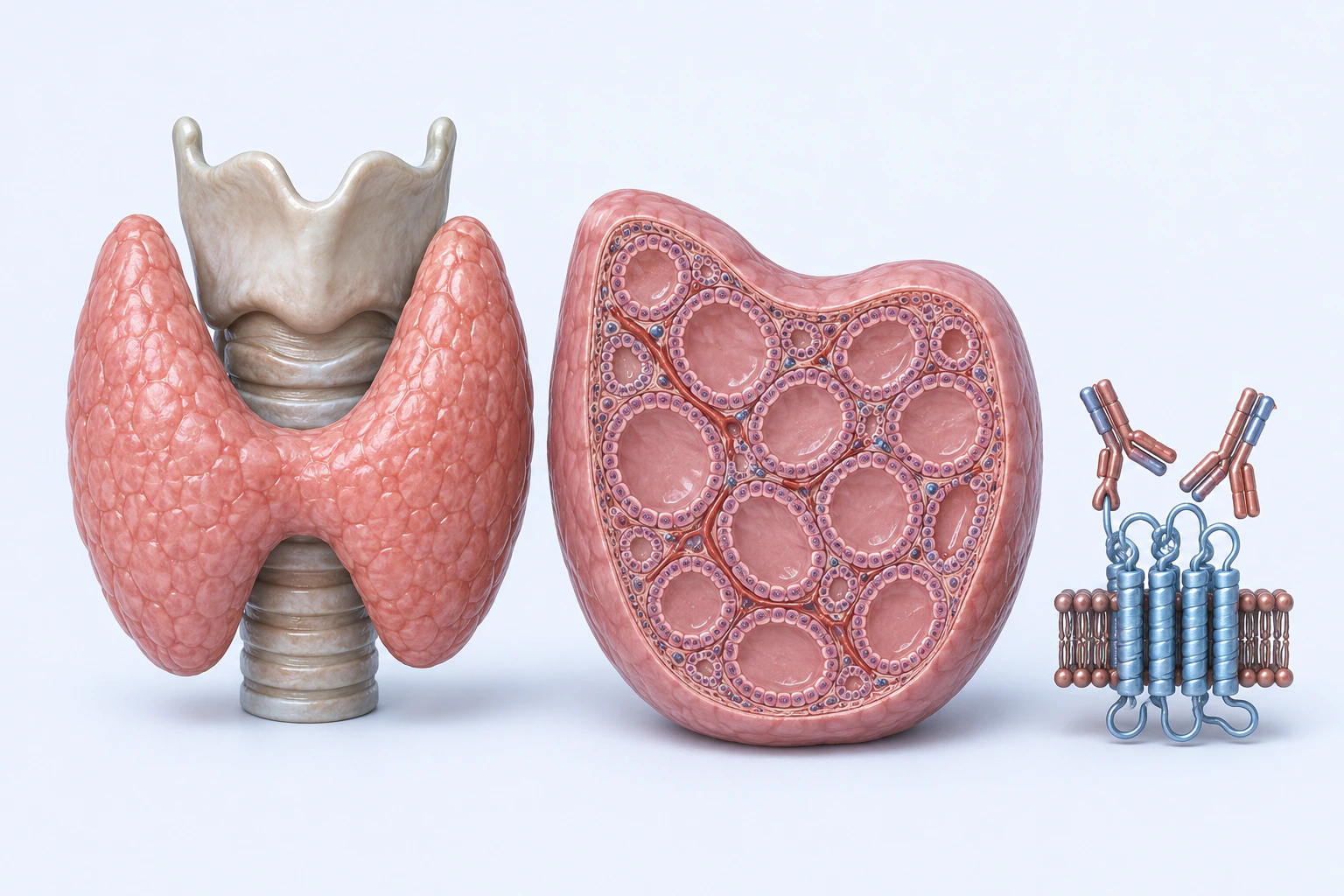
Autoimmune thyroid diseases (AITDs) -- hashimotos thyroiditis and graves disease -- are the most common organ-specific autoimmune conditions, affecting 5-10% of the global population. The thyroid gland sits at a remarkable intersection of metal biology and immune regula…