Virulence Factors
This knowledge-base record is being expanded from WikiBiome’s evidence graph.
WikiBiomeThe human microbiome encyclopediaRanked matches across titles, topics, categories, and article introductions.
This knowledge-base record is being expanded from WikiBiome’s evidence graph.
WHO Priority 1: Critical. A Gram-negative, strictly aerobic coccobacillus and one of the most dangerous nosocomial pathogens on the planet. A. baumannii belongs to the ESKAPE group and causes ventilator-associated pneumonia, wound infections, and bloodstream infections …
A pathotype of escherichia coli that adheres to and invades intestinal epithelial cells, survives and replicates within macrophages, and is strongly associated with ileal Crohn's disease. Unlike classical diarrheagenic E. coli pathotypes (EPEC, ETEC, EHEC), AIEC does no…
Aeromonas is a genus of Gram-negative, facultatively anaerobic bacteria found in aquatic environments and, increasingly recognized as an opportunistic gut pathogen. Several species — particularly Aeromonas hydrophila, A. veronii, and A. caviae — are associated with gast…
This knowledge-base record is being expanded from WikiBiome’s evidence graph.
The most common form of dementia, affecting an estimated 55 million people worldwide and projected to triple by 2050 zhang 2024 recent advances alzheimers mechanisms trials. Characterized by progressive memory loss, cognitive decline, amyloid-beta plaques, and neurofibr…
This knowledge-base record is being expanded from WikiBiome’s evidence graph.
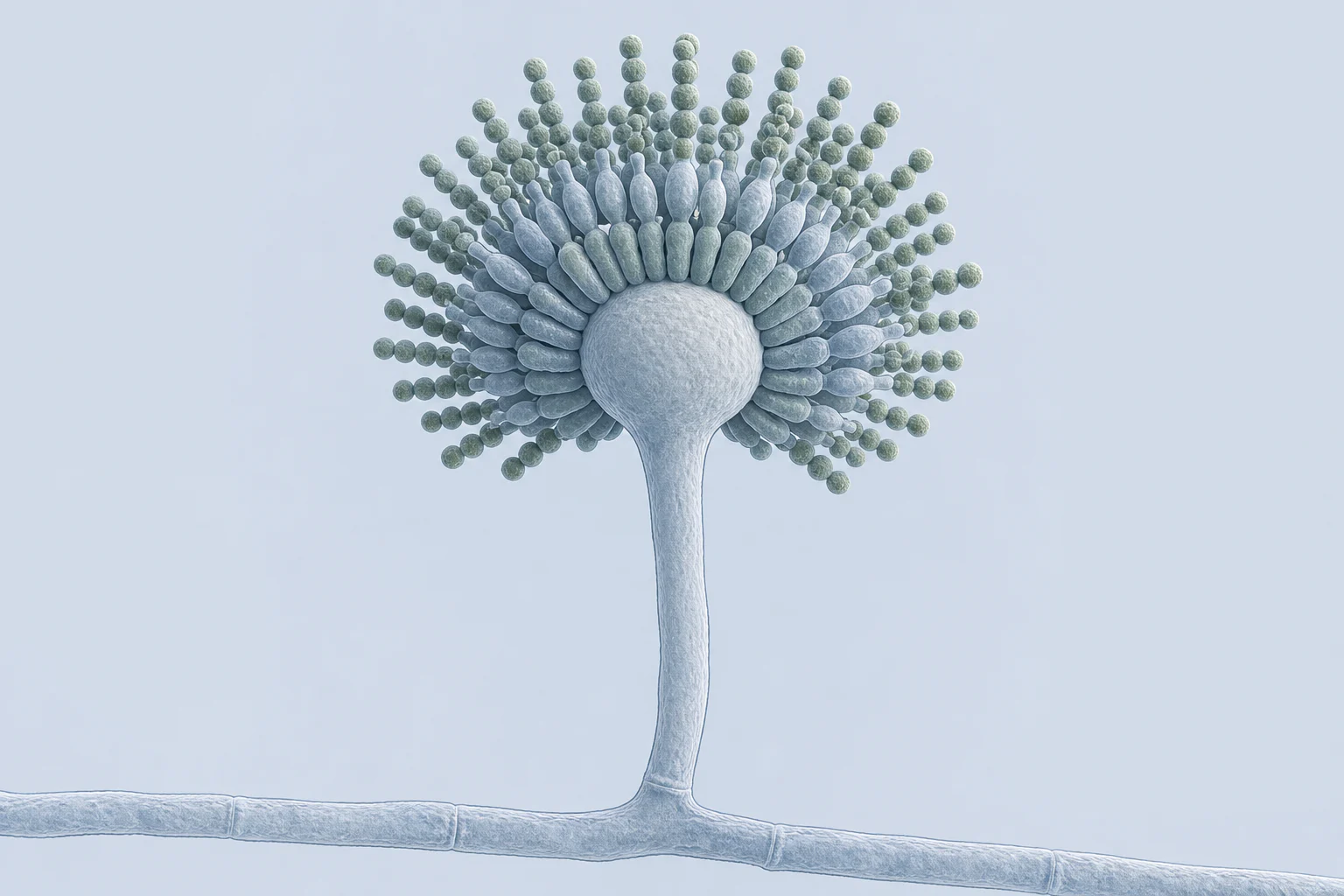
A ubiquitous filamentous fungal genus that is both an environmental saprophyte and an opportunistic human pathogen. A. fumigatus is the primary cause of invasive aspergillosis in immunocompromised patients, while A. niger is relevant to food contamination. The genus is …
This knowledge-base record is being expanded from WikiBiome’s evidence graph.
A neurodevelopmental condition affecting approximately 1 in 36 children (US CDC 2023 estimate), characterized by differences in social communication, restricted interests, and repetitive behaviors. From a metallomics perspective, ASD presents a compelling convergence of…
A Gram-negative obligate anaerobe and the most clinically significant member of the Bacteroides genus. B. fragilis occupies a unique dual position in gut microbiology: as a non-toxigenic commensal (NTBF), it produces polysaccharide A (PSA) that shapes immune tolerance; …
A Gram-negative obligate anaerobe that exemplifies the commensal-pathobiont spectrum. B. vulgatus is a common component of the healthy gut microbiota, yet is significantly enriched in colorectal cancer and depression, suggesting a context-dependent pathogenic potential.…
This knowledge-base record is being expanded from WikiBiome’s evidence graph.
A genus of spirochete bacteria transmitted by Ixodes ticks, best known as the causative agent of Lyme disease -- the most common tick-borne illness in the Northern Hemisphere. Borrelia burgdorferi sensu lato comprises approximately 20 genospecies, with B. burgdorferi se…
This knowledge-base record is being expanded from WikiBiome’s evidence graph.
A genus of Gram-negative intracellular pathogens causing brucellosis, the most common bacterial zoonosis worldwide. Brucella species depend on nickel-activated urease for gastrointestinal survival during the initial phase of infection, and urease immunization has been s…
A genus of Gram-positive, strictly anaerobic, butyrate-producing bacteria in the order Clostridiales (phylum Firmicutes). The type species, Butyricicoccus pullicaecorum, was originally isolated from chicken caecal content but has since been identified as a significant m…
The leading bacterial cause of diarrheal disease worldwide, with an estimated 400-500 million cases annually. C. jejuni is notable in the metallomics context for possessing a nickel-dependent [NiFe] hydrogenase essential for colonization but lacking urease -- a striking…
An opportunistic fungal pathogen whose relationship with metals is multifaceted: C. albicans can biosorb heavy metals from its environment, heavy metal exposure promotes its virulence in immunocompromised hosts, and metal nanoparticles are being developed as antifungal …
Candida auris is an emerging multidrug-resistant fungal pathogen first identified in 2009 (Satoh et al. 2009, from a Japanese patient's ear canal) and now classified as a critical-priority pathogen by the WHO (WHO Fungal Priority Pathogens List 2022) and CDC (CDC 2019 A…
A haploid, asexual yeast and the second most common cause of invasive candidiasis after Candida albicans. Recently reclassified into the genus Nakaseomyces (as N. glabratus), though the name C. glabrata remains in widespread clinical use. Unlike C. albicans, C. glabrata…
This knowledge-base record is being expanded from WikiBiome’s evidence graph.
Celiac disease is a chronic autoimmune condition triggered by dietary gluten (gliadin proteins from wheat, barley, and rye) in genetically susceptible individuals (HLA-DQ2/DQ8, carried by ~30-40% of Europeans but penetrant in only ~1% of carriers). Gluten exposure cause…
Cerebral palsy (CP) is the most common motor disability in childhood, affecting 2-3 per 1,000 live births allen 2021 multi organ dysfunction cerebral palsy. Characterized by non-progressive disturbances in movement and posture arising from injury to the developing brain…
This knowledge-base record is being expanded from WikiBiome’s evidence graph.
Christensenellaceae is a family of Gram-negative, strictly anaerobic bacteria within the order Clostridiales (phylum Firmicutes) that has emerged as one of the most consistently health-associated and heritable members of the human gut microbiome. First formally describe…
A progressive loss of kidney function affecting approximately 850 million people worldwide (10–14% of adults), causing 1.2 million deaths annually. CKD is unique among diseases in this wiki because it occupies both sides of the metal-disease equation: heavy metals (Cd, …
A Gram-positive, spore-forming, obligate anaerobic bacterium that is the leading cause of antibiotic-associated diarrhea and pseudomembranous colitis in healthcare settings. In the metallomics framework, C. difficile sits at the intersection of metal-antibiotic co-selec…
Clostridium perfringens is a Gram-positive, strictly anaerobic, spore-forming bacterium infamous for causing gas gangrene, food poisoning, and necrotizing enterocolitis (NEC) in premature infants. It is one of the most widely distributed pathogenic bacteria in nature, f…
This knowledge-base record is being expanded from WikiBiome’s evidence graph.
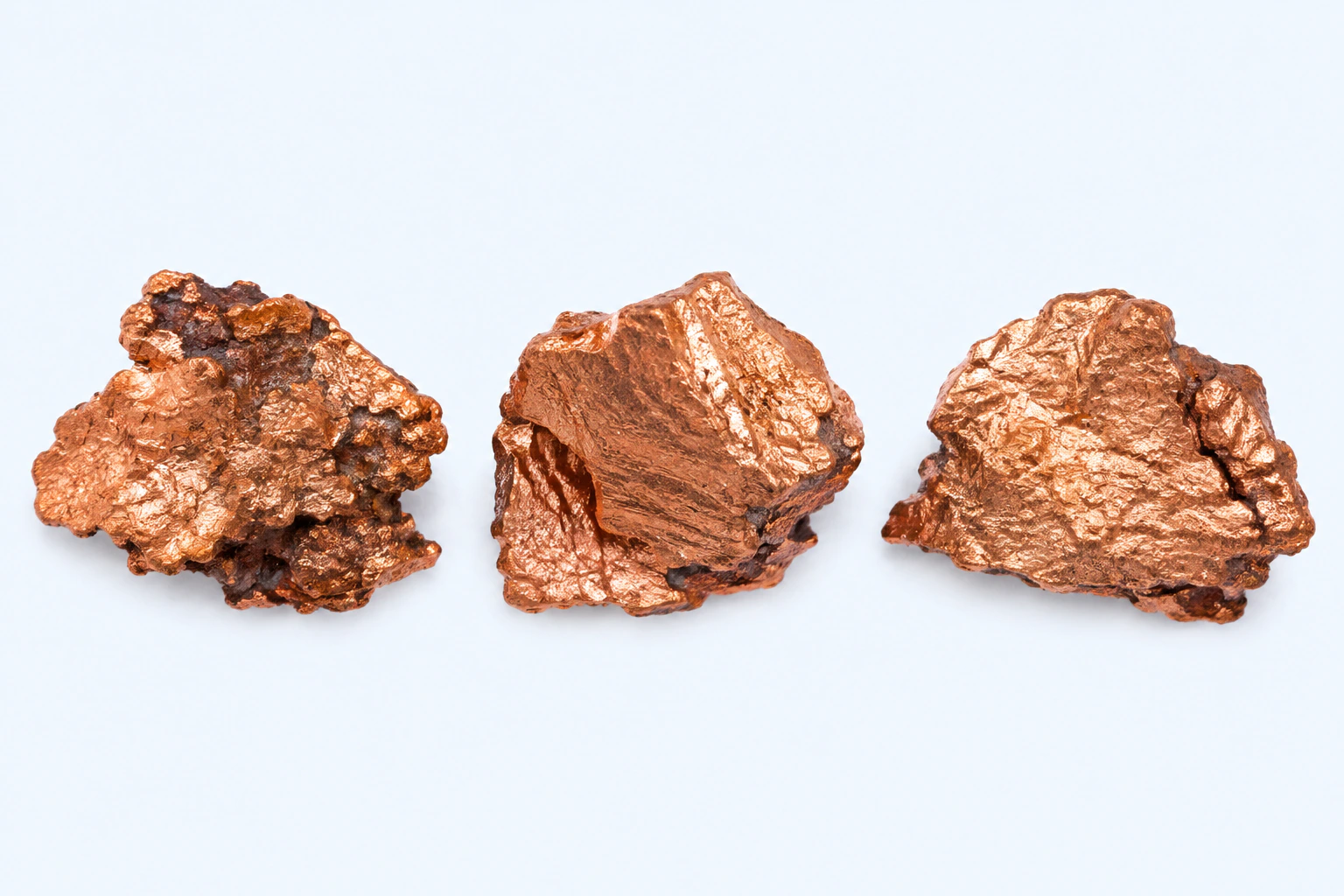
An essential trace element with a striking dual nature: required for survival as a cofactor for critical enzymes (SOD1, cytochrome c oxidase, ceruloplasmin), yet toxic in excess through Fenton-like redox cycling and mis metallation of iron-sulfur clusters. Copper is ele…
Corynebacterium is a large genus of Gram-positive, club-shaped bacteria with over 130 species spanning commensals, opportunistic pathogens, and the classic pathogen C. diphtheriae. In the WikiBiome context, Corynebacterium is most notable for its dominance in the male r…
A chronic, relapsing-remitting inflammatory bowel disease (IBD) characterized by transmural inflammation of the gastrointestinal tract, most commonly affecting the terminal ileum and colon but capable of involving any segment from mouth to anus zhang 2017 intestinal mic…
An encapsulated basidiomycete yeast that causes cryptococcal meningitis -- the leading cause of meningitis in HIV/AIDS patients and responsible for an estimated 180,000 deaths annually. Its nickel-dependent urease has been called the organism's "Achilles' heel" because …
Depression is the most prevalent mental health disorder globally, affecting over 280 million people zhu 2025 microbiota gut brain axis depression review, and one of the most metal-sensitive conditions in this wiki. It sits at the convergence of nearly every pathway cata…
An order of Gram-negative, strictly anaerobic sulfate-reducing bacteria (SRB) within the class Deltaproteobacteria. The defining metabolic feature of Desulfovibrionales is dissimilatory sulfate reduction -- using sulfate as a terminal electron acceptor and producing hyd…
Every meal delivers metals to the gut lumen — essential minerals, trace elements, and contaminants alike. These metals do not passively transit the GI tract. They actively reshape the microbial ecosystem, selecting for metal-tolerant organisms, enabling virulence in met…
Eggerthella is a genus of Gram-positive, strictly anaerobic, non-spore-forming bacteria in the family Eggerthellaceae (phylum Actinobacteria). The most studied species, Eggerthella lenta, was originally classified as Eubacterium lentum before reclassification. It is a n…
This knowledge-base record is being expanded from WikiBiome’s evidence graph.
A family of Gram-negative, facultative anaerobic Gammaproteobacteria that includes many of the most important human pathogens: escherichia coli, klebsiella pneumoniae, salmonella typhimurium, shigella flexneri, yersinia pestis, proteus mirabilis, Morganella, and Serrati…

Enterococcus faecalis is a Gram-positive, facultatively anaerobic coccus that inhabits the gastrointestinal tract, oral cavity, and genitourinary tract of humans. It is a commensal in the healthy gut at low abundance but is one of the most clinically significant opportu…
This knowledge-base record is being expanded from WikiBiome’s evidence graph.
Erectile dysfunction (ED) affects 30-50% of men aged 40-70 Feldman et al. 1994, with prevalence increasing with age. Conventionally understood as a vascular and/or neurogenic disorder, ED is now recognized as a condition with a significant gut microbiome component -- th…
A Gram-negative bacterium that spans the commensal-pathogen spectrum, with pathogenic variants (UPEC, STEC, EHEC) deploying nickel-dependent enzymes as virulence factors. E. coli is the model organism for nickel transport biology -- the NikABCDE system was first charact…
This knowledge-base record is being expanded from WikiBiome’s evidence graph.
Eubacterium rectale (recently reclassified as Agathobacter rectalis) is a Gram-positive, strictly anaerobic, non-spore-forming bacterium that belongs to Clostridium cluster XIVa within the lachnospiraceae family. It is one of the most abundant butyrate producers in the …
Affects approximately 48 million women worldwide (WHO global infertility prevalence estimates). From a microbiome-metallomics perspective, female infertility sits at the intersection of the estrobolome (microbial estrogen metabolism), heavy metal reproductive toxicity (…
Fibromyalgia (FM) is a chronic pain syndrome affecting 2-4% of the global population Heidari et al. 2017, characterized by widespread musculoskeletal pain, fatigue, cognitive dysfunction ("fibro fog"), and sleep disturbances. Conventionally attributed to central sensiti…
A Gram-negative, obligate anaerobic bacterium that has emerged as the most consistently CRC-associated microorganism in human gut microbiome studies. F. nucleatum is the primary species of concern, originally a commensal of the oral cavity that translocates to colorecta…
A Gram-negative obligate anaerobe that has emerged as a major pathogen in colorectal cancer (CRC) and inflammatory bowel disease. F. nucleatum is significantly enriched in CRC tissue and tumors compared to healthy mucosa, making it one of the strongest microbe-cancer as…
A Gram-negative obligate anaerobe that occupies a paradoxical niche in the gut microbiota: as a weak butyrate producer (short-chain fatty acid), it has anti-inflammatory potential; as a virulent invasive pathobiont in inflammatory bowel disease (particularly ulcerative …
The most common malignancy of the stomach, accounting for over 95% of gastric cancers. helicobacter pylori infection is the strongest known risk factor, classified as a Group 1 carcinogen by IARC. In the metallomics framework, gastric adenocarcinoma reveals a striking d…
The fifth most common cancer worldwide and third leading cause of cancer death, with over 1 million new cases annually. Gastric cancer stands unique in this wiki as the disease where a single microorganism -- helicobacter pylori -- provides the dominant causal pathway, …
This knowledge-base record is being expanded from WikiBiome’s evidence graph.
The third nickel-dependent enzyme class in human pathogens, after urease and hydrogenase. Glyoxalase I detoxifies methylglyoxal, a reactive and toxic byproduct of glycolysis. While less well-known than urease or hydrogenase as a virulence factor, GloI is emerging as a s…
This knowledge-base record is being expanded from WikiBiome’s evidence graph.
Haemophilus is a genus of small, Gram-negative, facultatively anaerobic coccobacilli that inhabit the upper respiratory tract, oral cavity, and gastrointestinal tract. The genus name literally means "blood-loving" -- a direct reference to its absolute requirement for he…
This knowledge-base record is being expanded from WikiBiome’s evidence graph.
A Gram-negative, microaerophilic bacterium within the Epsilonproteobacteria (family Helicobacteraceae) that is the primary murine model of hepatobiliary and intestinal disease. Unlike its more famous relative helicobacter pylori, which colonizes the stomach, H. hepaticu…
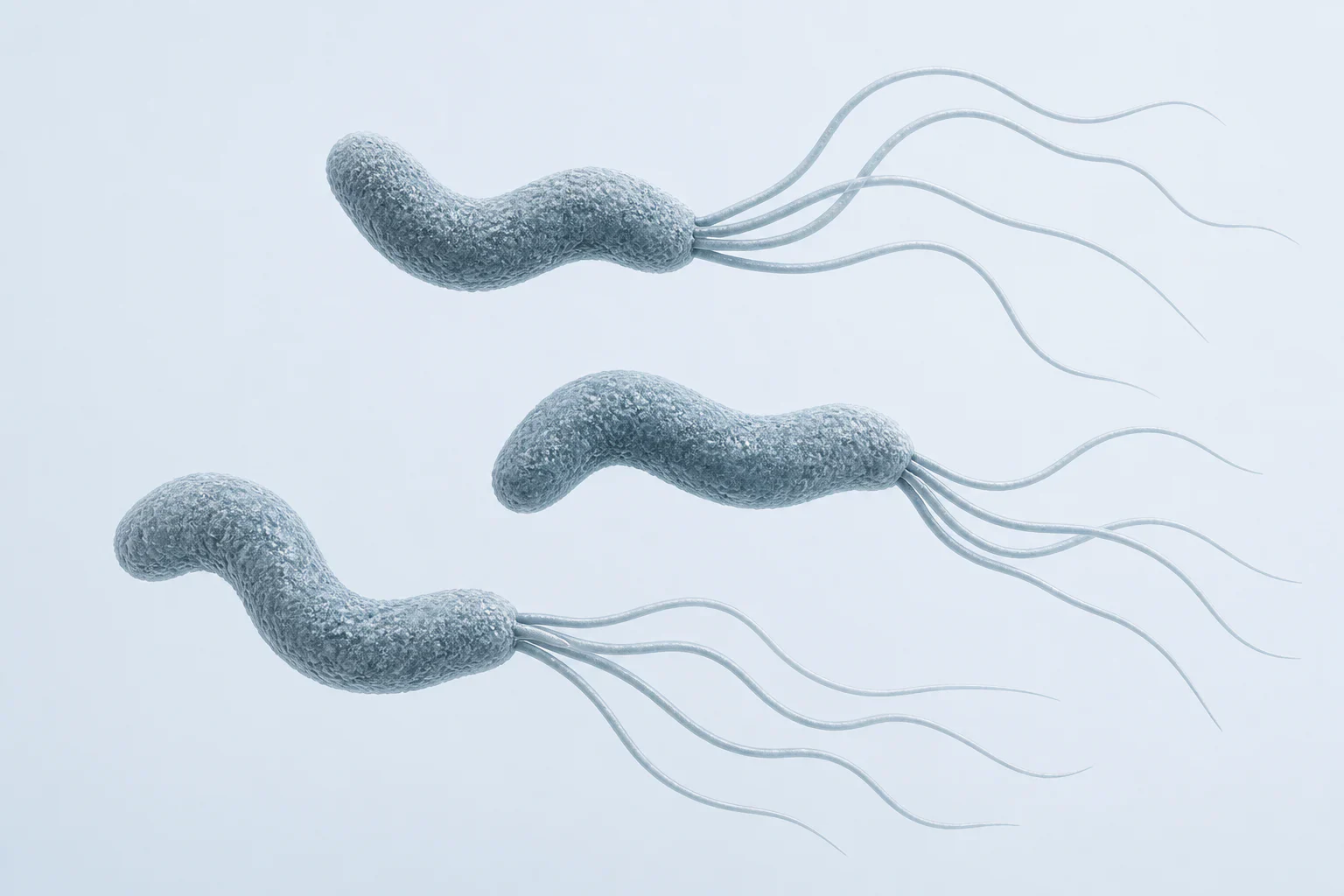
A gastric pathogen that is arguably the most nickel-dependent human pathogen known. Two of its key virulence factors — urease and [NiFe] hydrogenase — require nickel, and the bacterium has evolved an elaborate nickel trafficking, storage, and regulation system to suppor…
A genus of Gram-positive, strictly anaerobic bacteria in the family Erysipelotrichaceae (phylum Firmicutes) that is emerging as one of the most consistently protective gut commensals in human disease. Holdemanella is depleted across a striking range of conditions -- inf…
[NiFe] hydrogenases are the second major nickel-dependent virulence factor class in human pathogens. Less widespread than urease but critical for energy metabolism in gastric, enteric, and intracellular pathogens. The discovery that H. pylori hydrogenase powers CagA tra…
Sustained elevation of systemic blood pressure, affecting an estimated 1.3 billion adults worldwide and the leading modifiable risk factor for cardiovascular disease, stroke, and chronic kidney disease. The gut microbiome-blood pressure axis has emerged as a major resea…
An umbrella term for chronic relapsing-remitting inflammatory conditions of the gastrointestinal tract, principally crohns disease (CD; transmural, any GI segment) and ulcerative colitis (UC; mucosal, colon only). Approximately 6 million patients worldwide. IBD represen…
A functional gastrointestinal disorder affecting 10-15% of the global population, characterized by chronic abdominal pain, bloating, and altered bowel habits (diarrhea-predominant, constipation-predominant, or mixed) without identifiable structural pathology. From a met…
Klebsiella is a genus of Gram-negative, encapsulated, facultatively anaerobic bacteria in the Enterobacteriaceae family. With 141 file mentions across the vault, Klebsiella is one of the most frequently referenced opportunistic pathogens. The dominant species is klebsie…
A Gram-negative opportunistic pathogen and member of the ESKAPE group of antibiotic-resistant priority pathogens. K. pneumoniae deploys multiple nickel-dependent enzymes for virulence and relies on the dual-function metallophore yersiniabactin for both iron and nickel s…
Lactobacillus iners is a Gram-positive, facultatively anaerobic bacterium that dominates the vaginal microbiome of many women worldwide, defining Community State Type III (CST-III) in vaginal microbiome classification. For decades, all vaginal Lactobacillus species were…
This knowledge-base record is being expanded from WikiBiome’s evidence graph.
A Gram-negative obligate anaerobe traditionally considered an oral commensal, but increasingly recognized as an opportunistic pathobiont with the ability to translocate from oral biofilms to the gastrointestinal tract and bloodstream. Leptotrichia species are prominentl…
Post-acute sequelae of SARS-CoV-2 infection (PASC), affecting an estimated 10-30% of COVID-19 survivors (WHO and CDC post-acute surveillance estimates) with symptoms persisting 12 weeks. Characterized by fatigue, cognitive dysfunction ("brain fog"), exercise intolerance…
This knowledge-base record is being expanded from WikiBiome’s evidence graph.
Specialized proteins that escort metal ions from their point of entry to specific metalloenzyme targets, ensuring correct metalation in a cytoplasm crowded with competing metal-binding sites. Metallochaperones solve a fundamental problem in metal biology: how does the r…
Protein-based transcription factors that sense intracellular metal concentrations and regulate gene expression accordingly. Metalloregulators are the decision-making layer of bacterial metal homeostasis -- they read the labile metal pool, determine whether a specific me…
This knowledge-base record is being expanded from WikiBiome’s evidence graph.
Mortierella is a genus of soil-dwelling fungi in the phylum Mortierellomycota (formerly placed in Zygomycota). While primarily known as environmental saprotrophs, Mortierella species have recently been identified as residents of the human gut mycobiome -- the fungal com…