Autoimmune Protocol (AIP) Diet for Hashimoto's Thyroiditis
This knowledge-base record is being expanded from WikiBiome’s evidence graph.
WikiBiomeThe human microbiome encyclopediaRanked matches across titles, topics, categories, and article introductions.
This knowledge-base record is being expanded from WikiBiome’s evidence graph.
A Gram-negative, obligate anaerobic genus within the Bacteroidetes phylum (family Rikenellaceae). Alistipes occupies a complex and context-dependent role in the gut ecosystem — some species carry well-documented anti-inflammatory properties, while the genus is paradoxic…
Autoimmunity occurs when the immune system attacks the body's own tissues. What has emerged over the past two decades is that the gut microbiome is not merely associated with autoimmune disease -- it is a mechanistic driver of immune tolerance breakdown. Metals add a se…
Bifidobacterium adolescentis is a Gram-positive, obligate anaerobic species within the phylum Actinobacteria and the dominant Bifidobacterium species in the adult human gut. It is a specialist degrader of resistant starch and dietary fiber, producing acetate and lactate…
A Gram-negative, obligate anaerobic genus within the Bacteroidetes phylum (family Odoribacteraceae). Despite its relatively recent characterization, Butyricimonas has gained significant attention as a member of the protective butyrate-producing consortium that is consis…
Butyrivibrio is a genus of Gram-positive, obligate anaerobic bacteria within the family Lachnospiraceae (phylum Firmicutes). Originally characterized as a dominant fiber-fermenting genus in the rumen, Butyrivibrio species are also found in the human colon where they con…
Celiac disease is a chronic autoimmune condition triggered by dietary gluten (gliadin proteins from wheat, barley, and rye) in genetically susceptible individuals (HLA-DQ2/DQ8, carried by ~30-40% of Europeans but penetrant in only ~1% of carriers). Gluten exposure cause…
A genus of Gram-positive, obligate anaerobic bacteria within the Actinobacteria phylum (family Coriobacteriaceae) that has emerged as a consistent pathobiont enriched in cardiometabolic and autoimmune diseases. C. aerofaciens is the most studied species, with establishe…
A chronic, relapsing-remitting inflammatory bowel disease (IBD) characterized by transmural inflammation of the gastrointestinal tract, most commonly affecting the terminal ileum and colon but capable of involving any segment from mouth to anus zhang 2017 intestinal mic…
This knowledge-base record is being expanded from WikiBiome’s evidence graph.
A Gram-positive, obligate anaerobic genus within the lachnospiraceae family (Firmicutes phylum). Dorea occupies a mixed role in the gut ecosystem -- while it is a core member of the healthy human microbiome, several species are consistently enriched in autoimmune and ne…
Erysipelotrichaceae is a family within the phylum Firmicutes that has drawn increasing attention for its consistent enrichment in metabolic disorders. Members of this family are Gram-positive, obligate anaerobes found throughout the mammalian gastrointestinal tract, whe…
Eubacterium rectale (recently reclassified as Agathobacter rectalis) is a Gram-positive, strictly anaerobic, non-spore-forming bacterium that belongs to Clostridium cluster XIVa within the lachnospiraceae family. It is one of the most abundant butyrate producers in the …
A Gram-negative, obligate anaerobic bacterium that has emerged as the most consistently CRC-associated microorganism in human gut microbiome studies. F. nucleatum is the primary species of concern, originally a commensal of the oral cavity that translocates to colorecta…
<!-- STUB: triangle evidence needs completion --
This knowledge-base record is being expanded from WikiBiome’s evidence graph.
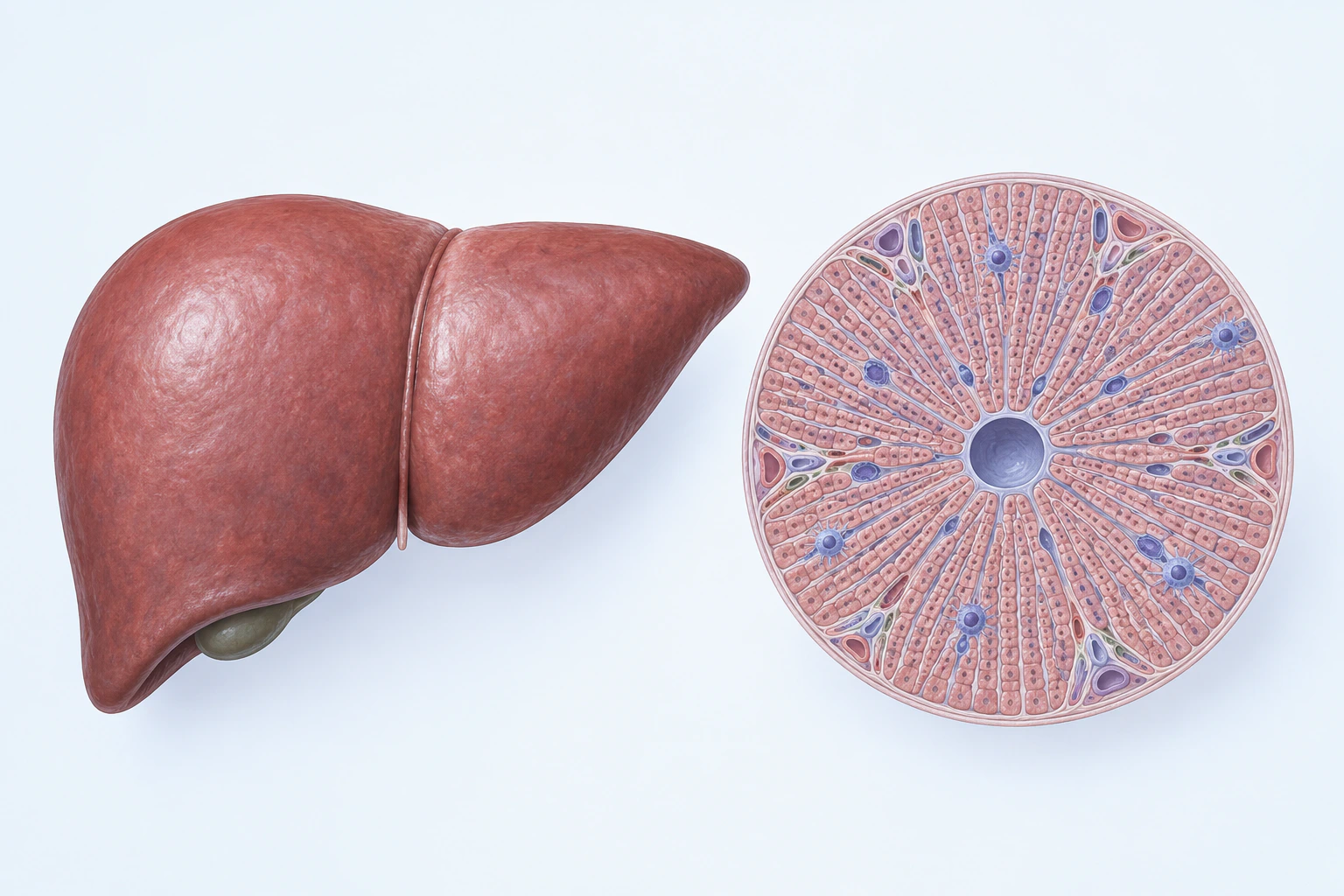
Hepatitis (liver inflammation) encompasses viral (HBV, HCV, HAV), autoimmune, alcoholic, and toxin-induced forms. In the WikiBiome framework, the gut-liver axis is central — portal blood delivers gut-derived microbial products (LPS, bacterial DNA) directly to the liver …
Lactococcus lactis is a Gram-positive, facultatively anaerobic, lactic acid bacterium best known as the workhorse of the dairy fermentation industry. It holds GRAS (Generally Recognized As Safe) status and has emerged as a versatile platform for probiotic and therapeuti…
This knowledge-base record is being expanded from WikiBiome’s evidence graph.
Nuclear factor kappa-light-chain-enhancer of activated B cells (NF-kB) is a family of transcription factors that regulate inflammation, immune responses, cell survival, and proliferation. NF-kB is a convergence point where metal toxicity, pathogen signaling, and chronic…
A transition metal occupying a central position in this wiki's evidence base. Nickel is toxic and carcinogenic to humans, yet an essential cofactor for pathogen virulence enzymes. It is the most frequent contact allergen worldwide and drives a wide spectrum of systemic …
Odoribacter splanchnicus is a Gram-negative, obligate anaerobic bacterium belonging to the family Odoribacteraceae within the phylum Bacteroidota (formerly Bacteroidetes). It is a commensal resident of the human colon recognized primarily as a producer of short chain fa…
--- title: Oxalobacter type: entity subtype: microbe created: 2026-04-10 updated: 2026-04-16 lastsubstantiveupdate: 2026-04-16 sources: [duan-2020-gut-microbiota-heavy-metal-probiotic-strategy, zhang-2022-causal-gut-microbiome-cvd-mr, dai-2024-gut-microbiota-cvd-bidirec…
This knowledge-base record is being expanded from WikiBiome’s evidence graph.
A Gram-negative, obligate anaerobic genus within the Bacteroidetes phylum, closely related to bacteroides fragilis. The best-characterized species, P. distasonis, has emerged as a key anti-inflammatory commensal with significant roles in bile acid metabolism and metabol…
Parasutterella excrementihominis is a Gram-negative, obligate anaerobic bacterium within the Betaproteobacteria class that has gained attention as an emerging biomarker across metabolic, inflammatory, and endocrine conditions. Despite its relatively recent characterizat…
A Gram-negative, obligate anaerobic genus within the Firmicutes phylum (family Acidaminococcaceae, class Negativicutes). The primary species P. faecium and the recently characterized P. succinatutens are specialized propionate producers that utilize succinate as their m…
This knowledge-base record is being expanded from WikiBiome’s evidence graph.
Warning: Clinical Disclaimer: This STOP page represents a hypothesis based on mechanistic evidence and should NOT replace clinical judgment. Always consult with a qualified healthcare provider before modifying any treatment plan. Evidence quality ratings reflect the str…
Warning: Clinical Disclaimer: This STOP page represents a hypothesis based on mechanistic evidence and should NOT replace clinical judgment. Always consult with a qualified healthcare provider before modifying any treatment plan.
Warning: Clinical Disclaimer: This STOP page represents a hypothesis based on mechanistic evidence and should NOT replace clinical judgment. Always consult with a qualified healthcare provider before modifying any treatment plan. Evidence quality ratings reflect the str…
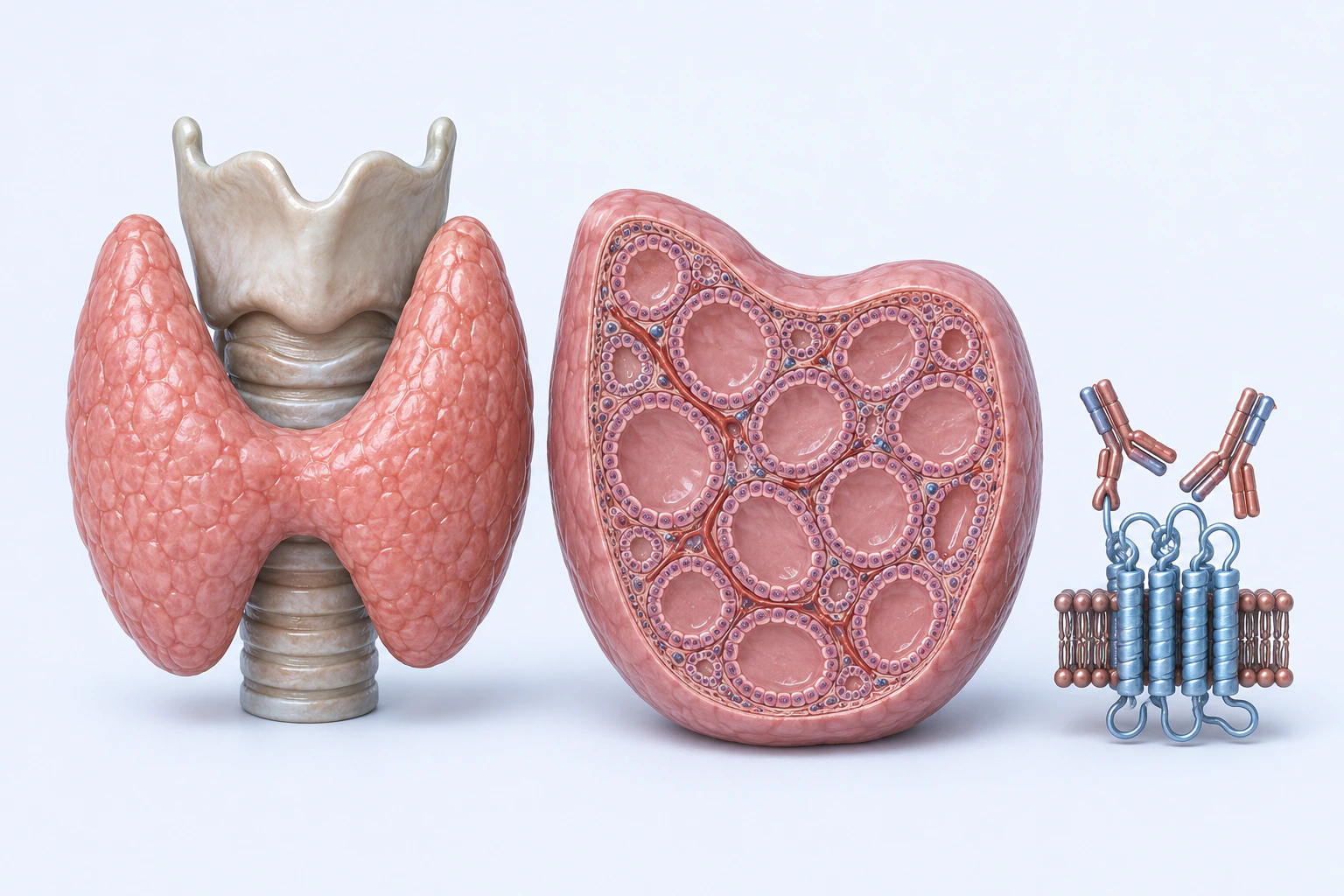
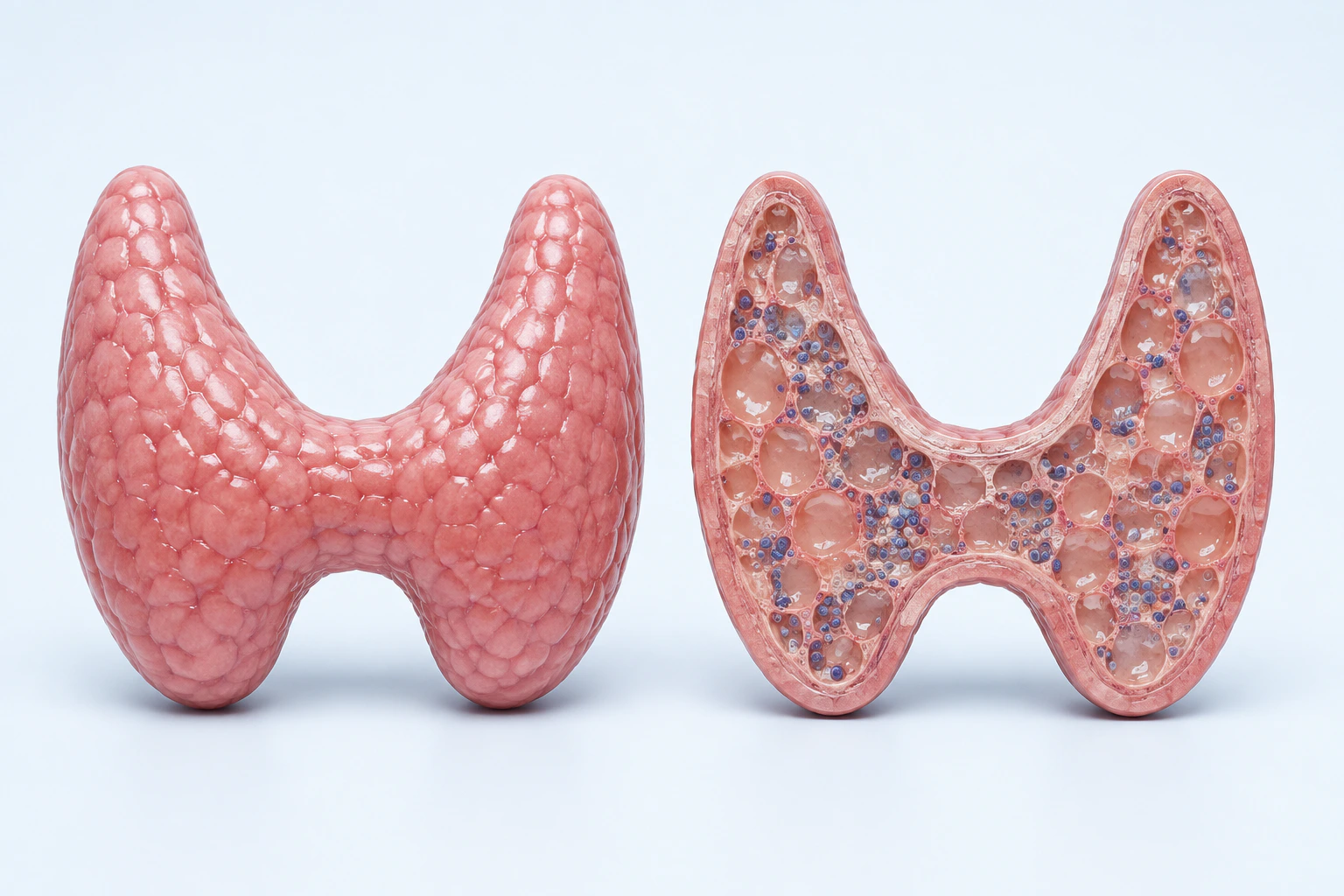
Autoimmune thyroid diseases (AITDs) -- hashimotos thyroiditis and graves disease -- are the most common organ-specific autoimmune conditions, affecting 5-10% of the global population. The thyroid gland sits at a remarkable intersection of metal biology and immune regula…
Tryptophan (Trp) is an essential amino acid metabolized via three competing pathways: the kynurenine pathway, the serotonin pathway, and the microbial indole pathway. The balance among these pathways is profoundly influenced by the gut microbiome, inflammation, and meta…
This knowledge-base record is being expanded from WikiBiome’s evidence graph.
A chronic inflammatory bowel disease characterized by continuous mucosal inflammation of the colon, extending proximally from the rectum. Unlike crohns disease, UC is limited to the colon, affects only the mucosa/submucosa (not transmural), produces no skip lesions, and…
Research summary — not medical advice. This page synthesizes published research on a mechanism-level intervention. It is not a clinical recommendation. Consult a qualified healthcare provider before making any changes to diet, supplementation, or treatment.
This knowledge-base record is being expanded from WikiBiome’s evidence graph.
A protein (pre-haptoglobin-2) that reversibly modulates tight junction permeability in the intestinal epithelium. Identified by Alessio Fasano in 2000, zonulin is the only known physiological regulator of intestinal paracellular permeability and has become the most wide…