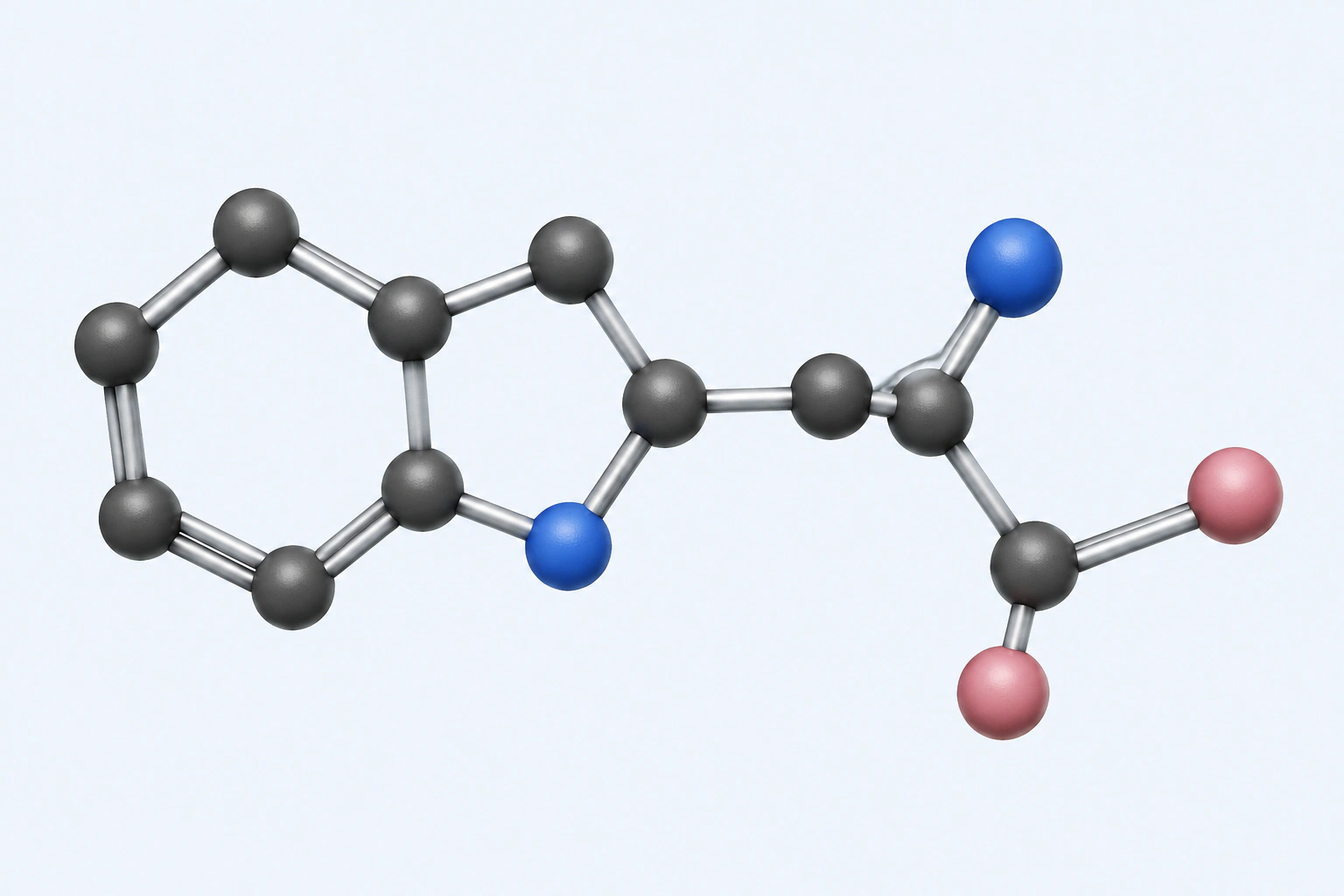
Kynurenine
This knowledge-base record is being expanded from WikiBiome’s evidence graph.
WikiBiomeThe human microbiome encyclopediaRanked matches across titles, topics, categories, and article introductions.
This knowledge-base record is being expanded from WikiBiome’s evidence graph.
The kynurenine pathway (KP) is the dominant route of tryptophan catabolism, accounting for approximately 95% of dietary tryptophan degradation. It produces a cascade of neuroactive, immunomodulatory, and potentially neurotoxic metabolites whose balance determines whethe…
Cerebral palsy (CP) is the most common motor disability in childhood, affecting 2-3 per 1,000 live births allen 2021 multi organ dysfunction cerebral palsy. Characterized by non-progressive disturbances in movement and posture arising from injury to the developing brain…
Depression is the most prevalent mental health disorder globally, affecting over 280 million people zhu 2025 microbiota gut brain axis depression review, and one of the most metal-sensitive conditions in this wiki. It sits at the convergence of nearly every pathway cata…
This knowledge-base record is being expanded from WikiBiome’s evidence graph.
Alphabetical definitions of specialist terms used throughout this wiki. Where a full concept page exists, the term links to it. --- AhR (aryl hydrocarbon receptor) -- A ligand-activated transcription factor that senses microbial metabolites (especially indoles from tryp…
This knowledge-base record is being expanded from WikiBiome’s evidence graph.
Microbial tryptophan metabolites produced by gut bacteria through the third branch of tryptophan metabolism -- the indole pathway. Unlike the host-dominated kynurenine pathway (~95% of Trp) and the serotonin pathway (~1-2%), the indole pathway is exclusively microbial a…
Major depressive disorder (MDD) is a psychiatric condition characterized by persistent depressed mood, anhedonia, and cognitive/somatic symptoms. In the WikiBiome framework, MDD is a paradigm case for the gut brain axis: gut dysbiosis drives systemic inflammation and ne…
Small molecules produced, modified, or activated by gut microbiota that function as the primary chemical language between the microbiome and its host. These metabolites are not passive byproducts — they regulate gene expression, immune cell differentiation, gut barrier …
This knowledge-base record is being expanded from WikiBiome’s evidence graph.
Premenstrual Dysphoric Disorder (PMDD) affects 3-8% of menstruating individuals Epperson et al. 2012, causing severe mood disturbances, irritability, anxiety, and physical symptoms during the luteal phase of the menstrual cycle. Distinguished from premenstrual syndrome …
This knowledge-base record is being expanded from WikiBiome’s evidence graph.
A severe neuropsychiatric disorder affecting approximately 1% of the global population, characterized by positive symptoms (hallucinations, delusions), negative symptoms (anhedonia, social withdrawal, flat affect), and cognitive deficits. Life expectancy is reduced by 1…
Harm potential: YELLOW — True iron deficiency anemia requires supplementation regardless of inflammatory state.
Tryptophan (Trp) is an essential amino acid that the human body cannot synthesize and must obtain from diet. It occupies a uniquely important position at the intersection of neuroscience, immunology, and microbial ecology because it is the sole precursor to serotonin, a…
Tryptophan (Trp) is an essential amino acid metabolized via three competing pathways: the kynurenine pathway, the serotonin pathway, and the microbial indole pathway. The balance among these pathways is profoundly influenced by the gut microbiome, inflammation, and meta…