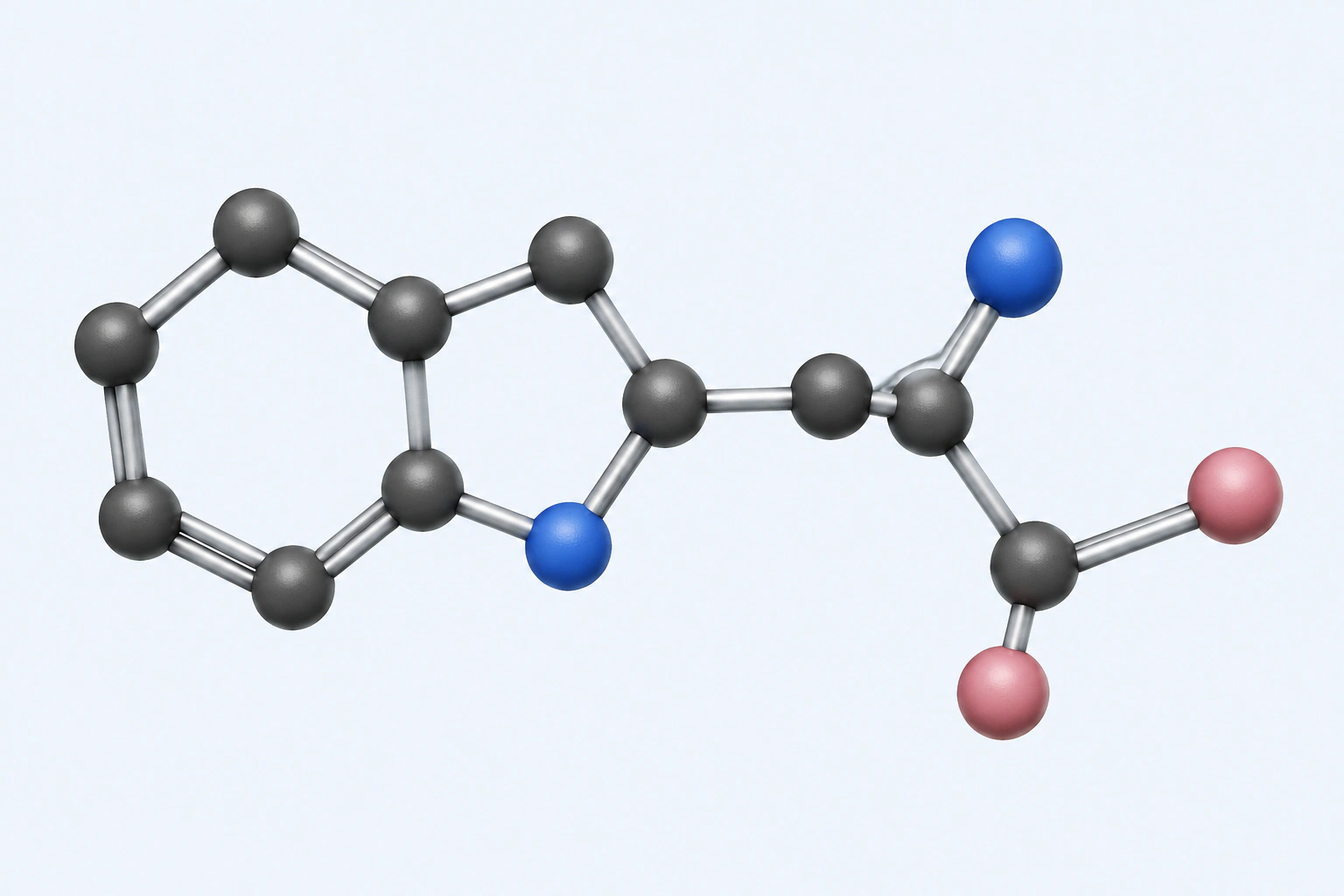
Indole and Indole Derivatives
This knowledge-base record is being expanded from WikiBiome’s evidence graph.
WikiBiomeThe human microbiome encyclopediaRanked matches across titles, topics, categories, and article introductions.
This knowledge-base record is being expanded from WikiBiome’s evidence graph.
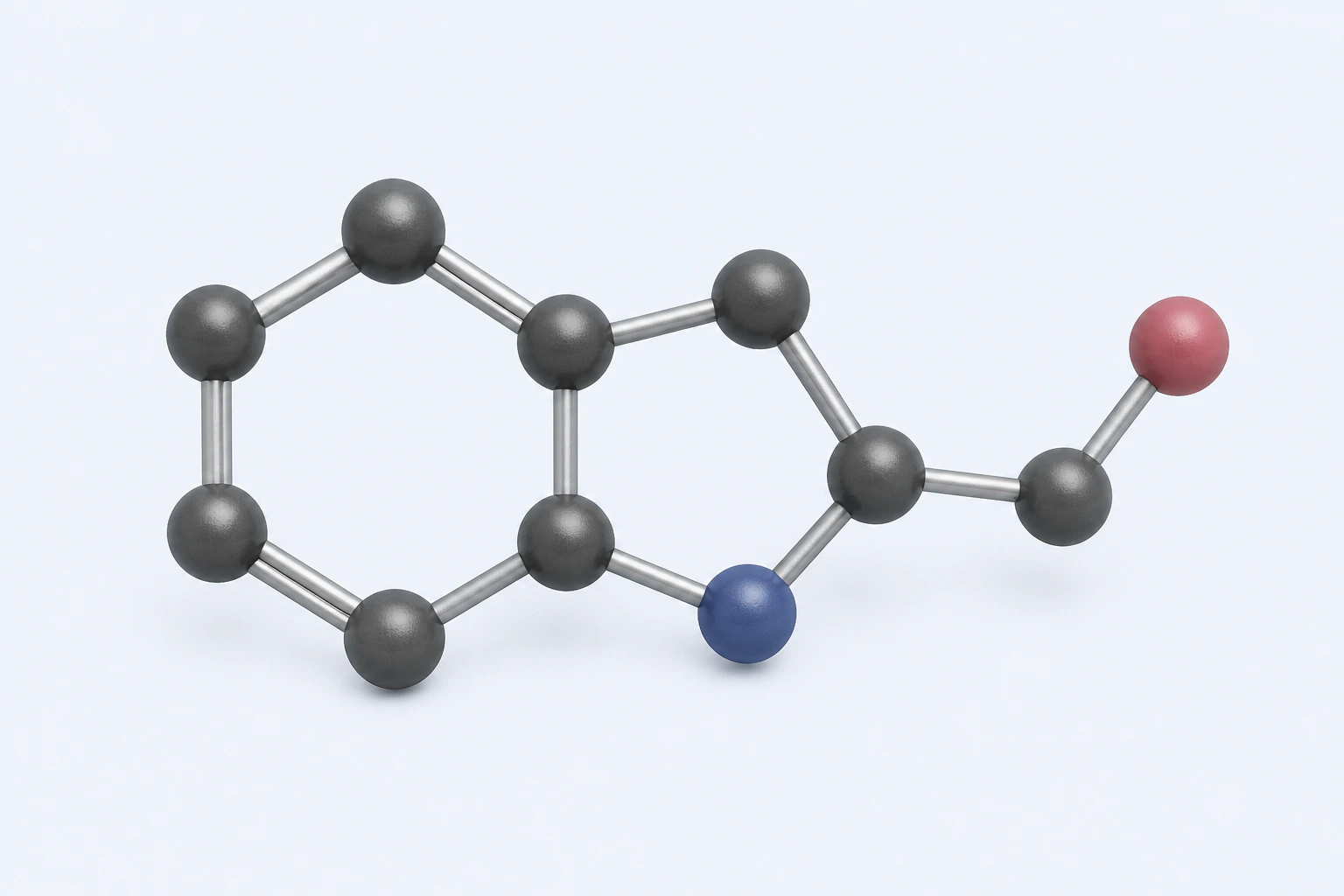
Microbial tryptophan metabolites produced by gut bacteria through the third branch of tryptophan metabolism -- the indole pathway. Unlike the host-dominated kynurenine pathway (~95% of Trp) and the serotonin pathway (~1-2%), the indole pathway is exclusively microbial a…
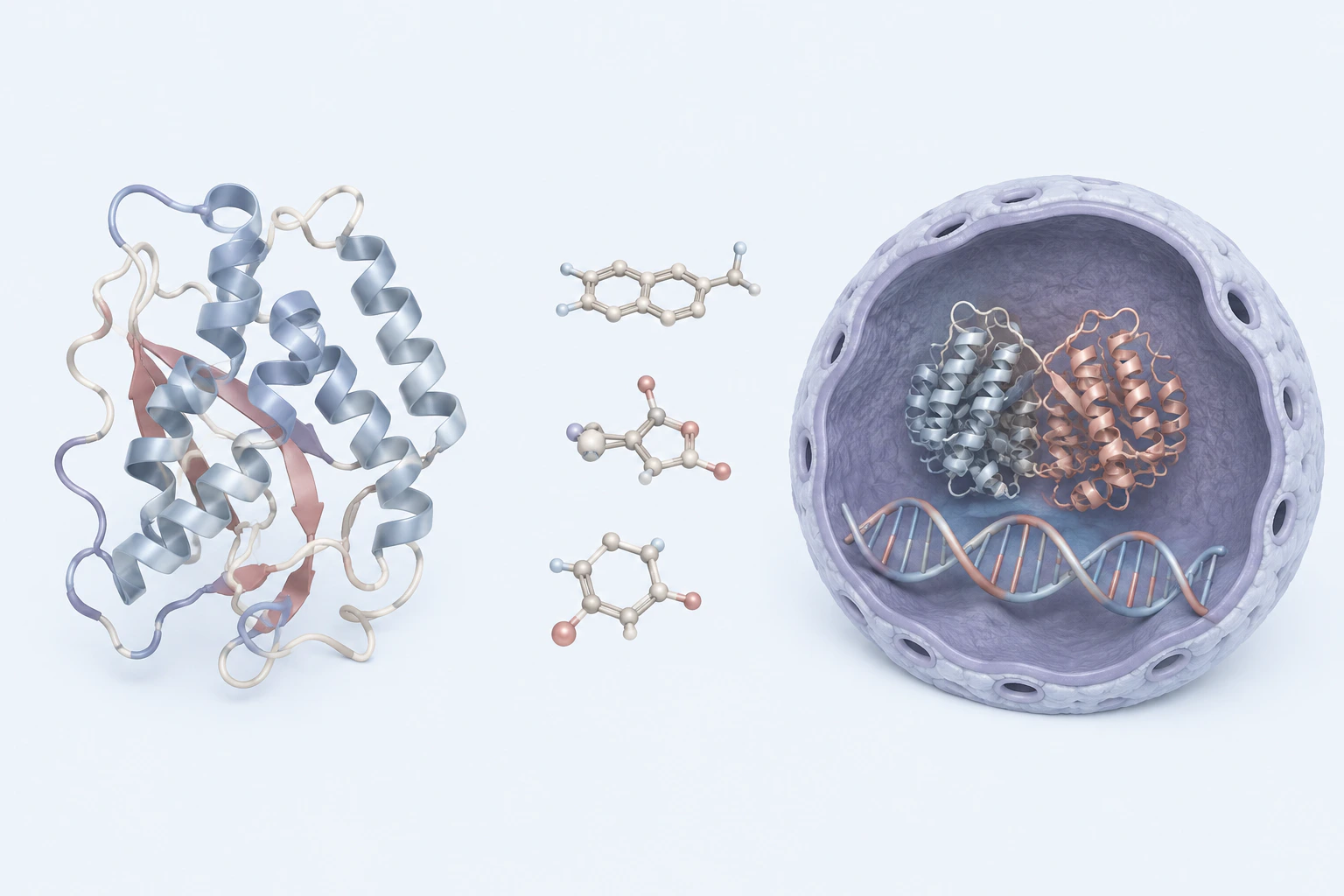
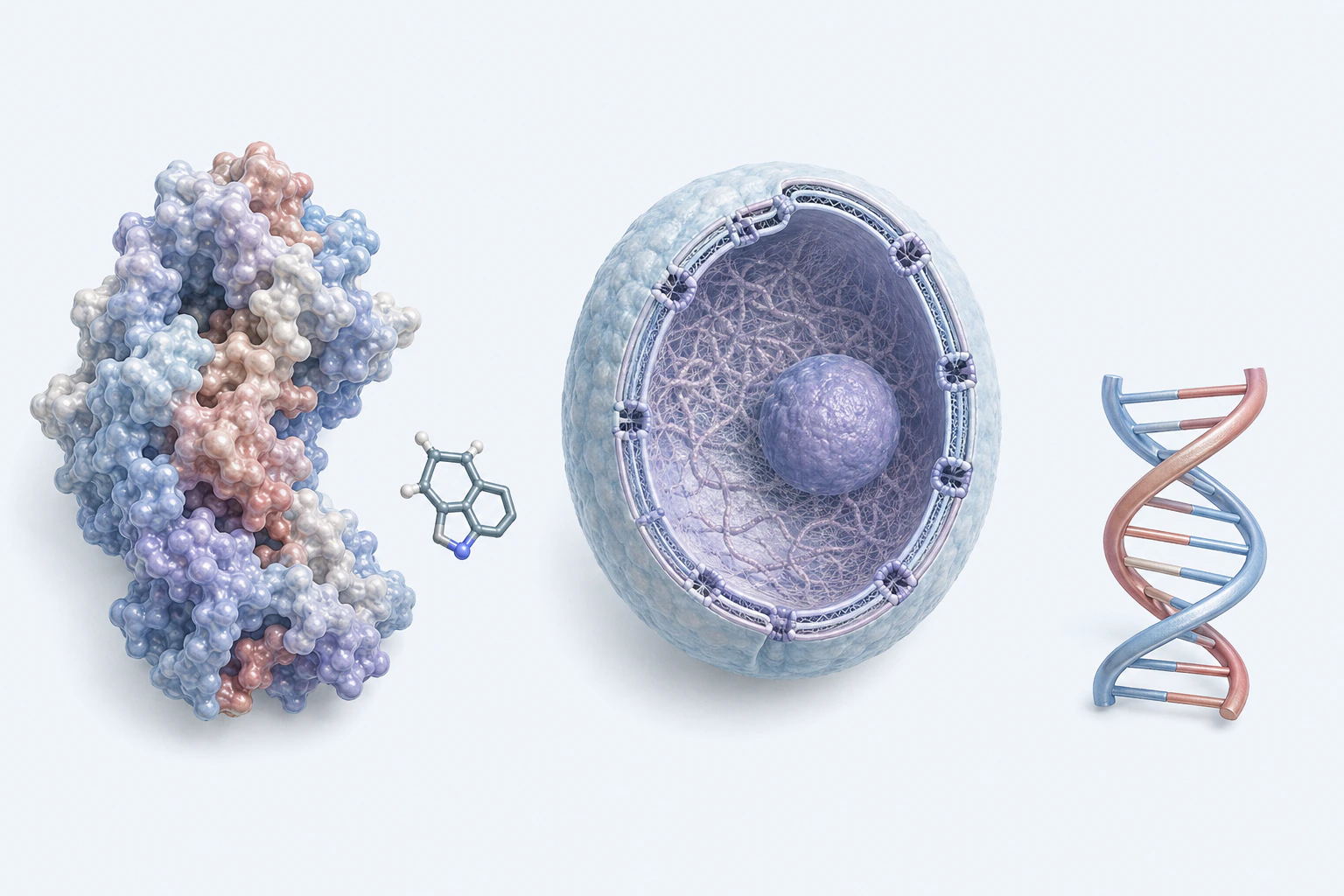
The aryl hydrocarbon receptor (AhR) is a ligand-activated transcription factor that functions as a master sensor at the intersection of gut microbial metabolism, environmental chemical exposure, and immune regulation. It is expressed broadly across immune cells, intesti…
This page serves as a cross-reference point for the existing ahr concept page, which provides comprehensive coverage of AhR signaling, microbiome-derived ligands, and immune regulation. The aryl hydrocarbon receptor is a ligand-activated transcription factor that integr…
Alphabetical definitions of specialist terms used throughout this wiki. Where a full concept page exists, the term links to it. --- AhR (aryl hydrocarbon receptor) -- A ligand-activated transcription factor that senses microbial metabolites (especially indoles from tryp…
The community of trillions of microorganisms — bacteria, archaea, fungi (mycobiome), viruses, and bacteriophages — inhabiting the human gastrointestinal tract, with the highest density in the colon (~10¹¹ cells/g). The gut microbiome encodes 100–150 times more genes tha…
Haemophilus is a genus of small, Gram-negative, facultatively anaerobic coccobacilli that inhabit the upper respiratory tract, oral cavity, and gastrointestinal tract. The genus name literally means "blood-loving" -- a direct reference to its absolute requirement for he…
Indoxyl sulfate (IS) is a protein-bound uremic toxin produced through a two-step process: gut bacteria convert dietary tryptophan to indole, which is then absorbed and sulfated by hepatic sulfotransferases (SULT1A1). IS exemplifies how dysbiosis-driven metabolite overpr…
This knowledge-base record is being expanded from WikiBiome’s evidence graph.
Small molecules produced, modified, or activated by gut microbiota that function as the primary chemical language between the microbiome and its host. These metabolites are not passive byproducts — they regulate gene expression, immune cell differentiation, gut barrier …
Tryptophan (Trp) is an essential amino acid that the human body cannot synthesize and must obtain from diet. It occupies a uniquely important position at the intersection of neuroscience, immunology, and microbial ecology because it is the sole precursor to serotonin, a…
Tryptophan (Trp) is an essential amino acid metabolized via three competing pathways: the kynurenine pathway, the serotonin pathway, and the microbial indole pathway. The balance among these pathways is profoundly influenced by the gut microbiome, inflammation, and meta…