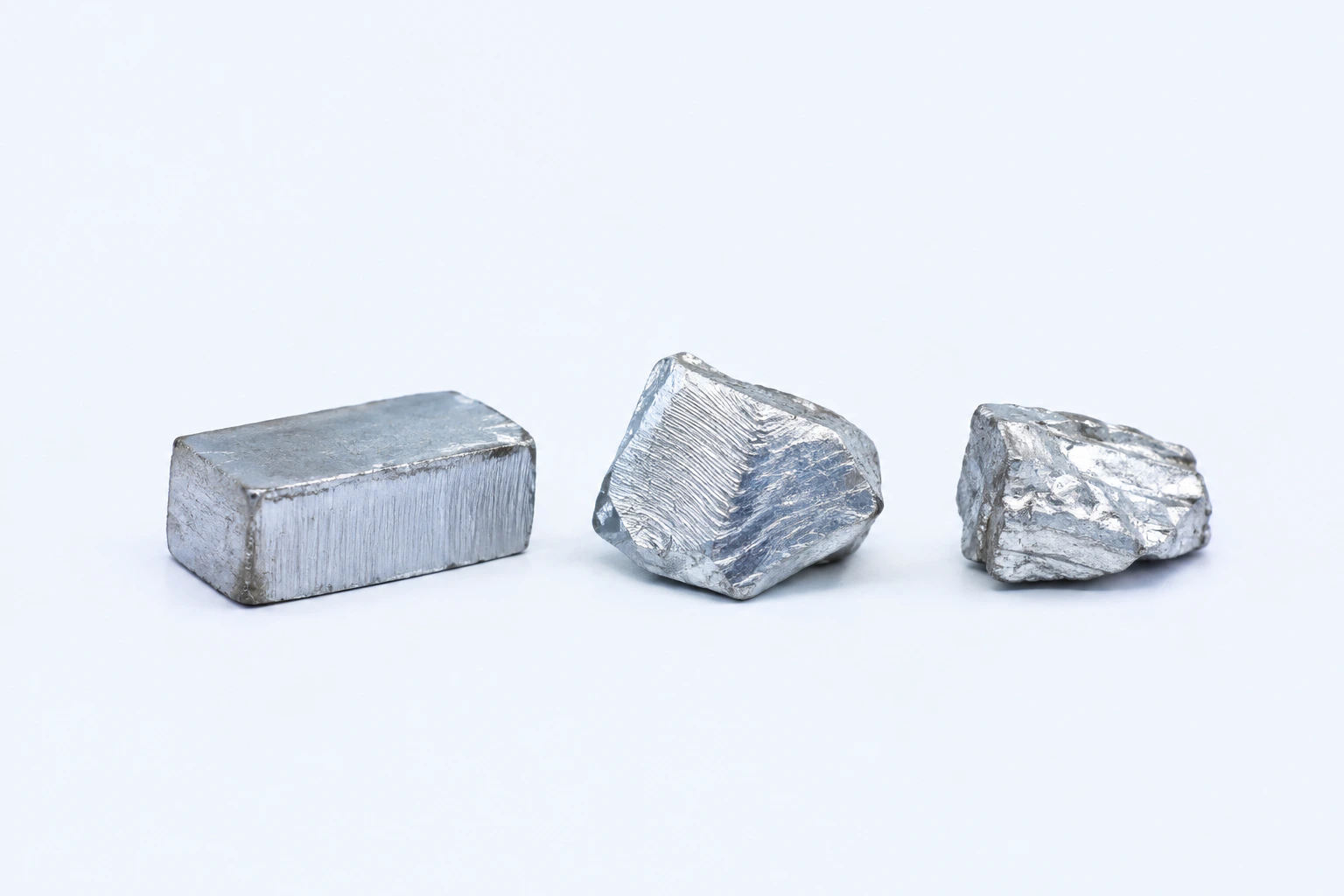
Cadmium
This knowledge-base record is being expanded from WikiBiome’s evidence graph.
WikiBiomeThe human microbiome encyclopediaRanked matches across titles, topics, categories, and article introductions.
This knowledge-base record is being expanded from WikiBiome’s evidence graph.
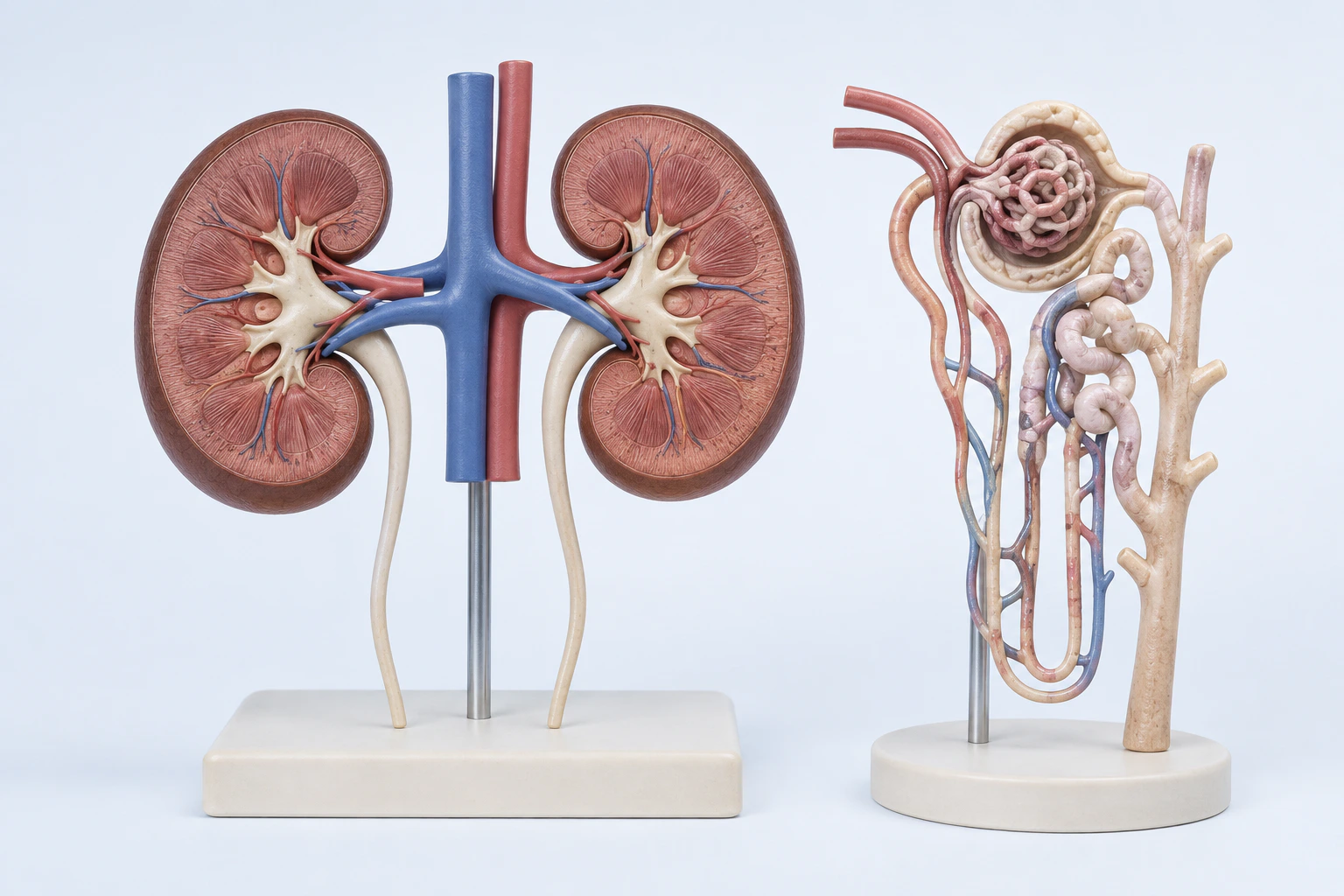
A progressive loss of kidney function affecting approximately 850 million people worldwide (10–14% of adults), causing 1.2 million deaths annually. CKD is unique among diseases in this wiki because it occupies both sides of the metal-disease equation: heavy metals (Cd, …
Indoxyl sulfate (IS) is a protein-bound uremic toxin produced through a two-step process: gut bacteria convert dietary tryptophan to indole, which is then absorbed and sulfated by hepatic sulfotransferases (SULT1A1). IS exemplifies how dysbiosis-driven metabolite overpr…
Research summary -- not medical advice. This page synthesizes published research on why a commonly recommended intervention requires careful consideration in the context of cadmium exposure. Consult a qualified healthcare provider before making changes to supplementatio…
This knowledge-base record is being expanded from WikiBiome’s evidence graph.
One of the most toxic metals known to biology, thallium earns its reputation through a deceptively simple trick: it masquerades as potassium. With an ionic radius (1.50 A) nearly identical to K+ (1.38 A) and a +1 charge, thallium enters cells through potassium channels …
<!-- Auto-created stub from Rule 13 scope discovery. 4 source pages mention this metal. Awaiting content expansion. --
Uremic toxins are metabolic waste products that accumulate in the blood when kidney function declines. A striking proportion of the most clinically significant uremic toxins are produced not by human metabolism but by the gut microbiome -- making the gut-kidney axis a c…