Mis-Metallation
This knowledge-base record is being expanded from WikiBiome’s evidence graph.
WikiBiomeThe human microbiome encyclopediaRanked matches across titles, topics, categories, and article introductions.
This knowledge-base record is being expanded from WikiBiome’s evidence graph.
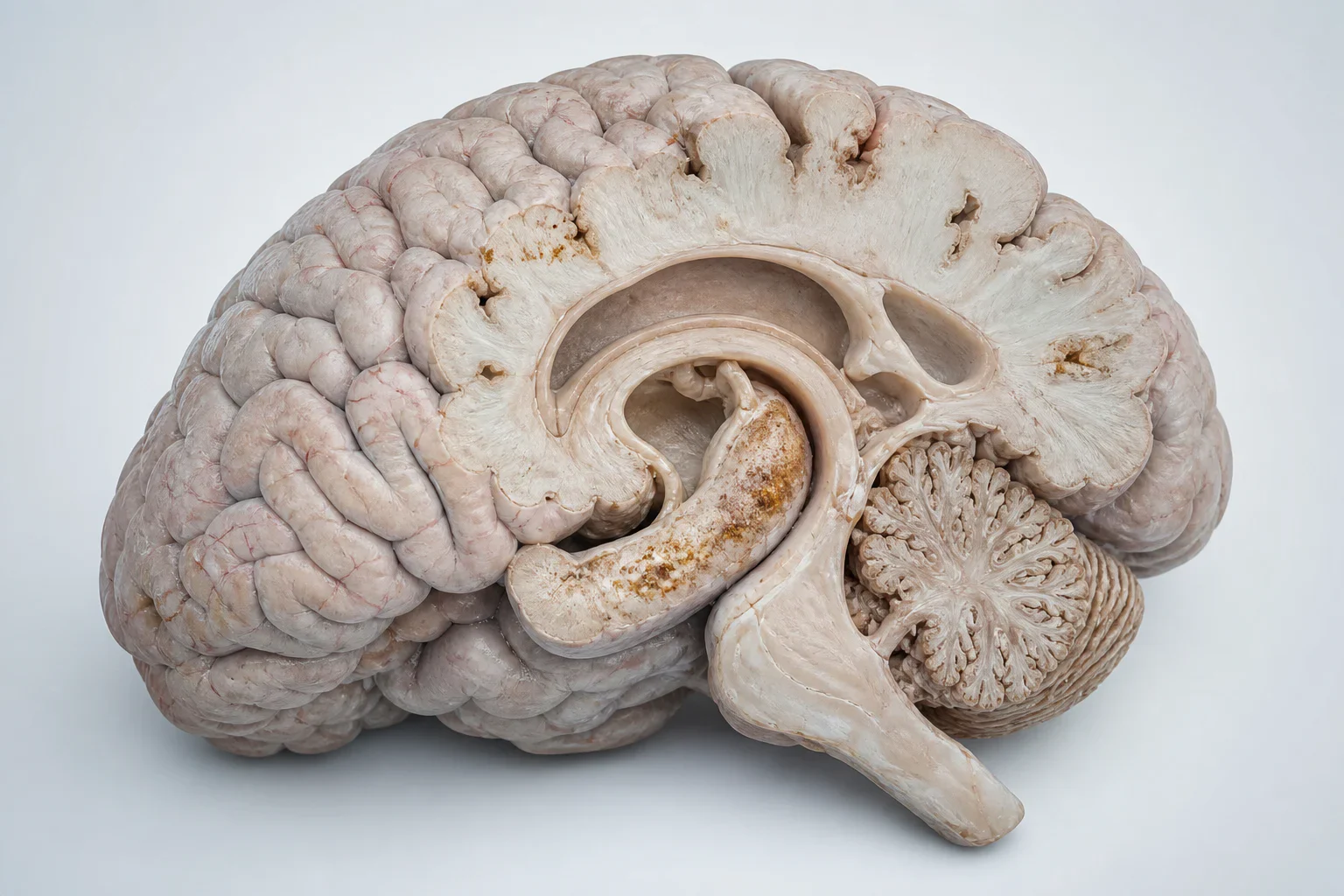
The most common form of dementia, affecting an estimated 55 million people worldwide and projected to triple by 2050 zhang 2024 recent advances alzheimers mechanisms trials. Characterized by progressive memory loss, cognitive decline, amyloid-beta plaques, and neurofibr…
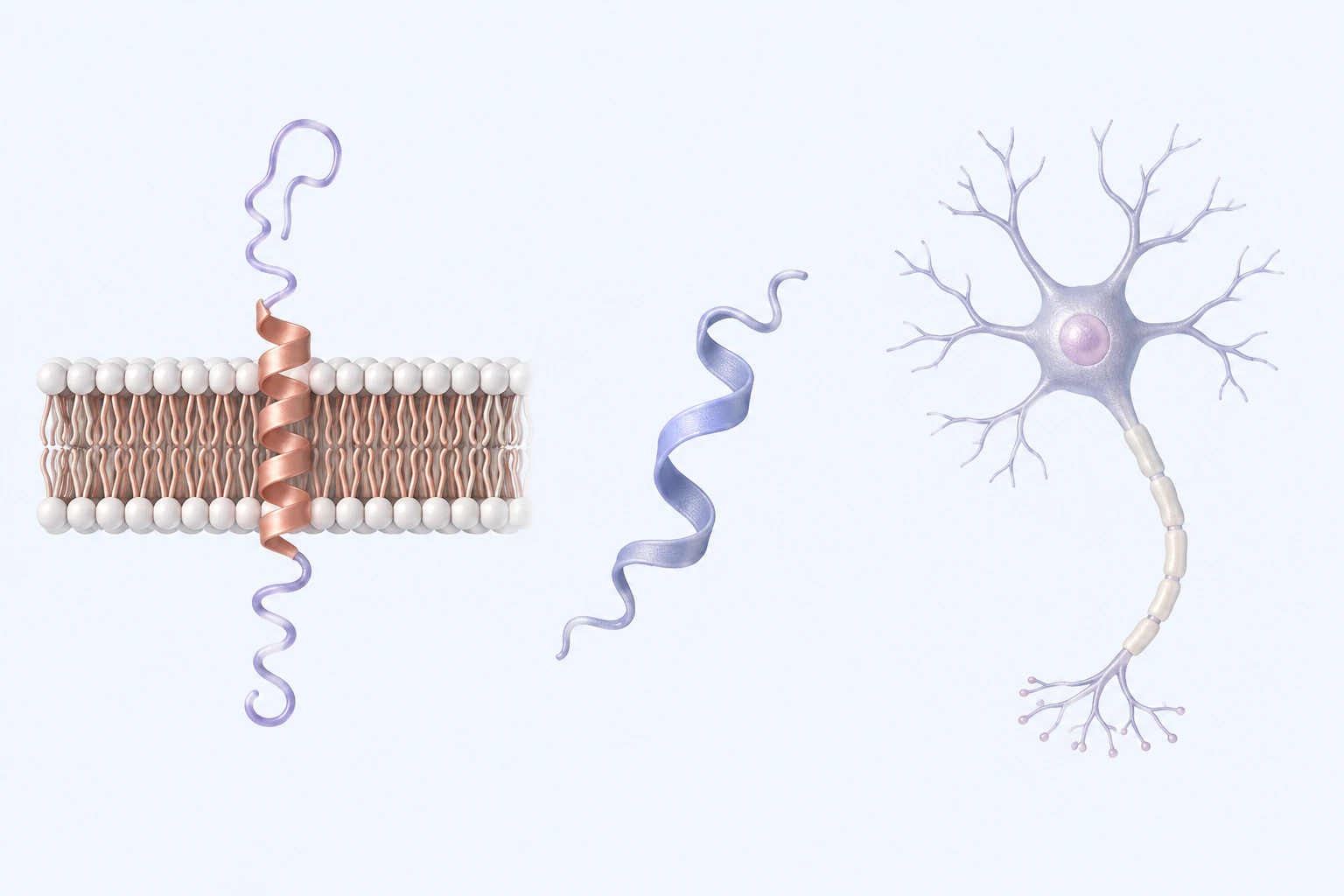
Amyloid-beta (Aβ) is a 36–43 amino acid peptide derived from the proteolytic cleavage of amyloid precursor protein (APP) by beta-secretase (BACE1) and gamma-secretase. Its aggregation from soluble monomers into insoluble fibrillar plaques in the brain is the defining ne…
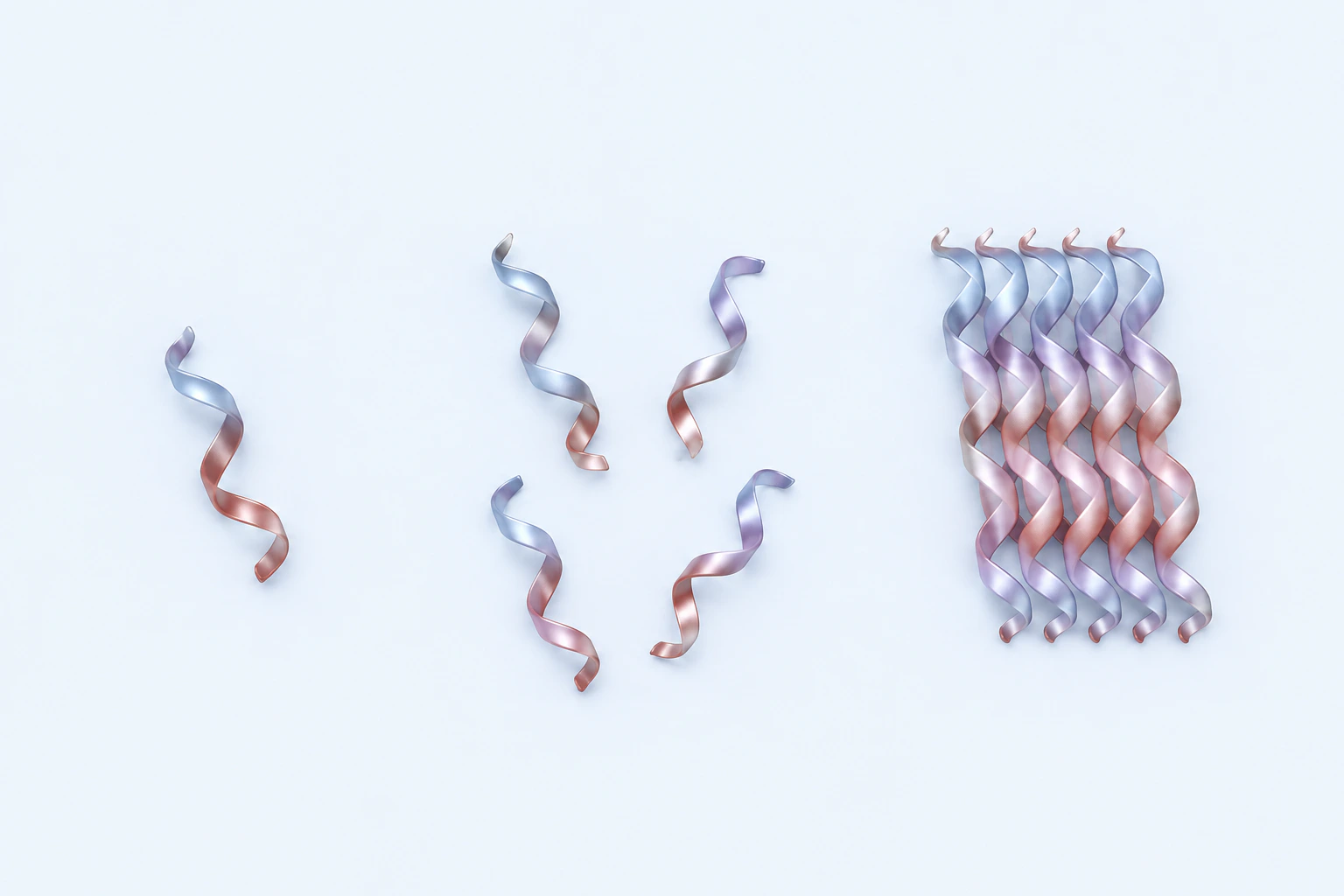
The process by which soluble amyloid-beta (Aβ) monomers assemble into neurotoxic oligomers and insoluble fibrillar plaques in the brain -- the defining neuropathological event of alzheimers disease. What distinguishes WikiBiome's treatment of this process from conventio…
This knowledge-base record is being expanded from WikiBiome’s evidence graph.
A neurodevelopmental condition affecting approximately 1 in 36 children (US CDC 2023 estimate), characterized by differences in social communication, restricted interests, and repetitive behaviors. From a metallomics perspective, ASD presents a compelling convergence of…
This knowledge-base record is being expanded from WikiBiome’s evidence graph.
The most abundant mineral in the human body, with ~99% stored in bones and teeth. Calcium's biological significance extends far beyond structural support -- it is the universal second messenger in cell signaling, controlling neurotransmitter release, muscle contraction,…
This knowledge-base record is being expanded from WikiBiome’s evidence graph.
A haploid, asexual yeast and the second most common cause of invasive candidiasis after Candida albicans. Recently reclassified into the genus Nakaseomyces (as N. glabratus), though the name C. glabrata remains in widespread clinical use. Unlike C. albicans, C. glabrata…
This knowledge-base record is being expanded from WikiBiome’s evidence graph.
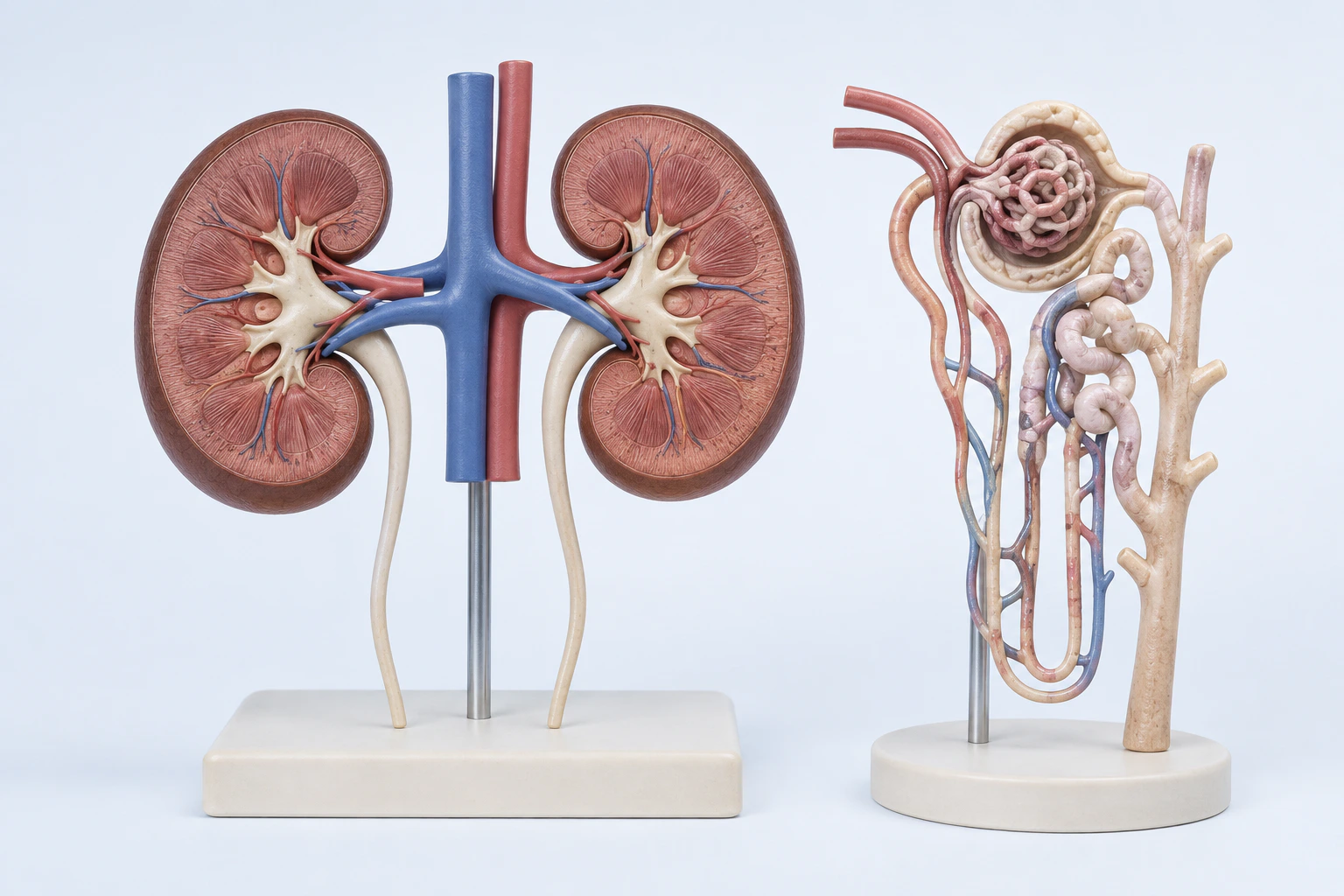
A progressive loss of kidney function affecting approximately 850 million people worldwide (10–14% of adults), causing 1.2 million deaths annually. CKD is unique among diseases in this wiki because it occupies both sides of the metal-disease equation: heavy metals (Cd, …
This knowledge-base record is being expanded from WikiBiome’s evidence graph.
An essential trace element with a striking dual nature: required for survival as a cofactor for critical enzymes (SOD1, cytochrome c oxidase, ceruloplasmin), yet toxic in excess through Fenton-like redox cycling and mis metallation of iron-sulfur clusters. Copper is ele…
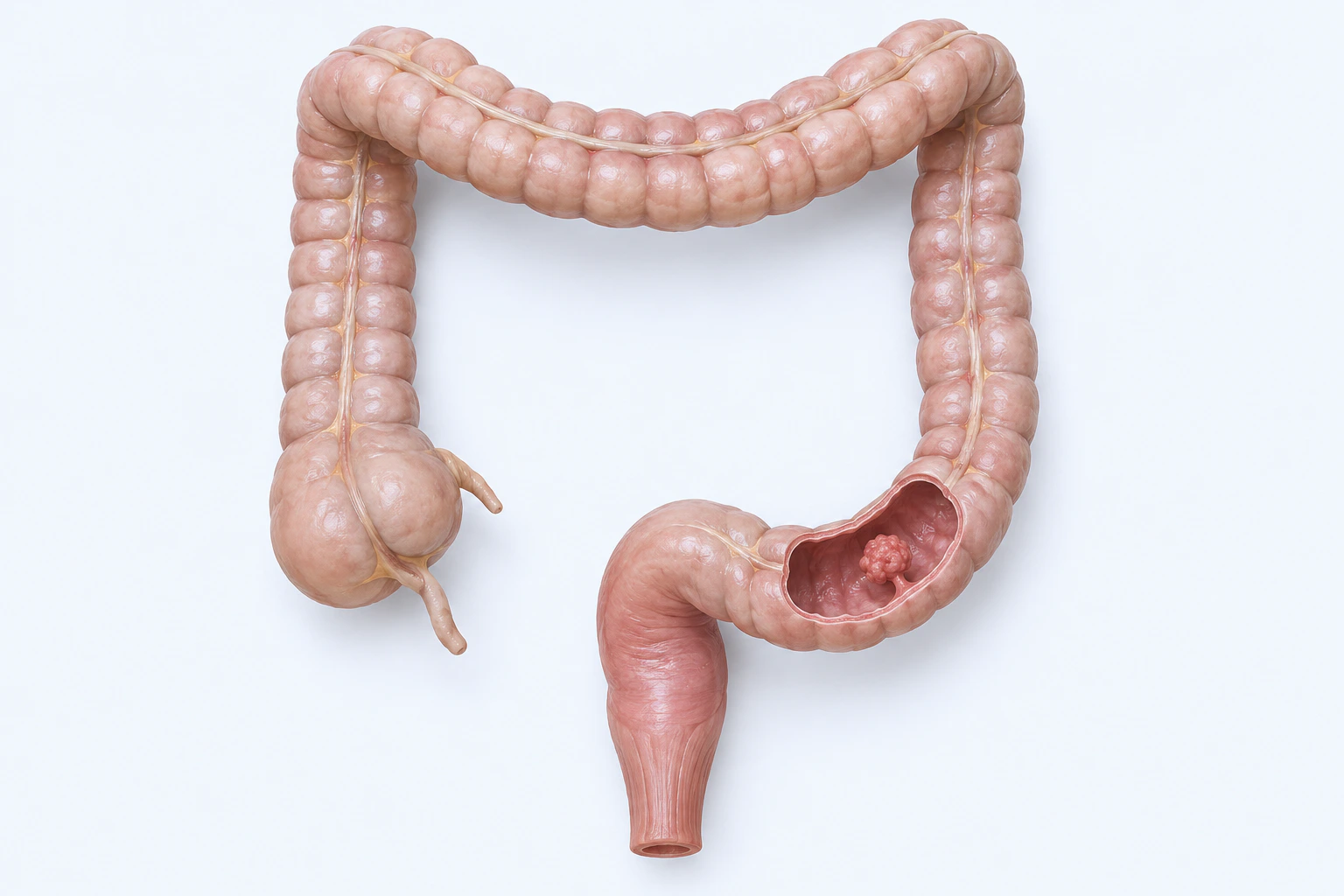
A chronic, relapsing-remitting inflammatory bowel disease (IBD) characterized by transmural inflammation of the gastrointestinal tract, most commonly affecting the terminal ileum and colon but capable of involving any segment from mouth to anus zhang 2017 intestinal mic…
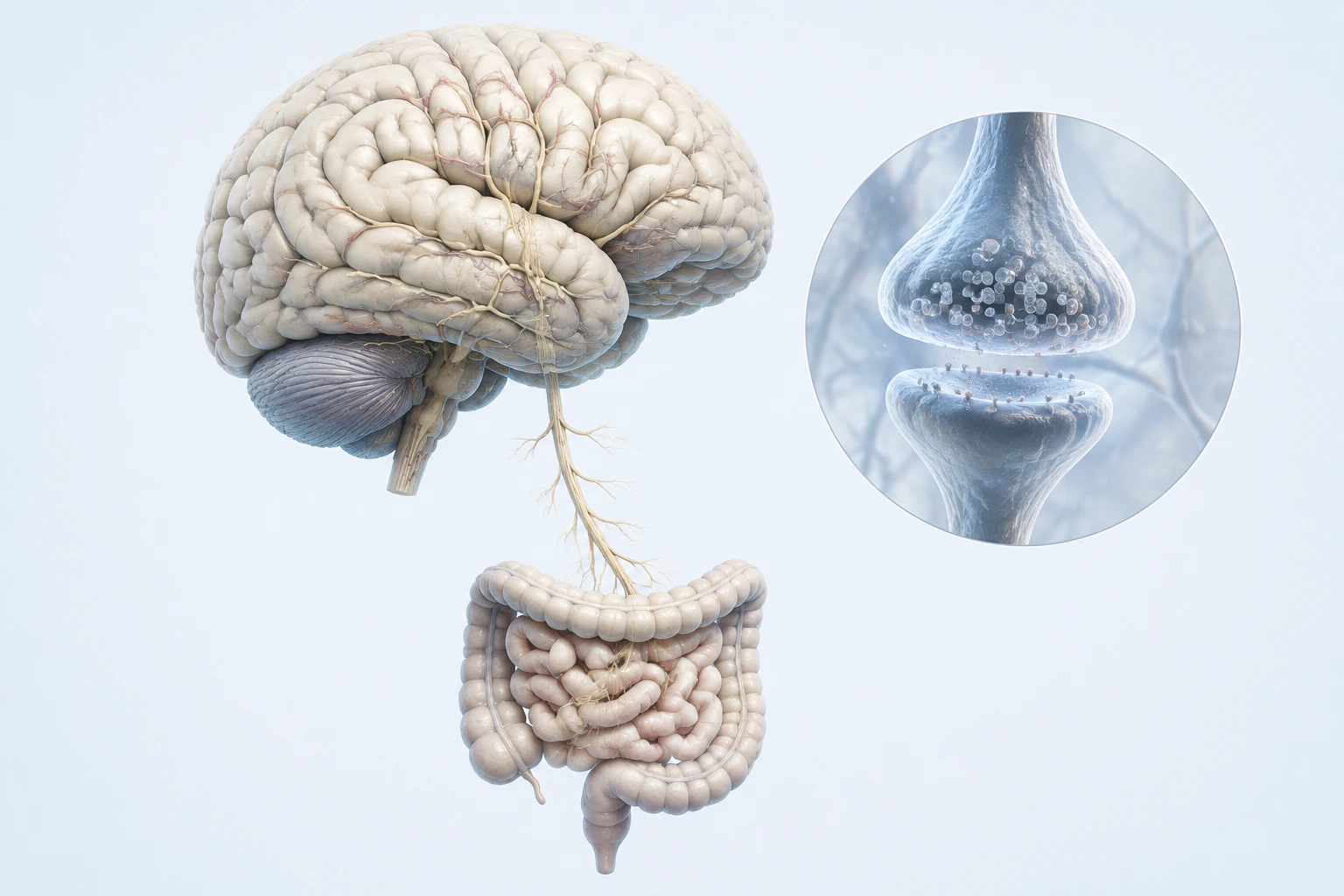
Depression is the most prevalent mental health disorder globally, affecting over 280 million people zhu 2025 microbiota gut brain axis depression review, and one of the most metal-sensitive conditions in this wiki. It sits at the convergence of nearly every pathway cata…
This page unifies the infant formula contamination, pregnancy complications, autism spectrum disorder, necrotizing enterocolitis, and neurodevelopmental toxicity threads around a single organizing insight: metal toxicity is disproportionately severe during specific deve…
lead (Pb) has no safe level of exposure. Unlike most dietary metals, lead does not play any known biological role — every atom absorbed represents toxic burden. While environmental lead exposure (paint, soil, air) has decreased dramatically since leaded gasoline phase-o…
The pathological disruption of normal metal homeostasis — the tightly regulated balance of essential trace elements (iron, zinc, copper, manganese, selenium, cobalt) and the effective exclusion of toxic metals (cadmium, lead, mercury, arsenic). Dyshomeostasis is a conve…
This knowledge-base record is being expanded from WikiBiome’s evidence graph.
A group 13 post-transition metal (atomic number 31) with no known biological function in any organism — yet one of the most promising antimicrobial metals precisely because of what it cannot do. Ga3+ is nearly identical to Fe3+ in ionic radius (0.62 Å vs 0.645 Å) and co…
This knowledge-base record is being expanded from WikiBiome’s evidence graph.
Alphabetical definitions of specialist terms used throughout this wiki. Where a full concept page exists, the term links to it. --- AhR (aryl hydrocarbon receptor) -- A ligand-activated transcription factor that senses microbial metabolites (especially indoles from tryp…
The third nickel-dependent enzyme class in human pathogens, after urease and hydrogenase. Glyoxalase I detoxifies methylglyoxal, a reactive and toxic byproduct of glycolysis. While less well-known than urease or hydrogenase as a virulence factor, GloI is emerging as a s…
This knowledge-base record is being expanded from WikiBiome’s evidence graph.
Heavy metals exert some of their most devastating effects on the nervous system. lead, mercury, and arsenic are the three metals with the most extensively documented neurotoxic mechanisms, but cadmium, manganese, aluminum, and nickel also contribute to neurological dama…
The most abundant transition metal in the human body and arguably the most consequential metal in biology. Iron sits at the center of a paradox that drives pathology across virtually every disease domain: organisms need it for oxygen transport, energy metabolism, DNA sy…
This knowledge-base record is being expanded from WikiBiome’s evidence graph.
A fundamental ordering of divalent transition metal ion binding affinities, established by Harry Irving and Robert Williams in 1953: Mg2+ < Mn2+ < Fe2+ < Co2+ < Ni2+ < Cu2+ Zn2+ This series holds for virtually all ligands and biological chelators. It means that copper b…
This knowledge-base record is being expanded from WikiBiome’s evidence graph.
Chelation therapy uses molecules with high affinity for specific metal ions to form stable, excretable complexes, removing toxic metals from the body. The word derives from Greek "chele" (claw) -- the chelator grips the metal ion at multiple coordination sites. While ch…
Specialized proteins that escort metal ions from their point of entry to specific metalloenzyme targets, ensuring correct metalation in a cytoplasm crowded with competing metal-binding sites. Metallochaperones solve a fundamental problem in metal biology: how does the r…
This knowledge-base record is being expanded from WikiBiome’s evidence graph.
A transition metal occupying a central position in this wiki's evidence base. Nickel is toxic and carcinogenic to humans, yet an essential cofactor for pathogen virulence enzymes. It is the most frequent contact allergen worldwide and drives a wide spectrum of systemic …
The strategy by which mammalian hosts withhold essential metals from invading pathogens to limit their growth. Well-established for iron and zinc; underexplored but potentially powerful for nickel.
A chronic metabolic condition affecting over 1 billion people globally, characterized by excess adipose tissue accumulation, systemic low-grade inflammation, and gut microbiome disruption pendergrass 2026 heavy metals obesity epidemic. From a metallomics perspective, ob…
This knowledge-base record is being expanded from WikiBiome’s evidence graph.
The second most common neurodegenerative disease, affecting over 10 million people worldwide dorsey 2018 parkinsons incidence meta analysis. Characterized by progressive loss of dopaminergic neurons in the substantia nigra, alpha-synuclein aggregation (Lewy bodies), and…
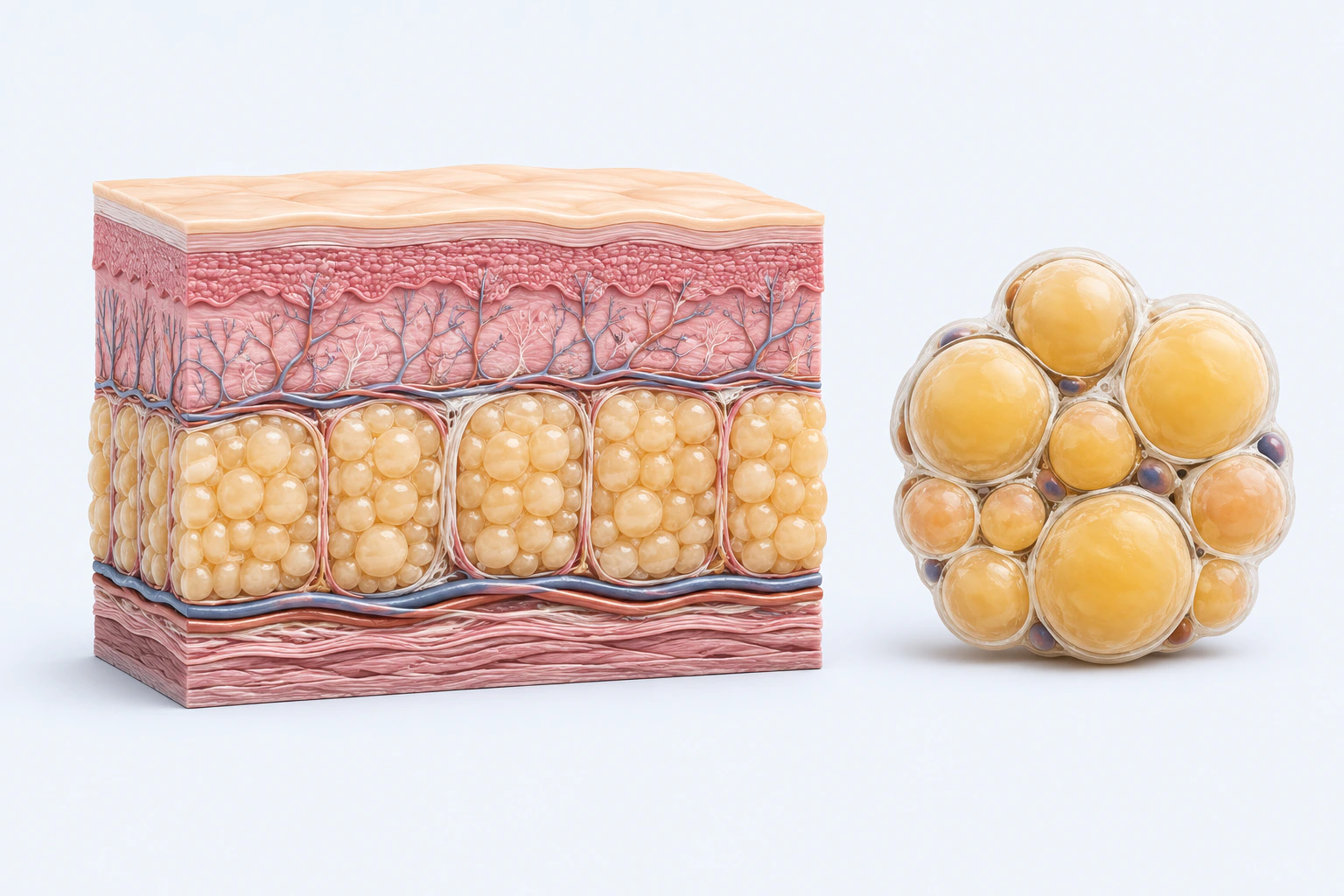
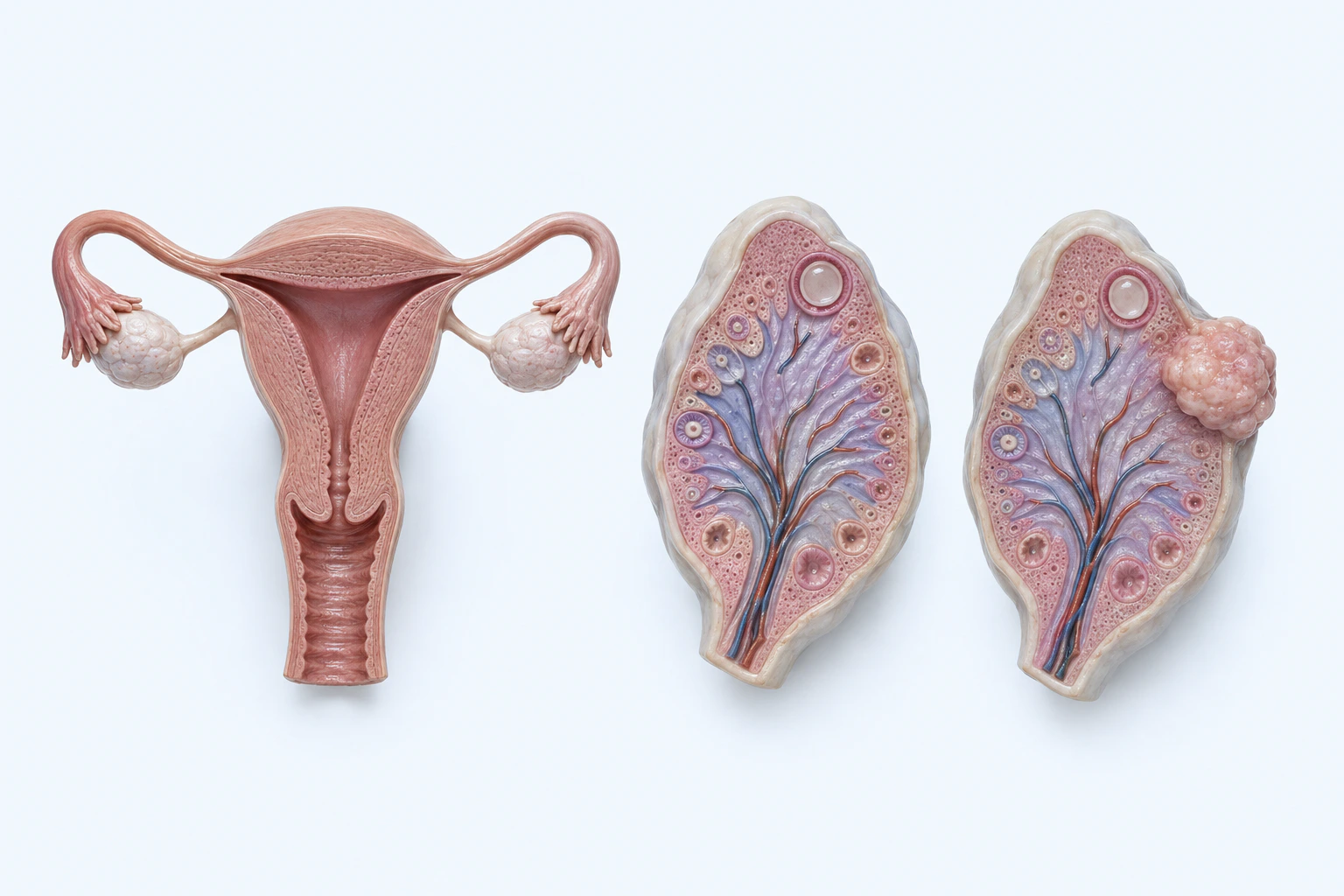
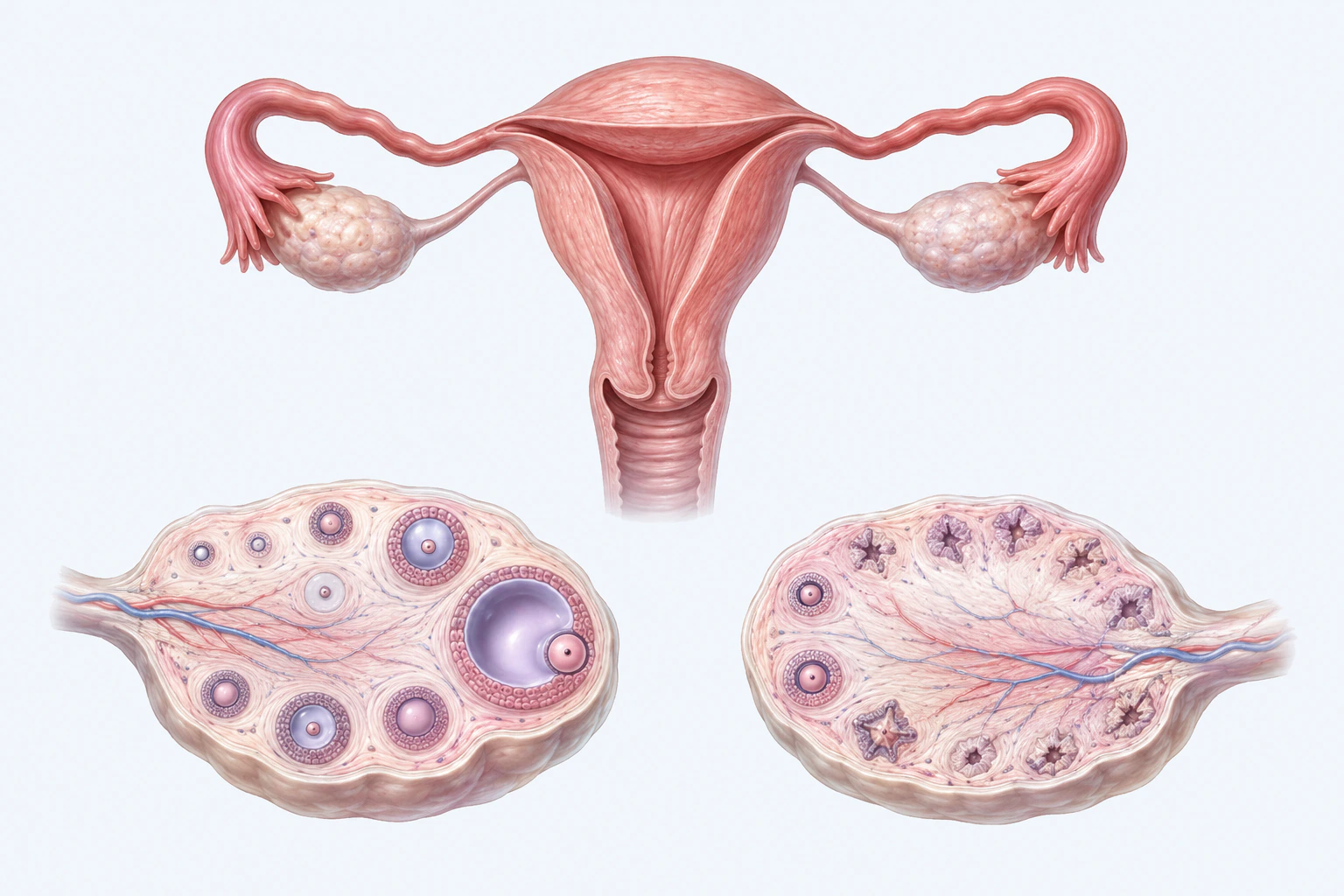
A metabolic-endocrine disorder affecting 6-20% of reproductive-age women worldwide, characterized by hyperandrogenism, oligo/anovulation, and polycystic ovary morphology (Rotterdam criteria) barrea 2019 mediterranean diet pcos. PCOS is the leading cause of anovulatory i…
A severe neuropsychiatric disorder affecting approximately 1% of the global population, characterized by positive symptoms (hallucinations, delusions), negative symptoms (anhedonia, social withdrawal, flat affect), and cognitive deficits. Life expectancy is reduced by 1…
A non-essential metal with a 5,000-year history of antimicrobial use, silver has re-emerged as a critical tool in the post-antibiotic era. What makes silver particularly interesting from a metallomics perspective is not that it kills bacteria -- many metals do -- but ho…
Research summary -- not medical advice. This page synthesizes published research on why a commonly recommended intervention requires careful consideration in the context of cadmium exposure. Consult a qualified healthcare provider before making changes to supplementatio…
This knowledge-base record is being expanded from WikiBiome’s evidence graph.