Antimicrobial Metals
This knowledge-base record is being expanded from WikiBiome’s evidence graph.
WikiBiomeThe human microbiome encyclopediaRanked matches across titles, topics, categories, and article introductions.
This knowledge-base record is being expanded from WikiBiome’s evidence graph.
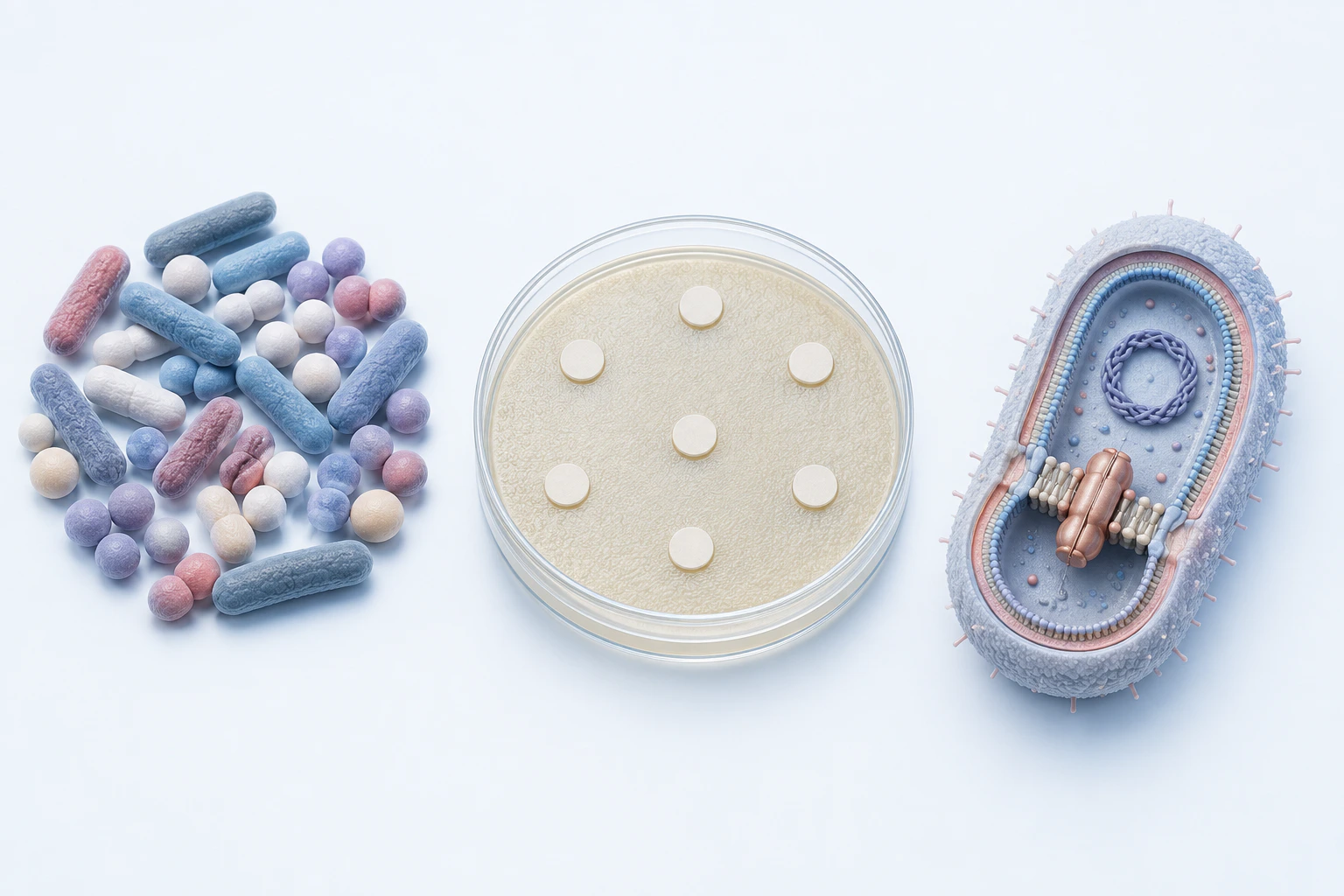
The ability of microorganisms to survive and replicate in the presence of antimicrobial agents — antibiotics, antifungals, antivirals, antiparasitic drugs — at concentrations that would normally inhibit or kill them. Antimicrobial resistance (AMR) is designated by the W…
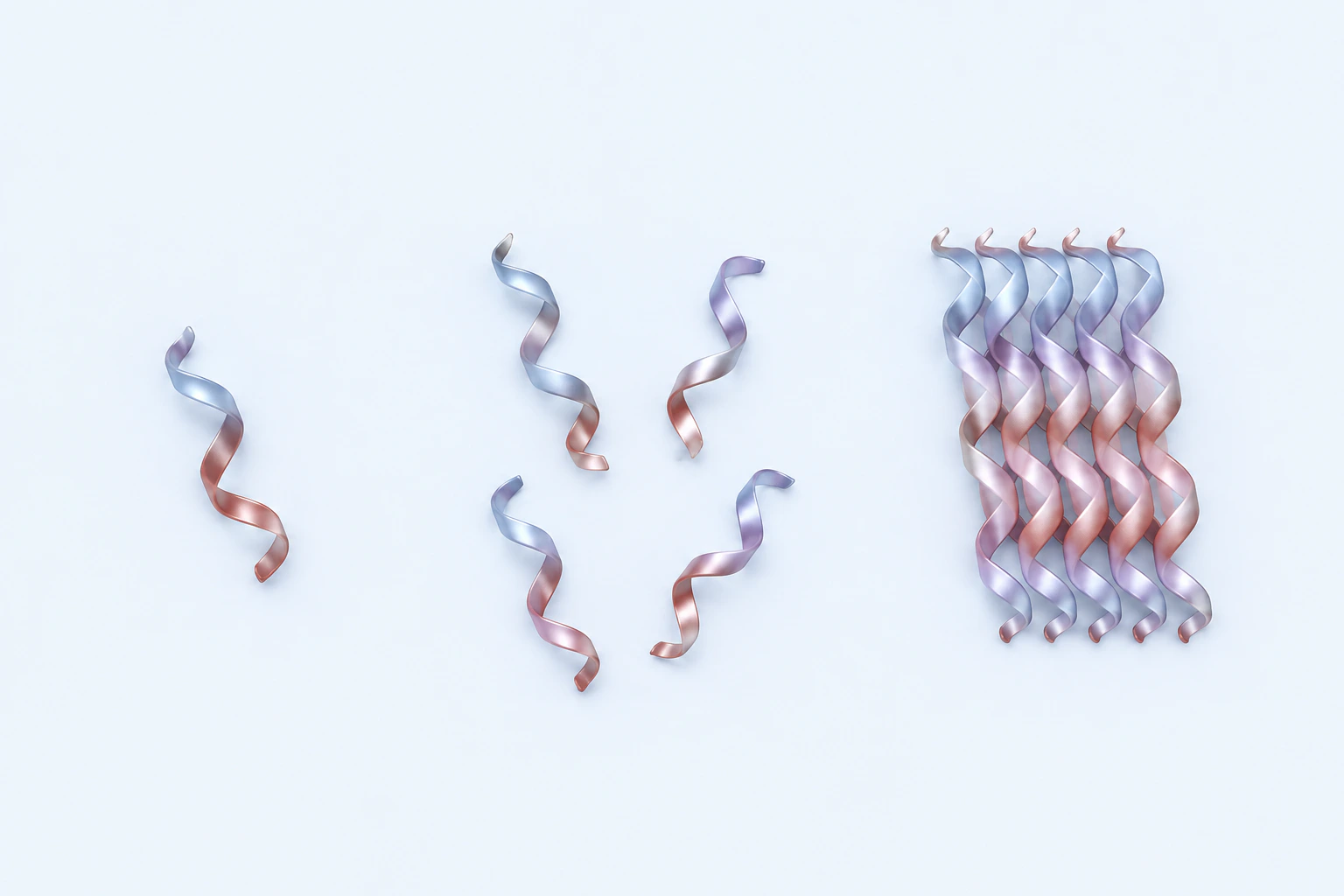
Amyloid-beta (Aβ) is a 36–43 amino acid peptide derived from the proteolytic cleavage of amyloid precursor protein (APP) by beta-secretase (BACE1) and gamma-secretase. Its aggregation from soluble monomers into insoluble fibrillar plaques in the brain is the defining ne…
The process by which soluble amyloid-beta (Aβ) monomers assemble into neurotoxic oligomers and insoluble fibrillar plaques in the brain -- the defining neuropathological event of alzheimers disease. What distinguishes WikiBiome's treatment of this process from conventio…
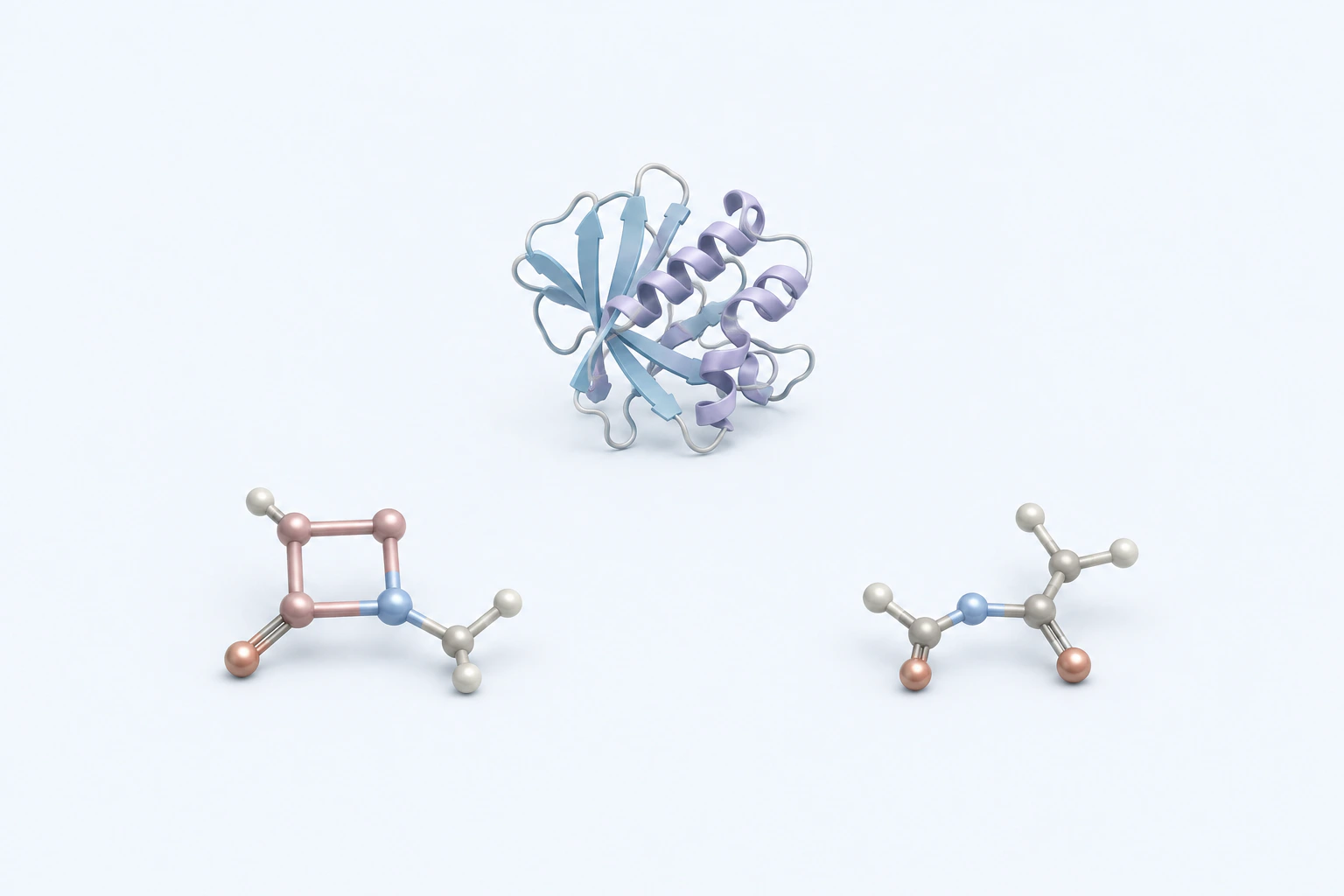
Beta-lactamases are bacterial enzymes that hydrolyze the beta-lactam ring of penicillins, cephalosporins, and carbapenems, rendering them inactive. They are the most common mechanism of antibiotic resistance and a central concern in the antimicrobial resistance crisis. …
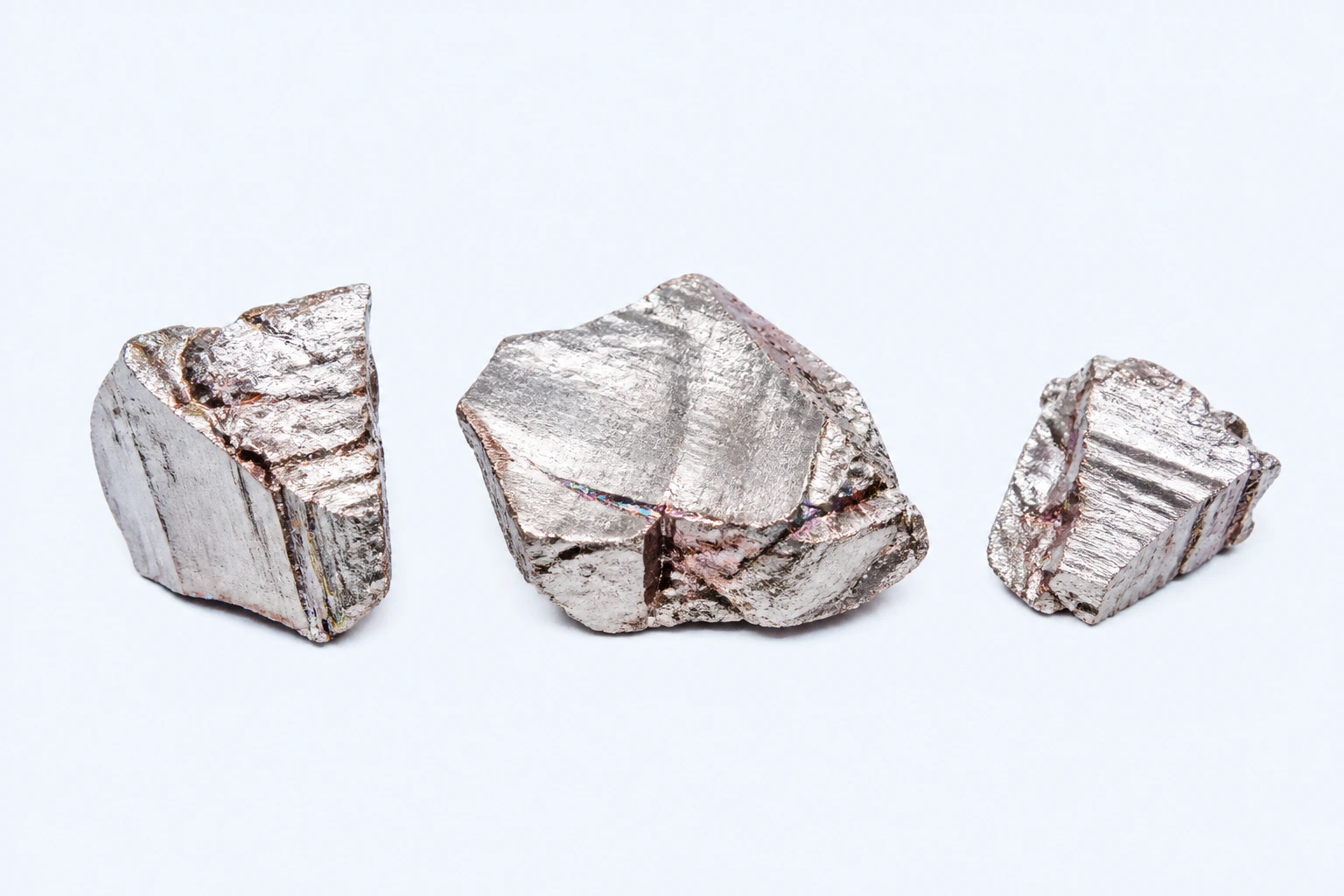
A heavy metal traditionally considered safe enough for over-the-counter gastrointestinal remedies (Pepto-Bismol, De-Nol), bismuth is re-emerging as a potent antimicrobial synergist. Its key property: Bi3+ competes with Fe3+ for binding sites on siderophores and bacteria…
The most abundant mineral in the human body, with ~99% stored in bones and teeth. Calcium's biological significance extends far beyond structural support -- it is the universal second messenger in cell signaling, controlling neurotransmitter release, muscle contraction,…
Chlamydia is a genus of obligate intracellular, Gram-negative bacteria with a unique biphasic developmental cycle. The genus includes three species pathogenic to humans: chlamydia trachomatis (STI and trachoma), C. pneumoniae (respiratory infections, atherosclerosis ass…
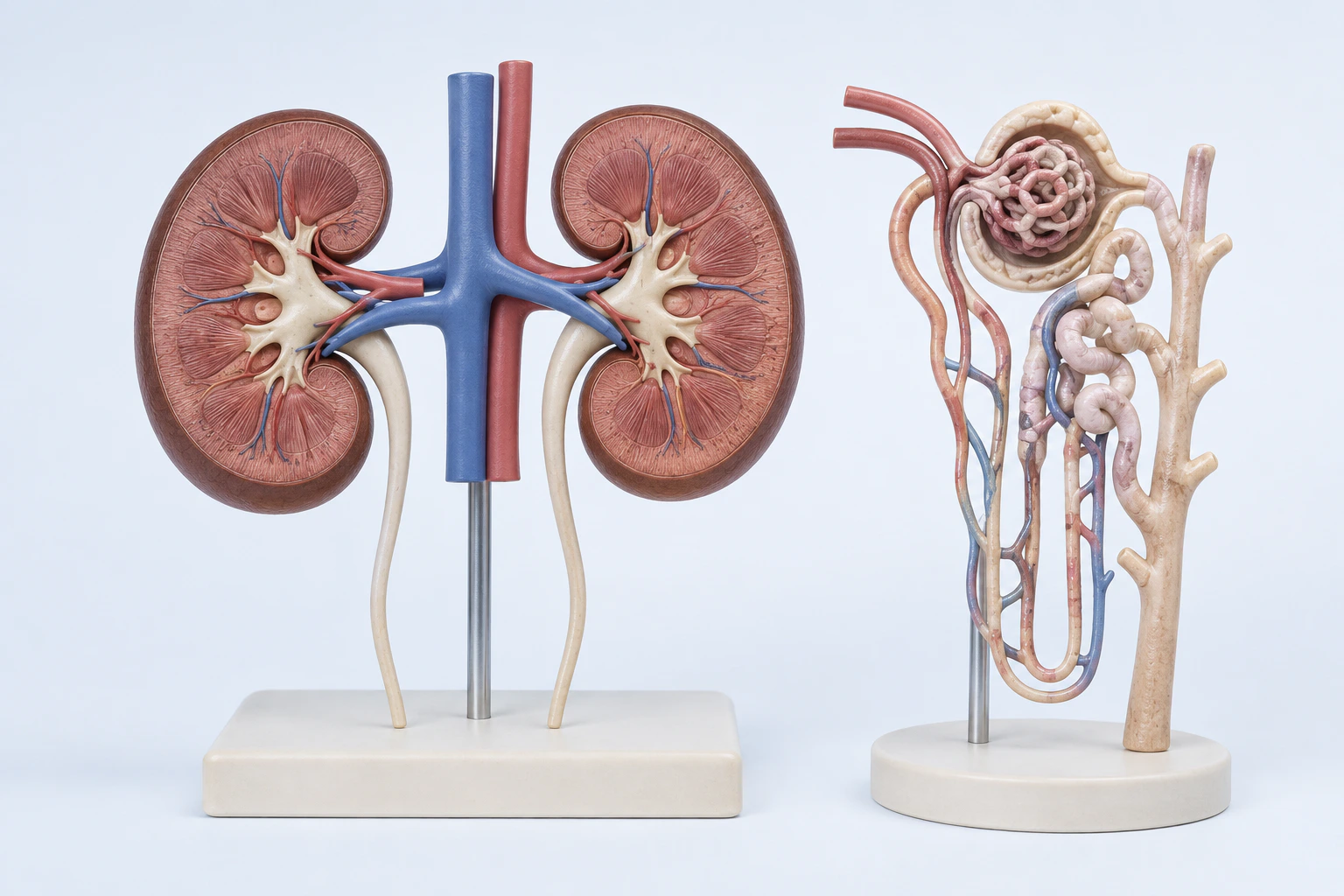
A progressive loss of kidney function affecting approximately 850 million people worldwide (10–14% of adults), causing 1.2 million deaths annually. CKD is unique among diseases in this wiki because it occupies both sides of the metal-disease equation: heavy metals (Cd, …
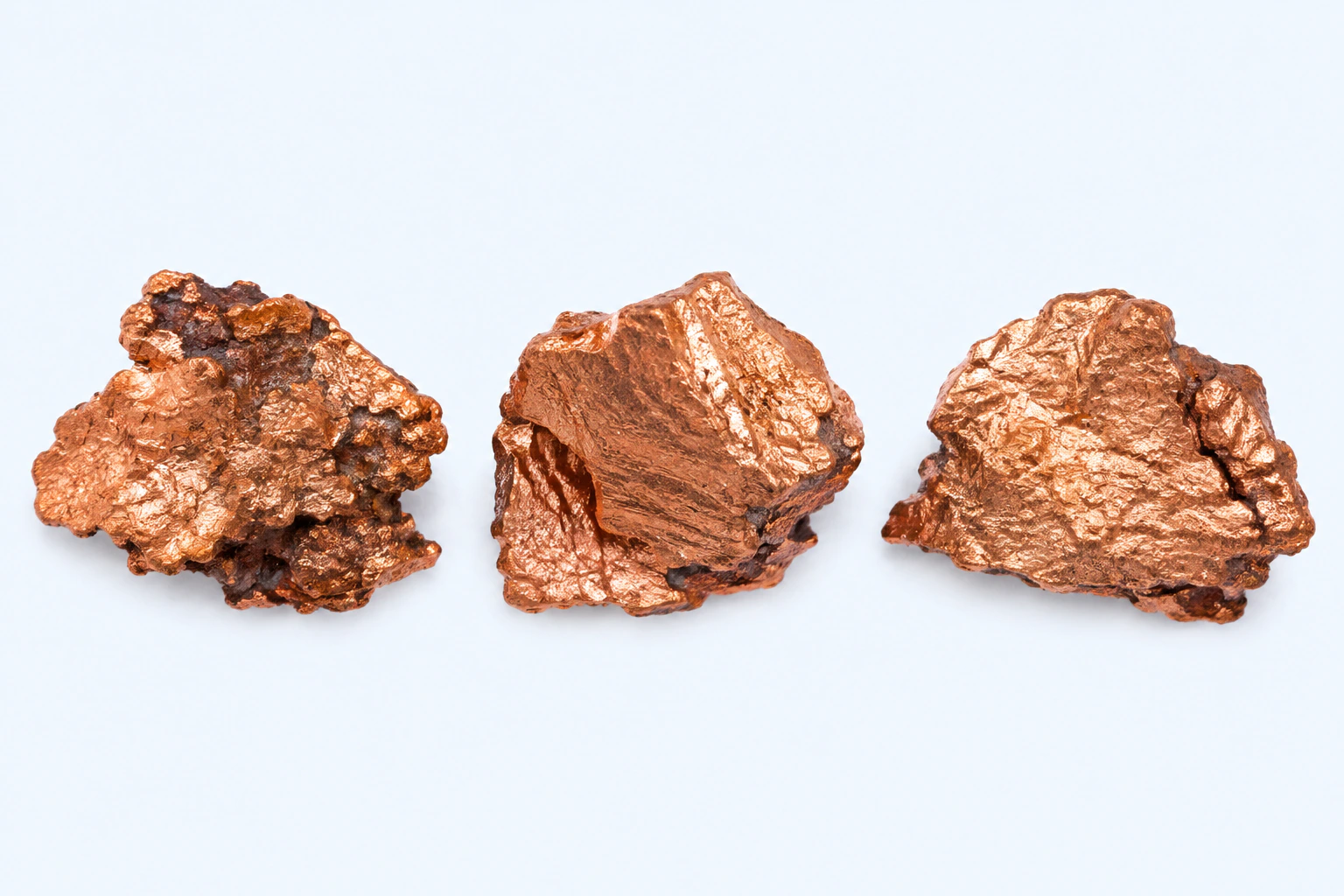
An essential trace element with a striking dual nature: required for survival as a cofactor for critical enzymes (SOD1, cytochrome c oxidase, ceruloplasmin), yet toxic in excess through Fenton-like redox cycling and mis metallation of iron-sulfur clusters. Copper is ele…
This knowledge-base record is being expanded from WikiBiome’s evidence graph.
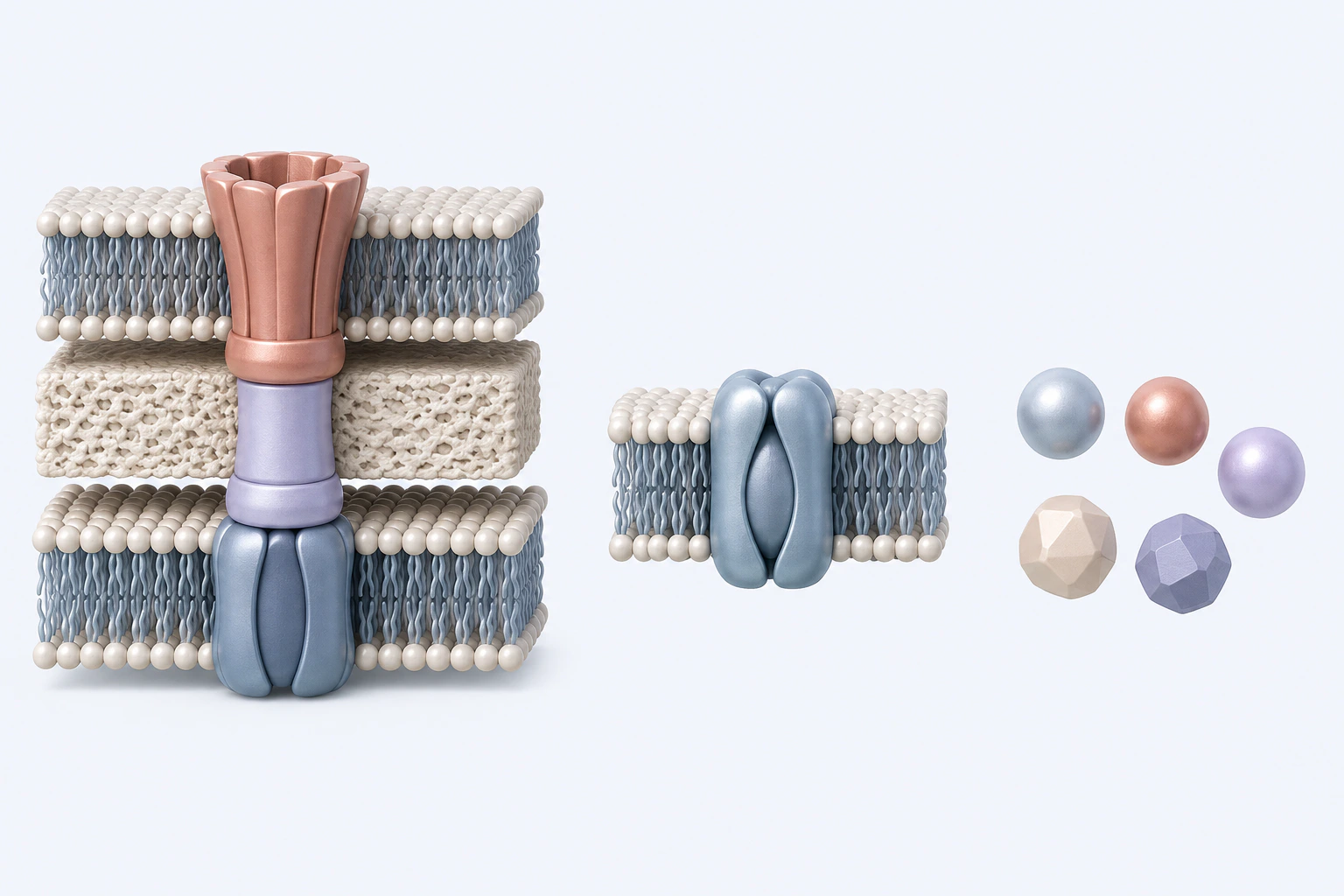
Membrane-spanning protein complexes that actively export substrates from the bacterial cell, using energy from ATP hydrolysis or the proton motive force. In the context of metal-microbiome biology, efflux pumps serve a dual role that has profound clinical consequences: …
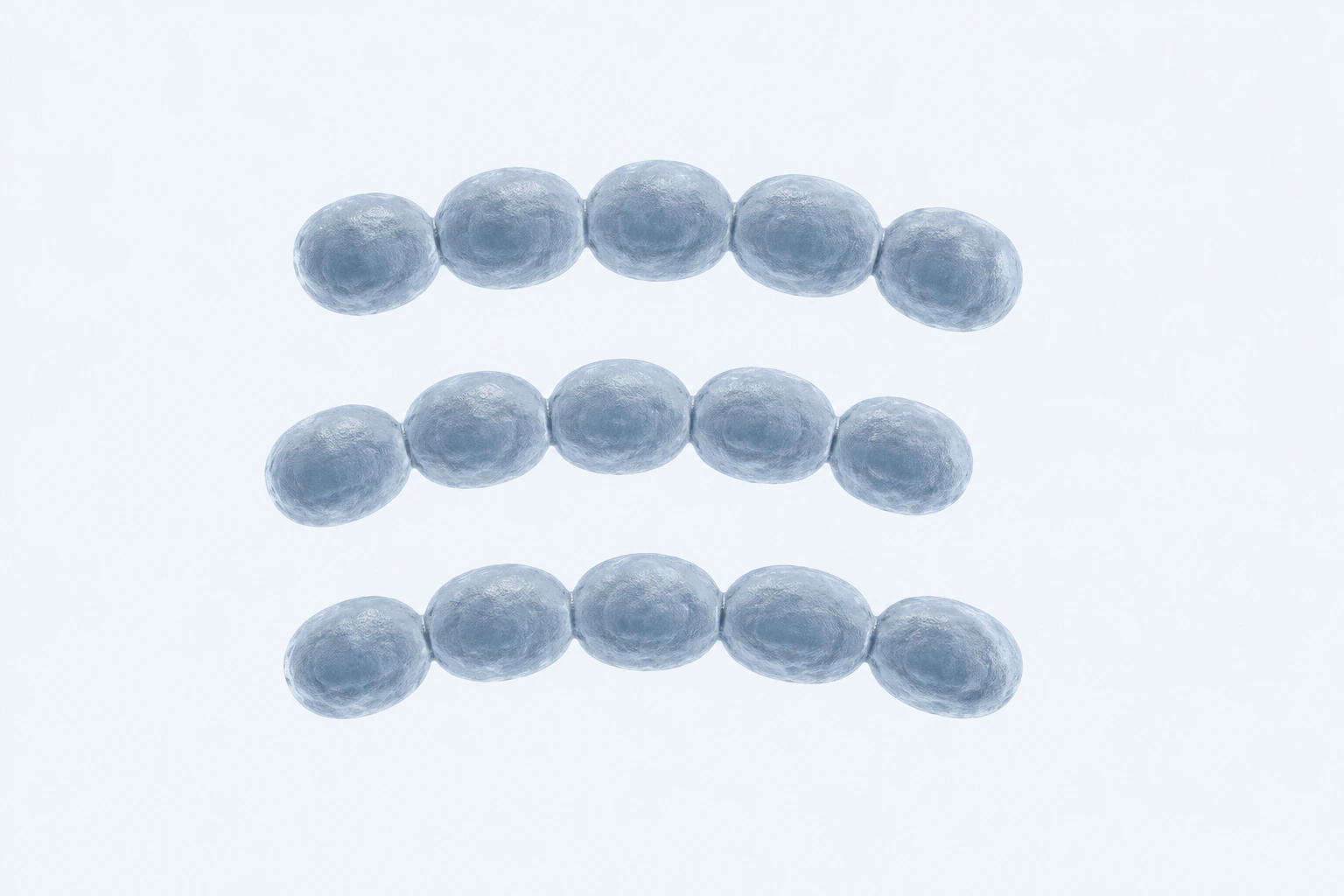
Enterococcus faecalis is a Gram-positive, facultatively anaerobic coccus that inhabits the gastrointestinal tract, oral cavity, and genitourinary tract of humans. It is a commensal in the healthy gut at low abundance but is one of the most clinically significant opportu…
This knowledge-base record is being expanded from WikiBiome’s evidence graph.
A Gram-positive obligate anaerobe in the family Ruminococcaceae (Clostridium cluster IV) whose defining metabolic activity is the degradation of dietary flavonoids — the very polyphenols that serve as anti-inflammatory, antioxidant, and antimicrobial agents. When Flavon…
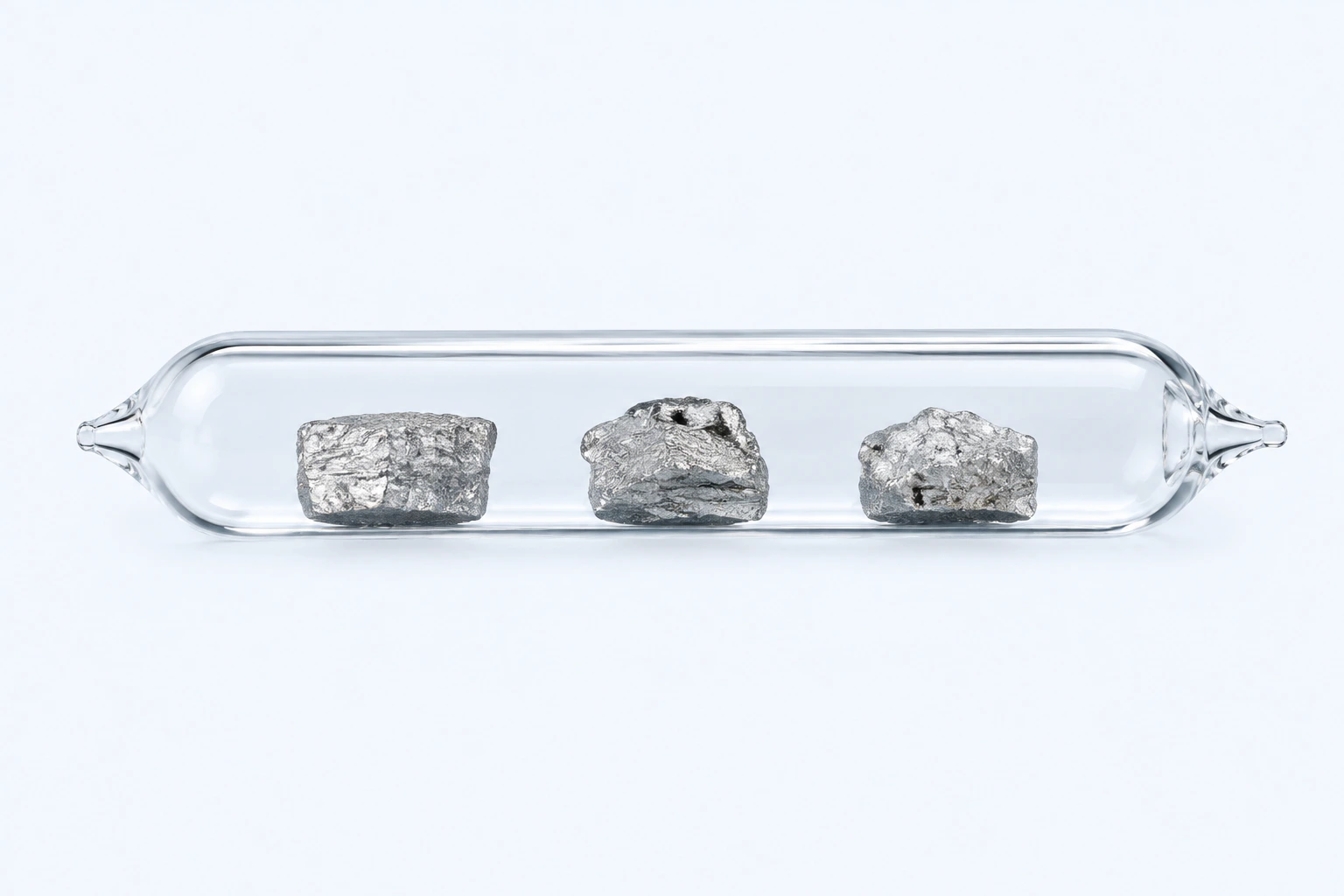
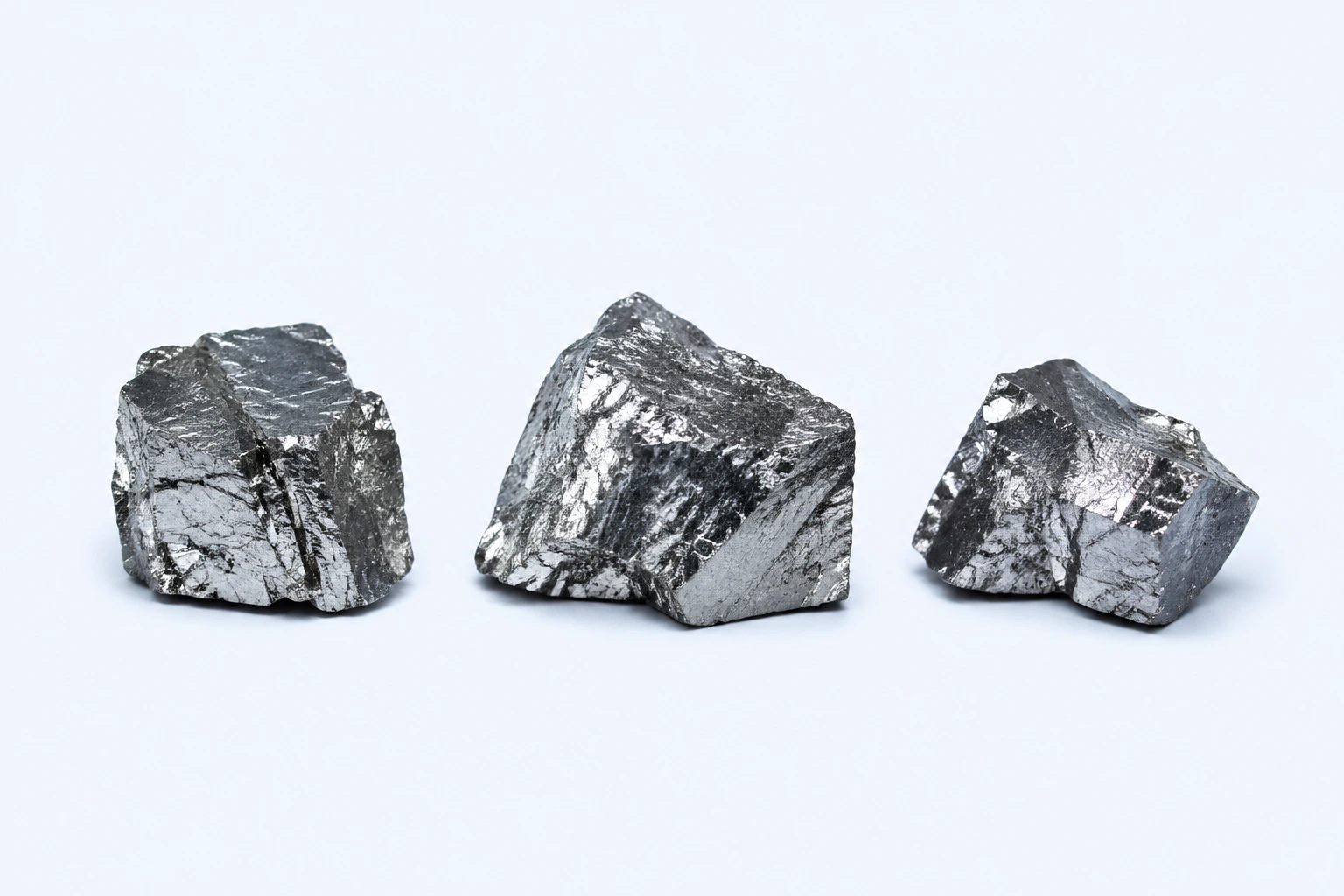
A group 13 post-transition metal (atomic number 31) with no known biological function in any organism — yet one of the most promising antimicrobial metals precisely because of what it cannot do. Ga3+ is nearly identical to Fe3+ in ionic radius (0.62 Å vs 0.645 Å) and co…
Alphabetical definitions of specialist terms used throughout this wiki. Where a full concept page exists, the term links to it. --- AhR (aryl hydrocarbon receptor) -- A ligand-activated transcription factor that senses microbial metabolites (especially indoles from tryp…
Lactobacillus plantarum is one of the most versatile probiotic species — found in fermented foods (kimchi, sauerkraut, sourdough), the human gut, and the vaginal microbiome. It has the largest genome among Lactobacillus species (~3.3 Mb), encoding extensive stress toler…
An iron-binding glycoprotein of the transferrin family that sequesters iron (and potentially other metals) from pathogens at mucosal surfaces and sites of inflammation. Lactoferrin is a key effector of nutritional immunity, complementing calprotectin's role in metal res…
Research summary — not medical advice. This page synthesizes published research on a mechanism-level intervention. It is not a clinical recommendation. Consult a qualified healthcare provider before making any changes to diet, supplementation, or treatment.
This knowledge-base record is being expanded from WikiBiome’s evidence graph.
A Gram-positive obligate anaerobe that has emerged as a pro-inflammatory pathobiont enriched across multiple disease states including crohns disease, depression, and multiple sclerosis. R. gnavus produces a species-specific inflammatory polysaccharide that activates int…
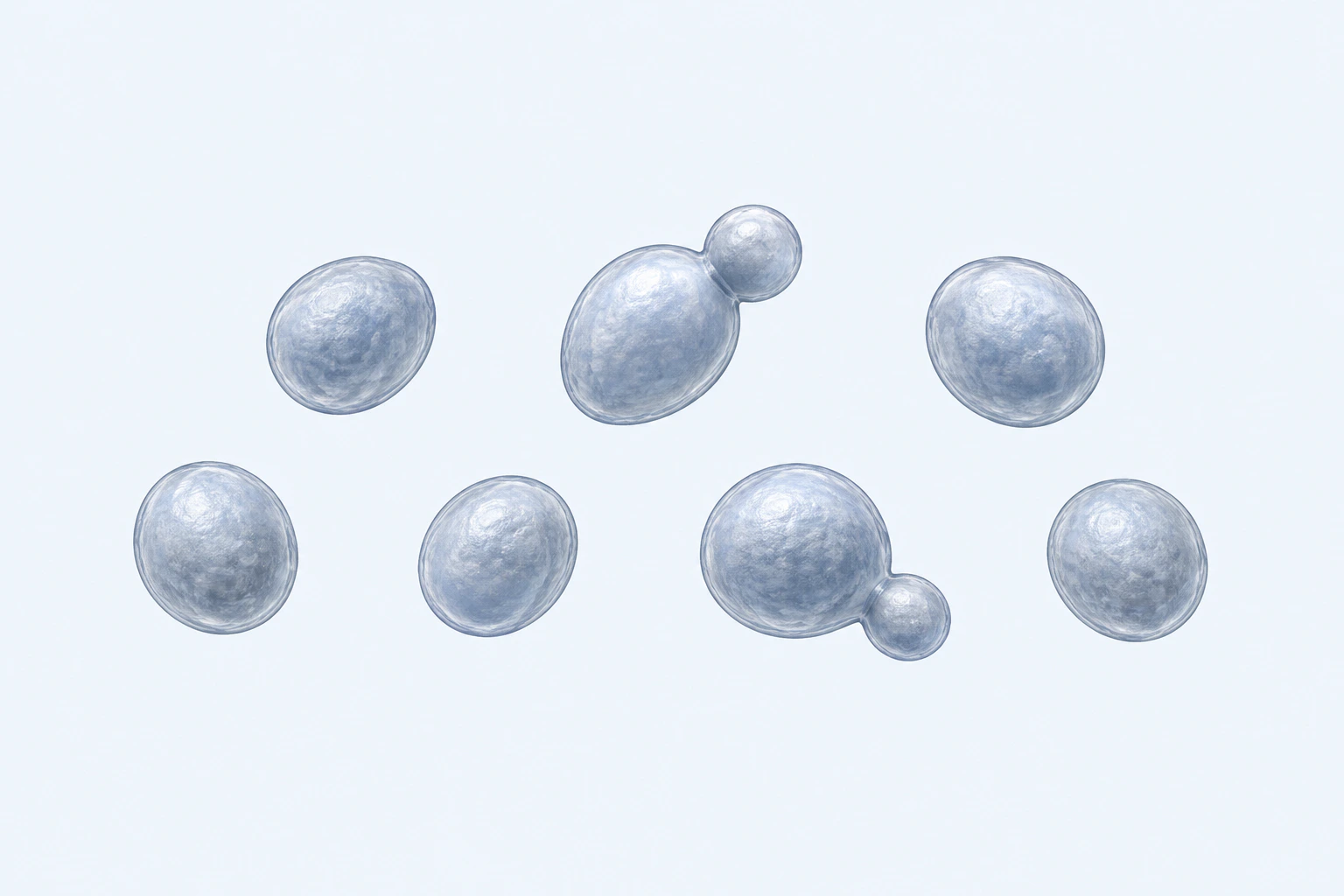
Saccharomyces cerevisiae is a unicellular budding fungus (ascomycete) ubiquitous in fermentation, brewing, bread-making, and increasingly used as a pharmaceutical probiotic (Hatoum et al. 2012). The strain S. boulardii (also called S. cerevisiae var. boulardii) is the m…
Small, high-affinity iron-chelating molecules secreted by bacteria and fungi to scavenge ferric iron (Fe3+) from the environment. Siderophore competition is a fundamental ecological force in the gut microbiome: organisms with superior iron acquisition systems gain a dec…
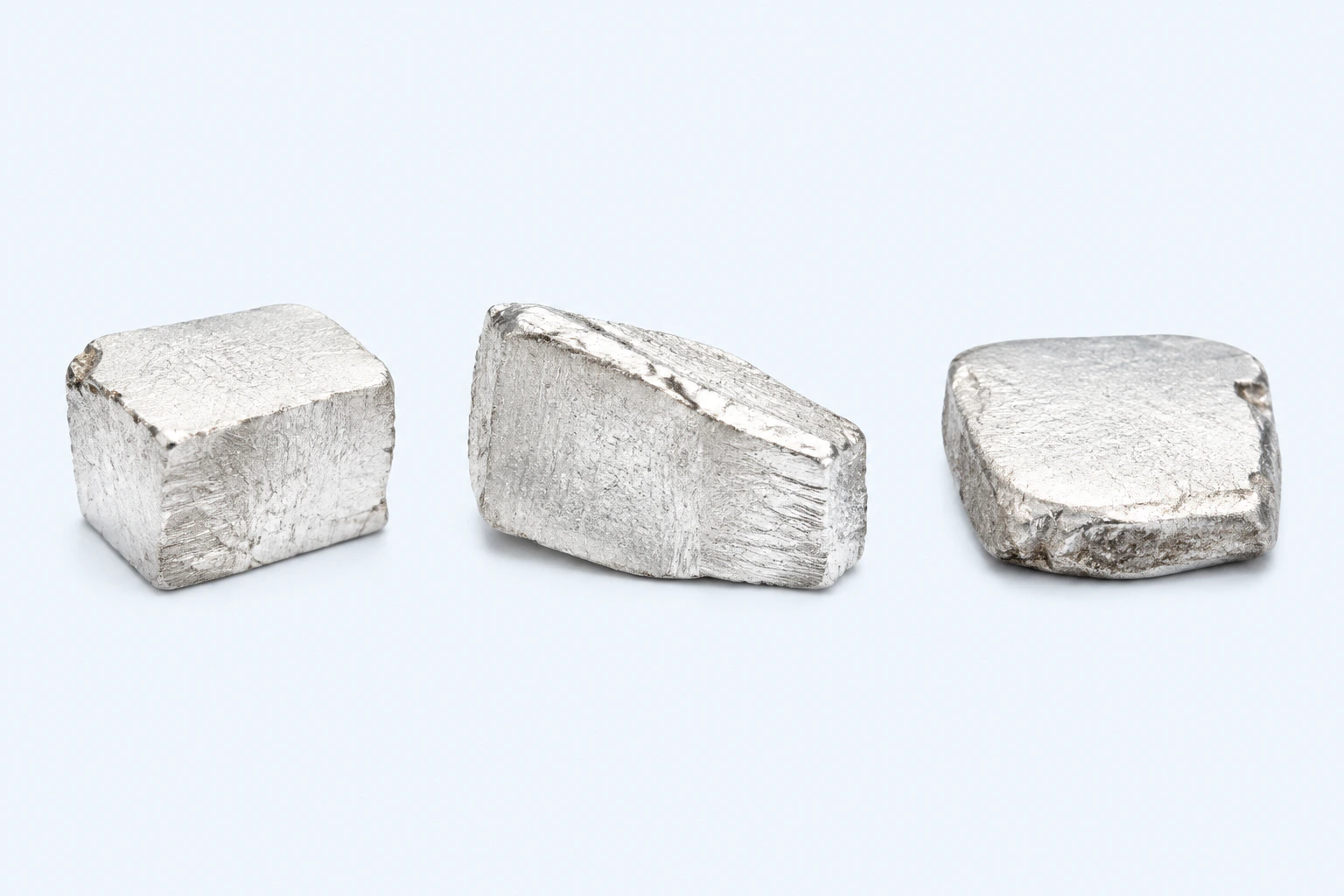
A non-essential metal with a 5,000-year history of antimicrobial use, silver has re-emerged as a critical tool in the post-antibiotic era. What makes silver particularly interesting from a metallomics perspective is not that it kills bacteria -- many metals do -- but ho…
This knowledge-base record is being expanded from WikiBiome’s evidence graph.
Research summary -- not medical advice. This page synthesizes published research on why broad-spectrum antibiotics may worsen gut dysbiosis rather than correct it. This does NOT apply to life-threatening infections requiring antibiotic treatment. Consult a qualified hea…
The primary architect of dental caries -- the most prevalent chronic infectious disease worldwide. S. mutans is a Gram-positive, facultative anaerobe that colonizes tooth surfaces and produces the acid-rich, metal-managed biofilms known as dental plaque. What sets this …
This knowledge-base record is being expanded from WikiBiome’s evidence graph.