Antimicrobial Metals
This knowledge-base record is being expanded from WikiBiome’s evidence graph.
WikiBiomeThe human microbiome encyclopediaRanked matches across titles, topics, categories, and article introductions.
This knowledge-base record is being expanded from WikiBiome’s evidence graph.
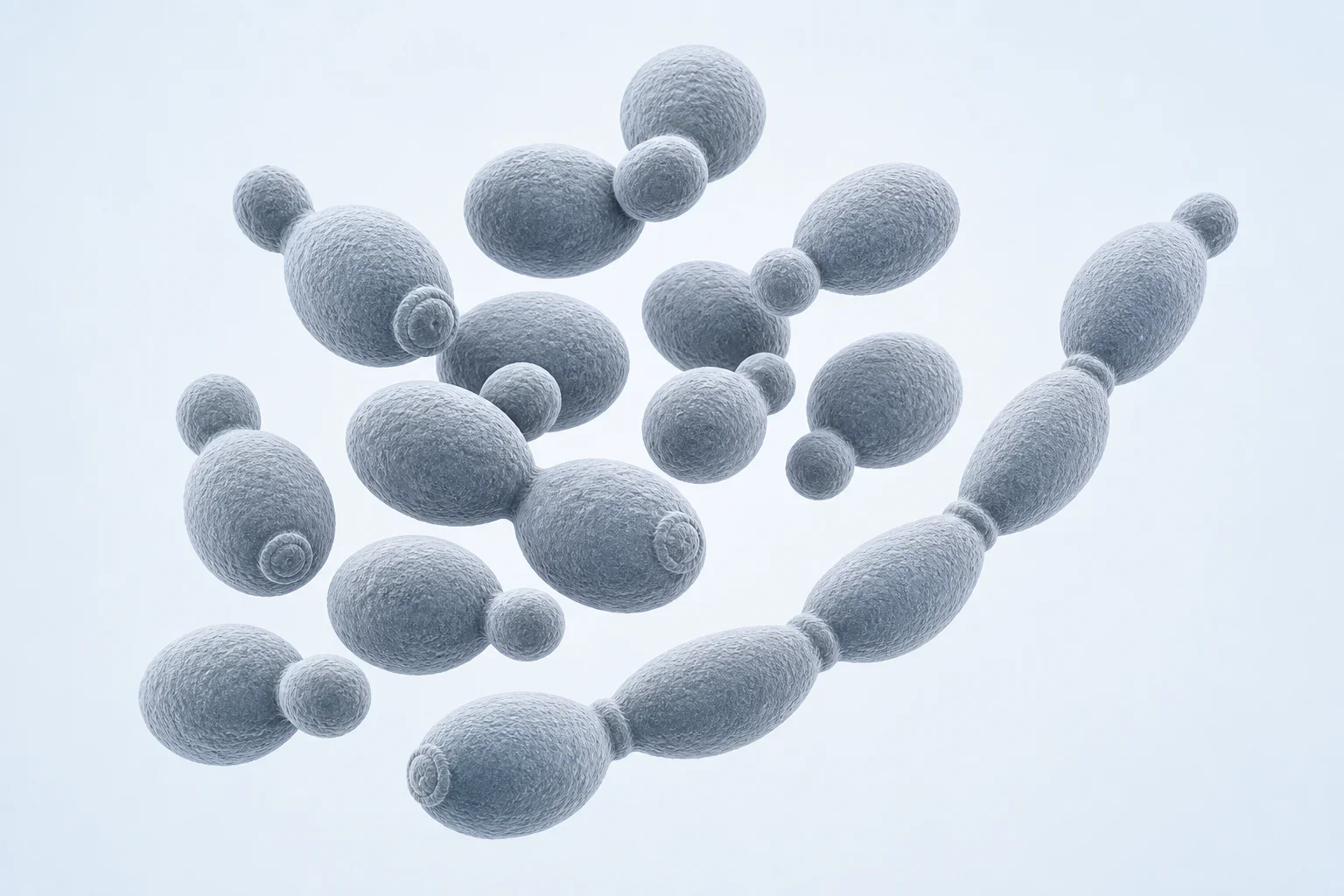
An opportunistic fungal pathogen whose relationship with metals is multifaceted: C. albicans can biosorb heavy metals from its environment, heavy metal exposure promotes its virulence in immunocompromised hosts, and metal nanoparticles are being developed as antifungal …
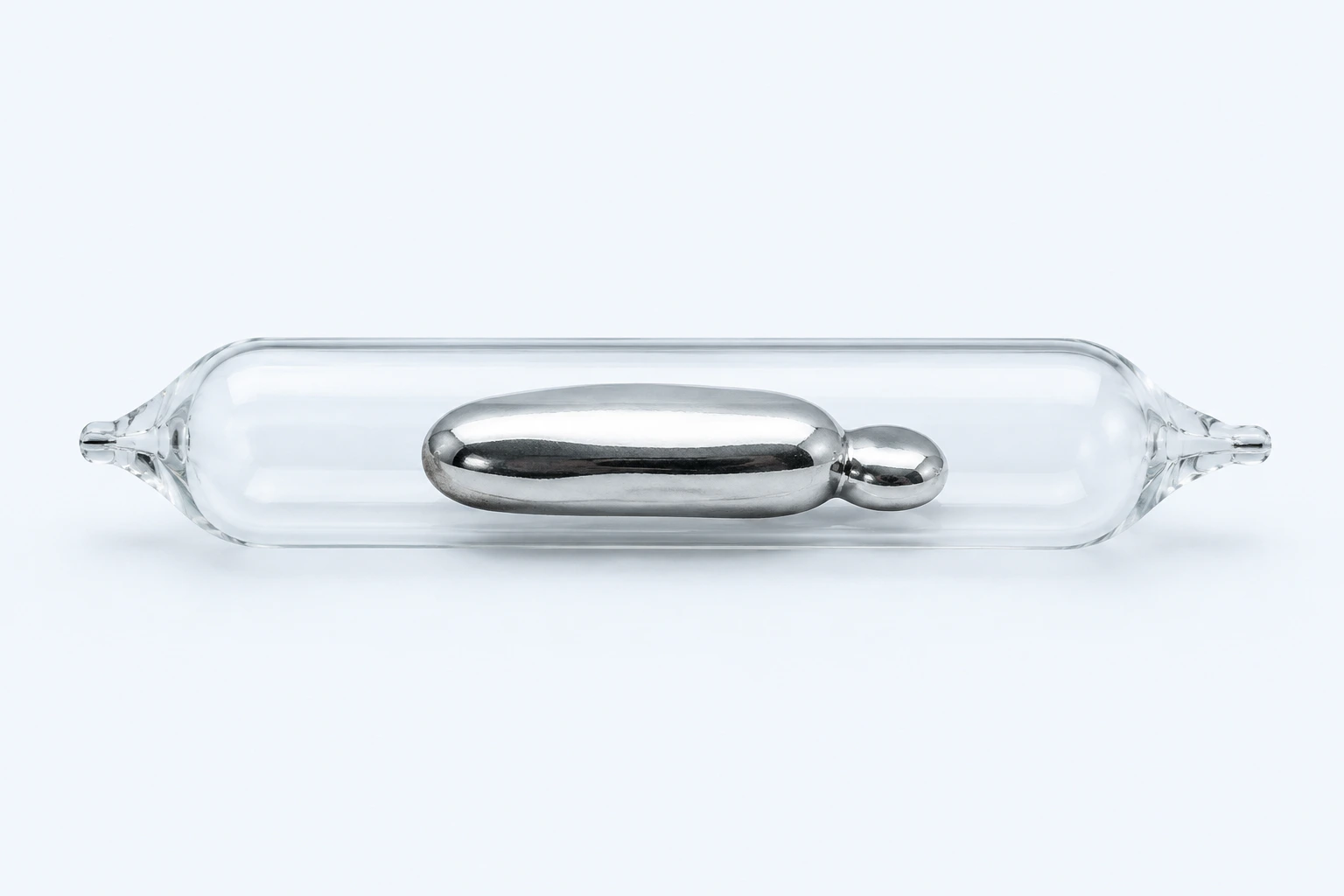
A group 13 post-transition metal (atomic number 31) with no known biological function in any organism — yet one of the most promising antimicrobial metals precisely because of what it cannot do. Ga3+ is nearly identical to Fe3+ in ionic radius (0.62 Å vs 0.645 Å) and co…
This knowledge-base record is being expanded from WikiBiome’s evidence graph.
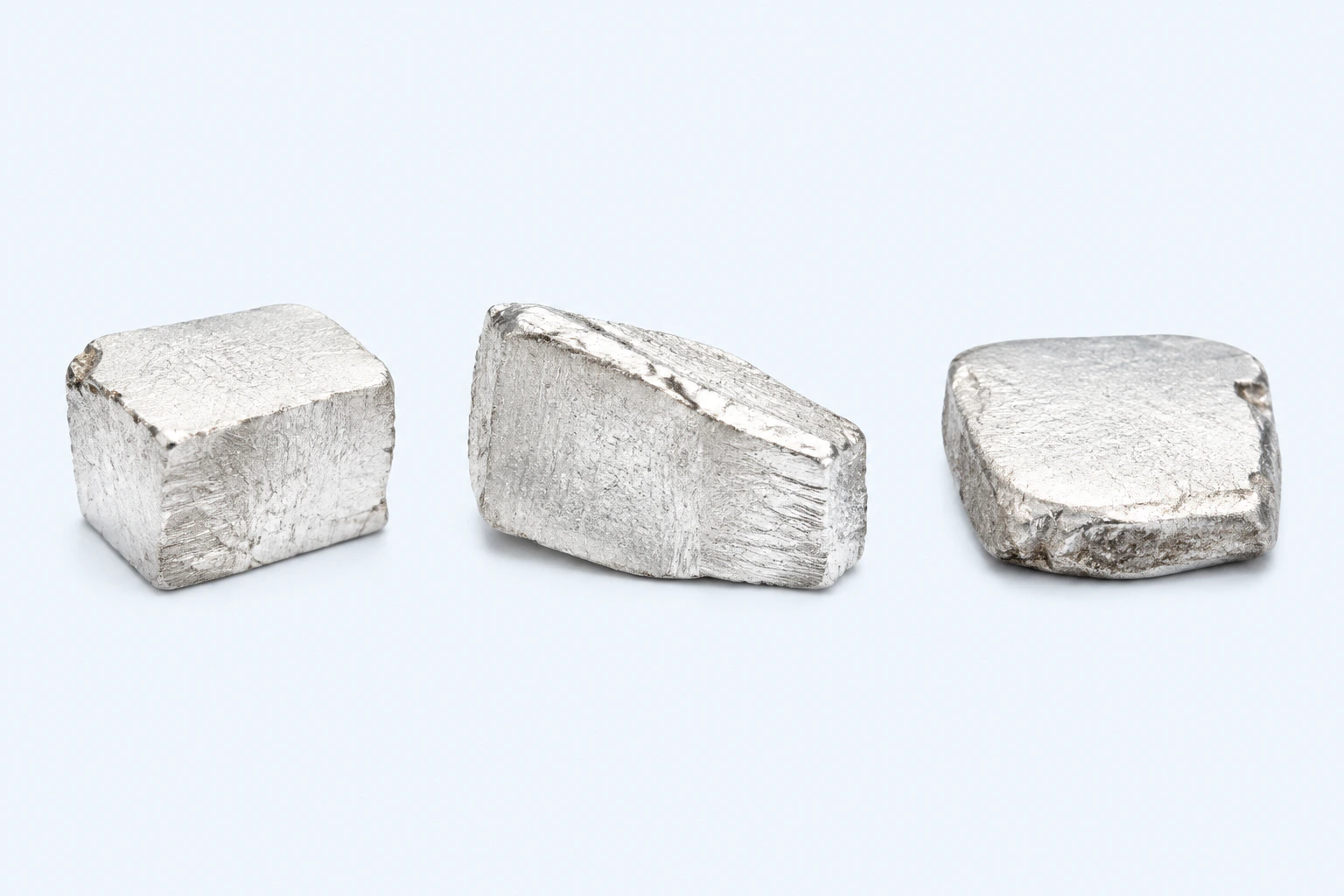
A non-essential metal with a 5,000-year history of antimicrobial use, silver has re-emerged as a critical tool in the post-antibiotic era. What makes silver particularly interesting from a metallomics perspective is not that it kills bacteria -- many metals do -- but ho…