Clinical cautions2 sources
STOP: Broad-Spectrum Antibiotics During Ovarian Cancer Chemotherapy
Harm potential: RED — Following this STOP inappropriately could delay life-saving antibiotic therapy.
 WikiBiomeThe human microbiome encyclopedia
Ranked matches across titles, topics, categories, and article introductions.
Harm potential: RED — Following this STOP inappropriately could delay life-saving antibiotic therapy.
Warning: Clinical Disclaimer: This STOP page represents a hypothesis based on mechanistic evidence and should NOT replace clinical judgment. Always consult with a qualified healthcare provider before modifying any treatment plan. Evidence quality ratings reflect the str…
Research summary -- not medical advice. This page synthesizes published research on why broad-spectrum antibiotics may worsen gut dysbiosis rather than correct it. This does NOT apply to life-threatening infections requiring antibiotic treatment. Consult a qualified hea…
Warning: Clinical Disclaimer: This STOP page represents a hypothesis based on mechanistic evidence and should NOT replace clinical judgment. Always consult with a qualified healthcare provider before modifying any treatment plan. Evidence quality ratings reflect the str…
Warning: Clinical Disclaimer: This STOP page represents a hypothesis based on mechanistic evidence and should NOT replace clinical judgment. Always consult with a qualified healthcare provider before modifying any treatment plan. Evidence quality ratings reflect the str…
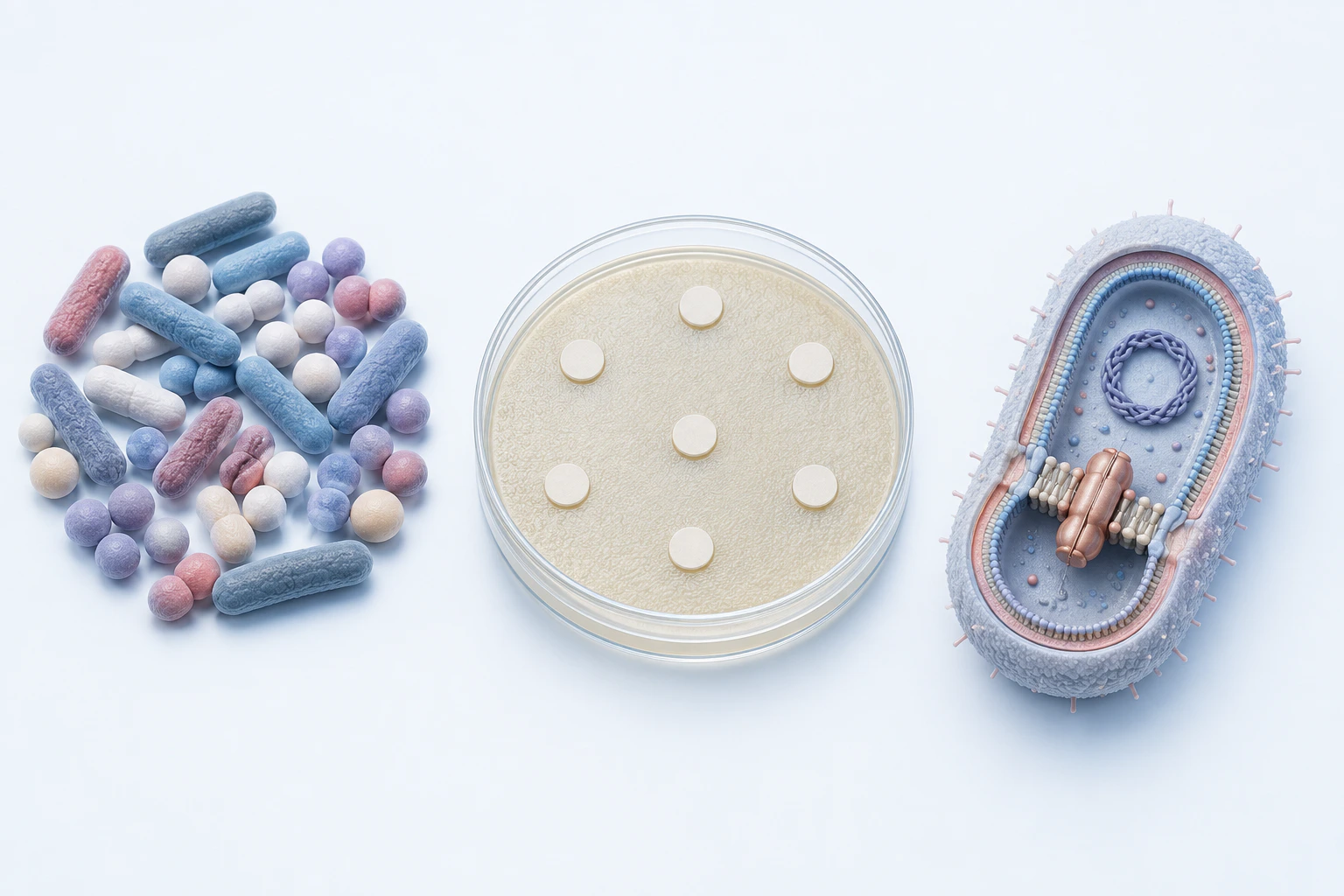
The ability of microorganisms to survive and replicate in the presence of antimicrobial agents — antibiotics, antifungals, antivirals, antiparasitic drugs — at concentrations that would normally inhibit or kill them. Antimicrobial resistance (AMR) is designated by the W…
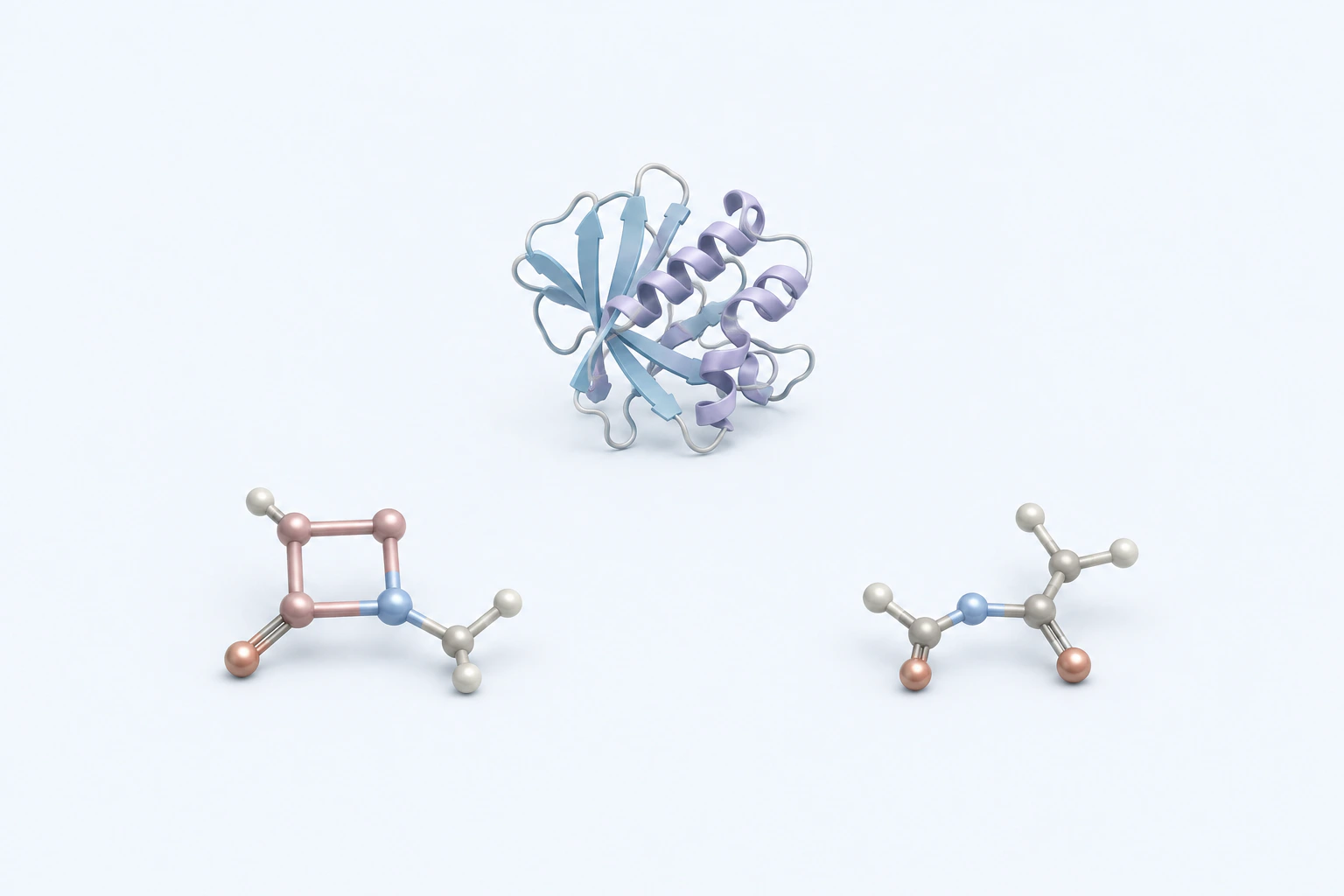
Beta-lactamases are bacterial enzymes that hydrolyze the beta-lactam ring of penicillins, cephalosporins, and carbapenems, rendering them inactive. They are the most common mechanism of antibiotic resistance and a central concern in the antimicrobial resistance crisis. …
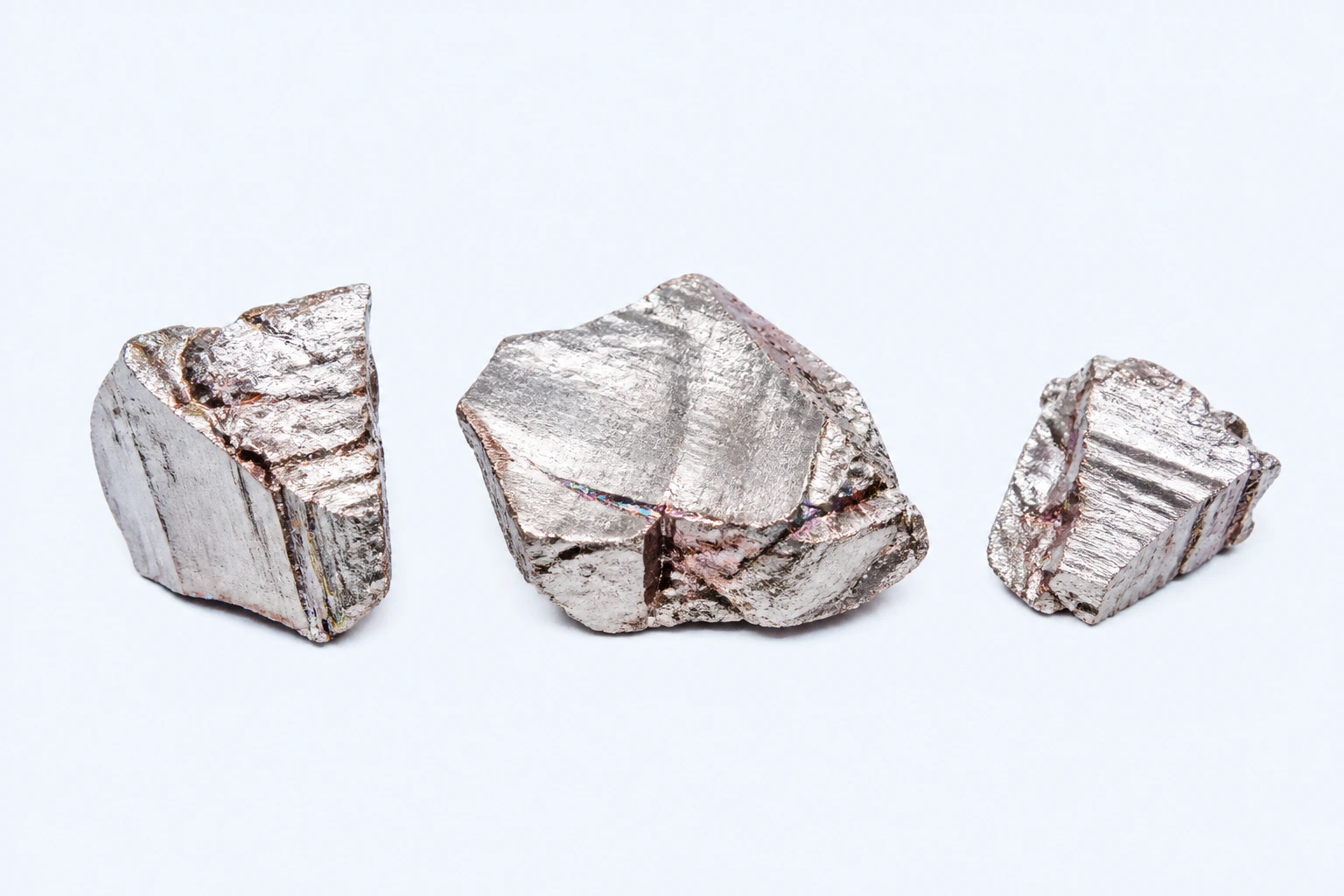
A heavy metal traditionally considered safe enough for over-the-counter gastrointestinal remedies (Pepto-Bismol, De-Nol), bismuth is re-emerging as a potent antimicrobial synergist. Its key property: Bi3+ competes with Fe3+ for binding sites on siderophores and bacteria…
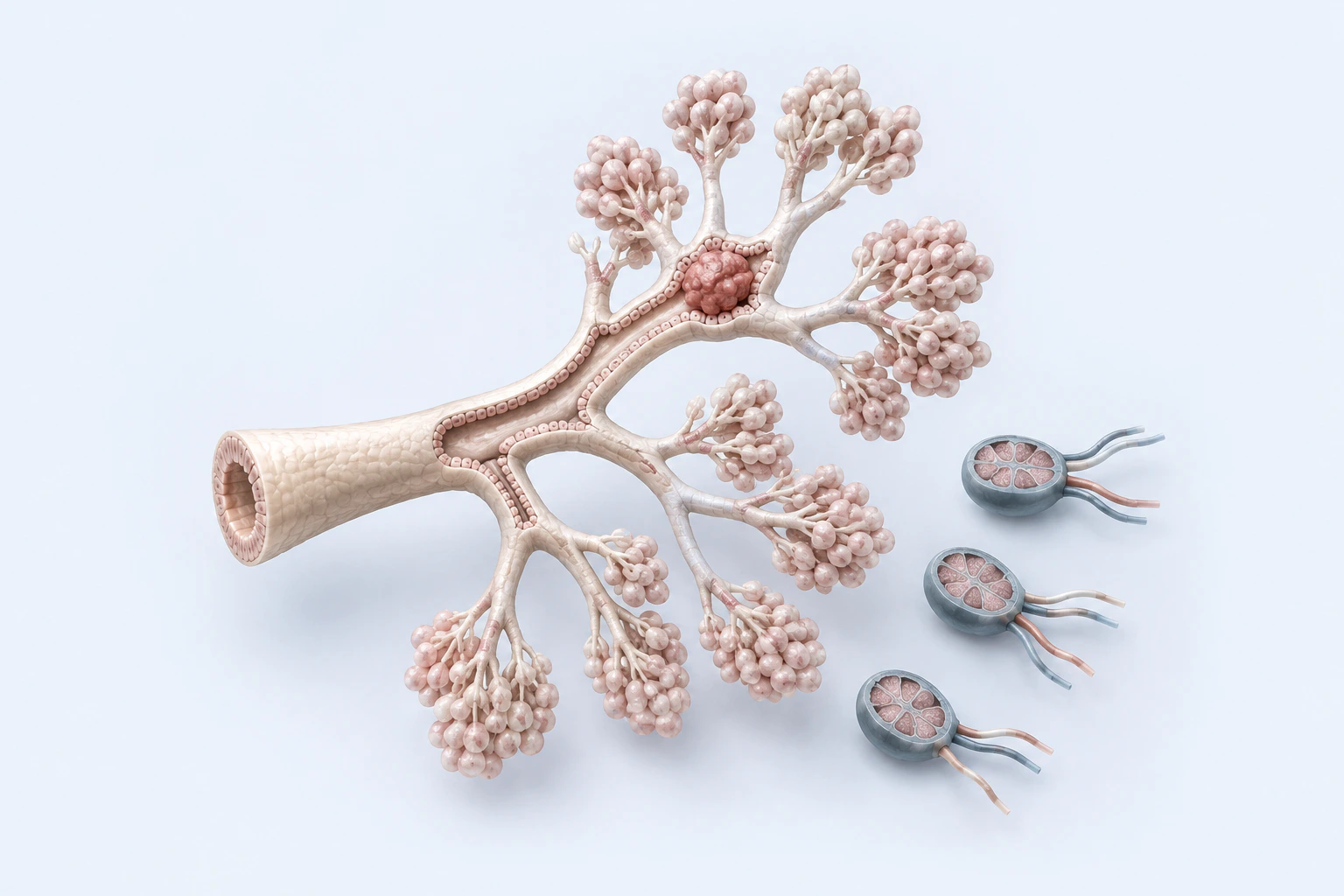
Breast cancer is the most common cancer in women worldwide, with approximately 2.3 million new cases annually. While genetic, hormonal, and lifestyle factors are well-established risk determinants, the metallomic dimension reveals a consistent pattern of trace element d…
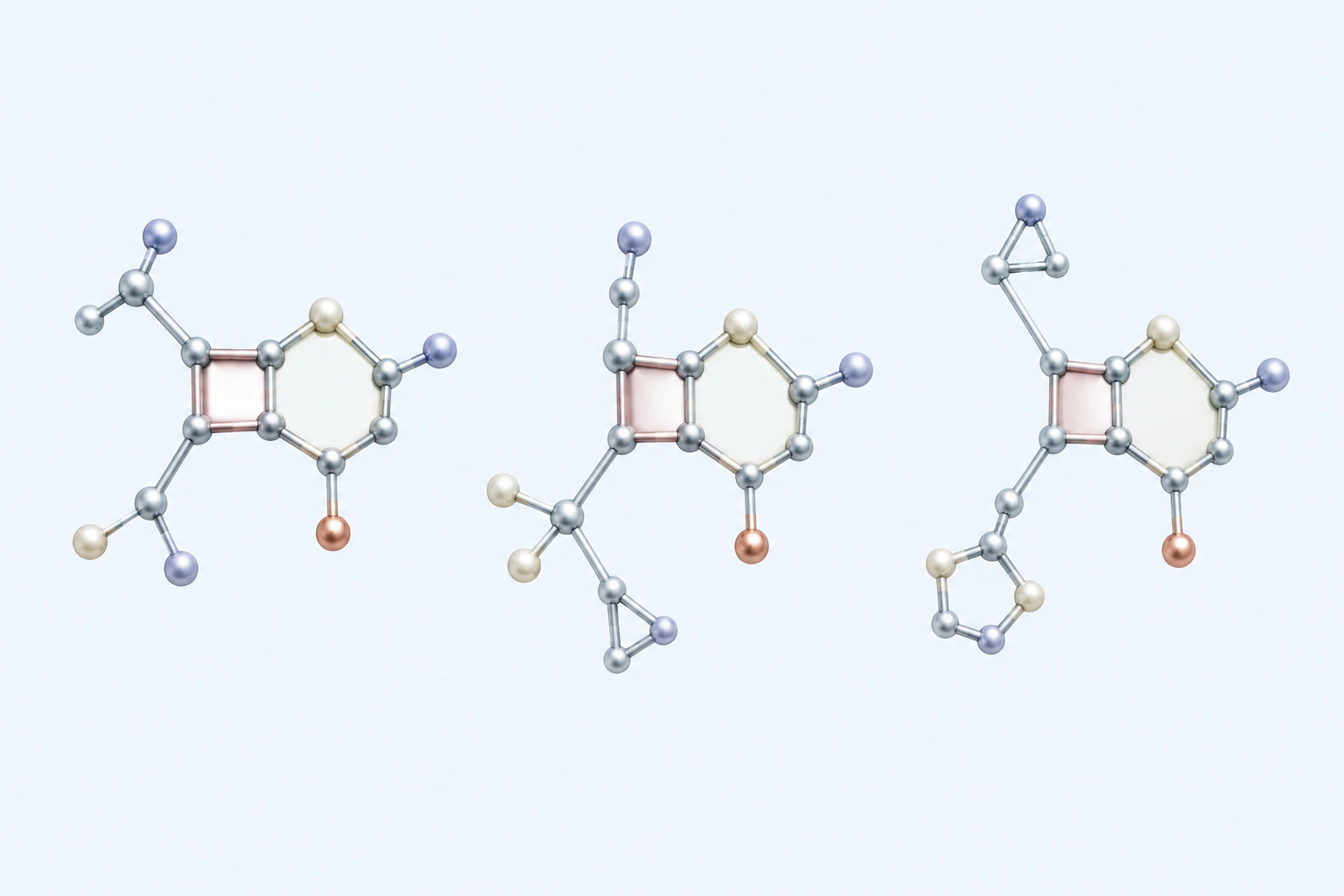
Cephalosporins are a class of beta-lactam antibiotics (five generations) that inhibit bacterial cell wall synthesis by binding penicillin-binding proteins. They are among the most prescribed antibiotic classes and among the most disruptive to the gut microbiome.
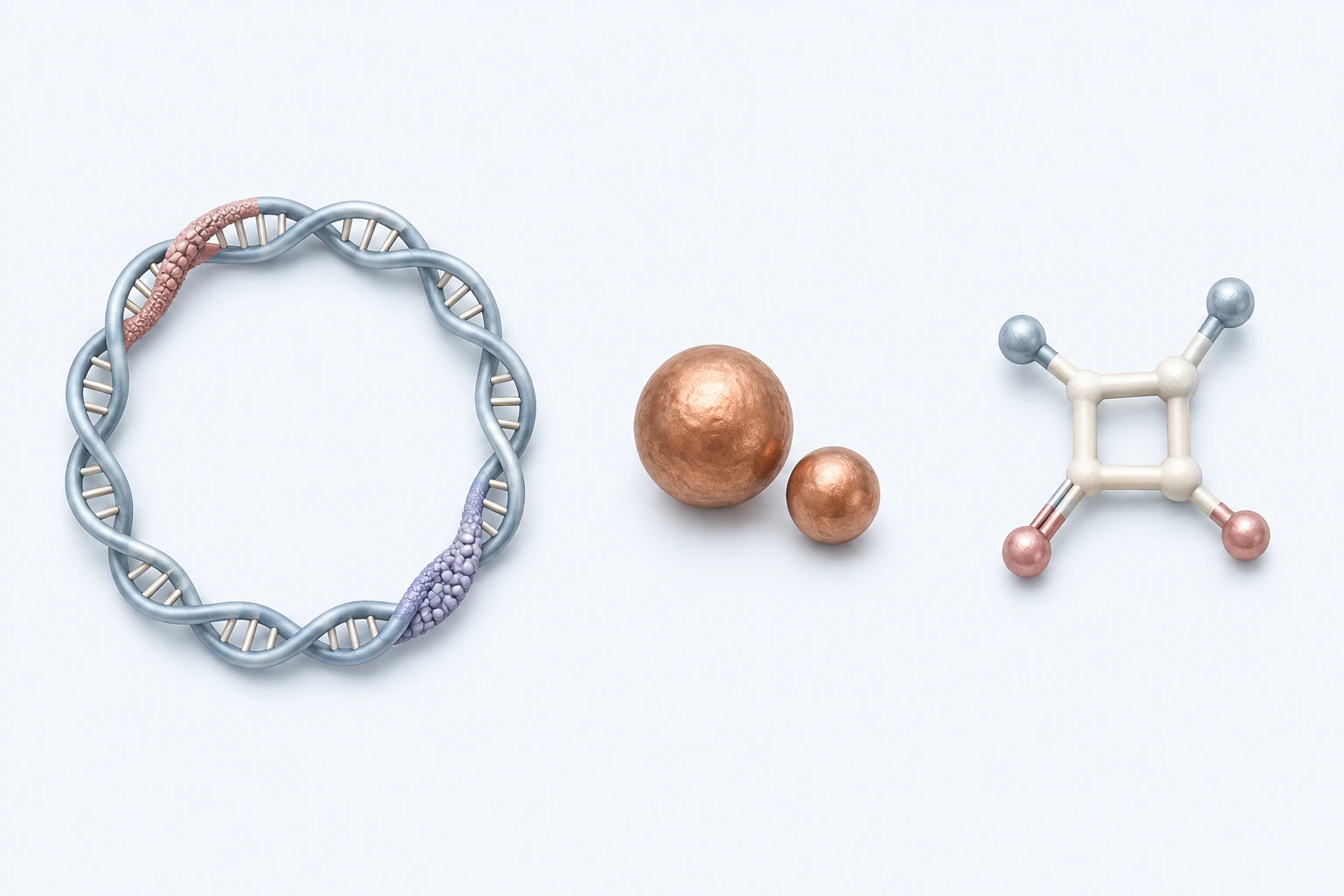
The process by which selection pressure from one agent — typically a heavy metal — simultaneously selects for resistance to a structurally unrelated agent such as an antibiotic, because the resistance determinants are genetically linked on the same mobile genetic elemen…
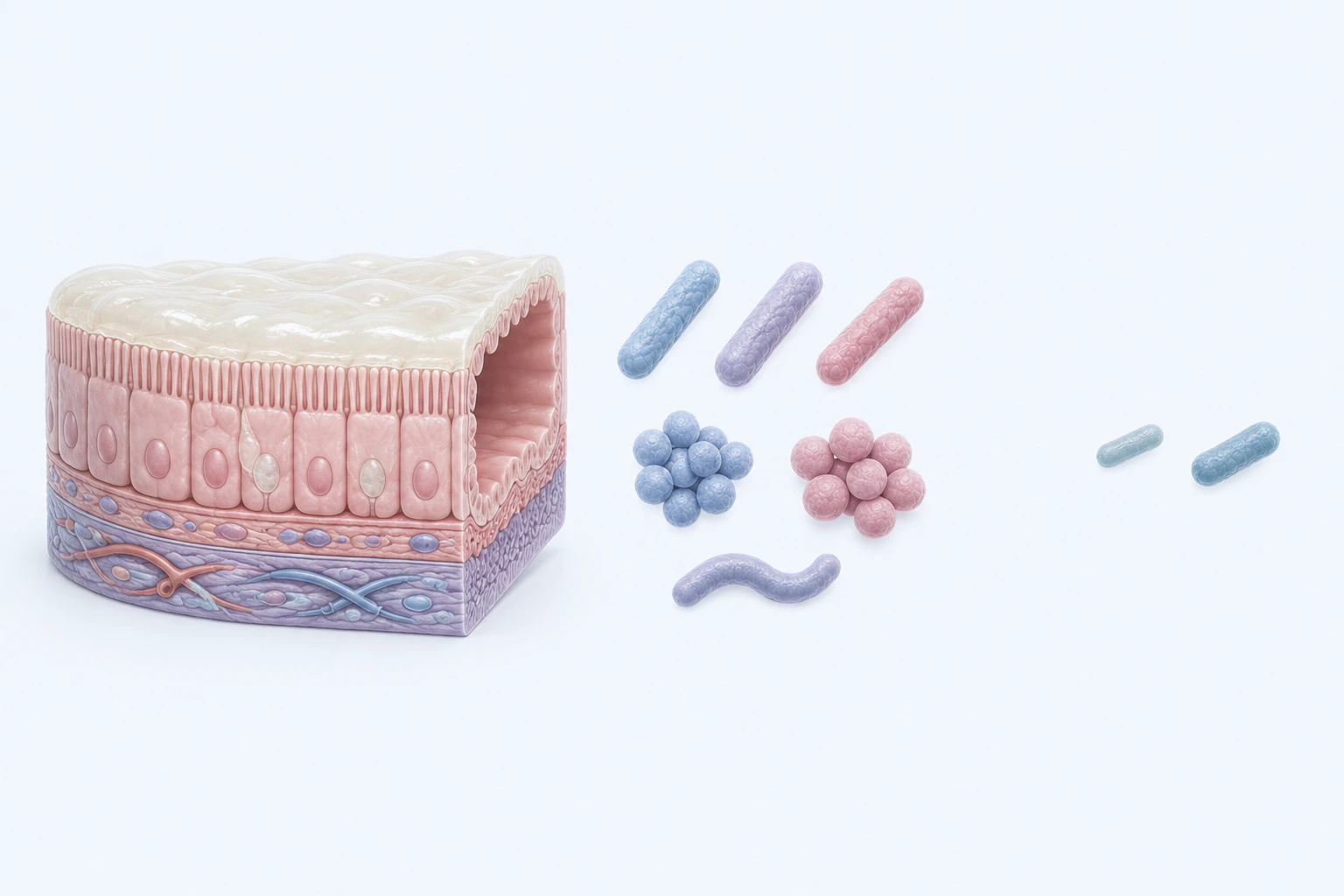
The collective ability of the resident gut microbiome to prevent colonization by exogenous pathogens and suppress expansion of resident pathobionts. Colonization resistance is not a property of any single organism but an emergent function of the whole microbial communit…
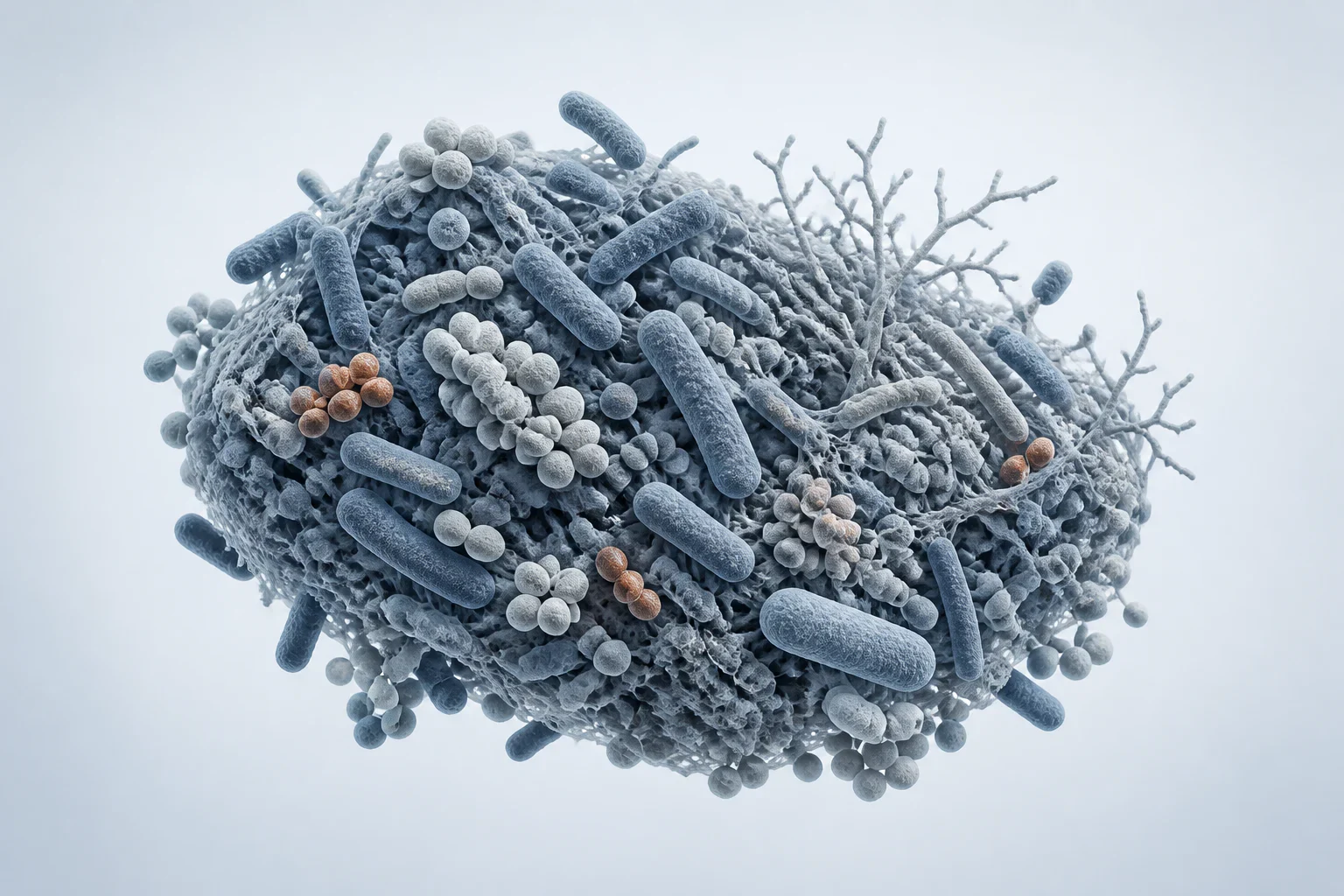
Disruption of the normal composition and metabolic function of microbial communities, particularly the gut microbiome. In the metallomics context, dysbiosis is both a consequence of metal toxicity and an amplifier of further disease -- creating vicious cycles where meta…

Membrane-spanning protein complexes that actively export substrates from the bacterial cell, using energy from ATP hydrolysis or the proton motive force. In the context of metal-microbiome biology, efflux pumps serve a dual role that has profound clinical consequences: …
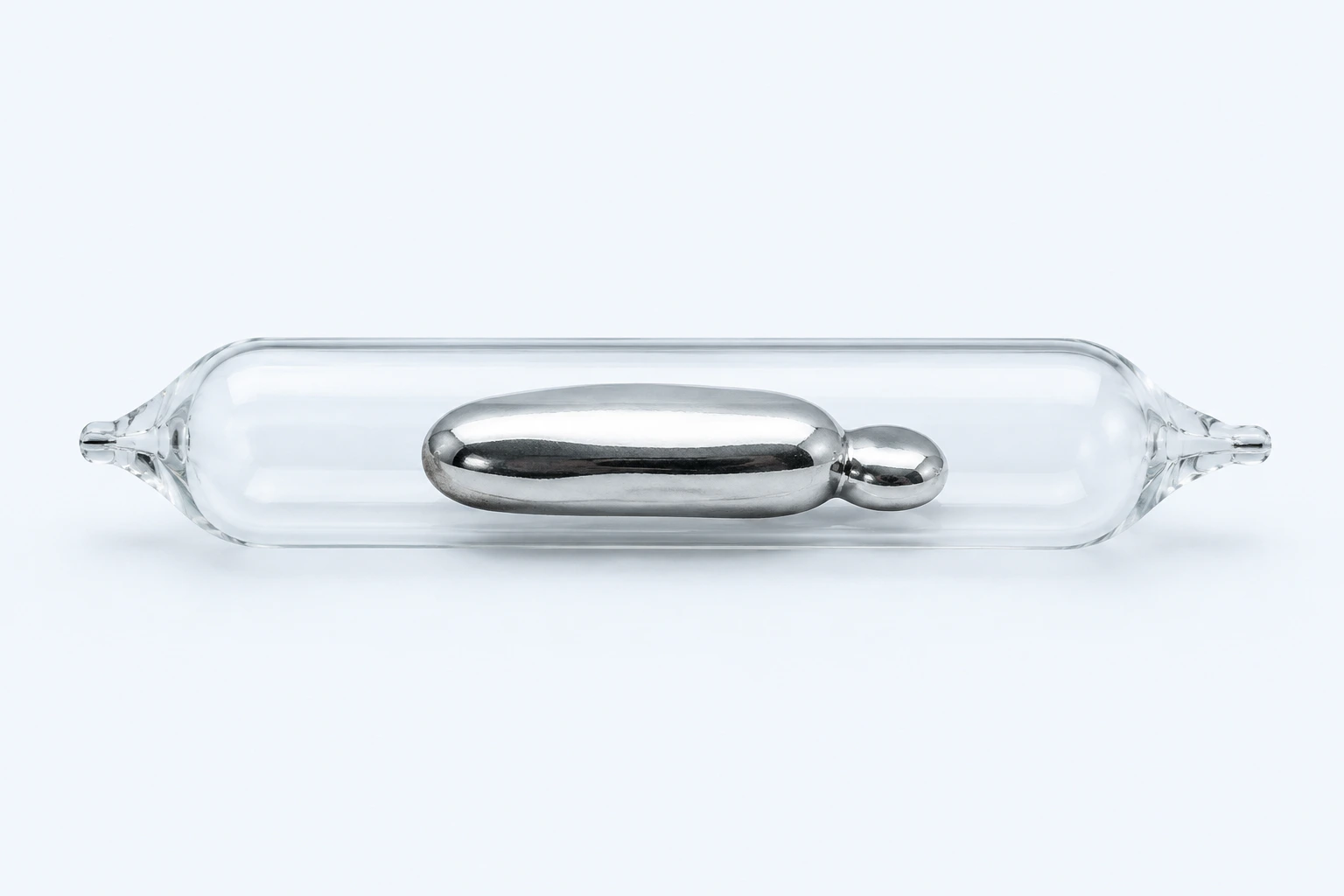
A group 13 post-transition metal (atomic number 31) with no known biological function in any organism — yet one of the most promising antimicrobial metals precisely because of what it cannot do. Ga3+ is nearly identical to Fe3+ in ionic radius (0.62 Å vs 0.645 Å) and co…
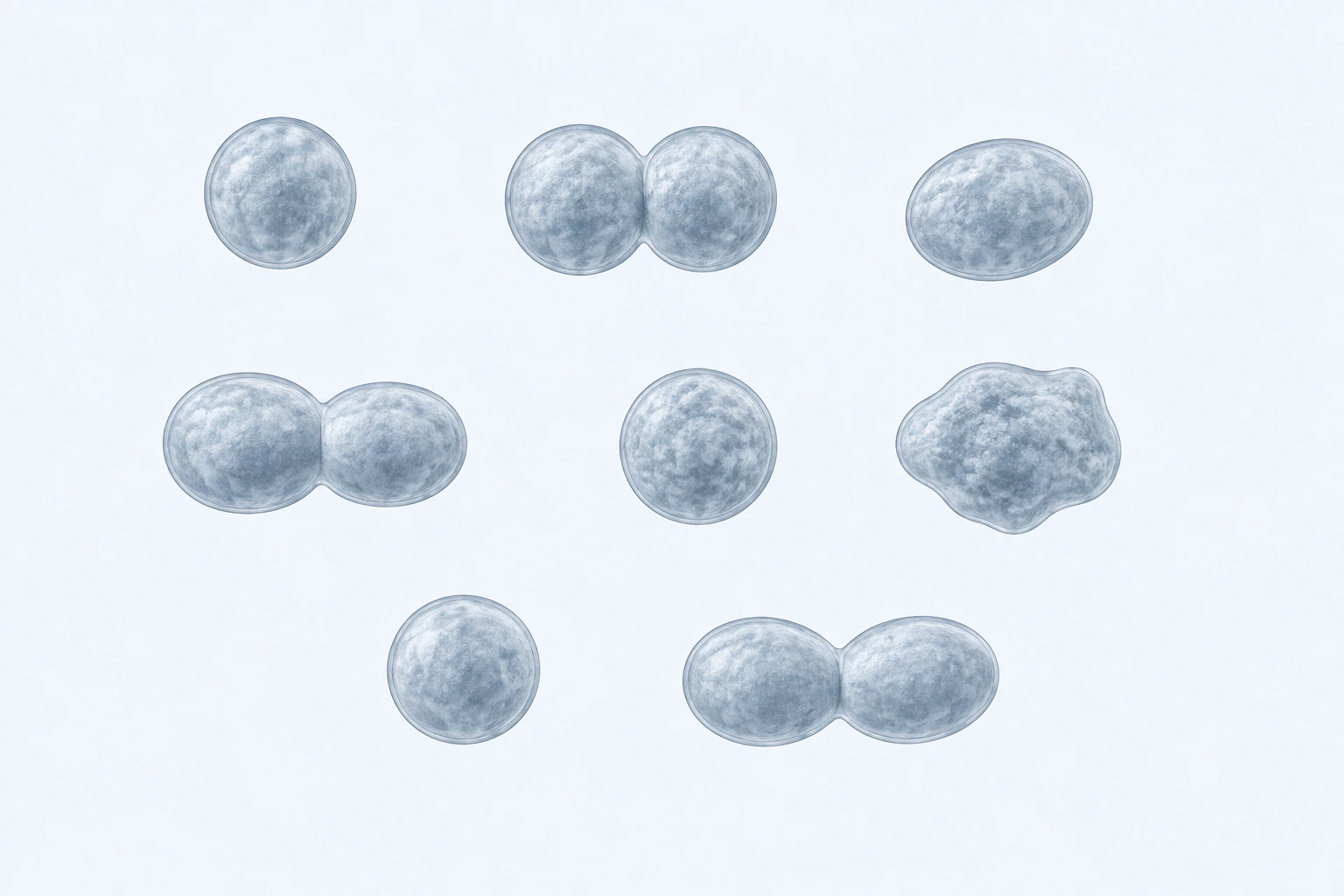
Mycoplasma is a genus of wall-less bacteria in the class Mollicutes, characterized by the smallest genomes of any self-replicating organisms (~580–1,350 kb). The lack of a cell wall makes them intrinsically resistant to beta-lactam antibiotics and undetectable by Gram s…
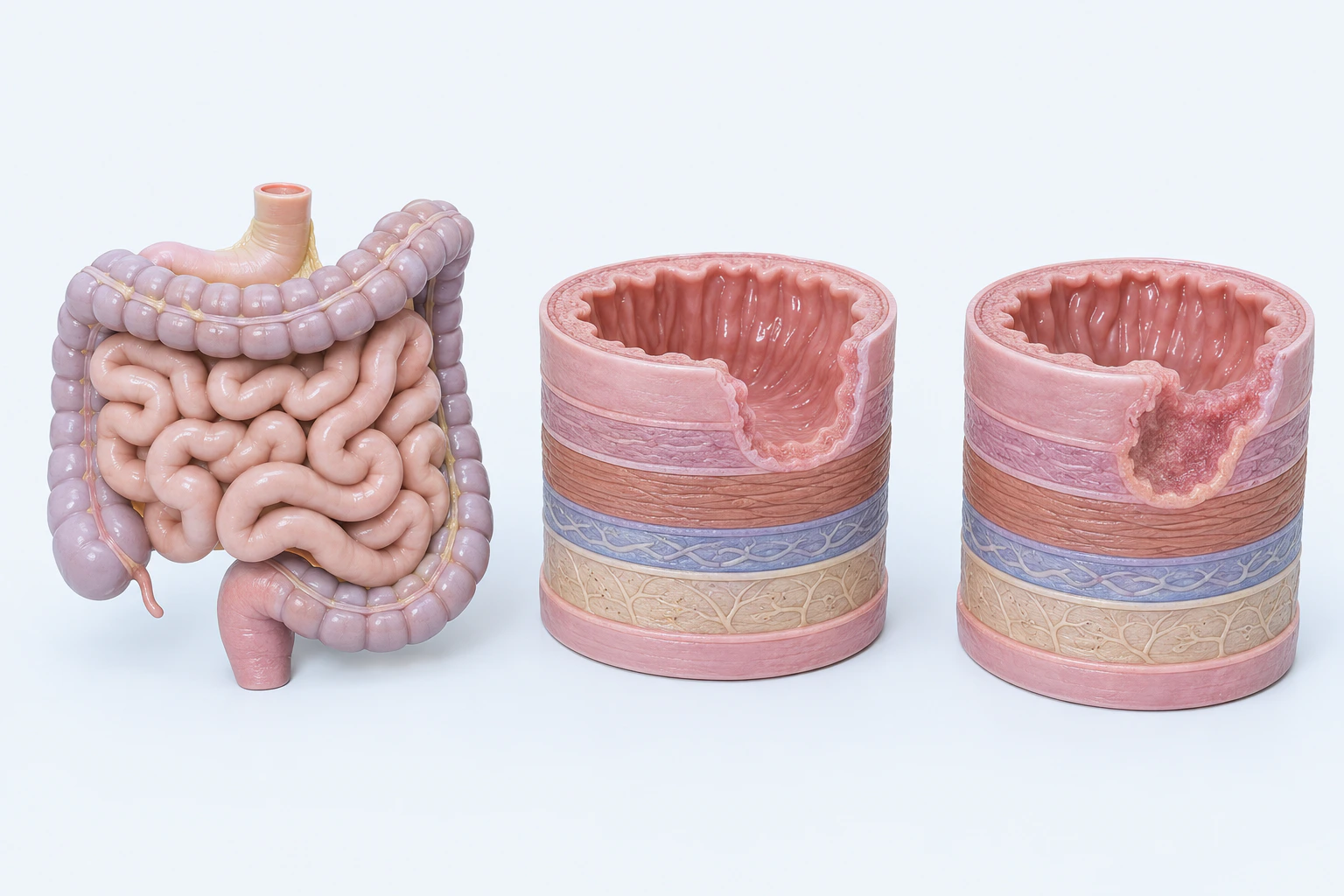
Necrotizing enterocolitis (NEC) is the most common and lethal gastrointestinal emergency in premature infants, affecting 5-12% of very low birth weight neonates (<1500 g) with mortality rates of 20-30%. Characterized by intestinal inflammation, necrosis, and perforation…
Phage therapy uses bacteriophages — viruses that infect and lyse specific bacteria — as precision antimicrobials. Unlike broad-spectrum antibiotics, phages target specific bacterial species or strains, sparing the commensal microbiome. In the WikiBiome framework, phage …
Pharmacomicrobiomics is the study of bidirectional interactions between drugs and the microbiome. The gut microbiome is not a passive bystander in pharmacology -- it actively metabolizes drugs, alters their bioavailability, and modulates therapeutic efficacy. Conversely…
Siderophores are small, high-affinity iron-chelating molecules secreted by bacteria, fungi, and some plants to scavenge ferric iron (Fe3+) from their environment. In the context of infection, siderophores are the molecular weapons pathogens deploy to break through nutri…
Zinc deficiency is a consistent finding in breast cancer, and Zn plays key roles in immunity (T cell differentiation), p53 activation, and SOD cofactor function. Yet supplementation data are limited, and in the Sister Study, zinc showed a dose-related positive associati…