Breast Cancer
This knowledge-base record is being expanded from WikiBiome’s evidence graph.
WikiBiomeThe human microbiome encyclopediaRanked matches across titles, topics, categories, and article introductions.
This knowledge-base record is being expanded from WikiBiome’s evidence graph.
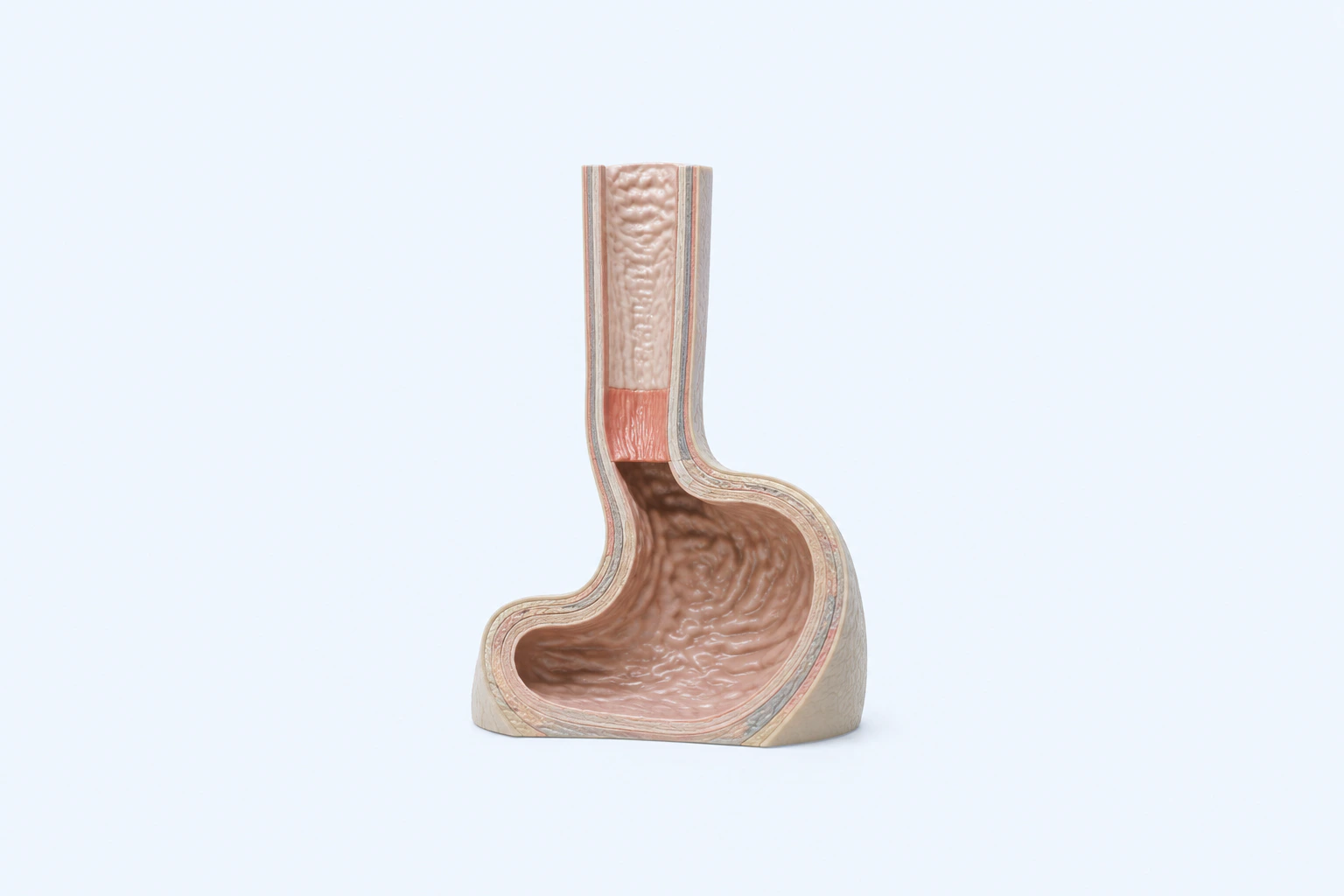
The fifth most common cancer worldwide and third leading cause of cancer death, with over 1 million new cases annually. Gastric cancer stands unique in this wiki as the disease where a single microorganism -- helicobacter pylori -- provides the dominant causal pathway, …
This knowledge-base record is being expanded from WikiBiome’s evidence graph.
Harm potential: RED — Following this STOP inappropriately could delay life-saving antibiotic therapy.
This knowledge-base record is being expanded from WikiBiome’s evidence graph.
Warning: Clinical Disclaimer: This STOP page represents a hypothesis based on mechanistic evidence and should NOT replace clinical judgment. Always consult with a qualified healthcare provider before modifying any treatment plan. Iron-deficiency anemia in colorectal can…
This knowledge-base record is being expanded from WikiBiome’s evidence graph.
Zinc deficiency is a consistent finding in breast cancer, and Zn plays key roles in immunity (T cell differentiation), p53 activation, and SOD cofactor function. Yet supplementation data are limited, and in the Sister Study, zinc showed a dose-related positive associati…
A Gram-negative, obligate anaerobic genus within the family veillonellaceae (class Negativicutes, phylum Firmicutes) defined by its specialized amino acid fermentation -- the genus name literally means "acid from amino acids." Acidaminococcus ferments glutamate as its p…
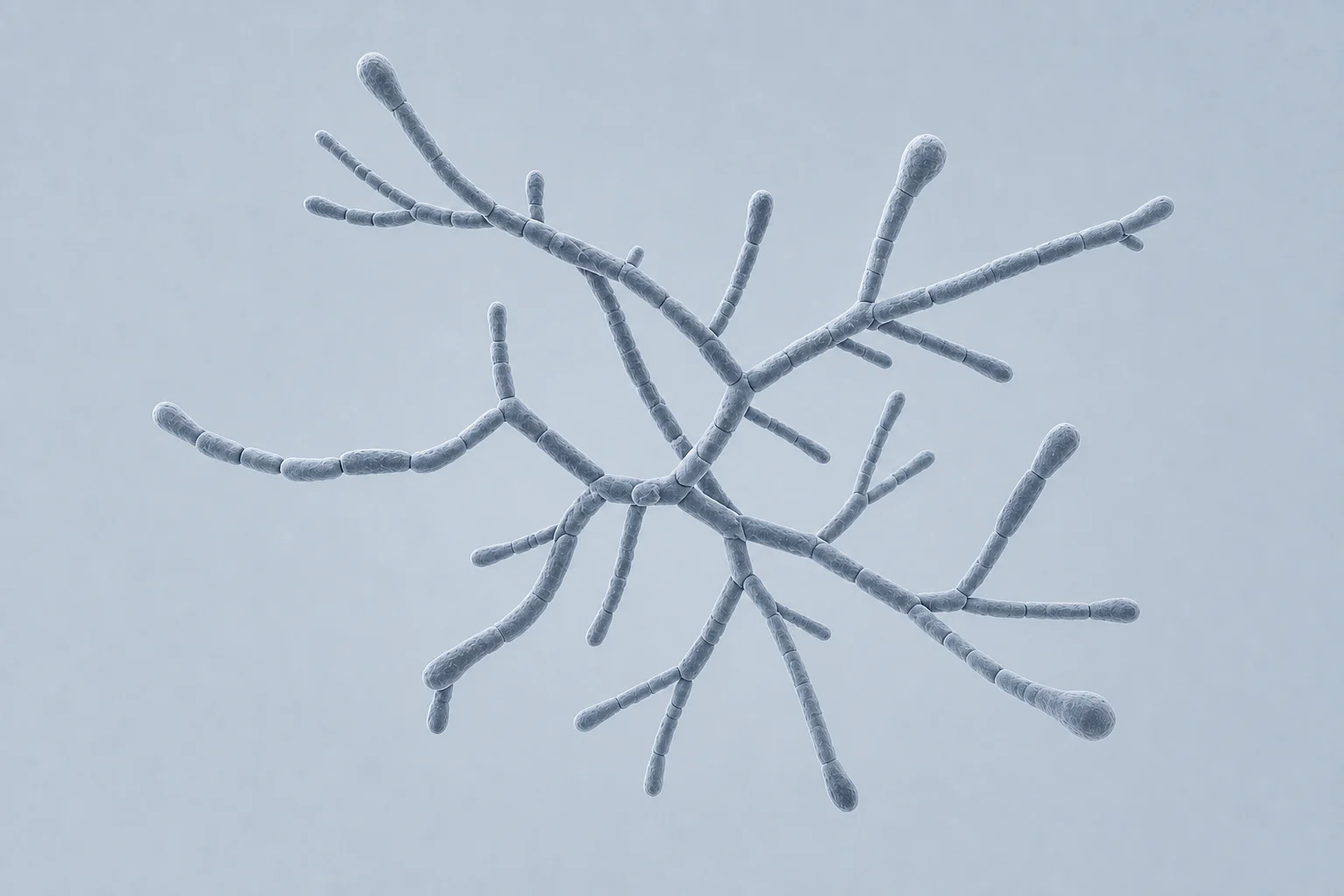
A genus of Gram-positive, facultatively anaerobic, filamentous bacteria that are among the most abundant colonizers of the human oral cavity. Actinomyces species, particularly A. naeslundii, play dual roles as early dental plaque colonizers and as opportunistic pathogen…
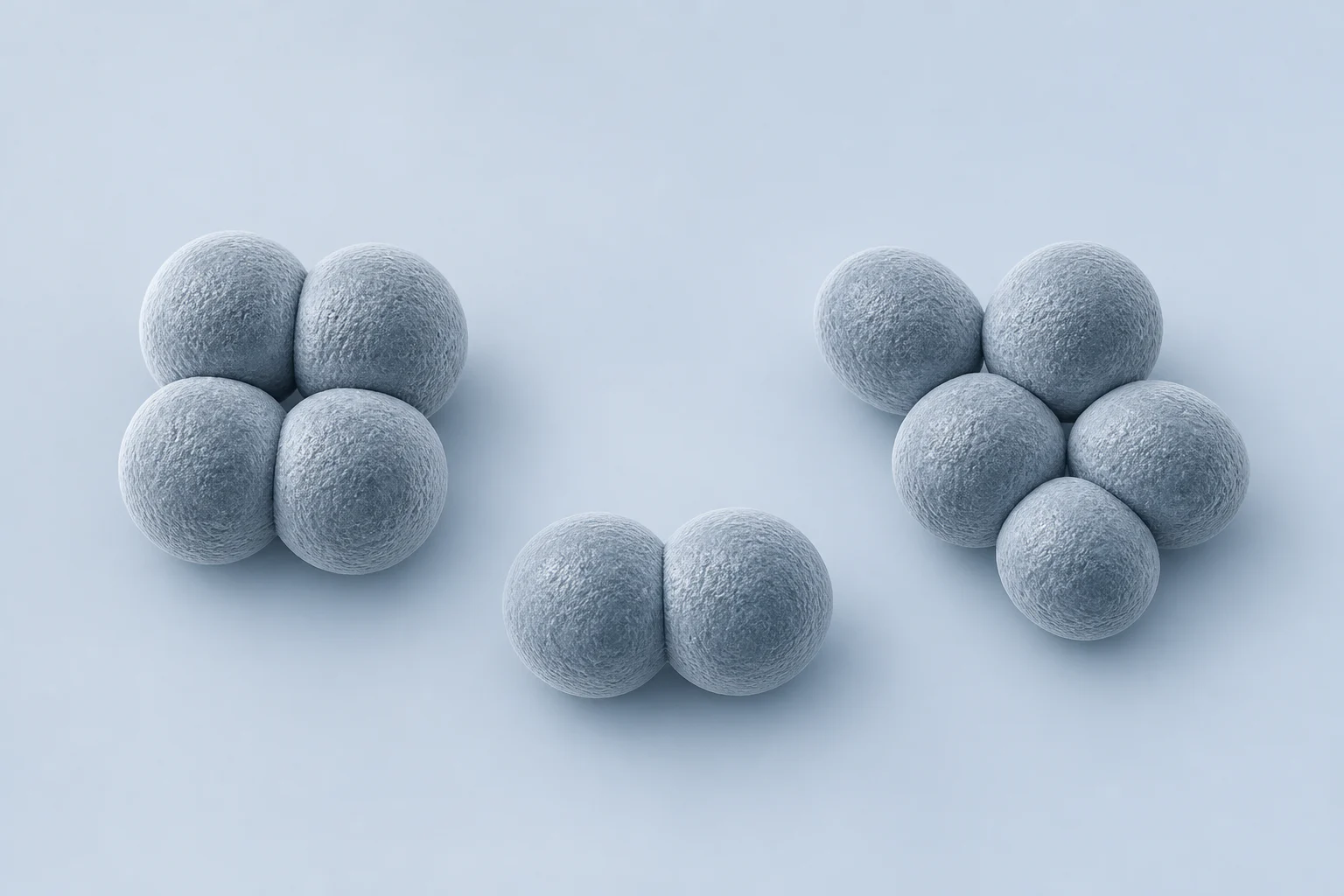
Aerococcus is a genus of Gram-positive, alpha-hemolytic, catalase-negative cocci. The primary species of clinical relevance are A. urinae (a cause of urinary tract infections, particularly in elderly men) and A. christensenii (a vaginal commensal). In the WikiBiome vaul…
A Gram-negative, obligate anaerobic genus within the Bacteroidetes phylum (family Rikenellaceae). Alistipes occupies a complex and context-dependent role in the gut ecosystem — some species carry well-documented anti-inflammatory properties, while the genus is paradoxic…
A non-essential metal and the most abundant metallic element in the Earth's crust. Unlike manganese, iron, or selenium, aluminum has no known biological function in humans. Its significance in metal toxicology stems from two major concerns: proven neurotoxicity at eleva…
Anaerococcus is a genus of Gram-positive, obligate anaerobic cocci within the phylum Firmicutes. It is a normal inhabitant of the human vaginal, skin, and gastrointestinal microbiota, but is recognized as an opportunistic pathogen in dysbiotic states, particularly when …
A metalloid that sits in the shadows of better-studied toxic metals like lead, cadmium, and mercury, yet appears with surprising consistency in metallomic studies of endocrine and inflammatory conditions. Antimony (symbol Sb, from Latin stibium; atomic number 51) exists…
This knowledge-base record is being expanded from WikiBiome’s evidence graph.
Arsenic is a metalloid and potent carcinogen (IARC Group 1) that ranks among the most widespread environmental toxicants affecting human health. An estimated 225 million people worldwide are chronically exposed through contaminated drinking water alone ghosh 2023 heavy …
Atopobium is a genus of obligate anaerobic, Gram-positive bacteria in the phylum Actinobacteria. The primary species of clinical relevance is A. vaginae (recently reclassified as Fannyhessea vaginae), which is one of the hallmark organisms of bacterial vaginosis (BV) an…
Autoimmunity occurs when the immune system attacks the body's own tissues. What has emerged over the past two decades is that the gut microbiome is not merely associated with autoimmune disease -- it is a mechanistic driver of immune tolerance breakdown. Metals add a se…
Autophagy (from Greek, "self-eating") is the cellular process of degrading and recycling damaged organelles, misfolded proteins, and intracellular pathogens through lysosomal digestion. It is the cell's primary quality control mechanism -- a housekeeping system that bec…
Viruses that exclusively infect bacteria. Bacteriophages -- phages for short -- are the most abundant biological entities on Earth, outnumbering bacteria in most environments by ratios of 1:1 to 10:1. In the human gut, the phageome represents a powerful but underexplore…
A Gram-negative obligate anaerobe and the most clinically significant member of the Bacteroides genus. B. fragilis occupies a unique dual position in gut microbiology: as a non-toxigenic commensal (NTBF), it produces polysaccharide A (PSA) that shapes immune tolerance; …
A Gram-negative obligate anaerobe that exemplifies the commensal-pathobiont spectrum. B. vulgatus is a common component of the healthy gut microbiota, yet is significantly enriched in colorectal cancer and depression, suggesting a context-dependent pathogenic potential.…
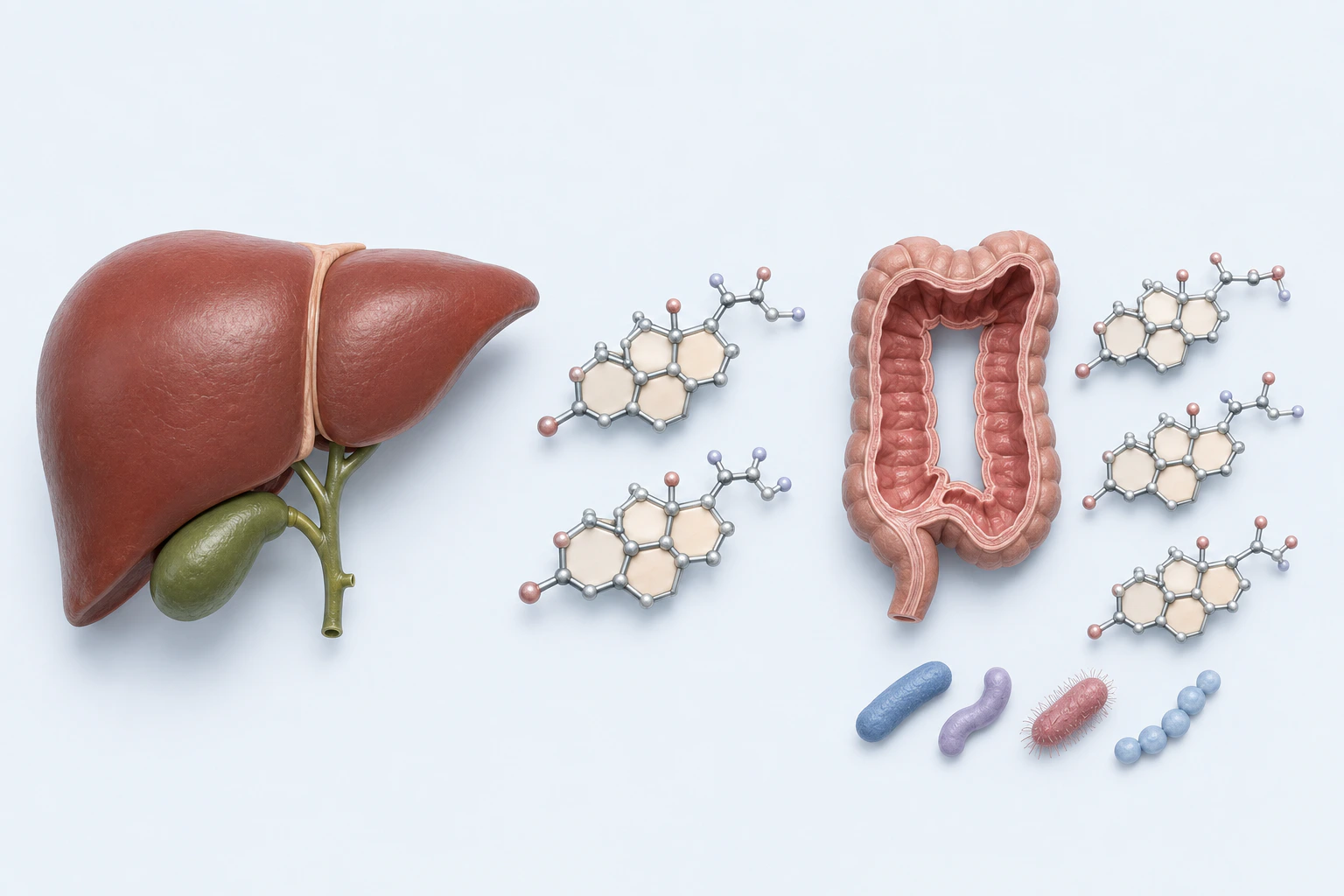
Bile acids are cholesterol-derived amphipathic molecules synthesized in the liver, secreted into the duodenum, and extensively modified by gut bacteria. The host-microbe co-metabolism of bile acids creates a signaling network with profound effects on lipid metabolism, g…
Bilophila wadsworthia is a Gram-negative, obligate anaerobic, sulfite-reducing bacterium that has emerged as a key pathobiont linking high-fat diets, taurine metabolism, hydrogen sulfide production, and inflammatory disease. Its unique metabolic niche -- using taurine-c…
A genus of Gram-positive, strictly anaerobic, butyrate-producing bacteria in the order Clostridiales (phylum Firmicutes). The type species, Butyricicoccus pullicaecorum, was originally isolated from chicken caecal content but has since been identified as a significant m…
This knowledge-base record is being expanded from WikiBiome’s evidence graph.
The major copper-carrying protein in human blood, binding approximately 95% of circulating copper. Ceruloplasmin is far more than a passive transport vehicle -- it is a multicopper oxidase with ferroxidase activity, an acute-phase reactant that rises with inflammation, …
This knowledge-base record is being expanded from WikiBiome’s evidence graph.
Citrobacter is a genus of Gram-negative, facultatively anaerobic bacteria in the Enterobacteriaceae family, named for its ability to utilize citrate as a sole carbon source. Species include C. freundii, C. koseri, and C. rodentium (a mouse model for EHEC infection). In …
Clostridium symbiosum is a Gram-positive, obligately anaerobic bacterium within the Clostridium cluster XIVa — a taxonomic group enriched for short-chain fatty acid (SCFA) producers and specialized bile acid metabolizers. Despite its ambiguous name (suggesting symbiotic…
A transition metal that is essential to human health exclusively as a component of cobalamin (vitamin B12), but toxic at higher levels of exposure. Cobalt occupies a distinctive position in metal biology: it is the only metal whose essential biological function in mamma…
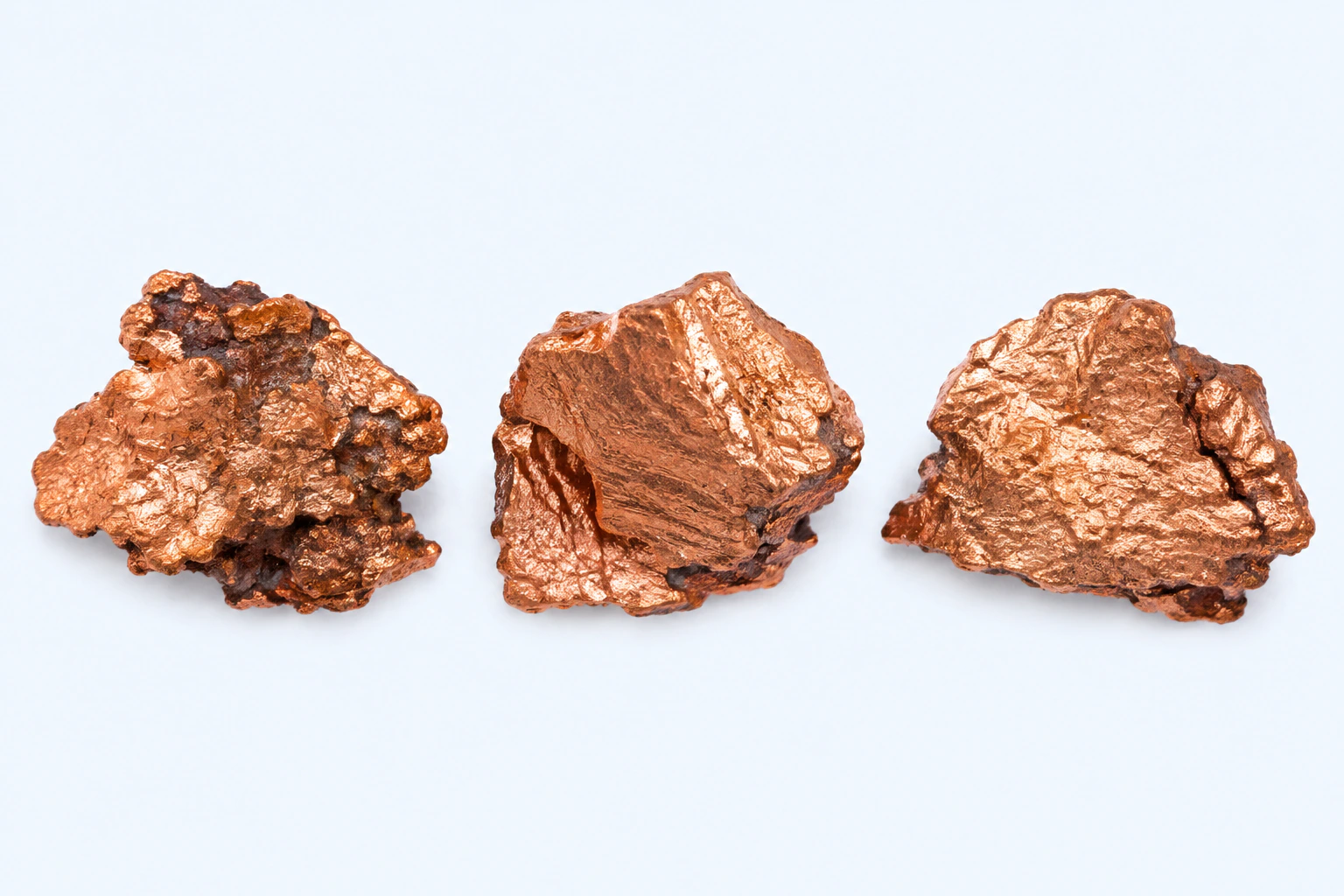
An essential trace element with a striking dual nature: required for survival as a cofactor for critical enzymes (SOD1, cytochrome c oxidase, ceruloplasmin), yet toxic in excess through Fenton-like redox cycling and mis metallation of iron-sulfur clusters. Copper is ele…
Perhaps the most pervasive metallomic finding across human disease: copper is elevated in nearly every pathological condition examined in this wiki -- cancer (pan-cancer), PCOS, cardiovascular disease, depression, schizophrenia, IBD, and rheumatoid arthritis. Simultaneo…
A Gram-positive, obligate anaerobic genus within the lachnospiraceae family (Firmicutes phylum). Coprococcus is one of the most important butyrate-producing commensals in the human gut and has gained particular attention as the "happiness bug" -- one of very few taxa di…
This knowledge-base record is being expanded from WikiBiome’s evidence graph.
A chronic, relapsing-remitting inflammatory bowel disease (IBD) characterized by transmural inflammation of the gastrointestinal tract, most commonly affecting the terminal ileum and colon but capable of involving any segment from mouth to anus zhang 2017 intestinal mic…
A distinct form of regulated cell death caused by excess intracellular copper binding to lipoylated proteins in the TCA cycle, first characterized by Tsvetkov et al. in Science (2022). Unlike ferroptosis (iron-dependent lipid peroxidation) or apoptosis (caspase-dependen…
A genus of Gram-negative, obligate anaerobic, sulfate-reducing bacteria (SRB) that produces hydrogen sulfide (H2S) as its primary metabolic end-product. H2S is a potent cytotoxin that disrupts colonocyte energy metabolism, damages the gut barrier, and promotes chronic i…
Direct DNA damage is the primary carcinogenic mechanism for chromium but is notably absent or minor for nickel and arsenic. This distinction is fundamental to understanding why these three metals cause cancer through such different pathways.
A Gram-positive, obligate anaerobic genus within the lachnospiraceae family (Firmicutes phylum). Dorea occupies a mixed role in the gut ecosystem -- while it is a core member of the healthy human microbiome, several species are consistently enriched in autoimmune and ne…
This knowledge-base record is being expanded from WikiBiome’s evidence graph.
Epigenetics is the study of heritable changes in gene expression that occur without alterations to the DNA sequence itself. These changes -- primarily DNA methylation, histone modifications, and non-coding RNA regulation -- represent a molecular memory system that can b…
This knowledge-base record is being expanded from WikiBiome’s evidence graph.
Research summary — not medical advice. This page synthesizes published research on a mechanism-level intervention. It is not a clinical recommendation. Consult a qualified healthcare provider before making any changes to diet, supplementation, or treatment.
The only known cellular iron exporter in mammals. Encoded by the SLC40A1 gene, ferroportin (FPN) sits on the basolateral membrane of enterocytes, the surface of macrophages, and the membrane of hepatocytes, controlling the flow of iron from these cells into the bloodstr…
This knowledge-base record is being expanded from WikiBiome’s evidence graph.
An order of Gram-negative, obligate anaerobic bacteria within the phylum Fusobacteriota (formerly Fusobacteria). This order-level page covers the broader taxonomic group that includes the well-characterized genus fusobacterium and its key species fusobacterium nucleatum…
A Gram-negative, obligate anaerobic bacterium that has emerged as the most consistently CRC-associated microorganism in human gut microbiome studies. F. nucleatum is the primary species of concern, originally a commensal of the oral cavity that translocates to colorecta…
A Gram-negative obligate anaerobe that has emerged as a major pathogen in colorectal cancer (CRC) and inflammatory bowel disease. F. nucleatum is significantly enriched in CRC tissue and tumors compared to healthy mucosa, making it one of the strongest microbe-cancer as…
The most common malignancy of the stomach, accounting for over 95% of gastric cancers. helicobacter pylori infection is the strongest known risk factor, classified as a Group 1 carcinogen by IARC. In the metallomics framework, gastric adenocarcinoma reveals a striking d…
Alphabetical definitions of specialist terms used throughout this wiki. Where a full concept page exists, the term links to it. --- AhR (aryl hydrocarbon receptor) -- A ligand-activated transcription factor that senses microbial metabolites (especially indoles from tryp…
This knowledge-base record is being expanded from WikiBiome’s evidence graph.
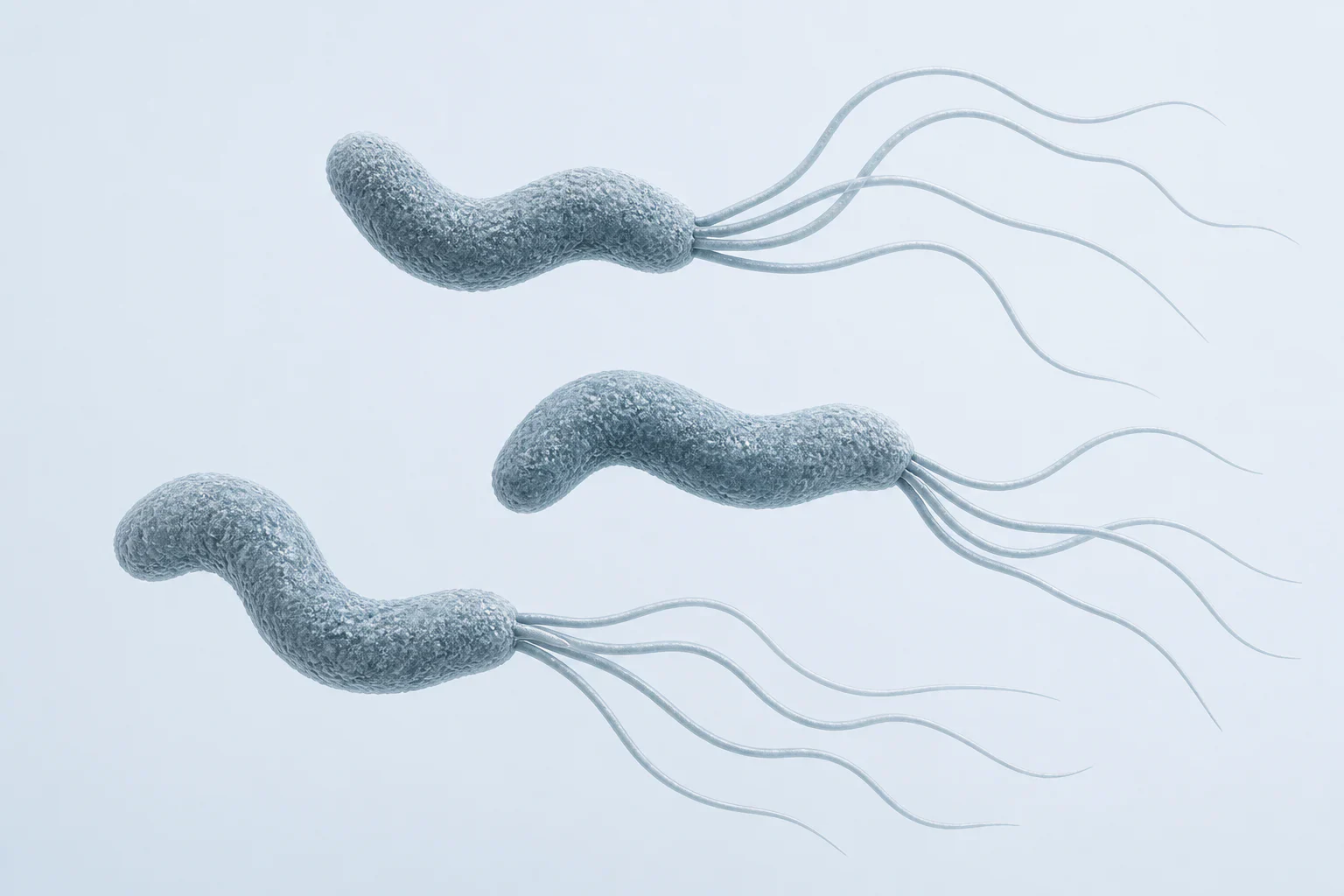
A gastric pathogen that is arguably the most nickel-dependent human pathogen known. Two of its key virulence factors — urease and [NiFe] hydrogenase — require nickel, and the bacterium has evolved an elaborate nickel trafficking, storage, and regulation system to suppor…
--- title: Hungatella type: entity subtype: microbe created: 2026-04-10 updated: 2026-04-16 lastsubstantiveupdate: 2026-04-16 sources: [altinok-dindar-2023-gut-microbiota-breast-cancer-diet, qin-2024-consistent-microbiome-signatures-old-young-onset-crc, zhang-2025-gut-v…
[NiFe] hydrogenases are the second major nickel-dependent virulence factor class in human pathogens. Less widespread than urease but critical for energy metabolism in gastric, enteric, and intracellular pathogens. The discovery that H. pylori hydrogenase powers CagA tra…
This knowledge-base record is being expanded from WikiBiome’s evidence graph.
An umbrella term for chronic relapsing-remitting inflammatory conditions of the gastrointestinal tract, principally crohns disease (CD; transmural, any GI segment) and ulcerative colitis (UC; mucosal, colon only). Approximately 6 million patients worldwide. IBD represen…
--- title: Intestinibacter type: entity subtype: microbe created: 2026-04-10 updated: 2026-04-16 lastsubstantiveupdate: 2026-04-16 sources: [dai-2024-gut-microbiota-cvd-bidirectional-mr, xiang-2023-host-gene-microbiome-crc-mr, wu-2017-metformin-gut-microbiome-t2d-nature…
A Gram-positive, obligate anaerobic genus within the Firmicutes phylum (family Oscillospiraceae or Ruminococcaceae depending on classification) that possesses a unique metabolic capability: butyrate production from lysine fermentation rather than from dietary fiber. Thi…
The most abundant transition metal in the human body and arguably the most consequential metal in biology. Iron sits at the center of a paradox that drives pathology across virtually every disease domain: organisms need it for oxygen transport, energy metabolism, DNA sy…
Lachnospira is a genus of Gram-positive, obligate anaerobic bacteria within the lachnospiraceae family (Firmicutes phylum). L. pectinoschiza, the type species, is a specialist pectin fermenter that produces short chain fatty acids from plant-derived polysaccharides. The…
Lactobacillaceae is the family containing the genus lactobacillus and related genera. It is the dominant family in the healthy vaginal microbiome and a significant family in the gut. Family-level depletion is reported across schizophrenia szeligowski 2020 gut microbiome…
Lactobacillus acidophilus is one of the most widely used probiotic species, with clinical trial evidence spanning multiple conditions. It is a component of many multi-strain probiotic formulations and has been tested in RCTs for schizophrenia, breast cancer chemotherapy…
Lactobacillus gasseri is a vaginal and gut commensal that defines Community State Type II (CST-II) in the vaginal microbiome. It is a common probiotic species with anti-obesity properties in clinical trials.
Lactobacillus iners is a Gram-positive, facultatively anaerobic bacterium that dominates the vaginal microbiome of many women worldwide, defining Community State Type III (CST-III) in vaginal microbiome classification. For decades, all vaginal Lactobacillus species were…
Lactococcus lactis is a Gram-positive, facultatively anaerobic, lactic acid bacterium best known as the workhorse of the dairy fermentation industry. It holds GRAS (Generally Recognized As Safe) status and has emerged as a versatile platform for probiotic and therapeuti…
This knowledge-base record is being expanded from WikiBiome’s evidence graph.
A Gram-negative obligate anaerobe traditionally considered an oral commensal, but increasingly recognized as an opportunistic pathobiont with the ability to translocate from oral biofilms to the gastrointestinal tract and bloodstream. Leptotrichia species are prominentl…
This knowledge-base record is being expanded from WikiBiome’s evidence graph.