Gut-Prostate Axis
This knowledge-base record is being expanded from WikiBiome’s evidence graph.
WikiBiomeThe human microbiome encyclopediaRanked matches across titles, topics, categories, and article introductions.
This knowledge-base record is being expanded from WikiBiome’s evidence graph.
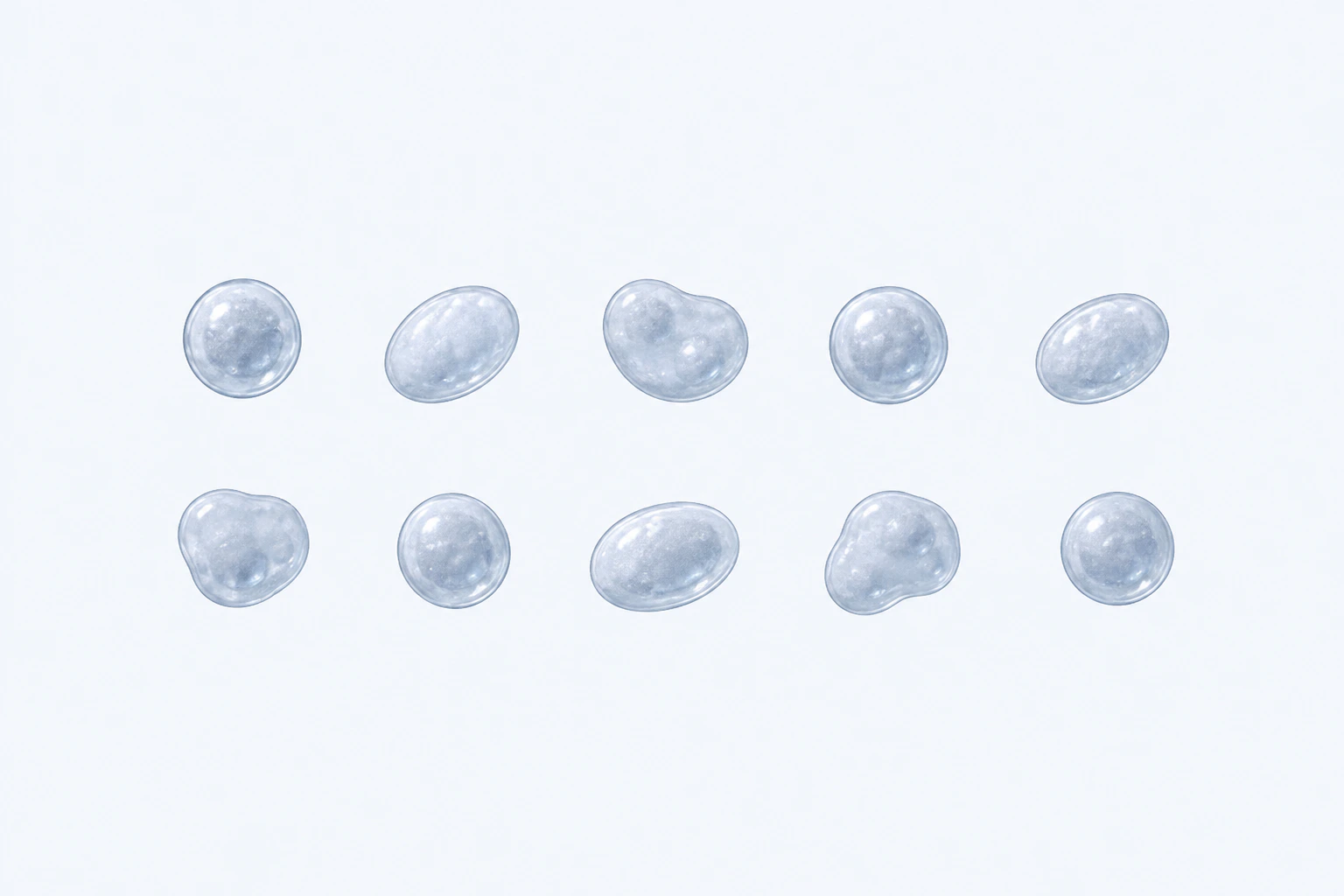
Mycoplasma is a genus of wall-less bacteria in the class Mollicutes, characterized by the smallest genomes of any self-replicating organisms (~580–1,350 kb). The lack of a cell wall makes them intrinsically resistant to beta-lactam antibiotics and undetectable by Gram s…
See also: mycoplasma (genus page) Mycoplasma hominis is a wall-less bacterium in the class Mollicutes that colonizes the urogenital tract. It is associated with bacterial vaginosis, pelvic inflammatory disease, and neonatal infections.
This knowledge-base record is being expanded from WikiBiome’s evidence graph.
A Gram-negative uropathogen whose Ni-dependent urease is the central driver of catheter-associated urinary tract infection (CAUTI) pathogenesis. Urease-mediated urea hydrolysis alkalinizes urine, triggering precipitation of struvite (magnesium ammonium phosphate) and ap…
Ureaplasma is a genus of wall-less bacteria in the class Mollicutes, comprising two species pathogenic to humans: U. urealyticum and U. parvum. The genus is named for its defining characteristic — obligate urease activity — which hydrolyzes urea to ammonia and CO2, prov…
See also: ureaplasma (genus page with full biology and metal dependency profile) Ureaplasma urealyticum is one of two human-pathogenic Ureaplasma species (alongside U. parvum). Like all Ureaplasma, it depends on nickel-dependent urease for energy generation.