Endometriosis
This knowledge-base record is being expanded from WikiBiome’s evidence graph.
WikiBiomeThe human microbiome encyclopediaRanked matches across titles, topics, categories, and article introductions.
This knowledge-base record is being expanded from WikiBiome’s evidence graph.
Research summary — not medical advice. This page synthesizes published research on a mechanism-level intervention. It is not a clinical recommendation. Consult a qualified healthcare provider before making any changes to diet, supplementation, or treatment.
Warning: Clinical Disclaimer: This STOP page represents a hypothesis based on mechanistic evidence and should NOT replace clinical judgment. Always consult with a qualified healthcare provider before modifying any treatment plan. Evidence quality ratings reflect the str…
Research summary -- not medical advice. This page synthesizes published research on why a commonly recommended intervention may be counterproductive in this specific clinical context. Consult a qualified healthcare provider before making any changes to treatment.
Warning: Clinical Disclaimer: This STOP page represents a hypothesis based on mechanistic evidence and should NOT replace clinical judgment. Always consult with a qualified healthcare provider before modifying any treatment plan. Evidence quality ratings reflect the str…
Lei et al. (2018) demonstrated that hydrogen sulfide promotes endometrial stromal cell proliferation via NF-kB activation. CBS and CSE (H2S-producing enzymes) are overexpressed in ectopic endometrium. NF-kB is also activated by nickel exposure in allergic contact mucosi…
Zinc is depleted in nearly every disease state examined in this wiki -- cancer (breast, prostate, lung, pancreatic, esophageal, colorectal), type 2 diabetes, PCOS, autism, postpartum depression, and IBD. Zinc supplementation is generally beneficial: it reduces PPD risk …
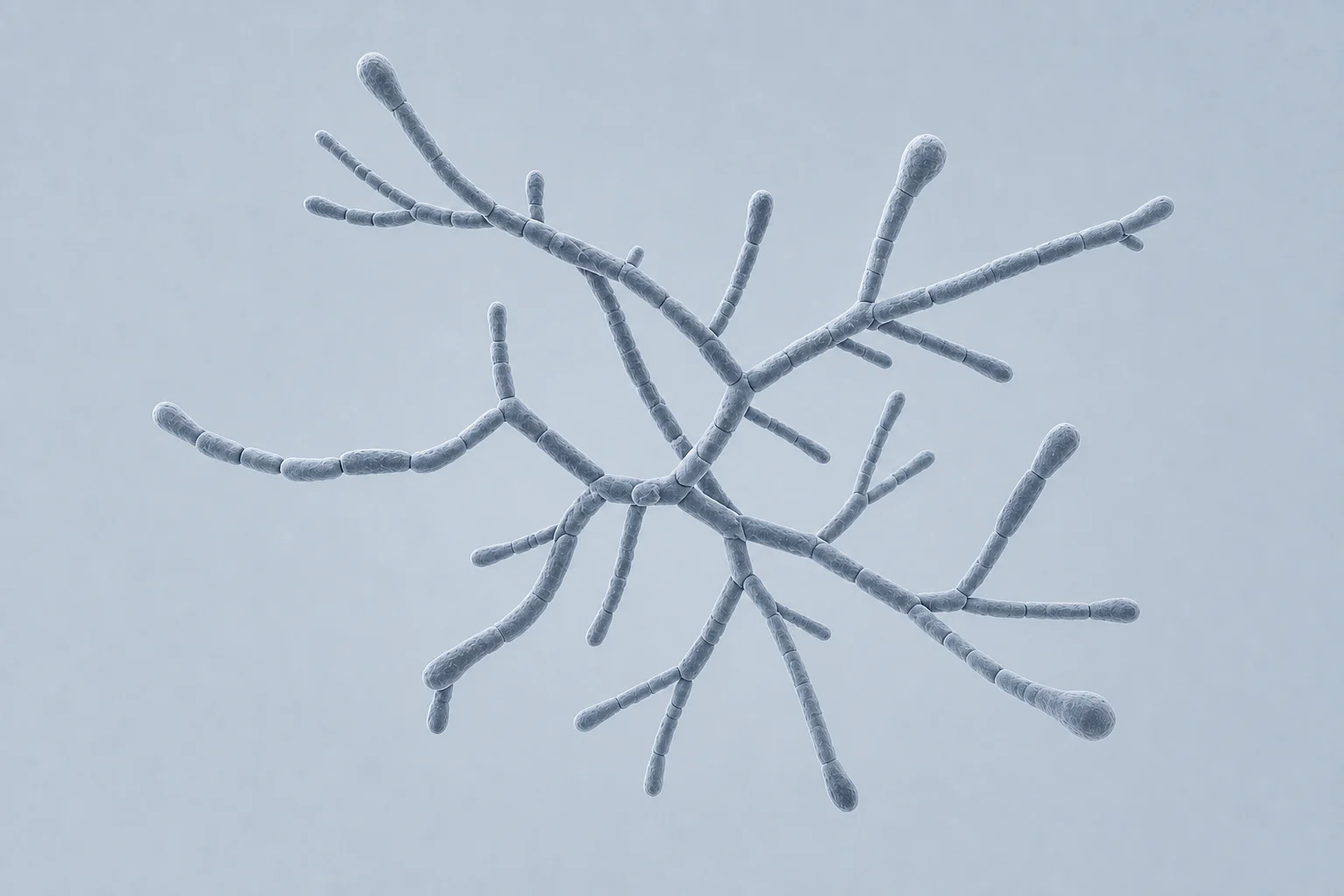
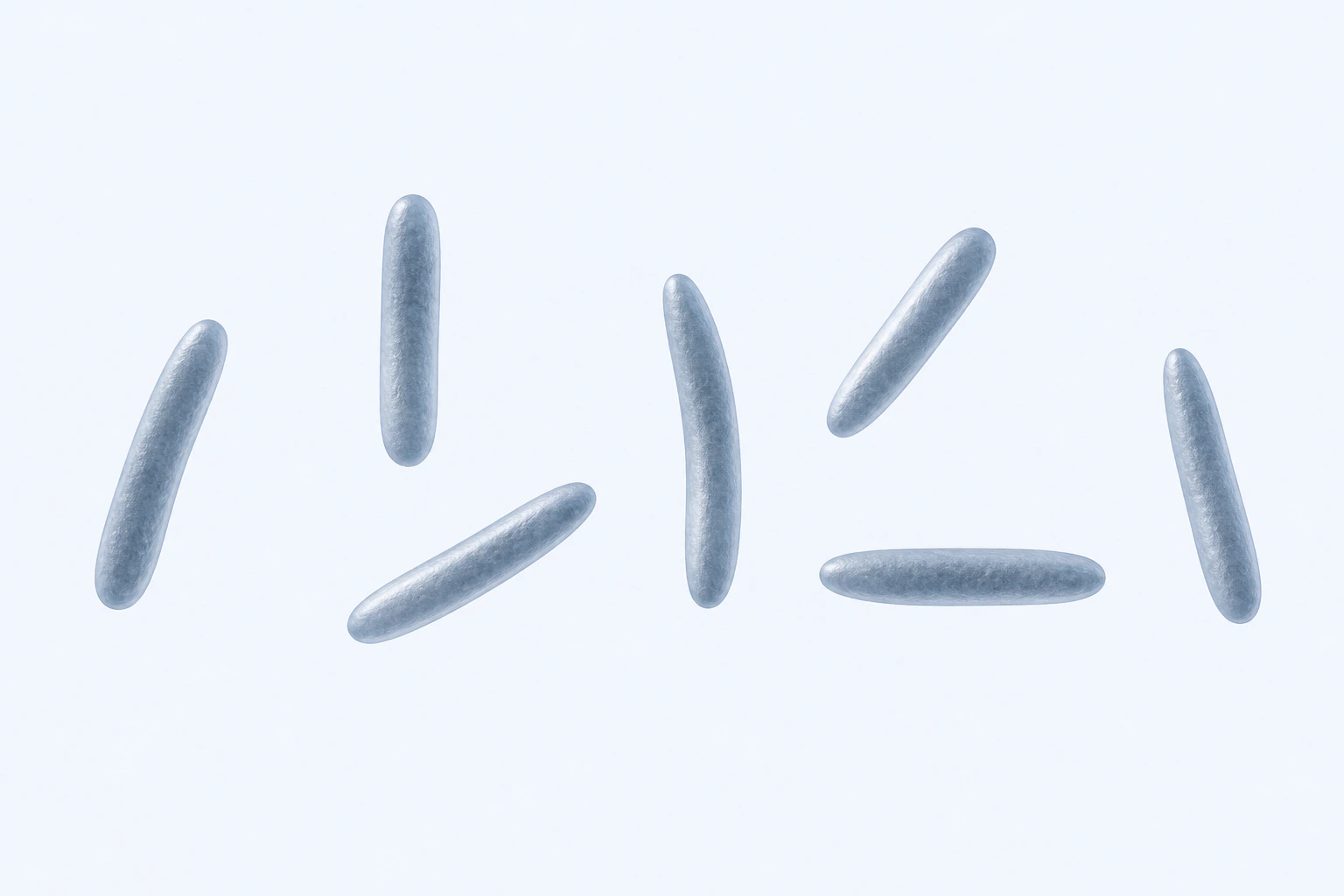
A genus of Gram-positive, facultatively anaerobic, filamentous bacteria that are among the most abundant colonizers of the human oral cavity. Actinomyces species, particularly A. naeslundii, play dual roles as early dental plaque colonizers and as opportunistic pathogen…
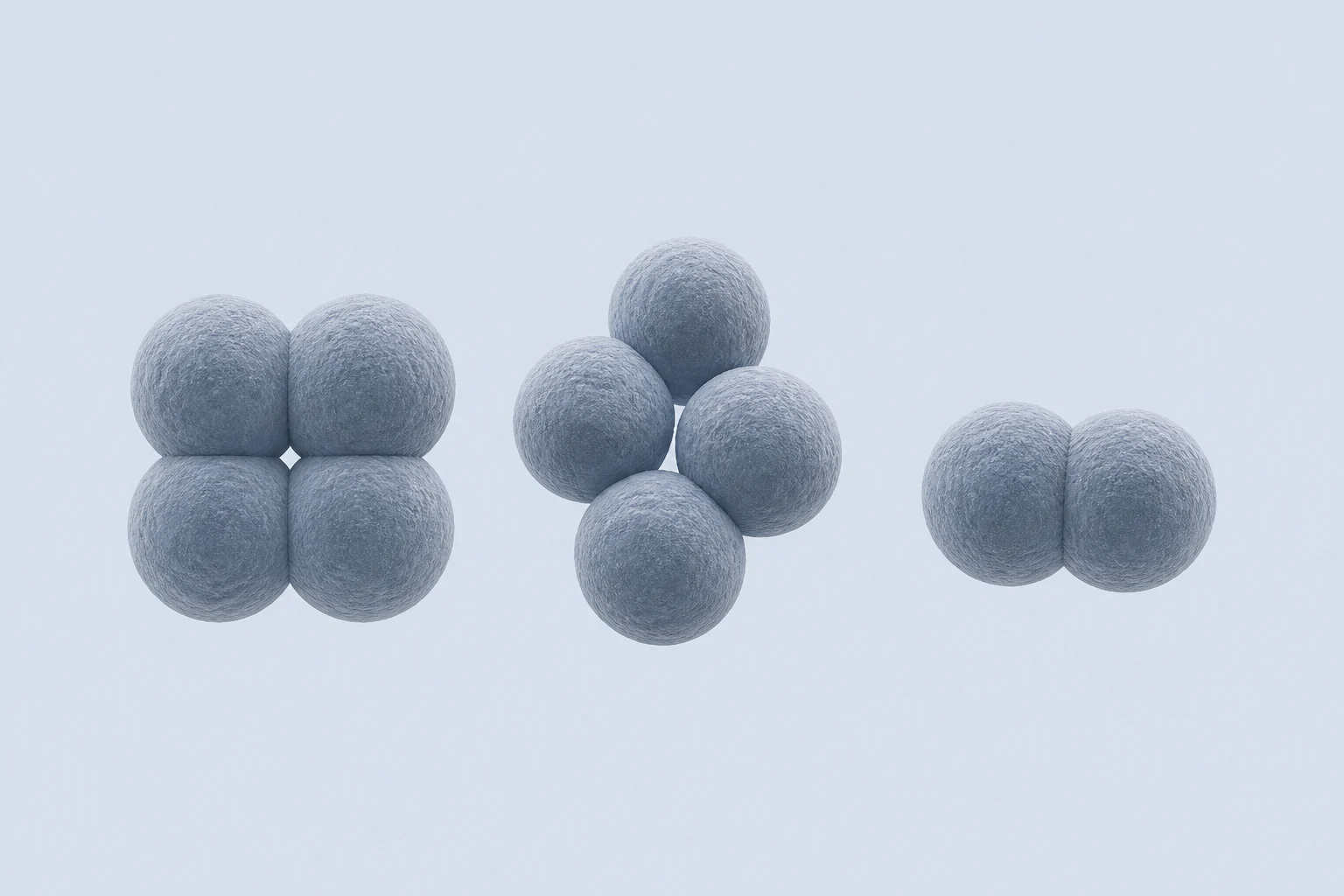
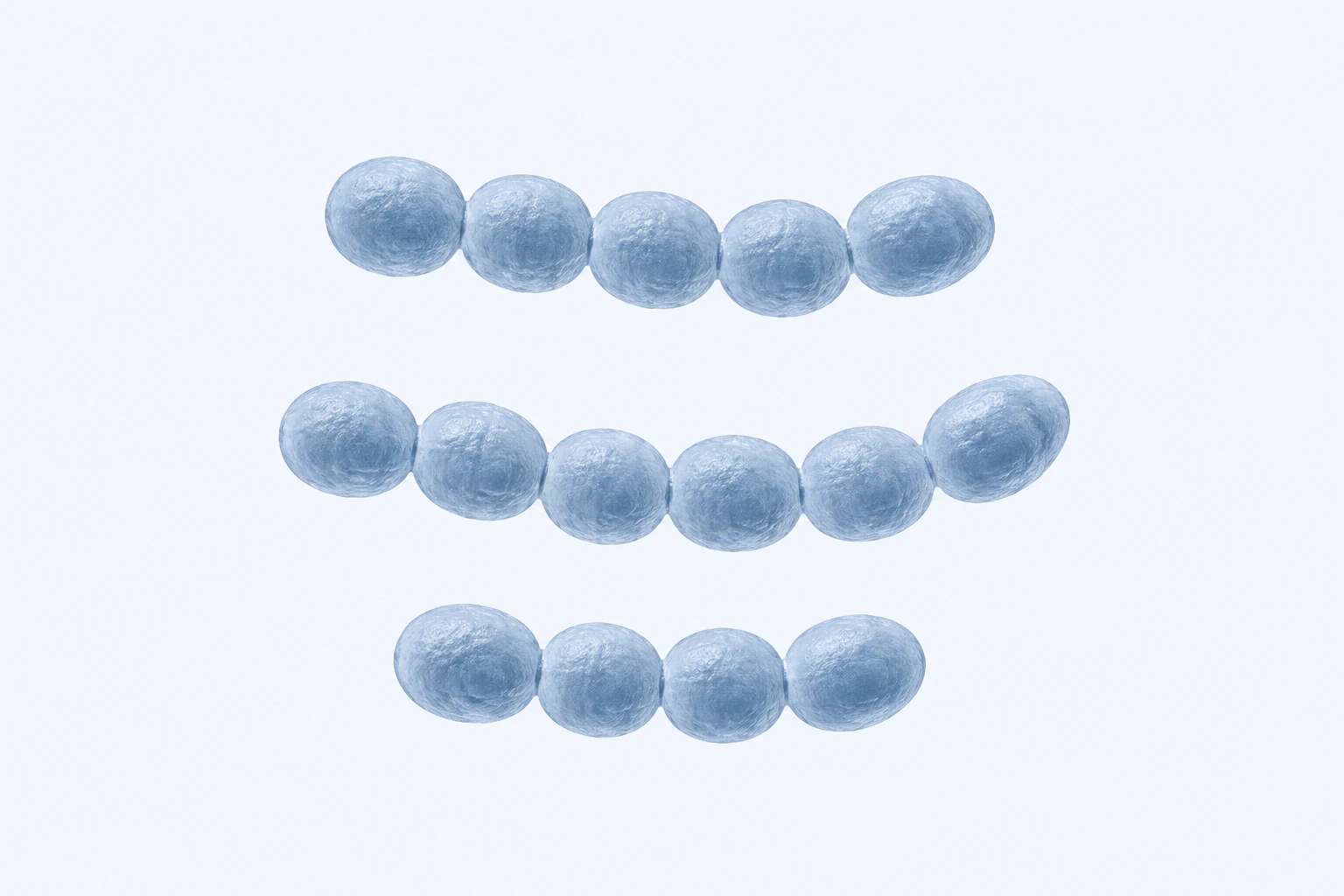
Aerococcus is a genus of Gram-positive, alpha-hemolytic, catalase-negative cocci. The primary species of clinical relevance are A. urinae (a cause of urinary tract infections, particularly in elderly men) and A. christensenii (a vaginal commensal). In the WikiBiome vaul…
This knowledge-base record is being expanded from WikiBiome’s evidence graph.
Alloscardovia is a genus of anaerobic, Gram-positive bacteria in the family Bifidobacteriaceae (phylum Actinobacteria). The primary species is A. omnicolens, which colonizes the human urogenital tract. In the WikiBiome vault, Alloscardovia appears exclusively in endomet…
Anaerococcus is a genus of Gram-positive, obligate anaerobic cocci within the phylum Firmicutes. It is a normal inhabitant of the human vaginal, skin, and gastrointestinal microbiota, but is recognized as an opportunistic pathogen in dysbiotic states, particularly when …
This knowledge-base record is being expanded from WikiBiome’s evidence graph.
Atopobium is a genus of obligate anaerobic, Gram-positive bacteria in the phylum Actinobacteria. The primary species of clinical relevance is A. vaginae (recently reclassified as Fannyhessea vaginae), which is one of the hallmark organisms of bacterial vaginosis (BV) an…
This knowledge-base record is being expanded from WikiBiome’s evidence graph.
Barnesella is a genus of obligate anaerobic, Gram-negative bacteria in the phylum Bacteroidetes. It is a relatively understudied gut commensal that appears in the WikiBiome vault primarily in the context of endometriosis microbiome studies, where it is part of the compl…
Barnesiella is a genus of Gram-negative, obligate anaerobic bacteria within the phylum Bacteroidetes. It is a commensal member of the healthy human gut microbiota, recognized for its role in colonization resistance — the ability of the resident microbiome to prevent est…
A Gram-negative, obligate anaerobic genus within the Bacteroidetes phylum (family Odoribacteraceae). Despite its relatively recent characterization, Butyricimonas has gained significant attention as a member of the protective butyrate-producing consortium that is consis…
Butyrivibrio is a genus of Gram-positive, obligate anaerobic bacteria within the family Lachnospiraceae (phylum Firmicutes). Originally characterized as a dominant fiber-fermenting genus in the rumen, Butyrivibrio species are also found in the human colon where they con…
A transition metal that is essential to human health exclusively as a component of cobalamin (vitamin B12), but toxic at higher levels of exposure. Cobalt occupies a distinctive position in metal biology: it is the only metal whose essential biological function in mamma…
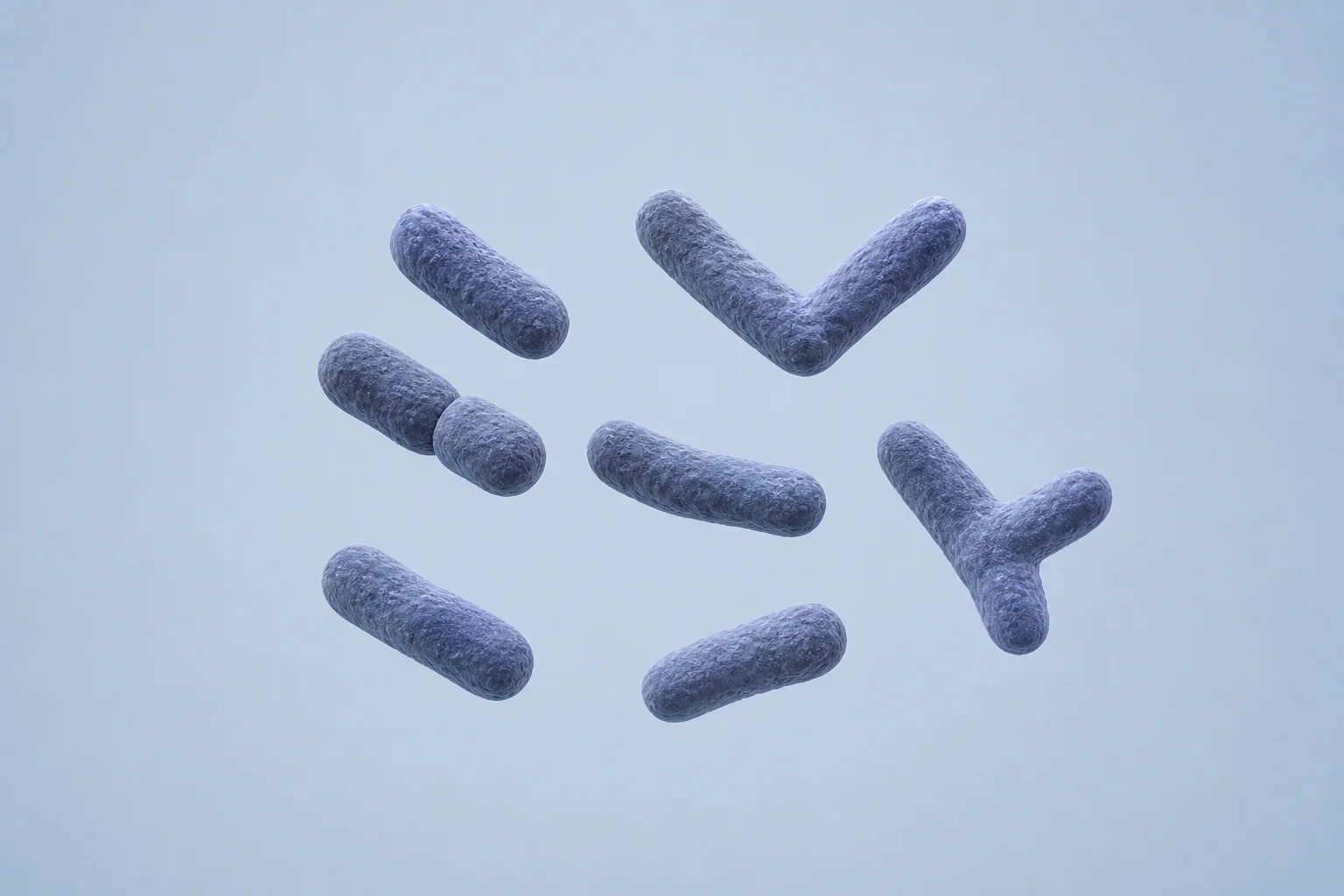
Corynebacterium is a large genus of Gram-positive, club-shaped bacteria with over 130 species spanning commensals, opportunistic pathogens, and the classic pathogen C. diphtheriae. In the WikiBiome context, Corynebacterium is most notable for its dominance in the male r…
This knowledge-base record is being expanded from WikiBiome’s evidence graph.
A genus of Gram-negative, obligate anaerobic, sulfate-reducing bacteria (SRB) that produces hydrogen sulfide (H2S) as its primary metabolic end-product. H2S is a potent cytotoxin that disrupts colonocyte energy metabolism, damages the gut barrier, and promotes chronic i…
This page identifies the contradictions and clinical dilemmas that become visible only when the 236 source pages in this wiki are read together. Each paradox describes a situation where evidence-based dietary or supplementation advice -- advice that is correct for most …
This knowledge-base record is being expanded from WikiBiome’s evidence graph.
Research summary — not medical advice. This page synthesizes published research on a mechanism-level intervention. It is not a clinical recommendation. Consult a qualified healthcare provider before making any changes to diet, supplementation, or treatment.
A Gram-positive obligate anaerobe and key estrobolome member that links metabolic dysbiosis to hormone-driven diseases, particularly endometriosis. E. lenta is remarkable for its ability to inactivate cardiac glycosides (like digoxin) and to produce beta-glucuronidase, …
This knowledge-base record is being expanded from WikiBiome’s evidence graph.
Gardnerella vaginalis is a Gram-variable, facultatively anaerobic bacterium that is the key organism in bacterial vaginosis (BV), the most common vaginal infection in women of reproductive age. Its sialidase production, biofilm-forming capacity, and associations with he…
See also the genus page: gardnerella Gardnerella vaginalis is the primary causative agent of bacterial vaginosis (BV), the most common vaginal infection worldwide. This species page focuses on the species-level biology — particularly the vaginolysin cytotoxin and biofil…
Gemella is a genus of Gram-positive, facultatively anaerobic cocci that are normal commensals of the oral cavity. Species include G. morbillorum, G. haemolysans, and G. sanguinis. In the WikiBiome context, Gemella is notable for its oral-gut translocation pattern — an o…
Alphabetical definitions of specialist terms used throughout this wiki. Where a full concept page exists, the term links to it. --- AhR (aryl hydrocarbon receptor) -- A ligand-activated transcription factor that senses microbial metabolites (especially indoles from tryp…
This knowledge-base record is being expanded from WikiBiome’s evidence graph.
An umbrella term for chronic relapsing-remitting inflammatory conditions of the gastrointestinal tract, principally crohns disease (CD; transmural, any GI segment) and ulcerative colitis (UC; mucosal, colon only). Approximately 6 million patients worldwide. IBD represen…
Interleukin-6 is a pleiotropic cytokine that sits at the crossroads of innate immunity, adaptive immunity, and metabolism. It is one of the most frequently elevated inflammatory mediators across conditions in this wiki — appearing in disease signatures spanning IBD, aut…
This knowledge-base record is being expanded from WikiBiome’s evidence graph.
Lachnobacterium is a genus of Gram-positive, obligate anaerobic bacteria within the family Lachnospiraceae (phylum Firmicutes). It is a commensal member of the healthy human gut microbiota, though relatively understudied compared to other Lachnospiraceae genera. Lachnob…
Lachnospira is a genus of Gram-positive, obligate anaerobic bacteria within the lachnospiraceae family (Firmicutes phylum). L. pectinoschiza, the type species, is a specialist pectin fermenter that produces short chain fatty acids from plant-derived polysaccharides. The…
Lactobacillaceae is the family containing the genus lactobacillus and related genera. It is the dominant family in the healthy vaginal microbiome and a significant family in the gut. Family-level depletion is reported across schizophrenia szeligowski 2020 gut microbiome…
Lactobacillus gasseri is a vaginal and gut commensal that defines Community State Type II (CST-II) in the vaginal microbiome. It is a common probiotic species with anti-obesity properties in clinical trials.
Lactobacillus iners is a Gram-positive, facultatively anaerobic bacterium that dominates the vaginal microbiome of many women worldwide, defining Community State Type III (CST-III) in vaginal microbiome classification. For decades, all vaginal Lactobacillus species were…
Research summary — not medical advice. This page synthesizes published research on a mechanism-level intervention. It is not a clinical recommendation. Consult a qualified healthcare provider before making any changes to diet, supplementation, or treatment.
This knowledge-base record is being expanded from WikiBiome’s evidence graph.
An anti-inflammatory dietary pattern characterized by high consumption of extra-virgin olive oil, fruits, vegetables, legumes, whole grains, nuts, and fish, with limited red meat, processed food, and added sugars. The Mediterranean diet (MD) has evidence across multiple…
Megasphaera is a genus of obligate anaerobic, Gram-negative bacteria in the family Veillonellaceae (class Negativicutes, phylum Firmicutes). The genus occupies two distinct ecological niches — the vaginal microbiome (where it is a hallmark of bacterial vaginosis) and th…
A metal ion that activates estrogen receptors and mimics the biological effects of estradiol. Metalloestrogens represent a distinct class of endocrine-disrupting compounds where the active agent is an inorganic metal rather than an organic xenoestrogen like BPA or phtha…
This knowledge-base record is being expanded from WikiBiome’s evidence graph.
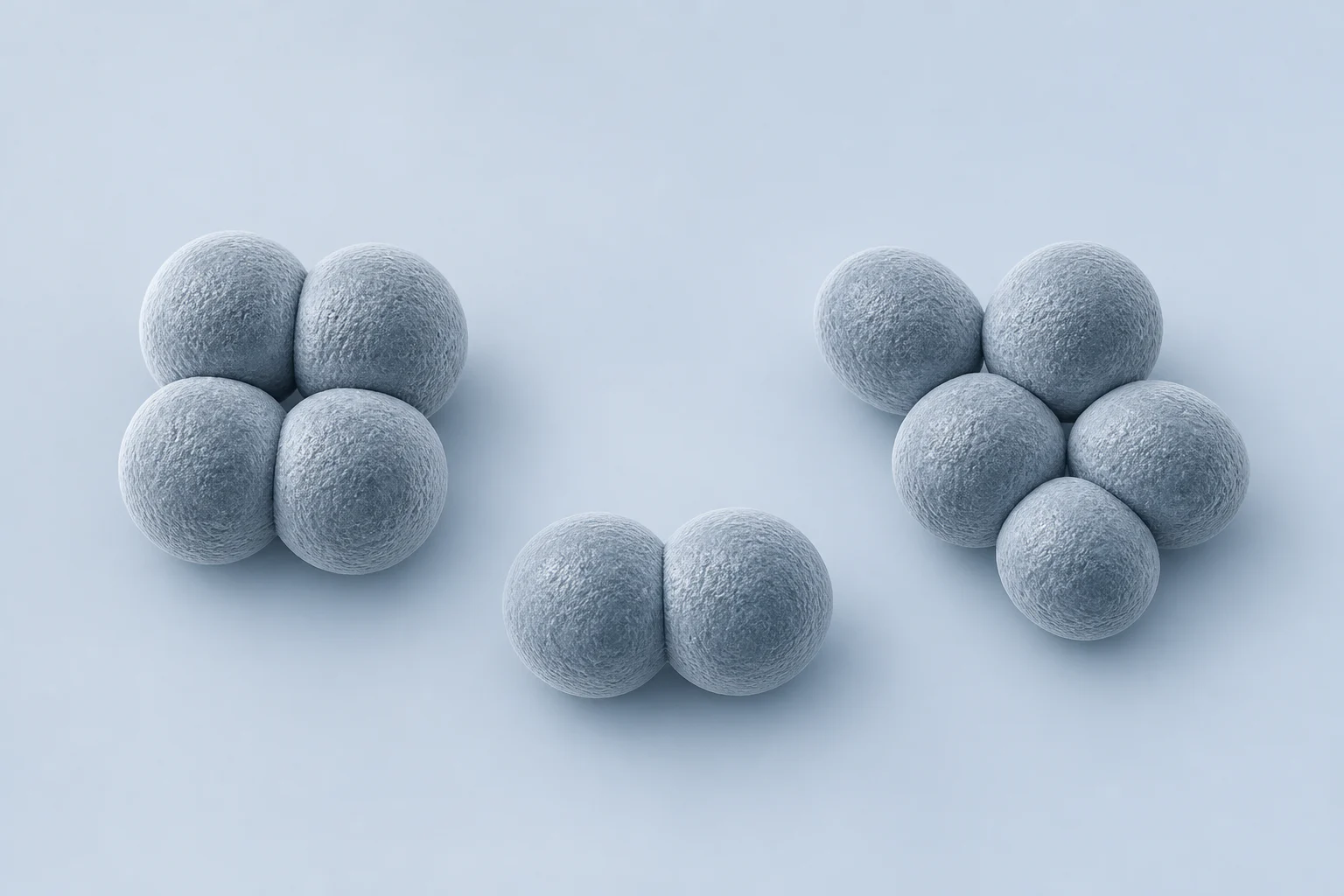
Mycoplasma is a genus of wall-less bacteria in the class Mollicutes, characterized by the smallest genomes of any self-replicating organisms (~580–1,350 kb). The lack of a cell wall makes them intrinsically resistant to beta-lactam antibiotics and undetectable by Gram s…
Nuclear factor kappa-light-chain-enhancer of activated B cells (NF-kB) is a family of transcription factors that regulate inflammation, immune responses, cell survival, and proliferation. NF-kB is a convergence point where metal toxicity, pathogen signaling, and chronic…
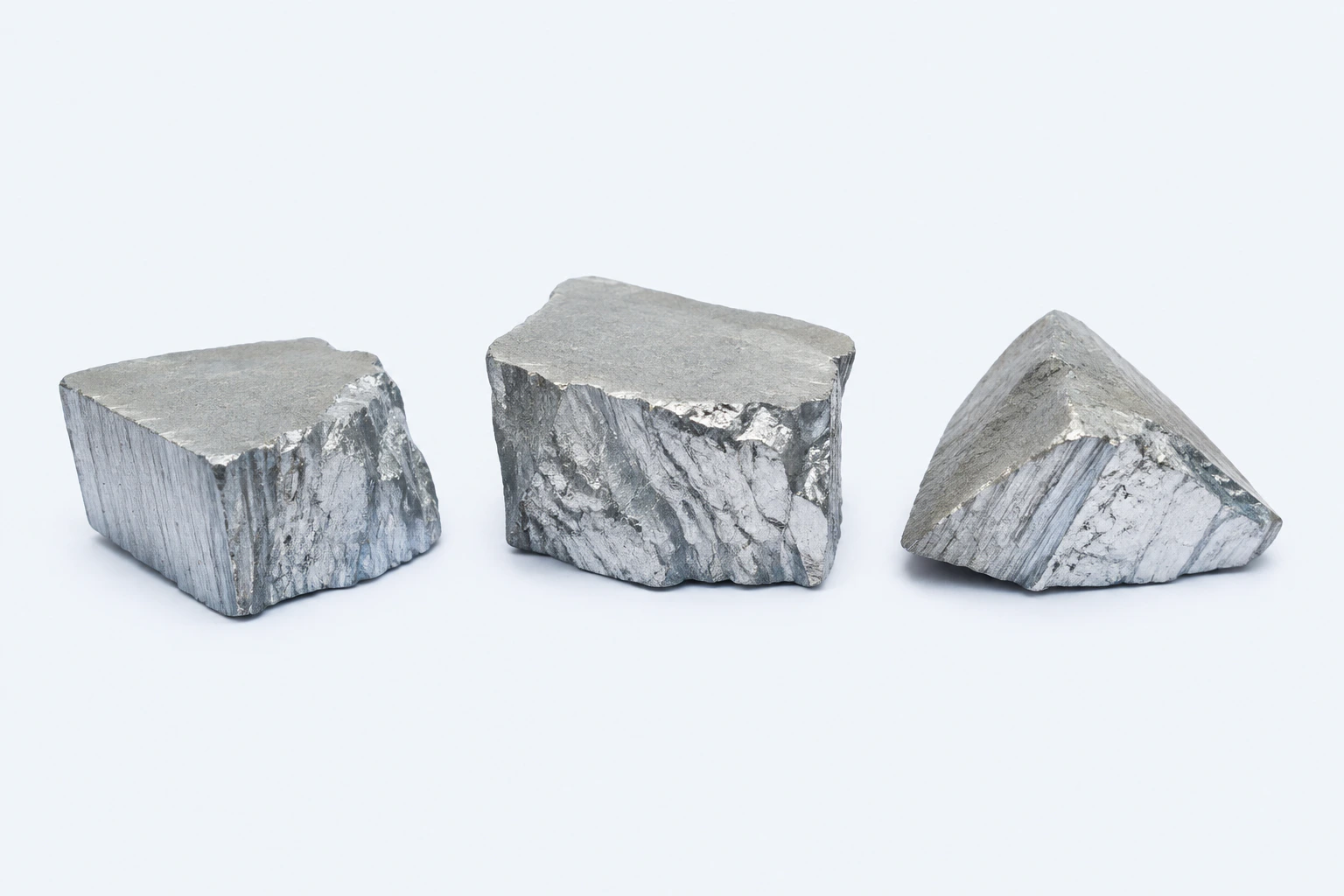
A transition metal occupying a central position in this wiki's evidence base. Nickel is toxic and carcinogenic to humans, yet an essential cofactor for pathogen virulence enzymes. It is the most frequent contact allergen worldwide and drives a wide spectrum of systemic …
Oxidative stress is the imbalance between the production of reactive oxygen and nitrogen species (ROS/RNS) and the capacity of biological antioxidant defense systems to detoxify them. It is the single most commonly invoked mechanism across metal toxicology in this wiki,…
Paraprevotella is a genus of obligate anaerobic, Gram-negative bacteria in the family Prevotellaceae, related to prevotella. It is a gut commensal with emerging associations across neuropsychiatric and reproductive conditions. - Schizophrenia: Altered in gut-brain axis …
Parasutterella excrementihominis is a Gram-negative, obligate anaerobic bacterium within the Betaproteobacteria class that has gained attention as an emerging biomarker across metabolic, inflammatory, and endocrine conditions. Despite its relatively recent characterizat…
A Gram-negative, obligate anaerobic genus within the Firmicutes phylum (family Acidaminococcaceae, class Negativicutes). The primary species P. faecium and the recently characterized P. succinatutens are specialized propionate producers that utilize succinate as their m…
A metabolic-endocrine disorder affecting 6-20% of reproductive-age women worldwide, characterized by hyperandrogenism, oligo/anovulation, and polycystic ovary morphology (Rotterdam criteria) barrea 2019 mediterranean diet pcos. PCOS is the leading cause of anovulatory i…
See also: porphyromonas (genus page), porphyromonas gingivalis (species page) Porphyromonas bennonis is an obligate anaerobic, Gram-negative bacterium related to the periodontal pathogen porphyromonas gingivalis. Unlike its oral relative, P. bennonis is primarily associ…
Premenstrual Dysphoric Disorder (PMDD) affects 3-8% of menstruating individuals Epperson et al. 2012, causing severe mood disturbances, irritability, anxiety, and physical symptoms during the luteal phase of the menstrual cycle. Distinguished from premenstrual syndrome …
Rikenella is a genus of obligate anaerobic, Gram-negative bacteria in the family Rikenellaceae (phylum Bacteroidetes). The primary species is R. microfusus. In the WikiBiome vault, Rikenella is consistently depleted across disease states — a protective commensal whose l…
Shigella is a genus of Gram-negative, facultatively anaerobic bacteria in the family Enterobacteriaceae, closely related to Escherichia coli — so closely that many 16S rRNA-based studies report them as the Escherichia/Shigella complex, unable to distinguish the two gene…
Sneathia is a genus of obligate anaerobic, Gram-negative bacteria in the phylum Fusobacteriota (formerly Fusobacteria). The primary species is S. sanguinegens (formerly Leptotrichia sanguinegens), with S. amnii also clinically significant. Sneathia is a member of the BV…
Streptococcus agalactiae, also known as Group B Streptococcus (GBS), is a Gram-positive, facultatively anaerobic coccus that exists in two clinical contexts: (1) as a major neonatal pathogen causing life-threatening meningitis and sepsis in newborns, and (2) as an enric…
This knowledge-base record is being expanded from WikiBiome’s evidence graph.
Fish is the primary dietary source of methylmercury (MeHg) -- a potent neurotoxin that crosses the blood-brain barrier, depletes glutathione, and can increase amyloid-beta production and tau phosphorylation mercury. MeHg is 95-100% absorbed in the intestinal tract. An e…
Anti-inflammatory and plant-forward diets are the standard nutritional recommendation for endometriosis, PCOS, rheumatoid arthritis, and IBD. These diets emphasize legumes, whole grains, nuts, seeds, dark chocolate, and cruciferous vegetables -- precisely the foods with…
This knowledge-base record is being expanded from WikiBiome’s evidence graph.
Ureaplasma is a genus of wall-less bacteria in the class Mollicutes, comprising two species pathogenic to humans: U. urealyticum and U. parvum. The genus is named for its defining characteristic — obligate urease activity — which hydrolyzes urea to ammonia and CO2, prov…
This knowledge-base record is being expanded from WikiBiome’s evidence graph.