Metal-Dependent Virulence
This knowledge-base record is being expanded from WikiBiome’s evidence graph.
WikiBiomeThe human microbiome encyclopediaRanked matches across titles, topics, categories, and article introductions.
This knowledge-base record is being expanded from WikiBiome’s evidence graph.
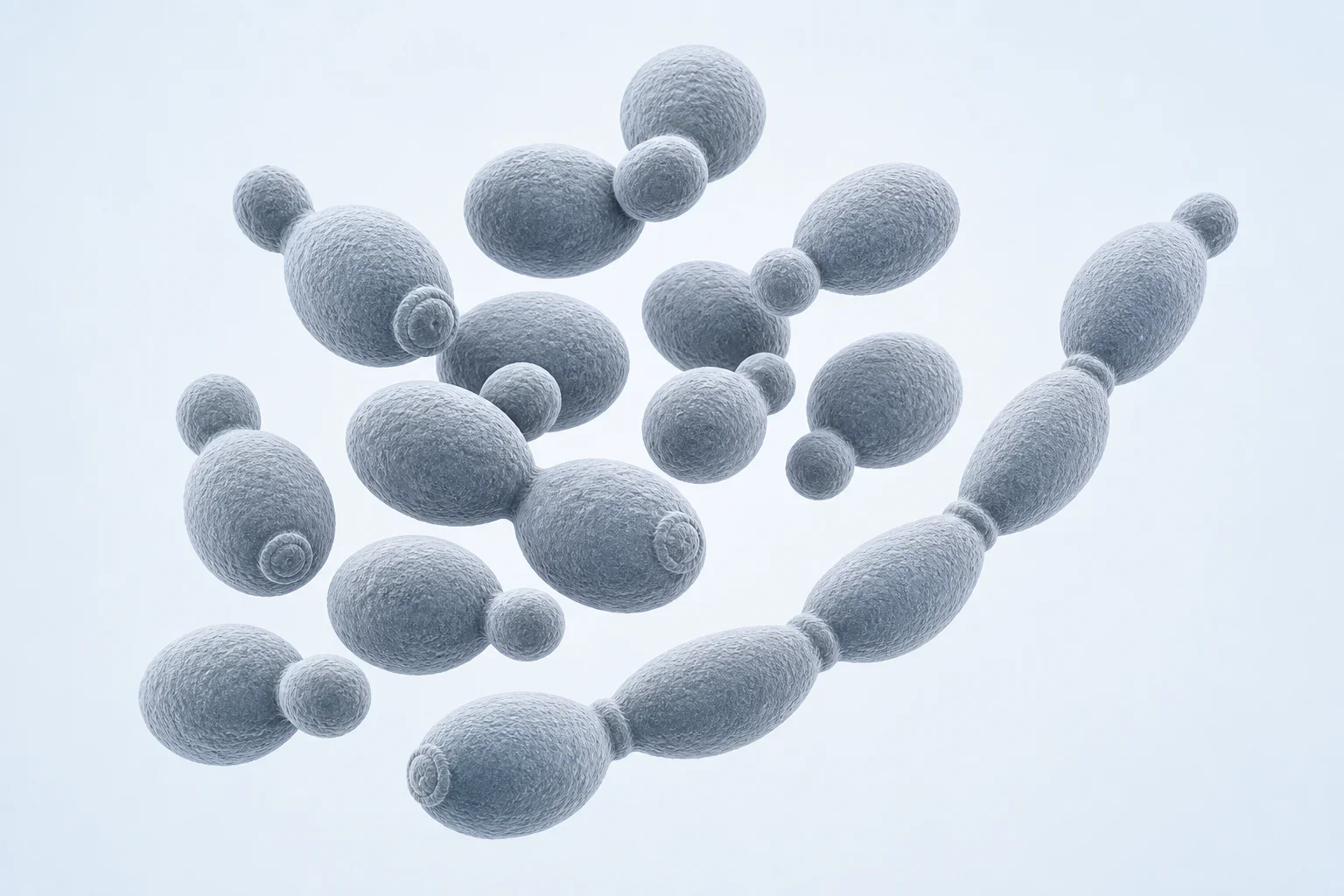
An opportunistic fungal pathogen whose relationship with metals is multifaceted: C. albicans can biosorb heavy metals from its environment, heavy metal exposure promotes its virulence in immunocompromised hosts, and metal nanoparticles are being developed as antifungal …
A Gram-positive, spore-forming, obligate anaerobic bacterium that is the leading cause of antibiotic-associated diarrhea and pseudomembranous colitis in healthcare settings. In the metallomics framework, C. difficile sits at the intersection of metal-antibiotic co-selec…
A genus of Gram-negative, obligate anaerobic, sulfate-reducing bacteria (SRB) that produces hydrogen sulfide (H2S) as its primary metabolic end-product. H2S is a potent cytotoxin that disrupts colonocyte energy metabolism, damages the gut barrier, and promotes chronic i…
Every meal delivers metals to the gut lumen — essential minerals, trace elements, and contaminants alike. These metals do not passively transit the GI tract. They actively reshape the microbial ecosystem, selecting for metal-tolerant organisms, enabling virulence in met…
A genus of Gram-positive bacteria (primarily E. faecalis and E. faecium) that exemplifies the metal-antibiotic resistance co-selection crisis. Enterococci carry diverse metal tolerance genes for mercury, arsenic, copper, and cadmium on the same mobile genetic elements a…
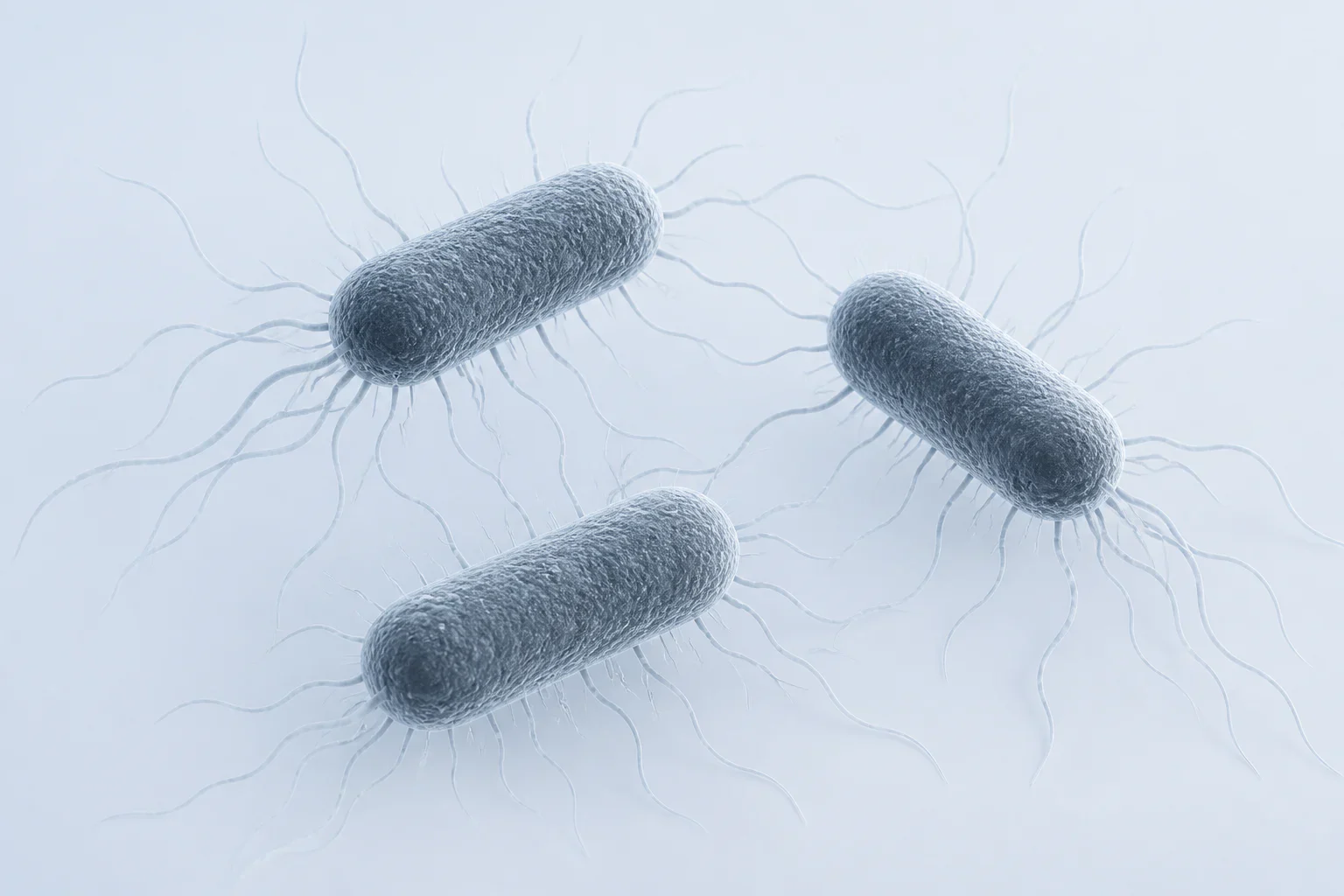
A Gram-negative bacterium that spans the commensal-pathogen spectrum, with pathogenic variants (UPEC, STEC, EHEC) deploying nickel-dependent enzymes as virulence factors. E. coli is the model organism for nickel transport biology -- the NikABCDE system was first charact…
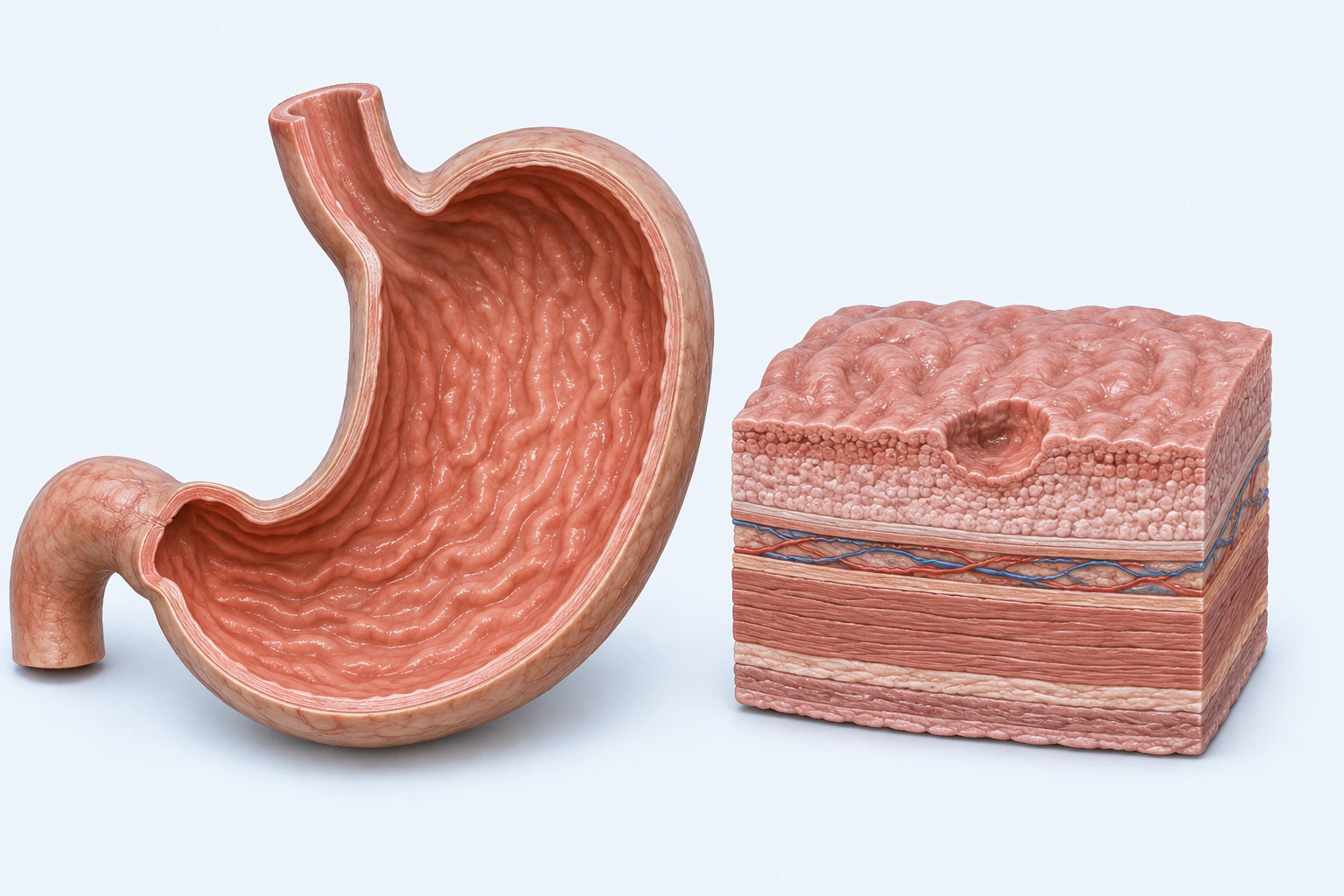
A breach in the gastric mucosal lining extending through the muscularis mucosae, most commonly caused by helicobacter pylori infection or chronic NSAID use. Gastric ulceration represents a critical node in the upper GI disease continuum, linking gerd, chronic gastritis,…
This knowledge-base record is being expanded from WikiBiome’s evidence graph.
Klebsiella is a genus of Gram-negative, encapsulated, facultatively anaerobic bacteria in the Enterobacteriaceae family. With 141 file mentions across the vault, Klebsiella is one of the most frequently referenced opportunistic pathogens. The dominant species is klebsie…
The only archaeon represented in this wiki -- Methanobrevibacter smithii is the dominant methane-producing microorganism in the human gut, belonging to the domain Archaea rather than Bacteria. As a hydrogenotrophic methanogen, it converts H2 + CO2 into methane (CH4), pl…
This knowledge-base record is being expanded from WikiBiome’s evidence graph.
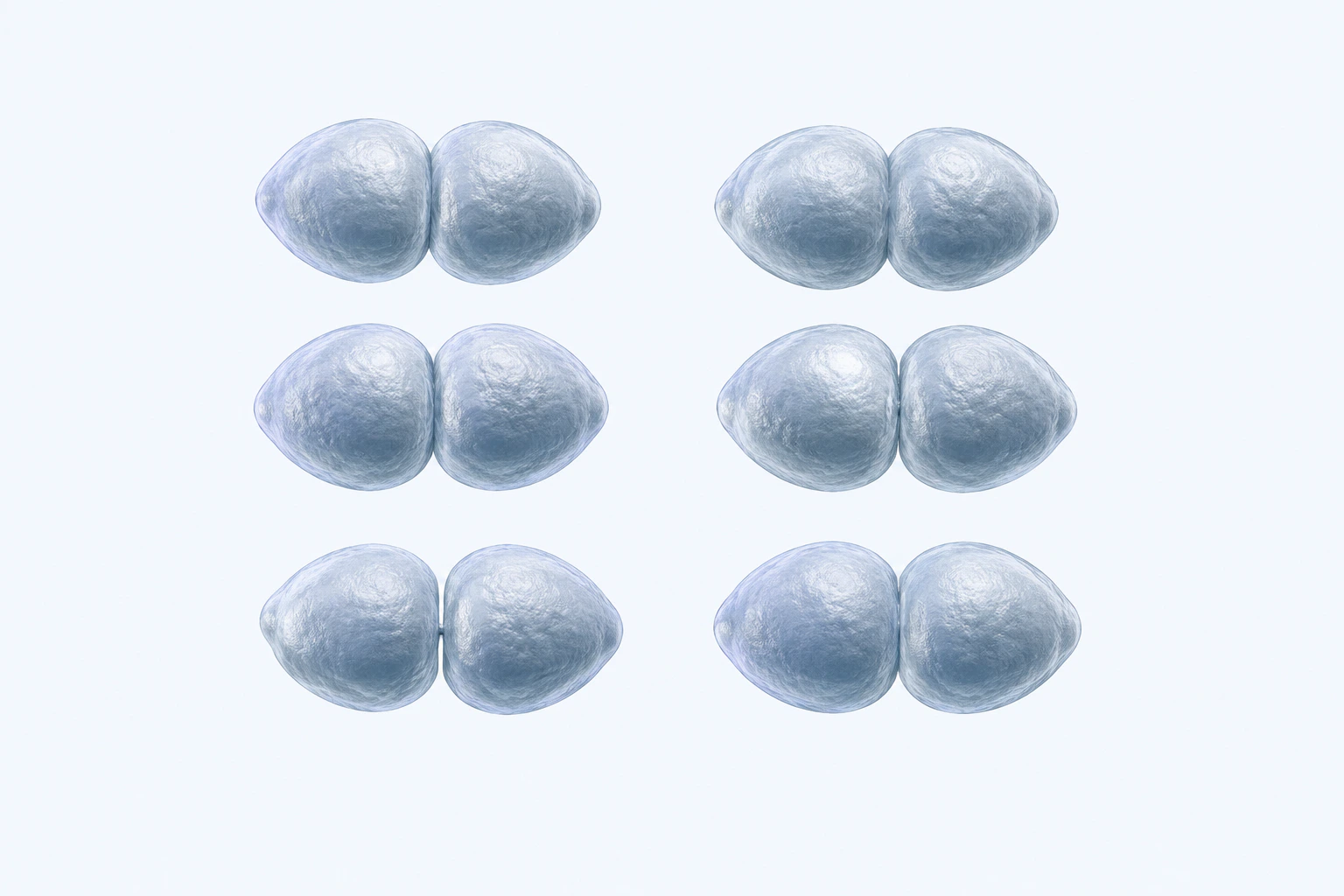
--- title: Neisseria meningitidis type: entity subtype: microbe created: 2026-04-09 updated: 2026-04-16 lastsubstantiveupdate: 2026-04-16 sources: [maier-2019-nickel-microbial-pathogenesis, patil-2021-infection-metallomics-critical-care, patil-2021-infection-metallomics…
Pharmacomicrobiomics is the study of bidirectional interactions between drugs and the microbiome. The gut microbiome is not a passive bystander in pharmacology -- it actively metabolizes drugs, alters their bioavailability, and modulates therapeutic efficacy. Conversely…
A Gram-negative, obligate anaerobic genus with the keystone pathogen P. gingivalis at its center. Named for its porphyrin (heme) requirement, Porphyromonas is the prototypical periodontal pathogen and one of the most important organisms connecting oral health to systemi…
A Gram-negative uropathogen whose Ni-dependent urease is the central driver of catheter-associated urinary tract infection (CAUTI) pathogenesis. Urease-mediated urea hydrolysis alkalinizes urine, triggering precipitation of struvite (magnesium ammonium phosphate) and ap…
An opportunistic Gram-negative pathogen with a unique dual-use siderophore system: its pyoverdine and pyochelin serve not only as iron scavengers but as extracellular chelators of toxic metals including nickel, copper, and cadmium. This makes P. aeruginosa unusually wel…
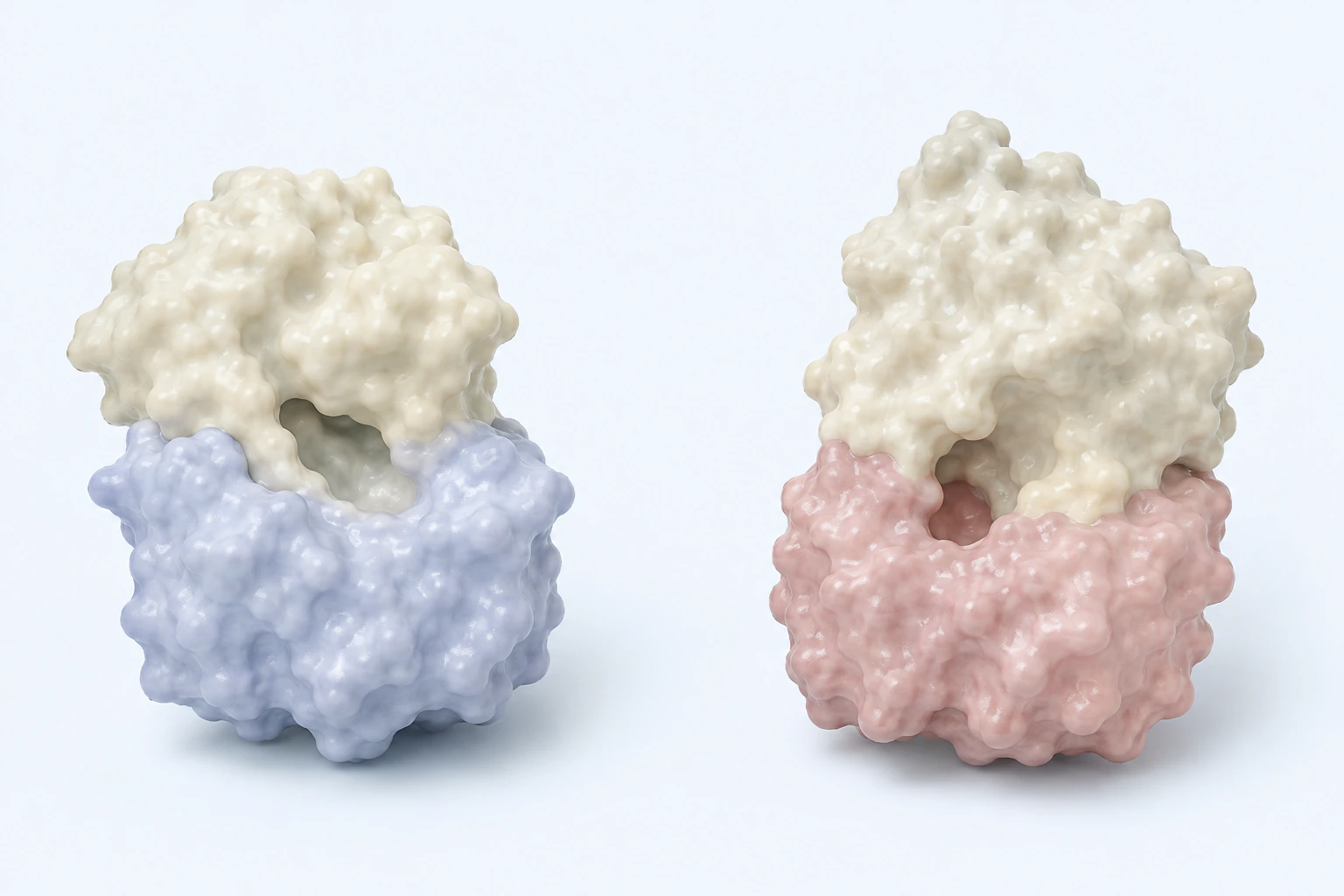
A Gram-negative enteric pathogen that possesses four distinct [NiFe] hydrogenases -- the most of any well-characterized human pathogen. These hydrogenases are critical for intracellular survival within macrophages, and a triple hydrogenase mutant is 100% avirulent in mo…
Shigella is a genus of Gram-negative, facultatively anaerobic bacteria in the family Enterobacteriaceae, closely related to Escherichia coli — so closely that many 16S rRNA-based studies report them as the Escherichia/Shigella complex, unable to distinguish the two gene…
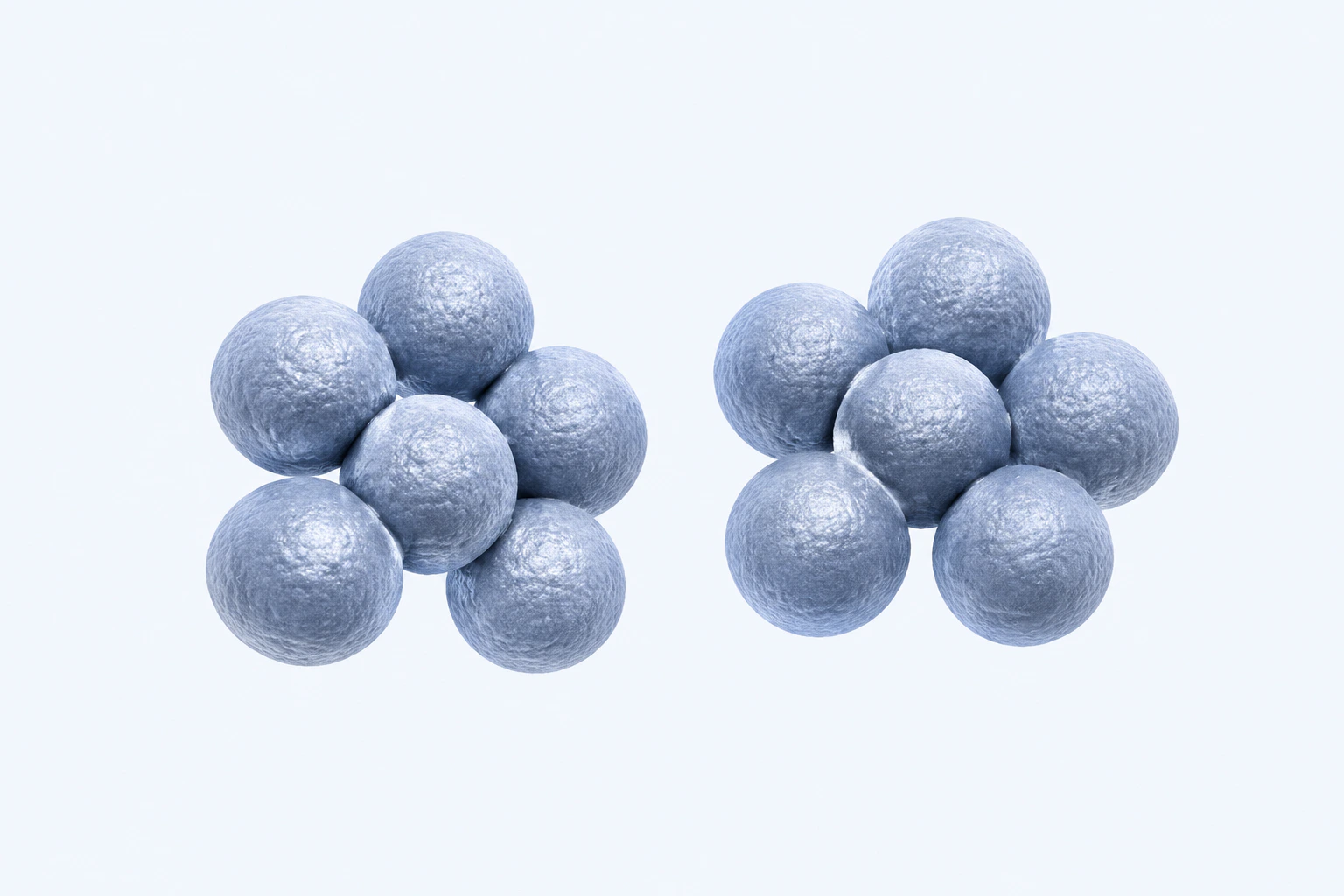
A versatile Gram-positive pathogen with one of the best-characterized nutritional immunity evasion systems known. S. aureus requires nickel, iron, zinc, and manganese for virulence and has evolved dedicated acquisition systems for each, including the novel metallophore …
Research summary -- not medical advice. This page synthesizes published research on why a commonly recommended intervention may be counterproductive in this specific clinical context. Consult a qualified healthcare provider before making any changes to treatment.
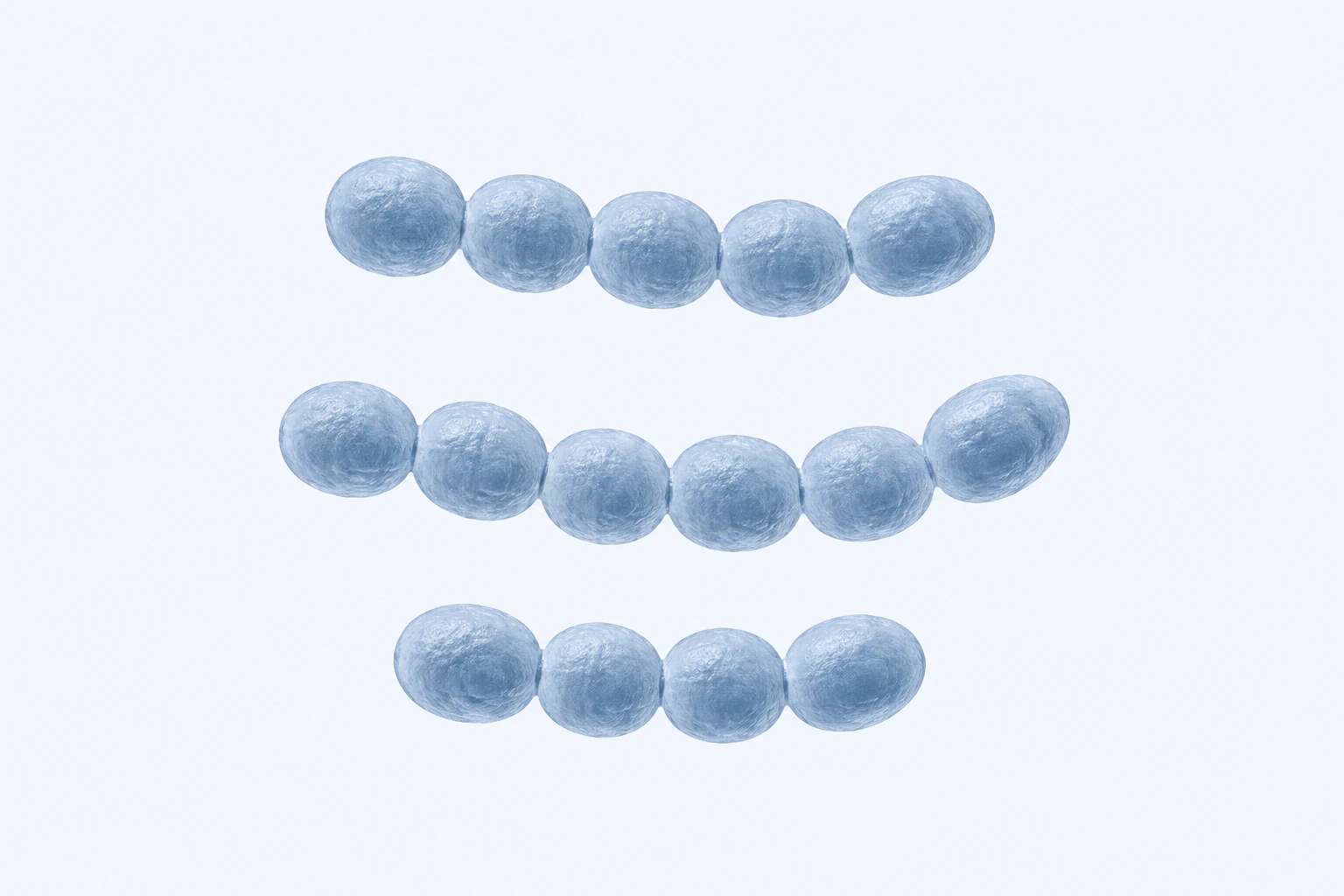
Streptococcus agalactiae, also known as Group B Streptococcus (GBS), is a Gram-positive, facultatively anaerobic coccus that exists in two clinical contexts: (1) as a major neonatal pathogen causing life-threatening meningitis and sepsis in newborns, and (2) as an enric…
A Gram-positive pathogen (the "pneumococcus") that depends on iron, manganese, and zinc for virulence and has evolved dedicated transport systems for each. Iron is required for viability itself, manganese powers the superoxide dismutase needed to survive the oxidative b…
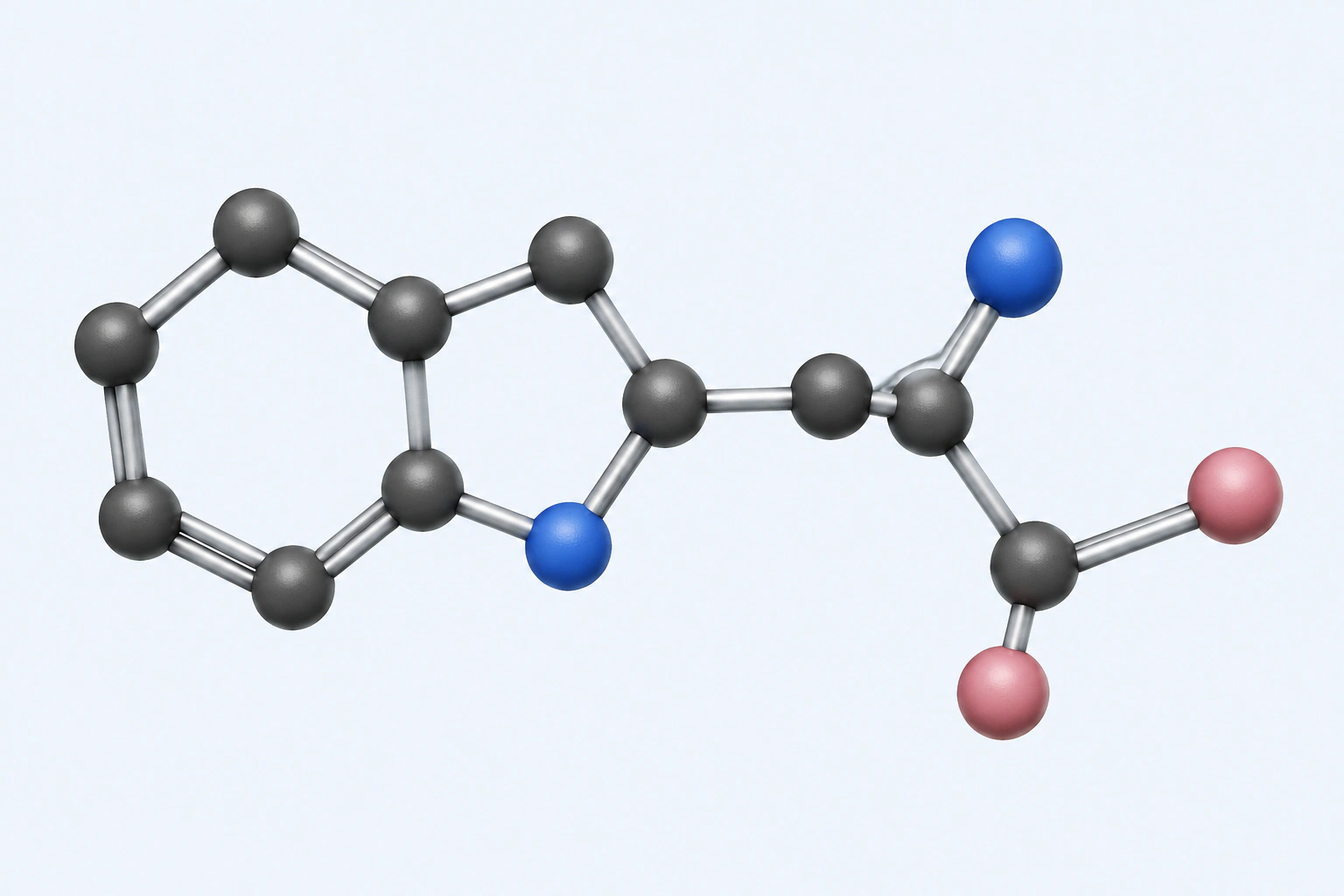
Tryptophan (Trp) is an essential amino acid that the human body cannot synthesize and must obtain from diet. It occupies a uniquely important position at the intersection of neuroscience, immunology, and microbial ecology because it is the sole precursor to serotonin, a…
This knowledge-base record is being expanded from WikiBiome’s evidence graph.