Lead
This knowledge-base record is being expanded from WikiBiome’s evidence graph.
WikiBiomeThe human microbiome encyclopediaRanked matches across titles, topics, categories, and article introductions.
This knowledge-base record is being expanded from WikiBiome’s evidence graph.
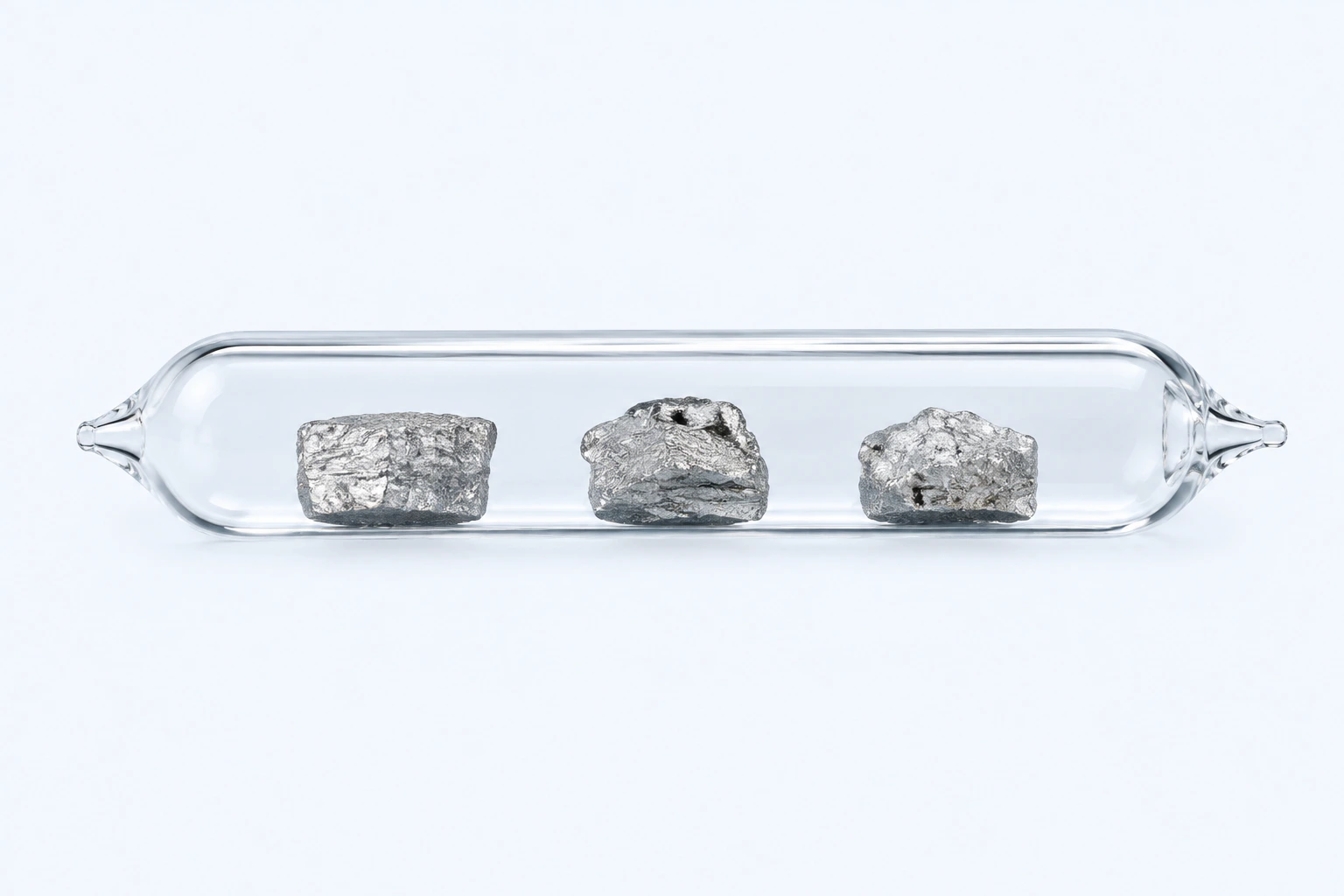
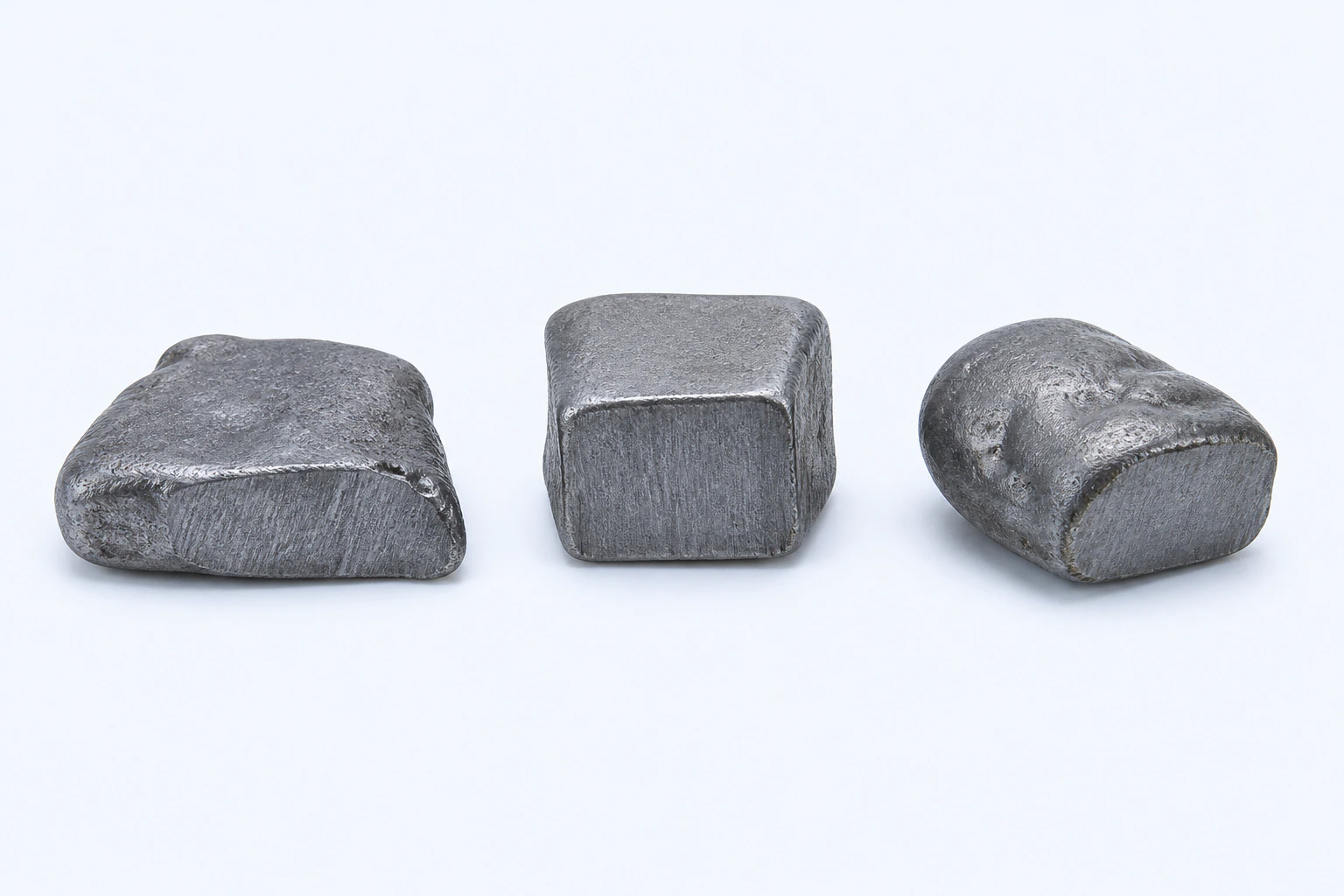
lead (Pb) has no safe level of exposure. Unlike most dietary metals, lead does not play any known biological role — every atom absorbed represents toxic burden. While environmental lead exposure (paint, soil, air) has decreased dramatically since leaded gasoline phase-o…
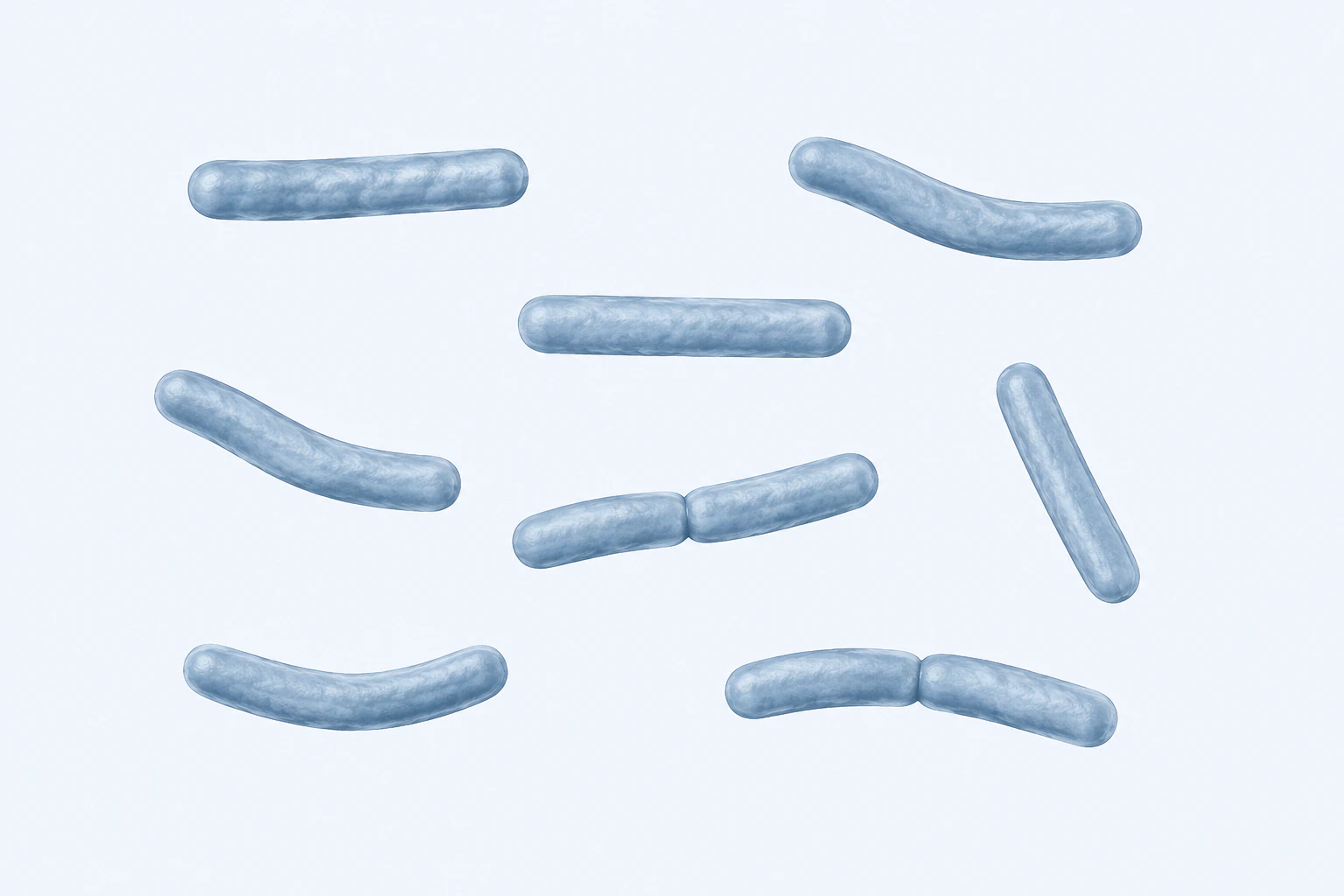
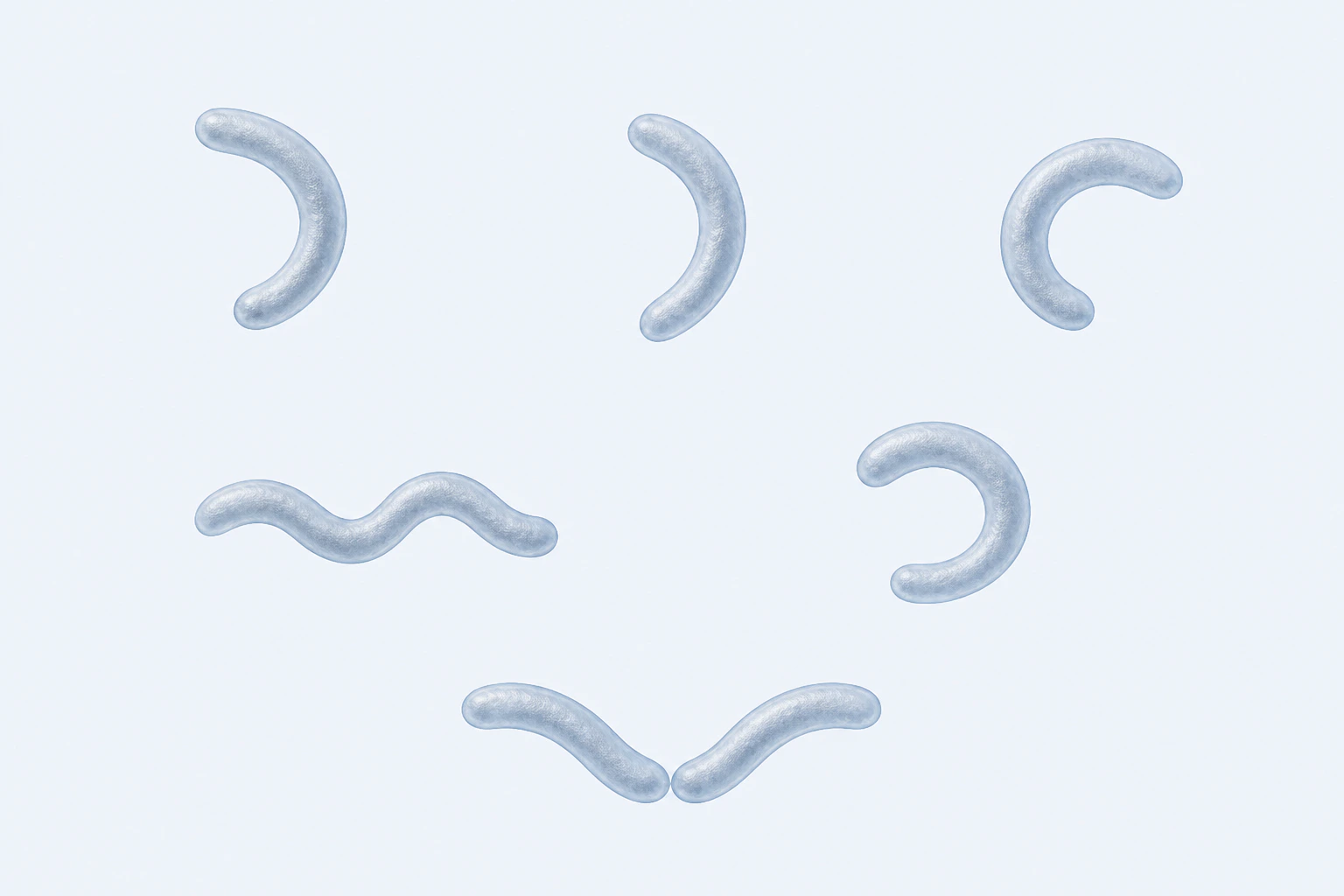
A Gram-negative, obligate anaerobic, mucin-degrading bacterium that colonizes the intestinal mucus layer and has emerged as one of the most important next-generation probiotics. A. muciniphila is consistently depleted in disease states associated with metal dyshomeostas…
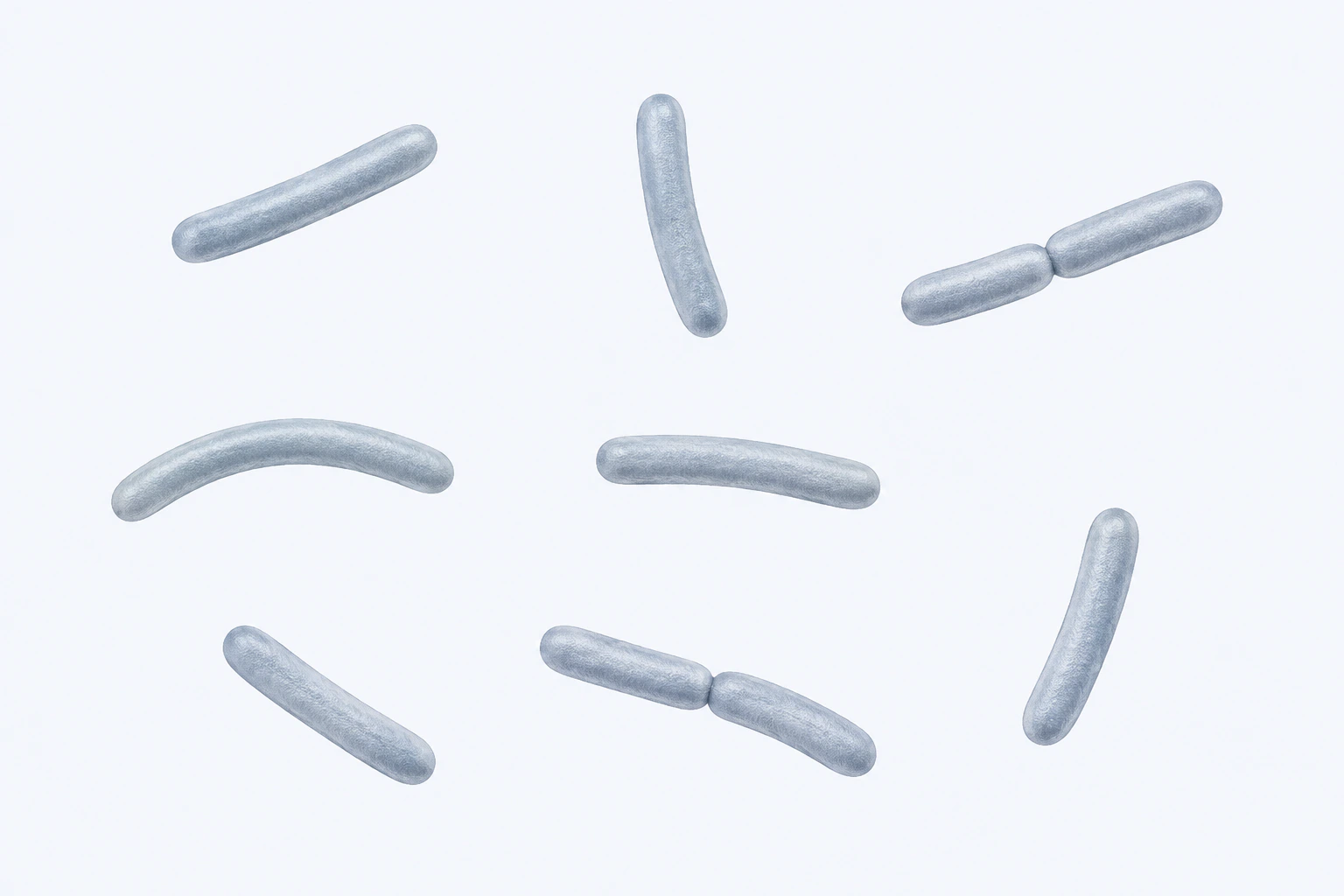
A Gram-negative, obligate anaerobic genus within the Bacteroidetes phylum (family Rikenellaceae). Alistipes occupies a complex and context-dependent role in the gut ecosystem — some species carry well-documented anti-inflammatory properties, while the genus is paradoxic…
The most common form of dementia, affecting an estimated 55 million people worldwide and projected to triple by 2050 zhang 2024 recent advances alzheimers mechanisms trials. Characterized by progressive memory loss, cognitive decline, amyloid-beta plaques, and neurofibr…
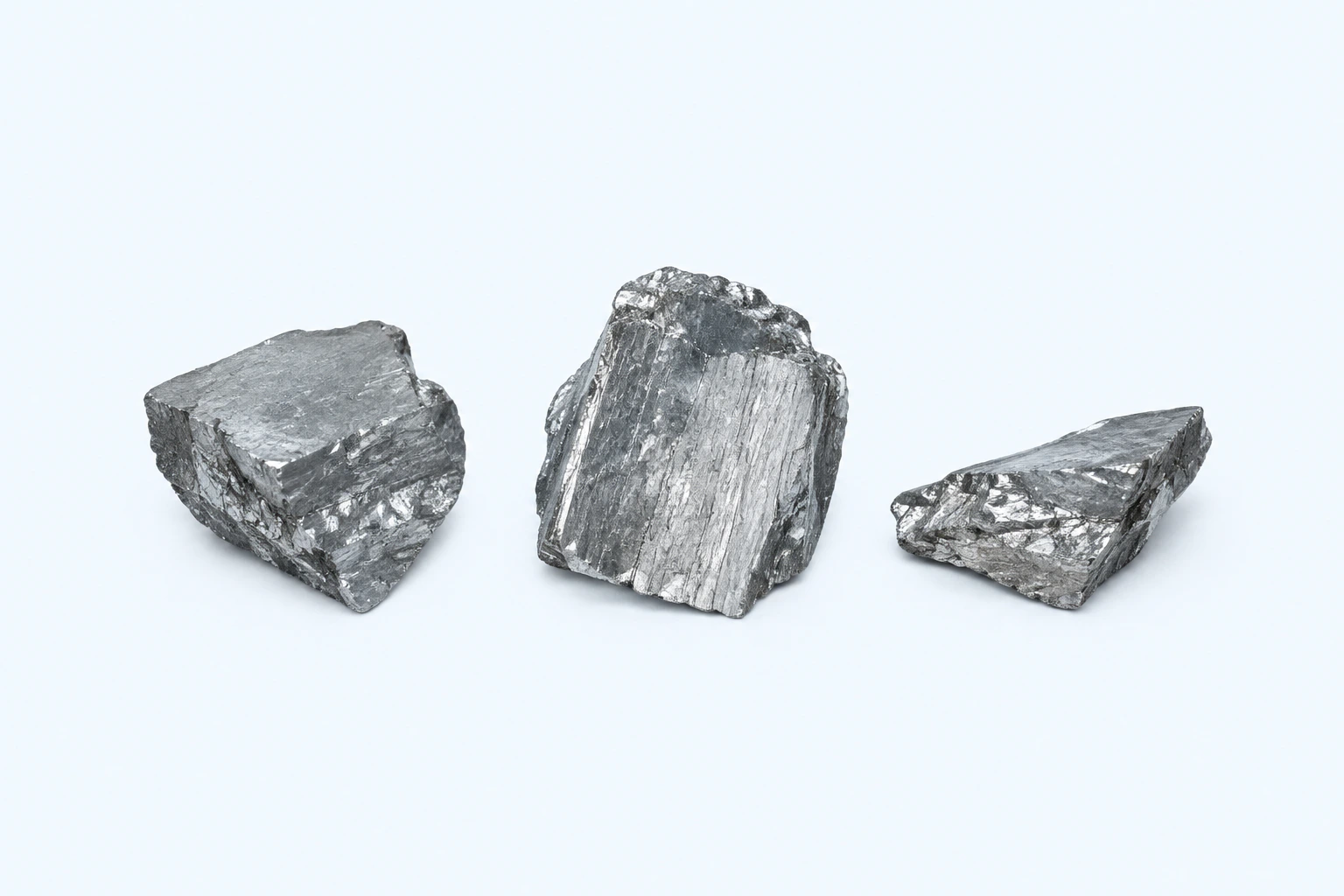
A metalloid that sits in the shadows of better-studied toxic metals like lead, cadmium, and mercury, yet appears with surprising consistency in metallomic studies of endocrine and inflammatory conditions. Antimony (symbol Sb, from Latin stibium; atomic number 51) exists…
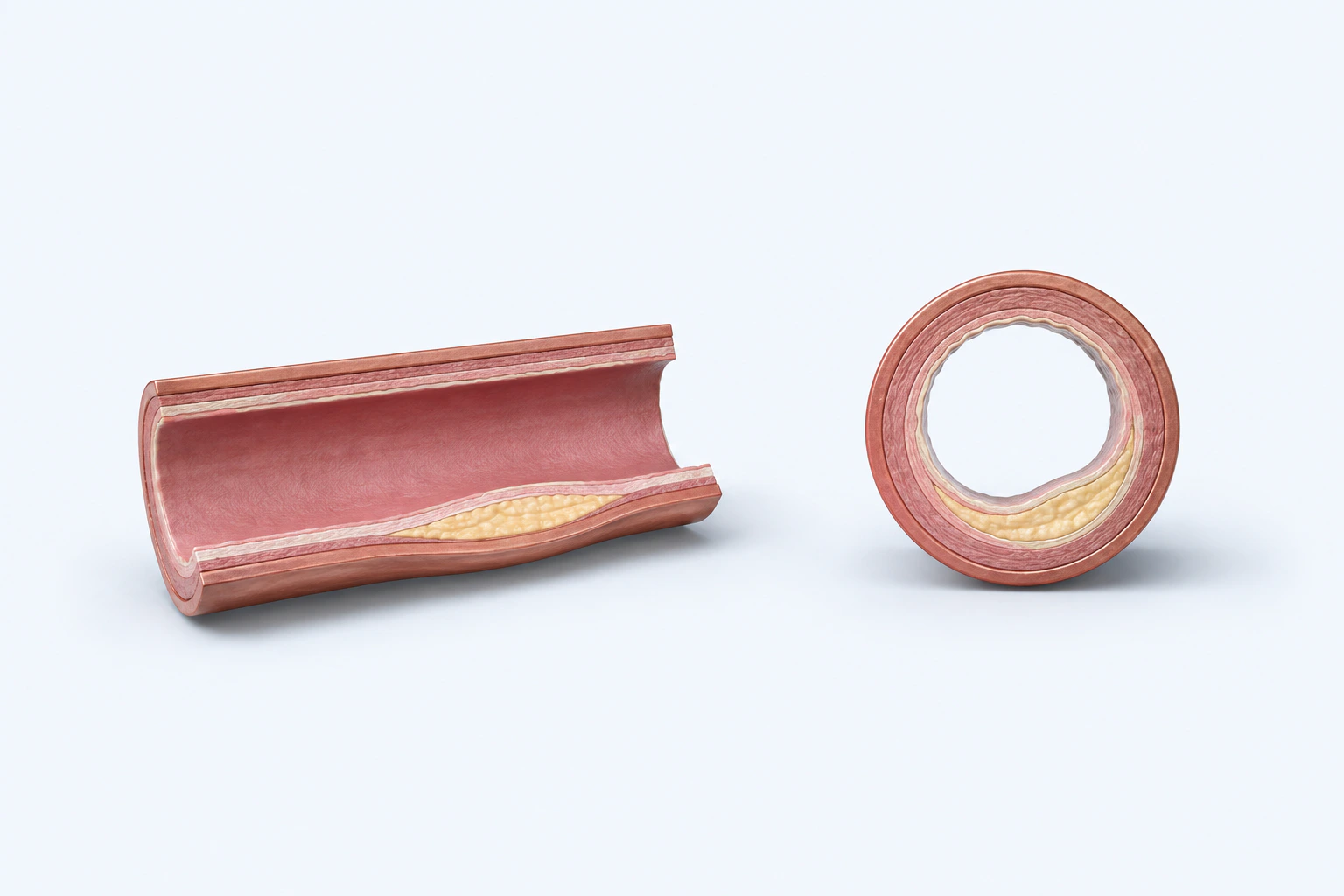
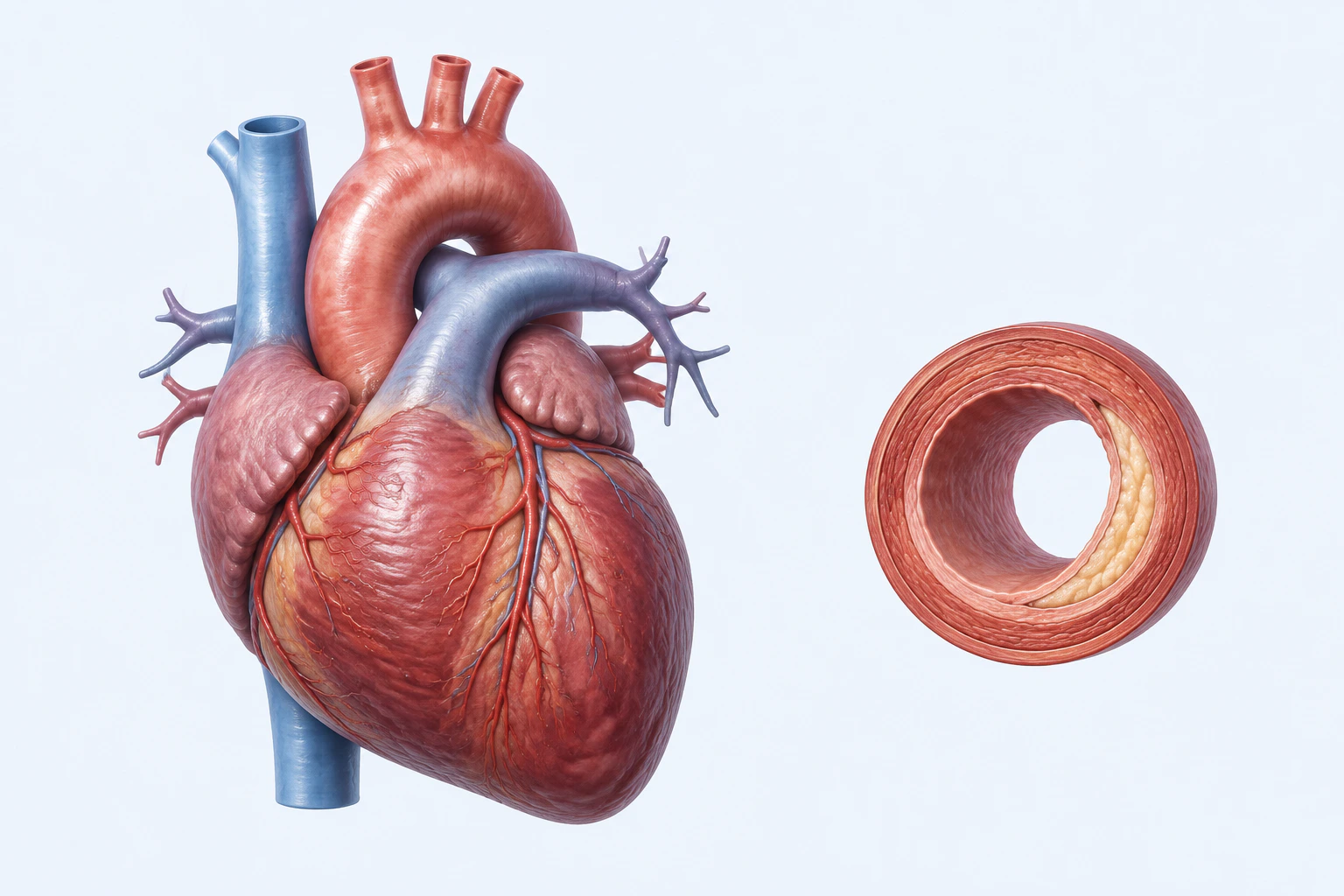
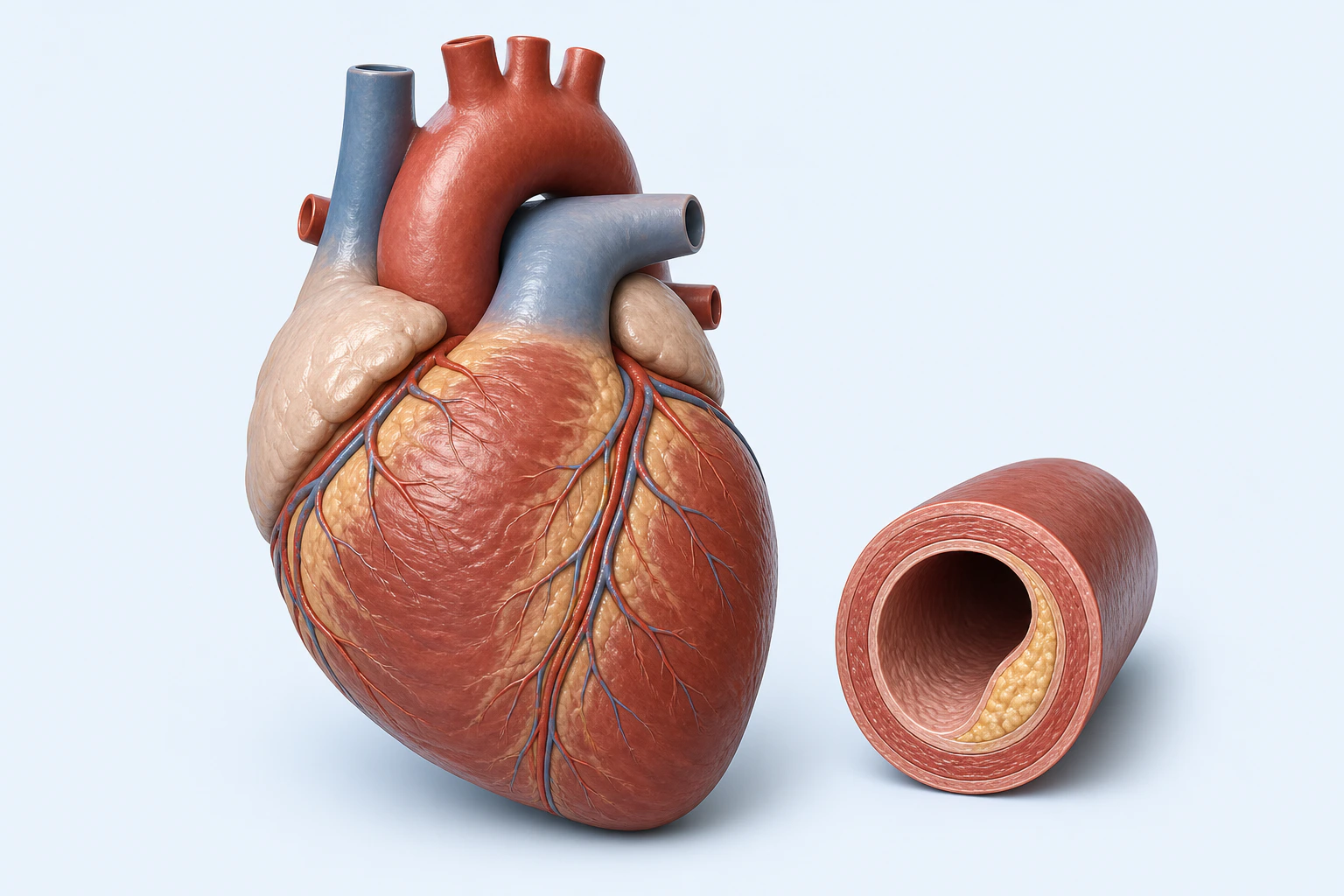
Progressive inflammatory disease of the arterial wall characterized by lipid accumulation, immune cell infiltration, and fibrous plaque formation. In the metallomics framework, atherosclerosis sits at the convergence of three interacting systems: heavy metal toxicity, g…
This knowledge-base record is being expanded from WikiBiome’s evidence graph.
A neurodevelopmental condition affecting approximately 1 in 36 children (US CDC 2023 estimate), characterized by differences in social communication, restricted interests, and repetitive behaviors. From a metallomics perspective, ASD presents a compelling convergence of…
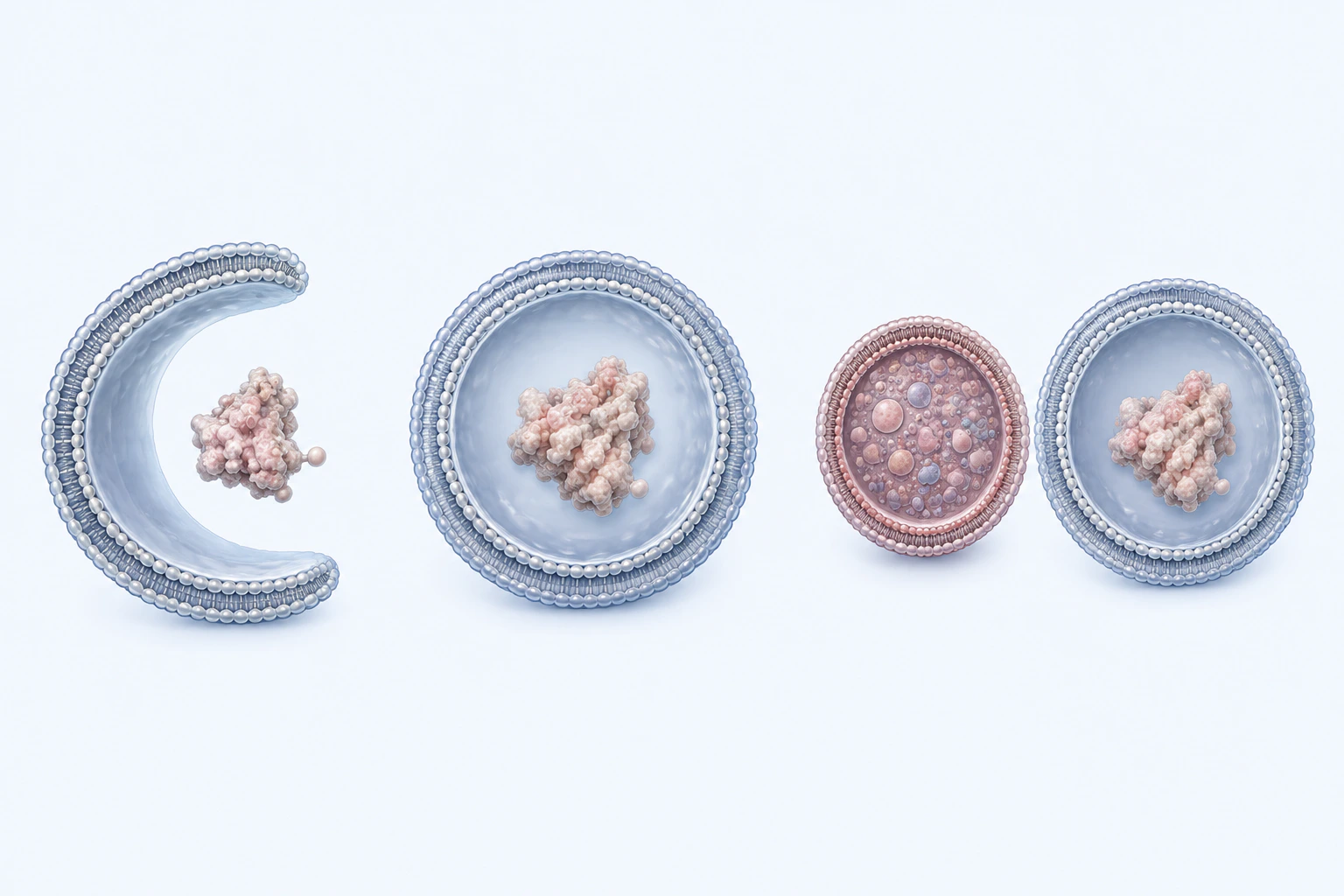
Autophagy (from Greek, "self-eating") is the cellular process of degrading and recycling damaged organelles, misfolded proteins, and intracellular pathogens through lysosomal digestion. It is the cell's primary quality control mechanism -- a housekeeping system that bec…
Bacterial vaginosis (BV) is the most common vaginal infection in women of reproductive age, affecting an estimated 29% of women globally. Rather than an infection by a single pathogen, BV represents a polymicrobial dysbiotic state -- a collapse of the protective Lactoba…
This knowledge-base record is being expanded from WikiBiome’s evidence graph.
Bifidobacterium bifidum is an obligate anaerobic, Gram-positive species that specializes in human milk oligosaccharide (HMO) and mucin glycan degradation. It is one of the earliest colonizers of the infant gut and a widely used probiotic species.
This knowledge-base record is being expanded from WikiBiome’s evidence graph.
A heavy metal traditionally considered safe enough for over-the-counter gastrointestinal remedies (Pepto-Bismol, De-Nol), bismuth is re-emerging as a potent antimicrobial synergist. Its key property: Bi3+ competes with Fe3+ for binding sites on siderophores and bacteria…
A selective semipermeable border formed by brain endothelial cells connected by tight junctions, pericytes, and astrocytic end-feet. The BBB restricts passage of most molecules from blood to brain, protecting the CNS from toxins, pathogens, and inflammatory mediators. M…
The most abundant mineral in the human body, with ~99% stored in bones and teeth. Calcium's biological significance extends far beyond structural support -- it is the universal second messenger in cell signaling, controlling neurotransmitter release, muscle contraction,…
The leading bacterial cause of diarrheal disease worldwide, with an estimated 400-500 million cases annually. C. jejuni is notable in the metallomics context for possessing a nickel-dependent [NiFe] hydrogenase essential for colonization but lacking urease -- a striking…
This knowledge-base record is being expanded from WikiBiome’s evidence graph.
Cerebral palsy (CP) is the most common motor disability in childhood, affecting 2-3 per 1,000 live births allen 2021 multi organ dysfunction cerebral palsy. Characterized by non-progressive disturbances in movement and posture arising from injury to the developing brain…
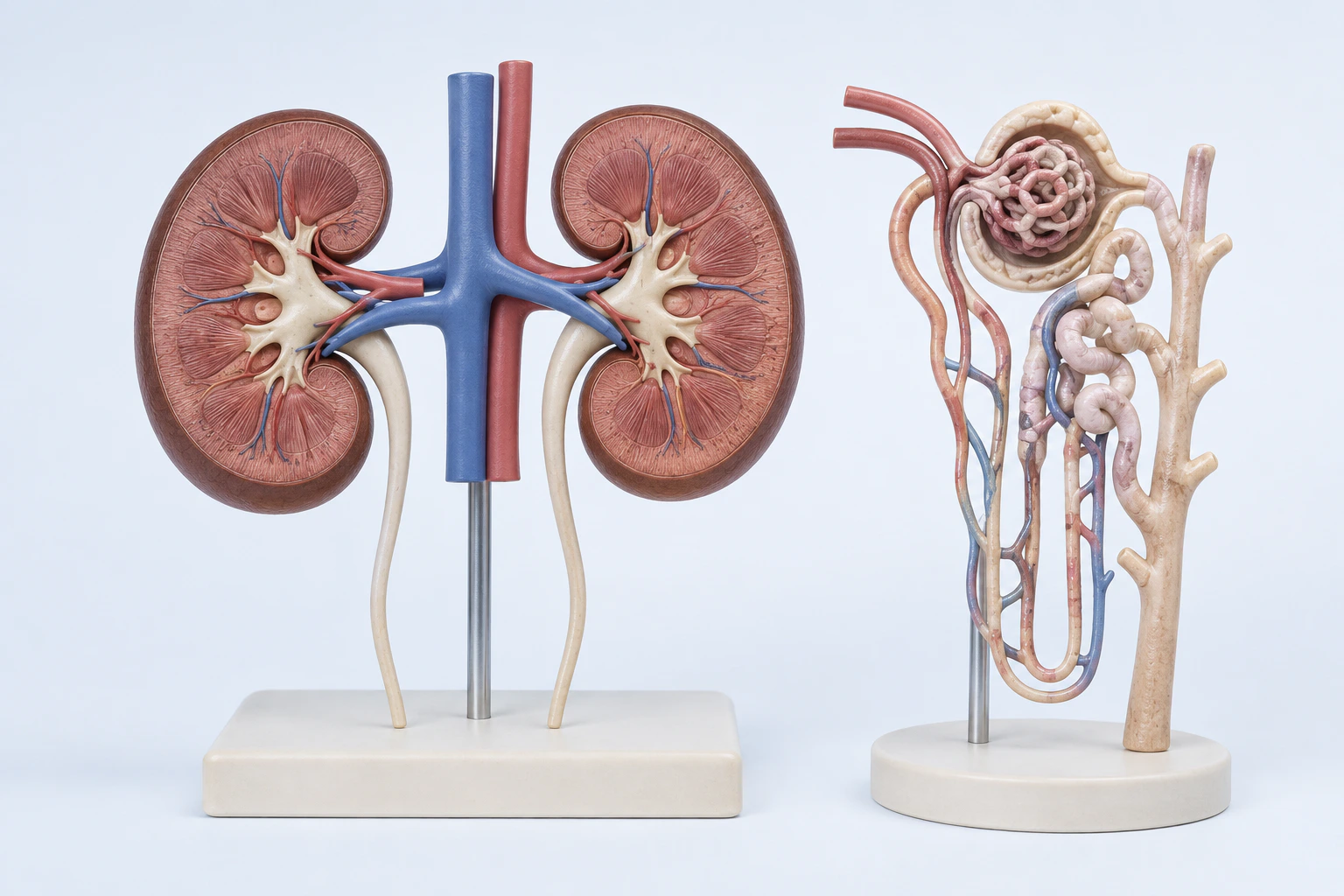
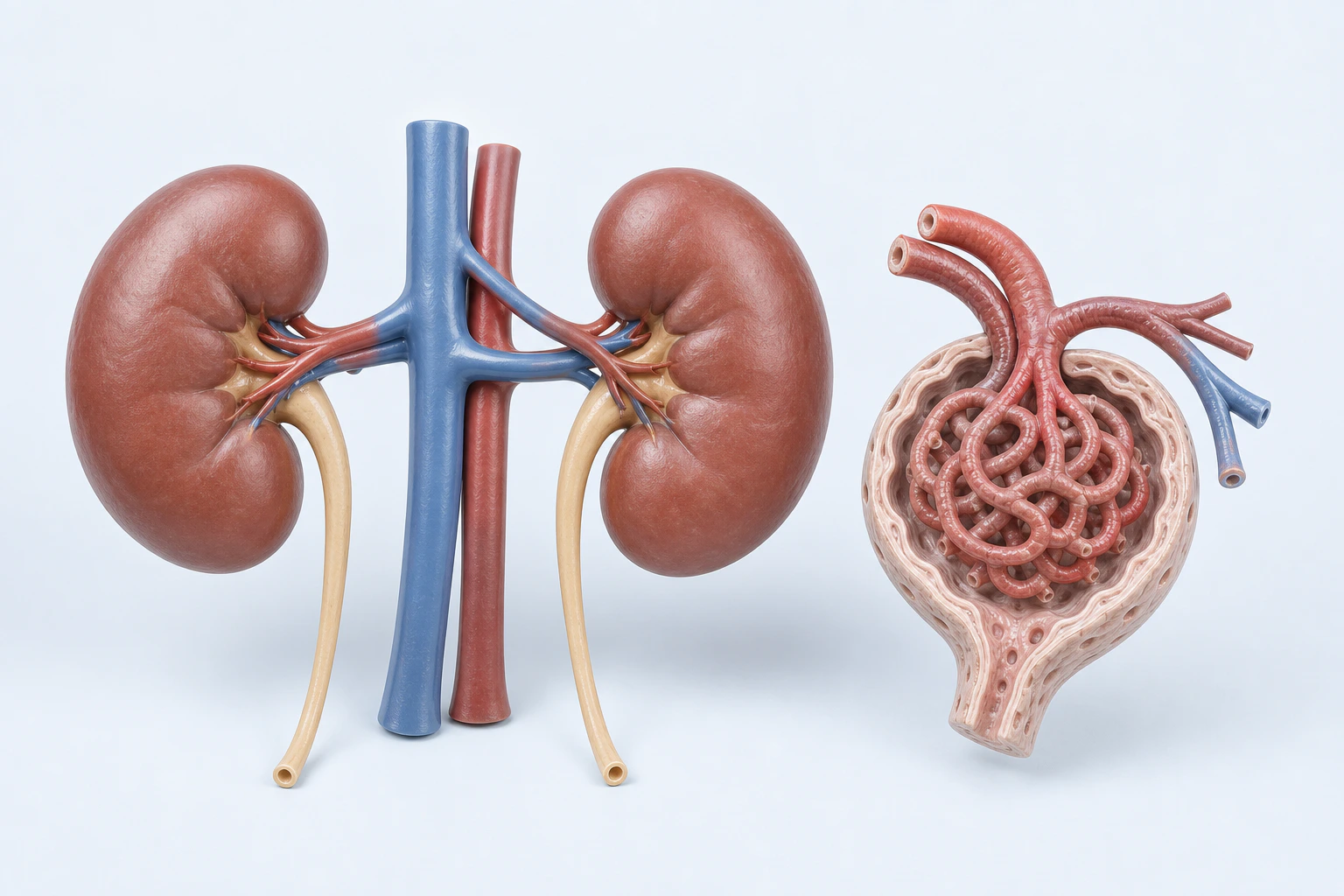
A progressive loss of kidney function affecting approximately 850 million people worldwide (10–14% of adults), causing 1.2 million deaths annually. CKD is unique among diseases in this wiki because it occupies both sides of the metal-disease equation: heavy metals (Cd, …
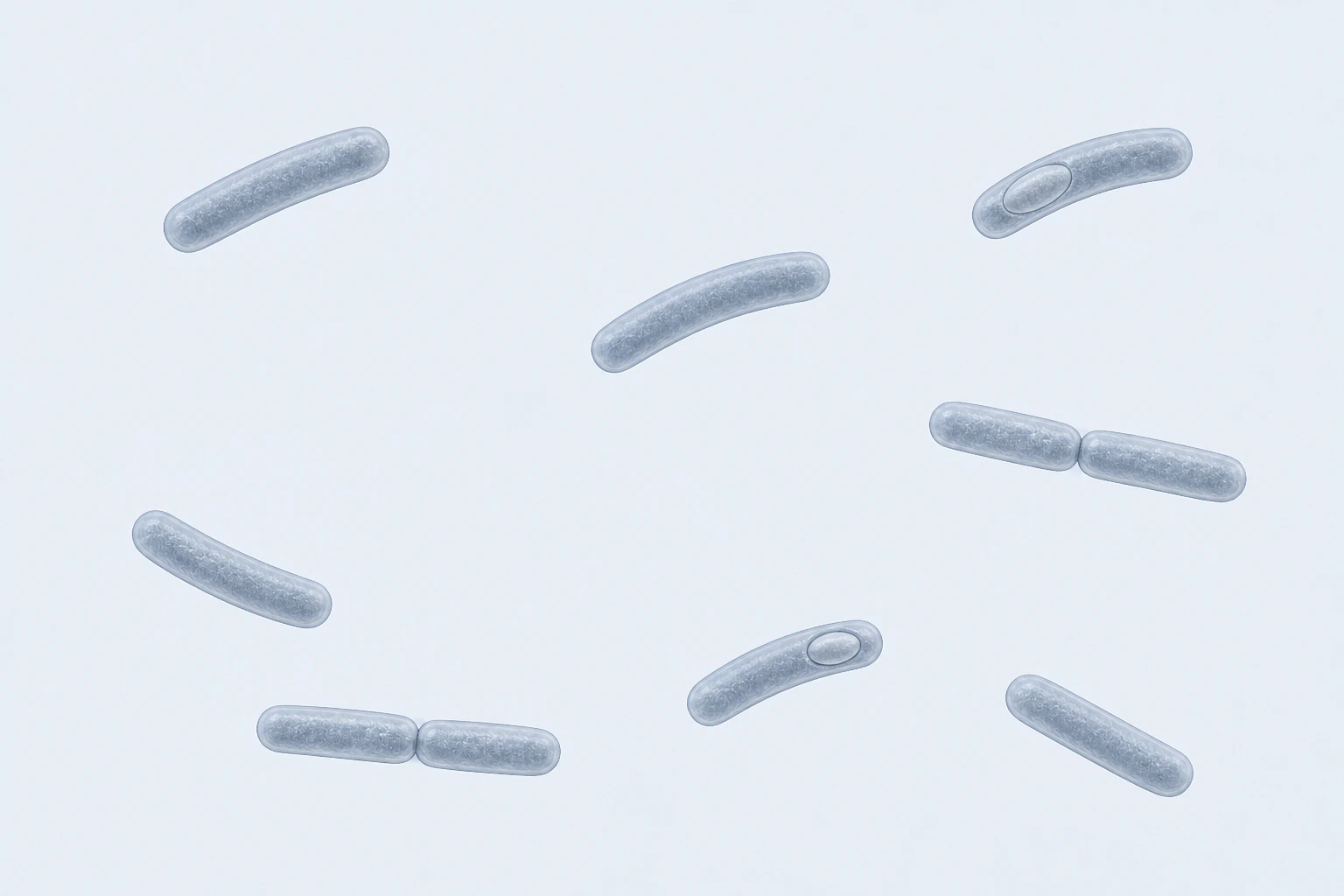
A Gram-positive, spore-forming, obligate anaerobic bacterium that is the leading cause of antibiotic-associated diarrhea and pseudomembranous colitis in healthcare settings. In the metallomics framework, C. difficile sits at the intersection of metal-antibiotic co-selec…
Clostridium butyricum is a spore-forming, obligate anaerobic, Gram-positive bacterium and one of the leading next-generation probiotic candidates. The MIYAIRI 588 strain (CBM 588) is approved as a pharmaceutical probiotic in Japan and has expanding clinical evidence acr…
This knowledge-base record is being expanded from WikiBiome’s evidence graph.
An encapsulated basidiomycete yeast that causes cryptococcal meningitis -- the leading cause of meningitis in HIV/AIDS patients and responsible for an estimated 180,000 deaths annually. Its nickel-dependent urease has been called the organism's "Achilles' heel" because …
Depression is the most prevalent mental health disorder globally, affecting over 280 million people zhu 2025 microbiota gut brain axis depression review, and one of the most metal-sensitive conditions in this wiki. It sits at the convergence of nearly every pathway cata…
A synthesis of how dietary heavy metal exposure varies across the human lifespan, highlighting that the same metals present different risks at different developmental stages due to changing absorption rates, detoxification capacity, dietary patterns, and organ vulnerabi…
The pathological disruption of normal metal homeostasis — the tightly regulated balance of essential trace elements (iron, zinc, copper, manganese, selenium, cobalt) and the effective exclusion of toxic metals (cadmium, lead, mercury, arsenic). Dyshomeostasis is a conve…
This knowledge-base record is being expanded from WikiBiome’s evidence graph.
Exogenous chemicals that interfere with hormone synthesis, secretion, transport, binding, or elimination, mimicking or blocking endogenous hormones at physiologically relevant concentrations. In the metallomics-microbiome framework, endocrine disruptors occupy a critica…
Epigenetics is the study of heritable changes in gene expression that occur without alterations to the DNA sequence itself. These changes -- primarily DNA methylation, histone modifications, and non-coding RNA regulation -- represent a molecular memory system that can b…
The most abundant bacterium in the healthy human colon (5-15% of total fecal microbiota), F. prausnitzii is the premier butyrate producer in the gut and a cornerstone of anti-inflammatory intestinal homeostasis. Its depletion is one of the most consistent microbiome sig…
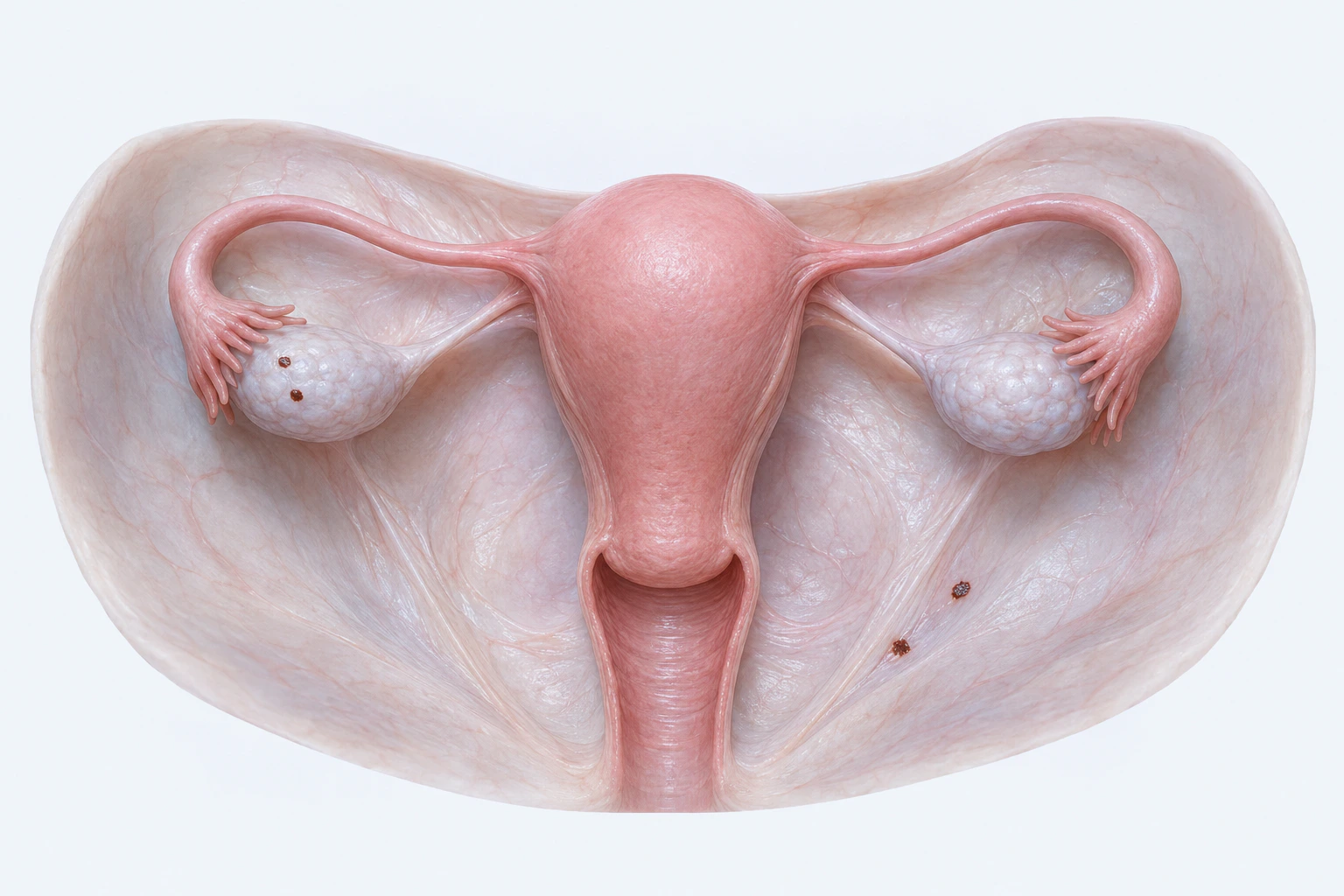
Affects approximately 48 million women worldwide (WHO global infertility prevalence estimates). From a microbiome-metallomics perspective, female infertility sits at the intersection of the estrobolome (microbial estrogen metabolism), heavy metal reproductive toxicity (…
The fifth most common cancer worldwide and third leading cause of cancer death, with over 1 million new cases annually. Gastric cancer stands unique in this wiki as the disease where a single microorganism -- helicobacter pylori -- provides the dominant causal pathway, …
Alphabetical definitions of specialist terms used throughout this wiki. Where a full concept page exists, the term links to it. --- AhR (aryl hydrocarbon receptor) -- A ligand-activated transcription factor that senses microbial metabolites (especially indoles from tryp…
This knowledge-base record is being expanded from WikiBiome’s evidence graph.
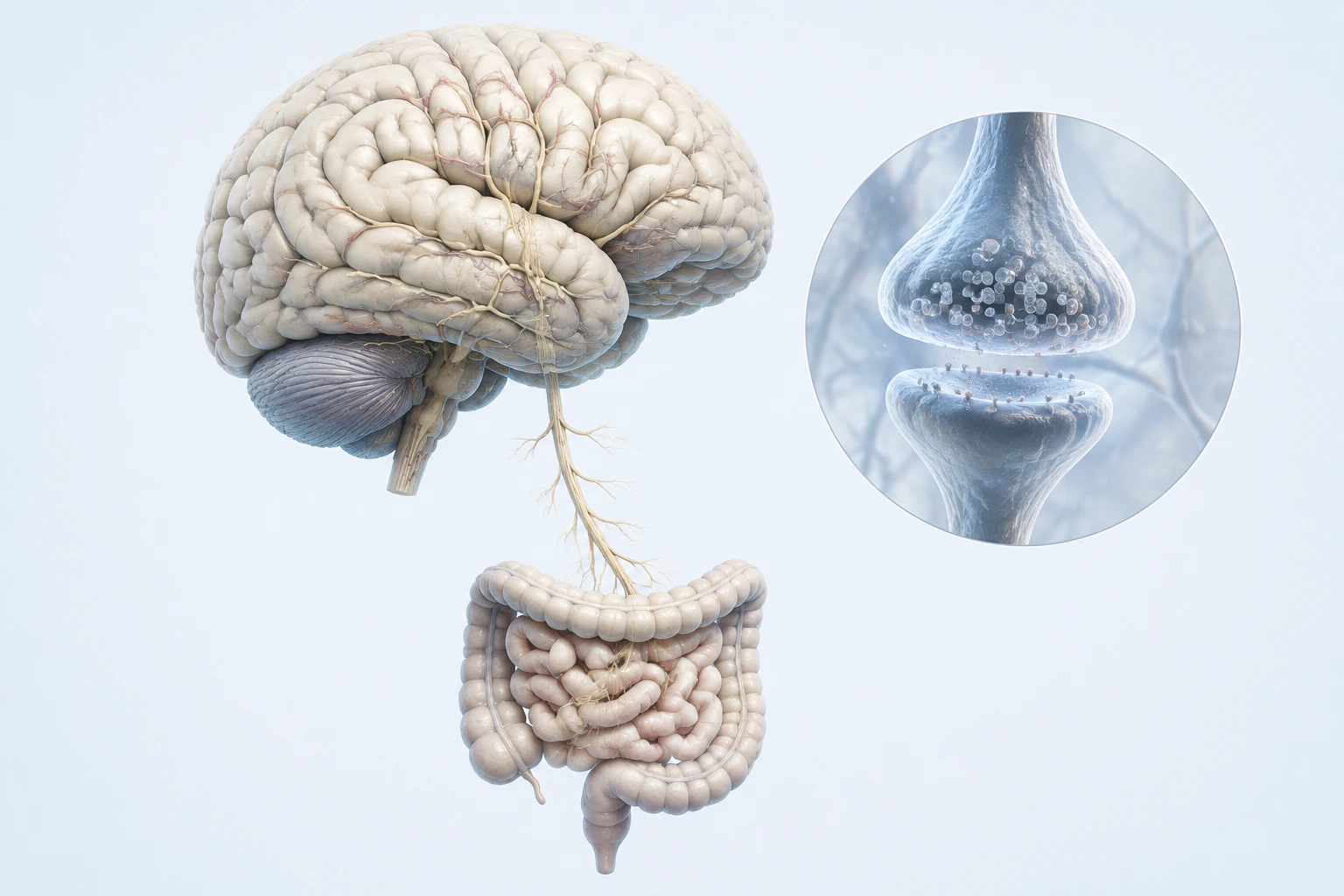
Bidirectional communication between the gut microbiota and the central nervous system, mediated by neural (vagus nerve, enteric nervous system), immune (cytokines, microglia), endocrine (HPA axis), and metabolic (SCFAs, neurotransmitter precursors, tryptophan metabolite…
This knowledge-base record is being expanded from WikiBiome’s evidence graph.
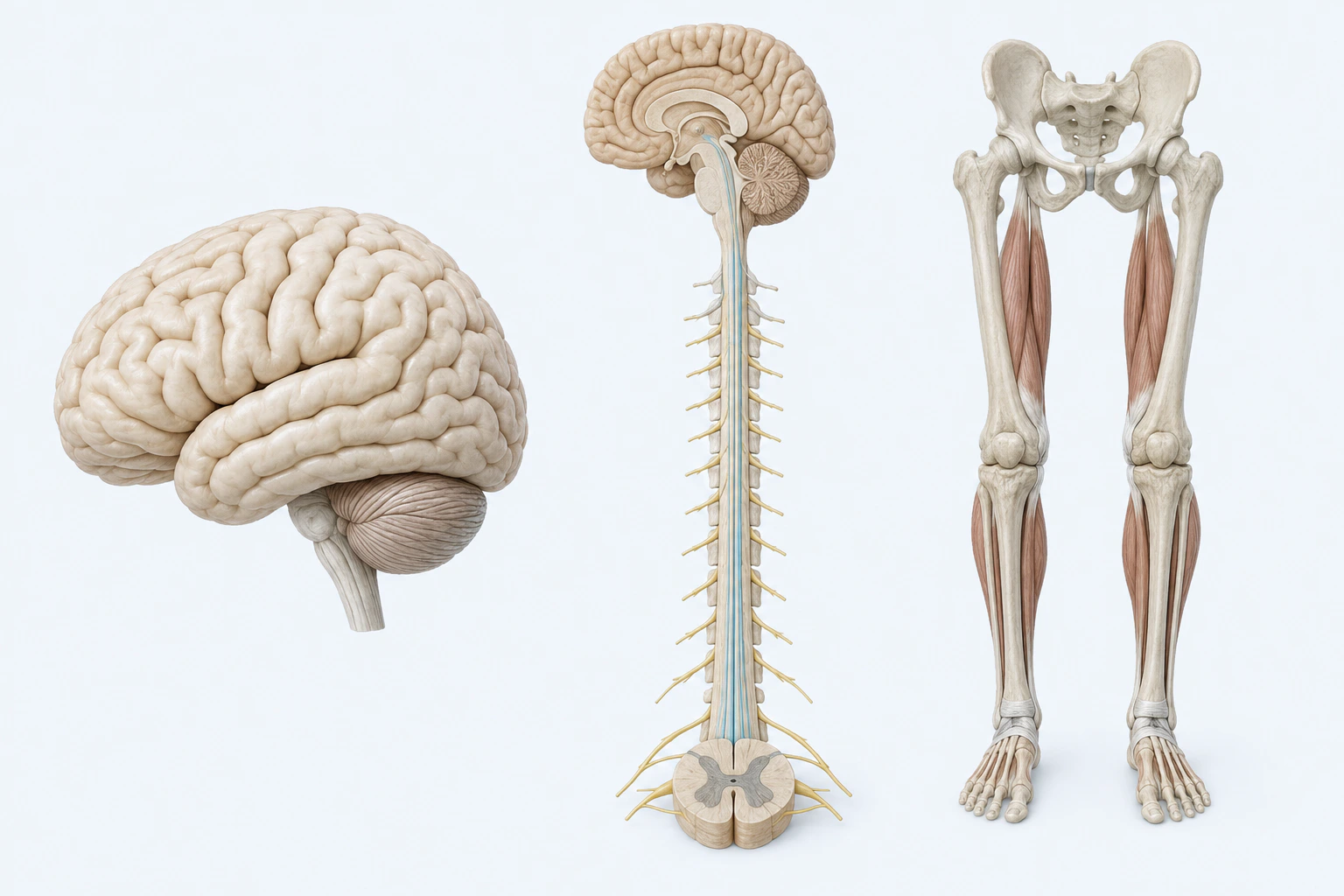
Heavy metals exert some of their most devastating effects on the nervous system. lead, mercury, and arsenic are the three metals with the most extensively documented neurotoxic mechanisms, but cadmium, manganese, aluminum, and nickel also contribute to neurological dama…
The 6-24 month developmental window — when infants transition from breast milk to solid foods — represents a convergence of maximum vulnerability and maximum exposure. Immature detoxification systems, rapid organ development, and high food-to-body-weight ratios mean tha…
Histidine is a semi-essential amino acid with a unique property that makes it central to metal biology: its imidazole side chain is one of the strongest biological metal-binding groups, coordinating zinc, nickel, copper, iron, and other transition metals in enzymes and …
HIV (Human Immunodeficiency Virus) causes progressive CD4+ T cell depletion leading to AIDS. In the WikiBiome framework, HIV is notable for the gut-centric model of disease progression: HIV preferentially destroys gut-associated lymphoid tissue (GALT) early in infection…
Hyperparathyroidism is the overproduction of parathyroid hormone (PTH), a master regulator of calcium homeostasis. While primary hyperparathyroidism (from parathyroid adenoma) is well described, the WikiBiome framework highlights secondary hyperparathyroidism -- the com…
Sustained elevation of systemic blood pressure, affecting an estimated 1.3 billion adults worldwide and the leading modifiable risk factor for cardiovascular disease, stroke, and chronic kidney disease. The gut microbiome-blood pressure axis has emerged as a major resea…
The developing infant represents a uniquely vulnerable window for heavy metal toxicity. Three factors converge to make the first years of life a critical period: an immature and rapidly assembling gut microbiome, a developing blood-brain barrier, and proportionally high…
A condition in which cells fail to respond normally to insulin, requiring progressively higher insulin levels to maintain glucose homeostasis. Insulin resistance is central to PCOS, type 2 diabetes, and metabolic syndrome, and has extensive but complex connections to me…
This page serves as the family-level hub for Lachnospiraceae, connecting the individual genus and species pages (roseburia, blautia, anaerostipes, eubacterium rectale) with the overarching ecological and metabolic framework that defines the family. For the primary entit…
This page synthesizes findings across 1,426 source pages to map the relationships between metals and disease. Where individual source pages document a single study's findings, this page identifies the patterns that emerge when those findings are laid side by side. ADVER…
A family of small (6-7 kDa), cysteine-rich proteins that bind heavy metals with extraordinary affinity. Metallothioneins (MTs) are the cell's primary chemical defense against metal toxicity -- they sequester cadmium, mercury, lead, and other toxic metals, preventing the…
This knowledge-base record is being expanded from WikiBiome’s evidence graph.
Mitochondrial dysfunction refers to the impairment of mitochondrial energy production, redox balance, and signaling functions. Mitochondria are the primary targets of heavy metal toxicity in human cells, and they are also the organelles most dependent on metal cofactors…
The causative agent of tuberculosis (TB), the leading infectious disease killer worldwide (~1.3 million deaths annually). M. tuberculosis has an exceptionally complex metal biology: it deploys nickel-dependent hydrogenase and urease for intracellular survival, species-s…
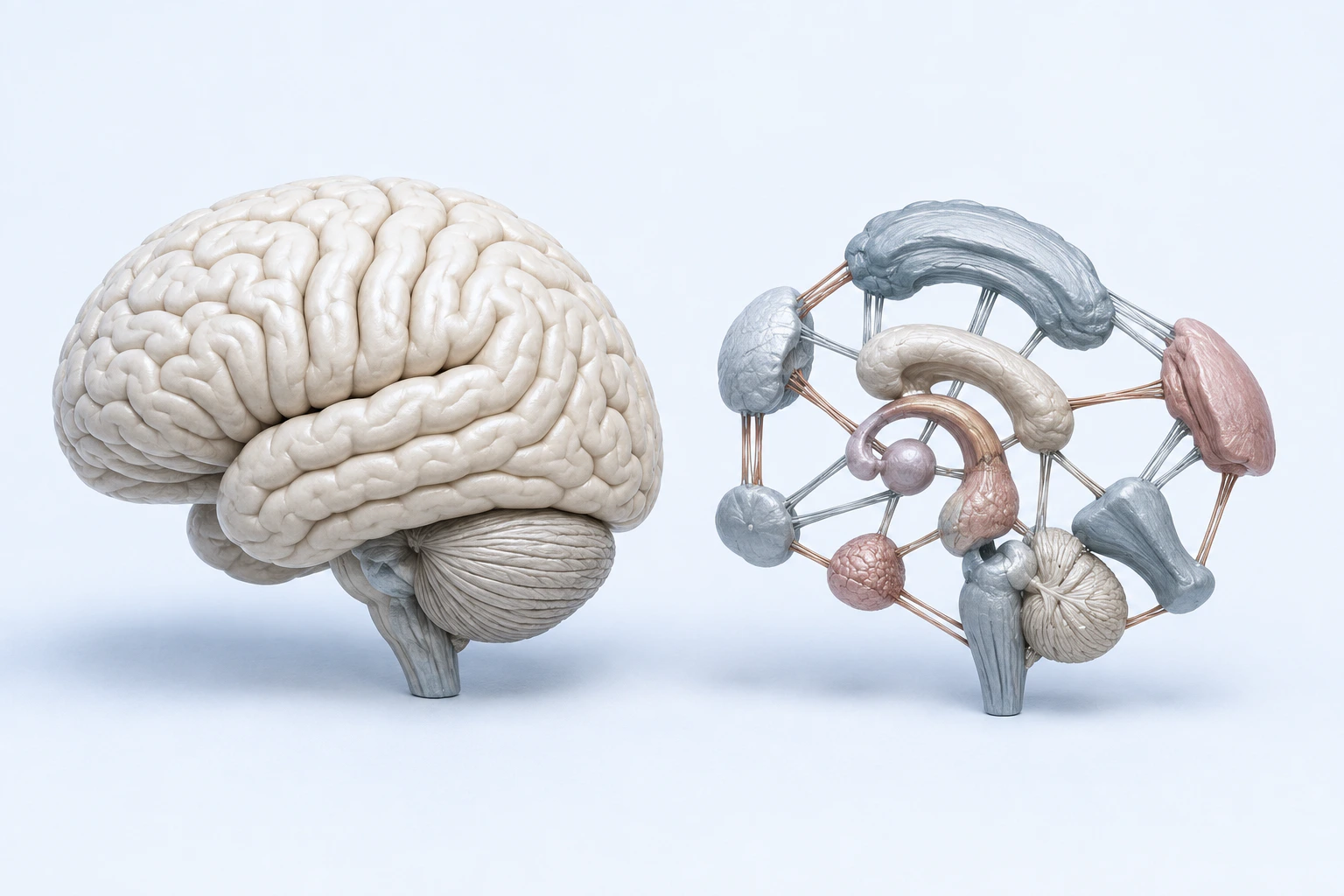
An umbrella concept encompassing the metallomic dimensions of Alzheimer's disease, Parkinson's disease, and other neurodegenerative conditions. The brain is uniquely vulnerable to metal toxicity: it has high metabolic demand, limited regenerative capacity, region-specif…
Nuclear factor kappa-light-chain-enhancer of activated B cells (NF-kB) is a family of transcription factors that regulate inflammation, immune responses, cell survival, and proliferation. NF-kB is a convergence point where metal toxicity, pathogen signaling, and chronic…
Oscillibacter is a genus of Gram-negative, strictly anaerobic, motile bacteria within the family Oscillospiraceae (phylum Firmicutes). The type species, Oscillibacter valericigenes, was first isolated from the alimentary tract of a Japanese freshwater fish and named for…
Oxidative stress is the imbalance between the production of reactive oxygen and nitrogen species (ROS/RNS) and the capacity of biological antioxidant defense systems to detoxify them. It is the single most commonly invoked mechanism across metal toxicology in this wiki,…
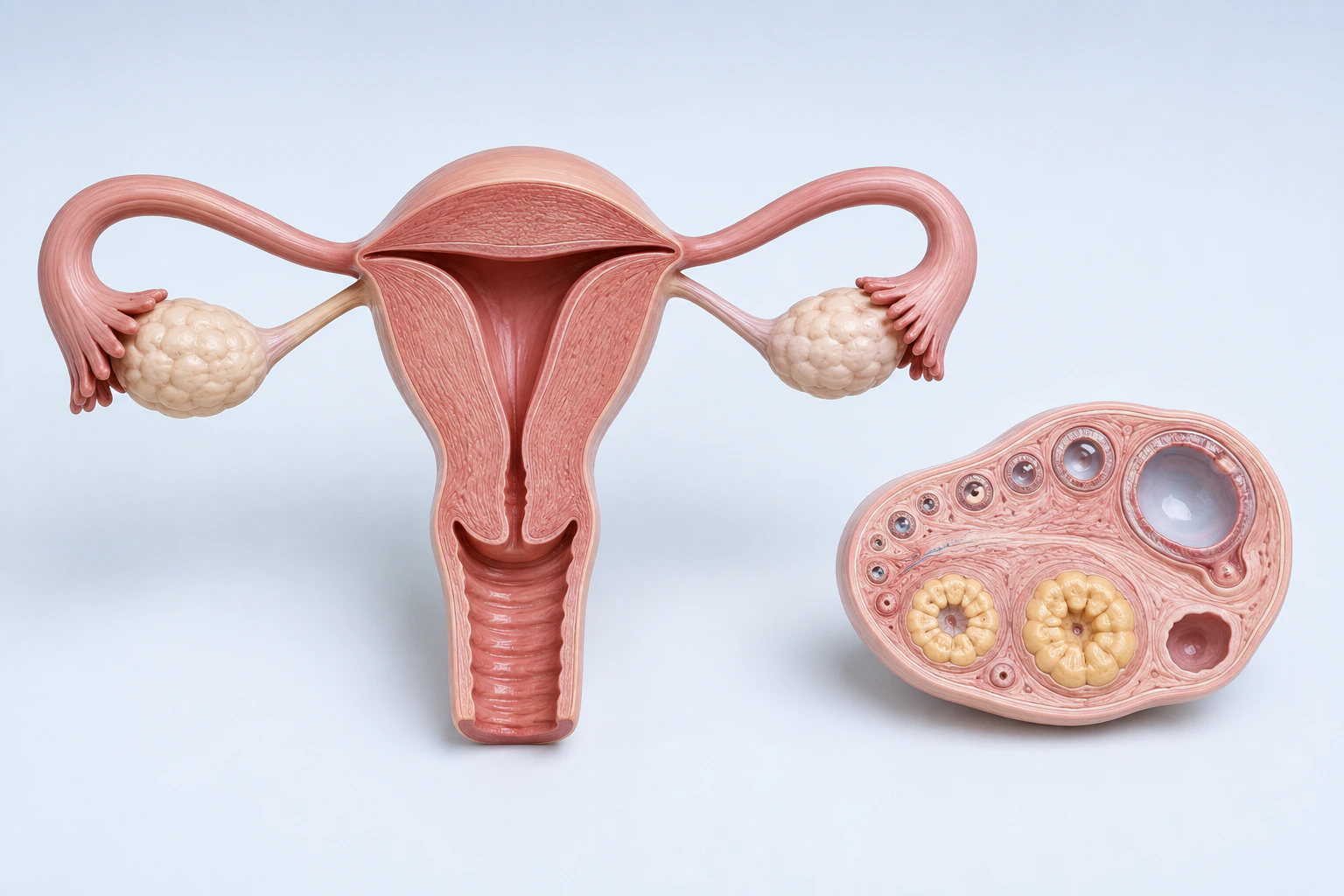
A metabolic-endocrine disorder affecting 6-20% of reproductive-age women worldwide, characterized by hyperandrogenism, oligo/anovulation, and polycystic ovary morphology (Rotterdam criteria) barrea 2019 mediterranean diet pcos. PCOS is the leading cause of anovulatory i…
This knowledge-base record is being expanded from WikiBiome’s evidence graph.
Tau is a microtubule-associated protein essential for maintaining the structural integrity of neuronal axons. In health, tau binds to and stabilizes microtubules, enabling axonal transport of organelles, vesicles, and signaling molecules. When tau becomes hyperphosphory…
Could counter Zn depletion, but excess Zn promotes A-beta aggregation in plaques doroszkiewicz 2023 common trace metals alzheimers parkinsons.