
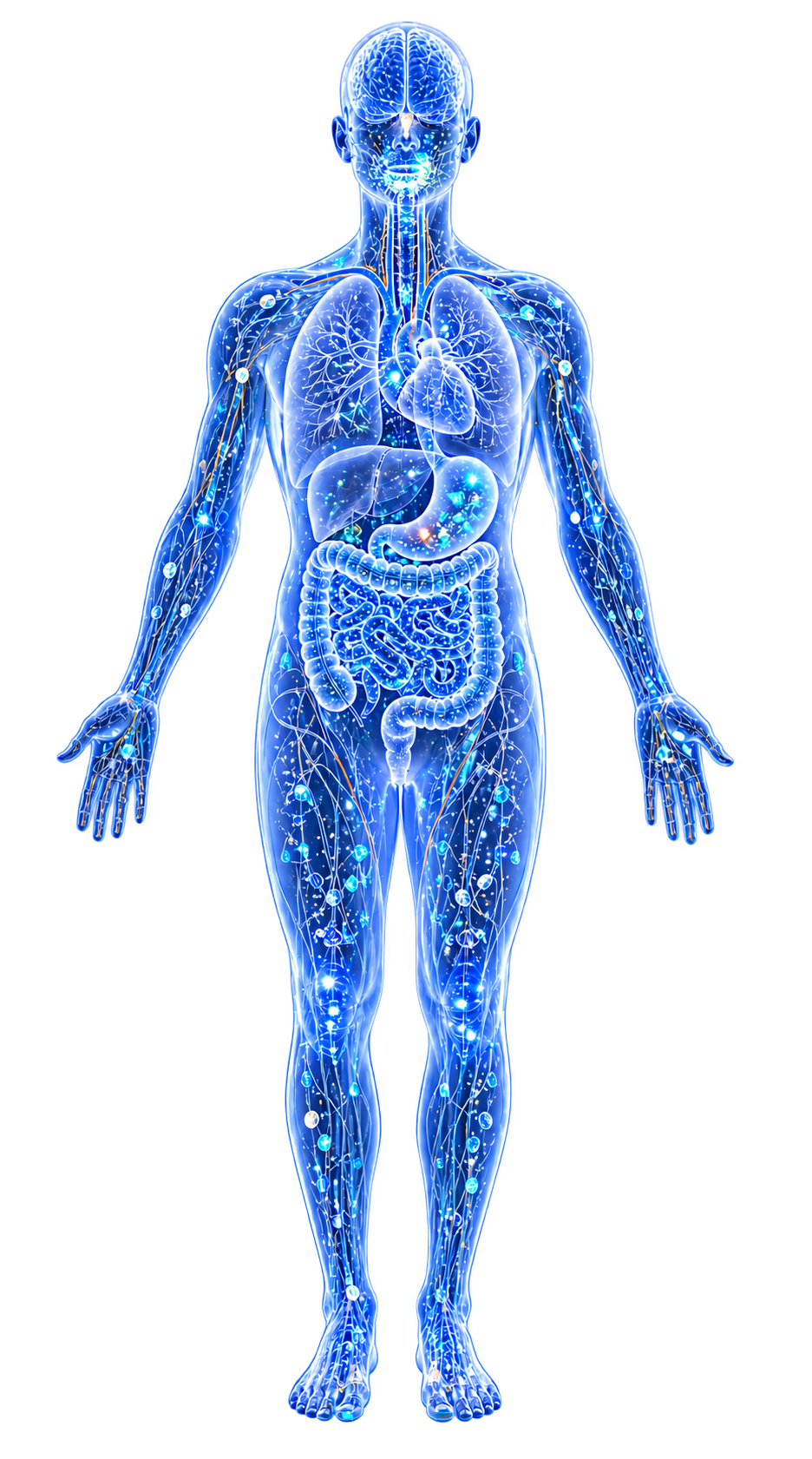
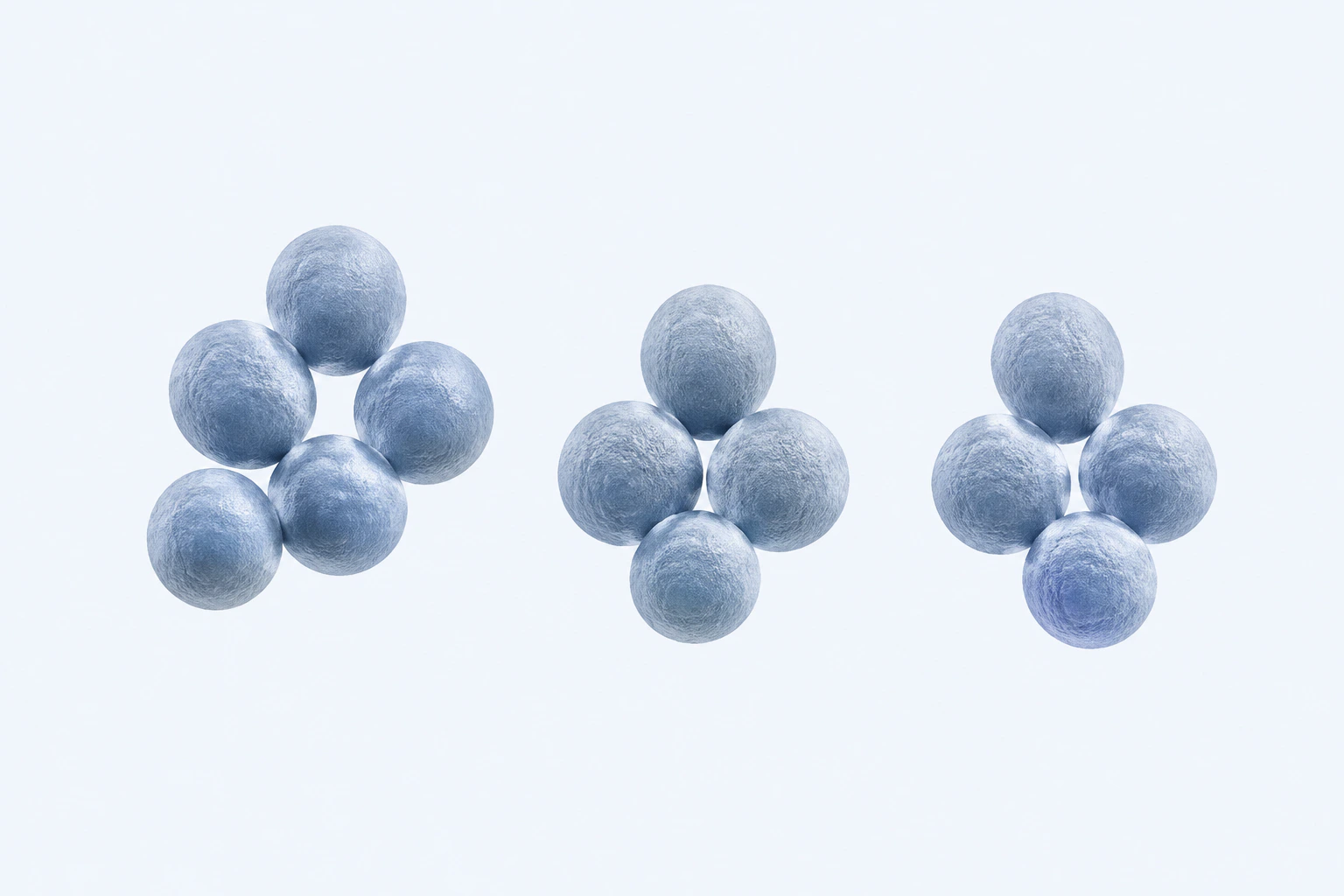
Type-strain-anchored Staphylococcus epidermidis reconstruction with thirteen cocci. Representative, non-diagnostic, not visually separable from other staphylococci, and not a micrograph.
Scientific media record1 verified identifier
- Subject
- Staphylococcus epidermidistaxon · species
- Identifiers
- NCBITaxon:1282
- Review
- Editorial review completeIdentifiers authority-verified · Accessibility validated · · staphylococcus-epidermidis|staphylococcus-epidermidis-morphology-v1.webp
- Digital source
- Trained-algorithmic mediaCreated with a trained generative algorithm and reviewed by WikiBiome for subject identity, scientific framing, identifiers, provenance, and accessibility.
- Scientific basis
- Staphylococcus epidermidis — NCBI TaxonomyStaphylococcus epidermidis — LPSNStaphylococcus epidermidis morphology
- License
- CC BY-SA 4.0Created
Staphylococcus epidermidis is a Gram-positive, facultative anaerobic coagulase-negative staphylococcus and one of the most abundant commensals of human skin and mucosal surfaces. While generally benign, it is a leading cause of nosocomial infections associated with indwelling medical devices due to its prolific biofilm-forming capacity.
Evidence map2 cited passagesInspect provenance +
S. epidermidis biofilms exhibit notable metal resistance properties. Metal-based antimicrobial strategies targeting biofilm-embedded staphylococci—including methicillin-resistant strains (MRSE)—leverage the organism's metal dependencies as vulnerabilities (). Essential oils and carvacrol-based codrugs have shown antibiofilm activity against S. epidermidi
Beyond skin, S. epidermidis is a component of the genital and intestinal microbiota. It has been identified in the reproductive tract microbiome of women with adenomyosis and associated infertility (), suggesting a role in reproductive tract dysbiosis.
Metal Dependencies and Biofilm#
S. epidermidis biofilms exhibit notable metal resistance properties. Metal-based antimicrobial strategies targeting biofilm-embedded staphylococci—including methicillin-resistant strains (MRSE)—leverage the organism's metal dependencies as vulnerabilities ([1]Sanchez-Rosario 2026 — N-benzyl-N-methyldithiocarbamate (BMDC) Combines with Metals to Produce Antimicrobial and Anti-Biofilm Activity Against MRSA and S. epidermidisYamil Sanchez-Rosario, Natasha R Cornejo, Isaiah S Gonzalez et al. · 2026Open reference 1 ↓).
Essential oils and carvacrol-based codrugs have shown antibiofilm activity against S. epidermidis, disrupting the polysaccharide matrix that shields sessile cells ([2]Cacciatore 2015 — Carvacrol codrugs: a new approach in the antimicrobial planIvana Cacciatore, Mara Di Giulio, Erika Fornasari et al. · 2015Open reference 2 ↓).
Reproductive Tract Associations#
Beyond skin, S. epidermidis is a component of the genital and intestinal microbiota. It has been identified in the reproductive tract microbiome of women with adenomyosis and associated infertility ([3]Ponomaryova 2022 — Changes in microbiota of genital tract and intestines in patients with adenomyosis and infertilityPonomaryova IG, Lisyana TO, Trokhimovych OV et al. · 2022Open reference 3 ↓), suggesting a role in reproductive tract Dysbiosis.
Cross-References#
- Biofilm—S. epidermidis as a model biofilm-forming organism
- Staphylococcus—genus-level page
- adenomyosis—reproductive tract associations
- Antimicrobial Metals—metal-based strategies against staphylococcal biofilms
References 3
Numbered by first appearance in the article, then reconciled with its declared source list.
- 1
Yamil Sanchez-Rosario, Natasha R Cornejo, Isaiah S Gonzalez et al. (2026). Sanchez-Rosario 2026 — N-benzyl-N-methyldithiocarbamate (BMDC) Combines with Metals to Produce Antimicrobial and Anti-Biofilm Activity Against MRSA and S. epidermidis. mSphere.
- 2
Ivana Cacciatore, Mara Di Giulio, Erika Fornasari et al. (2015). Cacciatore 2015 — Carvacrol codrugs: a new approach in the antimicrobial plan. PLOS ONE.
- 3
Ponomaryova IG, Lisyana TO, Trokhimovych OV et al. (2022). Ponomaryova 2022 — Changes in microbiota of genital tract and intestines in patients with adenomyosis and infertility. Medical Research Journal.
Article network
Mentioned here 4
Pages linking here 1
Connect the evidence
Publicly readable discussion by ORCID-authenticated researchers. Questions, interpretation, methods, corrections, and new evidence stay attached to this record.
No discussion yet. Start with a precise question or a source-backed observation.
Published page changes
This record shows only material changes published on this page, including changes to its content, evidence, conclusions, or author context. Internal processes and discussion activity are excluded. Pending, declined, and withdrawn proposals remain private.
- published revision
Created “Staphylococcus epidermidis”: Staphylococcus epidermidis is a Gram-positive, facultative anaerobic coagulase-negative staphylococcus and one of the most abundant commensals of human skin and mucosal surfaces. While generally…
Created “Staphylococcus epidermidis”: Staphylococcus epidermidis is a Gram-positive, facultative anaerobic coagulase-negative staphylococcus and one of the most abundant commensals of human skin and mucosal surfaces. While generally… Published sections: Overview; Metal Dependencies and Biofilm; Reproductive Tract Associations; Cross-References. · WikiBiome Deploy Bot · +43 −0
Inspect exact Git diff ↗