Metallomics
This knowledge-base record is being expanded from WikiBiome’s evidence graph.
WikiBiomeThe human microbiome encyclopediaRanked matches across titles, topics, categories, and article introductions.
This knowledge-base record is being expanded from WikiBiome’s evidence graph.
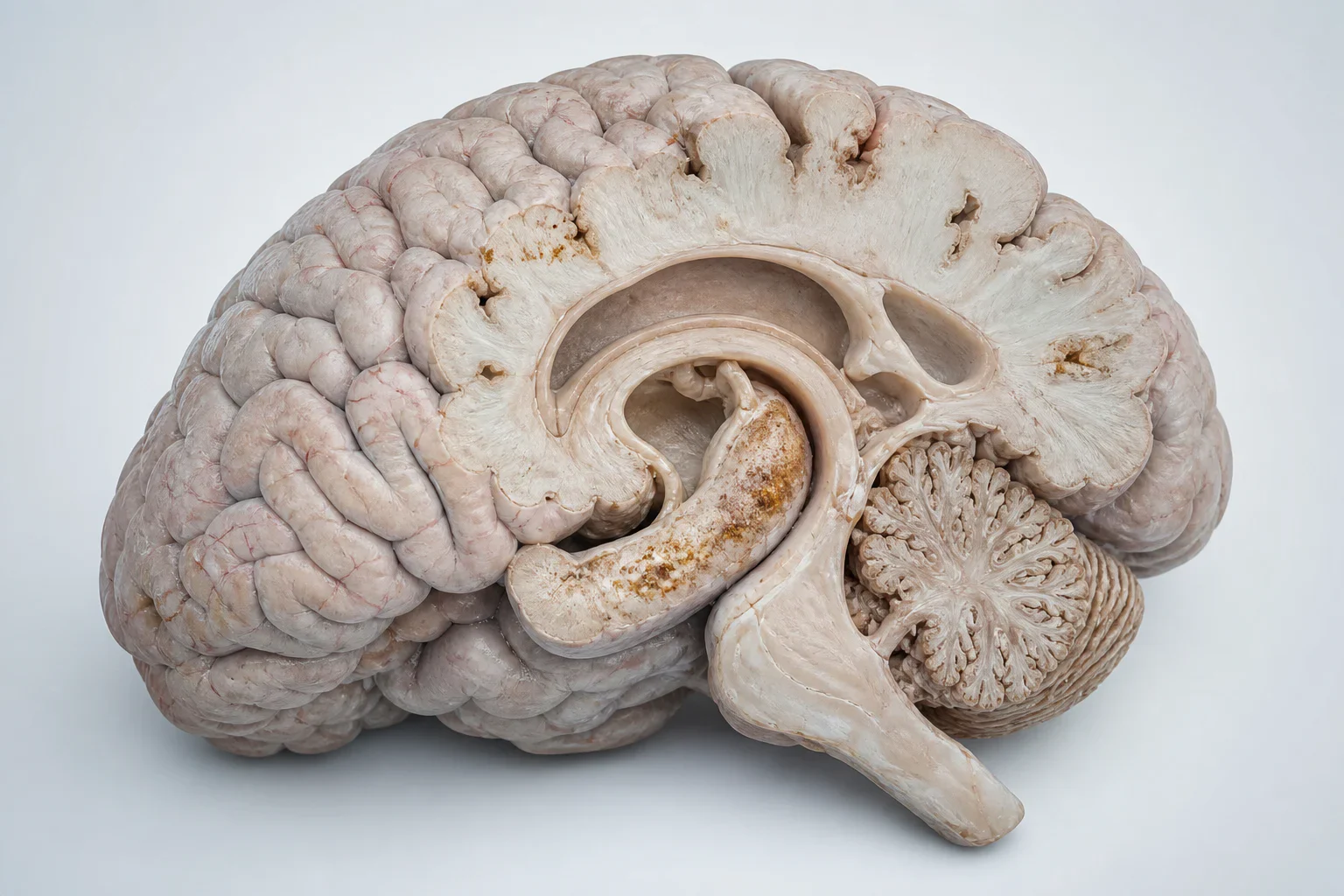
The most common form of dementia, affecting an estimated 55 million people worldwide and projected to triple by 2050 zhang 2024 recent advances alzheimers mechanisms trials. Characterized by progressive memory loss, cognitive decline, amyloid-beta plaques, and neurofibr…
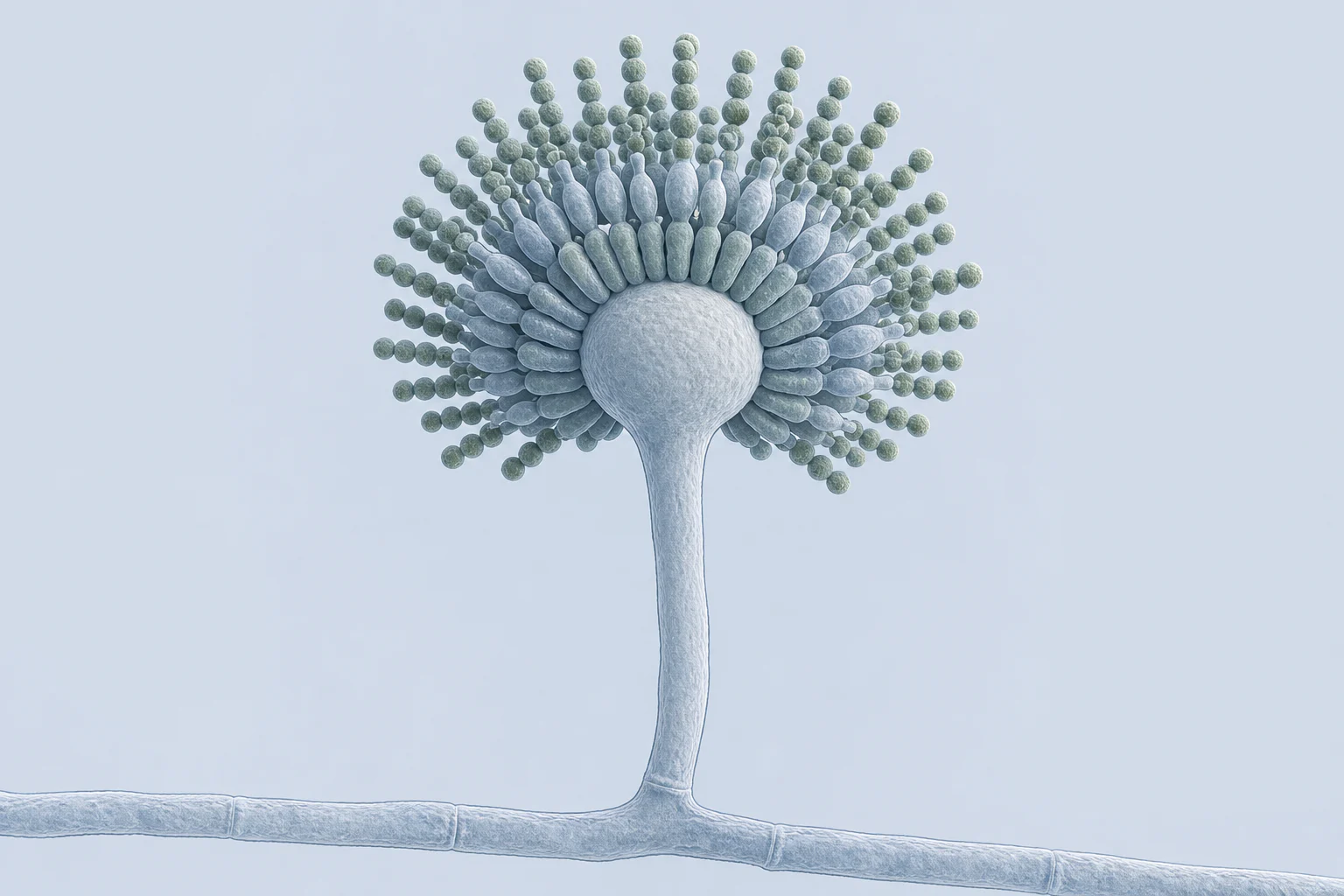
A ubiquitous filamentous fungal genus that is both an environmental saprophyte and an opportunistic human pathogen. A. fumigatus is the primary cause of invasive aspergillosis in immunocompromised patients, while A. niger is relevant to food contamination. The genus is …
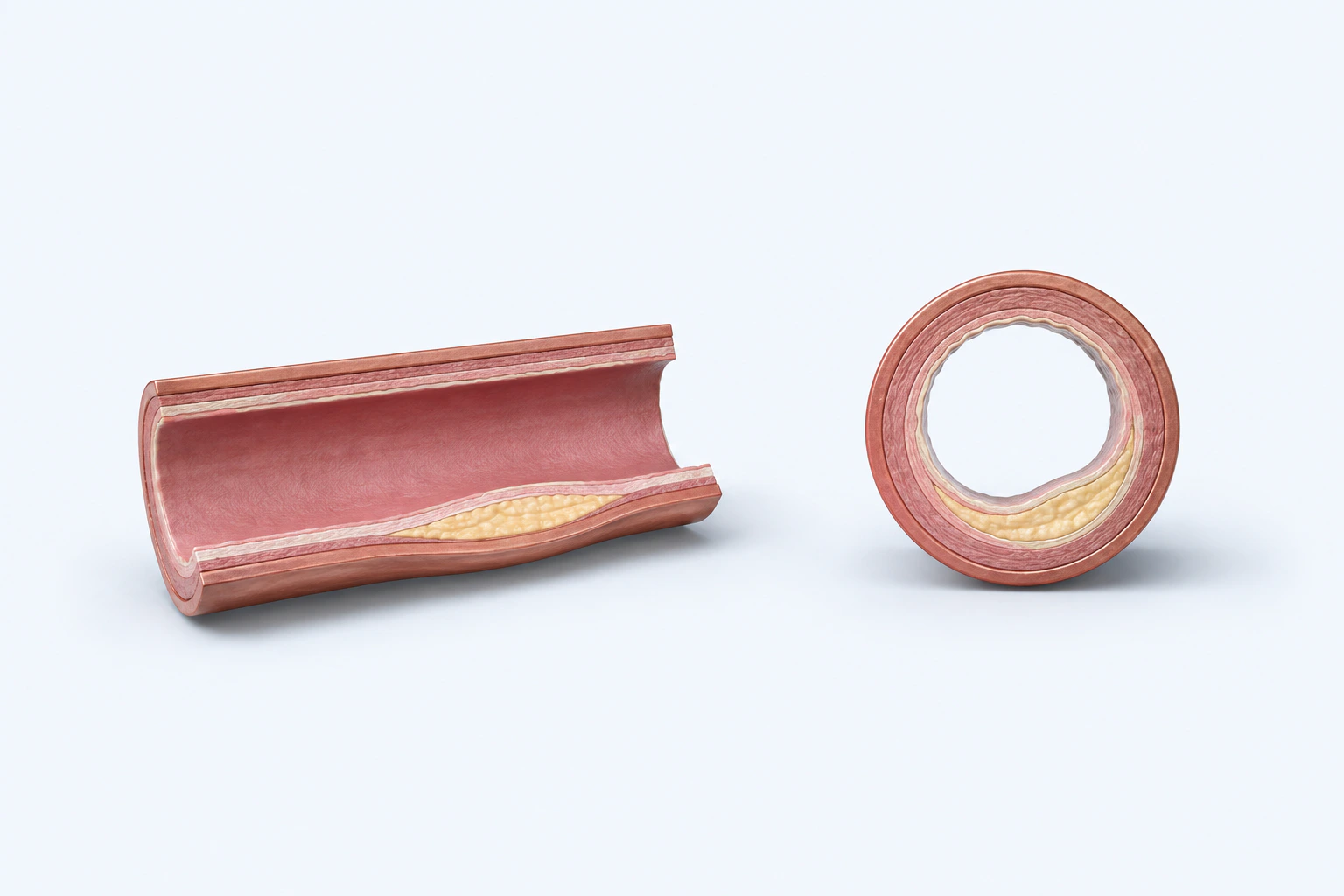
Progressive inflammatory disease of the arterial wall characterized by lipid accumulation, immune cell infiltration, and fibrous plaque formation. In the metallomics framework, atherosclerosis sits at the convergence of three interacting systems: heavy metal toxicity, g…
Purpose: Introduce WikiBiome to cited authors. Build the relationship. No money ask. When to send: After a source page is published on WikiBiome. Subject line options (test which performs best): - Your research on [TOPIC] is now part of WikiBiome - We cited your [YEAR] …
A neurodevelopmental condition affecting approximately 1 in 36 children (US CDC 2023 estimate), characterized by differences in social communication, restricted interests, and repetitive behaviors. From a metallomics perspective, ASD presents a compelling convergence of…
A genus of Gram-positive, obligate anaerobic bacteria that dominate the infant gut microbiome and remain important commensals throughout life. Bifidobacterium species are distinctive in the metallomics context because some species possess Ni-dependent urease -- an unusu…
Structured microbial communities encased in a self-produced extracellular polymeric substance (EPS) matrix. Biofilms are the predominant mode of bacterial and fungal growth in chronic infections, device-associated infections, and the gut. From a metallomics perspective,…
Measurable indicators of biological state, exposure, or disease. In the metallomics context, biomarkers span three interconnected domains: metal biomarkers (quantifying exposure and body burden), microbiome biomarkers (reflecting microbial community disruption), and met…
A genus of spirochete bacteria transmitted by Ixodes ticks, best known as the causative agent of Lyme disease -- the most common tick-borne illness in the Northern Hemisphere. Borrelia burgdorferi sensu lato comprises approximately 20 genospecies, with B. burgdorferi se…
The leading bacterial cause of diarrheal disease worldwide, with an estimated 400-500 million cases annually. C. jejuni is notable in the metallomics context for possessing a nickel-dependent [NiFe] hydrogenase essential for colonization but lacking urease -- a striking…
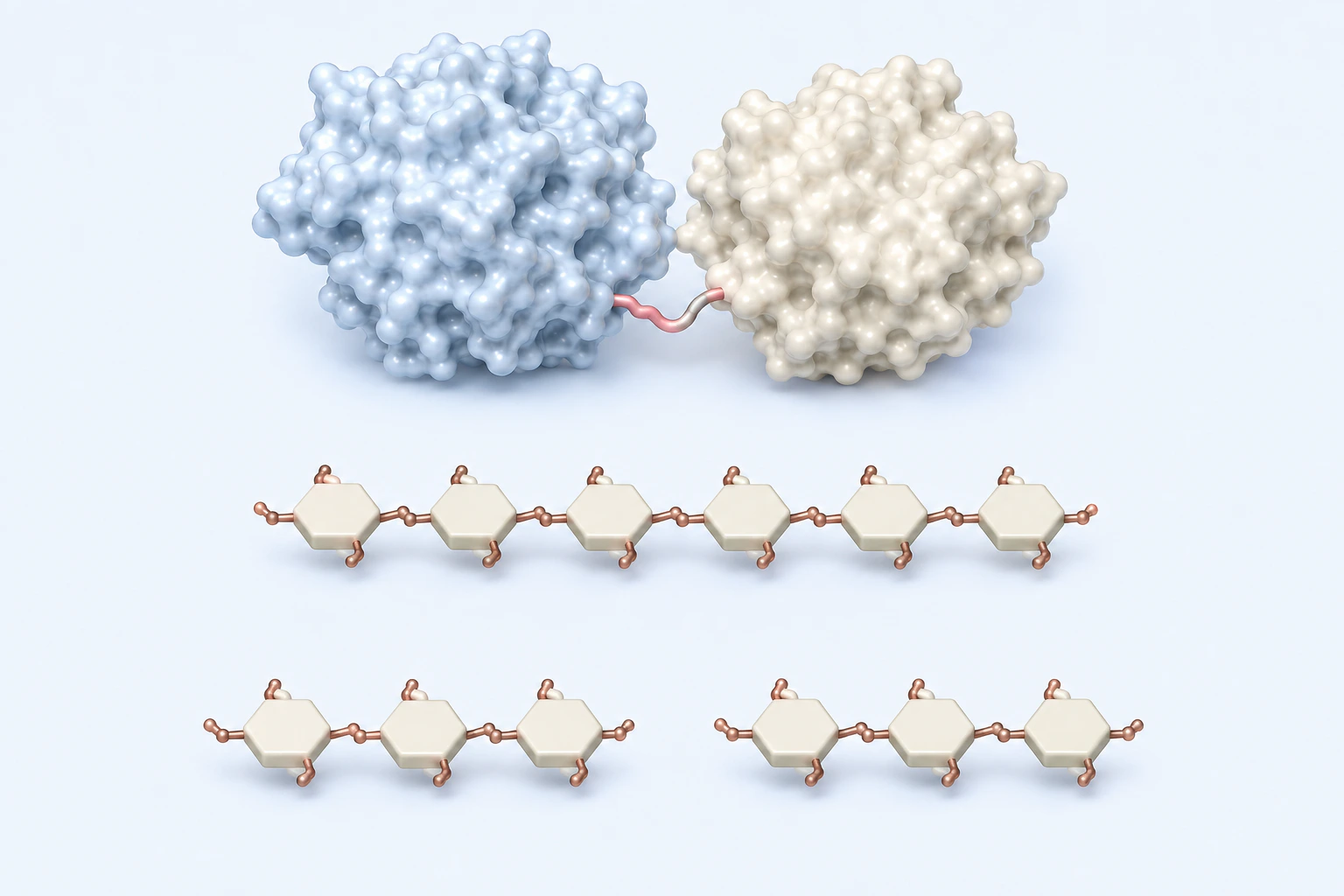
Chitotriosidase (CHIT1) is a human chitinase that degrades chitin — the structural polysaccharide of fungal cell walls, insect exoskeletons, and parasitic helminths. It is the most abundant chitinase in human serum and represents a direct arm of innate nutritional immun…
A Gram-positive, spore-forming, obligate anaerobic bacterium that is the leading cause of antibiotic-associated diarrhea and pseudomembranous colitis in healthcare settings. In the metallomics framework, C. difficile sits at the intersection of metal-antibiotic co-selec…
The co-occurrence of multiple diseases in the same individual at rates exceeding chance. Comorbidity patterns are a central puzzle in medicine -- why do IBD patients develop CVD? Why does PCOS cluster with T2D? Why do neurodegenerative diseases associate with depression…
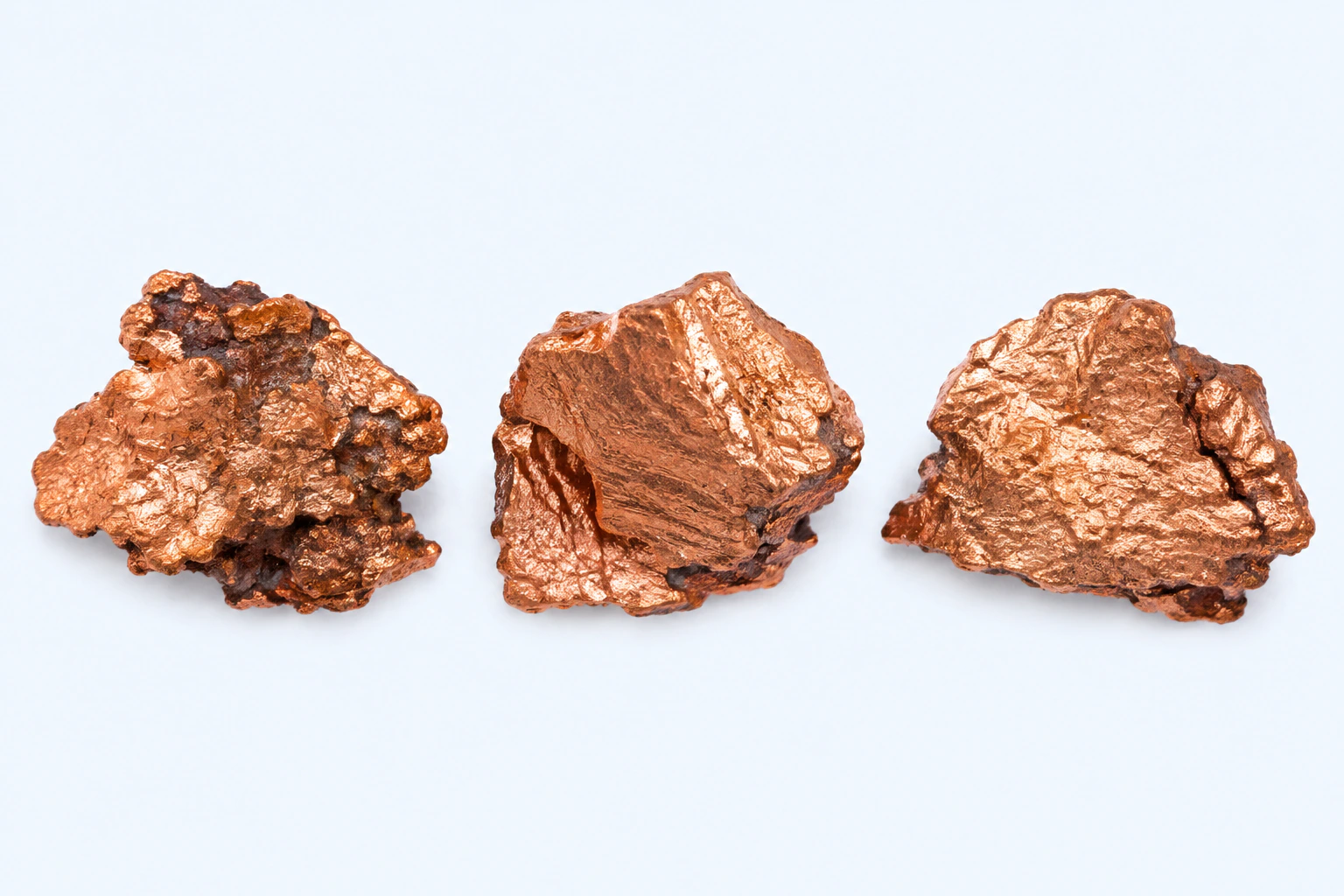
An essential trace element with a striking dual nature: required for survival as a cofactor for critical enzymes (SOD1, cytochrome c oxidase, ceruloplasmin), yet toxic in excess through Fenton-like redox cycling and mis metallation of iron-sulfur clusters. Copper is ele…
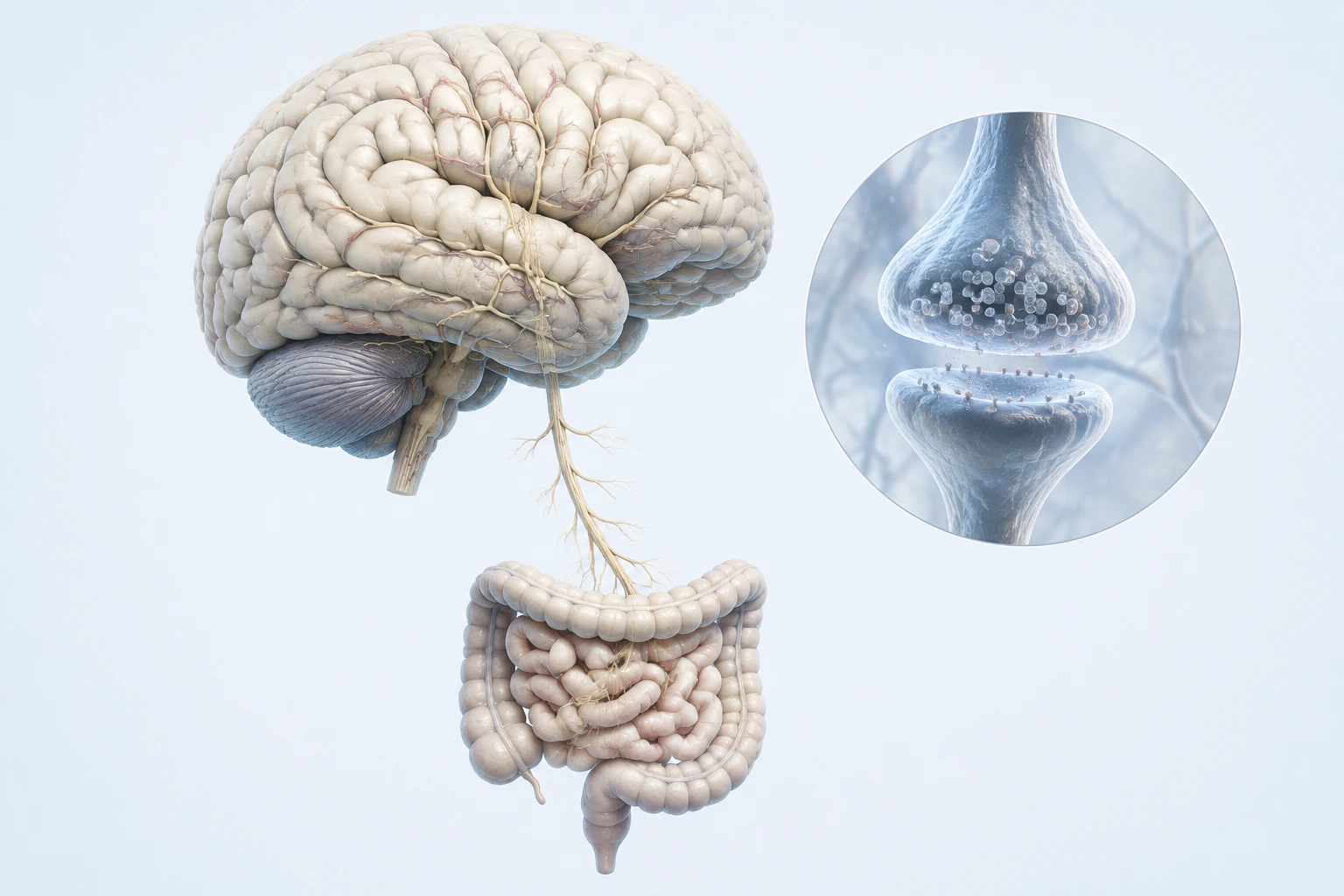
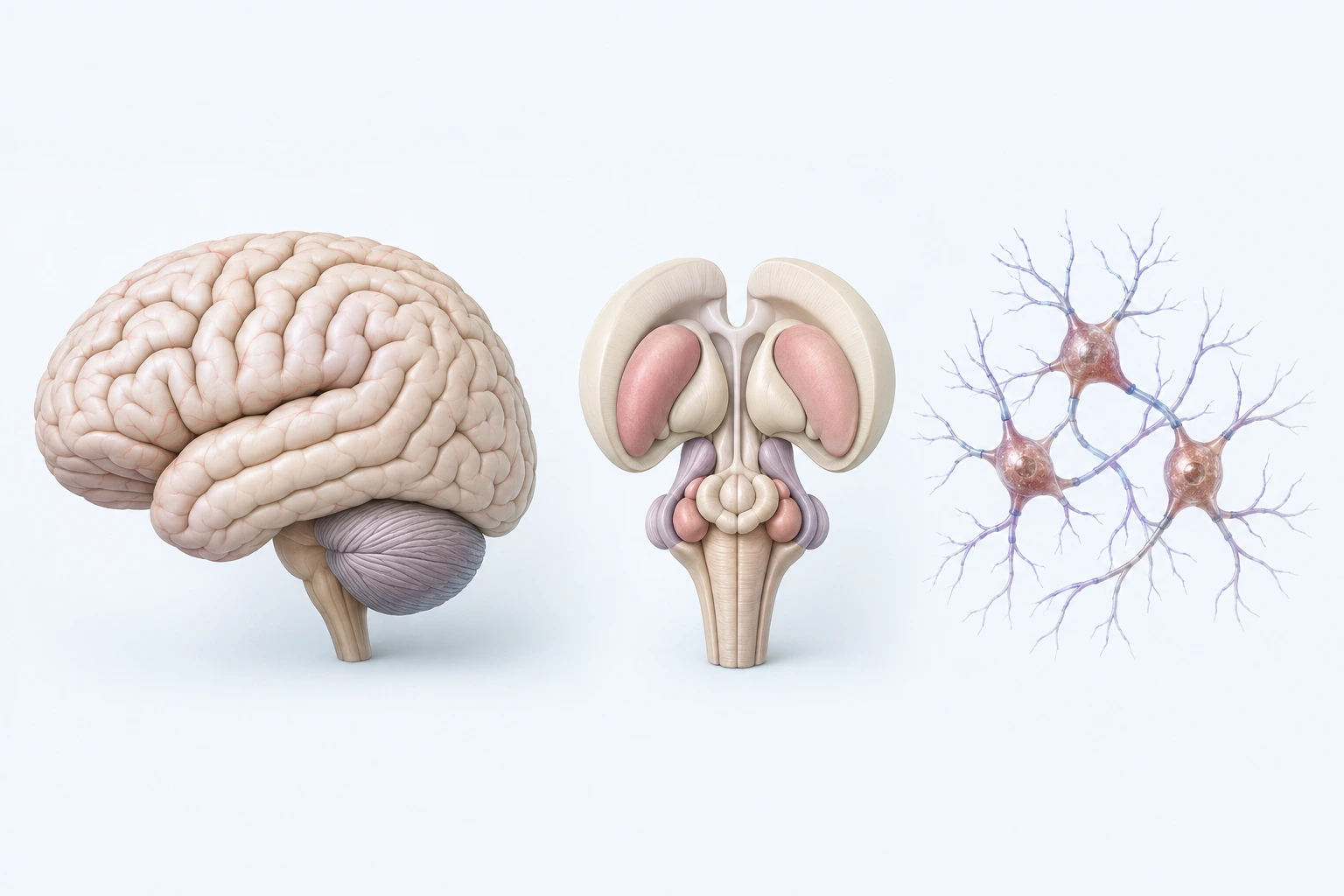
Depression is the most prevalent mental health disorder globally, affecting over 280 million people zhu 2025 microbiota gut brain axis depression review, and one of the most metal-sensitive conditions in this wiki. It sits at the convergence of nearly every pathway cata…
This page identifies the contradictions and clinical dilemmas that become visible only when the 236 source pages in this wiki are read together. Each paradox describes a situation where evidence-based dietary or supplementation advice -- advice that is correct for most …
Disruption of the normal composition and metabolic function of microbial communities, particularly the gut microbiome. In the metallomics context, dysbiosis is both a consequence of metal toxicity and an amplifier of further disease -- creating vicious cycles where meta…
Exogenous chemicals that interfere with hormone synthesis, secretion, transport, binding, or elimination, mimicking or blocking endogenous hormones at physiologically relevant concentrations. In the metallomics-microbiome framework, endocrine disruptors occupy a critica…
Eubacterium rectale (recently reclassified as Agathobacter rectalis) is a Gram-positive, strictly anaerobic, non-spore-forming bacterium that belongs to Clostridium cluster XIVa within the lachnospiraceae family. It is one of the most abundant butyrate producers in the …
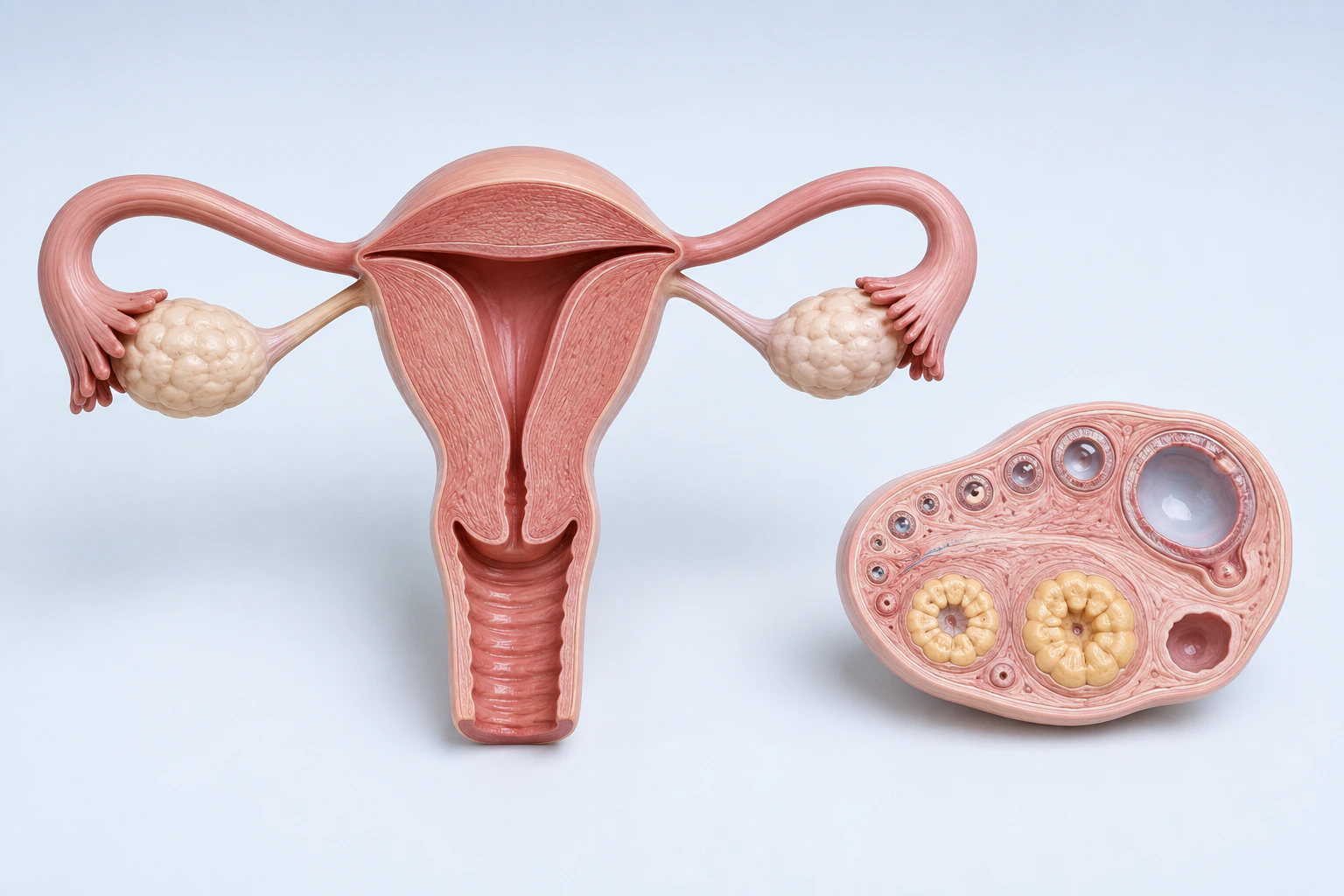
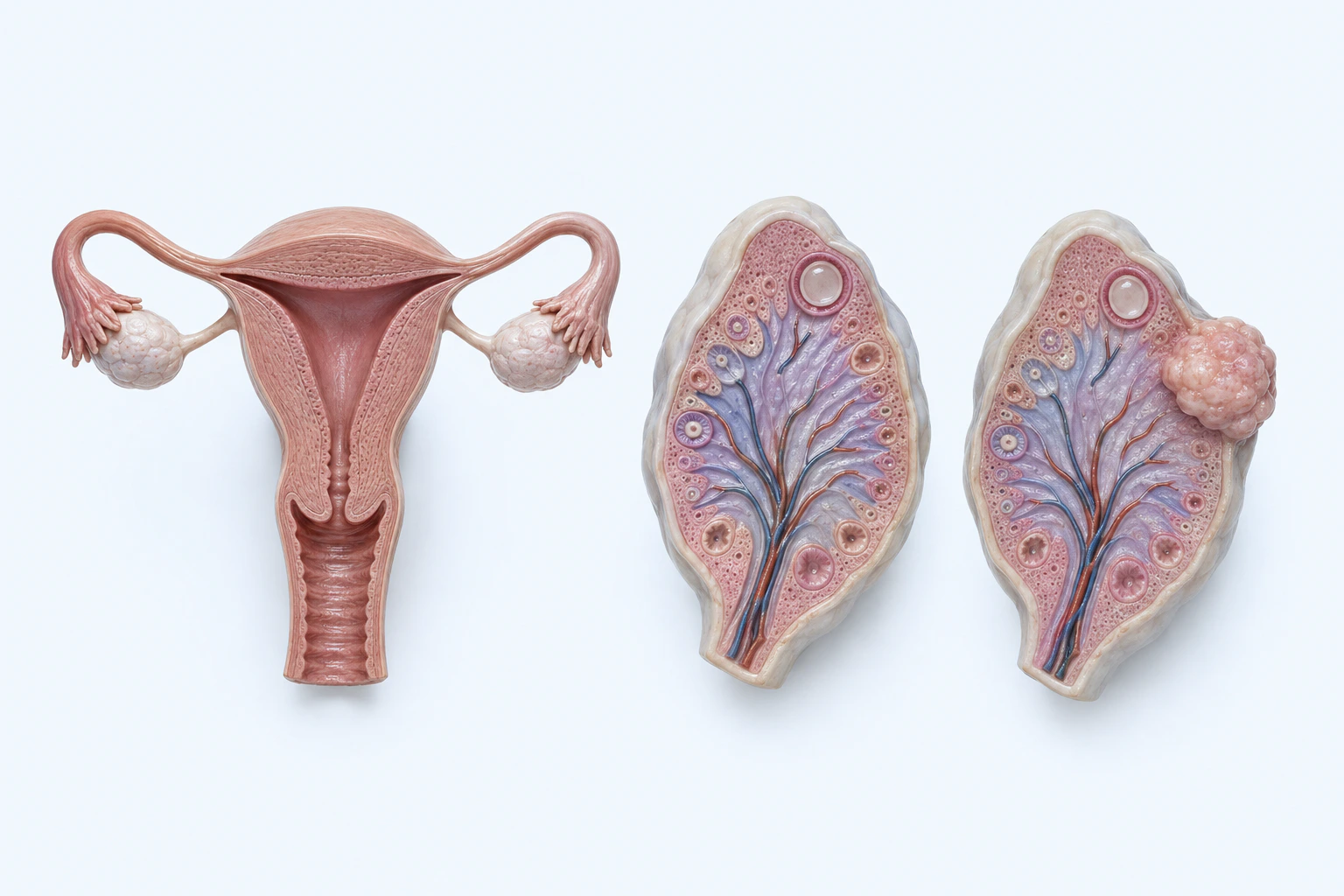
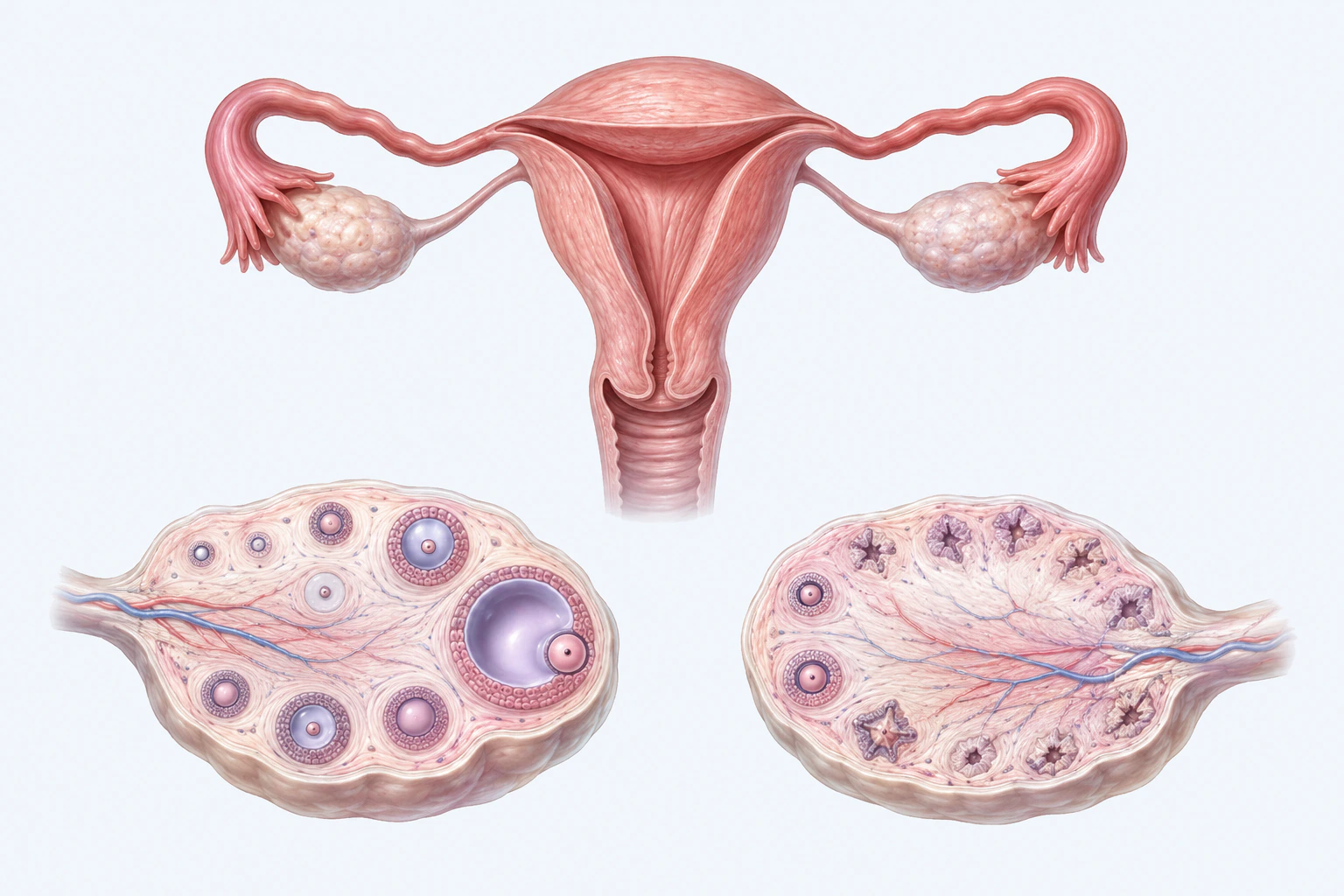
Affects approximately 48 million women worldwide (WHO global infertility prevalence estimates). From a microbiome-metallomics perspective, female infertility sits at the intersection of the estrobolome (microbial estrogen metabolism), heavy metal reproductive toxicity (…
A group 13 post-transition metal (atomic number 31) with no known biological function in any organism — yet one of the most promising antimicrobial metals precisely because of what it cannot do. Ga3+ is nearly identical to Fe3+ in ionic radius (0.62 Å vs 0.645 Å) and co…
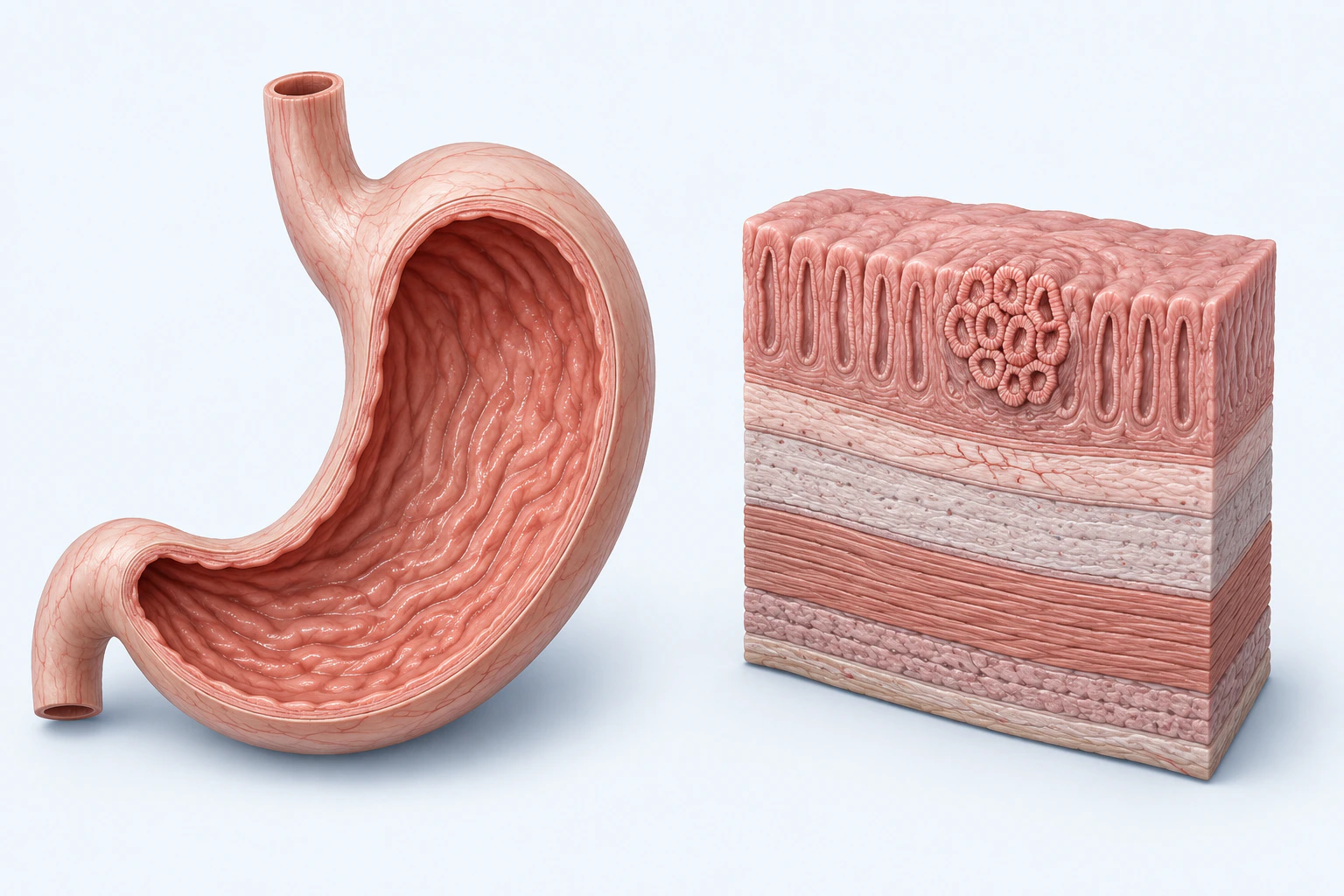
The most common malignancy of the stomach, accounting for over 95% of gastric cancers. helicobacter pylori infection is the strongest known risk factor, classified as a Group 1 carcinogen by IARC. In the metallomics framework, gastric adenocarcinoma reveals a striking d…
Alphabetical definitions of specialist terms used throughout this wiki. Where a full concept page exists, the term links to it. --- AhR (aryl hydrocarbon receptor) -- A ligand-activated transcription factor that senses microbial metabolites (especially indoles from tryp…
An umbrella term for chronic relapsing-remitting inflammatory conditions of the gastrointestinal tract, principally crohns disease (CD; transmural, any GI segment) and ulcerative colitis (UC; mucosal, colon only). Approximately 6 million patients worldwide. IBD represen…
An essential halogen required for thyroid hormone synthesis (T3 and T4). The thyroid gland is the primary iodine-concentrating organ, containing 70-80% of total body iodine. Iodine occupies a unique position in the metallomics landscape: it is not a metal, but its inter…
A functional gastrointestinal disorder affecting 10-15% of the global population, characterized by chronic abdominal pain, bloating, and altered bowel habits (diarrhea-predominant, constipation-predominant, or mixed) without identifiable structural pathology. From a met…
A genus of Gram-positive, facultatively anaerobic lactic acid bacteria (LAB) that are among the most extensively studied probiotics. In the metallomics context, Lactobacillus species are critical for two reasons: they actively detoxify heavy metals through binding and s…
Research summary — not medical advice. This page synthesizes published research on a mechanism-level intervention. It is not a clinical recommendation. Consult a qualified healthcare provider before making any changes to diet, supplementation, or treatment.
An essential macromineral required as a cofactor for over 300 enzymatic reactions in the body, including energy metabolism, protein synthesis, DNA/RNA stability, and neuromuscular function. Magnesium is not a heavy metal or trace element but is frequently measured along…
This page synthesizes findings across 1,426 source pages to map the relationships between metals and disease. Where individual source pages document a single study's findings, this page identifies the patterns that emerge when those findings are laid side by side. ADVER…
Inflammation is a broad concept, but in the metallomics context it has a specific character: heavy metals and pathogens activate overlapping inflammatory pathways, creating convergent pathology where distinguishing the metal contribution from the microbial contribution …
Microglia are the resident immune cells of the central nervous system, constituting 5-12% of all brain cells. They function as the brain's surveillance and defense system -- scanning for damage, clearing debris, pruning synapses during development, and mounting inflamma…
--- title: Neisseria meningitidis type: entity subtype: microbe created: 2026-04-09 updated: 2026-04-16 lastsubstantiveupdate: 2026-04-16 sources: [maier-2019-nickel-microbial-pathogenesis, patil-2021-infection-metallomics-critical-care, patil-2021-infection-metallomics…
A chronic metabolic condition affecting over 1 billion people globally, characterized by excess adipose tissue accumulation, systemic low-grade inflammation, and gut microbiome disruption pendergrass 2026 heavy metals obesity epidemic. From a metallomics perspective, ob…
This knowledge-base record is being expanded from WikiBiome’s evidence graph.
The second most common neurodegenerative disease, affecting over 10 million people worldwide dorsey 2018 parkinsons incidence meta analysis. Characterized by progressive loss of dopaminergic neurons in the substantia nigra, alpha-synuclein aggregation (Lewy bodies), and…
Pharmacomicrobiomics is the study of bidirectional interactions between drugs and the microbiome. The gut microbiome is not a passive bystander in pharmacology -- it actively metabolizes drugs, alters their bioavailability, and modulates therapeutic efficacy. Conversely…
A metabolic-endocrine disorder affecting 6-20% of reproductive-age women worldwide, characterized by hyperandrogenism, oligo/anovulation, and polycystic ovary morphology (Rotterdam criteria) barrea 2019 mediterranean diet pcos. PCOS is the leading cause of anovulatory i…
Polyphenols are a diverse class of plant-derived compounds characterized by multiple phenol structural units. They are among the most abundant antioxidants in the human diet, found in fruits, vegetables, tea, coffee, wine, chocolate, and spices. What makes polyphenols p…
Sepsis is life-threatening organ dysfunction caused by a dysregulated host response to infection. In the WikiBiome framework, sepsis represents the catastrophic failure of both colonization resistance (pathogen invasion) and nutritional immunity (metal restriction). Inf…
This knowledge-base record is being expanded from WikiBiome’s evidence graph.
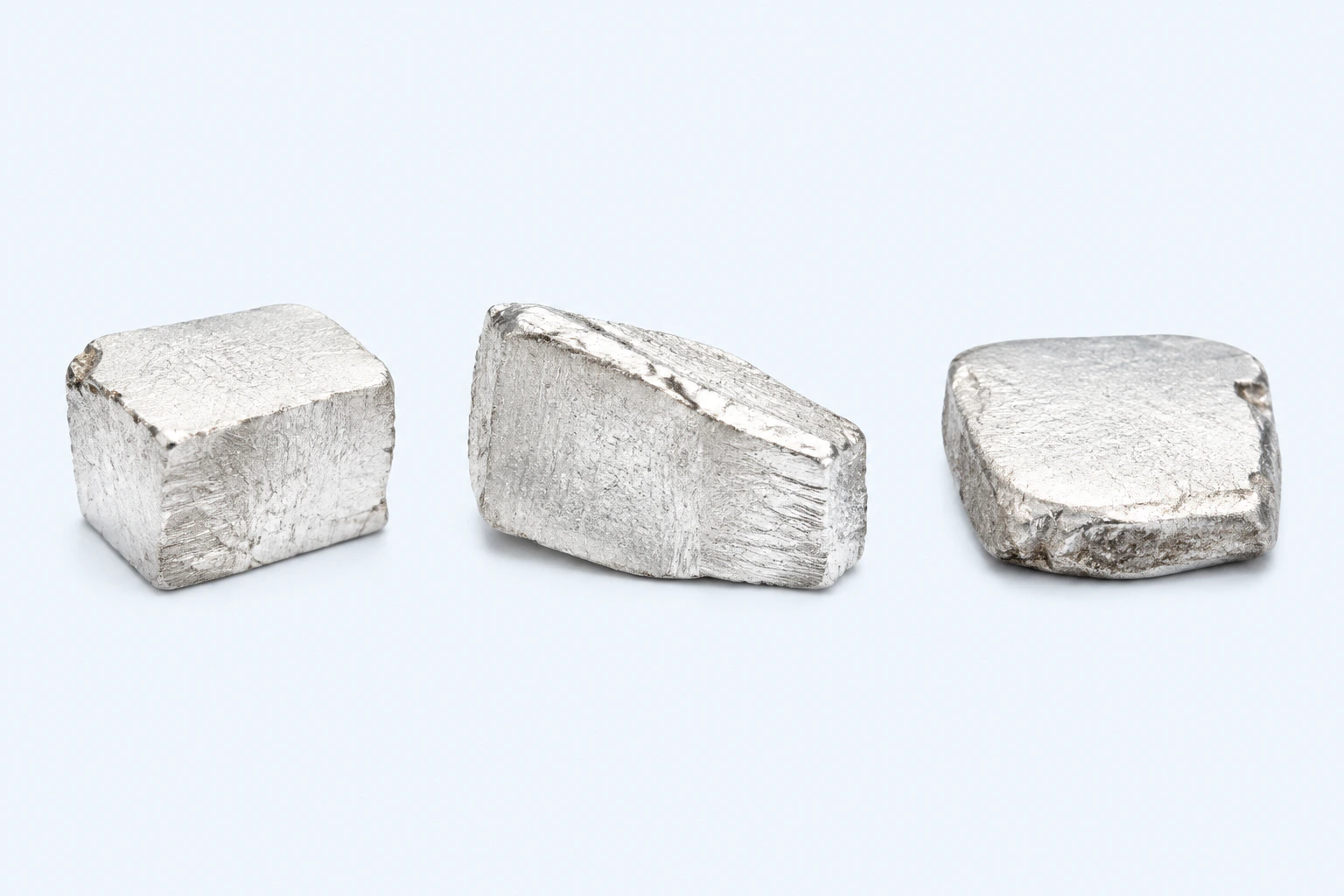
A non-essential metal with a 5,000-year history of antimicrobial use, silver has re-emerged as a critical tool in the post-antibiotic era. What makes silver particularly interesting from a metallomics perspective is not that it kills bacteria -- many metals do -- but ho…
Tau is a microtubule-associated protein essential for maintaining the structural integrity of neuronal axons. In health, tau binds to and stabilizes microtubules, enabling axonal transport of organelles, vesicles, and signaling molecules. When tau becomes hyperphosphory…
Copper is elevated in the blood/serum of nearly every disease state examined in this wiki: | Disease | Cu Direction | Evidence | |---|---|---| | PCOS | Elevated | SMD = 0.51, p < 0.0001 (meta-analysis of 9 studies) | | Breast cancer | Elevated | SMD 2.44 in plasma/serum…
Tryptophan (Trp) is an essential amino acid that the human body cannot synthesize and must obtain from diet. It occupies a uniquely important position at the intersection of neuroscience, immunology, and microbial ecology because it is the sole precursor to serotonin, a…
Tuberculosis is caused by mycobacterium tuberculosis, an intracellular pathogen that survives inside macrophage phagosomes. In the WikiBiome framework, TB exemplifies the intracellular metal battleground: M. tuberculosis deploys mycobactins (lipophilic siderophores) and…
A chronic inflammatory bowel disease characterized by continuous mucosal inflammation of the colon, extending proximally from the rectum. Unlike crohns disease, UC is limited to the colon, affects only the mucosa/submucosa (not transmural), produces no skip lesions, and…