Iron-Sulfur Clusters
This knowledge-base record is being expanded from WikiBiome’s evidence graph.
WikiBiomeThe human microbiome encyclopediaRanked matches across titles, topics, categories, and article introductions.
This knowledge-base record is being expanded from WikiBiome’s evidence graph.
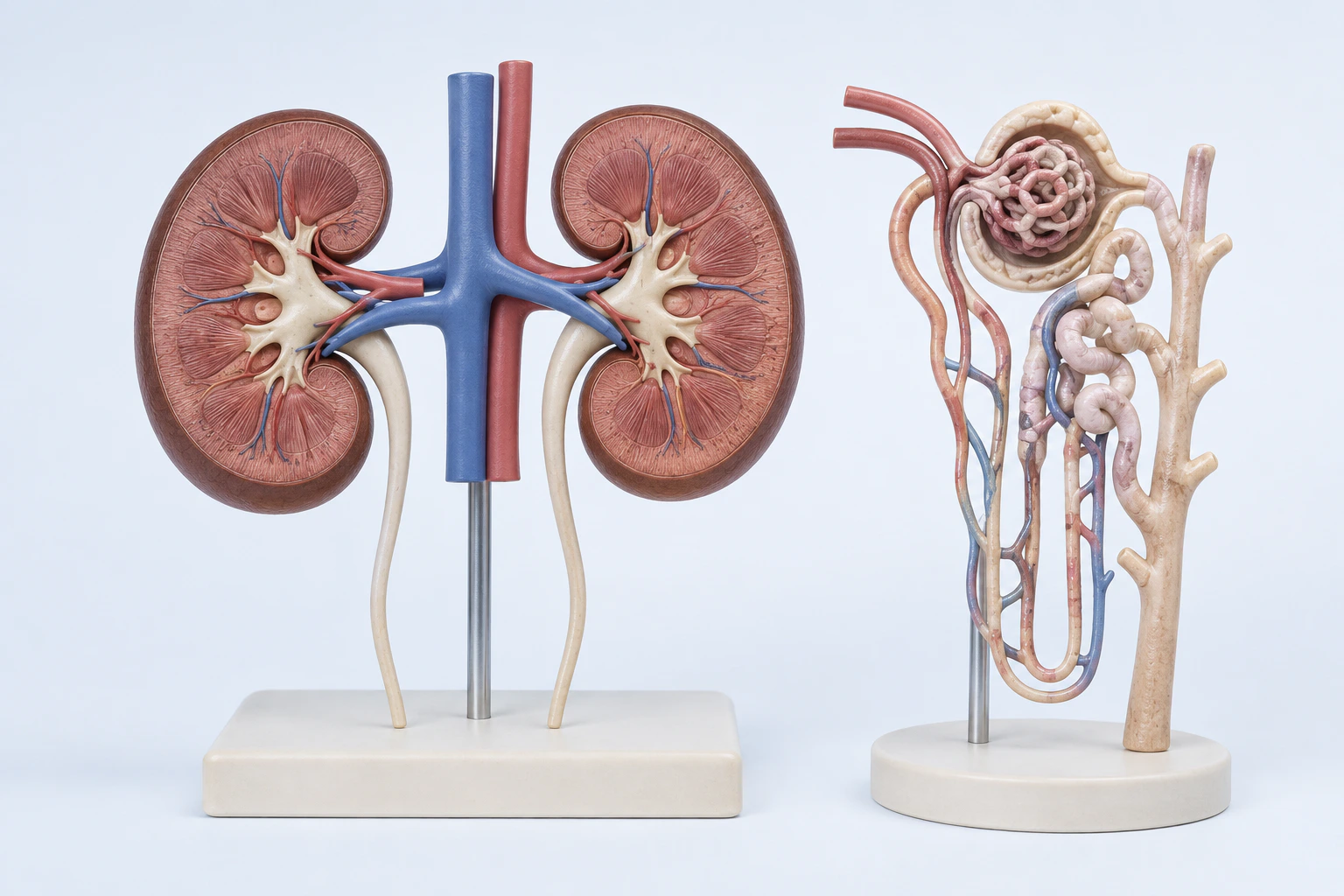
A progressive loss of kidney function affecting approximately 850 million people worldwide (10–14% of adults), causing 1.2 million deaths annually. CKD is unique among diseases in this wiki because it occupies both sides of the metal-disease equation: heavy metals (Cd, …
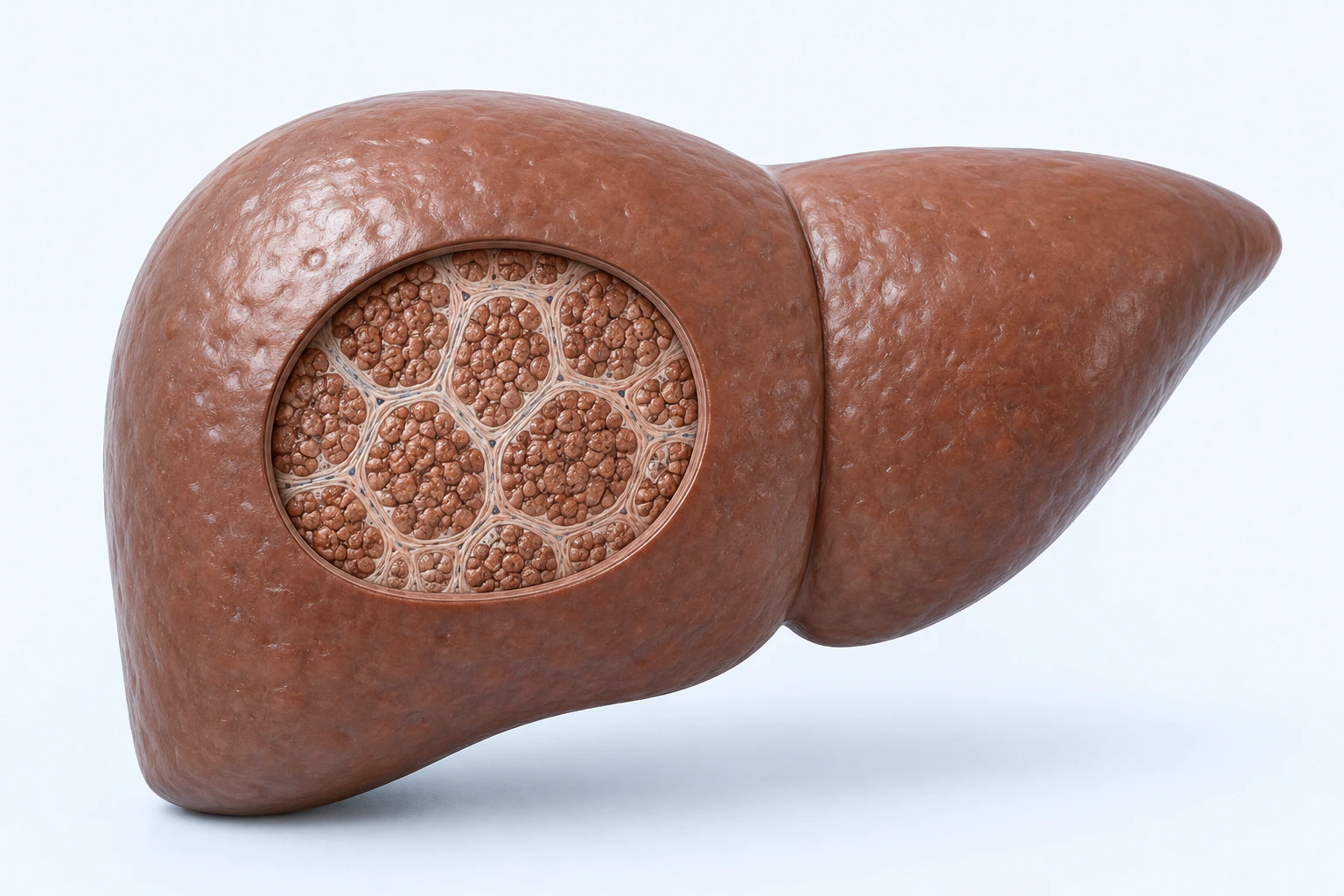
Cirrhosis is end-stage liver fibrosis characterized by nodular regeneration, portal hypertension, and progressive hepatic failure. The gut-liver axis is central: portal venous blood delivers gut-derived LPS, bacterial DNA, and viable bacteria directly to the liver, and …
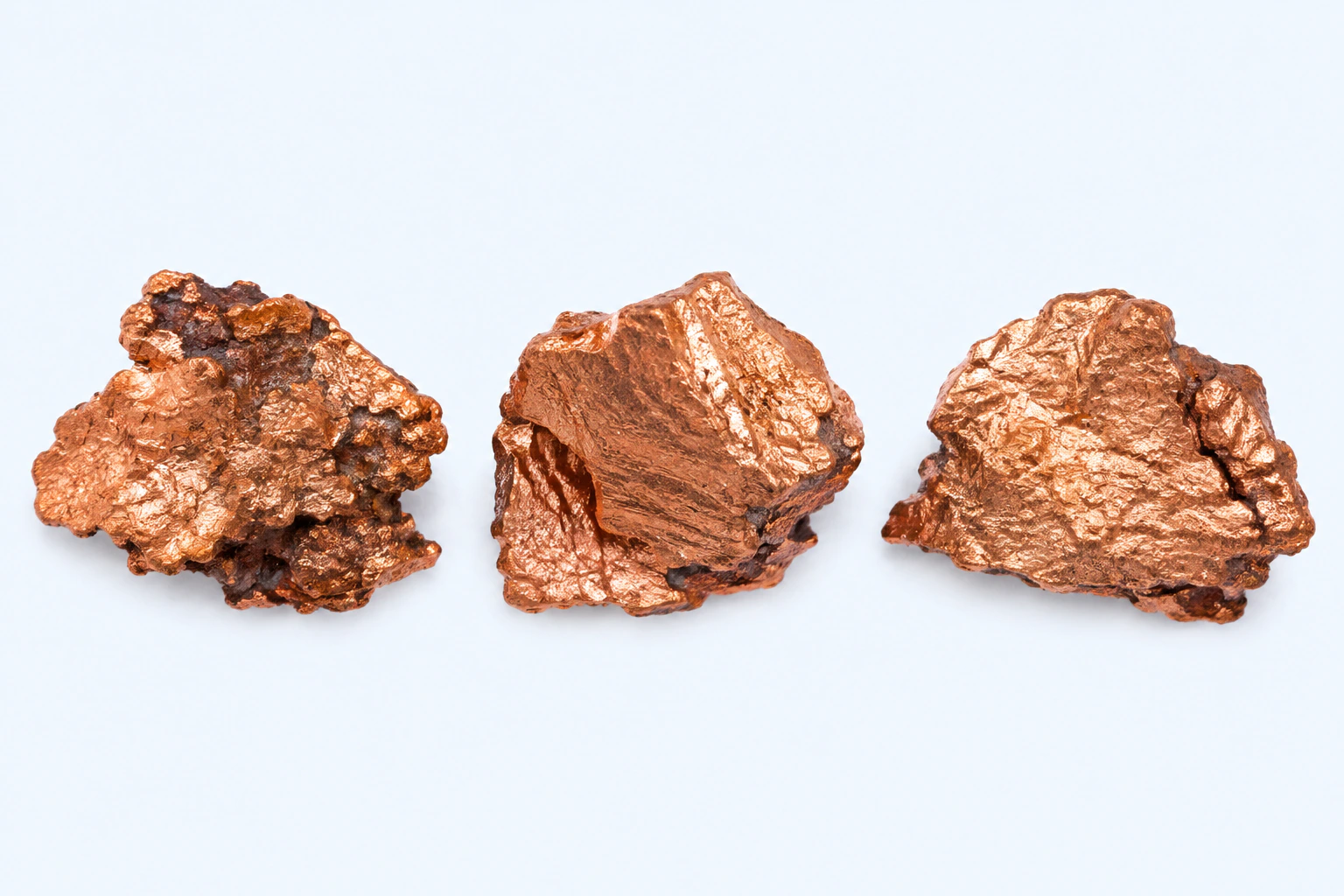
An essential trace element with a striking dual nature: required for survival as a cofactor for critical enzymes (SOD1, cytochrome c oxidase, ceruloplasmin), yet toxic in excess through Fenton-like redox cycling and mis metallation of iron-sulfur clusters. Copper is ele…
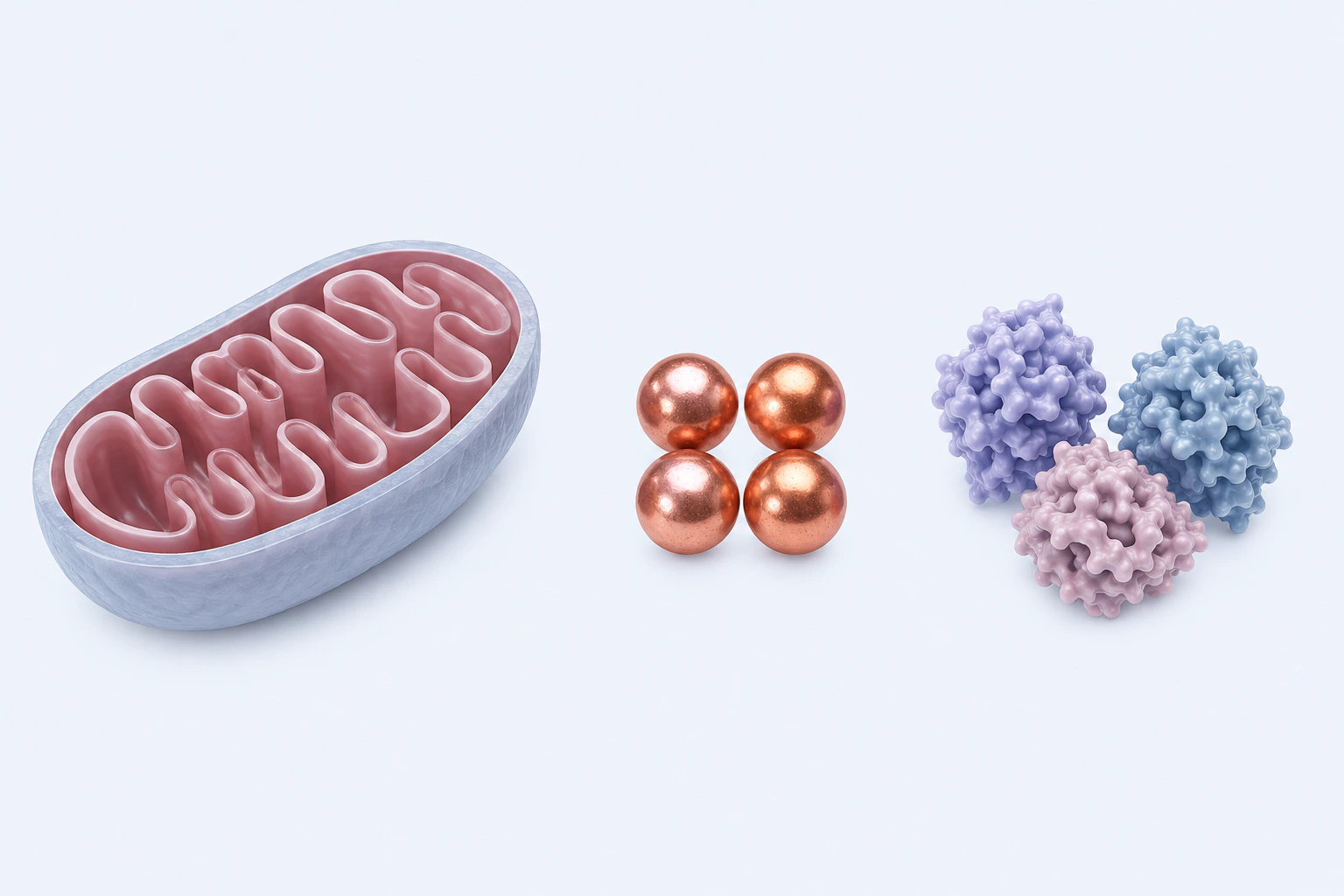
A distinct form of regulated cell death caused by excess intracellular copper binding to lipoylated proteins in the TCA cycle, first characterized by Tsvetkov et al. in Science (2022). Unlike ferroptosis (iron-dependent lipid peroxidation) or apoptosis (caspase-dependen…
This knowledge-base record is being expanded from WikiBiome’s evidence graph.
Disruption of the normal composition and metabolic function of microbial communities, particularly the gut microbiome. In the metallomics context, dysbiosis is both a consequence of metal toxicity and an amplifier of further disease -- creating vicious cycles where meta…
Eubacterium rectale (recently reclassified as Agathobacter rectalis) is a Gram-positive, strictly anaerobic, non-spore-forming bacterium that belongs to Clostridium cluster XIVa within the lachnospiraceae family. It is one of the most abundant butyrate producers in the …
Faecalibacterium is a genus of obligate anaerobic, Gram-positive bacteria in the family Ruminococcaceae (phylum Firmicutes). It is the most abundant genus in the healthy human colon (5–15% of fecal bacteria) and its depletion is the single most reproducible microbiome f…
This knowledge-base record is being expanded from WikiBiome’s evidence graph.
Indoxyl sulfate (IS) is a protein-bound uremic toxin produced through a two-step process: gut bacteria convert dietary tryptophan to indole, which is then absorbed and sulfated by hepatic sulfotransferases (SULT1A1). IS exemplifies how dysbiosis-driven metabolite overpr…
The most abundant transition metal in the human body and arguably the most consequential metal in biology. Iron sits at the center of a paradox that drives pathology across virtually every disease domain: organisms need it for oxygen transport, energy metabolism, DNA sy…
This page serves as the family-level hub for Lachnospiraceae, connecting the individual genus and species pages (roseburia, blautia, anaerostipes, eubacterium rectale) with the overarching ecological and metabolic framework that defines the family. For the primary entit…
Post-acute sequelae of SARS-CoV-2 infection (PASC), affecting an estimated 10-30% of COVID-19 survivors (WHO and CDC post-acute surveillance estimates) with symptoms persisting 12 weeks. Characterized by fatigue, cognitive dysfunction ("brain fog"), exercise intolerance…
A genus of lipophilic basidiomycete yeasts that is the dominant fungus on human skin and has recently been recognized as a significant component of the gut mycobiome. M. restricta, M. globosa, and M. furfur are the primary species. Originally studied as the cause of dan…
The biological processes by which organisms maintain proper intracellular and systemic concentrations of essential metals -- importing what is needed, storing excess safely, and exporting or sequestering surplus. Both host and microbial systems have evolved elaborate me…
This knowledge-base record is being expanded from WikiBiome’s evidence graph.
Protein-based transcription factors that sense intracellular metal concentrations and regulate gene expression accordingly. Metalloregulators are the decision-making layer of bacterial metal homeostasis -- they read the labile metal pool, determine whether a specific me…
This knowledge-base record is being expanded from WikiBiome’s evidence graph.
Mitochondrial dysfunction refers to the impairment of mitochondrial energy production, redox balance, and signaling functions. Mitochondria are the primary targets of heavy metal toxicity in human cells, and they are also the organelles most dependent on metal cofactors…
--- title: Neisseria meningitidis type: entity subtype: microbe created: 2026-04-09 updated: 2026-04-16 lastsubstantiveupdate: 2026-04-16 sources: [maier-2019-nickel-microbial-pathogenesis, patil-2021-infection-metallomics-critical-care, patil-2021-infection-metallomics…
This knowledge-base record is being expanded from WikiBiome’s evidence graph.
A non-essential metal with a 5,000-year history of antimicrobial use, silver has re-emerged as a critical tool in the post-antibiotic era. What makes silver particularly interesting from a metallomics perspective is not that it kills bacteria -- many metals do -- but ho…
Small regulatory RNAs (sRNAs) are non-coding RNA molecules, typically 50-500 nucleotides long, that regulate gene expression post-transcriptionally in bacteria. In the context of metal biology and microbial pathogenesis, sRNAs serve as rapid-response coordinators that h…
Taurine (2-aminoethanesulfonic acid) is a sulfur-containing amino acid abundant in bile, heart, brain, and retina. Its primary metabolic role is bile acid conjugation — taurocholate and taurochenodeoxycholate are the taurine-conjugated primary bile acids that BSH-produc…