Iron-Sulfur Clusters
This knowledge-base record is being expanded from WikiBiome’s evidence graph.
WikiBiomeThe human microbiome encyclopediaRanked matches across titles, topics, categories, and article introductions.
This knowledge-base record is being expanded from WikiBiome’s evidence graph.
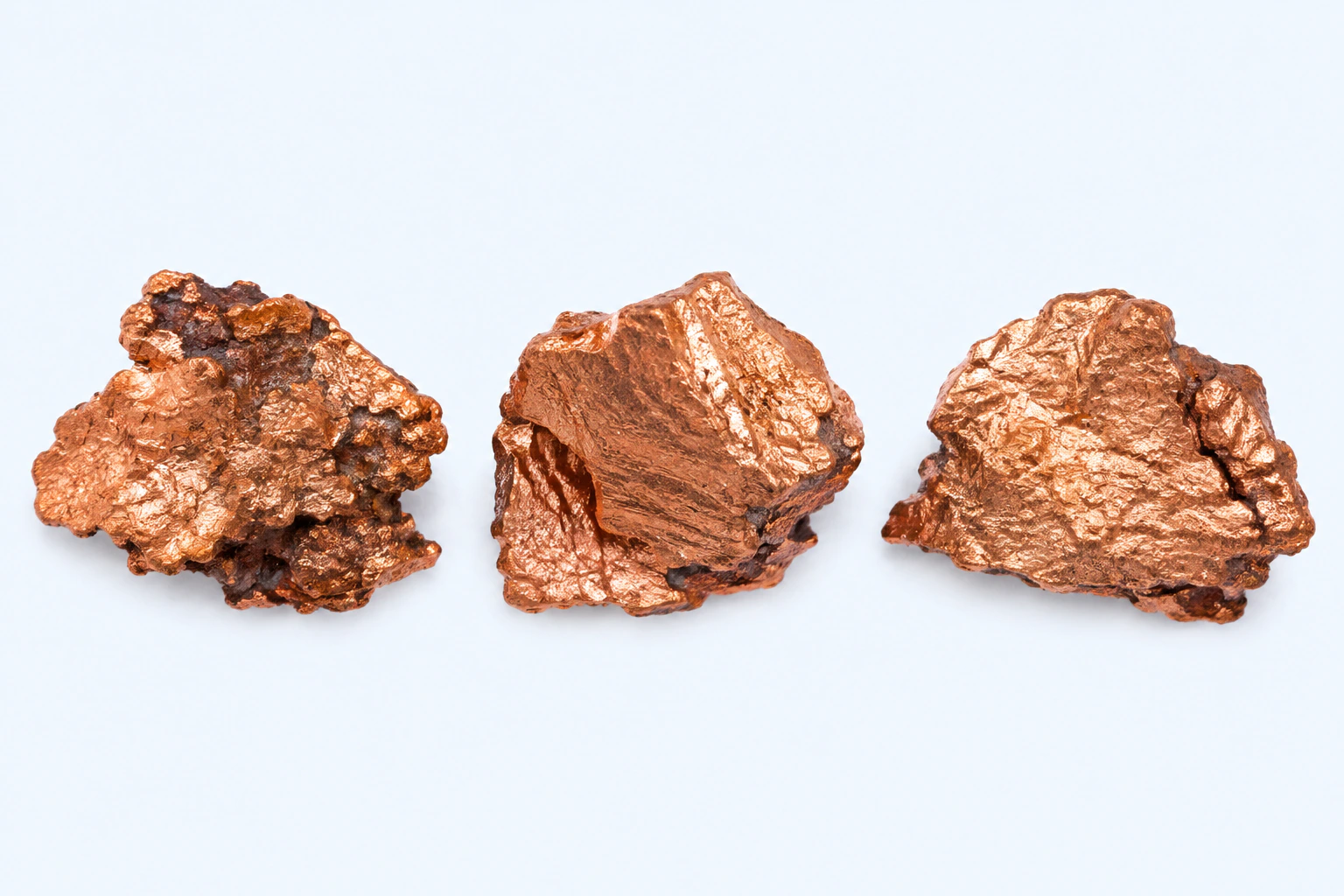
An essential trace element with a striking dual nature: required for survival as a cofactor for critical enzymes (SOD1, cytochrome c oxidase, ceruloplasmin), yet toxic in excess through Fenton-like redox cycling and mis metallation of iron-sulfur clusters. Copper is ele…
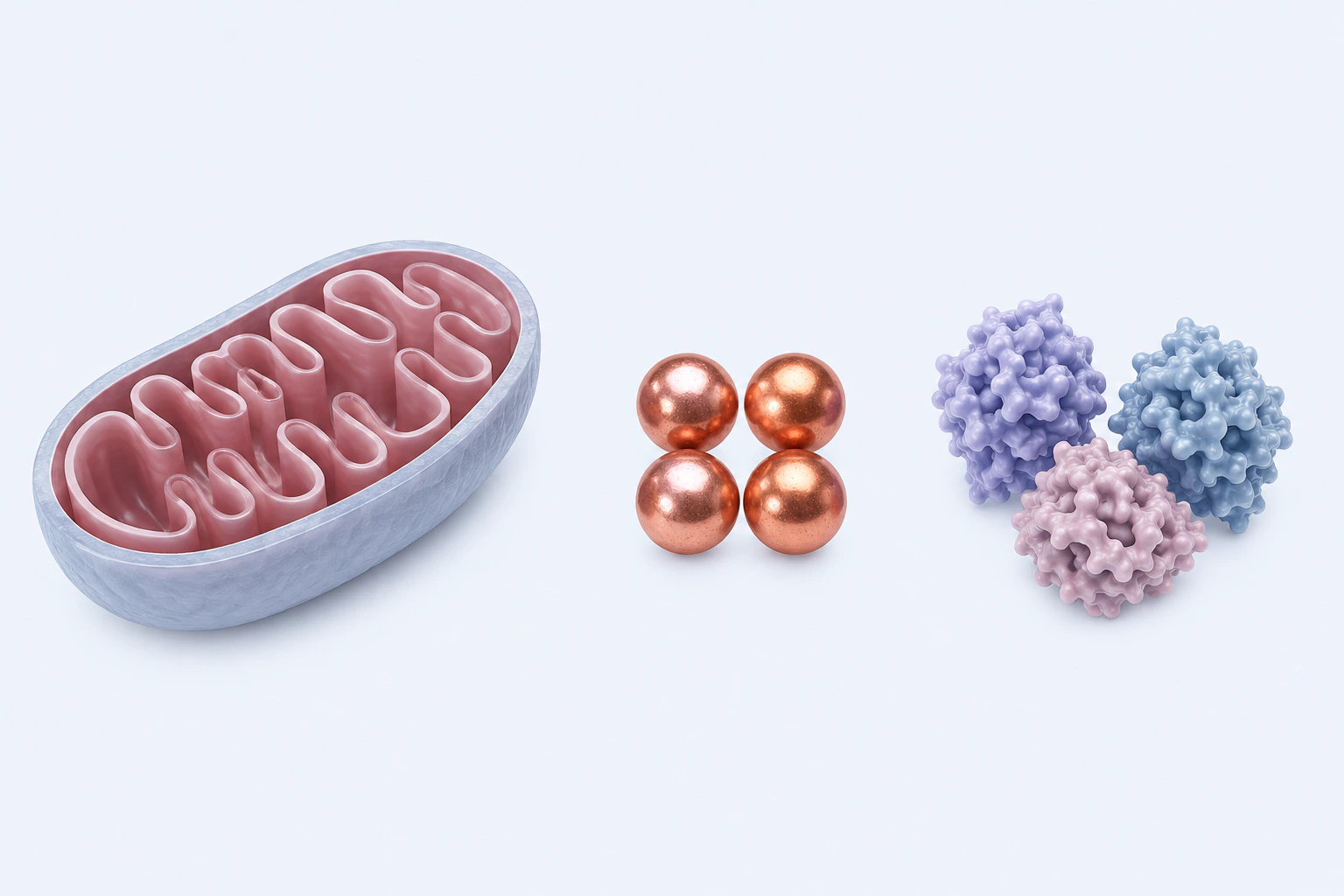
A distinct form of regulated cell death caused by excess intracellular copper binding to lipoylated proteins in the TCA cycle, first characterized by Tsvetkov et al. in Science (2022). Unlike ferroptosis (iron-dependent lipid peroxidation) or apoptosis (caspase-dependen…
Eubacterium rectale (recently reclassified as Agathobacter rectalis) is a Gram-positive, strictly anaerobic, non-spore-forming bacterium that belongs to Clostridium cluster XIVa within the lachnospiraceae family. It is one of the most abundant butyrate producers in the …
Faecalibacterium is a genus of obligate anaerobic, Gram-positive bacteria in the family Ruminococcaceae (phylum Firmicutes). It is the most abundant genus in the healthy human colon (5–15% of fecal bacteria) and its depletion is the single most reproducible microbiome f…
The most abundant transition metal in the human body and arguably the most consequential metal in biology. Iron sits at the center of a paradox that drives pathology across virtually every disease domain: organisms need it for oxygen transport, energy metabolism, DNA sy…
This page serves as the family-level hub for Lachnospiraceae, connecting the individual genus and species pages (roseburia, blautia, anaerostipes, eubacterium rectale) with the overarching ecological and metabolic framework that defines the family. For the primary entit…
This knowledge-base record is being expanded from WikiBiome’s evidence graph.
Mitochondrial dysfunction refers to the impairment of mitochondrial energy production, redox balance, and signaling functions. Mitochondria are the primary targets of heavy metal toxicity in human cells, and they are also the organelles most dependent on metal cofactors…
A non-essential metal with a 5,000-year history of antimicrobial use, silver has re-emerged as a critical tool in the post-antibiotic era. What makes silver particularly interesting from a metallomics perspective is not that it kills bacteria -- many metals do -- but ho…